12 Smart Steps To Take When An Opossum Visits Your Georgia Yard
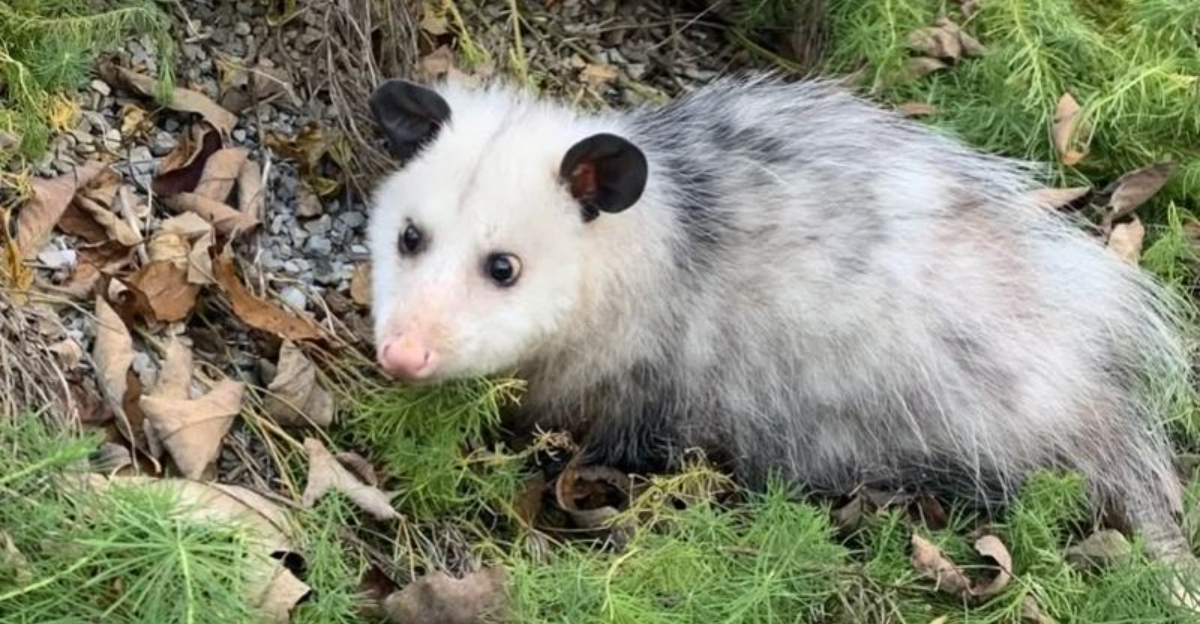
Opossums are surprisingly common visitors in Georgia backyards, and while they might look unusual with their pointy snouts, beady eyes, and hairless tails, these nocturnal marsupials are actually quite harmless and can even be beneficial to your property.
They help control insect and rodent populations, eating everything from beetles to garden pests, making them unexpected allies in maintaining a balanced yard ecosystem.
Many homeowners, however, feel unsure or even a little nervous when they spot one waddling quietly through their yard at night or rummaging under bushes for food.
Knowing how to respond correctly can make a big difference, allowing you to coexist peacefully with these shy animals while ensuring your family, pets, and garden remain safe and undisturbed.
With the right approach, opossums can be appreciated as a natural part of your backyard wildlife, rather than a cause for concern.
The following practical steps and tips will guide you through the safest and most effective ways to handle an opossum encounter in your Georgia yard, from observation to gentle deterrence.
1. Stay Calm And Keep Your Distance
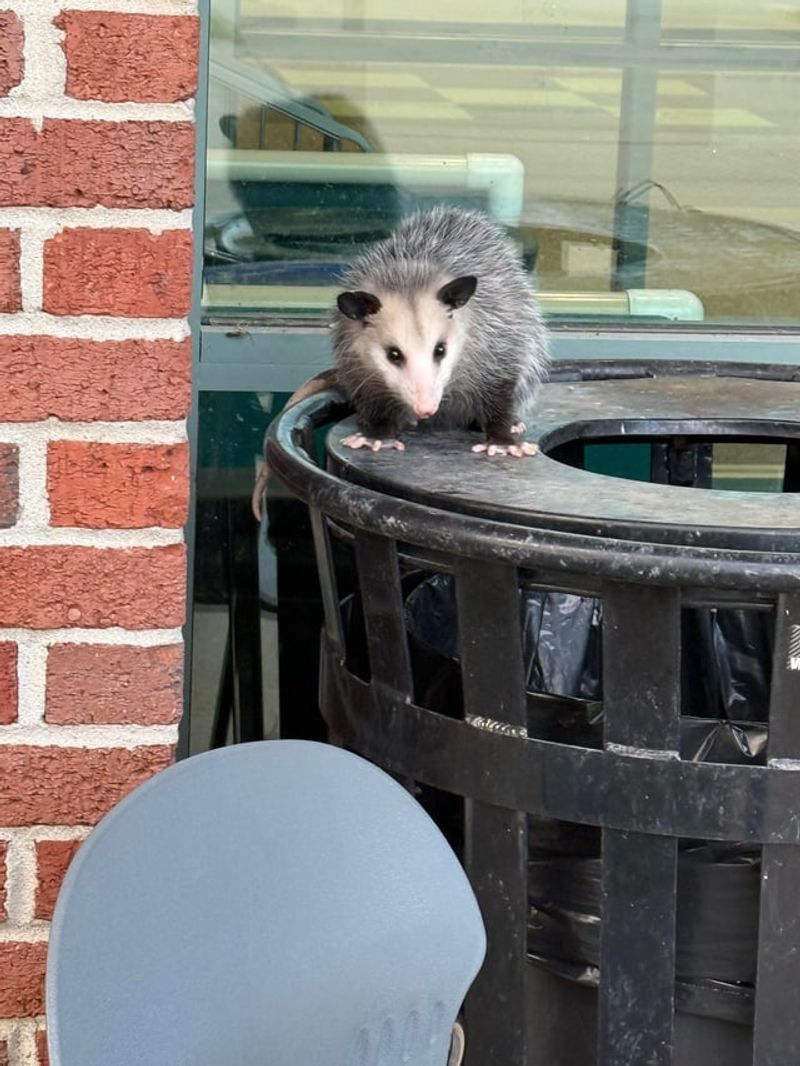
Spotting an opossum can startle you, especially if you encounter one unexpectedly during an evening walk around your property.
Your first instinct might be to panic or approach it out of curiosity, but the smartest move is to simply remain calm and give the animal plenty of space.
Opossums are naturally shy creatures that prefer to avoid confrontation with humans whenever possible.
When you maintain a respectful distance of at least ten to fifteen feet, you allow the opossum to feel safe enough to continue on its way without feeling threatened or cornered.
Getting too close might cause the animal to hiss, show its teeth, or even play possum, which is a stress response where it appears unconscious.
Remember that opossums have poor eyesight and rely heavily on their sense of smell, so sudden movements or loud noises can confuse or frighten them.
By staying back and observing quietly, you reduce stress for both yourself and the animal.
Most opossums will simply move along within a few minutes once they realize you are nearby.
Teaching children and other family members to respect wildlife boundaries is an important lesson that starts with your own calm behavior during these encounters.
2. Bring Pets Inside Immediately
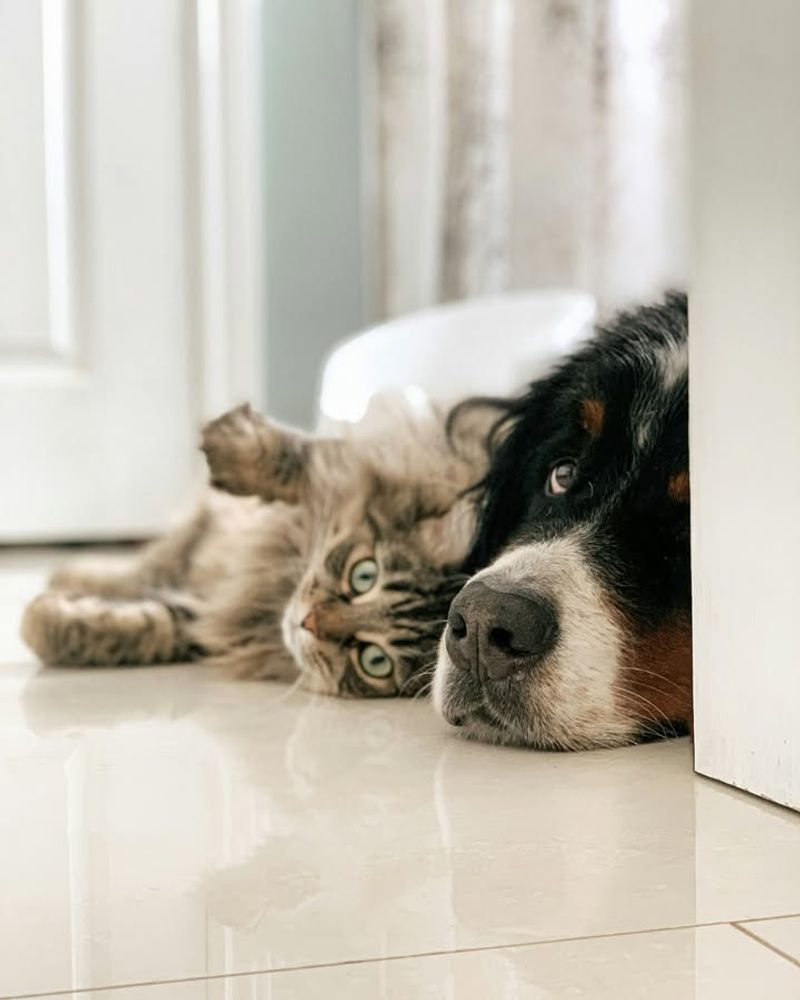
Dogs and cats can become very excited or aggressive when they detect an unfamiliar animal in their territory, and this natural instinct can lead to dangerous confrontations.
Opossums typically try to avoid conflict, but when cornered by a barking dog or curious cat, they may defend themselves by hissing, baring their fifty sharp teeth, or even biting.
While opossums rarely initiate attacks, your pet could sustain injuries from a defensive opossum, or worse, your pet might harm the opossum.
Calling your pets inside immediately protects everyone involved and prevents unnecessary stress for all the animals.
Even well-trained pets can act unpredictably around wildlife, so never assume your dog or cat will simply ignore an opossum.
Keep your pets indoors until you are certain the opossum has left your yard completely.
Your Georgia Garden Changes Every Week. Your Plan Should Too.
Gardening in Georgia changes quickly throughout the season. Every Friday you’ll receive a simple weekly plan showing exactly what to plant, prune, fertilize, harvest, and protect so you never miss the right timing.
If you have outdoor cats that roam freely, consider keeping them inside during evening hours when opossums are most active.
This simple precaution can prevent injuries, reduce the risk of disease transmission, and give the opossum a chance to pass through your property peacefully.
Your pets will be perfectly fine spending a little extra time indoors while your temporary visitor moves along.
3. Observe From A Safe Indoor Location
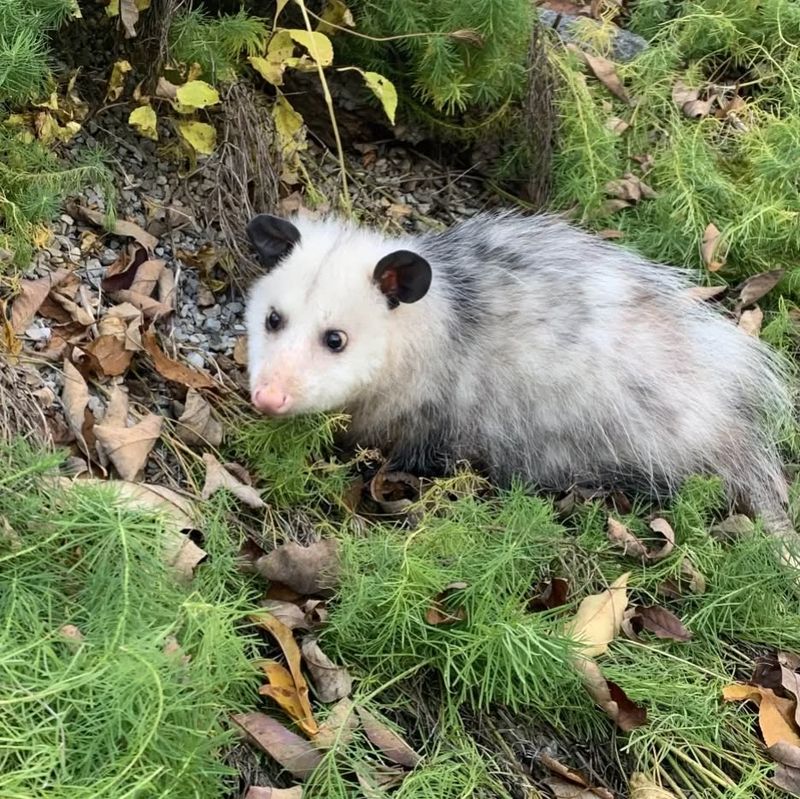
Watching wildlife from the comfort and safety of your home offers a wonderful opportunity to learn about the creatures that share your neighborhood.
Position yourself near a window with a good view of your yard, and you might be surprised by how interesting opossum behavior can be.
You may notice the opossum sniffing around for insects, grubs, or fallen fruit, moving slowly and methodically as it searches for food.
Opossums have a unique waddle when they walk, and their prehensile tail helps them balance as they navigate through gardens and under bushes.
Observing from indoors means you would not disturb the animal or put yourself at risk of startling it.
This is also a perfect chance to teach children about respecting wildlife and understanding that animals deserve space to go about their business.
You might even want to grab your phone or camera to capture a few photos through the window as a fun memory.
Watching an opossum forage can be surprisingly entertaining, and you will quickly realize these animals are far more interested in finding their next meal than bothering humans.
Indoor observation keeps everyone safe while satisfying your natural curiosity about your nighttime visitor.
4. Check For Babies In The Area
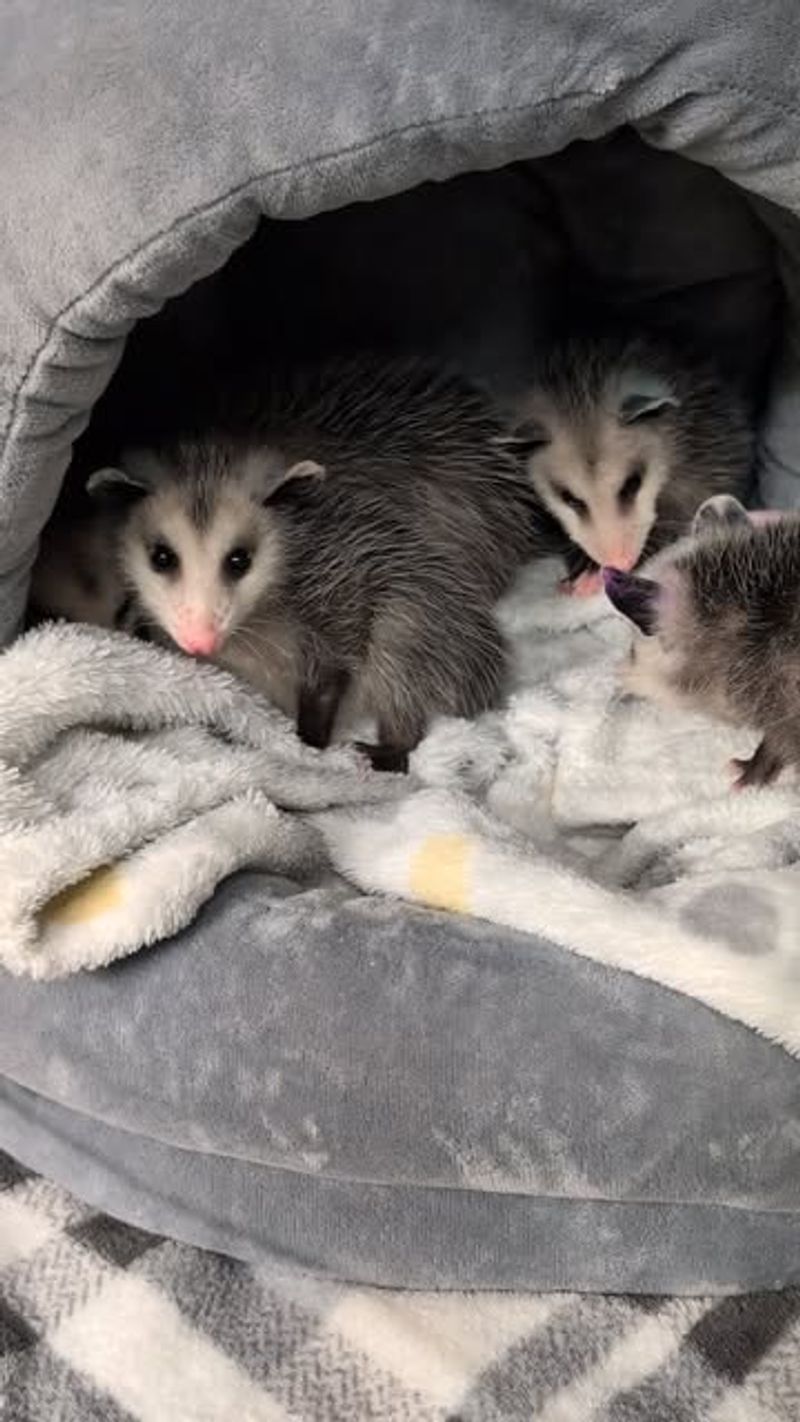
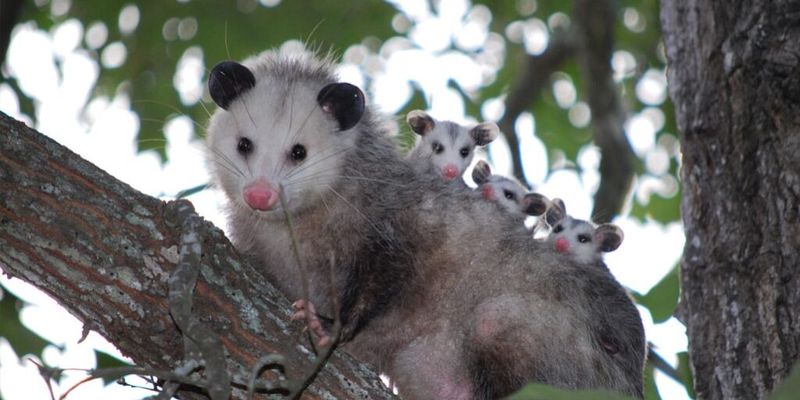
Female opossums often travel with their young clinging to their backs, creating an adorable sight that many Georgia residents never get to witness.
Baby opossums, called joeys, are born extremely tiny and spend their first weeks developing inside their mother’s pouch before emerging to ride along on her back.
If you spot an opossum in your yard, take a moment to look carefully for any babies that might be with her.
Mother opossums are incredibly protective of their young and will do everything possible to keep them safe during their nightly travels.
Sometimes a joey might accidentally fall off during the mother’s journey, and if you notice a small opossum that appears to be alone, it might be separated from its family.
In such cases, the mother will usually return to search for her missing baby, so it is best to leave the joey where you found it and observe from a distance.
Avoid touching or picking up baby opossums, as this can cause the mother to abandon them or put you at risk of being bitten.
If a baby appears injured or the mother does not return after several hours, contact a licensed wildlife rehabilitator for guidance.
Respecting the family unit helps ensure the best outcome for these vulnerable creatures.
5. Remove Potential Food Sources
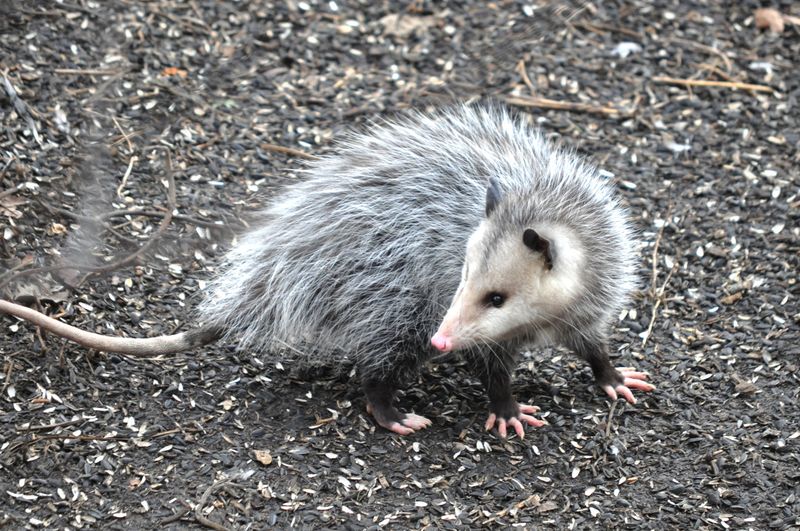
Opossums are opportunistic eaters with a diet that includes insects, small rodents, fruits, vegetables, and unfortunately, your garbage if it is easily accessible.
One of the most effective ways to discourage repeat visits is to eliminate the food sources that attract them to your property in the first place.
Start by securing your garbage cans with tight-fitting lids or bungee cords that prevent animals from prying them open.
If you feed pets outdoors, bring their food bowls inside after mealtime rather than leaving them out overnight when opossums are most active.
Fallen fruit from trees should be picked up regularly, as opossums love snacking on overripe apples, peaches, and berries that litter the ground.
Bird feeders can also attract opossums, who enjoy eating the seeds that fall beneath them, so consider bringing feeders inside at night or switching to designs that minimize spillage.
Compost piles should be properly managed and covered to avoid becoming an opossum buffet.
By removing these tempting food sources, you make your yard less appealing to hungry opossums, encouraging them to search for meals elsewhere.
This approach benefits everyone by reducing wildlife conflicts while still allowing opossums to thrive in their natural habitat.
6. Seal Off Potential Den Sites
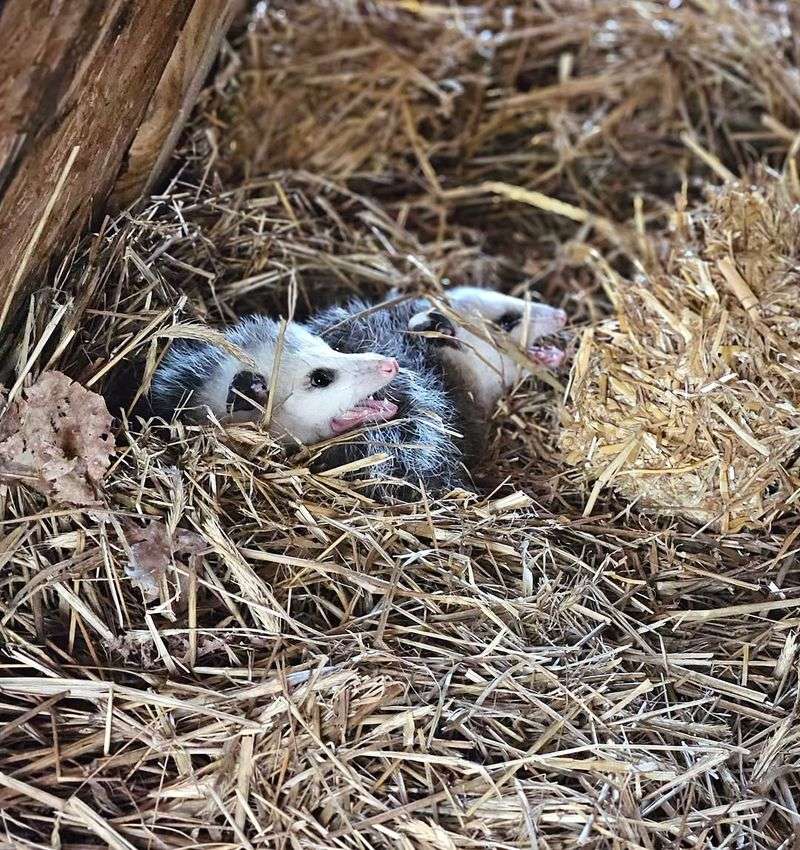
Opossums are always on the lookout for safe, dark places to rest during daylight hours, and your property might offer several attractive options.
Common den sites include spaces under decks, sheds, porches, and crawl spaces beneath homes where opossums can hide from predators and harsh weather.
While having an opossum temporarily shelter under your deck is not necessarily harmful, you probably prefer not to have wildlife taking up permanent residence on your property.
Inspect your home’s exterior for gaps, holes, or openings that could allow an opossum to squeeze inside.
These animals can fit through surprisingly small spaces, so look carefully around foundations, vents, and damaged siding.
Use hardware cloth, wire mesh, or wooden boards to seal off these entry points, making sure your repairs are secure and durable.
Before sealing any space, verify that no animals are currently inside, as trapping an opossum or its babies can create a serious problem.
You can sprinkle flour near suspected entry points and check for tracks after a day or two to confirm whether the space is occupied.
Taking these preventive measures protects your home while encouraging opossums to find more appropriate shelter elsewhere in their natural environment.
7. Turn On Outdoor Lights
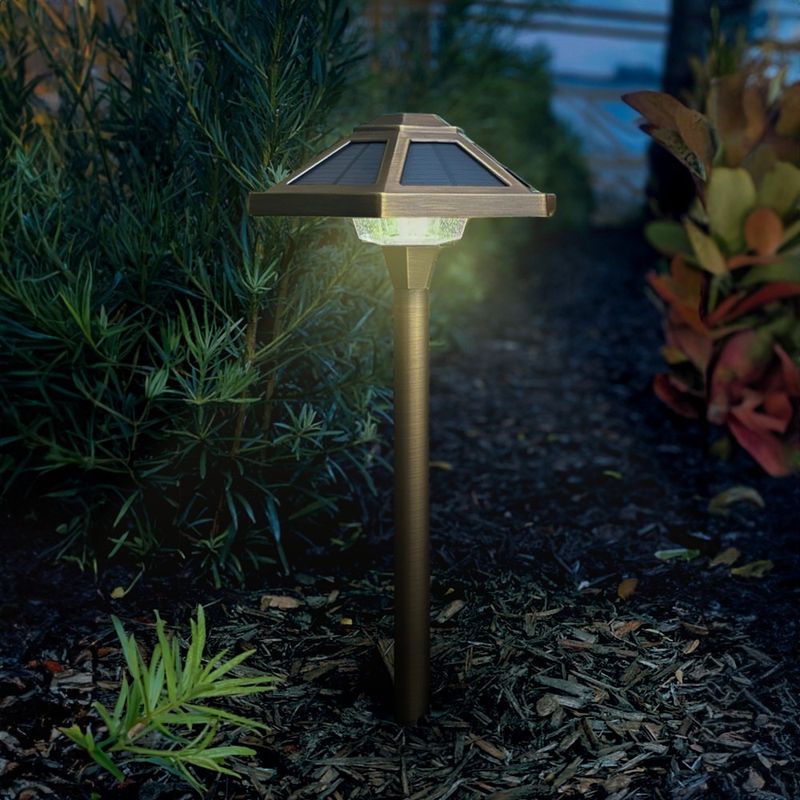
Opossums are nocturnal animals that prefer to move around under the cover of darkness, using the night to stay hidden from predators while they search for food.
Bright lights can make opossums feel exposed and uncomfortable, encouraging them to move along more quickly rather than lingering in your yard.
Installing motion-activated lights around your property serves as an effective and humane deterrent that does not harm the animal in any way.
When an opossum triggers the sensor, the sudden illumination startles it and makes the area less appealing for foraging or exploring.
Position lights near areas where you have noticed opossum activity, such as garbage cans, gardens, or potential den sites.
Motion-sensor lights also provide the added benefit of improving your home security and making it safer for you to navigate your yard after dark.
Some homeowners find that leaving porch lights or landscape lights on throughout the night helps reduce wildlife visits overall.
While this method will not guarantee that opossums never enter your yard, it does make your property less attractive compared to darker, quieter neighboring yards.
Combining lighting with other deterrent methods creates a comprehensive approach to managing wildlife encounters peacefully and effectively.
8. Avoid Touching Or Handling The Opossum
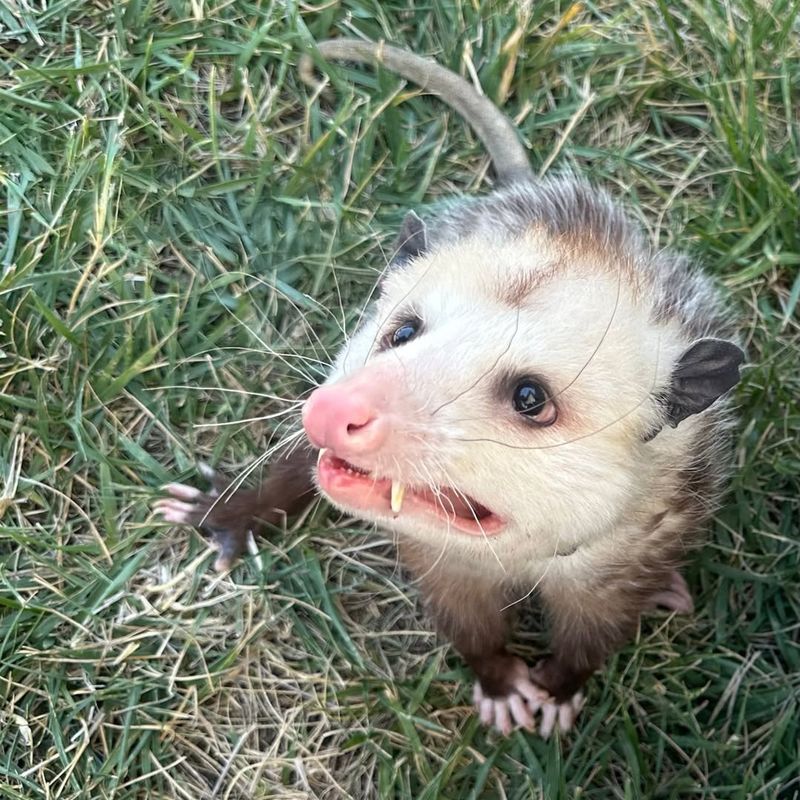
No matter how harmless an opossum might appear, attempting to touch, pick up, or handle one is never a good idea for several important reasons.
First, opossums are wild animals that can bite when they feel threatened or cornered, and their mouths contain fifty sharp teeth designed for crushing insects and small prey.
Even though opossums have a relatively low body temperature that makes them less likely to carry rabies compared to other mammals, they can still transmit other diseases or parasites through bites or scratches.
Second, handling wildlife causes extreme stress for the animal, which may respond by playing possum, a state where it appears unconscious but is actually experiencing a severe fear response.
This involuntary reaction can last for hours and leaves the animal vulnerable to predators or other dangers.
Third, many people underestimate how strong and quick opossums can be when they feel the need to defend themselves.
Their claws are sharp, and they can twist and turn in ways that make them difficult to hold safely.
If you encounter an injured opossum or one that seems to need help, contact a wildlife professional or rehabilitator rather than attempting a rescue yourself.
Keeping your hands off ensures your safety and allows the opossum to move along naturally without additional stress.
9. Wait Patiently For It To Leave
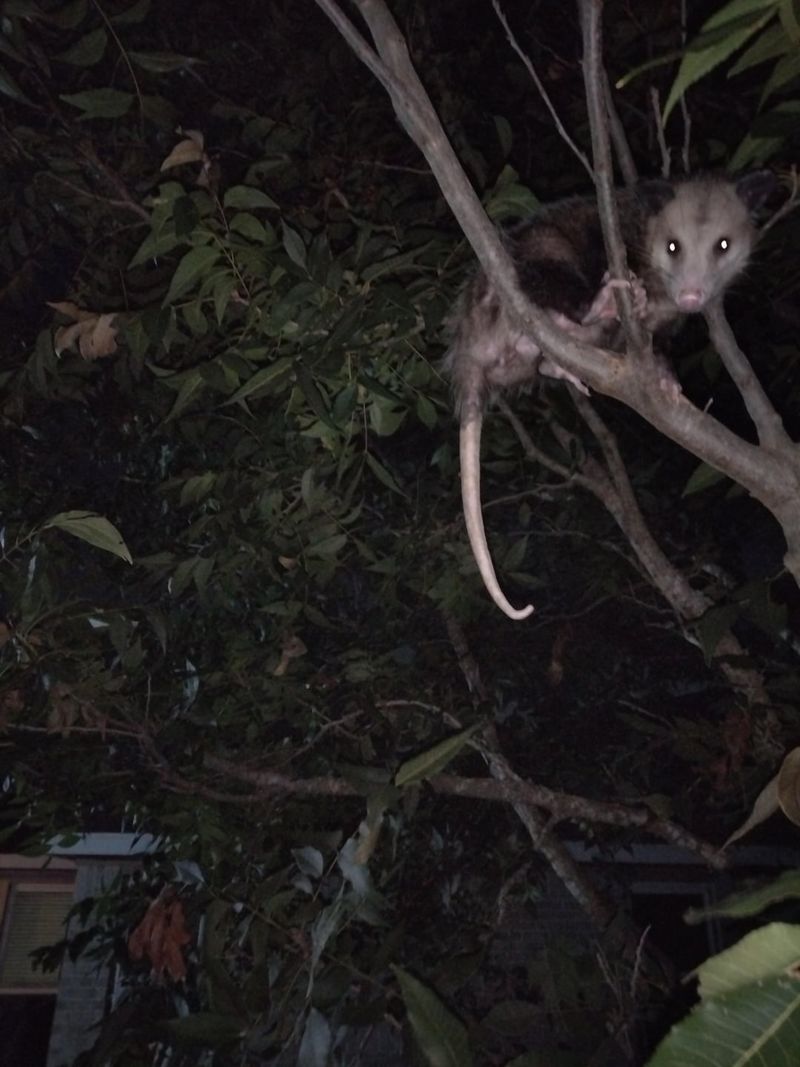
Patience truly is a virtue when it comes to dealing with opossum visitors, as these animals rarely stick around for long periods.
Opossums are nomadic creatures that constantly move through their territory in search of food, water, and shelter, typically covering several acres each night.
When an opossum enters your yard, it is usually just passing through on its regular route rather than planning to set up permanent residence.
Most opossums will move along within fifteen to thirty minutes once they have investigated the area and determined whether any food sources are available.
Trying to rush the process by chasing, shouting, or throwing objects at the opossum can actually backfire by causing it to freeze in fear or seek hiding spots on your property.
Instead, simply give the animal time and space to complete its business and continue on its way.
You might be tempted to speed things up, but remember that opossums are beneficial animals that eat ticks, cockroaches, and other pests you probably want removed from your yard anyway.
While you wait, you can use the time productively by checking that your garbage is secured, pet food is inside, and potential den sites are sealed.
Before you know it, your temporary visitor will waddle off into the night, and you can return to your normal routine.
10. Use Gentle Deterrents If Necessary
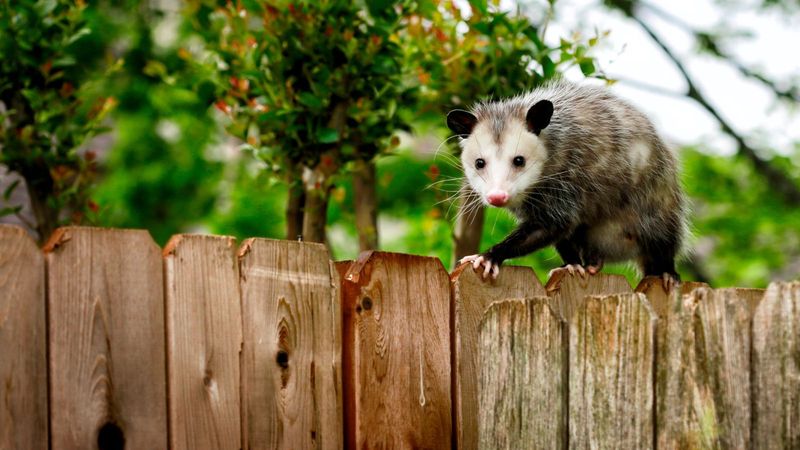
Sometimes an opossum might settle into a spot in your yard and seem reluctant to move along, perhaps because it has found a particularly interesting food source or comfortable hiding place.
When patience alone is not working, you can employ gentle, humane deterrents that encourage the animal to relocate without causing harm or distress.
Motion-activated sprinklers work wonderfully because they startle the opossum with a sudden burst of water, teaching it that your yard is not a comfortable place to linger.
You can also try making noise from a safe distance by clapping your hands, speaking in a firm voice, or rattling a can filled with coins.
Avoid aggressive actions like throwing objects, as these can injure the animal or cause it to become defensive.
Some homeowners find success with commercial wildlife deterrent sprays that contain natural ingredients like peppermint oil or garlic, which opossums find unpleasant.
Apply these products around areas where you have noticed repeated opossum activity, following the manufacturer’s instructions carefully.
Another option is to place ammonia-soaked rags near den sites, as the strong smell mimics predator urine and encourages opossums to find shelter elsewhere.
Remember that deterrents work best when combined with removing food sources and sealing entry points, creating an environment that naturally discourages wildlife visits.
11. Learn About Their Beneficial Role
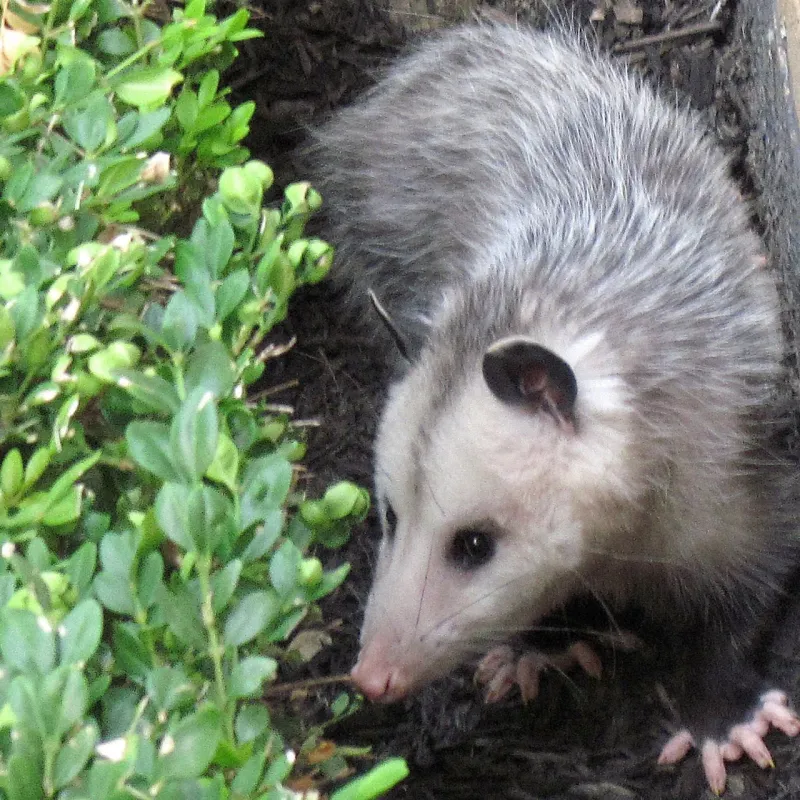
Many Georgia homeowners are surprised to discover that opossums are actually one of nature’s most effective pest control services, providing valuable benefits to your property completely free of charge.
A single opossum can consume thousands of ticks in a single season, significantly reducing the population of these disease-carrying parasites that pose health risks to humans and pets.
Opossums also feast on cockroaches, beetles, snails, slugs, and other garden pests that damage plants and create nuisances around homes.
Their diet includes venomous snakes, rats, and mice, helping to control populations of animals that many people find far more troubling than opossums themselves.
Unlike rodents, opossums do not chew through wires, insulation, or structural components of buildings, making them relatively harmless house guests if they do find their way inside.
These marsupials are also resistant to most snake venom and rarely contract rabies due to their lower body temperature.
Understanding these benefits might change your perspective on having an opossum visit your yard occasionally.
Rather than viewing them as pests, you might start appreciating them as helpful neighbors who contribute to a healthier, more balanced ecosystem.
Educating yourself about wildlife helps you make informed decisions about coexistence and conservation in your own backyard.
12. Contact Wildlife Professionals When Needed
While most opossum encounters resolve themselves naturally without any intervention, certain situations call for professional assistance from trained wildlife experts.
If an opossum appears injured, sick, or behaving abnormally, such as being active during daylight hours or showing signs of aggression, contact a licensed wildlife rehabilitator or animal control officer immediately.
Professionals have the training, equipment, and legal authority to handle wildlife safely and humanely, ensuring the best outcome for both the animal and your family.
You should also reach out for help if an opossum has established a den in an area where it poses a genuine problem, such as inside your attic, garage, or another enclosed space.
Attempting to remove an opossum yourself from these locations can be dangerous and may violate local wildlife protection laws in Georgia.
Wildlife professionals can assess the situation, safely remove the animal, and provide guidance on preventing future intrusions through proper exclusion techniques.
If you discover orphaned baby opossums without a mother present, specialized rehabilitators can provide the care these vulnerable animals need to survive and eventually return to the wild.
Keep contact information for local wildlife services readily available so you can respond quickly when genuine emergencies arise.
Professional assistance ensures that wildlife encounters are handled responsibly, ethically, and in compliance with state regulations.