Who Pays When A Neighbor’s Tree Falls On Your Fence In New York
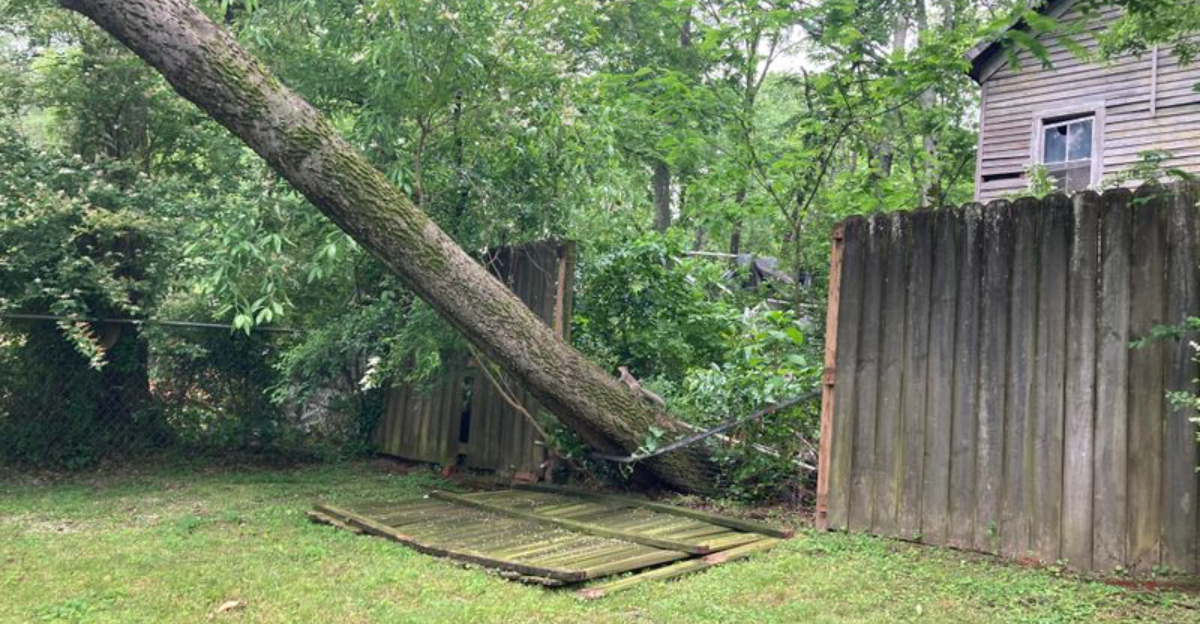
Picture this: you wake up one morning to find your neighbor’s massive oak tree lying across your fence after a big storm.
Your first thought might be about who’s going to pay for the damage.
In New York, property damage from falling trees can get complicated fast, and knowing your rights can save you thousands of dollars and a lot of stress.
Remember, understanding the rules about tree damage helps you handle these situations smoothly and keeps your relationship with your neighbor friendly.
Your Homeowner’s Insurance Usually Covers It First
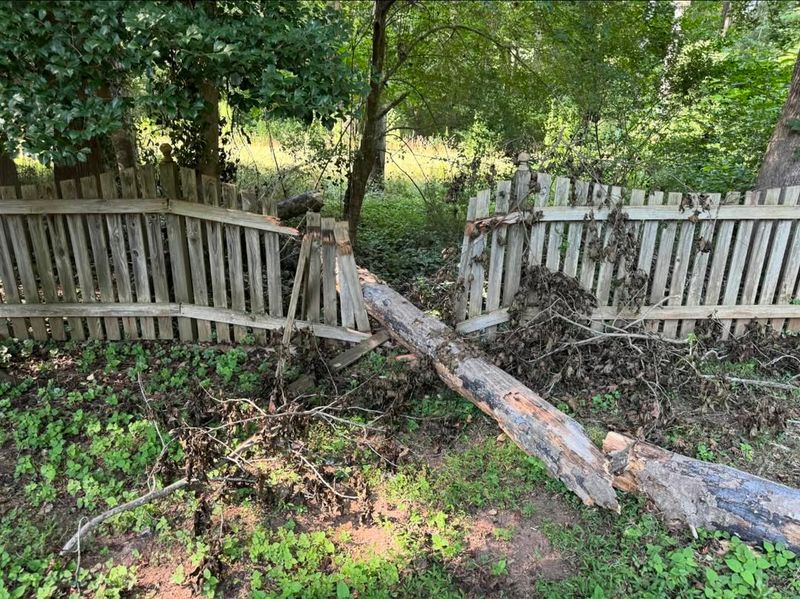
Most people don’t realize that your own homeowner’s insurance typically handles the damage when a tree falls on your property, even if it came from next door.
Insurance companies call this a covered peril, which means they treat it like any other accident that damages your stuff.
Your policy will likely pay for fence repairs minus your deductible, regardless of where the tree originally stood.
The insurance company might try to get their money back from your neighbor’s insurance later through a process called subrogation, but that’s their problem, not yours.
You simply file a claim with your own insurer and let them handle the paperwork.
Keep in mind that filing claims can affect your premium rates, so consider whether the damage cost exceeds your deductible by enough to make claiming worthwhile.
Some homeowners choose to pay for minor fence damage out of pocket to avoid insurance headaches.
Always document everything with photos and written notes before cleaning up the mess.
Contact your insurance agent quickly because most policies require prompt reporting of damage.
Understanding your coverage limits helps you make smart decisions about whether to file a claim or handle repairs yourself.
The Condition Of The Tree Before It Fell Matters
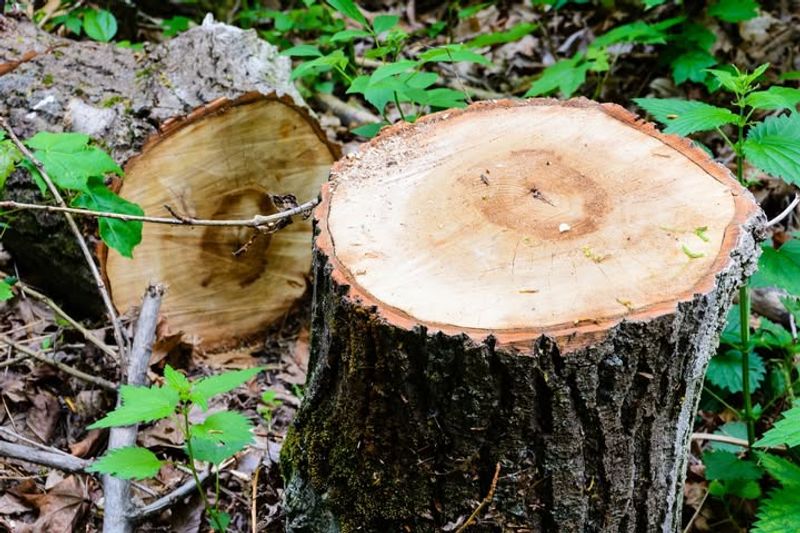
Was the tree healthy or already deceasing before it crashed down?
This question becomes super important when figuring out who owes what.
If your neighbor knew their tree was sick, rotting, or dangerous and did nothing about it, they might be responsible for the damage.
New York law says property owners must maintain their trees and remove ones that pose obvious risks to neighboring properties.
Proving they knew about the problem requires evidence like previous complaints, visible decay, or expert testimony about how long the tree was unhealthy.
A perfectly healthy tree that falls during a storm is considered an act of nature, which usually means nobody is at fault.
Sometimes trees look fine on the outside but have hidden rot inside that only an arborist could detect.
If your neighbor had no reasonable way to know the tree was dangerous, they probably won’t be liable.
Taking photos of the fallen tree’s condition helps establish whether disease or damage was visible beforehand.
You might need a tree expert to examine the remains and write a report about its health.
Acts Of Nature Usually Mean No One Is At Fault

Mother Nature doesn’t care about property lines, and New York courts recognize this reality.
Your New York Garden Changes Every Week. Your Plan Should Too.
Gardening in New York changes quickly throughout the season. Every Friday you’ll receive a simple weekly plan showing exactly what to plant, prune, fertilize, harvest, and protect so you never miss the right timing.
When a healthy tree falls because of extreme weather like hurricanes, ice storms, or unusually strong winds, it’s considered an unavoidable accident.
Nobody gets blamed for acts of God, which is the legal term for natural disasters beyond human control.
Your neighbor isn’t responsible just because the tree happened to be on their property when nature knocked it down.
Even if the tree was enormous and everyone knew it could potentially fall someday, that doesn’t create automatic liability.
The key factor is whether the tree posed an unreasonable risk before the weather event occurred.
Strong storms can topple even the healthiest trees, especially when ground becomes saturated and roots lose their grip.
Insurance adjusters understand that wind, lightning, and heavy snow cause unpredictable damage.
This is exactly why homeowner’s insurance exists—to protect you from unexpected natural events.
Don’t expect your neighbor to pay out of pocket when weather is clearly to blame for the fallen tree.
Negligence Changes Everything About Liability
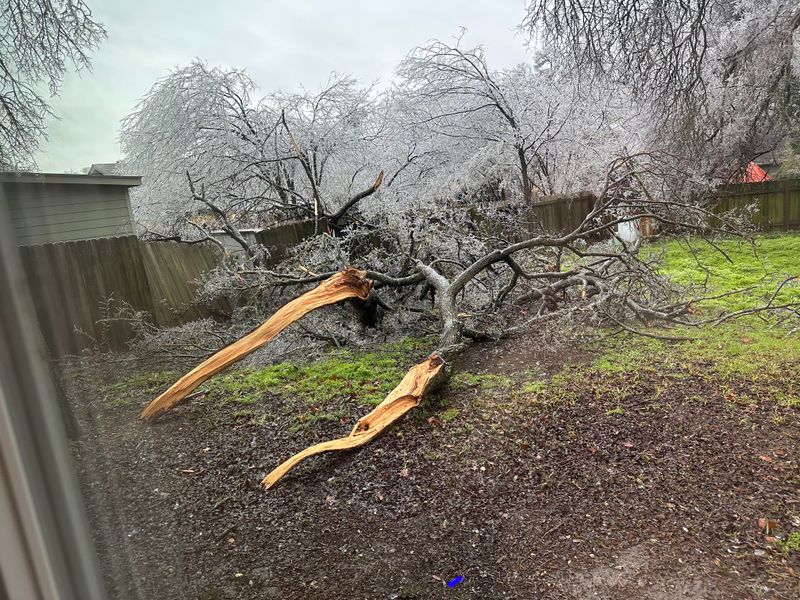
Here’s where things get serious for your neighbor.
If they ignored obvious warning signs that their tree was dangerous, they could be on the hook for all your damages.
Negligence means they knew or should have known about the problem but failed to take reasonable action.
Examples include ignoring large withered branches hanging over your property, dismissing a tree service’s recommendation to remove a diseased tree, or leaving a tree with visible cracks in the trunk.
You might have even warned them yourself that the tree looked unstable, creating a paper trail of their awareness.
New York courts have ruled that property owners have a duty to maintain their trees in a reasonably safe condition.
Failing this duty makes them liable for resulting damage to neighboring property.
You’ll need to prove they had actual knowledge or that any reasonable person would have recognized the danger.
Email exchanges, text messages, or letters about the tree’s condition become valuable evidence.
Professional arborist reports showing long-term disease or structural problems strengthen your case for neighbor negligence significantly.
Document Everything Right After The Incident
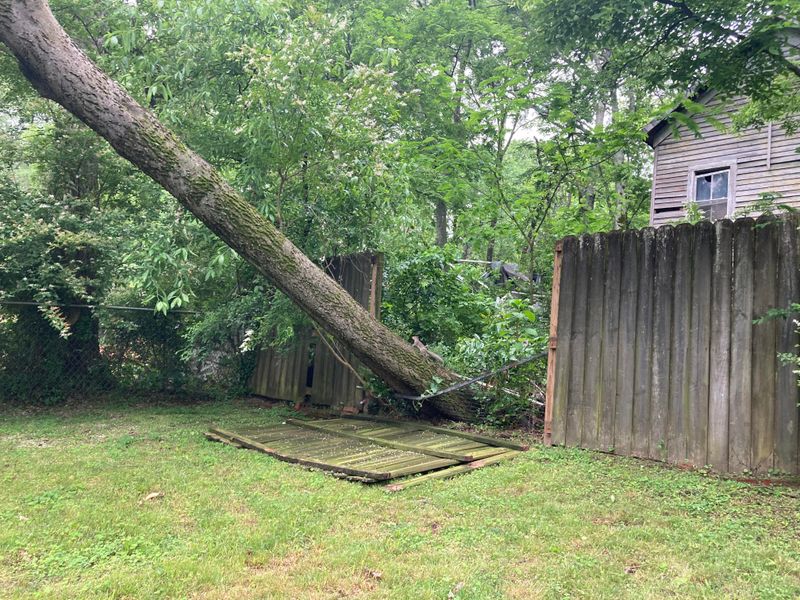
Grab your phone and start taking pictures immediately after you discover the damage.
Documentation creates the foundation for any insurance claim or legal action you might need later.
Photograph the fallen tree from multiple angles, showing where it came from and what it damaged.
Capture close-ups of the trunk’s condition, including any rot, disease, or insect damage that might indicate the tree was already compromised.
Take wide shots that show both properties and the property line to establish the tree’s original location.
Don’t forget to photograph your damaged fence from different perspectives, including detail shots of broken posts and rails.
Write down the date, time, and weather conditions when you discovered the damage.
If neighbors or witnesses saw the tree fall, get their contact information and written statements.
Keep all repair estimates, invoices, and correspondence with insurance companies in one organized file.
Video recordings can capture details that photos might miss, especially regarding the extent of damage.
Good documentation protects your interests whether you’re dealing with insurance companies or potentially going to court.
Talk To Your Neighbor Before Lawyers Get Involved
Jumping straight to lawsuits might feel tempting when you’re angry about the damage, but conversation usually works better.
Most neighbors want to do the right thing and may not realize they could be responsible for the damage.
Approach them calmly and explain what happened, showing them the damage without making accusations.
They might immediately offer to help pay for repairs or contact their insurance company to handle things.
Even if they initially resist, a friendly discussion keeps the door open for reasonable solutions.
Remember, you’ll be living next to these people long after the fence gets fixed.
Bringing in lawyers and making threats creates permanent bad feelings that affect your daily life.
Sometimes neighbors genuinely can’t afford to pay and need time to figure out their options.
You might reach a compromise where they pay part of the cost or help with labor to reduce expenses.
Put any agreement in writing, even informal ones, so everyone remembers what was decided.
If friendly talks go nowhere, then you can escalate to formal legal options with a clear conscience.
Small Claims Court Works For Fence Damage Disputes
When talking doesn’t solve the problem and the damage isn’t too expensive, small claims court offers a practical solution.
New York small claims courts handle disputes up to $5,000 in most areas, which covers many fence repair situations.
You don’t need a lawyer for small claims, which saves money and makes the process less intimidating.
The filing fee is relatively low, usually under $30, making it accessible for average homeowners.
You’ll present your evidence directly to a judge who will make a decision fairly quickly.
Bring all your documentation, including photos, repair estimates, and any communication with your neighbor about the tree.
The judge will want to see proof that the tree was your neighbor’s responsibility and evidence of the damage amount.
Expert opinions from tree professionals strengthen your case significantly, especially regarding tree health before it fell.
Even if you win, collecting the money can be challenging if your neighbor refuses to pay.
Small claims court judgments can be enforced through wage garnishment or property liens if necessary.
Consider whether the relationship damage is worth the money you might recover through court action.
Shared Trees On Property Lines Create Special Rules
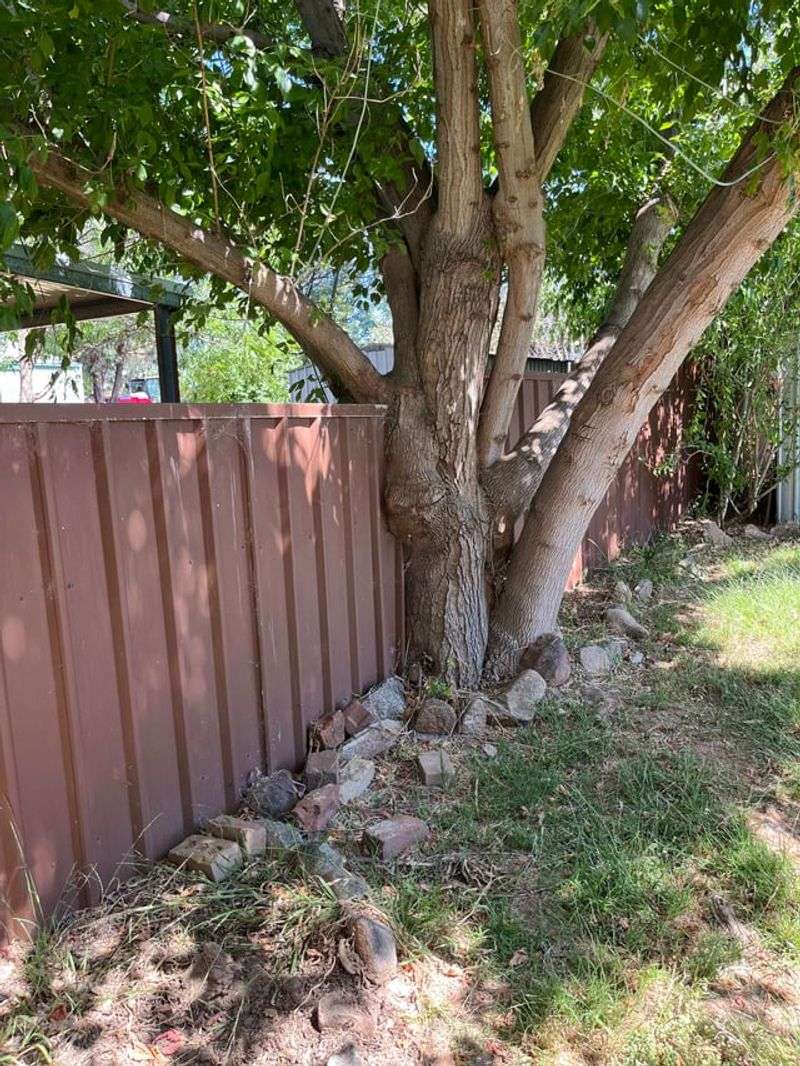
Sometimes a tree grows right on the border between two properties, making ownership a shared responsibility.
If the trunk sits on the property line, both neighbors legally own the tree together under New York law.
This shared ownership means both parties must agree before removing or significantly trimming the tree.
When a boundary tree falls and damages one owner’s fence, liability gets complicated because you partially owned the tree that caused damage.
Courts typically look at whether either owner knew the tree was dangerous and what efforts were made to address problems.
If one neighbor wanted to remove a deceasing boundary tree but the other refused, the refusing neighbor might bear more responsibility.
Costs for maintaining and removing shared trees should be split between both property owners.
Get a professional survey if you’re unsure whether a tree sits on the boundary line or entirely on one property.
Survey costs are worth it because they establish clear ownership and responsibility.
Document any disagreements about boundary tree maintenance in case problems arise later.
Shared ownership requires cooperation, and courts expect both neighbors to act reasonably regarding tree care and safety.
Preventive Action Protects You From Future Problems

Why wait for disaster when you can prevent it?
Regular tree inspections by qualified arborists identify potential problems before trees become dangerous.
If you notice a neighbor’s tree looks unhealthy or leans toward your property, address it now rather than after it falls.
Send a polite letter or email to your neighbor expressing concern about the tree’s condition.
This creates documentation showing you warned them about potential danger, which helps establish negligence if they ignore the warning.
Offer to split the cost of a professional tree evaluation to show you’re being reasonable and cooperative.
Many homeowners simply don’t notice problems with their trees until someone points them out.
Taking proactive steps protects your property and potentially saves your neighbor from liability and embarrassment.
Check your own trees regularly too, because you have the same responsibility toward your neighbor’s property.
Remove withered branches, treat diseases, and consider removing trees that pose obvious risks.
Prevention costs less than repairs and legal battles while maintaining good relationships with the people living next door.
Know When To Call A Property Damage Attorney
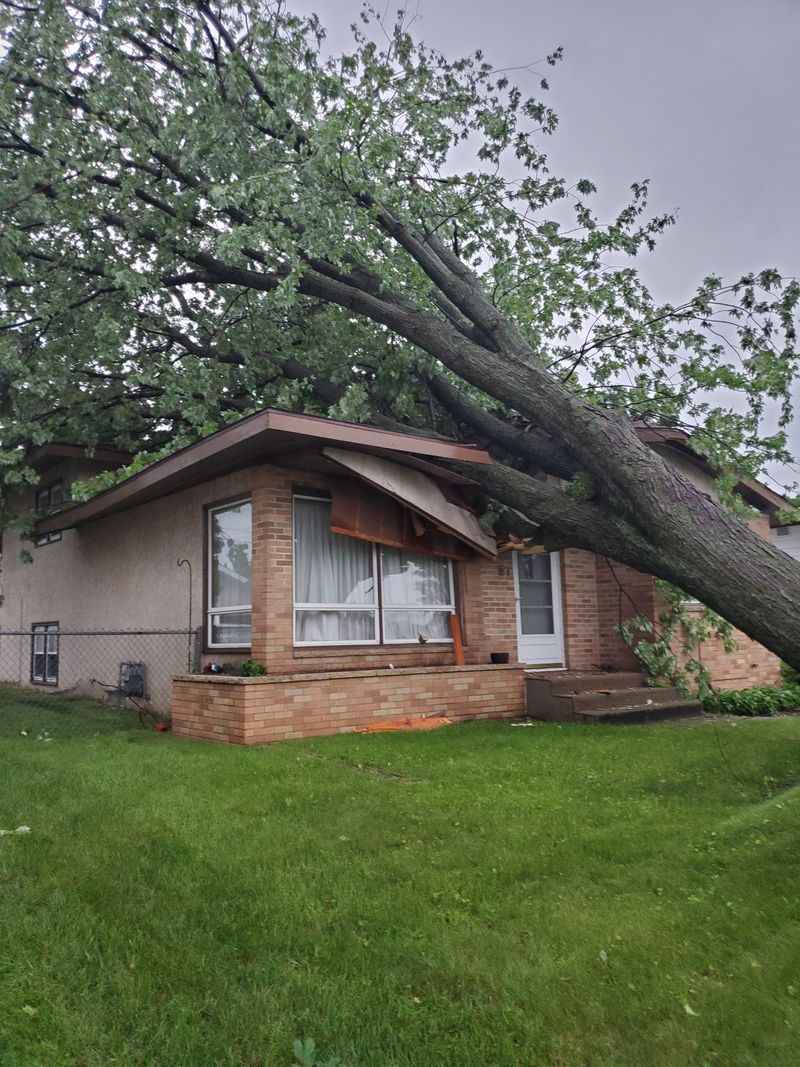
Sometimes situations become too complex or expensive to handle alone.
If the damage exceeds your insurance coverage or small claims court limits, consulting an attorney makes sense.
Property damage lawyers understand New York’s specific laws about tree liability and can evaluate your case’s strength.
Many attorneys offer free initial consultations where they’ll review your situation and explain your options.
You’ll want legal help if your neighbor’s insurance company denies your claim unfairly or offers an unreasonably low settlement.
Attorneys can negotiate with insurance companies more effectively because they understand policy language and legal precedents.
When negligence is clear but your neighbor refuses to accept responsibility, legal action might be your only option.
Lawyers handle the paperwork, court filings, and legal procedures that overwhelm most homeowners.
Consider the potential recovery amount versus legal fees before hiring an attorney for smaller disputes.
Some attorneys work on contingency, meaning they only get paid if you win your case.
Legal action should be your last resort after exhausting insurance claims, direct negotiation, and small claims court options.