Can Pennsylvania Residents Legally Trim Tree Limbs Touching Their Roof
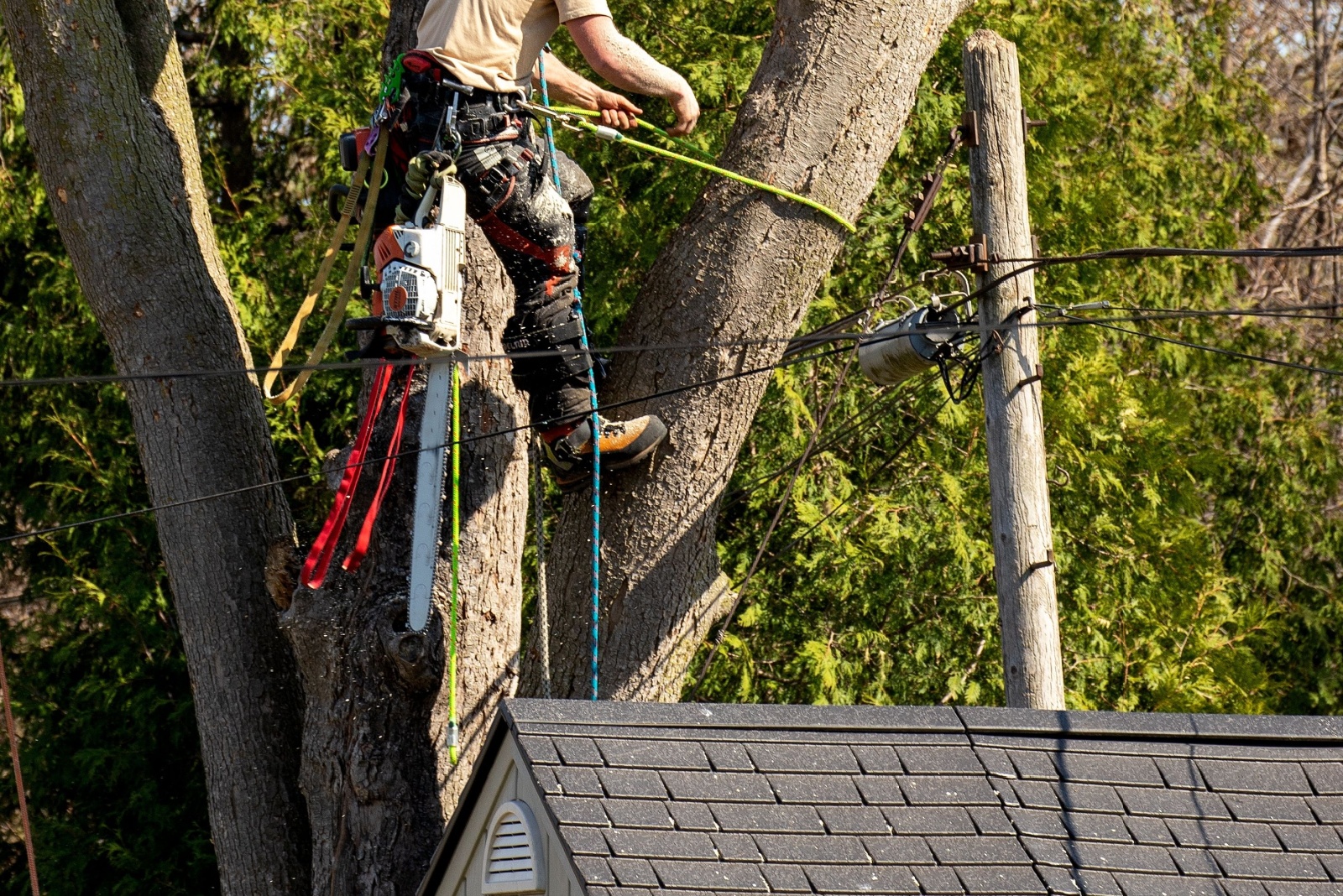
Overhanging tree branches brushing against your roof can feel like a constant nuisance, trapping leaves in your gutters and scratching shingles during storms.
Many Pennsylvania homeowners wonder whether they have the legal right to trim those pesky limbs themselves or if they need permission from the neighbor whose tree it is.
Understanding your rights—and your responsibilities—can save you from expensive disputes, property damage, and awkward conversations over the fence.
This guide breaks down essential facts about Pennsylvania law, practical trimming steps, and smart strategies to keep your home safe and your neighbor relations friendly.
Pennsylvania Law On Trimming Overhanging Branches
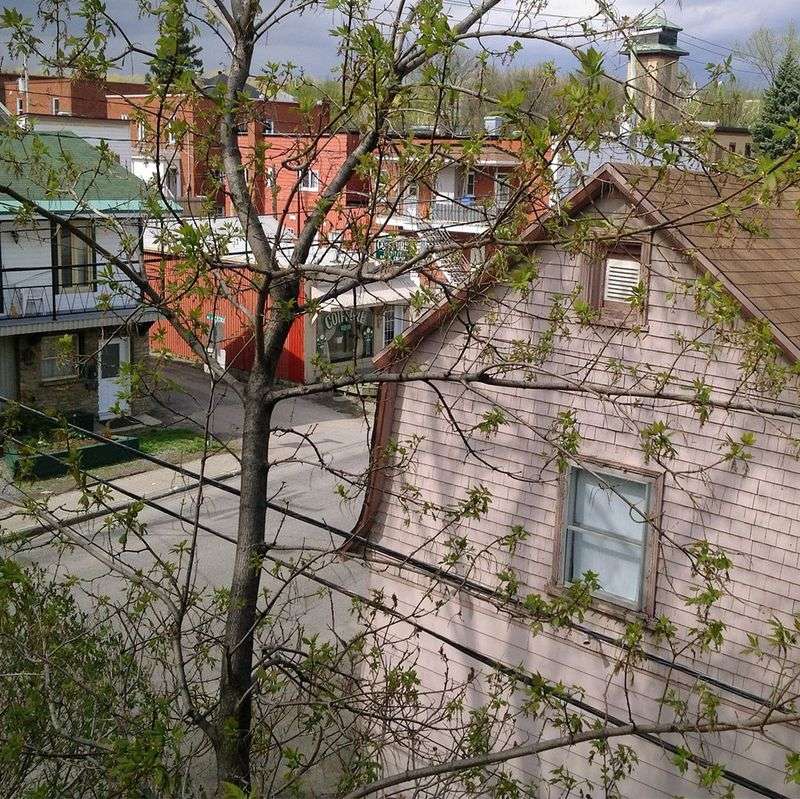
Pennsylvania follows the common-law rule that allows property owners to trim branches and roots that cross onto their land, even if the tree trunk sits entirely on a neighbor’s property.
You have the right to cut back any portion of a tree that encroaches into your airspace, provided you do not harm the overall health of the tree or trespass onto your neighbor’s land to do the work.
Courts in Pennsylvania have consistently upheld this principle, recognizing that homeowners should not have to tolerate damage or inconvenience from vegetation originating elsewhere.
However, this right comes with important limits.
You cannot simply chop down the entire tree or prune it so aggressively that it becomes unstable or unsightly.
If your trimming causes the tree to weaken or topple, you could be held liable for damages.
Always cut only what crosses the property line, and make clean cuts that promote healthy regrowth.
Consulting an arborist before you begin ensures you stay within legal bounds and preserve the tree’s structural integrity.
Documenting the overhang with photos and measurements can also protect you if a dispute arises later.
Knowing your rights empowers you to maintain your roof and gutters without fear, while respecting your neighbor’s property and the natural environment.
Determining Property Lines And Branch Ownership
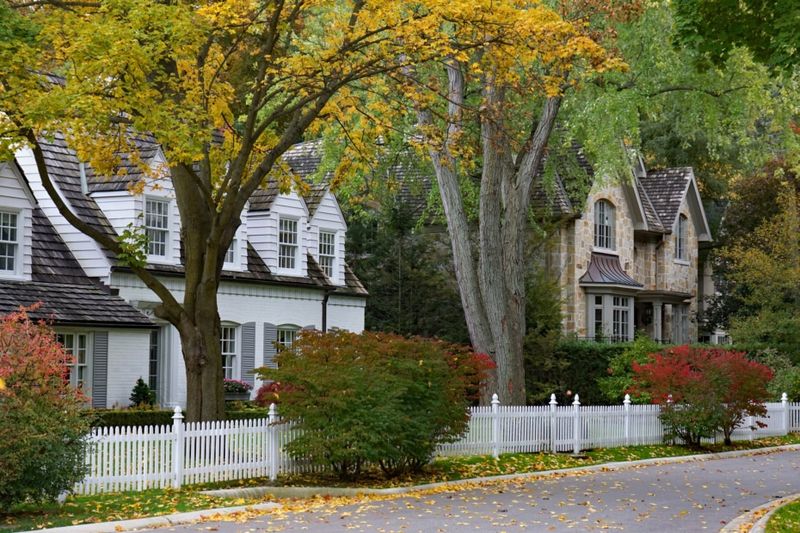
Before you pick up a saw, you need to know exactly where your property ends and your neighbor’s begins.
Even a few inches can make the difference between legal trimming and trespassing.
Start by locating your property survey, which should show precise boundary markers such as iron pins, stakes, or concrete monuments.
If you have lost your survey or never received one, your county recorder of deeds office can provide a copy, or you can hire a licensed surveyor to establish the line.
Once you have identified the boundary, walk it with a measuring tape and note where branches actually cross.
A branch that hangs two feet over your roof is clearly yours to trim, but a limb that merely touches the line requires careful judgment.
Take photos from multiple angles and mark the overhang with bright tape or chalk so you have a visual record.
If your neighbor disputes the boundary, a professional survey is the gold standard and can prevent costly litigation.
Some homeowners choose to invite their neighbor to review the survey together, which builds trust and transparency.
Your Pennsylvania Garden Changes Every Week. Your Plan Should Too.
Gardening in Pennsylvania changes quickly throughout the season. Every Friday you’ll receive a simple weekly plan showing exactly what to plant, prune, fertilize, harvest, and protect so you never miss the right timing.
Clear boundaries mean clear rights, and investing a little time up front can save you from misunderstandings, legal fees, and damaged relationships down the road.
Trimming Limbs Versus Removing The Entire Tree
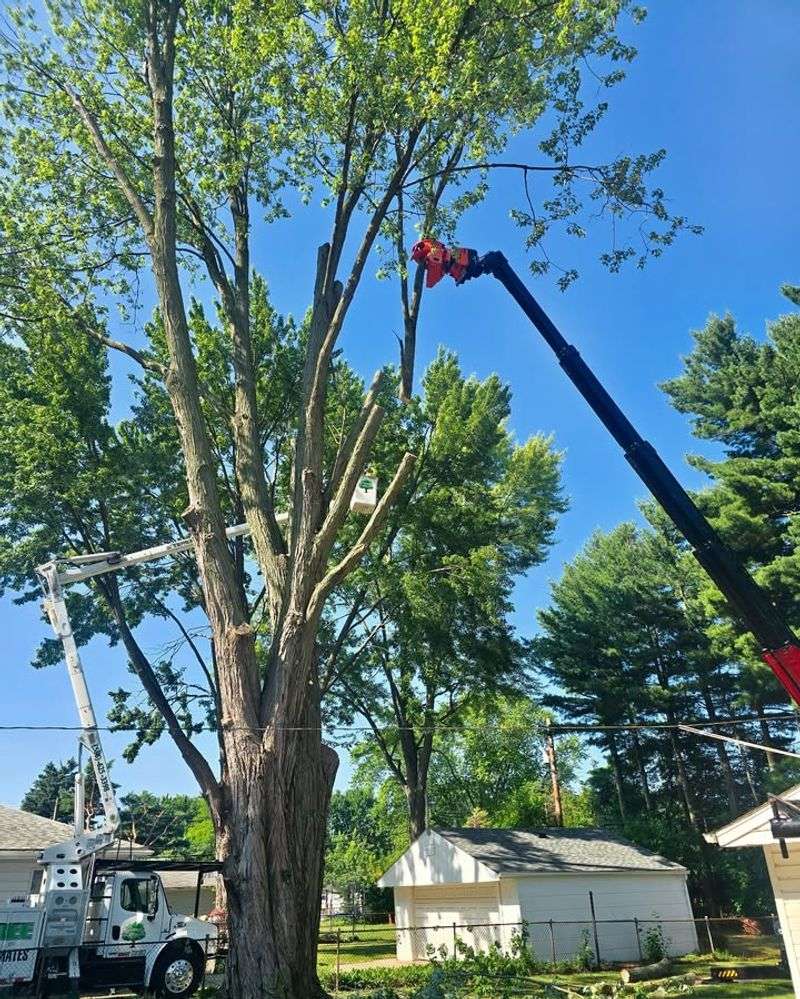
Pennsylvania law draws a sharp line between trimming encroaching branches and cutting down a neighbor’s tree altogether.
You may trim any part of a tree that crosses your property line, but you have no right to remove the tree itself if the trunk stands on your neighbor’s land.
Even if the tree is unhealthy, unsightly, or dropping debris on your roof, you cannot take it down without the owner’s consent.
Doing so exposes you to liability for the full value of the tree, which can run into thousands of dollars for mature specimens.
Pennsylvania courts have awarded damages for wrongful tree removal that include replacement costs, diminished property value, and sometimes punitive penalties.
If you believe a neighbor’s tree poses a genuine hazard, your remedy is to communicate your concerns in writing and request that the owner address the problem.
If they refuse and the tree later causes damage, they may bear responsibility.
In extreme cases, you can petition a court for an injunction requiring removal, but this is a last resort.
Always focus your efforts on the branches that actually overhang your property, and leave the trunk and root system alone.
Respecting this boundary keeps you on the right side of the law and avoids expensive legal battles over a tree that isn’t yours to remove.
Local Ordinances And HOA Restrictions On Tree Trimming
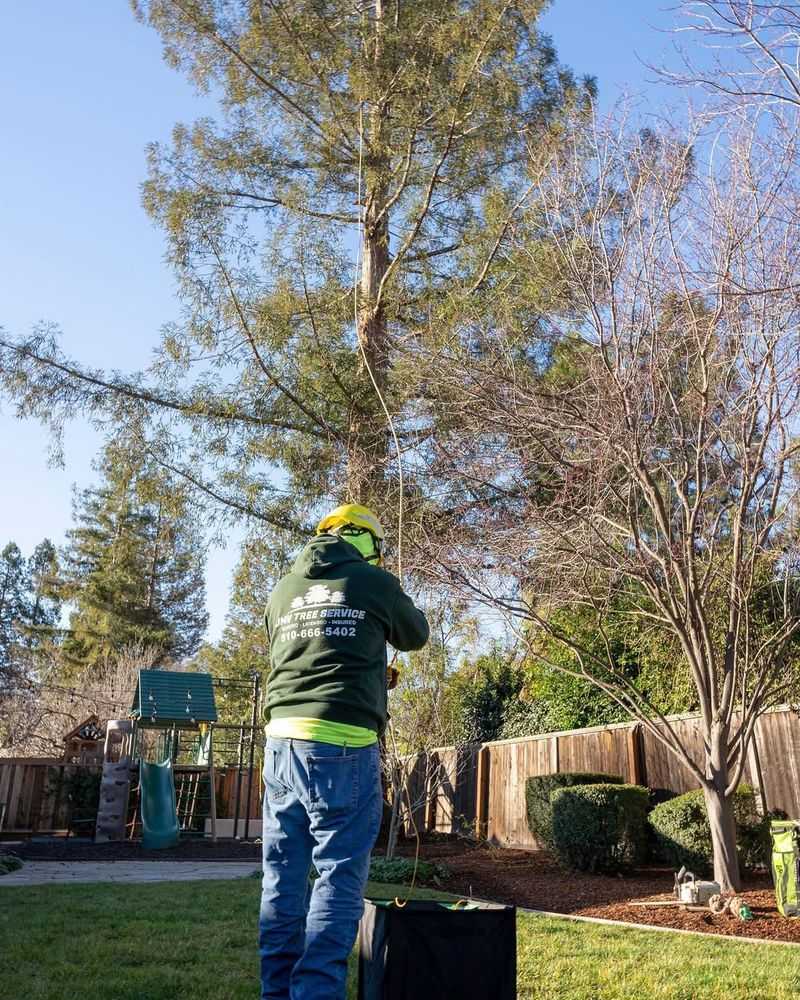
State law may give you the right to trim overhanging branches, but your local municipality or homeowners association can impose additional rules that limit when, how, and even whether you can do the work.
Many Pennsylvania townships and boroughs have tree ordinances designed to protect shade trees, historic specimens, or streetscape aesthetics.
Some require a permit before you trim any tree within a certain distance of the street or exceeding a certain diameter.
Violating these ordinances can result in fines, mandatory replanting, or orders to restore the tree at your expense.
Homeowners associations often have their own covenants that regulate tree maintenance, landscaping changes, and exterior alterations.
Your HOA may require written approval from an architectural review board before you touch any vegetation, even on your own property.
Failing to follow HOA rules can lead to penalties, liens, or legal action by the association.
To avoid surprises, call your township office and request a copy of any tree or vegetation ordinances.
Review your HOA’s governing documents, and submit a written request for approval if required.
Keep copies of all correspondence and approvals in case questions arise later.
Taking these extra steps protects you from fines and ensures your trimming project proceeds smoothly and legally.
Step-by-Step Guide To Legal And Safe Trimming
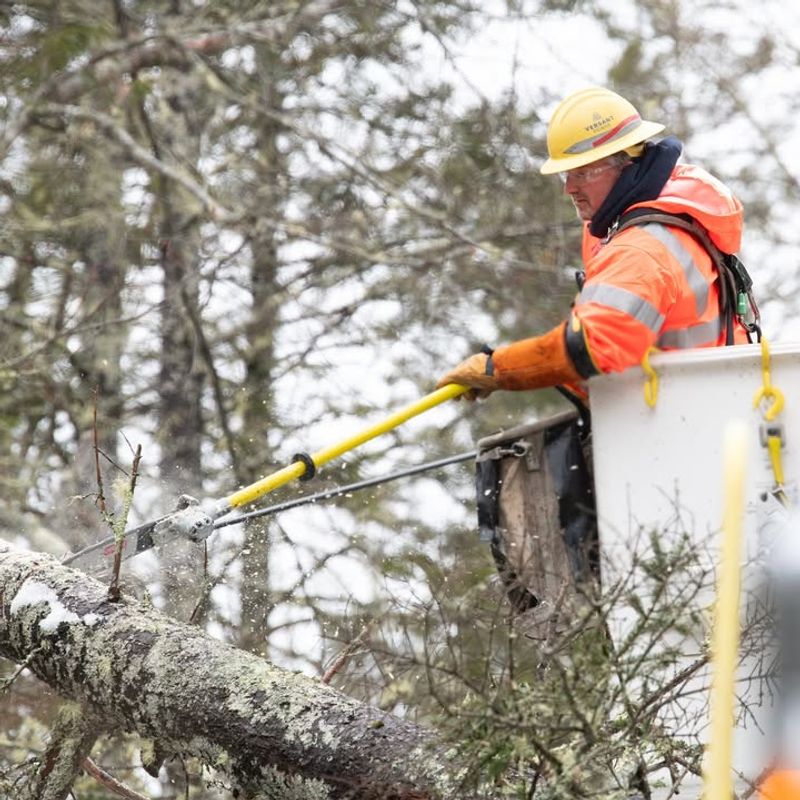
Once you have confirmed your legal right to trim, follow a methodical process to do the job safely and correctly.
Start by gathering the right tools: a sharp pruning saw or pole saw, safety glasses, gloves, and a sturdy ladder with non-slip feet.
If branches are high or thick, consider renting a pole saw or hiring a professional rather than risking injury.
Begin by inspecting the branches from the ground and identifying exactly which limbs cross your property line.
Mark them with tape so you do not accidentally cut into your neighbor’s airspace.
Position your ladder on level ground, and have a helper steady it if possible.
Make your cuts just beyond the branch collar—the swollen area where the branch meets the trunk or a larger limb—to promote healthy healing and prevent rot.
Never leave stubs, and avoid tearing the bark by cutting in stages: first an undercut, then a top cut a few inches farther out, and finally a clean finish cut.
Dispose of cuttings responsibly, either by composting, chipping, or arranging curbside pickup if your municipality offers it.
Take after photos to document your work and show that you stayed within your property.
Following these steps ensures your trimming is both legal and safe, protecting you, your home, and the tree.
Handling Hazardous Branches Not Touching Your Roof
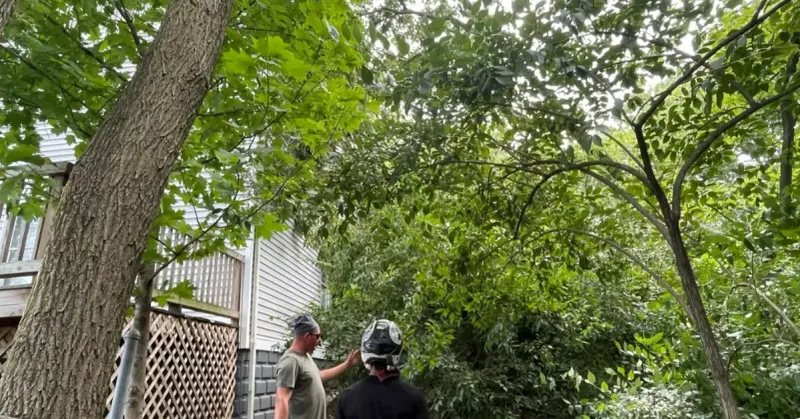
Sometimes a branch poses a clear danger—cracked, diseased, or leaning ominously—but it hovers just above your property without actually making contact.
In these situations, Pennsylvania law does not automatically grant you the right to trim, because the branch has not yet encroached into your airspace.
Your first step is to notify your neighbor in writing, describing the hazard and requesting that they address it promptly.
Include photos, and send the letter via certified mail so you have proof of delivery.
Many neighbors will act quickly once they understand the risk, especially if you explain potential liability for damage or injury.
If your neighbor ignores your request, document the condition of the branch regularly with dated photos.
Should the limb eventually fall and cause damage, this record can help establish that the neighbor had notice and failed to act, which may shift liability in your favor.
In extreme cases, you can file a nuisance complaint with your township or seek a court order requiring the neighbor to remove the hazard.
Courts are more likely to intervene when there is clear evidence of imminent danger and repeated refusal to remedy the situation.
Patience and thorough documentation are your best tools when dealing with hazardous branches that have not yet crossed the line.
Understanding Liability For Trimming And Falling Limbs
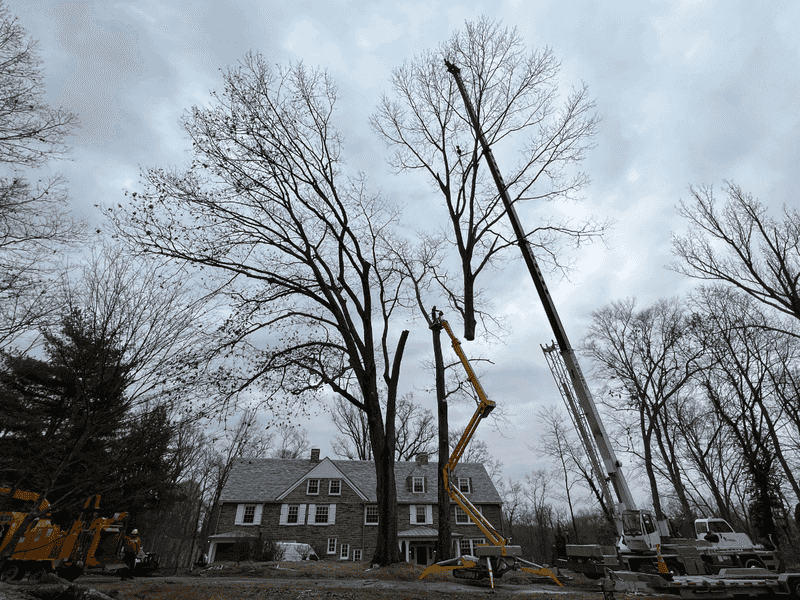
Liability for tree-related damage in Pennsylvania depends on who owned the tree, whether there was negligence, and who performed the trimming.
If you trim a branch that overhangs your property and do so carefully without harming the tree, you generally face no liability.
However, if your trimming destabilizes the tree or causes it to become hazardous, you may be held responsible for any resulting damage.
Conversely, if a neighbor’s branch falls onto your roof and causes harm, the neighbor is typically liable only if they knew or should have known the branch was dangerous and failed to act.
Pennsylvania follows a negligence standard, meaning the tree owner must have had notice of the hazard.
If a healthy branch breaks in a storm without warning, the neighbor usually is not at fault.
To protect yourself, always document the condition of overhanging branches with photos and written notices to your neighbor.
If you trim, hire a certified arborist who carries liability insurance, so any accidental damage is covered.
Keep receipts, contracts, and correspondence in a dedicated file.
Should a dispute arise, this evidence will clarify who knew what, when, and what actions were taken.
Understanding liability helps you make informed decisions, communicate effectively with neighbors, and avoid costly legal surprises.
Resolving Neighbor Disputes Over Tree Trimming

Even when the law is on your side, trimming a neighbor’s tree can spark tension if not handled diplomatically.
Start by talking to your neighbor face-to-face before you do any cutting.
Explain the problem calmly—leaves clogging gutters, branches scraping shingles, or concerns about storm damage—and show them photos if possible.
Many neighbors will agree to trim the tree themselves or give you permission to do it, avoiding conflict altogether.
If your neighbor resists, put your concerns in writing and send a polite letter via certified mail.
Outline the specific branches, reference Pennsylvania’s common-law trimming rights, and offer to share the cost of a professional arborist.
Keep a copy of the letter and the delivery receipt.
If the situation escalates, consider mediation through your township or a local dispute resolution center, which can help you reach a compromise without going to court.
As a last resort, you can proceed with trimming on your own, staying strictly within your property line and documenting every step.
Some homeowners also consult an attorney to send a formal demand letter, which often prompts action.
Throughout the process, remain courteous and professional, even if your neighbor is difficult.
Good fences—and good communication—make good neighbors, and resolving disputes amicably preserves relationships and property values.
Combining Tree Trimming With Roof And Gutter Maintenance
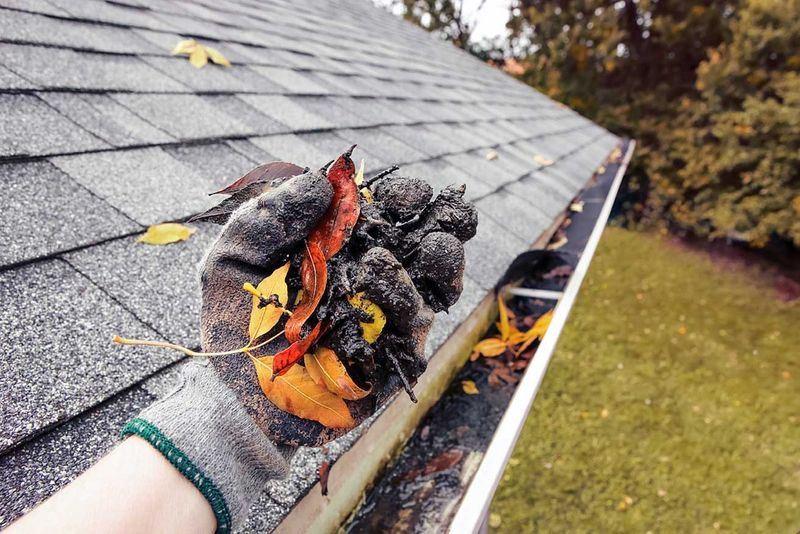
Trimming overhanging branches is not just about legal rights—it is also a smart home maintenance strategy that protects your roof, gutters, and foundation.
Branches that touch or hover near your roof can scrape shingles, dislodge granules, and create entry points for water and pests.
Leaves and twigs accumulate in gutters, causing clogs that lead to ice dams in winter and water damage in spring.
By trimming back limbs at least six feet from your roofline, you reduce debris, improve air circulation, and make it harder for squirrels and raccoons to access your attic.
Schedule your trimming in late fall or early spring, when trees are dormant and the risk of disease transmission is lower.
After trimming, clean your gutters thoroughly and inspect your roof for any damage caused by rubbing branches.
Repair missing shingles, seal gaps around flashing, and check for moss or algae growth, which thrives in shaded, moist areas.
Consider installing gutter guards to keep future debris out and reduce the frequency of cleanings.
Many homeowners bundle tree trimming with an annual roof inspection, which catches small problems before they become expensive repairs.
This integrated approach saves time, money, and stress, while extending the life of your roof and keeping your home safe and dry year-round.
When To Hire An Arborist Or Professional Tree Service
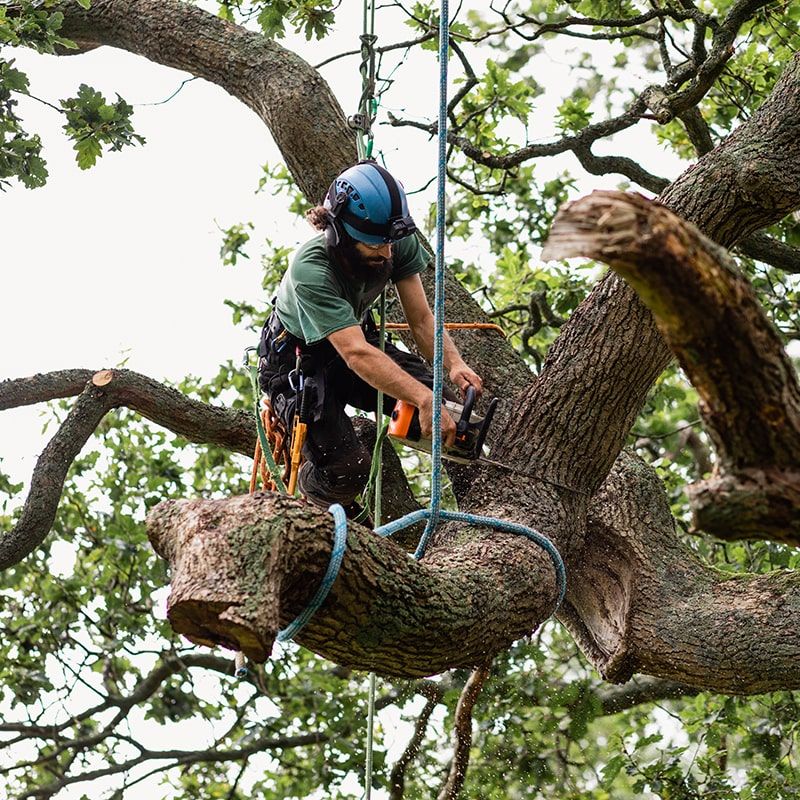
While minor trimming can be a DIY project, many situations call for the expertise of a certified arborist or professional tree service.
If branches are thick, high, near power lines, or the tree shows signs of disease or structural weakness, professional help is essential.
Arborists have the training, equipment, and insurance to handle complex jobs safely and legally.
When hiring, look for credentials from the International Society of Arboriculture (ISA) or the Tree Care Industry Association (TCIA), and verify that the company carries liability and workers’ compensation insurance.
Ask for a written estimate that specifies which branches will be trimmed, how the work will be done, and what cleanup is included.
Request references and check online reviews to ensure the company has a solid reputation.
Before work begins, confirm that the arborist understands Pennsylvania property laws and will stay within your boundary.
A good arborist will also advise you on the tree’s overall health and recommend any additional care to prevent future problems.
Professional trimming typically costs between 200 and 800 dollars, depending on tree size and complexity, but the investment protects you from injury, liability, and damage to the tree.
Knowing when to call in the pros keeps your project safe, legal, and stress-free.