What Iowa Law Says About Yard Flooding Caused By A Neighbor’s Landscaping Changes
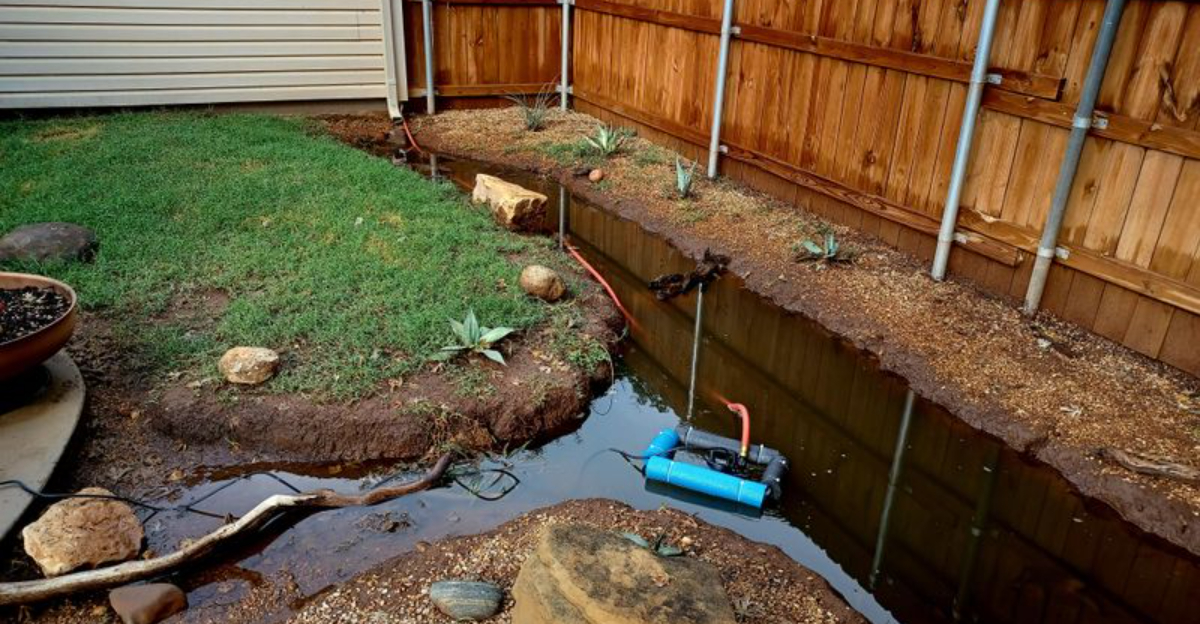
When your neighbor decides to redo their yard, you probably don’t expect it to turn your own property into a swamp.
Unfortunately, landscaping changes like adding patios, removing trees, or changing the slope of a yard can send water rushing onto your property.
Iowa law has specific rules about how property owners must handle water runoff, and understanding these rules can help you protect your home and know your rights when flooding becomes a problem.
Iowa Follows The Common Enemy Doctrine For Surface Water
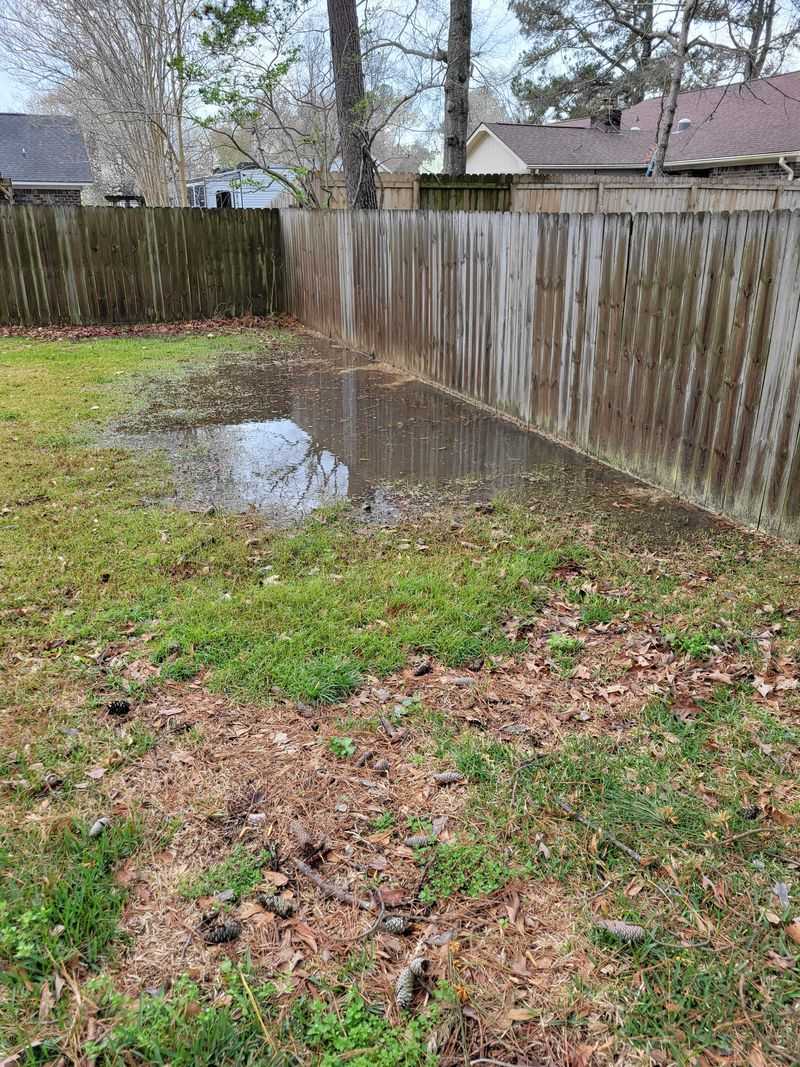
Surface water is rainwater or melting snow that hasn’t yet entered a stream, river, or underground water source.
Iowa courts traditionally followed what’s called the “common enemy doctrine,” which treated this surface water like an enemy that any property owner could fight off however they wanted.
Under this old rule, you could build walls, ditches, or barriers to keep water off your land, even if it made flooding worse for your neighbors.
However, Iowa has modified this strict approach over the years.
Courts now require property owners to act reasonably when dealing with surface water.
You can’t just send massive amounts of water onto someone else’s property without any consideration for the damage it might cause.
The law tries to balance everyone’s right to use their property while also protecting neighbors from unreasonable harm.
If your neighbor’s landscaping changes dramatically increase the amount of water flowing onto your yard, they might be violating this modified version of the doctrine.
Documentation of the flooding, including photos and videos showing the water flow patterns, can be crucial if you need to prove your case.
Understanding this basic principle helps you know when your neighbor has crossed the line from reasonable property use to causing actionable harm.
Reasonable Use Standard Applies To Landscaping Projects
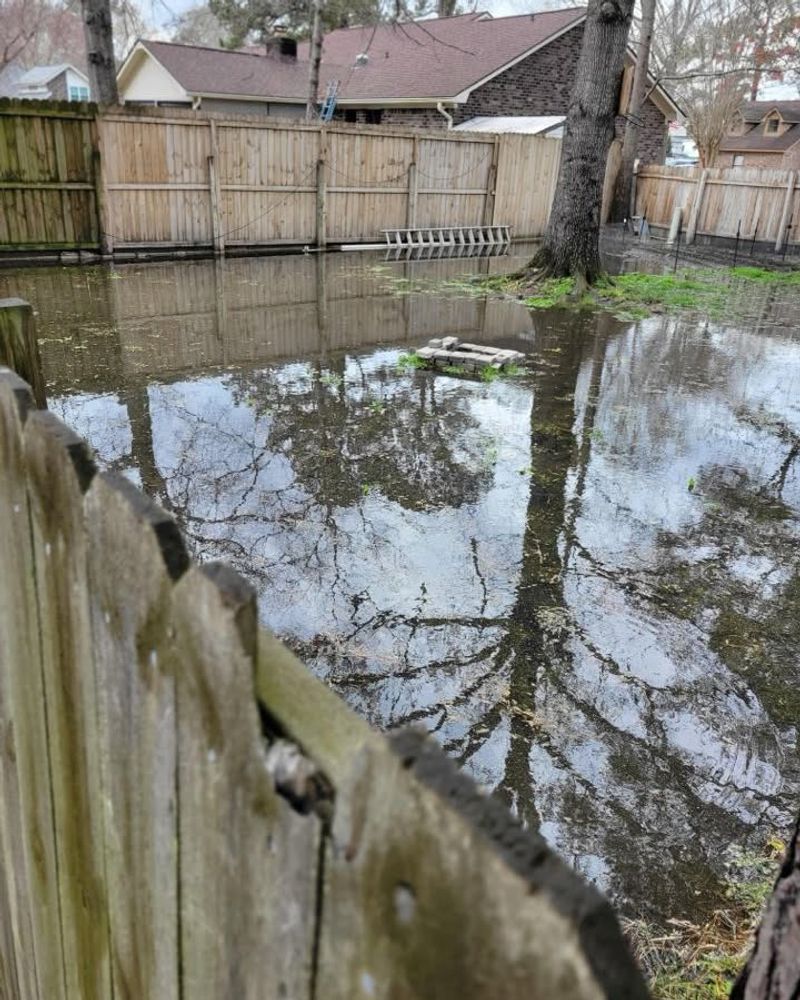
Not every landscaping change that affects water flow is automatically illegal.
Iowa law uses a “reasonable use” standard to determine whether your neighbor’s actions are acceptable.
Courts look at several factors when deciding if a landscaping change was reasonable or not.
They consider the purpose of the change, the amount of harm it causes, the benefit your neighbor gets from it, and whether there were less harmful ways to achieve the same goal.
For example, if your neighbor adds a small patio that slightly increases runoff, that’s probably reasonable.
But if they pave their entire yard and create a waterfall effect into your property, that likely crosses the line.
The reasonableness standard also considers what’s normal for your area.
If everyone in your neighborhood has driveways and patios, your neighbor can probably add them too.
However, they still need to think about drainage and try to minimize harm to surrounding properties.
When evaluating reasonableness, courts also look at whether your neighbor took any steps to manage the water, like adding gutters, downspouts, or drainage systems.
Making no effort to control increased runoff from major landscaping changes weighs against reasonableness.
Natural vs. Artificial Changes Make A Legal Difference
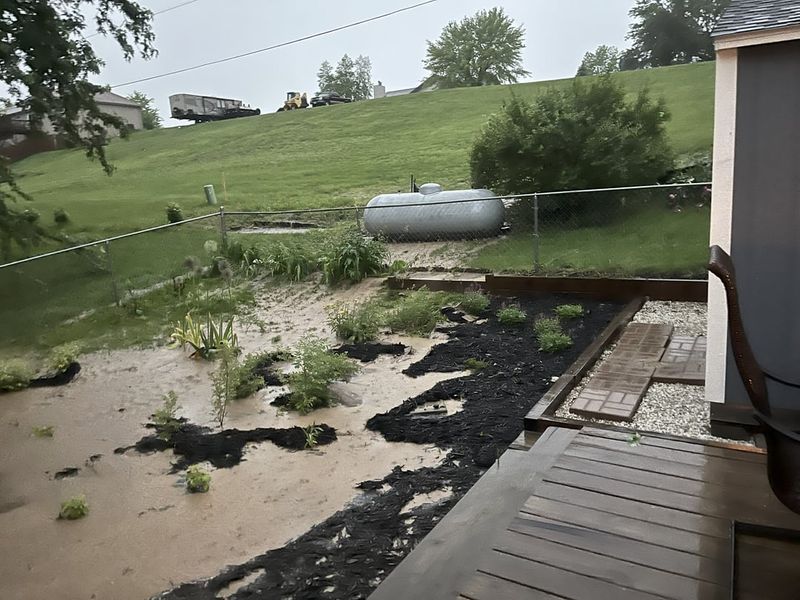
Iowa law treats naturally flowing water differently from water that’s been artificially redirected.
Your Iowa Garden Changes Every Week. Your Plan Should Too.
Gardening in Iowa changes quickly throughout the season. Every Friday you’ll receive a simple weekly plan showing exactly what to plant, prune, fertilize, harvest, and protect so you never miss the right timing.
If water naturally flows across your neighbor’s property and onto yours because of the land’s natural slope, you generally have to accept it.
Lower properties naturally receive water from higher properties, and that’s just how gravity works.
However, the situation changes when your neighbor artificially alters the natural flow of water.
Installing drainage pipes, building retaining walls, or regrading their yard to intentionally send water toward your property can create legal liability.
The key question is whether the landscaping change significantly altered the natural drainage pattern that existed before.
If your neighbor’s yard naturally drained toward the street but their new landscaping redirects it toward your house instead, that’s an artificial change.
Courts are much more likely to find liability when someone deliberately changes where water goes rather than just allowing natural flow to continue.
Even removing vegetation can be considered an artificial change if it significantly increases runoff.
Trees and plants absorb water and slow runoff, so clearing them away can dramatically change drainage patterns.
Keeping records of how water flowed before your neighbor’s landscaping project can help prove they made artificial changes.
Concentrated Flow Creates Stronger Legal Claims
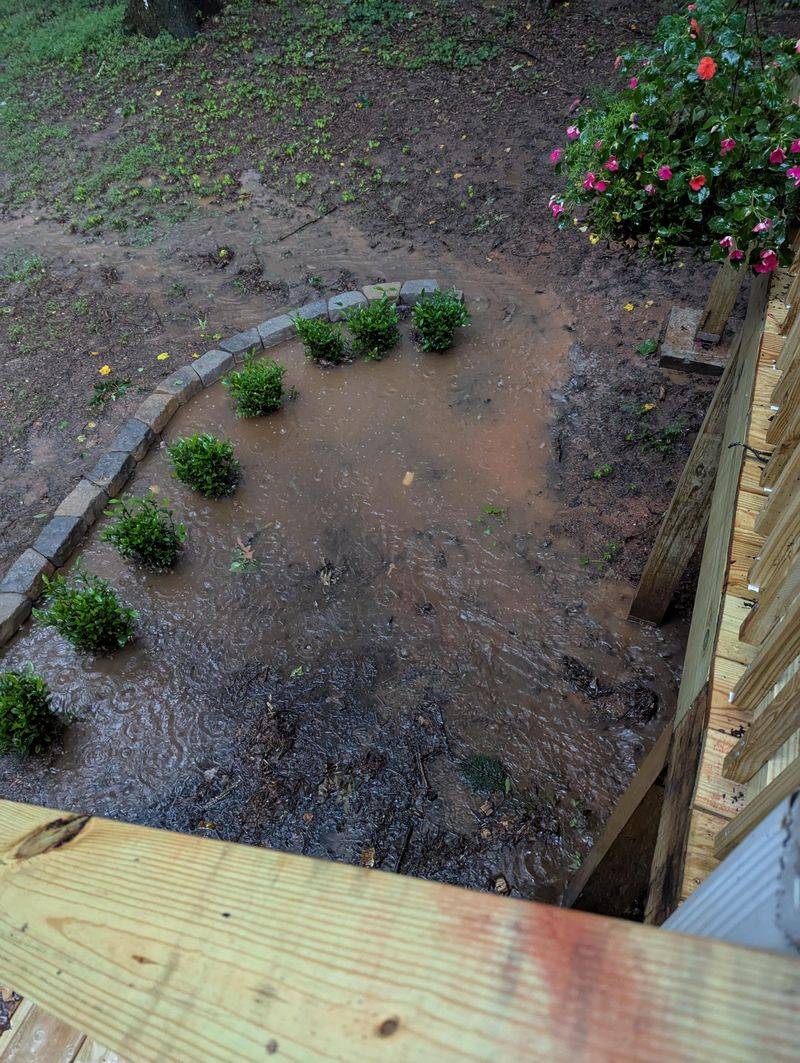
Did you know that how water reaches your property matters just as much as how much water arrives?
Iowa courts make an important distinction between water that flows naturally across a broad area and water that’s been concentrated into a specific channel or stream.
When your neighbor’s landscaping changes collect water and send it to your property in a concentrated flow, they’re more likely to be held liable for resulting damage.
For example, if your neighbor installs gutters and downspouts that dump all their roof water into one spot along your property line, that’s concentrated flow.
Similarly, if they build a French drain or drainage ditch that channels water directly onto your land, that creates a concentrated flow problem.
Courts view concentrated flow more seriously because it can cause much more damage than the same amount of water spread over a larger area.
A concentrated stream can erode soil, damage foundations, and create standing water problems.
The law generally requires property owners to avoid concentrating and discharging water onto neighboring properties in ways that cause harm.
If you’re experiencing flooding from a specific drainage point your neighbor created, you likely have a stronger legal case than if water is simply sheet-flowing across the property line.
Increased Volume Of Water Can Establish Liability
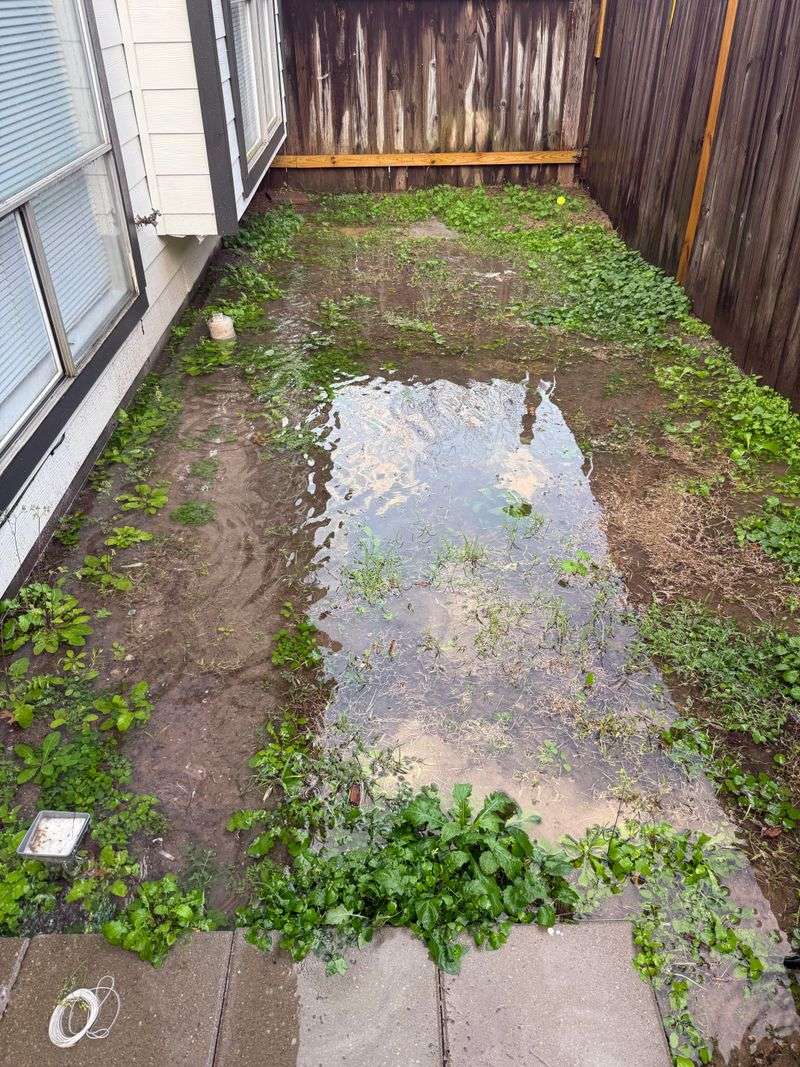
Your neighbor might argue they’re just letting water flow naturally, but if their landscaping significantly increases the volume of water reaching your property, they could still be liable.
Adding impervious surfaces like concrete patios, driveways, or stone walkways prevents water from soaking into the ground.
Instead, all that water runs off the surface and has to go somewhere.
If it ends up on your property in much greater quantities than before, you may have grounds for a legal claim.
Iowa courts recognize that substantially increasing the volume of runoff can be just as harmful as redirecting its flow.
Even if the water still flows in roughly the same direction as before, sending dramatically more water can overwhelm your property’s natural drainage capacity.
The law doesn’t require you to accept significantly increased water volume just because your neighbor wanted to install hardscaping features.
Measuring and documenting the increased flooding after your neighbor’s landscaping changes can help prove your case.
Taking photos during rainstorms, measuring the depth of standing water, and noting how long water remains on your property are all useful.
If possible, compare these measurements to how your yard handled rain before the landscaping changes occurred.
Municipal Drainage Ordinances May Apply
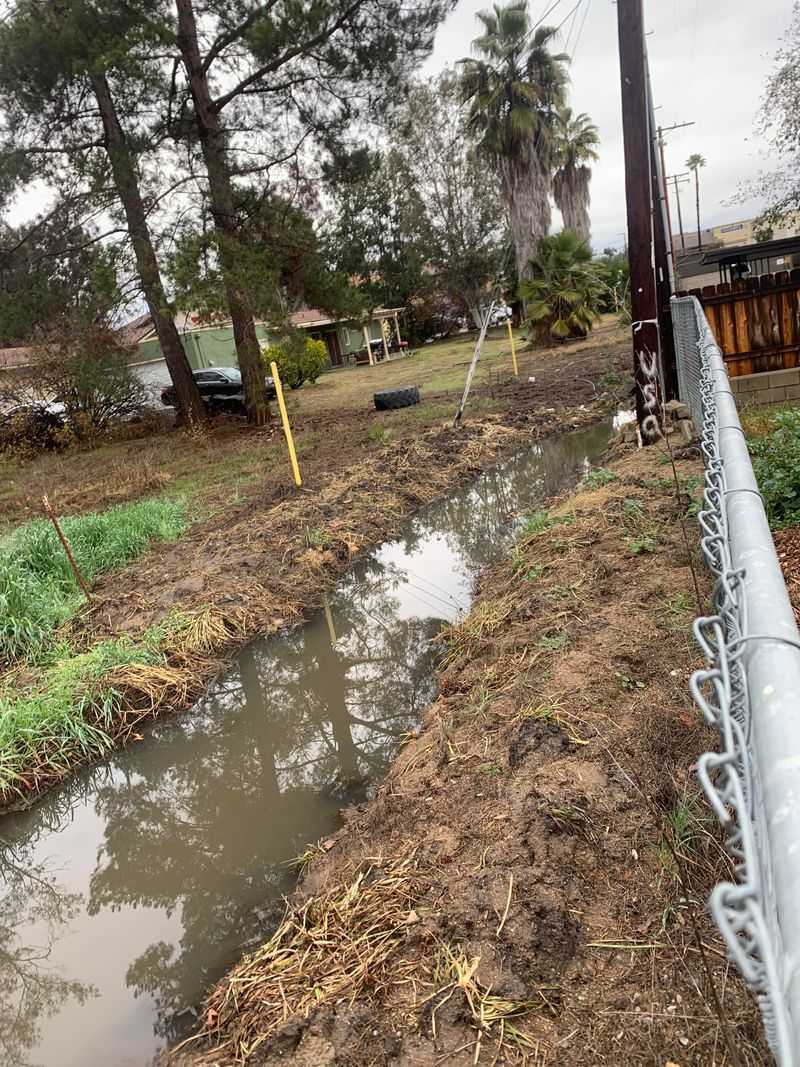
Many Iowa cities and counties have their own drainage and grading ordinances that regulate landscaping projects.
These local laws often require property owners to manage stormwater on their own property and prevent increased runoff to neighboring lands.
Some municipalities require permits for significant grading changes, retaining walls, or drainage installations.
Your neighbor might have violated local ordinances if they didn’t obtain required permits or follow drainage regulations.
Checking with your city or county planning department can reveal whether your neighbor’s landscaping project complied with local rules.
Violations of municipal ordinances can strengthen your legal position and might result in the city requiring your neighbor to fix the drainage problem.
Some ordinances specifically address how much impervious surface is allowed on residential properties.
If your neighbor exceeded these limits, they may be required to add drainage features or reduce the paved area.
Local ordinances might also require detention or retention of stormwater on the property where it falls.
Contact your local government offices to request information about drainage ordinances and whether permits were obtained for your neighbor’s landscaping work.
Municipal code enforcement officers can sometimes address drainage problems more quickly and affordably than filing a lawsuit.
Documenting Damage Is Critical For Any Legal Action
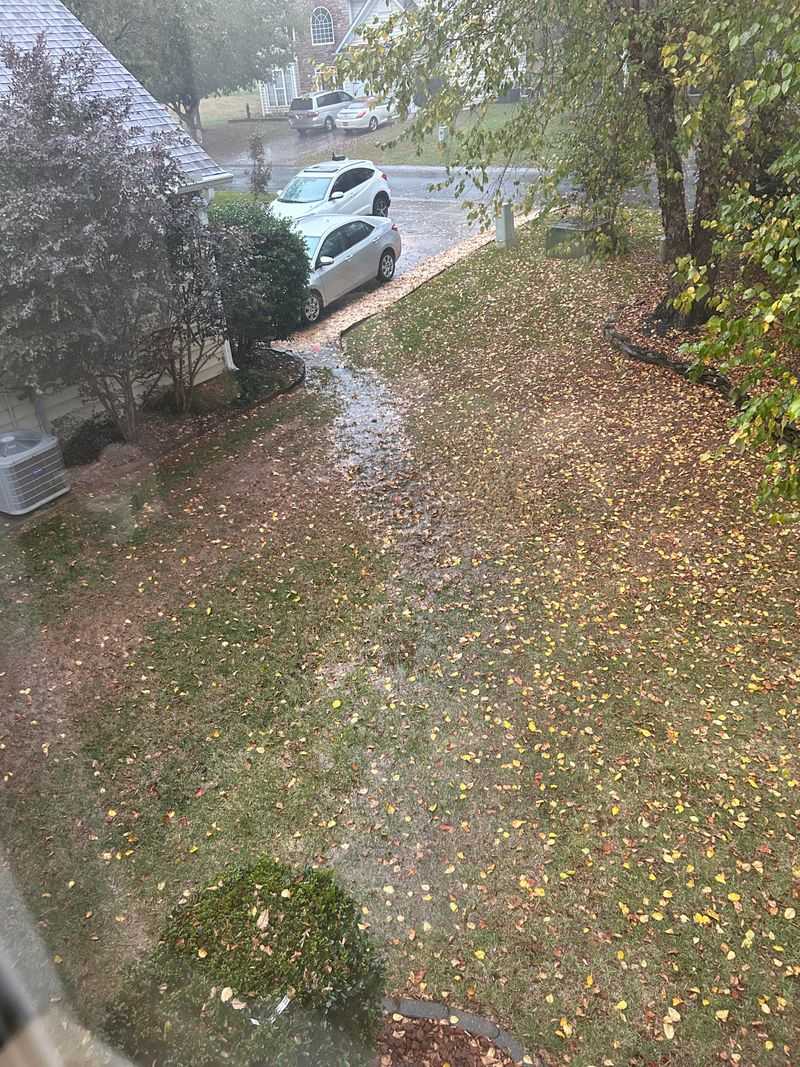
Before confronting your neighbor or consulting an attorney, you need solid evidence of the flooding problem and any damage it’s causing.
Take photographs and videos during and immediately after rainstorms showing where water enters your property and where it pools.
Include shots that show the water clearly coming from your neighbor’s property.
Date-stamped photos from your phone can establish a timeline of when the problem started.
Document any damage to your lawn, garden, foundation, basement, or other structures.
Photograph deceased grass, soil erosion, water stains, or standing water that won’t drain.
If you had to pump water from your basement or garage, keep records of how often and take photos of the water accumulation.
Save receipts for any expenses related to the flooding, including repairs, pumping equipment, landscaping repairs, or professional drainage assessments.
Consider keeping a written log noting the date, time, and severity of flooding incidents.
Weather records can corroborate your documentation by showing rainfall amounts on the dates you experienced flooding.
If possible, take photos or video of your yard before the flooding problem started, showing that it drained properly previously.
This evidence will be essential whether you’re negotiating with your neighbor, filing a complaint with local authorities, or pursuing legal action.
Talking To Your Neighbor Should Be Your First Step
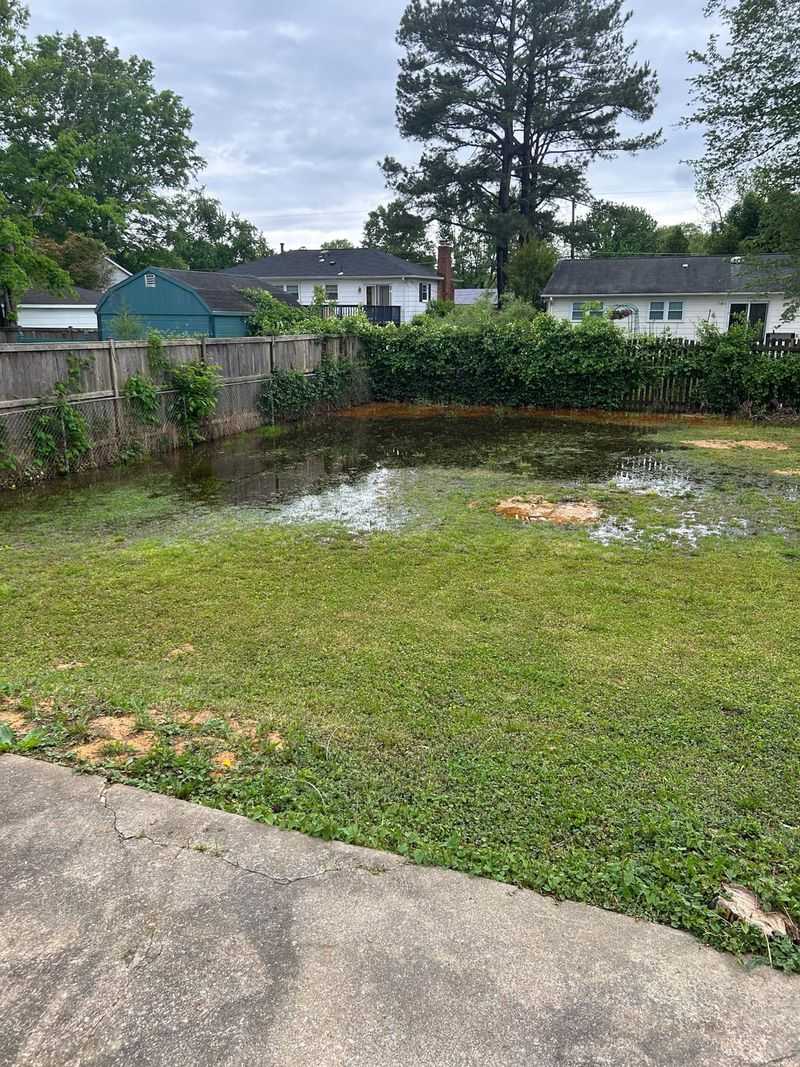
It might feel uncomfortable, but having a friendly conversation with your neighbor should be your first approach to solving the flooding problem.
Your neighbor might not even realize their landscaping changes are causing water to flood your property.
Approach them calmly and politely, avoiding accusations or angry confrontations.
Explain what you’ve observed and show them photos or invite them to look at your yard during the next rainstorm.
Many drainage disputes can be resolved through simple solutions like adjusting a downspout, adding a rain garden, or installing a small drainage feature.
Your neighbor might be willing to make reasonable modifications once they understand the problem.
If they’re receptive, you might even offer to share the cost of a solution that benefits both properties.
Keep notes about your conversation, including the date and what was discussed.
If your neighbor agrees to make changes, consider following up with a friendly email or text message confirming what they agreed to do.
This creates a record without seeming overly formal or threatening.
However, if your neighbor is uncooperative, dismissive, or refuses to acknowledge the problem, you’ll need to consider other options.
Don’t let the situation drag on for years causing ongoing damage to your property.
Mediation Offers A Less Expensive Alternative To Lawsuits
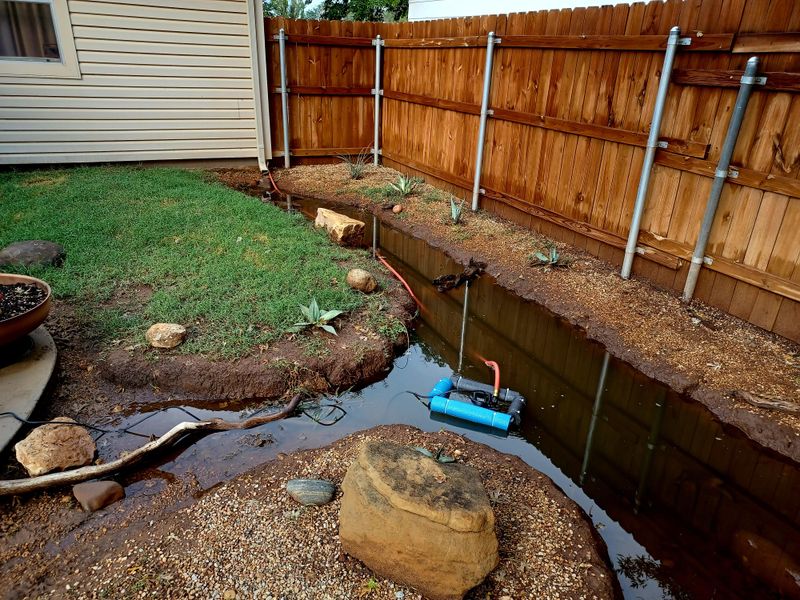
When friendly conversation doesn’t resolve the flooding issue, mediation provides a middle ground between doing nothing and filing a lawsuit.
Mediation involves a neutral third party who helps you and your neighbor discuss the problem and work toward a mutually acceptable solution.
Many Iowa communities offer mediation services specifically for neighbor disputes, often at low cost or even free.
The mediation process is typically informal, confidential, and much faster than court proceedings.
Both parties present their perspectives, and the mediator helps identify possible solutions.
Unlike a judge, a mediator doesn’t impose a decision but instead facilitates an agreement between the parties.
Mediation works best when both neighbors are willing to find a reasonable compromise.
Solutions might include your neighbor installing drainage features, sharing the cost of improvements, or making modifications to their landscaping.
Reaching a mediated agreement can preserve your relationship with your neighbor better than a lawsuit would.
If you reach an agreement through mediation, make sure it’s put in writing and signed by both parties.
This creates an enforceable contract that can be taken to court if someone doesn’t follow through.
Contact your county courthouse, local bar association, or community mediation center to learn about mediation services available in your area.
Filing A Nuisance Lawsuit May Be Necessary For Serious Cases
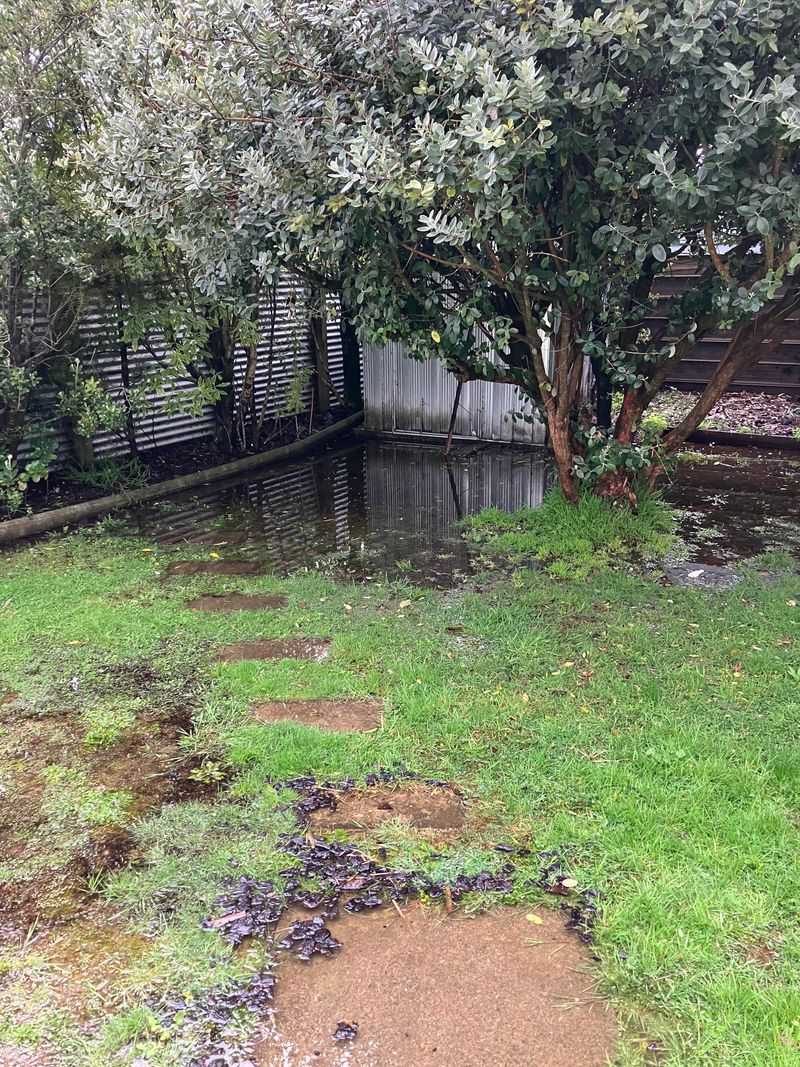
Sometimes negotiation and mediation fail, leaving you with ongoing flooding and property damage.
When all else fails, you may need to file a lawsuit claiming your neighbor’s landscaping changes created a private nuisance.
A private nuisance is a substantial and unreasonable interference with your use and enjoyment of your property.
Repeated flooding that damages your yard, threatens your foundation, or creates standing water certainly qualifies.
In a nuisance lawsuit, you’ll need to prove that your neighbor’s landscaping changes caused the flooding and that the harm to your property is unreasonable.
This is where your documentation of the flooding, damage, and timeline becomes crucial evidence.
You may also need expert testimony from a drainage engineer or landscaping professional to explain how your neighbor’s changes altered water flow.
If you win your case, the court can order your neighbor to fix the drainage problem and may award you money for damages to your property.
Courts can also issue injunctions requiring your neighbor to stop certain activities or make specific changes to restore proper drainage.
Consulting with an attorney who handles property disputes is essential before filing a lawsuit.
They can evaluate the strength of your case, estimate costs, and explain the legal process in your specific situation.