Is It Legal For North Dakota Neighbors To Install A Fence That Blocks Garden Sunlight
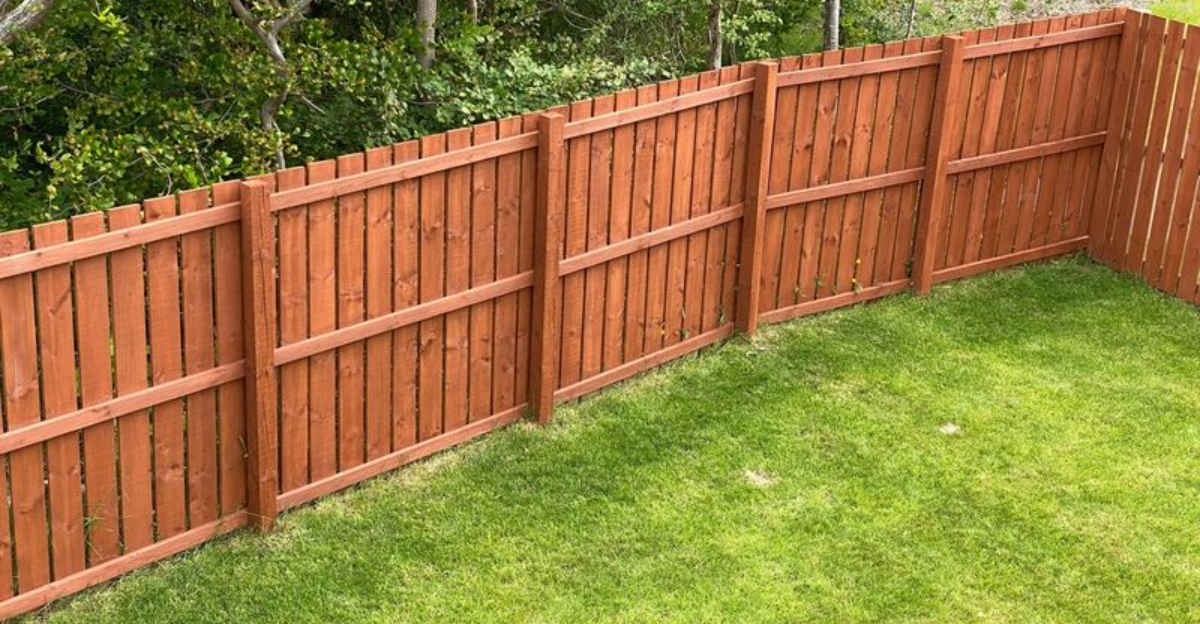
When a neighbor suddenly puts up a towering fence that plunges your garden into shade, it can feel like someone flipped the “off” switch on all your hard-won sunlight.
Flowers sulk, veggies stall, and you’re left wondering whether this new wall is just bad manners—or a legal misstep.
So the big question rises like the sun itself: Can your North Dakota neighbor legally install a fence that steals the daylight your garden depends on?
Before frustration casts a shadow over your relationship, it helps to understand what the law actually allows and where your rights as a homeowner start to shine.
North Dakota Has No Specific Sunlight Protection Laws
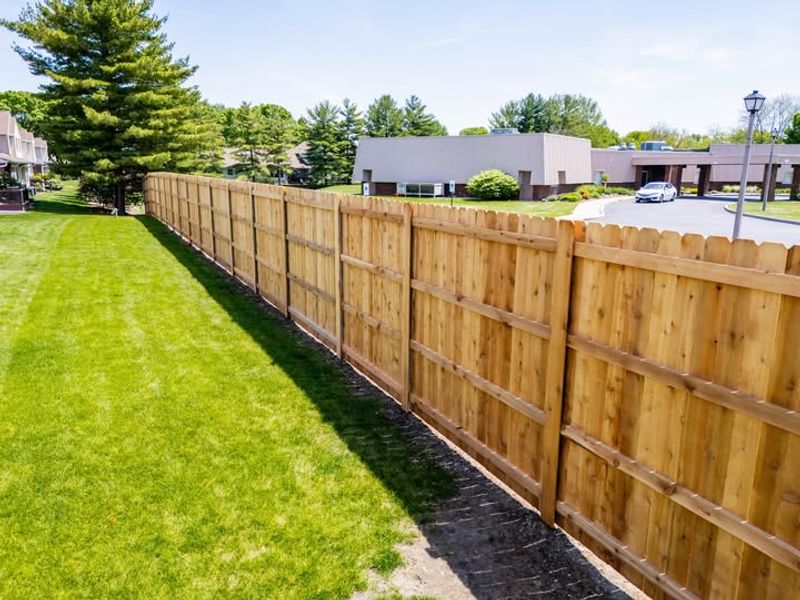
Property owners in North Dakota generally have broad rights to build fences on their own land without worrying about blocking a neighbor’s sunlight.
Unlike some states that have ancient sunlight laws, North Dakota doesn’t provide automatic legal protection for garden sunshine.
Your neighbor can typically install a fence that casts shade over your property as long as they follow local height restrictions and setback rules.
The law views sunlight differently than it views things like water drainage or physical encroachment onto your land.
Courts usually consider sunlight a natural resource that can’t be owned or guaranteed by one property owner.
If you’re counting on sunshine for your tomatoes or flowers, you can’t legally force your neighbor to keep their fence low just to preserve your light.
Understanding this basic principle helps set realistic expectations when dealing with fence disputes.
Many homeowners assume they have rights to sunlight that simply don’t exist under North Dakota law.
Before confronting a neighbor about their fence plans, research what legal ground you actually stand on.
Sometimes friendly negotiation works better than threatening legal action you can’t back up.
Local Fence Height Ordinances Still Apply
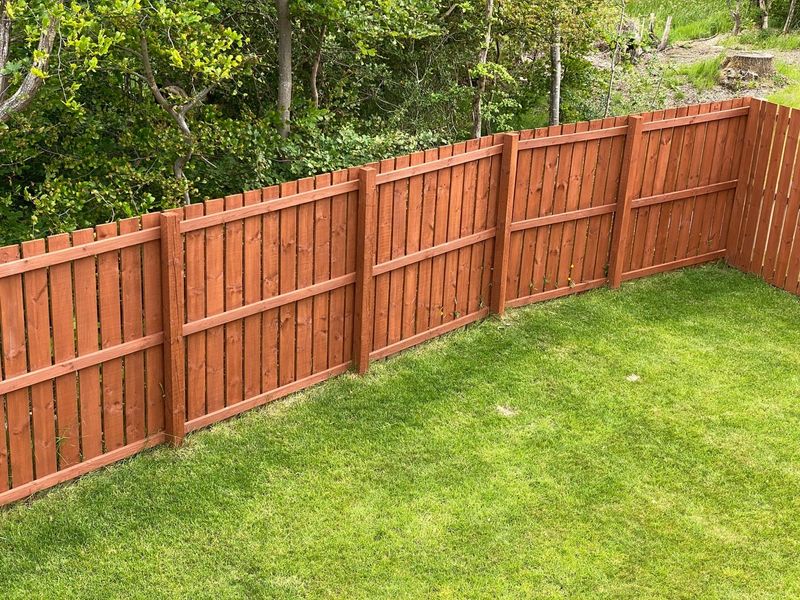
Cities and counties across North Dakota set their own rules about how tall fences can be in different parts of your yard.
Most communities limit front yard fences to around three or four feet, while backyard fences can often reach six to eight feet tall.
These height restrictions exist mainly for safety and aesthetic reasons rather than to protect sunlight access.
Your neighbor must follow these local ordinances even if their main goal is privacy or wind protection.
If their fence exceeds the maximum height allowed in your area, you have grounds to file a complaint with your city or county.
Check with your local building department or zoning office to find out the specific height limits for your neighborhood.
Some areas require building permits for fences over a certain height, giving you another potential avenue if rules are broken.
Even though your neighbor can block sunlight, they can’t ignore height regulations while doing it.
Documenting the fence height with photos and measurements strengthens your case if you need to report a violation.
Local enforcement can order fence modifications or removal when ordinances aren’t followed properly.
Property Line Location Matters Tremendously
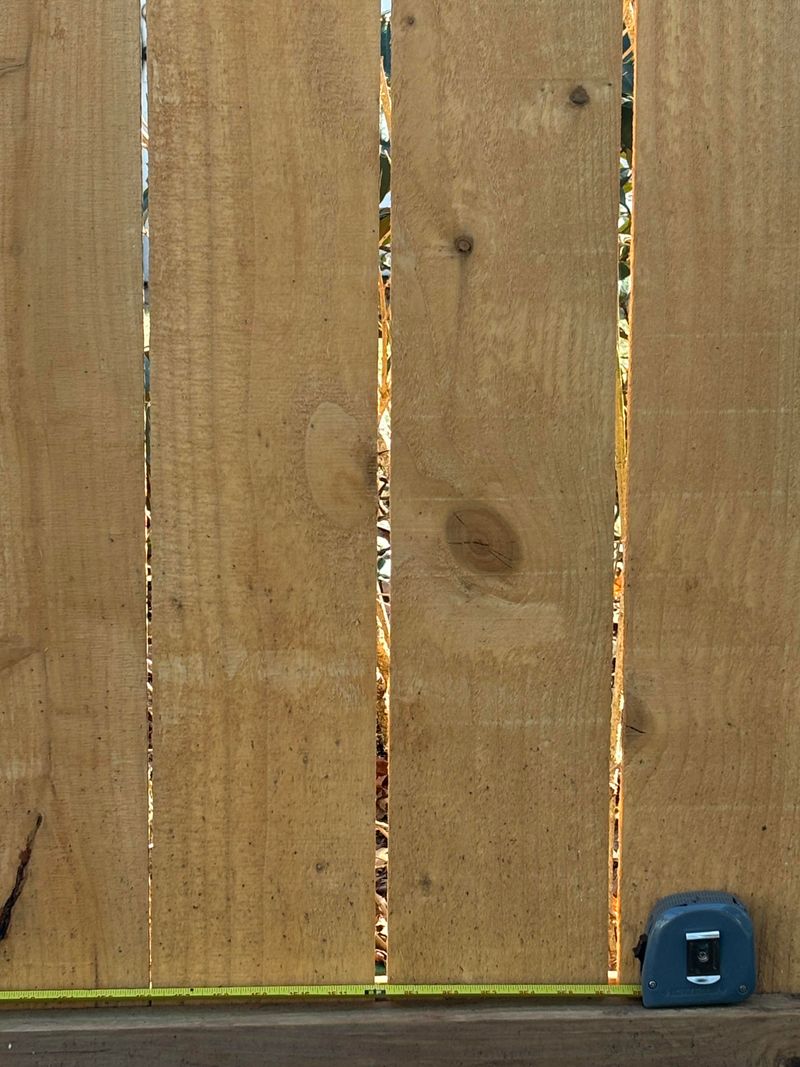
Fences must be built on your neighbor’s property or directly on the shared property line if both parties agree.
When a fence crosses onto your land, even by a few inches, it becomes a trespass issue regardless of sunlight concerns.
Property boundaries aren’t always where you think they are, especially in older neighborhoods without clear markers.
Hiring a professional surveyor can definitively establish where your property ends and your neighbor’s begins.
This survey costs money but provides legal documentation that holds up in court if disputes escalate.
If the fence is indeed on your property without permission, you have stronger legal options than if you’re just upset about shade.
Many neighbor conflicts start because people make assumptions about property lines based on old fences or guesswork.
Getting an official survey prevents arguments about whether the fence is legally placed.
Once boundaries are clear, your neighbor must either move the fence or get your written permission to keep it where it stands.
Don’t skip this step if you’re serious about challenging a fence installation.
Spite Fences Have Limited Legal Recognition
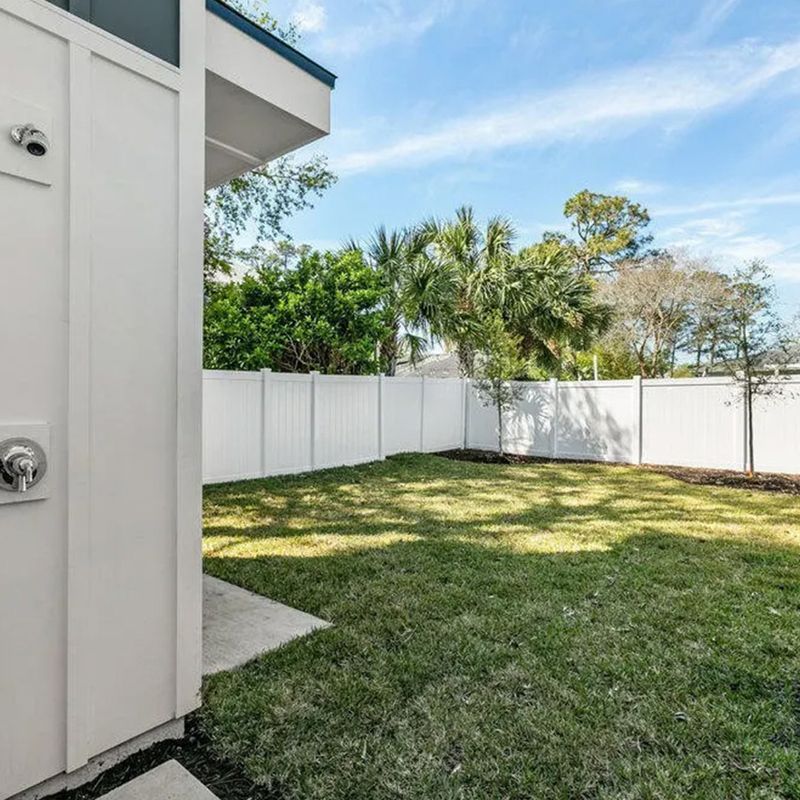
Some states have laws against spite fences, which are structures built mainly to annoy or harass a neighbor rather than serve a legitimate purpose.
North Dakota doesn’t have a specific spite fence statute, making it harder to challenge a fence based solely on malicious intent.
You’d need to prove the fence serves absolutely no reasonable purpose and was built only to harm you.
Courts are generally reluctant to get involved in determining someone’s motivations for building on their own property.
If your neighbor built the fence purely to block your garden sunlight out of anger, proving that legally is extremely difficult.
You’d need evidence like written statements, texts, or witness testimony showing they admitted their malicious intent.
Even with proof, North Dakota courts might not provide relief since property owners have broad rights to use their land.
The spite fence concept exists more in theory than in practical North Dakota law.
Focus your energy on other legal approaches rather than trying to prove your neighbor’s bad intentions.
Demonstrating actual harm is easier than proving someone’s state of mind.
Homeowner Association Rules Can Be Stricter
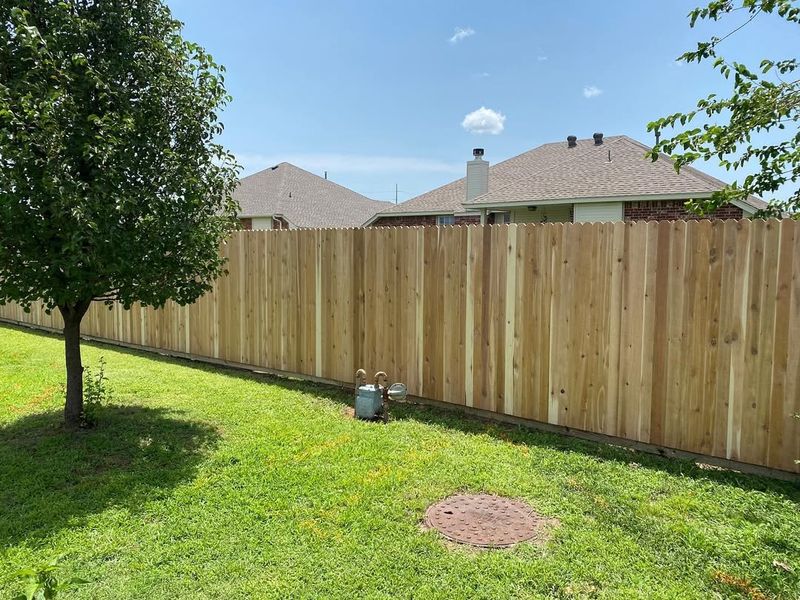
Planned communities and neighborhoods with homeowner associations often have detailed rules about fence appearance, height, materials, and placement.
These private agreements can be much more restrictive than city or county ordinances.
If you and your neighbor both live in an HOA community, their fence must comply with the association’s architectural guidelines.
HOA rules might limit fence height more strictly than city law or require approval before any fence installation.
Review your HOA’s covenants, conditions, and restrictions document to see what fence standards apply.
If your neighbor violated HOA rules, file a formal complaint with the association’s architectural review committee or board.
HOAs can impose fines, require fence removal, or take legal action against homeowners who don’t follow the rules.
Keep in mind that HOA enforcement varies widely, with some associations being strict and others rarely acting on complaints.
Your HOA documents are legally binding contracts that all homeowners agreed to when purchasing their property.
This gives you stronger grounds to challenge a problematic fence than general sunlight concerns alone.
Easements Might Affect Fence Placement
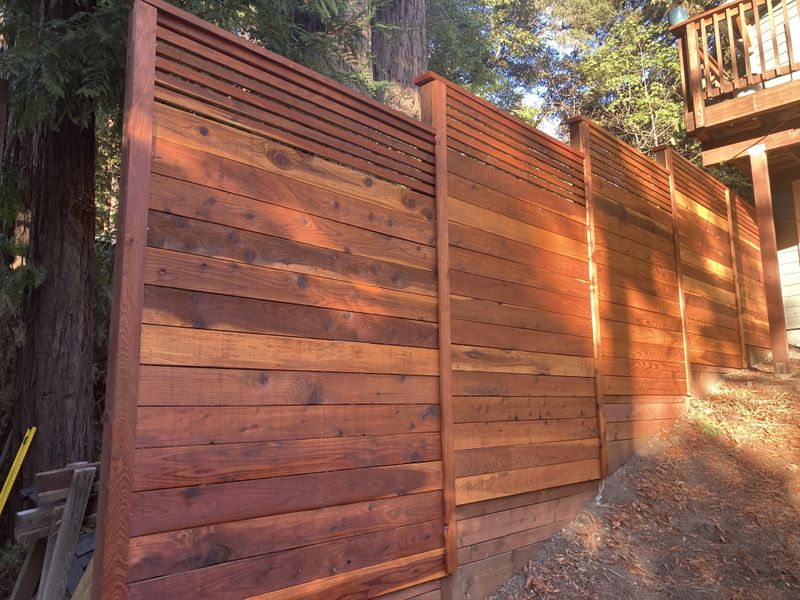
Easements are legal rights that allow utility companies, government entities, or other parties to use part of someone’s property for specific purposes.
Common easements include those for power lines, water pipes, drainage, or access to other properties.
Your neighbor cannot build a fence within an easement area without permission from whoever holds the easement rights.
Utility companies often prohibit permanent structures in their easements because they need access for maintenance and repairs.
If the sunlight-blocking fence sits in an easement, the easement holder can require its removal.
Check your property deed and your neighbor’s deed for recorded easements that might restrict fence placement.
County recorder’s offices maintain these documents and can help you identify any easements on either property.
Sometimes easements run along property lines exactly where people want to build fences.
If an easement violation exists, contact the easement holder directly to report the problem.
They have legal authority to enforce their rights even if you as a neighbor don’t have sunlight protection.
Negotiation Often Works Better Than Legal Action
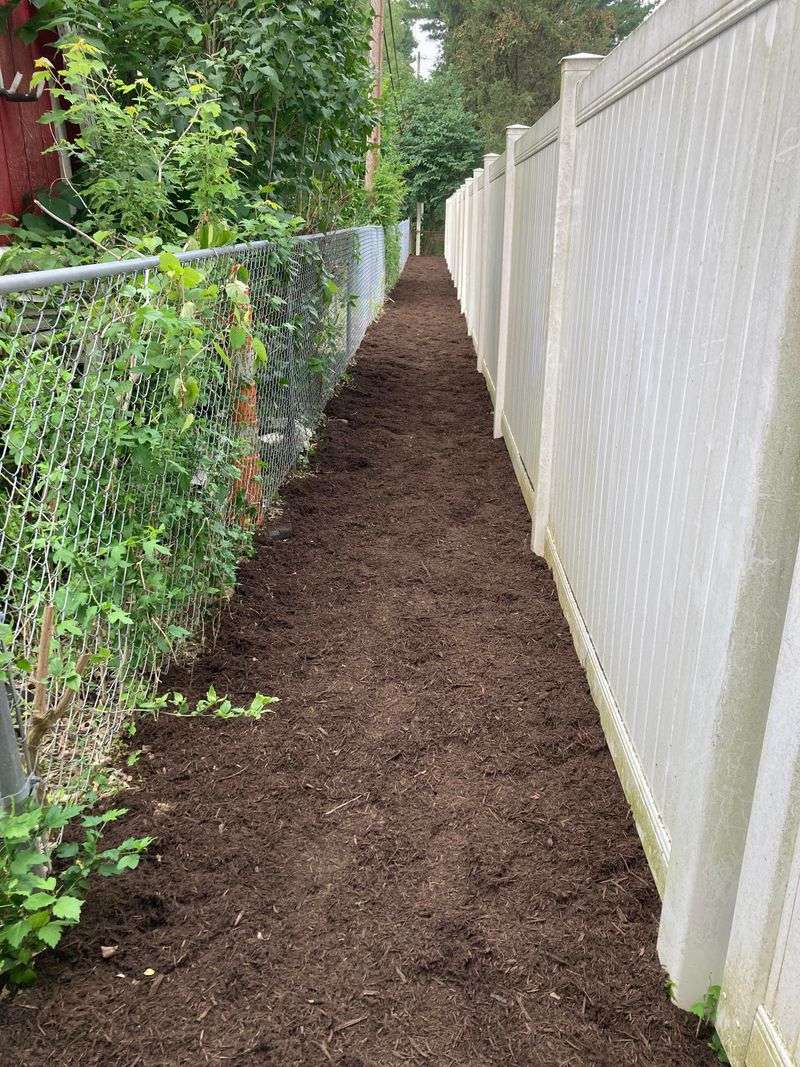
Before considering lawyers or court, try having an honest conversation with your neighbor about how the fence affects your garden.
Many people don’t realize how much shade their fence creates on neighboring property until it’s pointed out.
Your neighbor might be willing to compromise by using a shorter fence, moving it slightly, or choosing a design that allows more light through.
Approaching the situation calmly and respectfully increases the chances of finding a solution that works for everyone.
Explain specifically how the sunlight loss affects your garden rather than making accusatory statements about their intentions.
Offer to share costs if a compromise solution exists that benefits both properties.
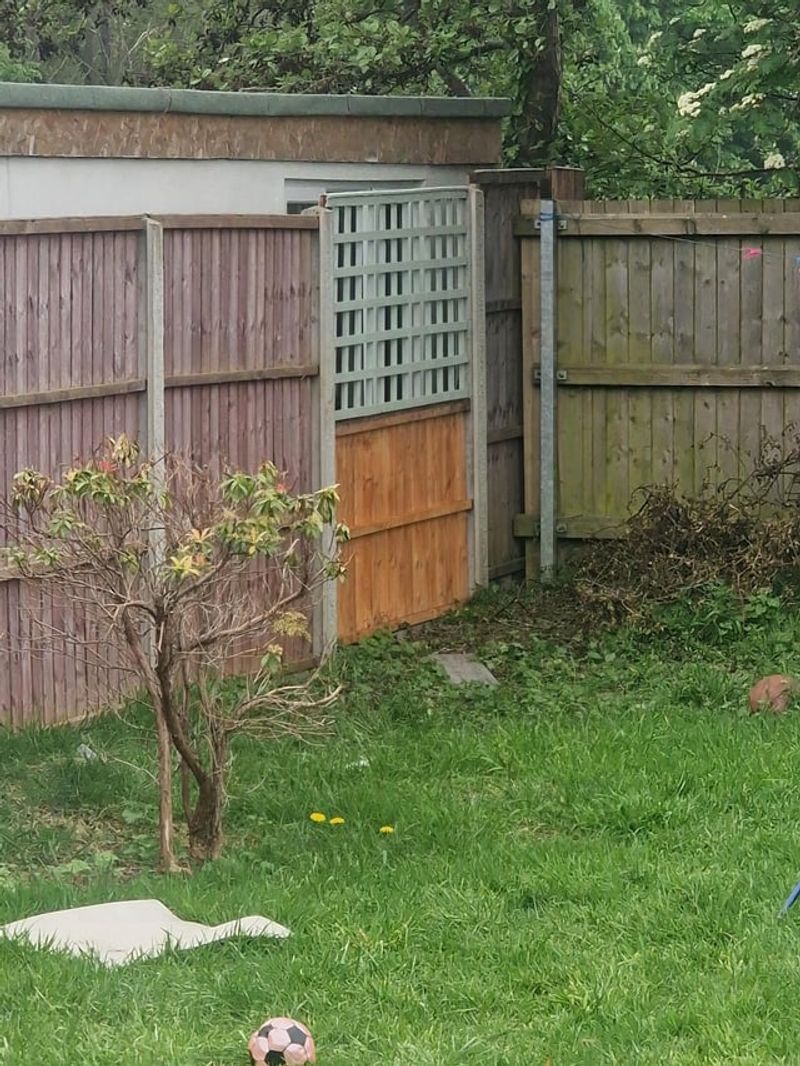
Sometimes neighbors agree to plant lower shrubs instead of a solid fence or to use lattice sections that allow filtered light.
Building good relationships with neighbors pays off in many ways beyond just this one issue.
Legal battles are expensive, time-consuming, and stressful, often costing far more than the value of a few tomato plants.
Save legal action as a last resort after you’ve genuinely tried to work things out person-to-person.
Documenting Everything Protects Your Position
Whether you plan to negotiate or pursue legal options, careful documentation of the fence situation strengthens your position.
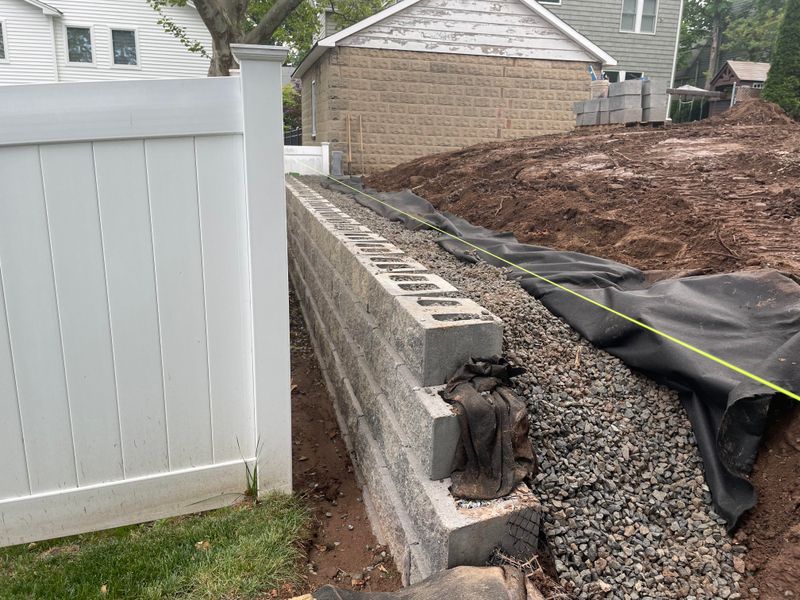
Take clear photos showing the fence height, location, and the shadow it casts on your property at different times of day.
Date-stamp your photos and keep a written log of when you took them and what they show.
If you’ve had conversations with your neighbor about the fence, follow up with a friendly email summarizing what you discussed.
These written communications create a record of your attempts to resolve the issue peacefully.
Measure the fence height and distance from property lines, writing down your findings with dates.
If plants in your garden wither or produce less after the fence goes up, photograph that decline over time.
Save any permits, surveys, or official documents related to either property’s boundaries or structures.
Good documentation helps if you need to file an HOA complaint, report a code violation, or eventually consult a lawyer.
You’ll have concrete evidence rather than vague memories of what happened and when.
Mediation Services Offer Middle Ground Solutions
Many North Dakota communities offer mediation services specifically designed to help neighbors resolve disputes without going to court.
Mediators are neutral third parties trained to help people communicate and find solutions both sides can accept.
The mediation process is usually much less expensive than hiring lawyers and going through formal legal proceedings.
Both you and your neighbor would meet with the mediator to explain your concerns and hear each other’s perspectives.
The mediator doesn’t make decisions for you but helps facilitate productive conversation and creative problem-solving.
Solutions reached through mediation often last longer because both parties participated in creating them.
Check with your county courthouse, local bar association, or community services office about available mediation programs.
Some mediation services are free or low-cost, especially for neighborhood disputes.
Suggesting mediation to your neighbor shows you’re serious about finding a fair solution without unnecessary conflict.
Even if mediation doesn’t completely resolve the issue, it might narrow down the disagreement or improve communication going forward.
Solar Access Laws Don’t Apply To Gardens
Some states have solar access laws that protect homeowners’ ability to install and use solar energy systems without interference.
North Dakota has minimal solar access protections, and what little exists applies to solar panels, not vegetable gardens or landscaping.
Courts and lawmakers treat renewable energy collection differently than they treat gardening or aesthetics.
You can’t claim solar access rights for your tomatoes the same way someone might for rooftop solar panels.
The legal system generally doesn’t recognize a property right to natural sunlight for traditional gardening purposes.
If you installed solar panels on your roof and your neighbor’s fence blocked them, you’d have slightly more legal ground to stand on.
Even then, North Dakota’s protections are limited compared to states like California or Colorado.
Understanding this distinction helps you avoid pursuing legal arguments that have no basis in actual law.
Focus on practical solutions rather than trying to apply solar energy laws to your garden situation.
The law simply doesn’t extend the same protections to flower beds that it might to renewable energy infrastructure.