This Easy January Trick Brings Christmas Cactus Back Into Bloom
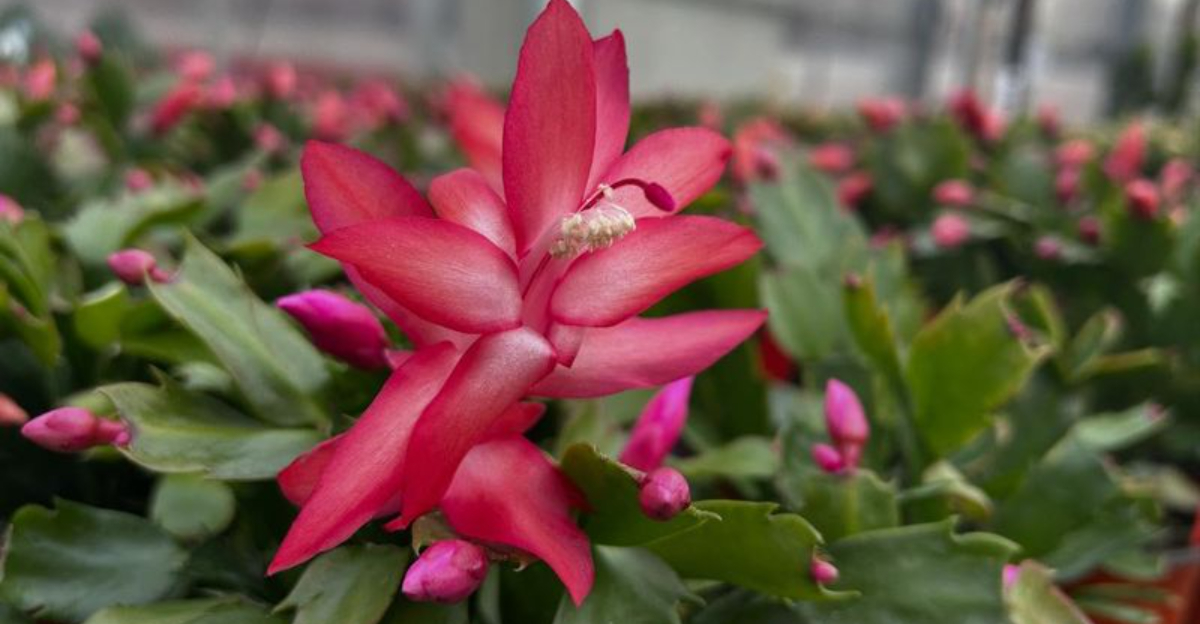
A Christmas cactus sometimes needs a gentle nudge in winter, and understanding what sparks its blooming cycle can make the difference between stubborn silence and a burst of fresh buds.
January gives you the perfect moment to reset your plant and guide it back into bloom, especially when you learn how much a small temperature shift can influence its natural rhythm.
Give It A Quick 12-Hour Night Chill To Kickstart New Buds
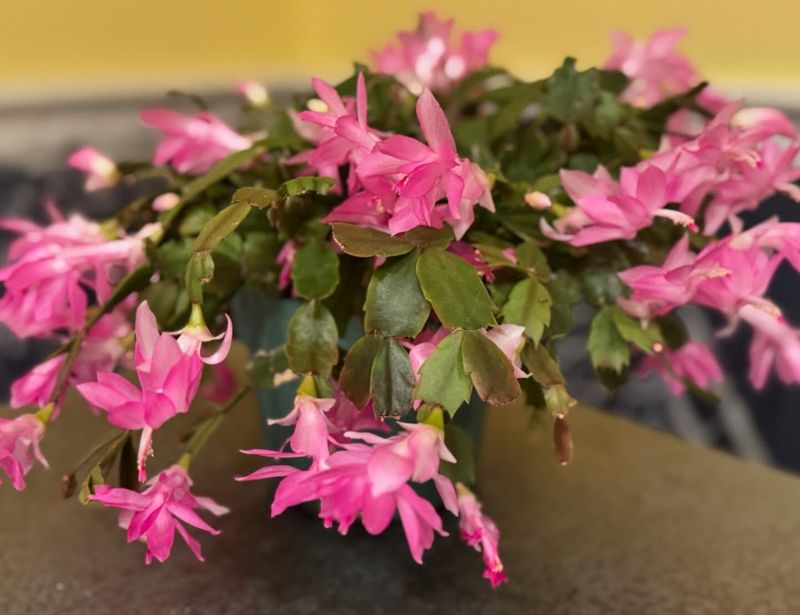
Your Christmas cactus actually craves a little cool-down period at night to start forming those gorgeous buds you’ve been waiting for all month long.
Moving your plant to a spot where temperatures drop to around fifty-five or sixty degrees during nighttime hours can make all the difference right now.
A spare bedroom, enclosed porch, or even a cooler hallway away from heating vents works perfectly for creating this natural temperature shift without any fuss.
The goal is to mimic the conditions your cactus would experience in its native Brazilian mountain habitat where nights naturally get cooler than daytime temperatures.
You don’t need fancy equipment or complicated setups, just a consistent twelve-hour stretch of cooler air while your plant rests through the darker evening hours.
After about three to four weeks of this nightly routine, you should start noticing tiny bud formations appearing at the tips of those segmented leaves.
Why A Short Cool Spell Works Better Than You’d Expect
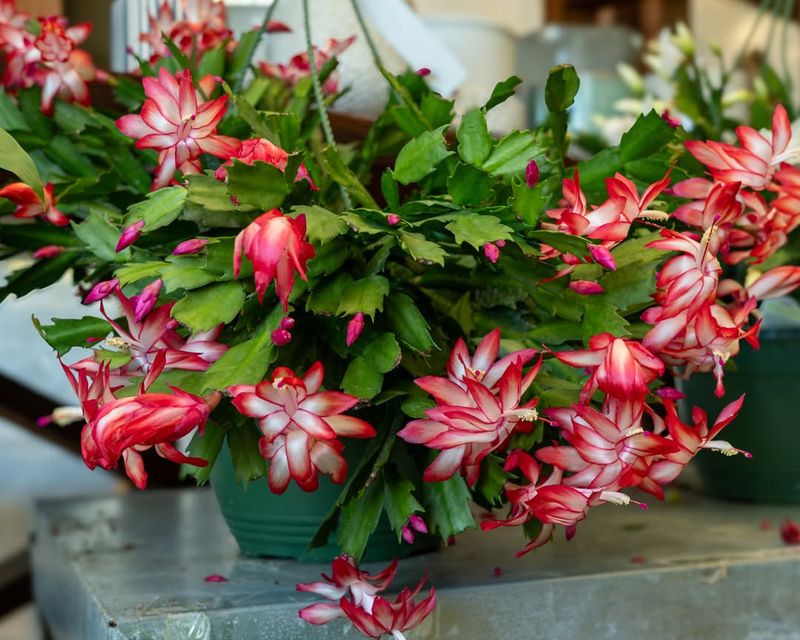
Plants have built-in biological clocks that respond to environmental signals, and your Christmas cactus is no different when it comes to sensing seasonal temperature changes.
When temperatures drop at night, it triggers hormonal changes inside the plant that tell it bloom season has arrived and it’s time to start budding.
This response developed over thousands of years in mountainous regions where cooler fall and winter nights naturally signal the plant to begin its flowering cycle.
The beauty of this method is that you’re not forcing anything unnatural, just recreating the conditions that tell your cactus it’s safe to bloom.
Many people keep their homes at steady temperatures year-round, which is comfortable for us but confusing for plants that need those seasonal temperature cues.
By giving your Christmas cactus that brief cool period, you’re speaking its natural language and helping it understand what time of year it really is.
How This Tiny Temperature Shift Wakes Up Stubborn Stems
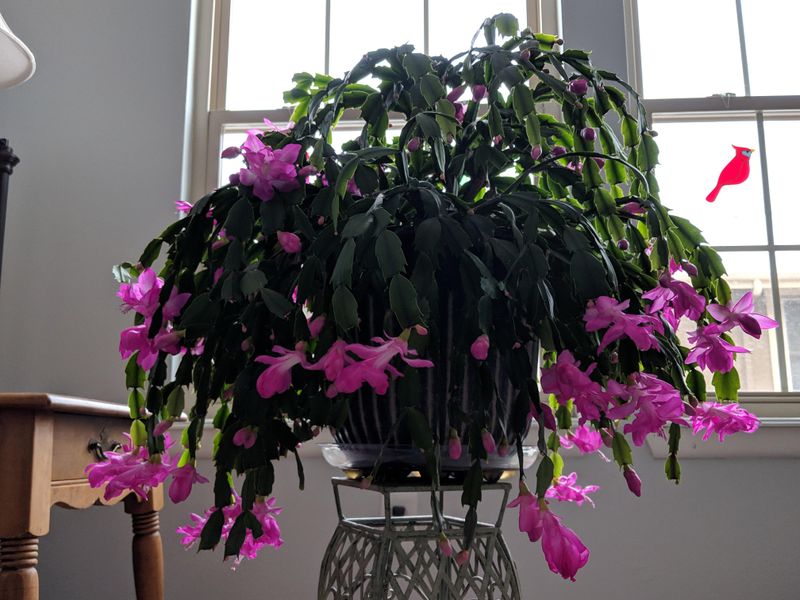
Sometimes your Christmas cactus just needs a gentle nudge to break out of its resting phase and start channeling energy toward flower production instead of growth.
That ten to fifteen degree temperature drop at night acts like a wake-up call, redirecting the plant’s resources from making new leaf segments to forming buds.
Think of it like your plant has been in maintenance mode, and the cooler nights flip a switch that says it’s time to put on a show.
Stubborn stems that have refused to bloom for months or even years often respond beautifully to this simple environmental change within just a few weeks.
The key is consistency, because sporadic temperature changes won’t deliver the clear message your cactus needs to commit to the energy-intensive process of flowering.
Once those stems sense the reliable pattern of cooler nights, they’ll start preparing for bloom time by forming those precious little buds you’ve been hoping for.
The Quiet Way Cooler Nights Help Your Plant Reset
After the busy holiday season, your Christmas cactus needs a chance to recharge and prepare for another round of blooming instead of staying dormant indefinitely.
Cooler nighttime temperatures essentially give your plant a mini winter vacation, allowing it to rest while simultaneously preparing its internal systems for the next bloom cycle.
During this cooler period, the plant slows down certain metabolic processes while ramping up others specifically related to bud formation and flower development over time.
It’s a natural reset button that helps your cactus recover from the energy expenditure of its last blooming period and get ready to do it again.
Without this temperature variation, your plant might just coast along in a neutral state, never quite getting the signal that it’s time to bloom again.
January is ideal for this reset because it gives your cactus plenty of time to form buds and bloom beautifully before spring arrives at your doorstep.
Signs Your Cactus Is Finally Responding To The Chill Trick
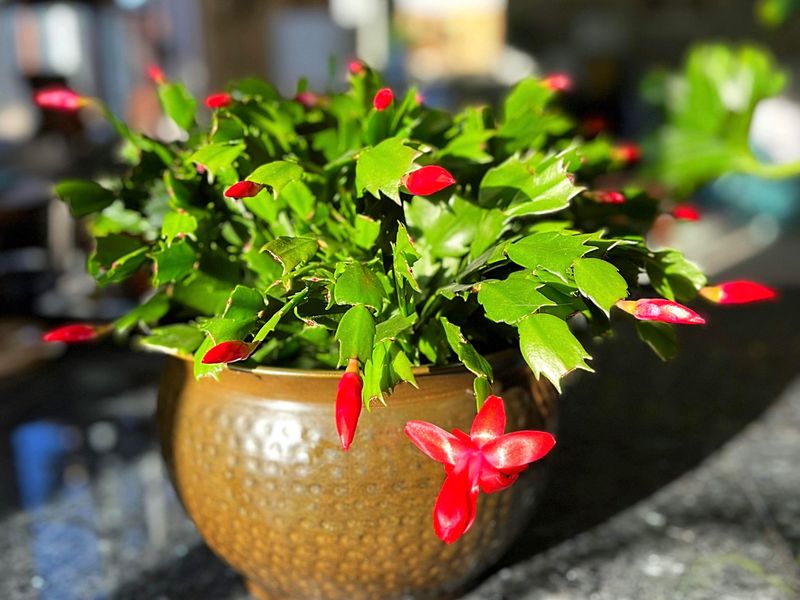
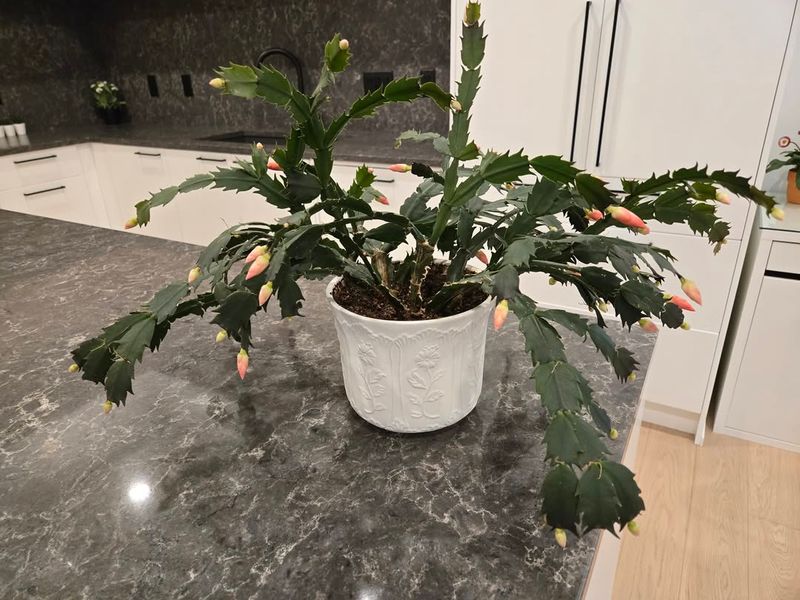
The first hint that your temperature trick is working usually appears as tiny rounded bumps at the ends of the leaf segments after several weeks.
These little bumps will gradually grow and take on a more elongated shape as they develop into recognizable flower buds over the following days and weeks.
You might also notice the leaf segments looking slightly plumper or more turgid as the plant increases water uptake to support the developing bud structures.
Some Christmas cacti show a subtle color change in the newest segments, taking on a slightly reddish or purple tint when they’re gearing up to bloom soon.
Another good sign is when the plant seems to pause its vegetative growth and stops producing new leaf segments, focusing all energy on those forming buds.
Once you spot these encouraging signals, keep up the cooler night routine until the buds are well-formed and just starting to show their actual flower color.
What To Do If Buds Start Forming Faster Than Usual
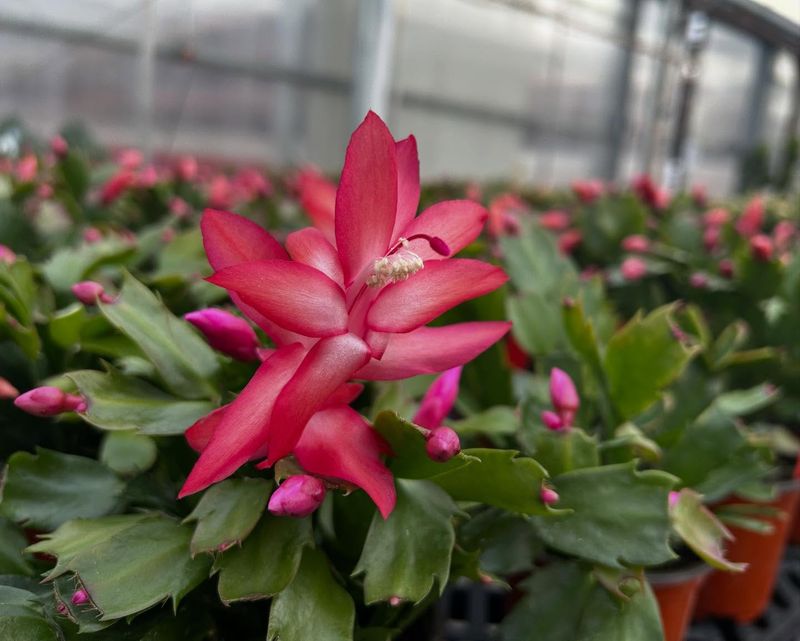
Sometimes your Christmas cactus gets so excited about the temperature change that it produces an abundance of buds all at once, which is wonderful news.
If you notice rapid bud development, make sure you’re maintaining consistent watering because the plant will need extra moisture to support all those developing flowers properly.
Avoid moving the plant around or changing its orientation once buds have formed, as Christmas cacti can be sensitive and might drop buds if disturbed.
You can gradually transition your cactus back to normal room temperatures once the buds are well-developed and starting to show color at the tips.
Keep the soil evenly moist but not soggy during this critical period, checking it every few days to ensure your plant has the resources it needs.
A little diluted fertilizer can help support the blooming process, but don’t overdo it since too much can actually cause bud drop rather than encouraging flowering.
How To Keep Those Fresh Blooms Going Longer This Winter
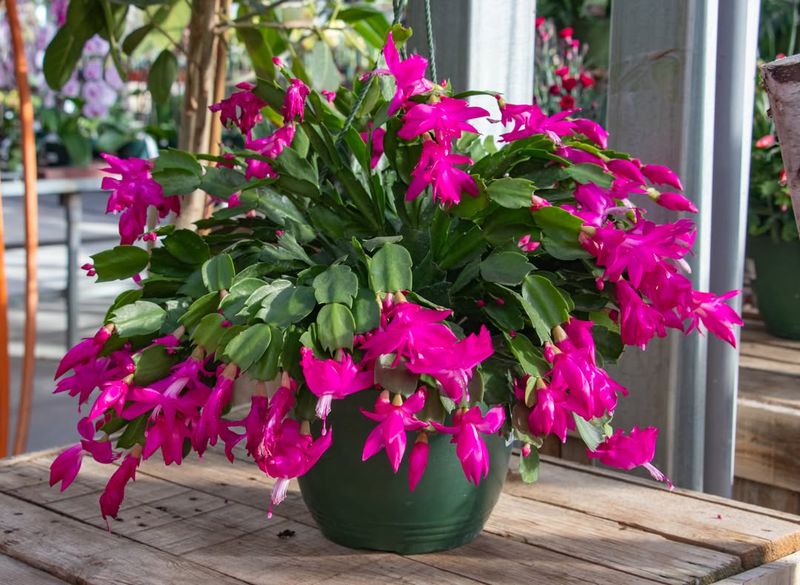
Once your Christmas cactus finally bursts into bloom, you’ll want to enjoy those beautiful flowers for as long as possible throughout the winter months ahead.
Keep your blooming plant in bright indirect light away from direct sun, which can fade the flowers and shorten their lifespan by several days or weeks.
Maintain consistent moisture levels in the soil without letting it dry out completely or sit in standing water that could damage the roots or stems.
Room temperatures between sixty-five and seventy degrees are ideal during the blooming period, keeping flowers fresh and vibrant for maximum enjoyment and visual impact at home.
Avoid placing your blooming cactus near heating vents, drafty windows, or exterior doors where temperature fluctuations could stress the plant and cause premature flower drop.
With proper care during the blooming phase, your Christmas cactus flowers can last anywhere from several weeks to over a month, brightening your home beautifully.
The Simple Care Tweaks That Support The Chill Boost
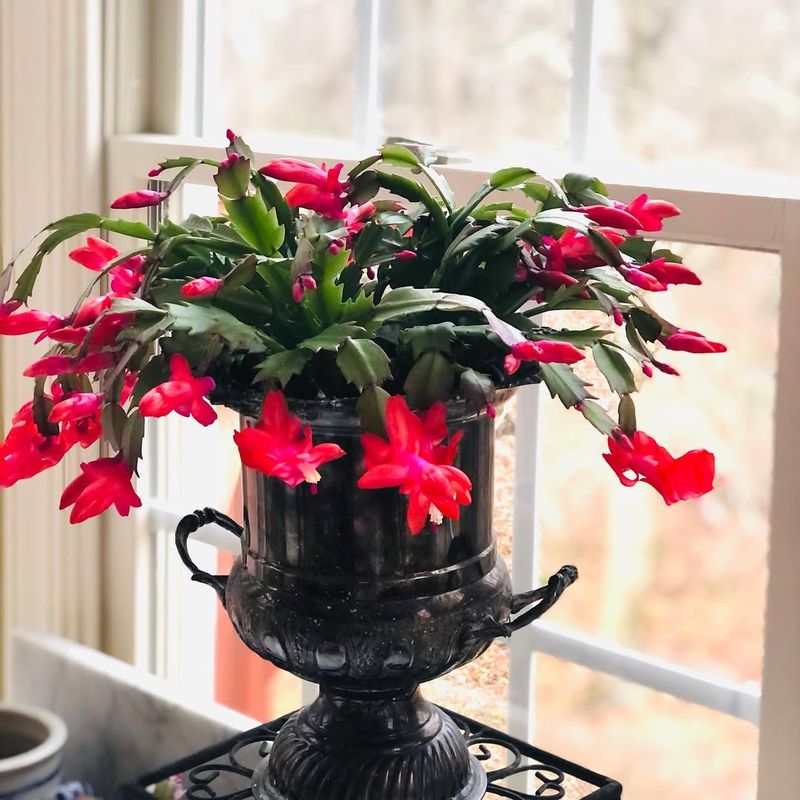
While the temperature trick does most of the heavy lifting, a few small adjustments to your regular care routine can help maximize your success rate significantly.
Reduce watering slightly during the cool-down period since lower temperatures mean the soil stays moist longer and your plant uses less water at night overall.
Make sure your Christmas cactus is getting about twelve to fourteen hours of darkness each night, which works hand-in-hand with the temperature change for blooming.
You can achieve this by simply keeping the plant in a room where lights are turned off at a regular time each evening without interruption.
Skip fertilizing during the initial cool-down weeks, then resume with a diluted bloom-boosting formula once you see those first tiny buds beginning to form clearly.
These minor tweaks complement the temperature trick perfectly, creating ideal conditions that tell your Christmas cactus it’s definitely time to put on another spectacular floral show.
Why January Is The Perfect Month To Use This Bloom Trick
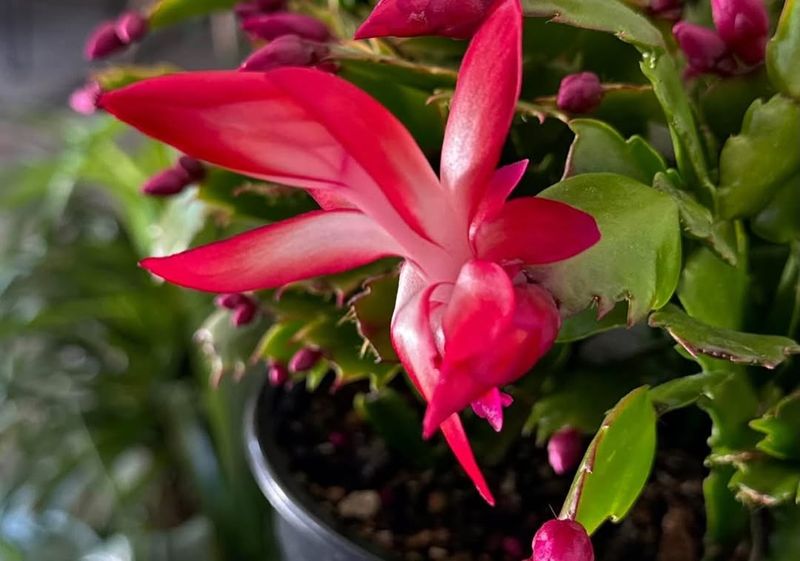
January naturally gives your Christmas cactus the cooler nighttime temperatures it needs to recognize that it’s time to shift from resting mode to blooming mode.
The shorter days and longer evenings create the perfect stretch of darkness to support that steady twelve-hour chill without disrupting the plant’s internal rhythm.
Homes are already cooler in January, making it easy to maintain a consistent nighttime drop that sends a clear seasonal signal to your cactus.
This timing lines up with the plant’s natural cycle, helping it understand that the bloom period is approaching and it’s time to form new buds.
The gentle coolness of January nights acts like a familiar environmental cue, nudging stubborn stems to wake up and start preparing for flowering again.
By starting the trick now, you’re giving your cactus the exact conditions it expects in nature, helping it commit fully to producing a fresh round of buds.
Once you understand how strongly your Christmas cactus responds to cooler nights, it becomes clear how simple adjustments can wake up even the most reluctant stems.
With a little consistency and patience, this January trick sets the stage for a blooming show that brightens the rest of winter more beautifully than you expect.