How To Grow A Cozy Windowsill Herb Garden That Survives Winter Cold
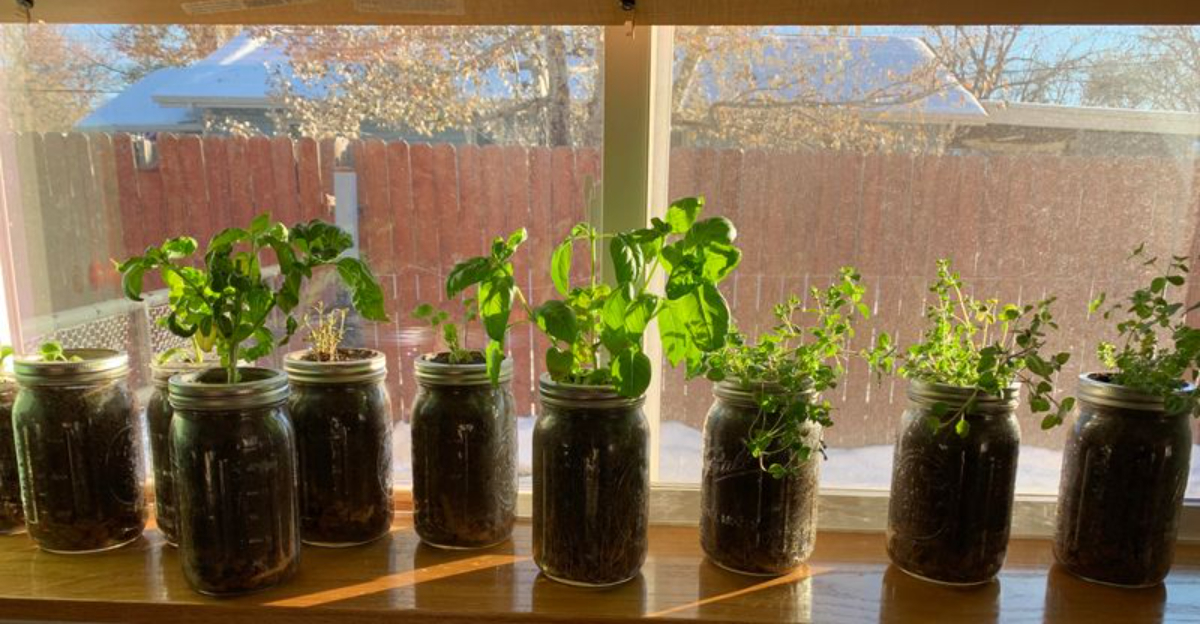
A cozy windowsill herb garden feels like a small rebellion against winter, giving you a bright spot of green when everything else is snoozing outside.
Those little leaves make your kitchen feel warmer, almost like they’re cheering you on every time you brush past them.
Once you get the hang of it, you’ll wonder how you ever made it through cold seasons without this tiny burst of life by your window.
The Trick To Keeping Tender Herbs Thriving Indoors
You know that moment when you bring a plant inside and it just starts looking sad and droopy within days, like it’s given up on life completely already?
That happens because tender herbs like basil and cilantro need more than just a spot by the window to stay happy during the cold months ahead of them.
Tender herbs are used to warm temperatures and steady conditions, so when winter air gets dry and chilly, they start struggling fast unless you give them help.
The real trick is creating a mini climate that feels like spring, even when it’s freezing outside your home and the wind is howling through the streets.
Place your herbs on a south-facing windowsill where they get maximum sunlight throughout the day, and keep the room temperature between sixty-five and seventy degrees at all times.
Misting the leaves lightly every couple of days helps too, because indoor heating dries out the air and makes herbs wilt and lose their vibrant green color quickly.
Why Your Cold Windowsill Can Actually Be Herb Heaven
It sounds backwards, but some herbs actually prefer a cooler spot by the window rather than a warm corner near your heater vents or radiator system.
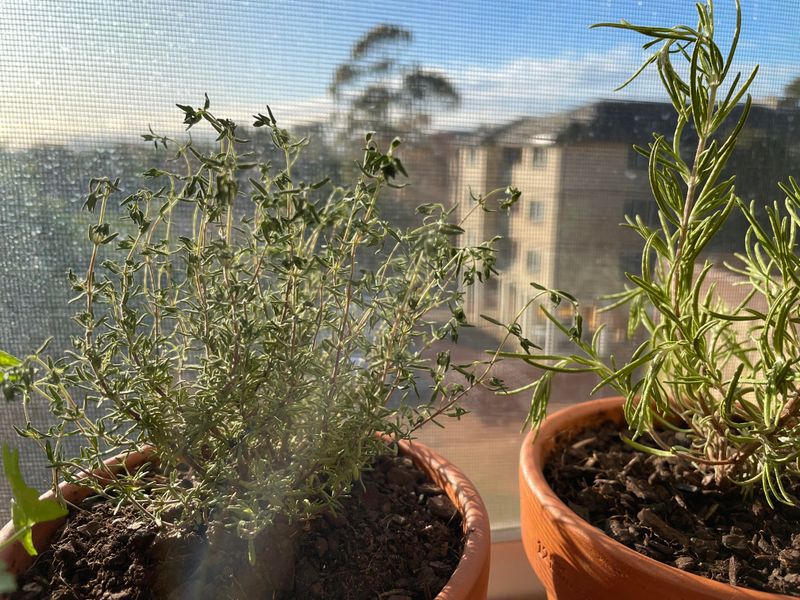
Hardy herbs like rosemary, thyme, and sage come from Mediterranean climates where nights get chilly and days are bright, so they handle cold windowsills like champions every time.
When you place these tough herbs near a slightly drafty window, they slow down their growth just enough to stay compact and flavorful instead of stretching out thin.
Cool air also keeps pests away because bugs hate the cold just as much as you do when you step outside without a coat on winter mornings.
Just make sure the temperature doesn’t drop below fifty degrees at night, or even hardy herbs will start showing signs of stress and unhappiness with their living situation.
A cold windowsill gives your herbs the rest period they naturally crave during winter, which actually makes them stronger and tastier when you harvest them for cooking.
Small Pots, Big Flavor In Winter’s Chill
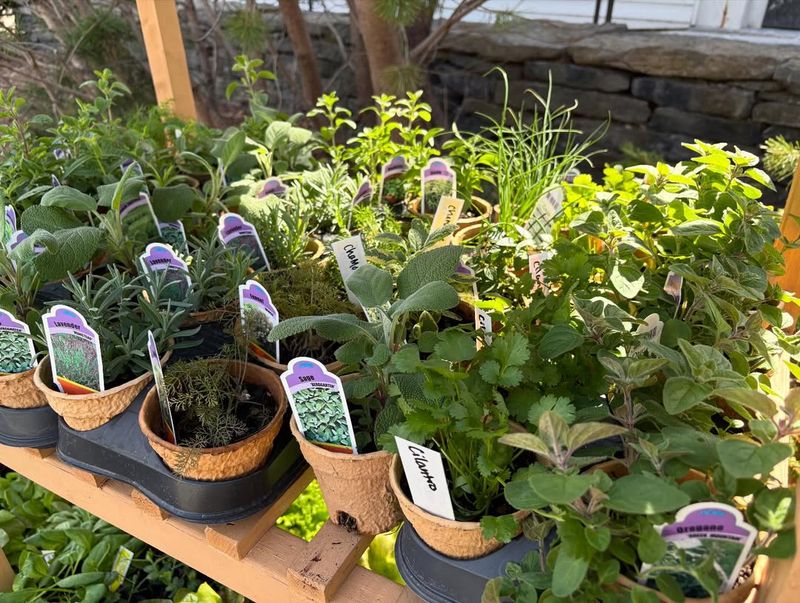
Have you ever wondered why professional gardeners always say smaller pots work better for indoor herbs during the cold season when everything grows slower than usual?
Herbs grown in compact containers focus their energy on producing strong roots and flavorful leaves instead of trying to fill up a giant pot with weak growth.
Small pots also dry out faster, which sounds bad but actually prevents the root rot that happens when soil stays soggy and cold for too long during winter.
Choose pots that are about four to six inches wide with drainage holes at the bottom, and use a light potting mix that drains well and doesn’t hold water.
When your herbs live in snug little homes, they stay manageable and bushy, making it easier to harvest leaves without stripping the plant bare and leaving it struggling.
Plus, smaller pots fit better on narrow windowsills, so you can grow more varieties in the same space and enjoy a wider range of flavors for your meals.
How To Stop Frosty Drafts From Ruining Your Herbs
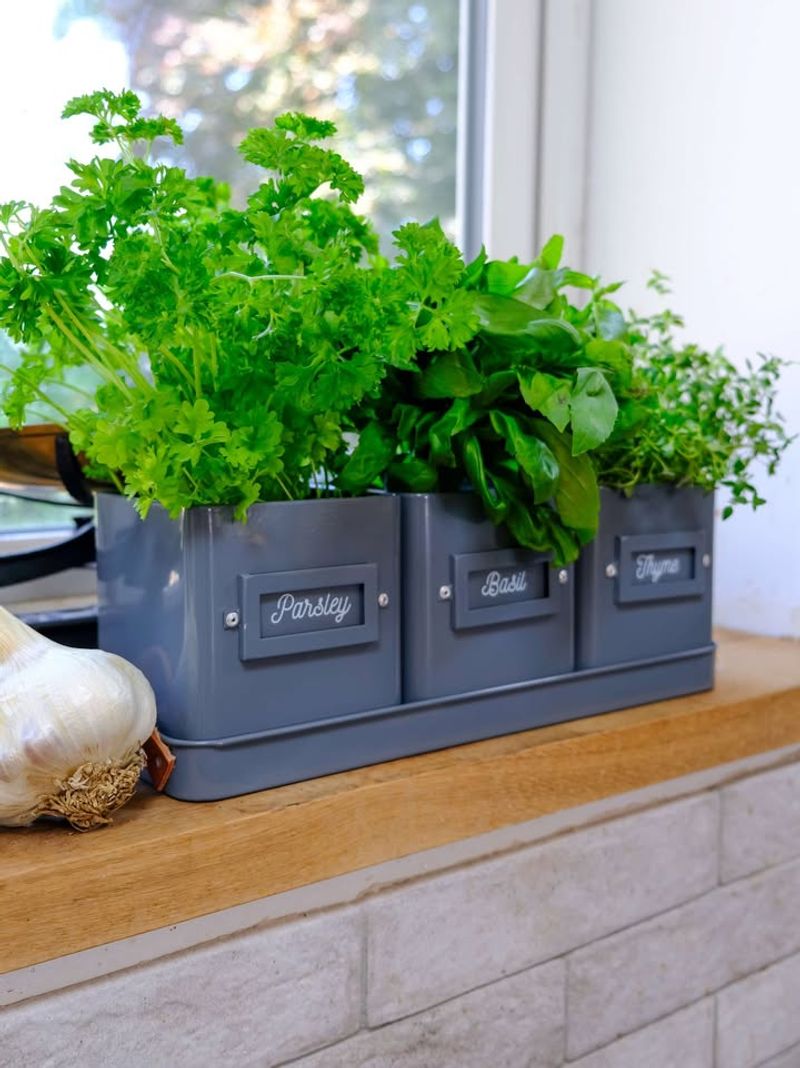
Cold drafts sneaking through old window frames can turn your cozy herb garden into a sad collection of wilted leaves faster than you can say fresh pesto tonight.
Even hardy herbs don’t appreciate icy air blasting them constantly, because it dries out their leaves and shocks their roots when the temperature swings wildly between day and night.
The easiest fix is placing a clear plastic sheet or piece of bubble wrap between your herbs and the window glass to create an insulating barrier that blocks cold.
You can also move your pots a few inches away from the glass, just enough so they still get light but aren’t touching the coldest surface in the room.
Check your windows for gaps and seal them with weatherstripping or caulk, because even tiny cracks let in freezing air that your herbs will definitely feel and react to negatively.
Another smart move is rotating your pots every few days so all sides get equal warmth and light, preventing one side from getting too cold and stunted.
The Easiest Herbs That Love A Cozy Indoor Spot
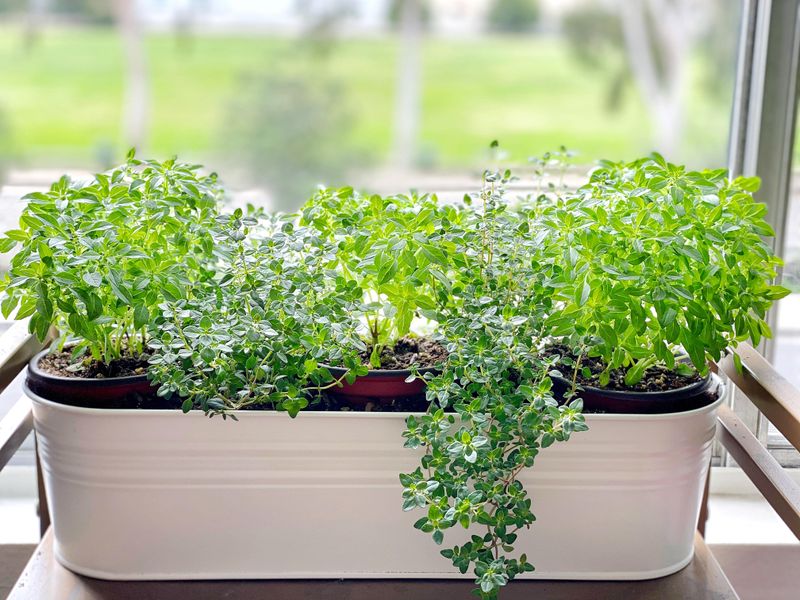
Some herbs are just built for indoor living and handle windowsill life like they were born to sit by your kitchen window and make your cooking smell amazing.
Parsley is a superstar because it doesn’t need tons of light and keeps producing fresh leaves even when winter days are short and gray outside your home.
Chives are another easy win since they grow back quickly after you snip them, and they don’t mind cooler temperatures that would make other herbs sulk and stop.
Mint is practically indestructible and will happily take over its pot if you let it, giving you endless leaves for tea and garnishes throughout the entire cold season.
Oregano and thyme are also beginner-friendly because they tolerate neglect better than most plants, bouncing back even if you forget to water them for a few days straight.
Starting with these forgiving herbs builds your confidence and keeps your windowsill looking green and productive, even if you’re still learning the ropes of indoor gardening during winter.
Light Setups That Keep Herbs Growing When Days Get Short
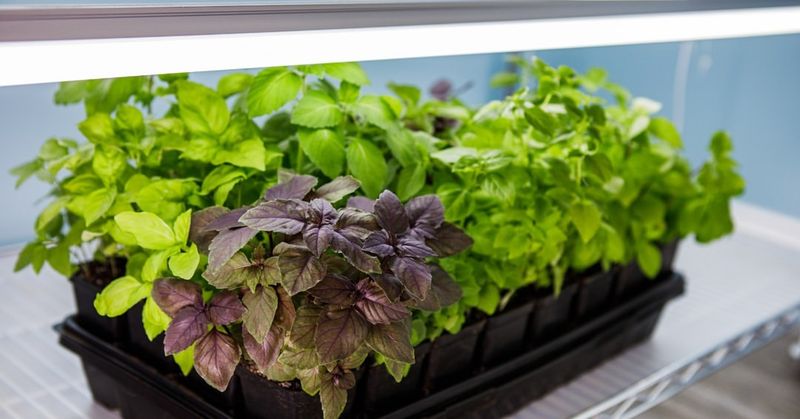
Winter sunlight is weak and fleeting, and by mid-afternoon it’s already fading away, leaving your herbs sitting in dim light that isn’t enough for healthy growth at all.
Most herbs need at least six hours of bright light daily to thrive, but winter days barely give you four or five hours of decent sun through cloudy skies.
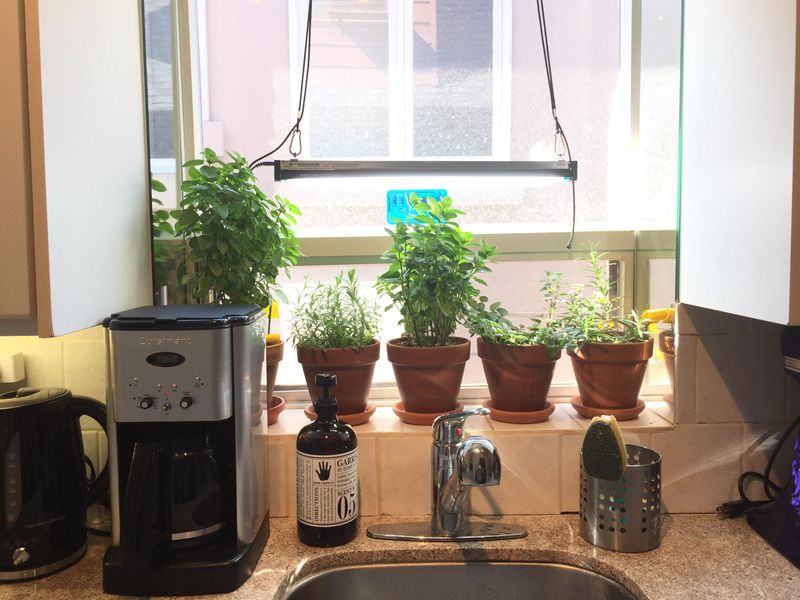
Adding a simple LED grow light above your windowsill fills in the gap and keeps your herbs photosynthesizing like it’s still spring, which means stronger stems and tastier leaves.
You don’t need expensive equipment either, just a basic clip-on grow light from any hardware store that you turn on for a few extra hours each evening works perfectly.
Position the light about six to twelve inches above your plants, and set a timer so it runs for about twelve to fourteen hours total each day without you forgetting.
Your herbs will respond by staying compact and green instead of stretching toward the window in a desperate search for more light that just isn’t there naturally.
Moisture Mistakes That End Winter Herbs Fast
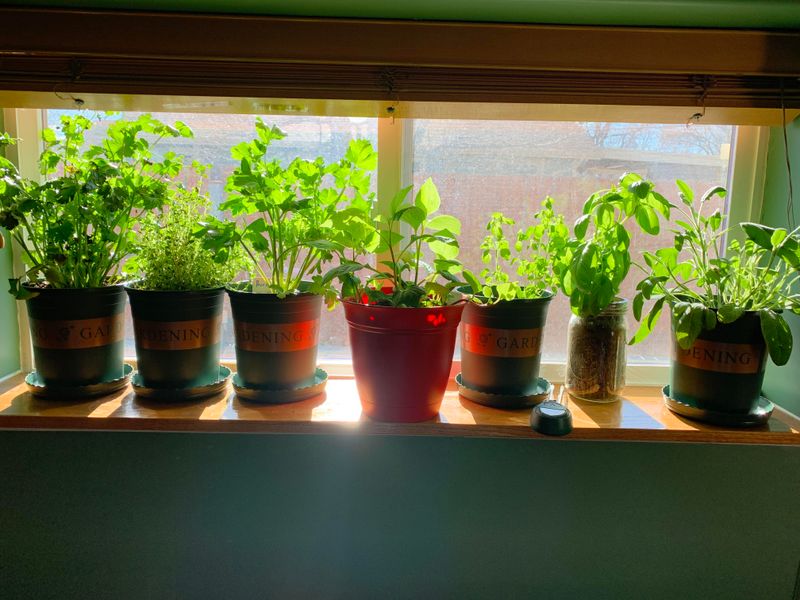
Overwatering is the number one reason indoor herbs don’t make it through winter, because cold soil holds onto moisture longer and roots start rotting before you notice.
It’s tempting to water on a schedule, but your herbs need less water during winter since they grow slower and the air is often more humid than summer.
Stick your finger into the soil about an inch deep, and only water when it feels completely dry to the touch instead of following a rigid every-three-days routine blindly.
Make sure your pots have drainage holes and never let them sit in saucers filled with water, because that creates soggy conditions that herbs absolutely hate and cannot tolerate.
On the flip side, dry indoor air from heaters can make leaves crispy, so finding the balance between too wet and too dry is key to success here.
Bottom line is paying attention to your plants instead of guessing, because each windowsill has different conditions and your herbs will tell you what they need if you look closely.
The Simple Warmth Boost Every Indoor Herb Garden Needs
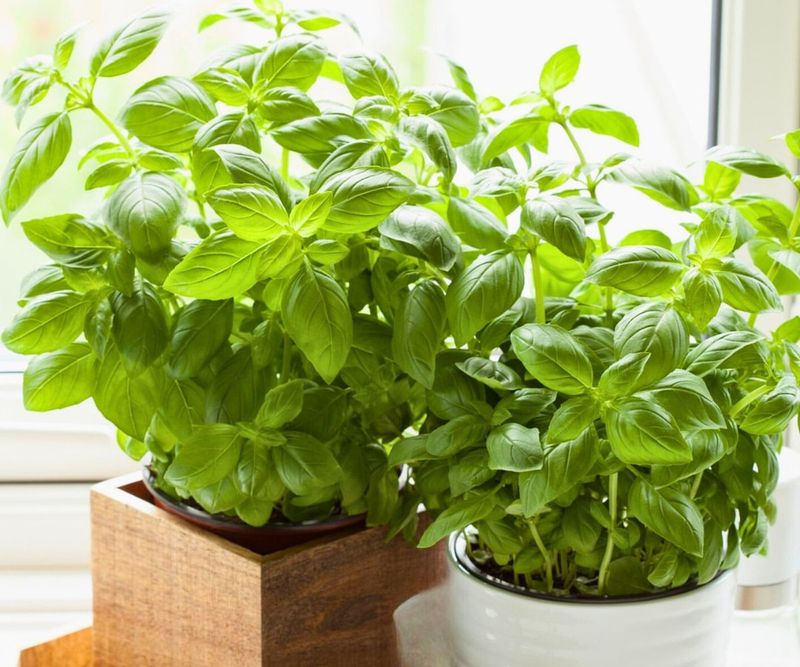
Cold windowsills can chill the soil in your pots, and when roots get too cold they stop absorbing water and nutrients even if everything else seems fine.
A seedling heat mat placed under your herb pots gently warms the soil to a comfortable temperature that keeps roots active and happy throughout the entire winter season.
You don’t need high heat either, just a few degrees warmer than the surrounding air is enough to make a noticeable difference in how your herbs grow and respond.
If you don’t want to buy a heat mat, try placing a folded towel or piece of cork under your pots to insulate them from the cold windowsill surface.
Another trick is grouping your herb pots together, because plants naturally create a little microclimate that traps warmth and humidity between them, helping everyone stay more comfortable and protected.
Warmth at the root level encourages steady growth and prevents that sluggish, stunted look that happens when herbs get too chilly and just sit there doing nothing for weeks.
How To Prevent Leggy, Weak Growth In Winter
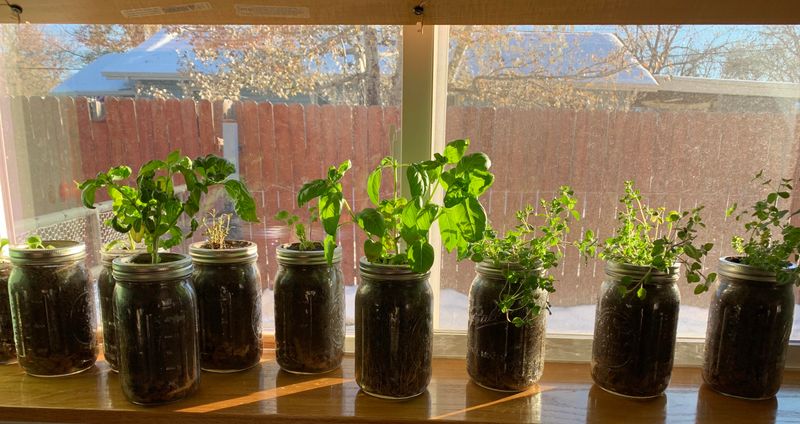
Leggy herbs with long, thin stems and sparse leaves happen when plants stretch desperately toward weak winter light, trying to find enough energy to survive and grow.
It looks sad and makes harvesting nearly impossible because there aren’t enough leaves to pick without completely stripping the poor plant bare and leaving it leafless and struggling.
The best prevention is making sure your herbs get enough bright light, either from a south-facing window or supplemented with a grow light positioned close overhead daily.
Pinching off the top sets of leaves every couple of weeks also encourages bushier growth, because it forces the plant to branch out sideways instead of shooting straight up.
Rotating your pots every few days ensures all sides get equal light exposure, so one side doesn’t stretch more than the other and create an unbalanced, floppy plant.
Leggy growth is fixable if you catch it early by trimming back the stems and improving light conditions, so your herbs recover and start filling out with healthy foliage again.
Tiny Care Habits That Make Indoor Herbs Last Longer
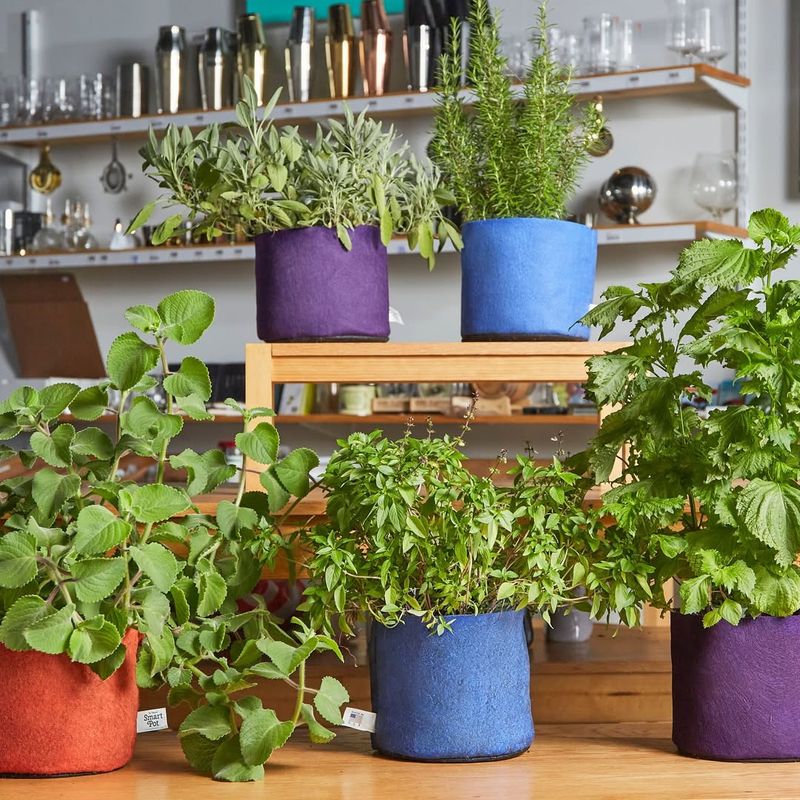
Little daily actions add up to make a huge difference in whether your herbs thrive all winter or slowly decline into sad, scraggly versions of their former selves.
Wiping dust off leaves with a damp cloth every week or so helps herbs absorb more light, because dirty leaves block sunlight and make photosynthesis harder than necessary.
Checking for pests like aphids or spider mites takes just a minute, and catching them early means you can deal with them before they spread and damage your plants.
Deadheading any flowers that pop up keeps energy focused on leaf production instead of seed-making, which is especially important when growing space and light are limited indoors during winter.
Feeding your herbs with diluted liquid fertilizer once a month gives them a gentle nutrient boost without overloading them, since they don’t need heavy feeding when growing slowly in cold weather.
These small habits become second nature quickly, and your herbs reward you with steady harvests and healthy growth that lasts from first frost until spring finally arrives again outside.
Keeping herbs happy through winter ends up feeling less like a chore and more like a simple daily boost that lifts the mood of the whole room.
And by the time the season starts to shift, your little windowsill garden will be one of the things you’re most proud of keeping alive and thriving.