11 Perennials That Will Multiply Your Blooms With Simple Division
I still remember the first time I divided a perennial and felt like I’d pulled off a magic trick.
One plant became two, then four, and suddenly my garden looked fuller without spending an extra dime.
Over the years, I’ve learned that some perennials practically beg to be divided, rewarding a little effort with armfuls of fresh blooms.
These easy growers don’t mind being dug up and shared; in fact, they thrive on it.
Each time I split one, I feel a spark of excitement knowing I’m about to multiply color across my yard.
It’s the closest thing to getting free plants, and the results speak for themselves.
My garden now bursts with flowers that started as small divisions, each one carrying a bit of that original plant’s charm.
If you love a garden that grows richer every season, these divide-and-thrive perennials are your secret weapon.
1. Daylilies
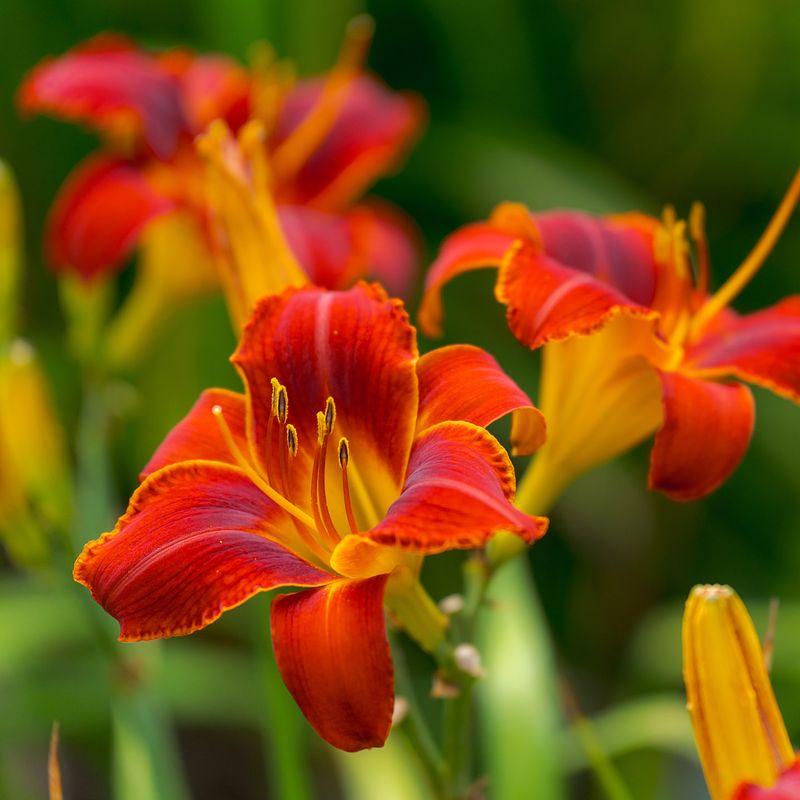
Daylilies are practically indestructible, making them perfect for gardeners who want results without a lot of fuss.
They form thick clumps of grass-like foliage that spread outward year after year.
When the center starts looking crowded or produces fewer flowers, that’s your sign it’s time to divide.
Spring or fall works best for splitting them up.
Just dig up the whole clump, shake off excess soil, and gently pull or cut the roots apart into sections with at least three fans each.
Replant them right away at the same depth they were growing before, and water them well.
Within a season or two, each division will be blooming like crazy.
Daylilies come in so many colors and bloom times that you can mix and match to keep your garden interesting all summer long.
Plus, they tolerate heat, drought, and poor soil better than most perennials.
Once you see how easy they are to multiply, you’ll be swapping divisions with neighbors and filling every empty spot in your yard.
2. Hostas

If you have shady spots in your yard, hostas are your best friend.
These leafy beauties grow into massive clumps that practically beg to be divided every few years.
When they get too crowded, the leaves get smaller and the plant loses its shape.
Early spring is the ideal time to divide hostas, just as the shoots are poking through the ground.
You can also do it in fall after they’ve finished blooming.
Dig around the entire clump and lift it out carefully.
Use a sharp spade or knife to slice through the root ball, making sure each piece has several growing points.
Hostas are forgiving, so even if your divisions aren’t perfect, they’ll usually recover just fine.
Replant them in rich, moist soil and keep them watered until they settle in.
The variety of leaf colors and textures available is amazing, from blue-green to chartreuse to variegated patterns.
Dividing them lets you create beautiful combinations without spending a fortune at the nursery.
Before you know it, you’ll have enough hostas to line entire walkways or fill those tricky spots under trees.
3. Siberian Iris
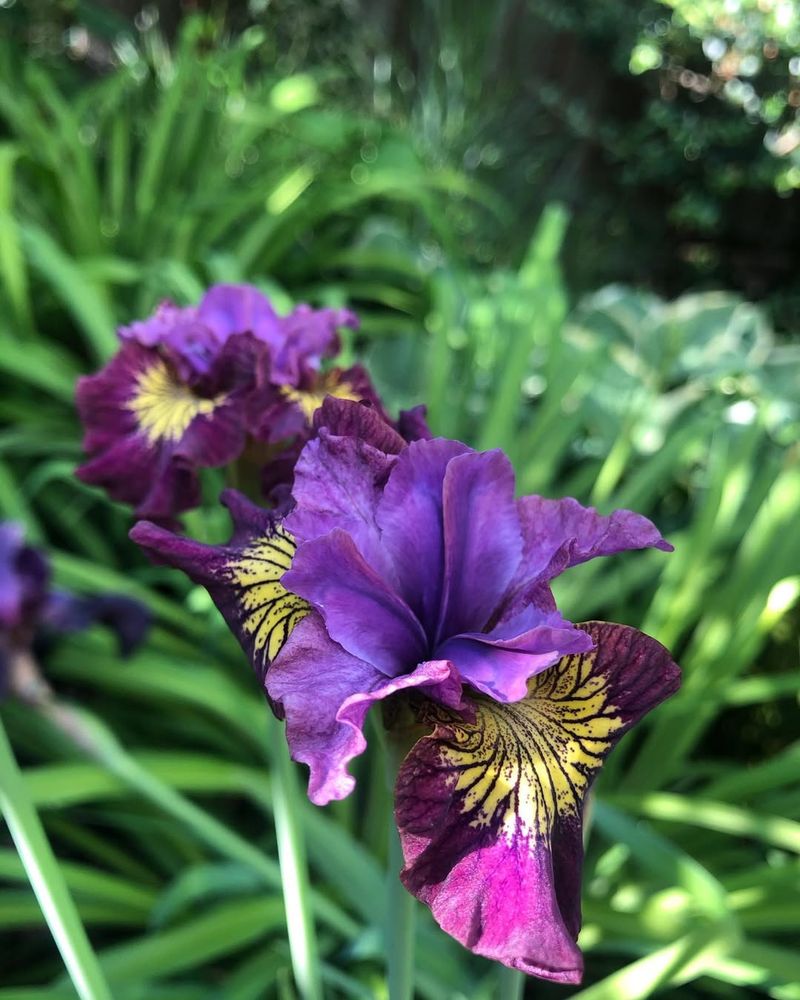
Siberian iris brings elegant, graceful blooms to your garden without being fussy about conditions.
Unlike their bearded cousins, these iris types have slender leaves and delicate flowers that dance in the breeze.
They form dense clumps that benefit from division every three to five years.
Late summer is the best time to tackle this job, after the flowers have faded but while there’s still plenty of growing season left.
Dig up the clump and rinse off the roots so you can see what you’re doing.
Cut or pull apart the rhizomes into sections with healthy roots and foliage fans.
Trim the leaves back to about six inches to reduce stress on the divisions.
Plant them at the same depth they were growing before, spacing them about a foot apart.
Water regularly until they’re established.
Siberian iris tolerate wet soil better than most perennials, so they’re great for low spots or near ponds.
The flowers come in shades of purple, blue, white, and yellow.
Once divided, they’ll reward you with even more blooms the following spring, creating beautiful drifts of color that look stunning reflected in water or swaying in the garden breeze.
4. Sedum

Sedum is one of those plants that seems to thrive on neglect, which makes it ideal for busy gardeners.
The tall varieties like Autumn Joy form sturdy clumps with thick, succulent leaves that store water for dry spells.
They’re incredibly easy to divide because the stems root wherever they touch the ground.
Spring is the best time to divide sedum, but honestly, they’re so tough you can do it almost anytime during the growing season.
Just dig up a section of the clump and separate it into smaller pieces.
Each piece should have roots and a few stems.
Replant them in well-drained soil and don’t overwater, since these plants prefer things on the dry side.
The flowers start out green in summer, then turn pink or red in fall, providing late-season interest when many other plants are winding down.
Butterflies absolutely love them.
You can also propagate sedum by simply breaking off a stem and sticking it in the ground.
It’ll root within weeks.
This makes them perfect for filling in gaps quickly or sharing with friends who admire your garden.
Before long, you’ll have sedum everywhere, and you won’t mind one bit.
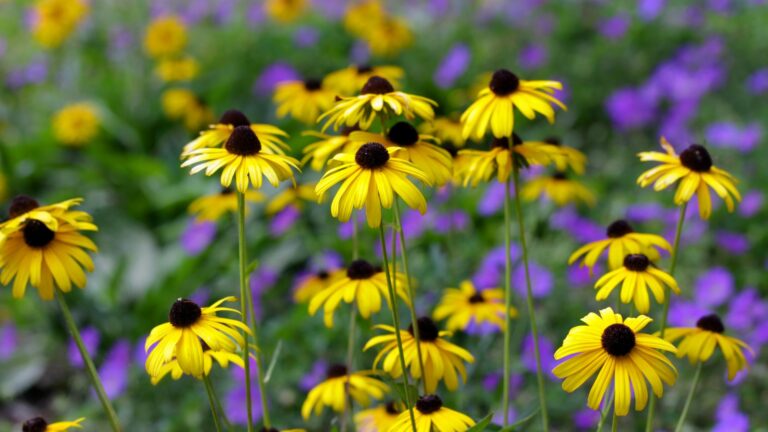
5. Black-Eyed Susans
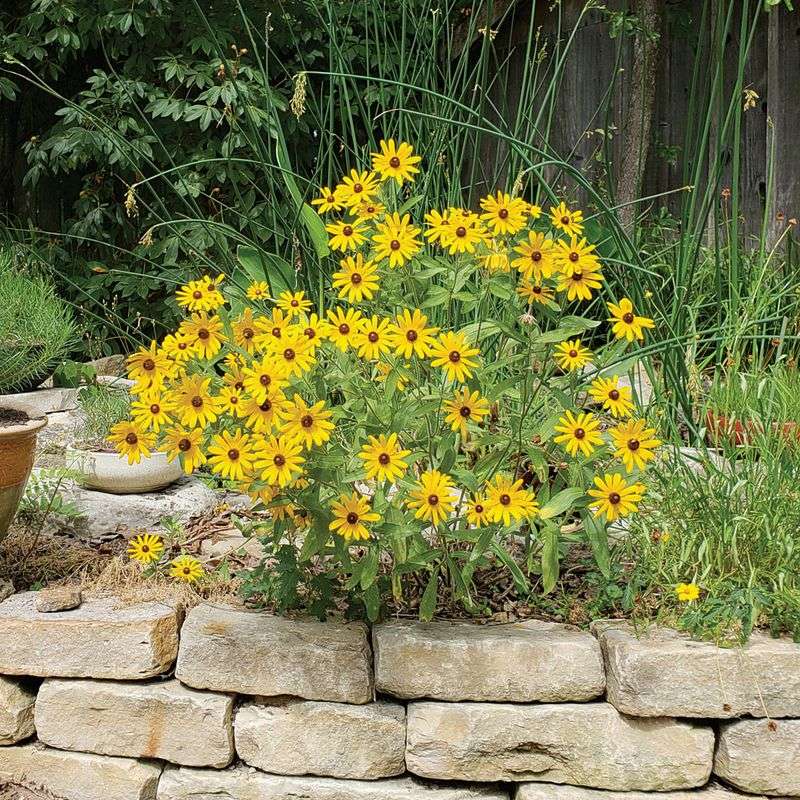
Nothing says summer quite like the cheerful golden blooms of black-eyed Susans lighting up your garden beds.
These native wildflowers spread enthusiastically, forming clumps that need dividing every couple of years to keep them blooming their best.
They’re tough as nails and adapt to almost any soil or light condition.
Early spring or fall are good times to divide them.
Dig up the clump and shake off the soil so you can see the root structure clearly.
Pull or cut the clump into smaller sections, making sure each has roots and several shoots.
Don’t worry if they look a little rough afterward since they bounce back quickly.
Replant the divisions in sunny spots with decent drainage, spacing them about a foot apart.
Water them in well and mulch around the base to conserve moisture.
Black-eyed Susans bloom for weeks, attracting bees, butterflies, and goldfinches that love the seeds.
They’re also drought-tolerant once established.
Dividing them not only gives you more plants but also prevents them from taking over areas where you want other things to grow.
You’ll end up with armloads of sunny blooms perfect for cutting and bringing indoors to brighten your kitchen table.
6. Shasta Daisies
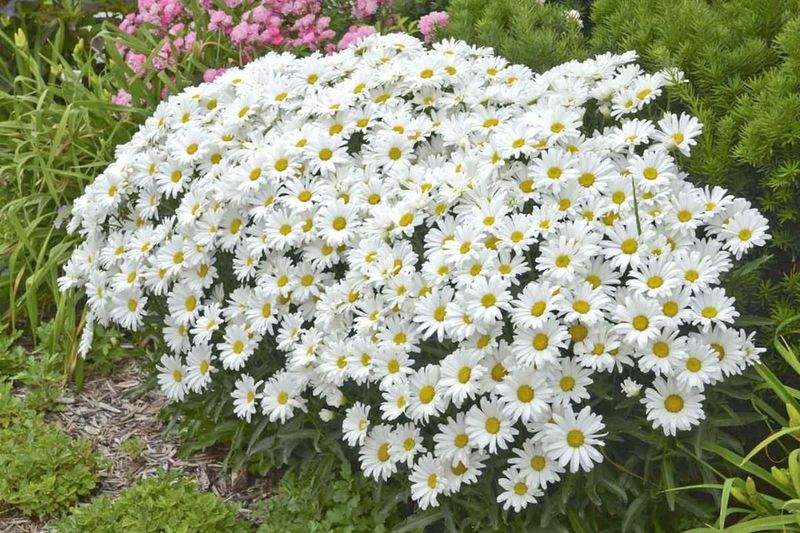
Shasta daisies have that classic, happy flower look that makes everyone smile when they see them.
They form neat clumps that spread outward, and dividing them every couple of years keeps them vigorous and blooming abundantly.
Without division, the center of the clump can become woody and produce fewer flowers.
Spring is the ideal time to divide Shasta daisies, just as new growth emerges.
You can also do it in early fall if needed.
Dig up the entire clump and use your hands or a sharp tool to separate it into smaller sections.
Each division should have healthy roots and several shoots.
Replant them in well-drained soil with plenty of sun, spacing them about a foot apart.
Water regularly until they’re established, especially during hot weather.
Deadheading spent blooms encourages more flowers throughout the summer.
These daisies make excellent cut flowers that last a long time in vases.
They’re also fairly low-maintenance once settled in, tolerating heat and occasional dry spells.
Dividing them gives you plenty of extras to plant in different areas or share with friends.
Before you know it, you’ll have drifts of white daisies nodding in the breeze, creating that cottage garden charm everyone loves.
7. Coneflowers

Coneflowers are beloved by gardeners and pollinators alike, bringing vibrant color and wildlife activity to any sunny spot.
These tough prairie natives form clumps that gradually expand outward.
Dividing them every few years keeps the plants healthy and blooming generously.
Spring or fall works well for division, though spring is slightly better since the plants have the whole growing season to recover.
Dig around the clump carefully and lift it out with as much root as possible.
Shake or rinse off the soil so you can see where to make your cuts.
Separate the clump into sections with strong roots and several shoots each.
Replant them in well-drained soil in full sun, spacing them about 18 inches apart.
Water them well initially, but once established, they’re quite drought-tolerant.
Coneflowers come in traditional purple as well as newer varieties in white, orange, yellow, and even green.
Butterflies, bees, and goldfinches flock to them throughout summer and fall.
The seed heads provide winter interest and food for birds.
Dividing coneflowers not only gives you more plants but also prevents the center from becoming overcrowded and weak.
You’ll love watching these cheerful blooms multiply across your garden beds, bringing life and color all season long.
8. Astilbe
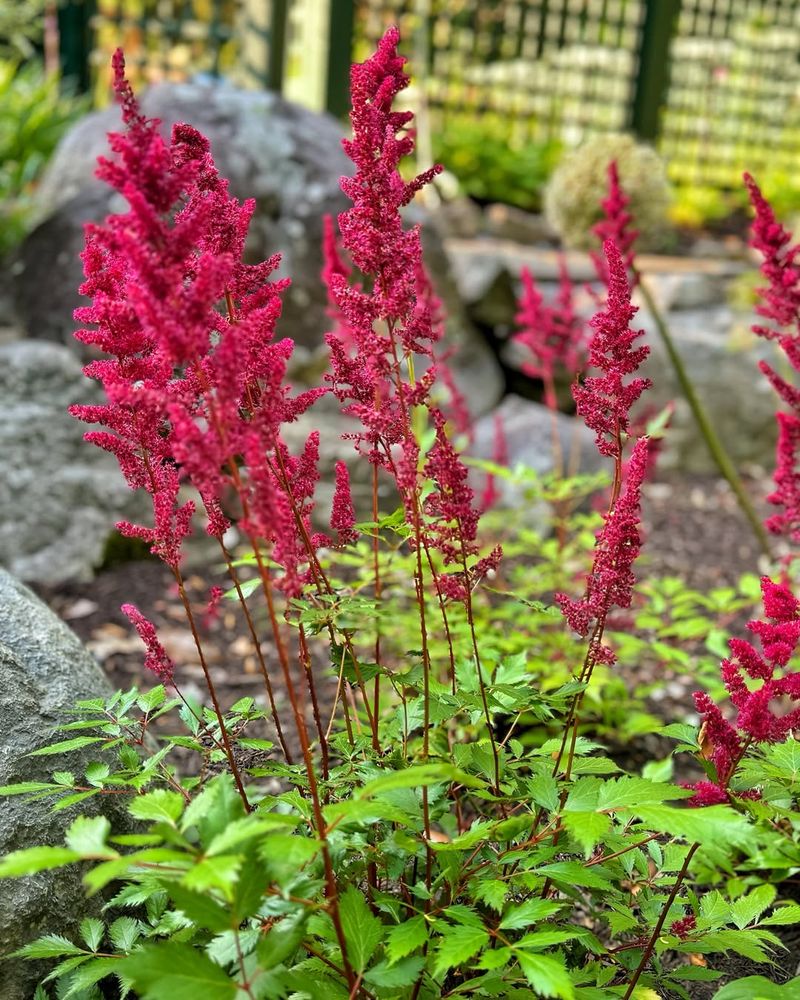
Astilbe adds a soft, romantic touch to shady gardens with its feathery plumes and fern-like foliage.
These moisture-loving perennials form clumps that benefit from division every three to four years.
When they get too crowded, the blooms become smaller and less impressive.
Early spring or fall are the best times to divide astilbe.
Dig up the clump and use a sharp spade or knife to cut through the tough, woody roots.
Each division should have several growing points and a good amount of root attached.
Don’t be surprised if the roots are quite dense since astilbe forms tight clumps.
Replant the divisions in rich, moist soil in partial to full shade.
Space them about a foot apart and water them generously, especially during dry spells.
Astilbe won’t tolerate dry conditions, so mulching around them helps retain moisture.
The flowers come in shades of pink, red, white, and lavender, blooming in early to midsummer.
They’re perfect for brightening up those tricky spots under trees or along shaded walkways.
Once divided and replanted, each section will fill out quickly.
Within a couple of seasons, you’ll have lush clumps of astilbe creating beautiful layers of texture and color in your shade garden.
9. Bee Balm

Bee balm is a magnet for hummingbirds, butterflies, and bees, making it a must-have for wildlife-friendly gardens.
This native perennial spreads quickly through underground runners, forming dense colonies that can become invasive if not managed.
Dividing it every couple of years keeps it in check and promotes healthier plants with better airflow to prevent mildew.
Spring is the best time to divide bee balm, just as new shoots appear.
You can also do it in fall after blooming finishes.
Dig up sections of the spreading clump and separate them into smaller pieces with roots and shoots.
It’s okay to be a bit rough since bee balm is quite forgiving.
Replant the divisions in moist, well-drained soil in full sun to partial shade.
Space them about 18 inches apart to allow for good air circulation.
Water regularly until established.
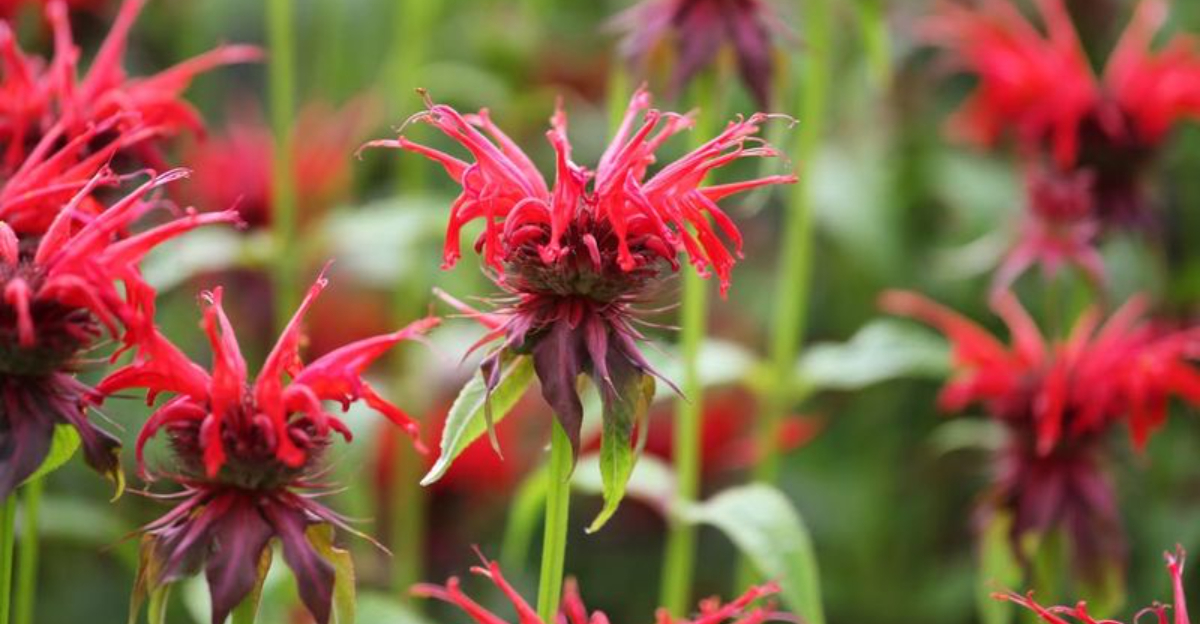
Bee balm comes in shades of red, pink, purple, and white, blooming in midsummer.
The flowers have a distinctive spiky, crown-like appearance and a minty fragrance when you brush against the leaves.
Dividing bee balm not only controls its spread but also gives you plenty of plants to create stunning drifts of color.
You’ll love watching the constant parade of pollinators visiting your garden all summer long.
10. Coral Bells
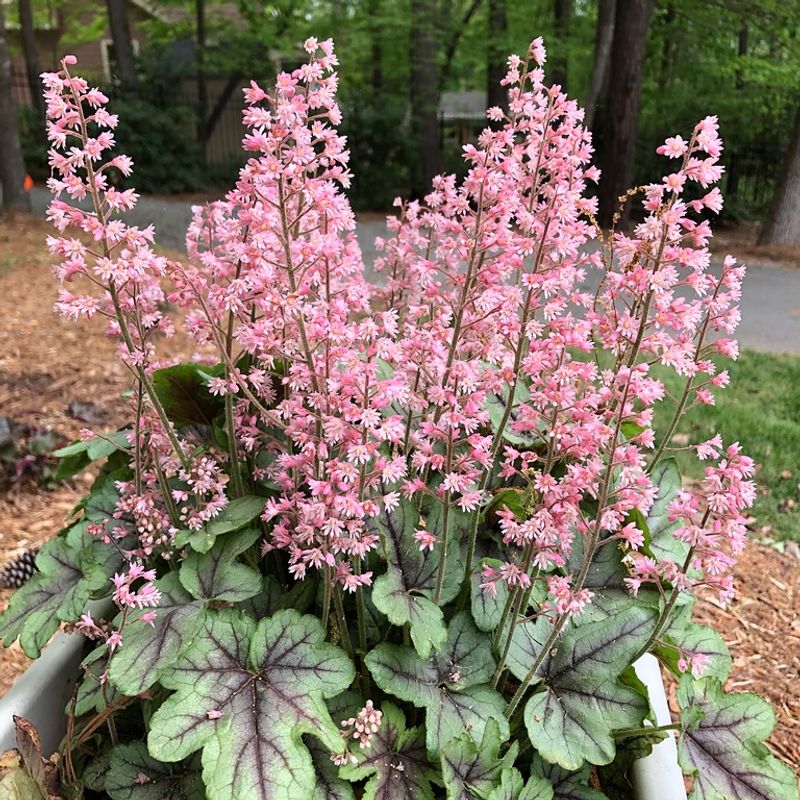
Coral bells are grown mainly for their stunning foliage, which comes in an incredible range of colors from lime green to deep burgundy.
They form neat clumps that gradually expand, and dividing them every three to four years keeps them vigorous and prevents the center from becoming woody.
When the crown rises above the soil line, that’s a sign they need dividing.
Spring or fall are good times to tackle this task.
Dig up the entire clump and gently shake off the soil.
You’ll see the woody crown in the center, which you can cut away and discard.
Separate the healthier outer sections into divisions with roots and foliage.
Replant them at the proper depth, making sure the crown is right at the soil surface, not buried.
Space them about a foot apart in well-drained soil with partial shade.
Coral bells tolerate more sun in cooler climates but prefer some afternoon shade in hot areas.
They send up delicate stems of tiny bell-shaped flowers in late spring or summer.
The foliage provides year-round interest in mild climates.
Dividing coral bells gives you more plants to create beautiful color combinations and fill in gaps in your borders.
You’ll enjoy experimenting with different varieties to create stunning foliage displays that look great even when nothing’s blooming.
11. Phlox
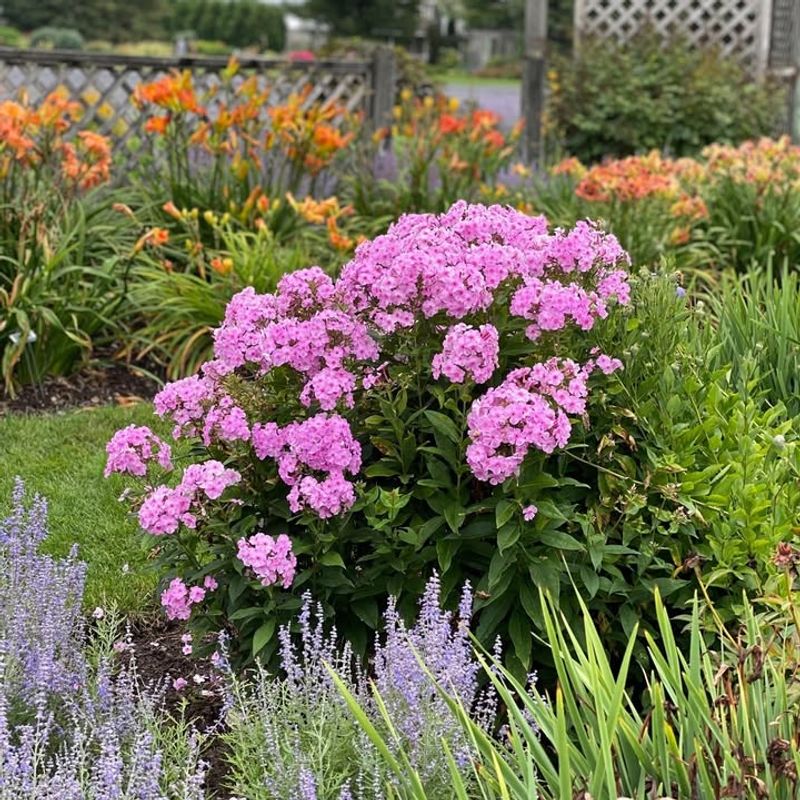
Garden phlox fills the air with sweet fragrance and lights up midsummer gardens with big, colorful flower clusters.
These old-fashioned favorites form clumps that spread steadily and benefit from division every few years.
Dividing them improves air circulation, which helps prevent the powdery mildew they’re prone to developing.
Spring is the best time to divide phlox, just as new growth emerges from the ground.
Fall division works too, but spring gives them more time to establish before winter.
Dig up the clump and separate it into smaller sections, making sure each has roots and several shoots.
Discard any weak or diseased portions.
Replant the divisions in rich, well-drained soil in full sun to light shade.
Space them about 18 inches apart to allow for good airflow around the plants.
Water regularly until they’re established.
Phlox comes in shades of pink, purple, white, and red, often with contrasting eyes in the center.
The flowers attract butterflies and hummingbirds throughout summer.
Deadheading encourages more blooms and prevents self-seeding, which can result in less attractive seedlings.
Dividing phlox keeps your plants healthy and blooming abundantly, filling your garden with color and that wonderful sweet scent that drifts on summer breezes.