Why This Drought-Proof Wildflower Mix Is Spreading Across Nevada Yards
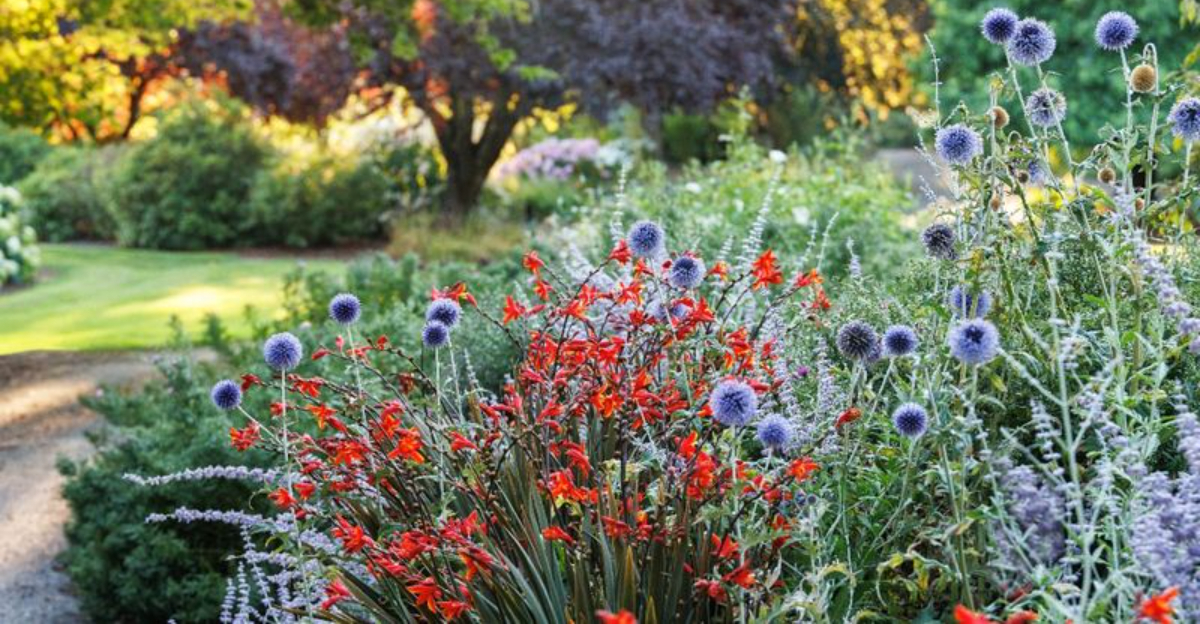
I keep spotting the Great Basin Wildflower Mix filling Nevada yards with color, and every time I see those blooms I feel like the desert decided to show off a softer side.
It surprises me how quickly this mix settles in because it turns dry soil into something that looks alive and cheerful without asking for much attention at all.
People keep telling me they chose it to escape the endless watering schedules, and they love how their yards suddenly look brighter without extra work.
I’m even considering planting it myself because the idea of a colorful yard that thrives on neglect feels way too perfect to ignore.
1. Drought Tolerance Saves Water
Water bills can get expensive fast when you’re trying to keep a traditional lawn green in Nevada’s desert climate.
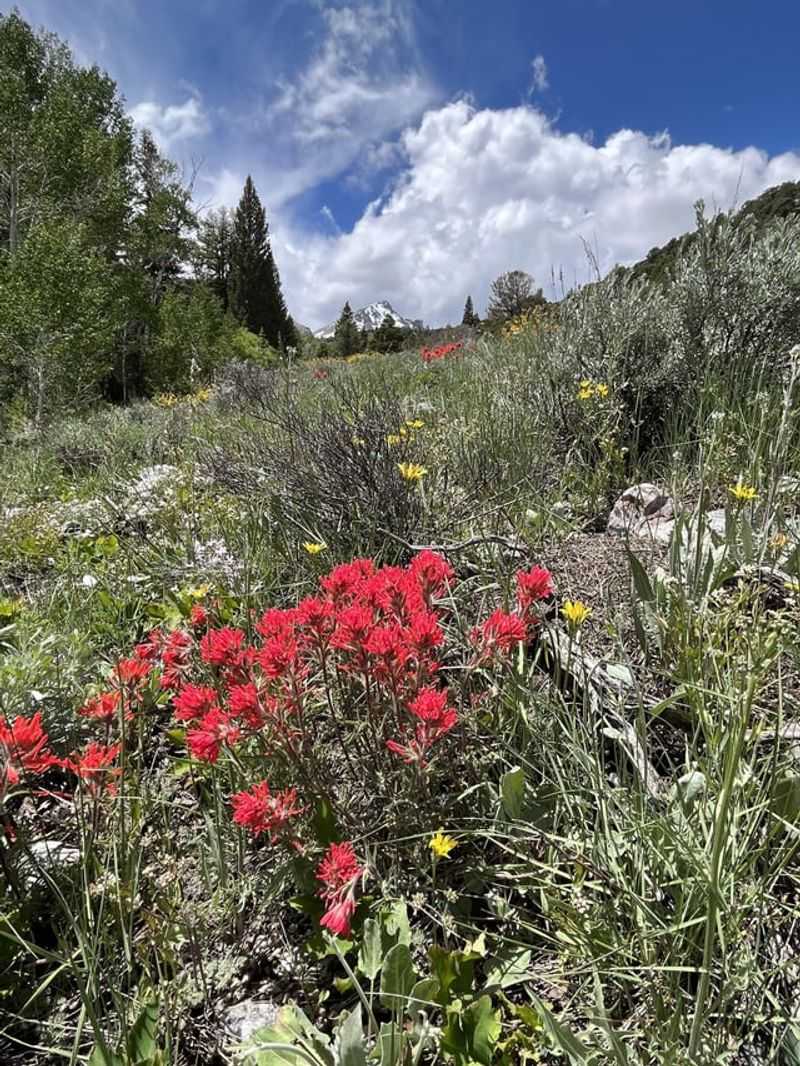
Great Basin wildflowers evolved over thousands of years to survive with minimal rainfall, making them perfect for water-conscious gardeners.
Once established, these native plants need watering only during extreme dry spells, unlike thirsty grass that demands constant irrigation.
Nevada residents appreciate how these wildflowers stay vibrant even when summer temperatures soar above one hundred degrees.
Their deep root systems reach moisture far below the surface, allowing them to flourish where other plants would struggle.
Switching to native wildflowers can cut outdoor water use by more than half compared to conventional landscaping.
Homeowners across Nevada are noticing significant drops in their monthly utility costs after planting these hardy beauties.
Many homeowners also enjoy how these wildflowers fill their yards with steady color even during long dry stretches that usually drain traditional lawns.
Gardening feels easier for families who finally stop worrying about constant watering schedules and still get landscapes that look fresh through harsh Nevada summers.
Communities across the state love how these mixes create beautiful yards while helping everyone conserve precious water resources.
2. Low Maintenance Requirements

Forget spending every weekend mowing, edging, and fertilizing your yard like you would with traditional grass.
Great Basin wildflowers basically take care of themselves once they get going, which is music to busy gardeners’ ears.
You won’t need to apply chemical fertilizers because these native plants thrive in Nevada’s natural soil without any amendments.
Mowing becomes unnecessary since wildflowers grow to their natural height and create a beautiful, flowing meadow effect.
Many Nevada homeowners love reclaiming their Saturday mornings instead of pushing a noisy lawnmower around in the heat.
These plants have adapted to local conditions over centuries, so they don’t require the pampering that exotic ornamentals demand.
The time savings alone makes wildflower gardening appealing to families juggling work, school, and other commitments throughout the Silver State.
Homeowners also appreciate how these wildflower areas stay tidy without constant trimming or maintenance chores pulling them away from their daily routines.
Families across Nevada enjoy seeing their yards look naturally full without needing to schedule yard work every time temperatures spike.
Gardeners feel relieved knowing their landscapes can stay attractive with minimal effort during even the busiest weeks.
Your Nevada Garden Changes Every Week. Your Plan Should Too.
Gardening in Nevada changes quickly throughout the season. Every Friday you’ll receive a simple weekly plan showing exactly what to plant, prune, fertilize, harvest, and protect so you never miss the right timing.
3. Supports Native Pollinators

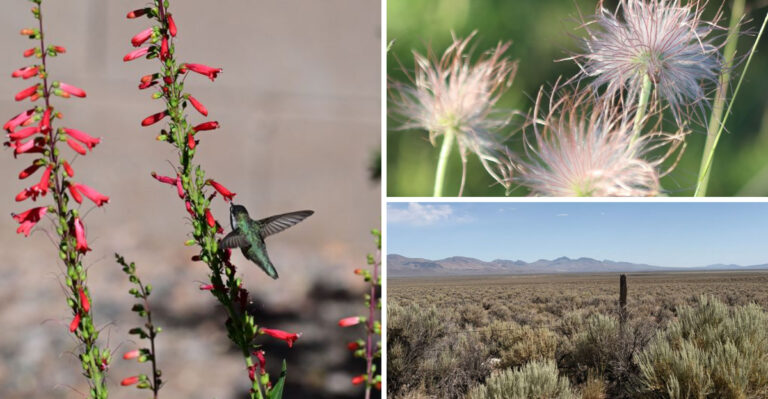
Bees, butterflies, and hummingbirds are struggling to find food sources as natural habitats disappear across the western United States.
Planting Great Basin wildflowers creates a buffet for these important creatures that help pollinate gardens and crops throughout Nevada.
Native pollinators evolved alongside these specific wildflower species, so they’re perfectly matched in terms of bloom timing and nectar access.
Watching colorful butterflies dance from flower to flower adds life and movement to your yard in ways grass never could.
Nevada gardeners report seeing more beneficial insects after replacing lawn areas with native wildflower mixes from the Great Basin region.
These pollinator partnerships help your vegetable garden produce better too, since bees will visit your tomatoes after feeding on wildflowers.
Creating pollinator habitat in your own backyard makes a real difference for species facing challenges in our changing environment.
Homeowners across Nevada enjoy seeing more life in their yards as these pollinators return looking for steady food sources.
Gardeners love how wildflower patches stay active from spring through fall, giving bees and butterflies dependable places to feed.
Communities benefit too because stronger pollinator populations support healthier local gardens and landscapes throughout the region.
4. Erosion Control on Slopes
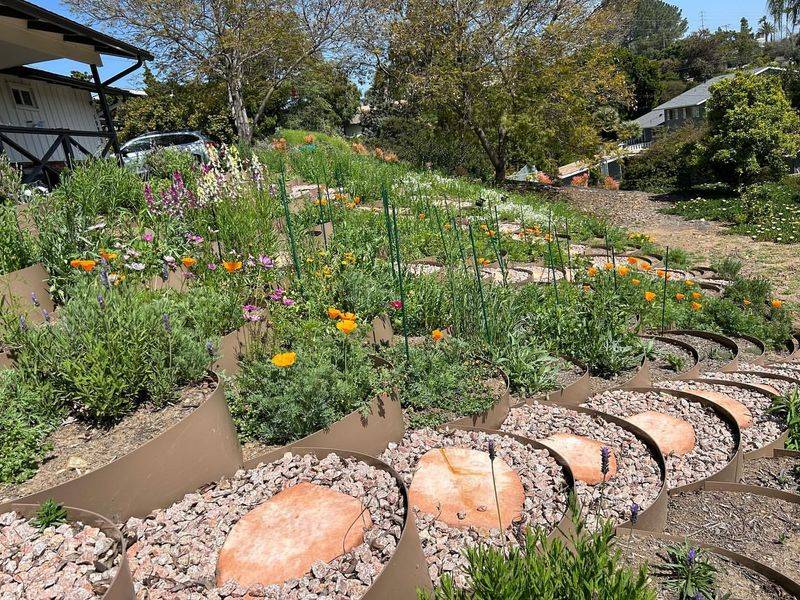
Many Nevada properties include hillsides and slopes that can wash away during heavy rainstorms if left bare or poorly planted.
Great Basin wildflowers develop extensive root networks that grip soil tightly, preventing erosion even during intense weather events.
Their roots can extend several feet deep, creating a natural mesh that holds everything in place far better than shallow-rooted grass.
Nevada homeowners with sloped yards find wildflowers solve drainage problems while adding beauty instead of requiring expensive retaining walls.
Traditional landscaping on slopes often fails because plants can’t establish before rain washes them away along with precious topsoil.
Native wildflowers adapted to Great Basin conditions handle slopes naturally since they originally grew on mountainsides and rolling terrain.
The combination of deep roots and varied plant heights creates layers of protection that keep your yard intact through Nevada’s unpredictable weather patterns.
Homeowners also appreciate how these wildflowers keep slopes looking full and stable without the constant worry of soil shifting during storms.
Gardens stay healthier because the deep roots help water move through the ground instead of pooling in low areas.
Communities value landscapes that stay secure while still bringing natural color to challenging terrain across Nevada.
5. Year-Round Visual Interest
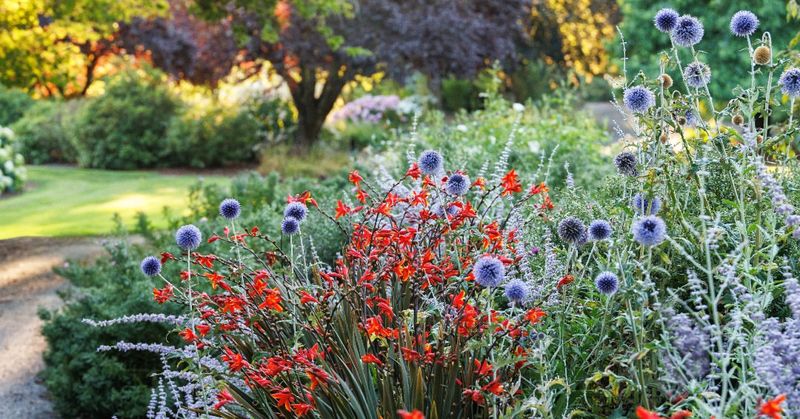
Brown, dormant lawns look pretty sad during Nevada’s cooler months when grass stops growing and loses its color.
Great Basin wildflowers offer something interesting to look at throughout the entire year, not just during peak bloom season.
Spring brings explosive color as different species burst into flower, creating a constantly changing display from March through June.
Summer showcases taller blooms and seed heads that sway gracefully in the breeze, adding movement and texture to your landscape.
Fall transforms the wildflower meadow into warm tones of gold, rust, and bronze as plants prepare for winter rest.
Even winter has appeal when dried seed heads catch snow and provide food for birds visiting Nevada yards during colder months.
This continuous progression of beauty keeps your yard looking intentional and attractive no matter what month you glance out your window.
Nevada homeowners enjoy how these seasonal shifts make their yards feel alive and interesting even when nothing else in the neighborhood has color.
Gardeners love watching the meadow change on its own without needing constant pruning or grooming to stay attractive.
This natural cycle brings something new to appreciate every time you step outside.
6. Cost-Effective Landscaping Solution
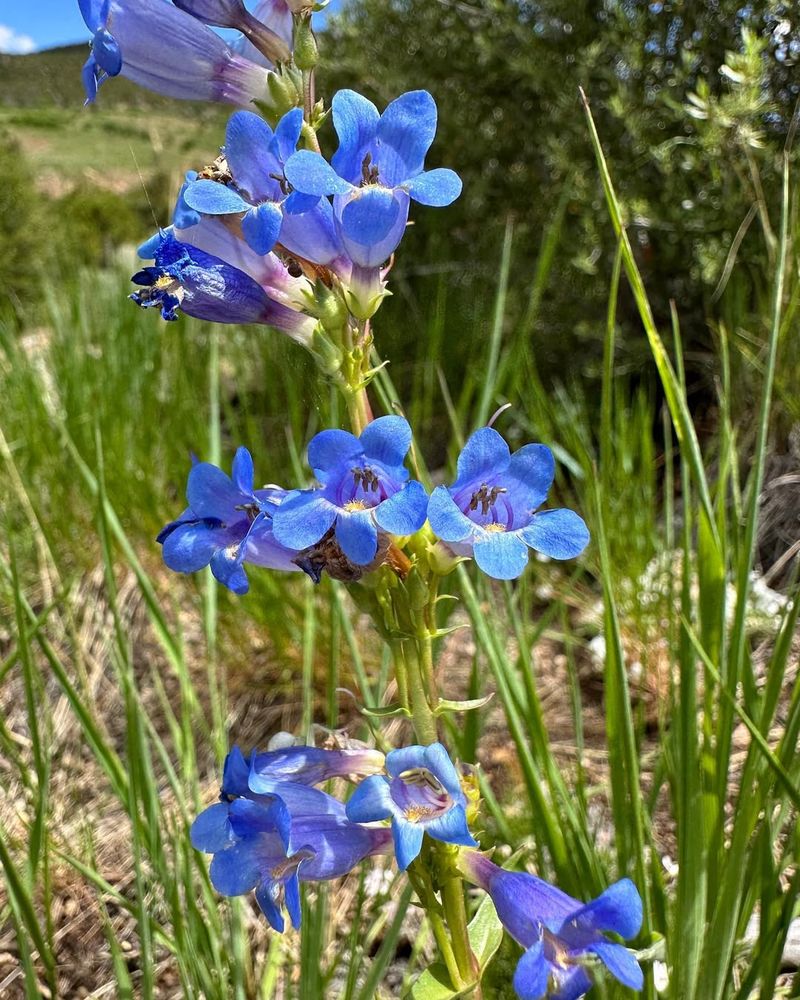
Professional landscaping can cost thousands of dollars, putting beautiful yards out of reach for many Nevada families on tight budgets.
Great Basin wildflower seed mixes cost a fraction of what you’d pay for sod, ornamental plants, or hiring landscape designers.
A single pound of native wildflower seed can cover hundreds of square feet, making it incredibly economical for large areas.
Nevada gardeners appreciate that they can transform their entire front yard for less than the price of a few restaurant meals.
There’s no need to purchase expensive irrigation systems since these drought-adapted plants need minimal watering once they’re established.
You also save money on fertilizers, pesticides, and lawn equipment that conventional landscaping requires to look presentable throughout the year.
The initial investment pays dividends for years as wildflowers reseed themselves naturally, expanding your colorful meadow without additional seed purchases.
7. Adapts to Poor Soil Conditions
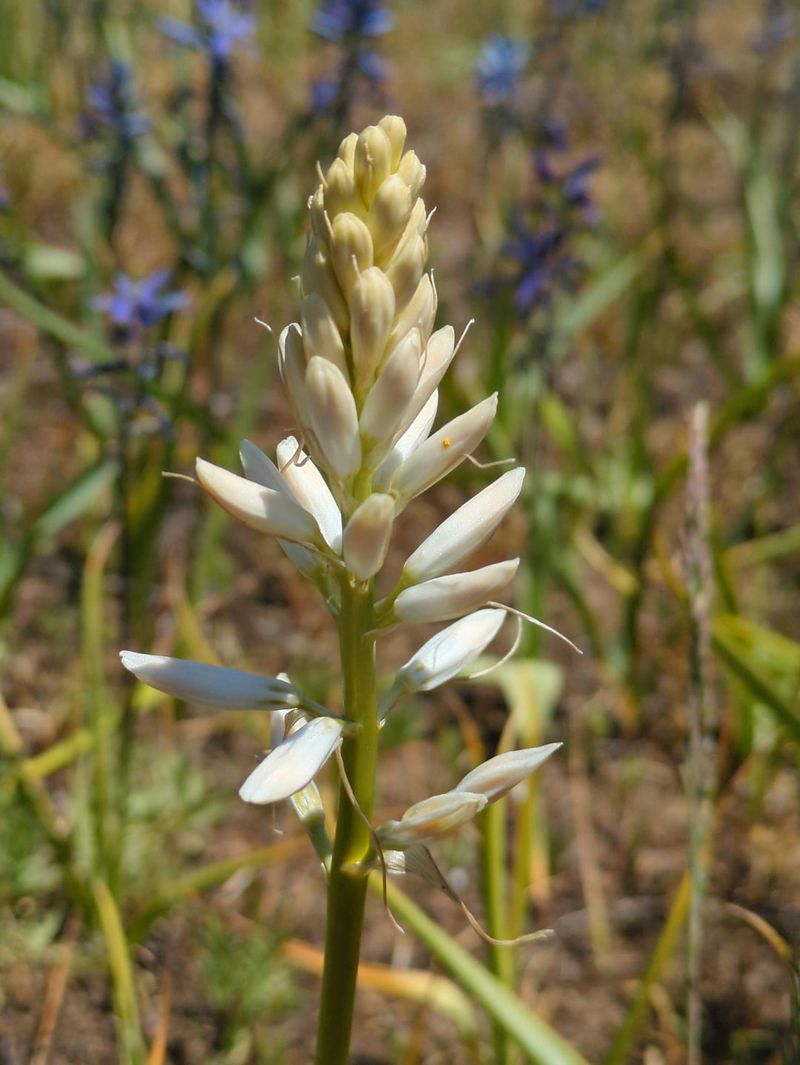
Nevada’s soil can be challenging to work with since much of it contains clay, rocks, sand, or alkaline conditions that frustrate gardeners.
Great Basin wildflowers actually prefer these tough conditions because they evolved in similar environments across the western desert regions.
You won’t need to haul in truckloads of expensive topsoil or spend hours amending your existing ground before planting.
These hardy natives extract nutrients from soil that would leave ornamental flowers struggling to survive in typical Nevada yards.
Gardeners across the state report success even in areas where previous planting attempts failed repeatedly with non-native species.
The wildflowers’ ability to thrive without soil improvement means less backbreaking work preparing beds and more time enjoying results.
Rocky patches and sandy spots that once looked barren can transform into colorful displays when you choose plants naturally suited to Nevada’s unique conditions.
8. Reduces Chemical Dependence
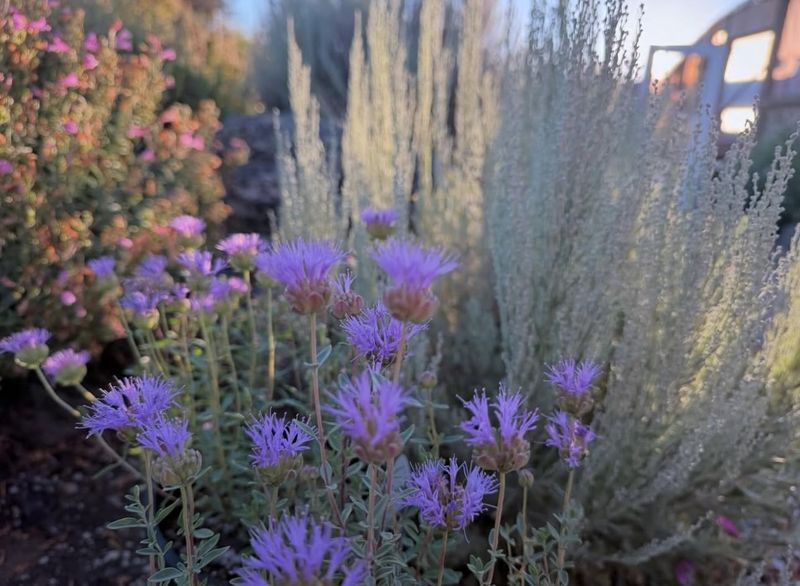
Traditional lawns often require regular applications of fertilizers, herbicides, and pesticides to maintain that perfect green carpet appearance.
Great Basin wildflowers eliminate the need for these chemicals since they’re naturally resistant to local pests and diseases found in Nevada.
Families with children and pets appreciate creating outdoor spaces free from potentially harmful substances that linger on treated grass.
Native plants developed their own defenses over thousands of years, so they don’t need human intervention to stay healthy and vigorous.
Nevada gardeners notice fewer pest problems overall when they switch to native wildflowers because the ecosystem becomes more balanced naturally.
Beneficial insects that prey on garden pests are attracted to wildflower meadows, providing free pest control without any chemical sprays.
Reducing chemical use also protects groundwater quality, which matters greatly in Nevada where water resources are precious and carefully managed statewide.
9. Celebrates Regional Identity
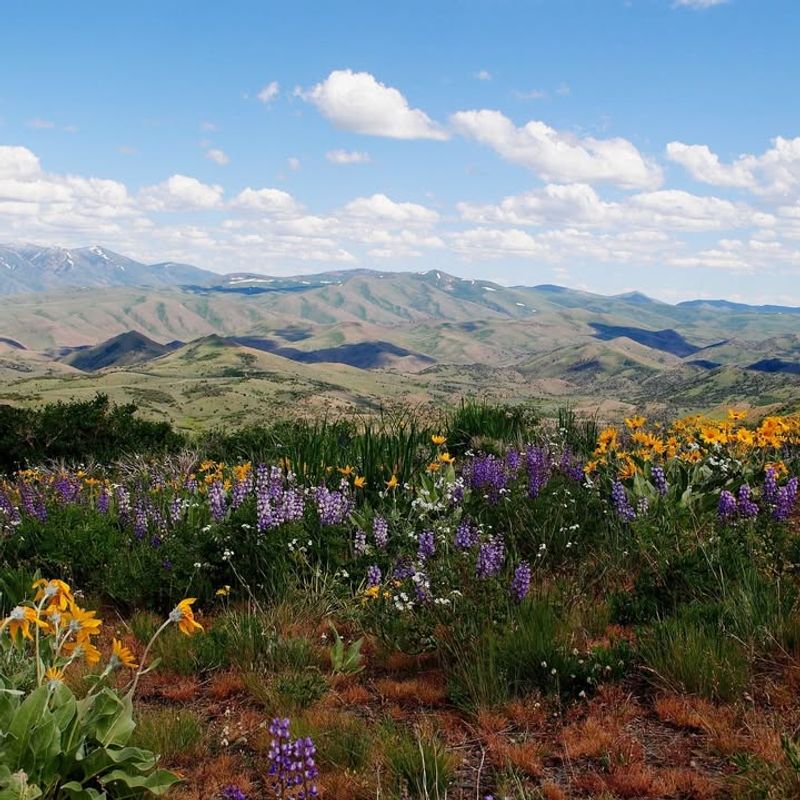
Something special happens when your yard reflects the natural beauty of the region where you live instead of copying landscapes from wetter climates.
Great Basin wildflowers connect Nevada homeowners to the unique ecosystem that makes the Silver State distinctive and beautiful.
These plants tell the story of your local environment, showcasing colors and forms that evolved specifically in western desert regions.
Visitors often comment on how wildflower yards feel authentically Nevada rather than trying to mimic gardens from completely different climates.
Choosing native plants shows respect for the land and demonstrates understanding of what grows naturally in your specific area.
Nevada gardeners take pride in landscapes that harmonize with surrounding mountains and desert rather than fighting against natural conditions.
Creating a yard filled with Great Basin wildflowers becomes a personal statement about valuing regional character and embracing local heritage through thoughtful planting choices.