9 Fast Spreading Groundcovers That Help Keep Weeds Away

I used to spend half my weekends crawling through my garden beds, pulling weeds that seemed to pop up overnight.
No matter how often I cleared them out, they always returned with a little more attitude.
One day, after another round of tug-of-war with stubborn dandelions, I decided I needed backup.
That’s when I discovered the magic of fast-spreading groundcovers.
The first time I planted a patch, I watched it creep across the soil like a quiet hero, covering bare spots and shutting weeds out before they even had a chance.
Suddenly, my garden felt calmer, fuller, and far easier to maintain.
These groundcovers didn’t just look good, they worked hard, forming a natural shield that kept unwanted plants at bay.
Now I rely on them the way some people rely on mulch or barriers.
They turned my weed battles into a walk in the park and gave my garden a fresh, thriving look without constant effort.
1. Creeping Thyme

Walking across a carpet of creeping thyme releases the most wonderful herbal scent that makes gardening feel like aromatherapy.
This low-growing herb forms dense mats that hug the ground tightly, leaving no room for weeds to sneak through.
The tiny leaves create a lush green blanket that turns into a sea of purple, pink, or white flowers during summer.
Bees absolutely love visiting these blooms, so you will be supporting pollinators while keeping your garden tidy.
Creeping thyme thrives in full sun and well-drained soil, making it perfect for rock gardens, pathways, or anywhere grass struggles to grow.
It tolerates light foot traffic beautifully, which means you can walk on it without worrying about damaging your groundcover.
Once established, this plant needs very little water and practically takes care of itself.
You can even use the leaves in cooking, adding fresh flavor to your meals straight from the garden.
If you want something that looks beautiful, smells amazing, and keeps weeds at bay without much effort, creeping thyme checks all the boxes.
Your garden will thank you for choosing such a hardworking and lovely plant.
2. Periwinkle (Vinca Minor)
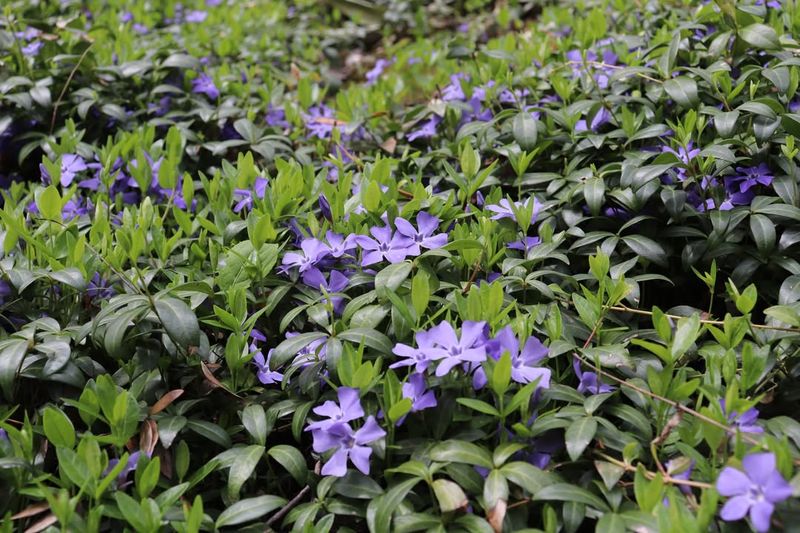
Have you ever noticed those cheerful blue flowers peeking out from under trees in older neighborhoods?
That is periwinkle doing its thing, spreading happily in spots where most plants give up.
This evergreen groundcover has glossy, dark green leaves that stay attractive all year long, even through winter.
The pretty star-shaped flowers appear in spring and sometimes make surprise appearances later in the season.
Periwinkle really shines in shady areas where grass refuses to grow and weeds usually take over.
It sends out trailing stems that root wherever they touch the soil, creating a thick mat that blocks sunlight from reaching weed seeds below.
The plant handles dry shade remarkably well once it gets going, which makes it perfect for those tricky spots under mature trees.
You can plant it on slopes too, where it helps prevent erosion while looking pretty.
Just keep in mind that periwinkle spreads enthusiastically, so plant it where you want lots of coverage.
Some gardeners find it too aggressive, but if you need something tough to cover large areas and outcompete weeds, this plant delivers results without complaint.
3. Ajuga (Bugleweed)
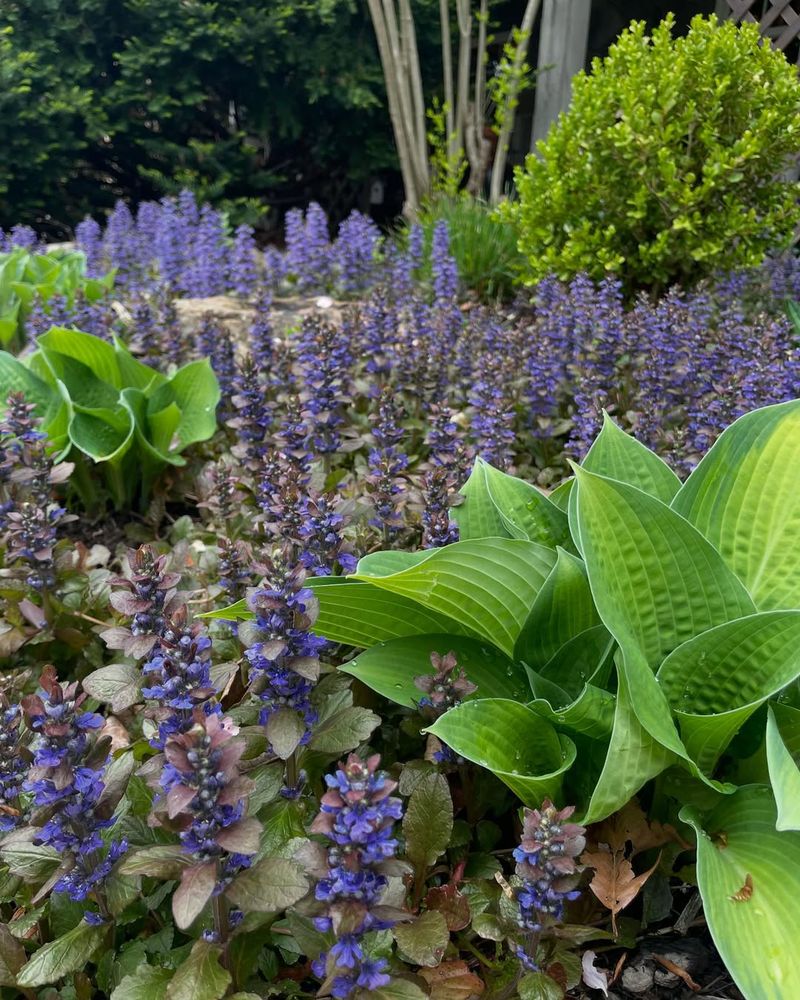
Ajuga brings something special to the table with its stunning foliage that comes in shades of bronze, purple, green, and even variegated patterns.
The leaves form tight rosettes that overlap each other, creating a living mulch that weeds cannot penetrate.
In late spring, tall spikes of blue, purple, pink, or white flowers shoot up above the foliage like little fireworks.
These blooms attract hummingbirds and bees, adding extra life to your garden.
This groundcover works wonderfully in partial to full shade, though some varieties tolerate more sun if they get enough moisture.
Ajuga spreads through runners that creep along the ground, filling in bare spots surprisingly fast.
The colorful leaves provide interest throughout the growing season, making it more than just a functional weed barrier.
It stays fairly low, usually reaching only four to six inches tall, so it will not overwhelm other plants.
Ajuga handles foot traffic better than you might expect, though it works best in areas that do not get stomped on constantly.
If you want groundcover that combines beautiful foliage, pretty flowers, and serious weed-blocking power, ajuga deserves a spot in your garden.
4. Sedum (Stonecrop)
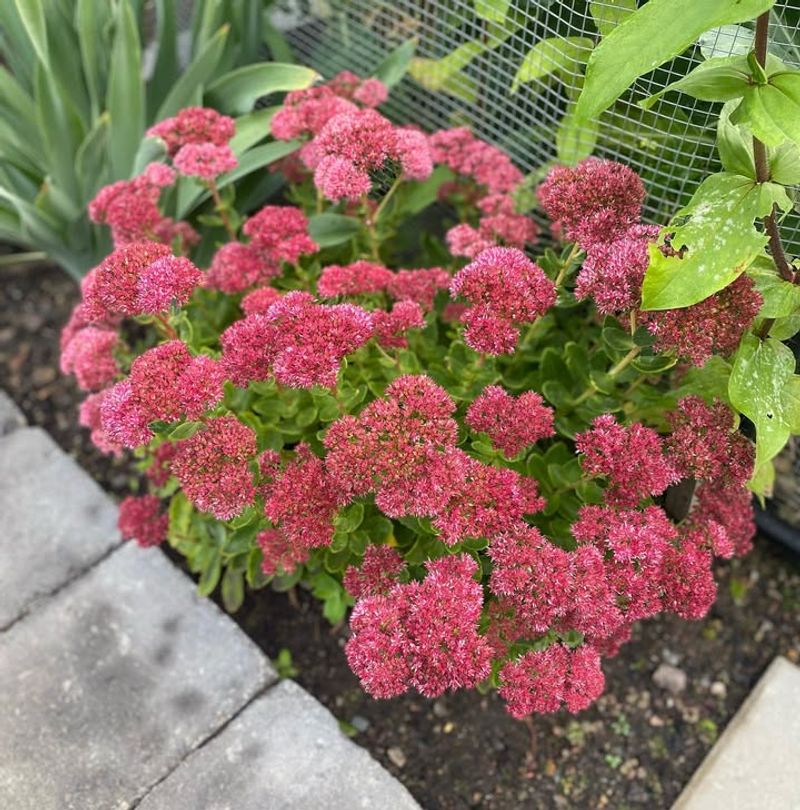
Sedum might just be the toughest plant you will ever grow, thriving in conditions that would make other groundcovers wither away.
These succulent plants store water in their thick, fleshy leaves, which means they laugh in the face of drought.
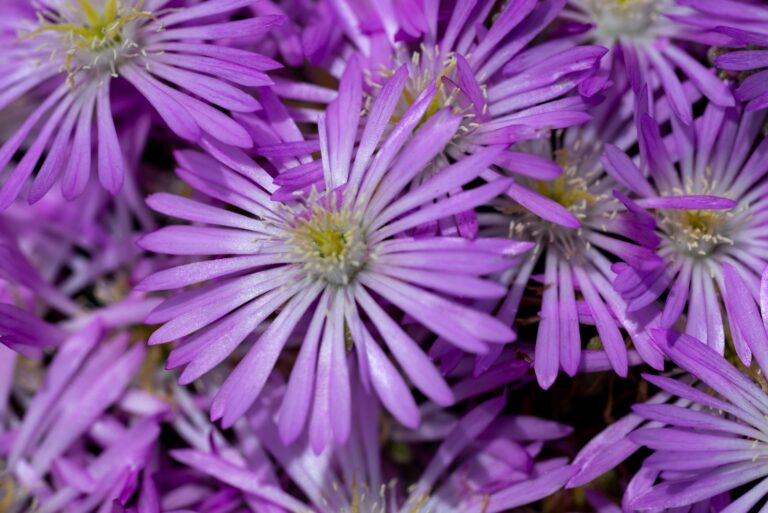
Low-growing varieties spread across the ground like a living tapestry, with leaves in shades of green, blue-gray, red, or purple depending on the type.
Clusters of star-shaped flowers appear in summer, feeding butterflies and other beneficial insects.
Sedum absolutely loves full sun and well-drained soil, making it perfect for hot, dry spots where nothing else wants to grow.
It works beautifully in rock gardens, between stepping stones, or cascading over walls.
Once established, sedum needs almost no care and certainly no extra watering unless you are experiencing extreme drought.
The dense mat of succulent leaves shades out weeds while looking attractive throughout the seasons.
Many sedum varieties stay evergreen or semi-evergreen, providing year-round interest in your garden.
If you forget to water, travel frequently, or just want a plant that takes care of itself while keeping weeds away, sedum is your new best friend in the garden.
5. Creeping Jenny (Lysimachia)
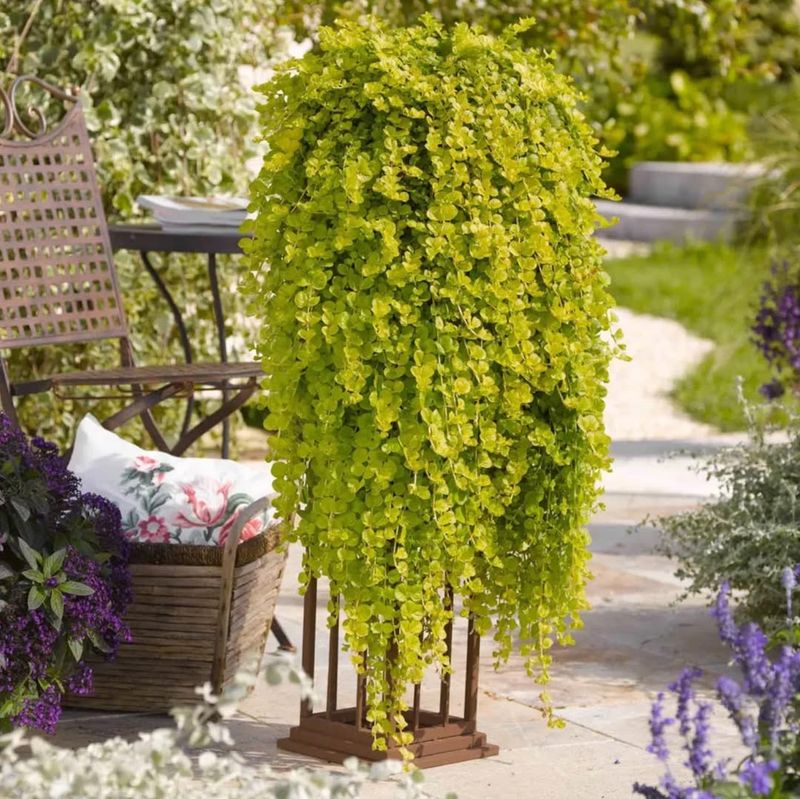
Bright, cheerful, and incredibly vigorous, creeping Jenny brings a splash of sunshine to shady spots with its brilliant chartreuse foliage.
The small, round leaves grow along trailing stems that spread out in all directions, covering ground faster than you might expect.
This groundcover works equally well in sun or shade, though the golden varieties really glow in partial shade.
Small yellow flowers appear in summer, adding an extra pop of color to the already bright foliage.
Creeping Jenny loves moisture and actually thrives in areas that stay a bit damp, making it perfect for edges of ponds, rain gardens, or anywhere the soil does not dry out completely.
The dense growth pattern leaves no room for weeds to establish themselves.
You can also grow it in containers where it spills over the edges beautifully, or use it to fill gaps between pavers and stepping stones.
The trailing stems root wherever they touch soil, creating new plants and thickening the coverage.
Just be aware that creeping Jenny spreads enthusiastically and can become invasive in some regions, so check your local guidelines before planting.
If you have a challenging wet spot that needs coverage, this bright groundcover will happily take on the job.
6. Sweet Woodruff
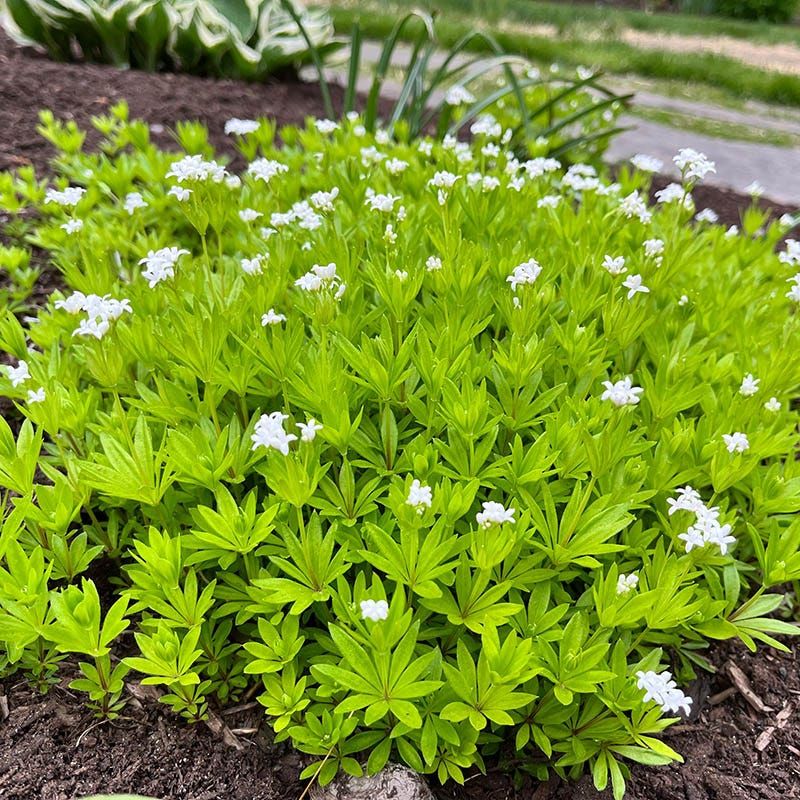
Imagine a fairy-tale groundcover with delicate white flowers floating above whorls of bright green leaves, and you have got sweet woodruff.
This charming plant spreads gently through shady areas, creating a soft carpet that looks almost magical in spring.
The star-shaped white flowers appear in late spring, standing out beautifully against the verdant foliage.
Sweet woodruff releases a pleasant vanilla-like scent when the leaves are crushed or dried, which is why it has been used in sachets for centuries.
This groundcover prefers partial to full shade and moist, well-drained soil rich in organic matter.
It spreads through underground rhizomes, filling in spaces without being overly aggressive like some other groundcovers.
Sweet woodruff grows about six to twelve inches tall, creating enough density to suppress weeds while still looking delicate and refined.
It works wonderfully under trees, along woodland paths, or in any shady border that needs softening.
The plant goes dormant in winter in colder climates but returns reliably each spring.
If you want something with old-fashioned charm that handles shade beautifully and keeps weeds under control, sweet woodruff brings both beauty and function to your garden beds.
7. Pachysandra
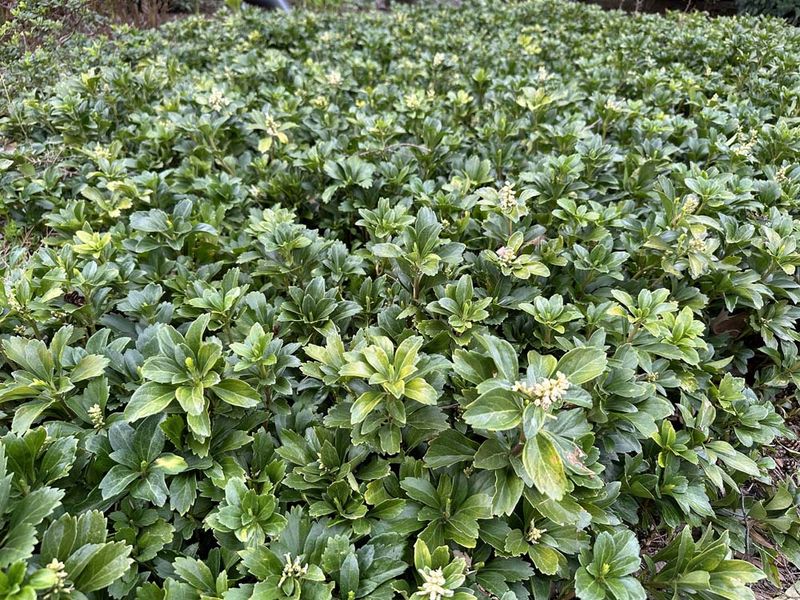
If you have ever wondered what to plant in deep shade where absolutely nothing else will grow, pachysandra is probably the answer.
This evergreen groundcover has been a go-to solution for challenging shady spots for generations, and for good reason.
The glossy, dark green leaves grow in attractive whorls at the top of upright stems, creating a uniform carpet that stays green all year long.
Small white flowers appear in spring, though most people grow pachysandra for its reliable foliage rather than the blooms.
Pachysandra spreads through underground rhizomes, gradually filling in bare areas and forming a dense mat that weeds cannot penetrate.
It handles dry shade under trees better than most groundcovers, though it appreciates some moisture during establishment.
The plant grows about six to eight inches tall, creating a neat, uniform appearance that looks tidy without any pruning.
It works especially well on slopes where erosion is a concern and maintenance is difficult.
Once established, pachysandra needs very little attention and will happily cover large areas with minimal fuss.
Some people find it too common or old-fashioned, but when you need dependable coverage in deep shade, this classic groundcover still delivers exactly what it promises.
8. Lamb’s Ear (Stachys Byzantina)

Soft, fuzzy, and impossibly touchable, lamb’s ear gets its name from the velvety leaves that feel just like a baby lamb’s ear.
Kids absolutely love petting this plant, which makes it a fun addition to family gardens.
The silvery-gray foliage creates a beautiful contrast against green plants and provides year-round interest in mild climates.
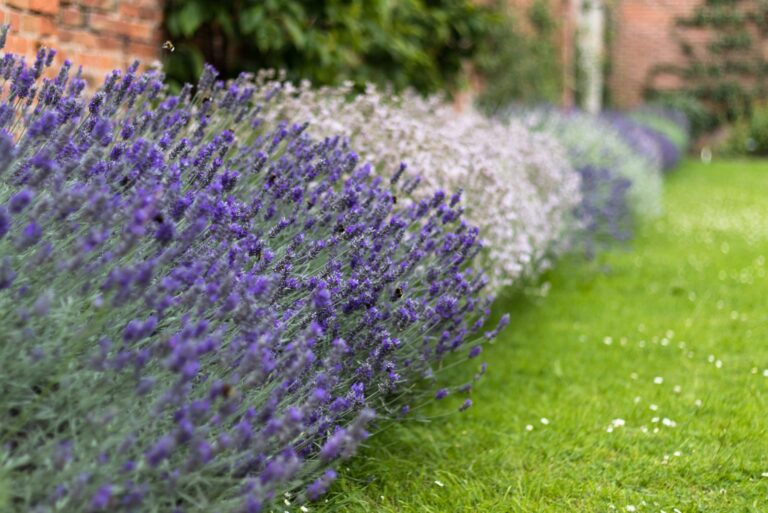
Tall flower spikes with purple blooms shoot up in summer, though many gardeners remove them to keep the focus on the stunning foliage.
Lamb’s ear spreads steadily through offsets and self-seeding, creating a thick mat that blocks weeds while adding texture to your garden.
It thrives in full sun and well-drained soil, handling heat and drought remarkably well once established.
The dense, low-growing rosettes of leaves cover the soil completely, preventing weed seeds from germinating.
This groundcover works beautifully along pathways, in rock gardens, or as an edging plant that softens hard landscape features.
One thing to note is that lamb’s ear can look a bit ragged in humid climates or after heavy rain, but it bounces back quickly.
If you want something with unique texture, beautiful color, and practical weed-suppressing abilities, lamb’s ear brings all three qualities to your garden beds.
9. Creeping Phlox

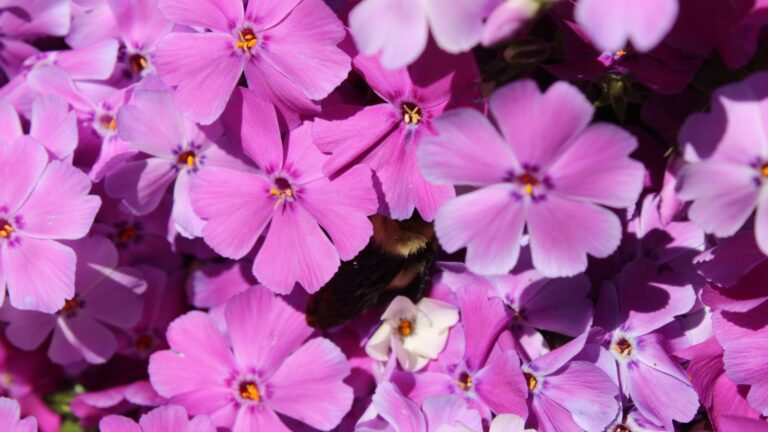
Every spring, creeping phlox puts on a show that stops people in their tracks, covering itself in a blanket of vibrant flowers that practically glow.
This groundcover transforms slopes, rock gardens, and borders into carpets of pink, purple, white, or red blooms.
The needle-like evergreen foliage stays attractive throughout the year, but it is the spring flower display that really steals the show.
The blooms are so abundant they nearly hide the foliage completely, creating solid drifts of color.
Creeping phlox spreads through creeping stems that root as they grow, forming dense mats that prevent weeds from gaining a foothold.
It loves full sun and well-drained soil, making it perfect for sunny slopes where grass is difficult to maintain.
After blooming, you can trim back the plants lightly to encourage fuller growth and better coverage.
The low-growing mats stay around four to six inches tall, hugging the ground tightly.
This groundcover handles cold winters beautifully and bounces back reliably each spring with its spectacular flower show.
If you want something that combines serious weed-blocking power with breathtaking seasonal beauty, creeping phlox delivers both in abundance and will make your neighbors stop to admire your garden.