12 Venomous Creatures You Might Encounter Hiding In Plain Sight Across California
California’s diverse landscape offers far more than just stunning beaches, towering redwoods, and majestic mountains.
Hidden among rocky outcrops, gardens, hiking trails, and even urban edges are venomous creatures that make this state their home.
While most of these animals prefer to avoid humans, being aware of their presence and learning how to recognize them can keep you safe during outdoor adventures.
Familiarity with these species not only protects you but also allows you to appreciate California’s wild side responsibly, blending caution with curiosity.
Knowing where these creatures live, what signs to look for, and how to react if encountered ensures your outdoor experiences remain both exciting and safe.
1. Southern Pacific Rattlesnake
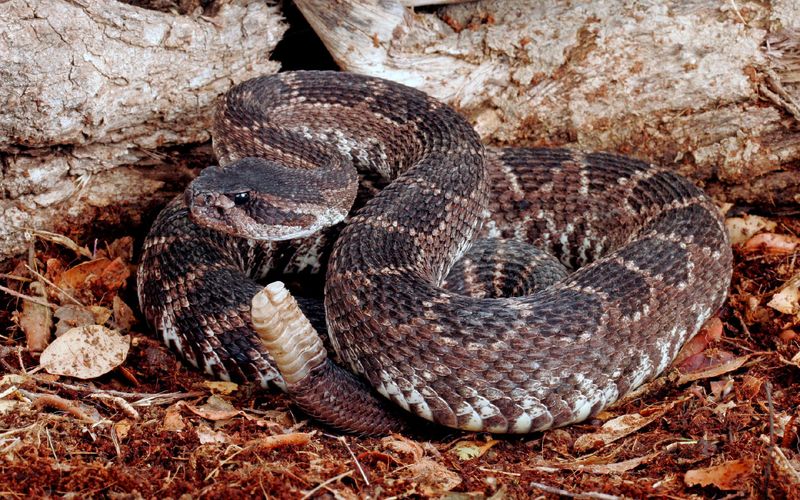
Rattlesnakes rank among the most recognizable venomous reptiles in California, and the Southern Pacific variety thrives throughout much of the state.
You’ll find these snakes in grasslands, chaparral, and rocky hillsides from sea level to mountain elevations.
Their distinctive diamond-shaped markings and rattling tail serve as nature’s warning system.
Most encounters happen when hikers accidentally get too close or step near their hiding spots.
These snakes prefer staying hidden under rocks, in brush piles, or along trail edges where they blend perfectly with surroundings.
During warmer months, they become more active in early morning and evening hours.
If you spot one, back away slowly and give it plenty of space to retreat.
Wearing sturdy boots and watching where you place your hands while hiking reduces risk significantly.
Never attempt to handle or provoke these reptiles, even if they appear sluggish.
Their venom affects blood cells and tissue, requiring immediate medical attention if bitten.
Keep pets on leashes in snake territory since curious dogs often get too close.
Respecting their space means both you and the snake can coexist safely in California’s beautiful wilderness areas.
2. Black Widow Spider
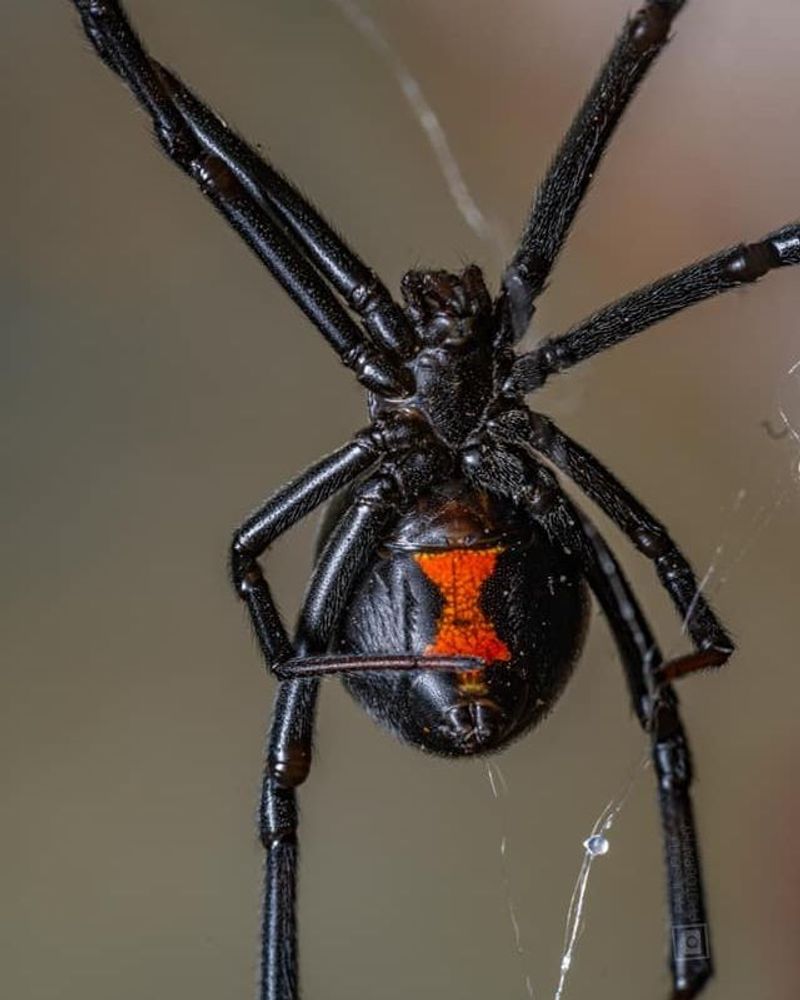
With a shiny black body and unmistakable red hourglass marking underneath, the black widow spider is easy to identify once you know what to look for.
These spiders prefer dark, undisturbed spaces like garages, sheds, woodpiles, and outdoor furniture.
Females carry potent venom, though they typically bite only when threatened or accidentally squeezed.
Homeowners often encounter them while moving stored items or reaching into seldom-used areas.
Wearing gloves when handling firewood or cleaning storage spaces provides simple protection.
Regular inspection of outdoor equipment helps you spot webs before accidentally disturbing them.
Black widows build irregular, sticky webs close to the ground where they wait for prey.
Their venom contains neurotoxins that cause muscle pain, cramping, and other uncomfortable symptoms.
Children and elderly individuals face higher risks from bites, making awareness especially important for families.
If bitten, wash the area with soap and water, then seek medical care promptly.
Applying ice can help reduce swelling while you arrange transportation to a healthcare facility.
Prevention works best—shake out shoes and clothing left outside, and check gloves before putting them on during yard work.
3. Western Diamondback Rattlesnake
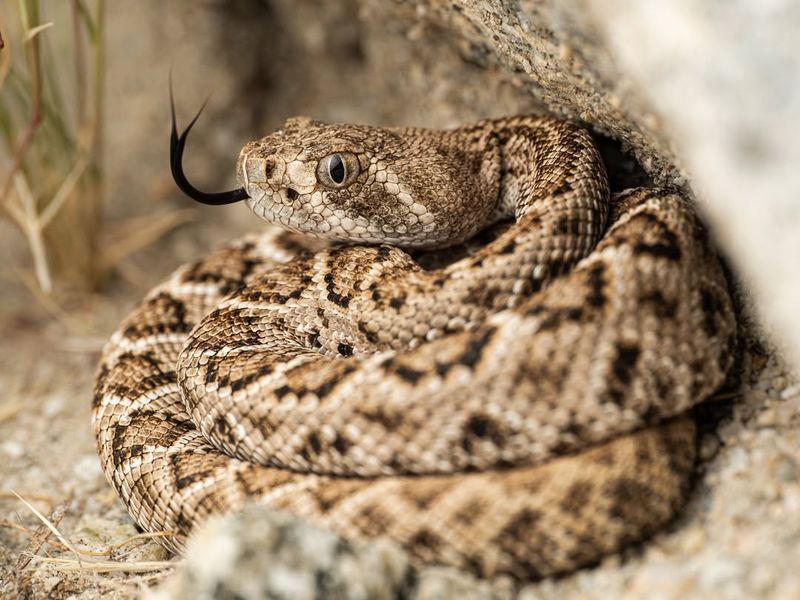
Desert regions and dry foothills across Southern California provide perfect habitat for the Western diamondback rattlesnake.
Your California Garden Changes Every Week. Your Plan Should Too.
Gardening in California changes quickly throughout the season. Every Friday you’ll receive a simple weekly plan showing exactly what to plant, prune, fertilize, harvest, and protect so you never miss the right timing.
Larger than many other rattlesnake species, these impressive reptiles can grow over five feet long.
Their bold diamond patterns and black-and-white striped tail make identification straightforward for careful observers.
Hot summer days send them seeking shade under bushes, rocks, or even parked vehicles.
They become more visible during cooler parts of the day when hunting for rodents and small mammals.
Hikers and campers in desert areas should remain especially alert on trails and around campsites.
Unlike some snakes that flee quickly, diamondbacks often hold their ground when surprised.
Their defensive posture includes coiling tightly and rattling loudly as a clear warning signal.
Respecting this warning and backing away prevents most problematic encounters.
Venom from these snakes causes severe tissue damage and requires urgent medical treatment.
Carrying a charged cell phone and knowing your location helps emergency responders reach you faster if needed.
Stick to established trails, avoid reaching into dark crevices, and always look before sitting on rocks or logs in snake country.
4. Arizona Bark Scorpion
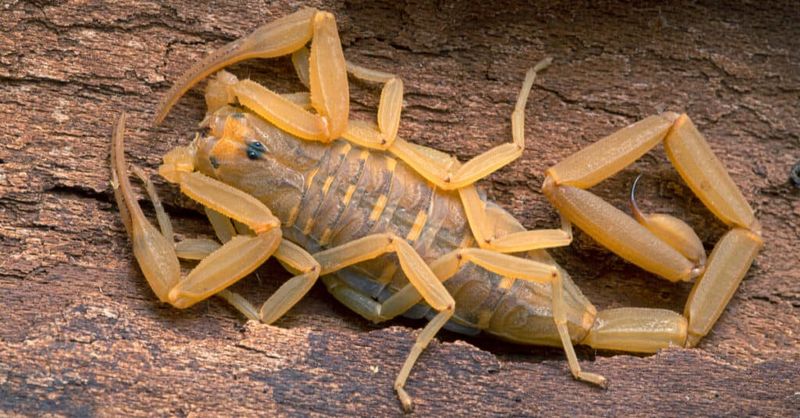
Pale tan and surprisingly small, the Arizona bark scorpion represents the most venomous scorpion species found in California.
These nocturnal creatures hide during daylight hours under rocks, tree bark, and inside homes near the Arizona border.
Their slender bodies and thin pincers distinguish them from less dangerous scorpion relatives.
Homeowners in desert communities sometimes find them in bathrooms, closets, or shoes left on the floor.
They can climb walls and ceilings with ease, unlike bulkier scorpion species.
Using a blacklight flashlight at night makes them glow bright green, helping you spot them before accidental contact.
Stings from bark scorpions cause intense pain, numbness, and tingling that can spread from the sting site.
Young children face greater risks and may experience more severe reactions requiring medical observation.
Adults usually recover without complications but still need evaluation to ensure proper care.
Sealing cracks around doors and windows keeps them outside where they belong.
Shaking out bedding and checking shoes before use becomes routine for residents in scorpion territory.
Removing debris piles and trimming vegetation away from home foundations reduces hiding spots near living spaces.
5. Brown Recluse Spider
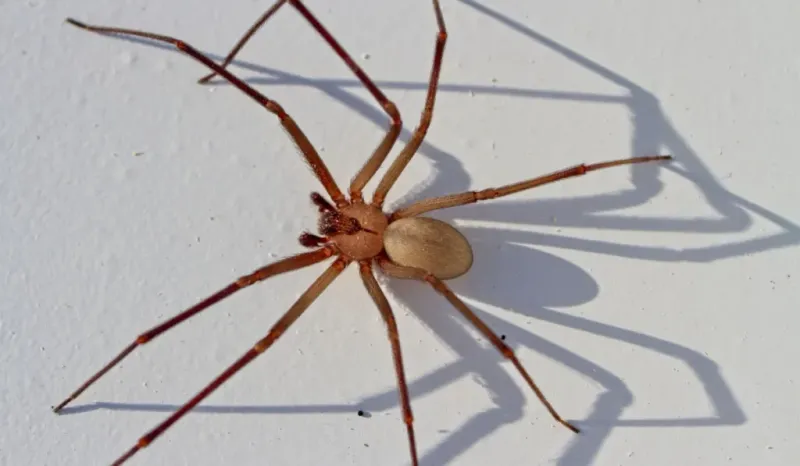
Though less common than black widows, brown recluse spiders do appear in California, particularly in imported goods and structures.
Their light brown color and distinctive violin-shaped marking on the back help with identification.
Unlike web-dwelling spiders, these hunters roam at night searching for prey in quiet, undisturbed areas.
Closets, attics, and storage boxes provide ideal hiding spots during daylight hours.
They avoid human contact whenever possible and typically bite only when trapped against skin.
Bites often occur when people put on clothing or shoes where a spider has taken shelter.
Their venom causes tissue damage that may not become apparent immediately after a bite.
A small blister can develop into a larger wound over several days if left untreated.
Medical professionals can assess bites and provide appropriate care to minimize scarring and complications.
Reducing clutter in storage areas limits potential hiding places for these shy spiders.
Storing seasonal clothing in sealed plastic containers rather than cardboard boxes offers better protection.
Regular cleaning and vacuuming help remove spiders and their egg sacs before populations establish themselves.
Shaking out items before use remains one of the simplest and most effective prevention strategies available.
6. California Newt
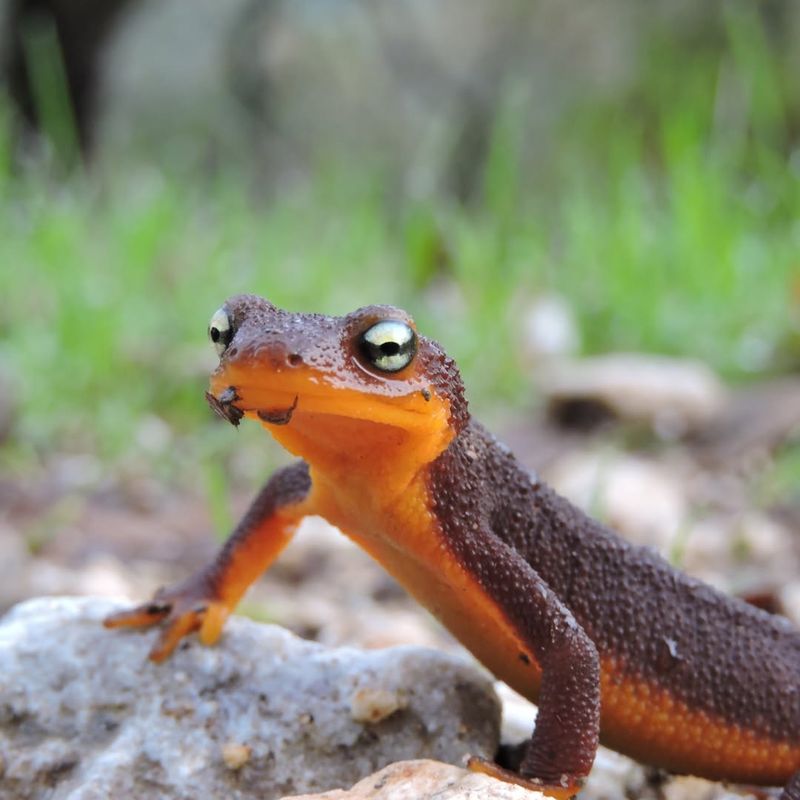
Bright orange undersides make California newts stand out among forest floor dwellers in coastal and mountain regions.
These small amphibians produce potent toxins through their skin as protection against predators.
While they appear harmless and move slowly, handling them can transfer toxins to your hands and eventually your mouth or eyes.
Hikers often spot them crossing trails during rainy season when they migrate to breeding ponds.
Children naturally want to pick up these colorful creatures, making education about toxins important for families.
Simply observing from a respectful distance allows appreciation without risk.
Their toxins cause numbness, muscle weakness, and serious health problems if ingested.
Dogs that mouth or bite newts can experience severe reactions requiring immediate veterinary care.
Teaching pets to avoid small wildlife protects both animals from harmful encounters.
If you accidentally touch a newt, wash your hands thoroughly with soap and water right away.
Avoid touching your face until hands are completely clean.
These amphibians play important roles in forest ecosystems by controlling insect populations.
Admiring them from afar shows respect for both your safety and their contribution to California’s biodiversity.
7. Mojave Rattlesnake
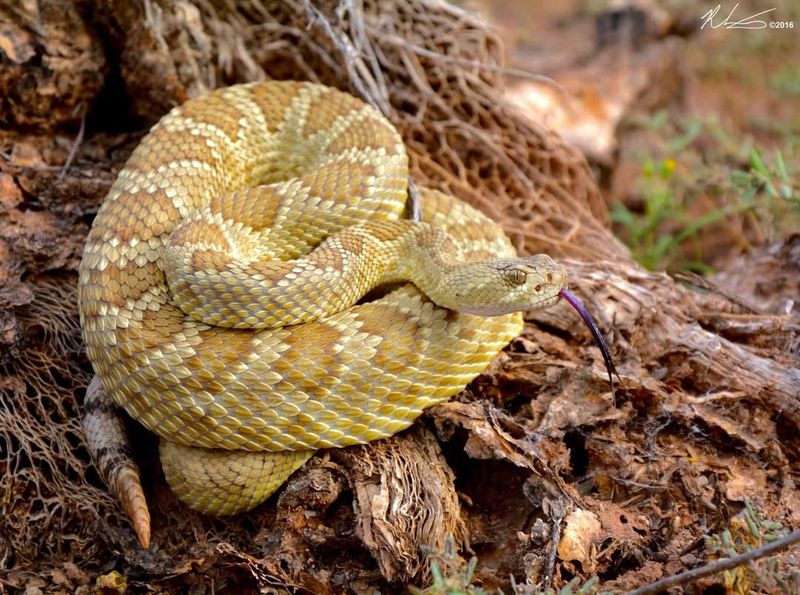
Desert enthusiasts should recognize the Mojave rattlesnake as one of California’s most dangerously venomous serpents.
Found primarily in the southeastern desert regions, these snakes possess venom that affects both blood and nervous system.
Their greenish-gray coloring helps them blend perfectly with desert vegetation and sandy soils.
Unlike other rattlesnakes, Mojave rattlesnakes sometimes travel considerable distances from rocky areas into open desert.
This behavior increases chances of unexpected encounters on hiking trails and near desert campgrounds.
Their willingness to strike when threatened makes giving them wide berth especially important.
Venom from these snakes can cause breathing difficulties and other serious symptoms beyond typical rattlesnake bites.
Medical treatment may require different approaches compared to other rattlesnake species.
Informing emergency responders about the snake’s appearance helps them prepare appropriate care.
Staying on designated paths and avoiding shortcuts through brush reduces encounter risks significantly.
Using trekking poles to tap ahead on trails can alert snakes to your presence before you get too close.
Camping in open areas away from rock piles and dense vegetation provides safer sleeping arrangements.
Desert adventures remain enjoyable when you stay aware of your surroundings and respect wildlife boundaries.
8. Giant Desert Centipede
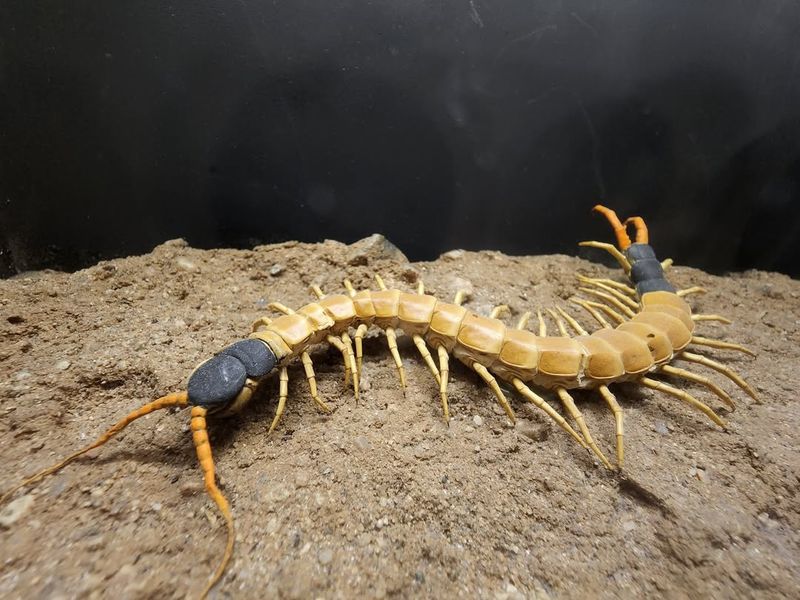
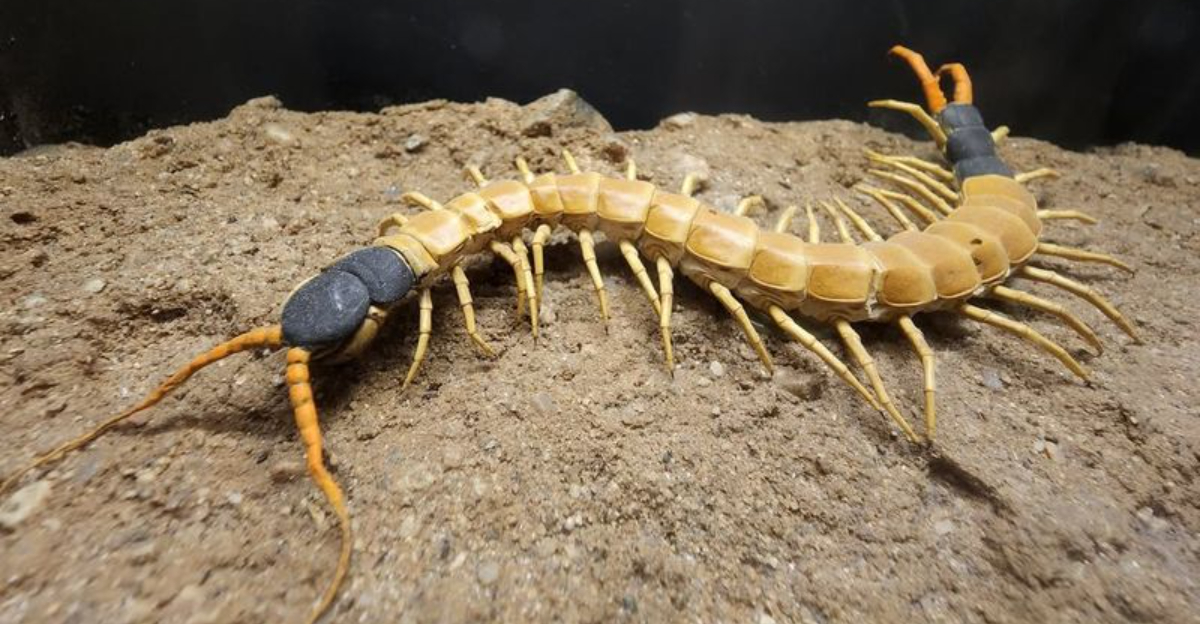
Measuring up to eight inches long, the giant desert centipede commands attention with its orange-red body and black head.
These nocturnal predators hunt insects and small animals in Southern California’s desert regions.
Modified front legs deliver venom to subdue prey, and they won’t hesitate to use them defensively when handled.
Campers sometimes find them seeking moisture under sleeping bags, tents, or camping equipment overnight.
They move surprisingly fast when disturbed, which can startle people into making quick grabbing motions.
Remaining calm and using a long tool to relocate them works better than hand contact.
Bites cause immediate burning pain, swelling, and redness around the affected area.
While rarely dangerous to healthy adults, the experience remains quite unpleasant and may last several hours.
People with allergies or sensitivities should seek medical evaluation after centipede encounters.
Shaking out sleeping bags and checking inside shoes before use prevents most centipede surprises.
Keeping tents zipped and eliminating gaps where they might enter protects sleeping areas.
Storing food properly also helps since centipedes follow prey insects attracted to crumbs and spills.
Simple precautions make desert camping comfortable while respecting the creatures that call these harsh environments home.
9. Yellow Sac Spider
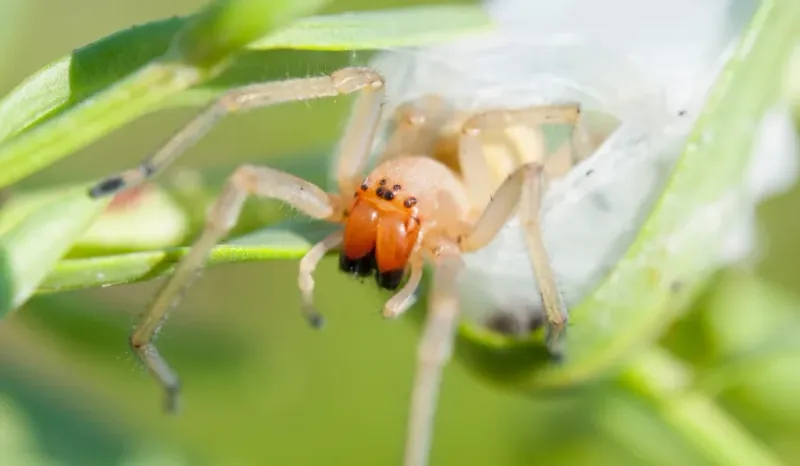
Small and pale yellow, sac spiders often go unnoticed until someone feels an unexpected bite.
These spiders don’t build traditional webs but create small silk sacs in corners where walls meet ceilings.
Active hunters at night, they roam walls and ceilings searching for small insects to capture.
Bedrooms become common encounter sites since these spiders sometimes drop onto beds or wander across sleeping people.
Their bites feel like a sharp pinprick and may cause redness, swelling, and itching.
Most bites heal without complications, though some people experience more pronounced reactions.
Keeping beds away from walls reduces chances of spiders accessing bedding during nighttime hunting.
Regular dusting and vacuuming of ceiling corners removes their silk retreats.
Using yellow or LED lighting instead of traditional bulbs attracts fewer insects, making homes less appealing to hunting spiders.
If bitten, clean the area gently and apply a cold compress to reduce swelling.
Watch for signs of infection or unusual reactions over the following days.
Most people recover quickly without medical intervention beyond basic first aid.
Understanding that these spiders help control household insect populations might make their presence slightly more tolerable for squeamish homeowners.
10. Striped Bark Scorpion
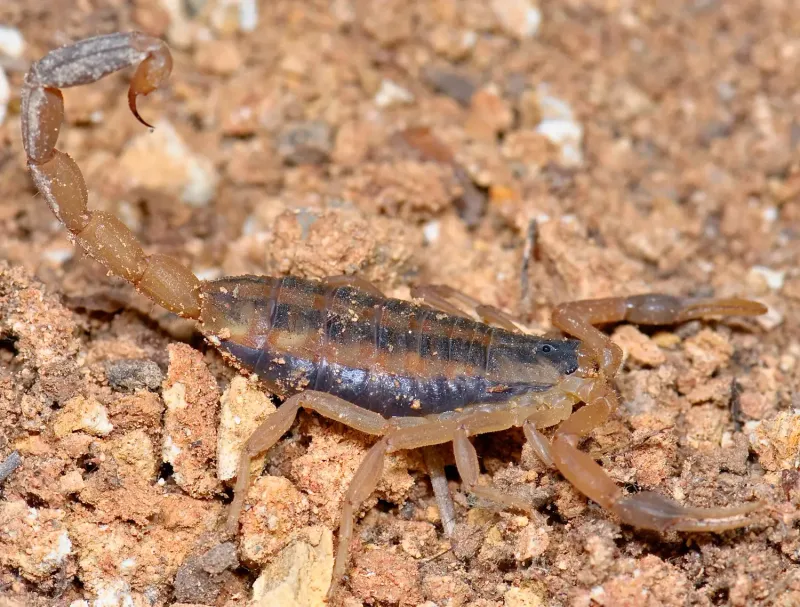
Dark stripes running down a tan body distinguish the striped bark scorpion from other California scorpion species.
More common than their Arizona cousins, these scorpions inhabit a wider range across the state.
Their venom causes less severe reactions, though stings still produce pain and localized swelling.
Outdoor furniture, potted plants, and stacked firewood provide favorite daytime hiding spots.
They emerge after sunset to hunt for insects and other small prey.
Swimming pools sometimes collect them overnight, creating morning surprises for swimmers.
Stings typically feel like a bee sting with burning pain that gradually subsides over a few hours.
Ice application and over-the-counter pain relievers help manage discomfort for most people.
Young children and individuals with allergies should receive medical evaluation even for these less venomous species.
Creating a gravel or rock barrier around home foundations discourages scorpions from approaching structures.
Trimming tree branches away from roofs prevents them from using vegetation as bridges to enter attics.
Installing weather stripping on doors and windows blocks common entry points.
Routine yard maintenance and removing debris piles eliminates habitat that attracts both scorpions and their insect prey.
11. Western Black Widow
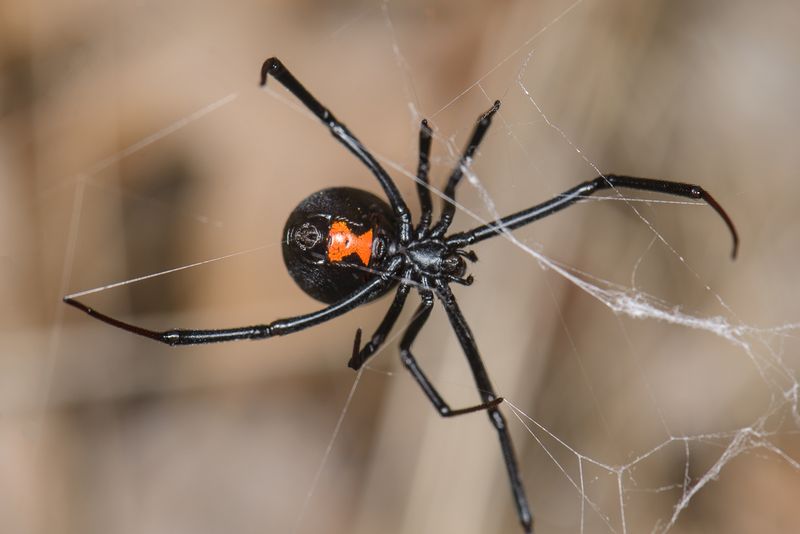
California hosts its own version of the infamous black widow, with the Western variety being the most prevalent.
Slightly different markings distinguish them from their Southern relatives, but their potent venom remains equally concerning.
These spiders prefer building webs in protected outdoor areas where they remain undisturbed for long periods.
Mailboxes, water meter boxes, and outdoor electrical panels attract them because of sheltered spaces and occasional insect visitors.
Gardeners encounter them in vegetable beds, especially around tomato cages and plant supports.
Their webs feel distinctively strong and irregular compared to the organized patterns of harmless spiders.
Female Western black widows guard egg sacs aggressively, increasing bite risk during reproductive seasons.
Males and juveniles pose minimal threat since only mature females possess dangerous venom quantities.
Learning to identify the females helps you assess actual risk levels during encounters.
Outdoor work gloves should be inspected and shaken before use, especially after storage periods.
Teaching children to alert adults about spider sightings rather than investigating alone prevents accidents.
Professional pest control can help manage populations around homes where children or pets spend significant time.
Balancing caution with appreciation for their role controlling pest insects creates a healthier perspective on these misunderstood arachnids.
12. Northern Pacific Rattlesnake
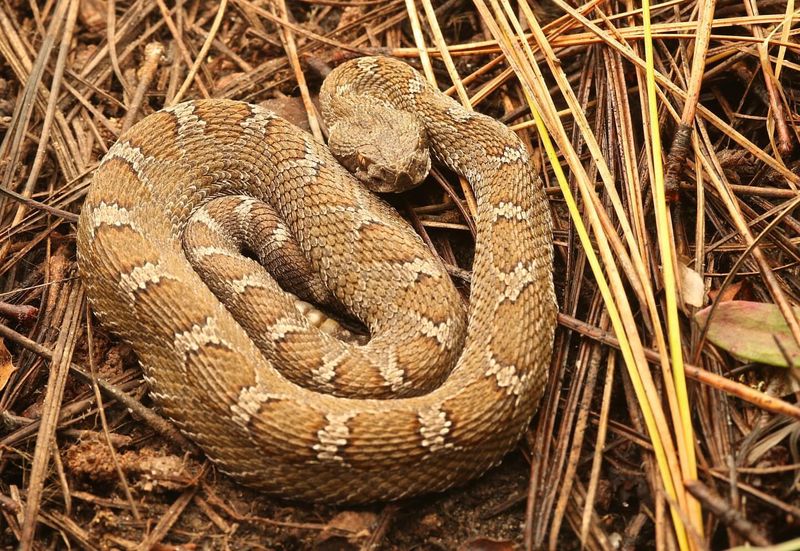
Cooler northern regions of California host the Northern Pacific rattlesnake, adapted to wetter climates than desert relatives.
These snakes inhabit forests, grasslands, and areas near water sources throughout the northern half of the state.
Their brown and tan coloring provides excellent camouflage among fallen leaves and forest debris.
Hikers in Redwood forests and coastal ranges should watch for these snakes sunning on trails during cooler mornings.
They often position themselves on warm rocks or open trail sections to regulate body temperature.
Unlike desert species, these rattlesnakes remain active during milder weather when other varieties seek shelter.
Venom potency varies by individual snake, but all bites require professional medical assessment and treatment.
Staying calm and still after a bite helps slow venom spread through the bloodstream.
Removing jewelry and tight clothing from the affected limb prevents circulation problems as swelling develops.
Trail runners should moderate speed on blind corners where snakes might be warming themselves.
Hiking with companions means someone can seek help if an emergency occurs in remote areas.
Respecting seasonal patterns and knowing when snakes are most active helps you plan safer outdoor activities.
California’s incredible biodiversity includes these fascinating reptiles, and understanding their behavior keeps everyone safer while enjoying nature.