9 December Garden Tasks California Homeowners Should Tackle Before Winter
December settles over California with a mix of cool mornings and bright afternoons, a gentle reminder that winter is just around the corner.
This stretch of the season offers a perfect window for giving the garden a little extra attention before the real chill sets in.
A few simple tasks now can set the stage for strong spring growth and keep plants comfortable through the colder days ahead.
Many homeowners find that December brings a steady rhythm to garden work, from tidying beds to refreshing mulch and checking on tender plants that prefer a bit of protection.
The soil still holds warmth, making it easier to dig, prune, and prepare. Each step feels like tucking the garden in for a quiet rest.
As the month moves along, thoughtful care can make all the difference, ensuring outdoor spaces stay healthy, tidy, and ready to burst with life when the seasons turn again.
1. Prune Dormant Fruit Trees And Berry Bushes
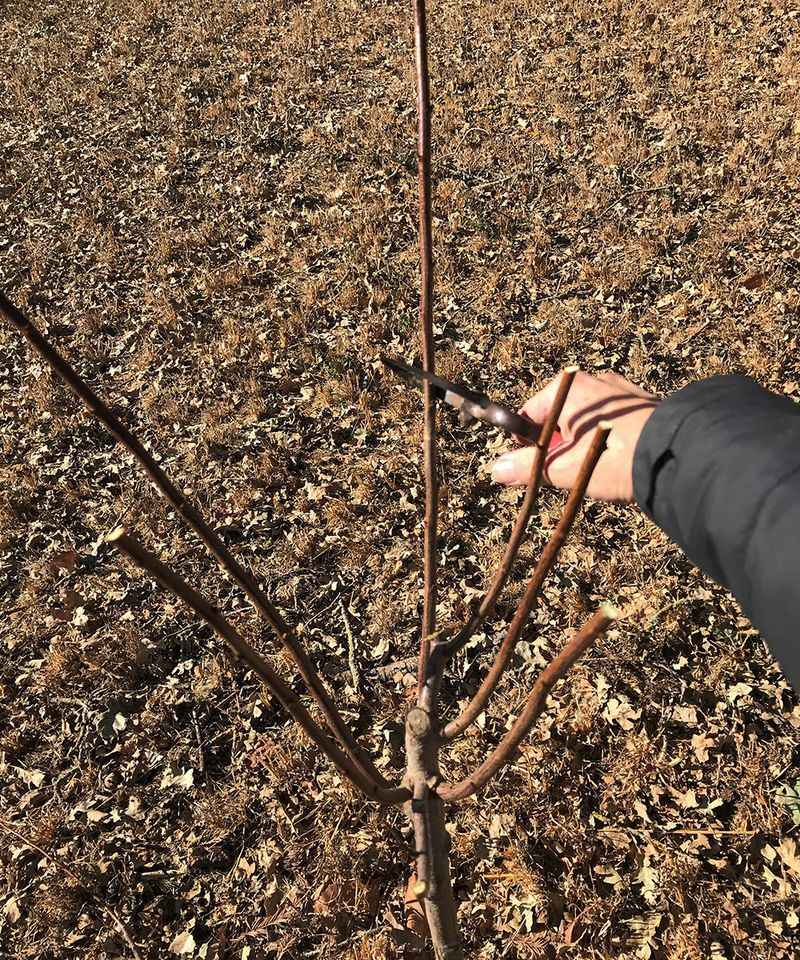
California’s mild December weather creates perfect conditions for pruning deciduous fruit trees and berry bushes.
Apples, pears, plums, and peaches all benefit from careful trimming while they rest for the season.
Removing dry branches and shaping the canopy now encourages healthy growth and better fruit production come spring.
Start by cutting away any branches that cross over each other or grow toward the center of the tree.
These problem limbs can rub together and create weak spots that invite disease.
Focus on opening up the middle of the tree so sunlight and air can reach all parts evenly.
Berry bushes like blueberries and raspberries also need attention this month across California gardens.
Cut back old canes that produced fruit last season, leaving the newer, healthier stems to take over.
This simple step keeps your berry plants productive year after year.
Always use clean, sharp tools to make smooth cuts that heal quickly.
Ragged edges take longer to recover and can become entry points for pests.
December pruning sets the stage for abundant harvests later, making it one of the most rewarding tasks you can tackle now.
2. Plant Bare-Root Trees And Shrubs
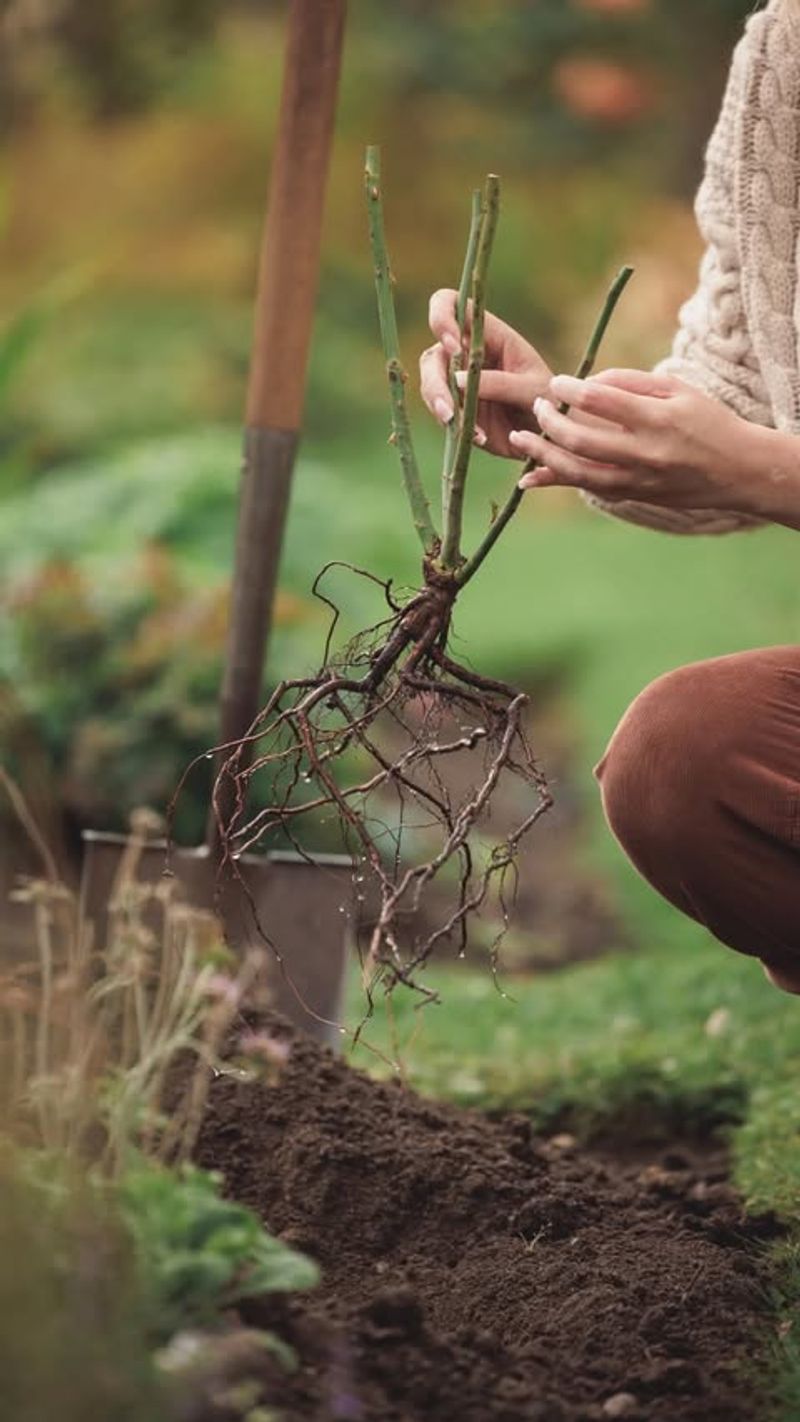
Bare-root season arrives in December throughout California, bringing excellent opportunities to add new trees and shrubs to your landscape.
Nurseries stock fruit trees, roses, and ornamental plants without soil around their roots, making them affordable and easy to transport.
Planting them now gives roots time to establish before spring growth begins.
Choose a cloudy day or late afternoon for planting to reduce stress on your new additions.
Soak the roots in water for several hours before placing them in the ground.
This simple preparation helps them adjust to their new home and start growing strong.
Dig holes twice as wide as the root spread but no deeper than the original soil line on the trunk.
Spreading roots outward encourages them to explore the surrounding soil rather than circling in place.
Backfill with native soil and water thoroughly to eliminate air pockets.
California’s winter rains work in your favor when planting bare-root stock in December.
Your California Garden Changes Every Week. Your Plan Should Too.
Gardening in California changes quickly throughout the season. Every Friday you’ll receive a simple weekly plan showing exactly what to plant, prune, fertilize, harvest, and protect so you never miss the right timing.
Natural rainfall reduces the need for constant watering while roots settle in.
Adding a layer of mulch around the base helps retain moisture and regulate soil temperature throughout the cooler months ahead.
3. Protect Frost-Sensitive Plants From Cold Snaps
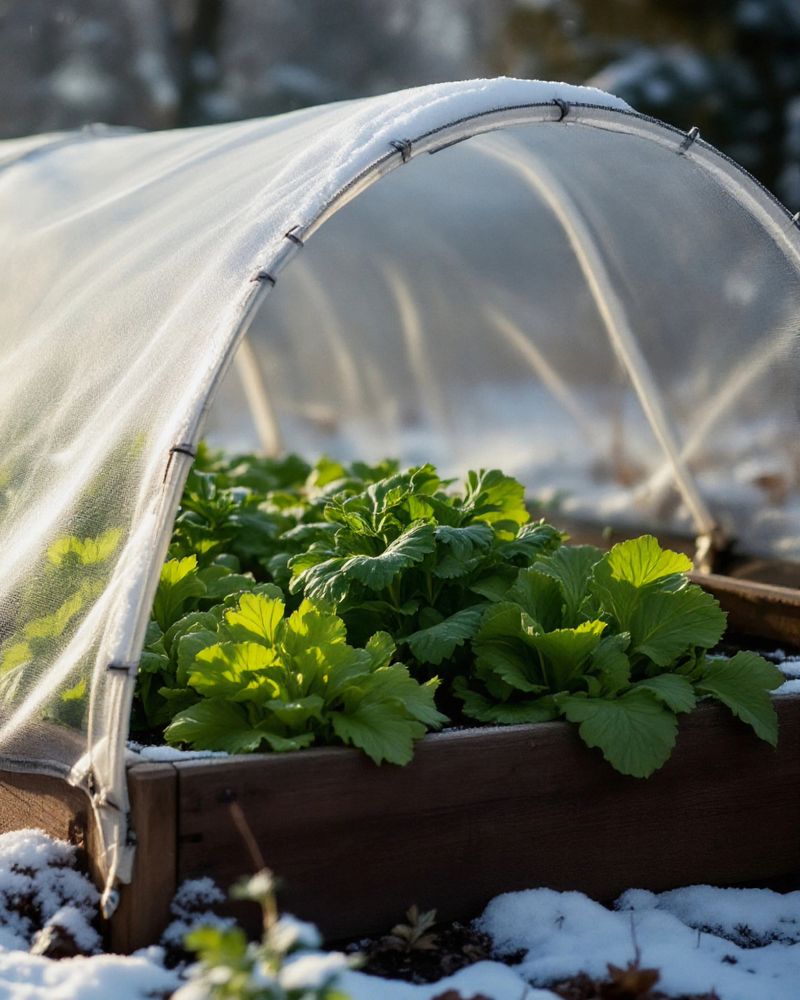
Even California experiences occasional cold snaps in December that can damage tender plants.
Citrus trees, succulents, and tropical specimens need extra protection when temperatures drop unexpectedly.
Preparing now prevents heartbreaking losses and keeps your favorite plants thriving through winter.
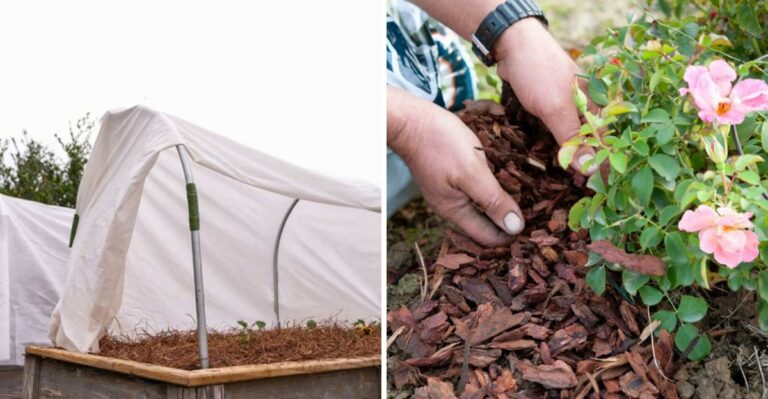
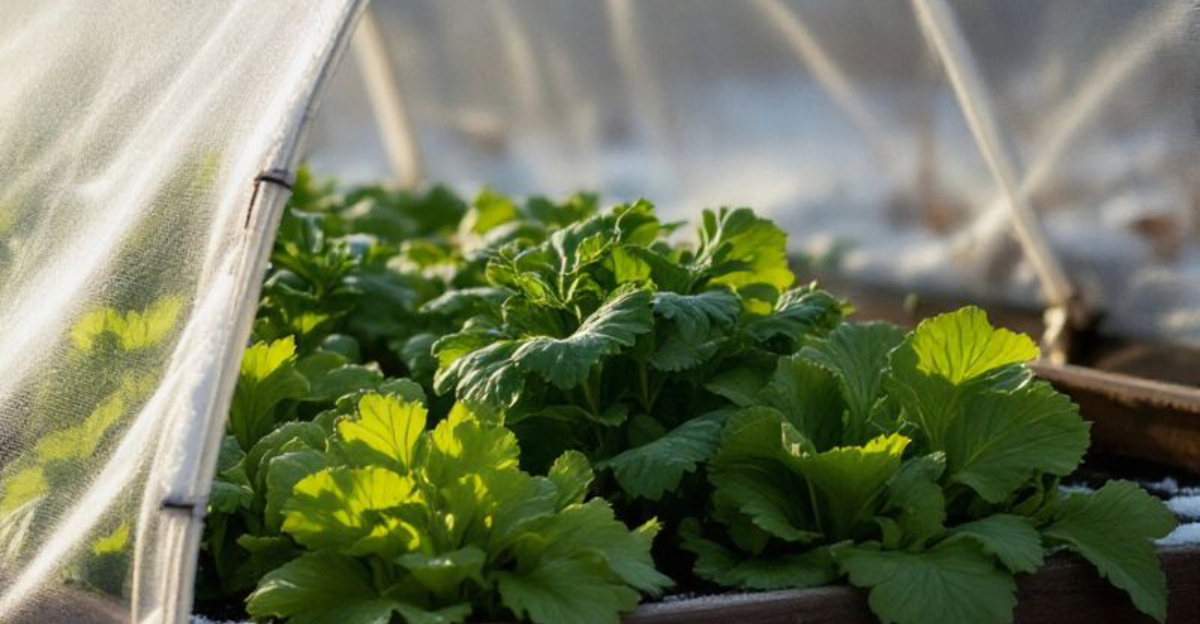
Frost cloth works better than plastic sheeting because it allows moisture to escape while trapping warm air close to plants.
Drape the fabric over vulnerable specimens in the evening before cold nights, making sure it reaches the ground on all sides.
Remove coverings during the day so plants can absorb sunlight and fresh air.
Potted plants offer more flexibility since you can move them to protected spots like covered patios or garages.
Group containers together near walls that radiate stored heat throughout the night.
This simple arrangement creates a warmer microclimate that shields plants from the worst cold.
California gardeners should also water plants thoroughly before freezing temperatures arrive.
Moist soil holds heat better than dry earth, providing natural insulation for roots.
Avoid fertilizing in December since new growth becomes more susceptible to cold damage than established foliage.
4. Add Compost And Organic Matter To Garden Beds
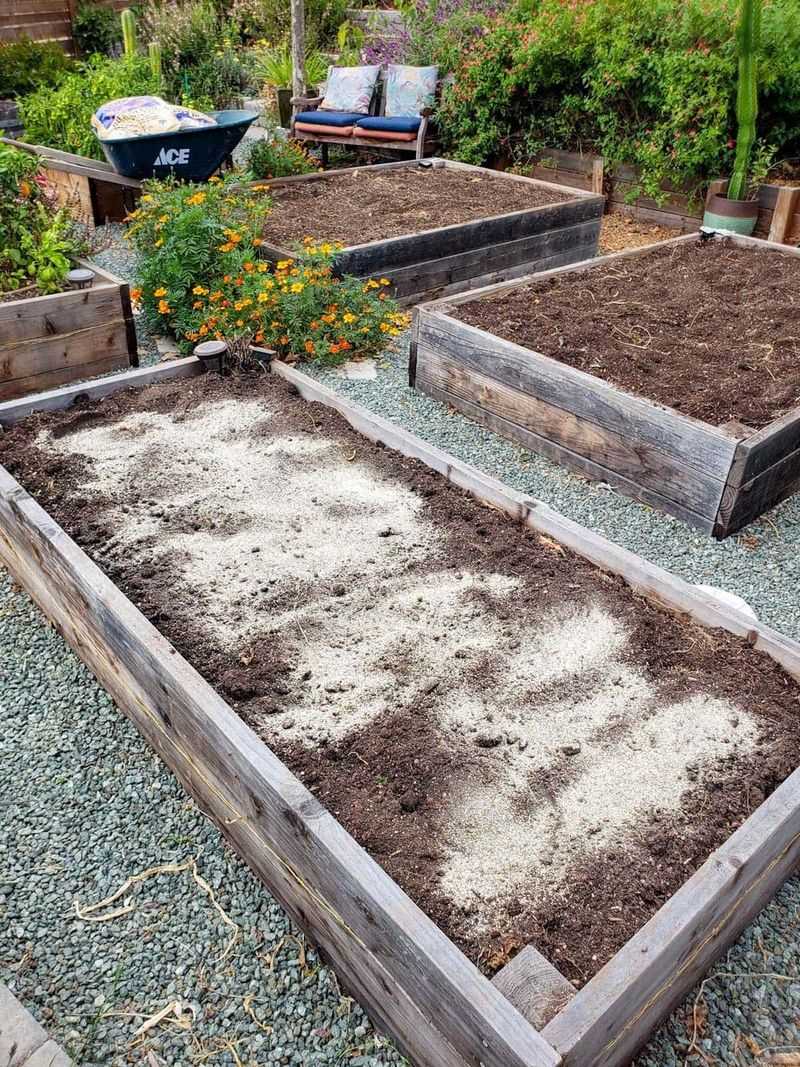
December gives California gardeners perfect timing to enrich soil with compost and organic matter.
Adding these materials now allows them to break down slowly over winter, creating nutrient-rich beds ready for spring planting.
Your future vegetables and flowers will thank you for this advance preparation.
Spread a generous layer of compost across empty garden beds, aiming for about three to four inches of coverage.
Work it into the top six inches of soil using a garden fork or tiller.
This process improves drainage in clay soils while helping sandy California soils retain more moisture and nutrients.
Kitchen scraps, aged manure, and leaf mold all make excellent additions to garden beds this month.
These organic materials feed beneficial soil organisms that create healthy growing conditions.
Worms and microbes stay active through California’s mild winter, continuing their important work of building better soil structure.
Mulching over your amended beds protects the soil surface from erosion during winter rains common across California.
Straw, shredded leaves, or wood chips all work well as protective layers.
Come spring, you’ll find soft, crumbly soil that’s easy to work and ready to support vigorous plant growth throughout the growing season.
5. Plant Cool-Season Vegetables And Herbs
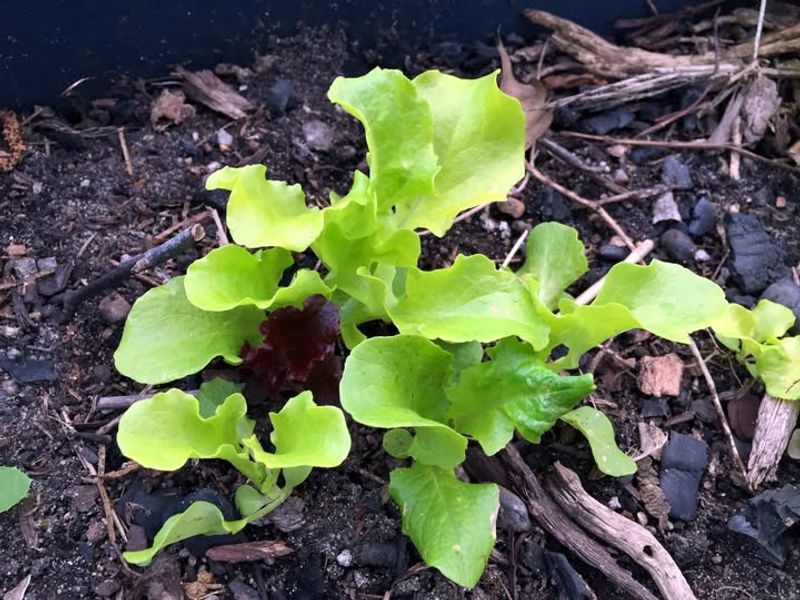
California’s December weather remains mild enough for planting cool-season crops that thrive in lower temperatures.
Lettuce, kale, broccoli, and peas all grow beautifully through winter months in most regions of the state.
Fresh homegrown vegetables on your dinner table make this task especially rewarding.
Start with transplants rather than seeds for faster results this late in the season.
Young plants establish quickly and begin producing within weeks.
Space them according to package directions, giving each plant room to reach full size without crowding neighbors.
Herbs like cilantro, parsley, and chives also flourish when planted in December across California gardens.
These flavorful additions prefer cooler weather and often struggle in summer heat.
Position them in spots that receive at least six hours of sunlight daily for best growth.
Water new plantings regularly since California’s winter rains can be unpredictable depending on your location.
Young vegetables need consistent moisture to develop strong roots and healthy leaves.
Adding row covers on especially cold nights protects tender seedlings while allowing light and water to reach them.
December planting extends your harvest season and keeps your garden productive year-round.
6. Clean And Maintain Garden Tools And Equipment
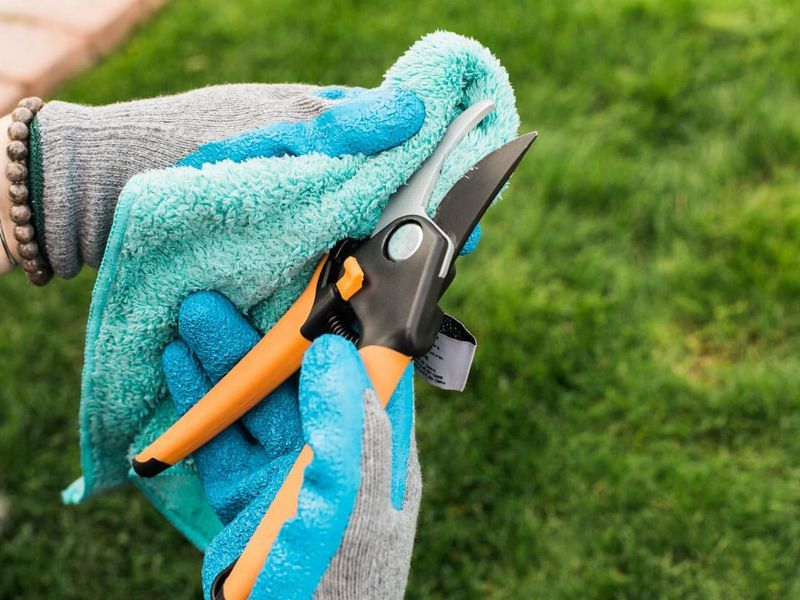
December offers California gardeners a slower pace that’s perfect for maintaining tools and equipment.
Clean, sharp implements make every garden task easier and more enjoyable.
Taking time now to care for your tools ensures they’ll be ready when spring gardening kicks into high gear.
Start by removing dirt and plant residue from shovels, rakes, and hoes using a stiff brush and soapy water.
Dried mud harbors disease organisms that can spread to healthy plants during future use.
Rinse everything thoroughly and dry completely to prevent rust from forming on metal surfaces.
Sharpen pruning shears, loppers, and hedge trimmers so they make clean cuts rather than crushing plant tissue.
A sharp blade heals faster and reduces stress on plants.
Simple sharpening tools or professional services keep cutting edges in top condition throughout the year.
Oil moving parts and wooden handles to protect them from moisture and prevent cracking.
Store tools in a dry location where they won’t be exposed to California’s occasional winter rains.
Taking these simple maintenance steps in December extends the life of your garden equipment and saves money on replacements.
Well-maintained tools also make gardening safer and more efficient when you need them most.
7. Mulch Around Trees And Perennial Plants
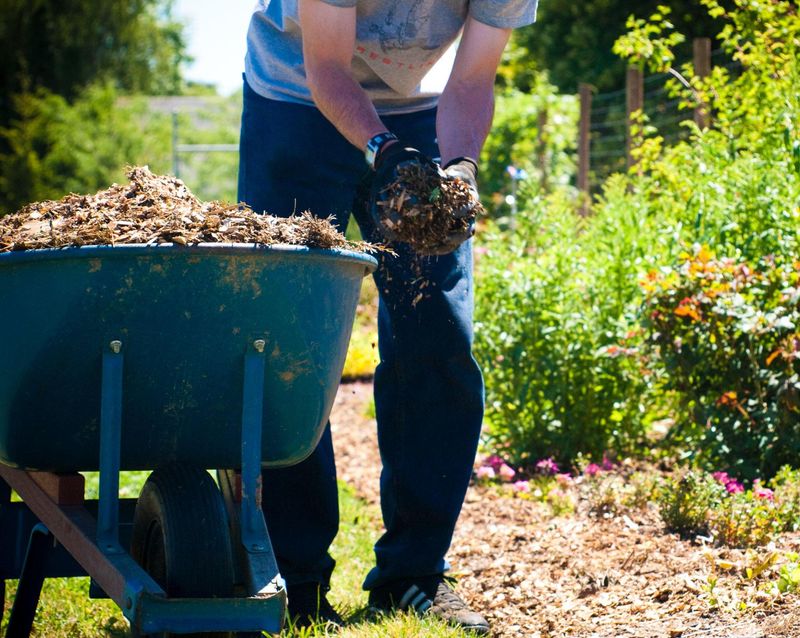
Applying fresh mulch in December benefits trees and perennial plants throughout California gardens.
This protective layer regulates soil temperature, conserves moisture, and suppresses weeds that compete for nutrients.
Your established plants will reward this simple effort with healthier growth and better performance.
Spread mulch in a three to four inch layer around the base of trees and shrubs, keeping it several inches away from trunks and stems.
Piling material directly against bark traps moisture and invites rot and pest problems.
Creating this small gap allows air circulation while still providing all the benefits of mulching.
Wood chips, shredded bark, and leaf mold all make excellent mulch choices for California landscapes.
These organic materials break down gradually, adding nutrients back into the soil.
They also improve soil structure over time, making it easier for roots to grow and access water.
December mulching prepares your garden for winter rains common across many parts of California.
The protective layer prevents soil erosion and reduces mud splashing onto plant foliage.
Mulch also moderates soil temperature fluctuations during cold snaps, protecting shallow roots from sudden freezes.
This simple task delivers benefits that last throughout the entire year.
8. Divide And Transplant Overgrown Perennials
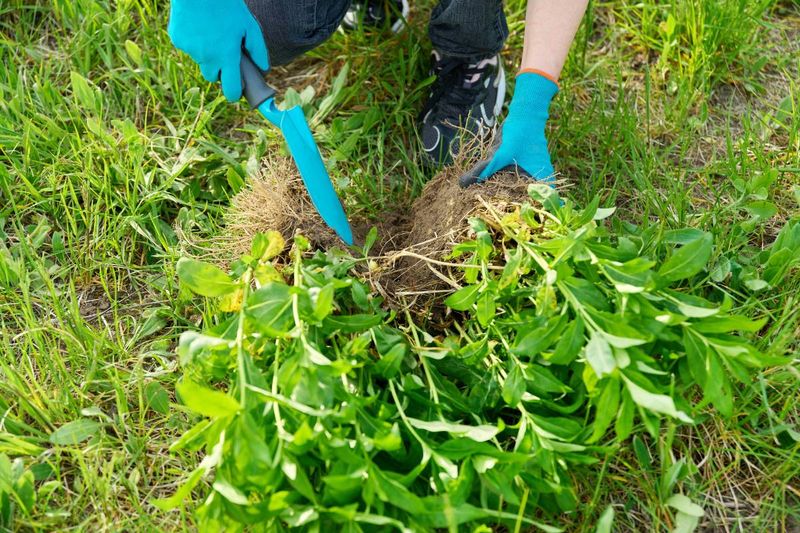
Perennials that have outgrown their spaces benefit from division during December’s cooler weather in California.
Daylilies, irises, and ornamental grasses often form large clumps that produce fewer flowers over time.
Splitting them now rejuvenates plants and gives you extras to fill other garden areas or share with friends.
Water plants thoroughly a day before dividing to make the soil easier to work and reduce stress on roots.
Use a sharp spade to cut through the root mass, creating sections that each contain healthy roots and several growth points.
Smaller divisions establish faster than large chunks.
Replant divisions immediately at the same depth they grew originally, spacing them far enough apart to accommodate future growth.
California’s mild December temperatures allow roots to settle in without the stress of summer heat.
Water new transplants well and add mulch to help retain moisture.
Some perennials respond especially well to December division in California gardens.
Agapanthus, Shasta daisies, and society garlic all benefit from this treatment every few years.
Dividing overgrown clumps improves flowering, prevents center portions from becoming woody, and keeps your garden looking fresh and vibrant.
This rewarding task costs nothing but delivers impressive results throughout the growing season.
9. Prepare And Plan Next Year’s Garden Layout
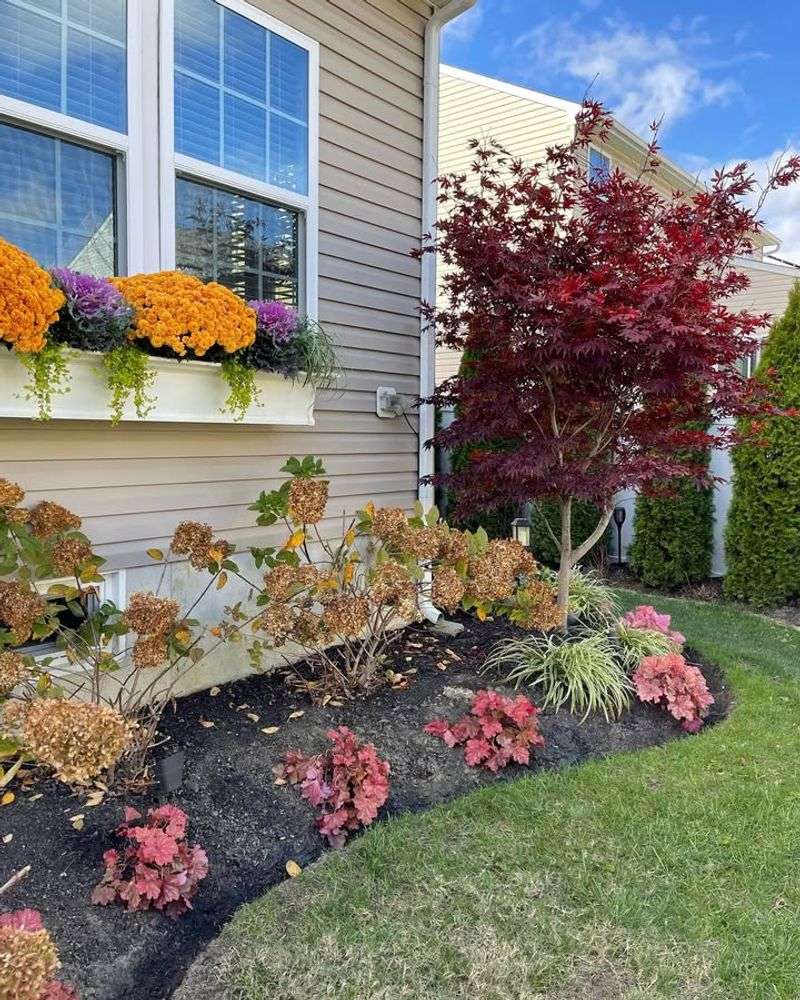
December’s quieter pace gives California gardeners perfect opportunities to plan next year’s garden layout.
Reflecting on what worked well and what needs improvement helps create better growing spaces.
Taking time now to organize thoughts and ideas leads to more productive and beautiful gardens when planting season arrives.
Start by sketching your garden beds and noting which plants grew in each location this past year.
Crop rotation prevents soil depletion and reduces pest problems, especially important for vegetable gardens.
Plan to move plant families to different beds, giving soil time to recover nutrients.
Browse seed catalogs and nursery websites to discover new varieties suited to California’s climate and your specific growing conditions.
Mark favorites and create shopping lists organized by planting dates.
This advance preparation prevents impulse purchases and ensures you get exactly what you need.
Consider adding permanent features like trellises, raised beds, or irrigation improvements during December planning sessions.
California’s dry summers make efficient watering systems especially valuable.
Sketching these additions now gives you time to gather materials and complete projects before spring planting begins.
Good planning transforms gardening from reactive to intentional, creating outdoor spaces that reflect your vision and meet your needs perfectly throughout every season.