Marianne Binetti Offers Garden Tips Washington Residents Rely On
Washington gardeners seem to trust Marianne Binetti in a way that makes her advice feel less like generic tips and more like guidance from someone who truly gets their climate.
It’s hard not to notice how often her name pops up when people talk about fixing a struggling plant or choosing something that will actually survive the season.
I’ve caught myself reading her suggestions just to see why Washington residents lean on her expertise so consistently year after year.
There’s something reassuring about her style, almost like having a local friend who knows exactly what works in this corner of the country.
1. Plant Rhododendrons in Acidic Soil
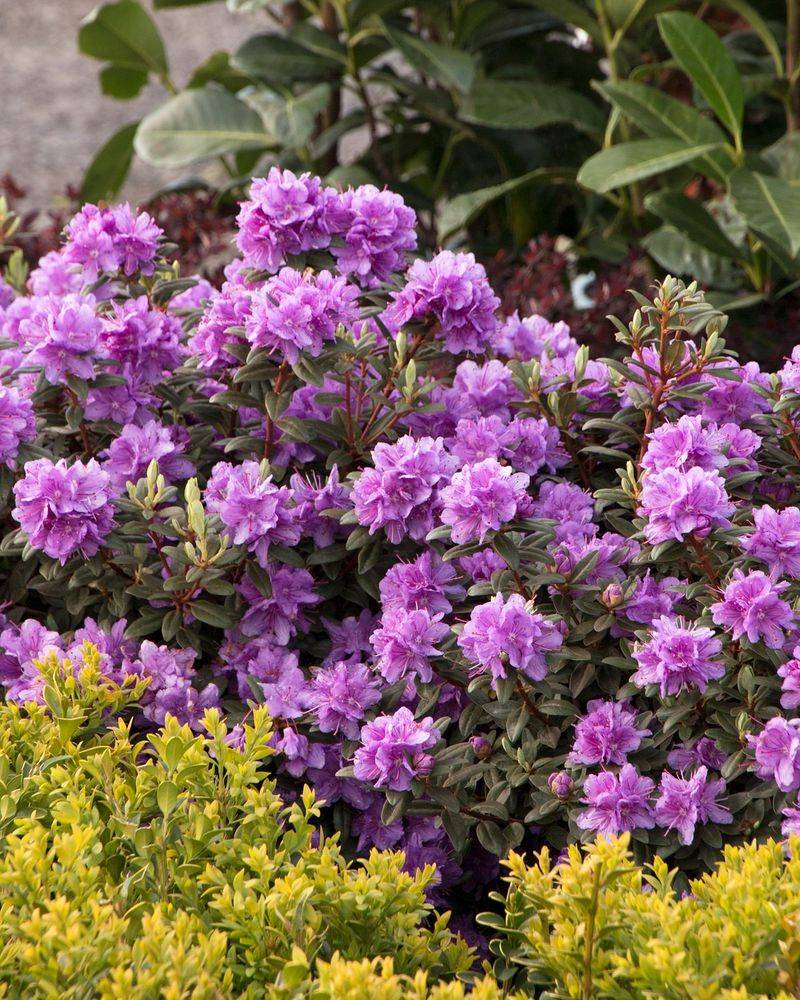
Rhododendrons absolutely love the naturally acidic soil found throughout most of Washington, making them perfect choices for local landscapes.
Marianne Binetti always reminds gardeners that these stunning flowering shrubs thrive when the soil pH stays between 4.5 and 6.0.
Adding coffee grounds or peat moss around the base helps maintain that ideal acidity level your rhododendrons crave.
Washington rainfall naturally supports these plants, but they still appreciate consistent moisture during our occasional dry summer stretches.
Choose varieties that match your garden’s light conditions, since some rhododendrons prefer shade while others tolerate more sun.
Mulching around the roots keeps moisture in and protects the shallow root system from temperature swings common in Washington.
Local garden centers stock varieties specifically bred for our climate, so ask staff which cultivars perform best in your specific area.
2. Embrace Native Plants for Easy Care
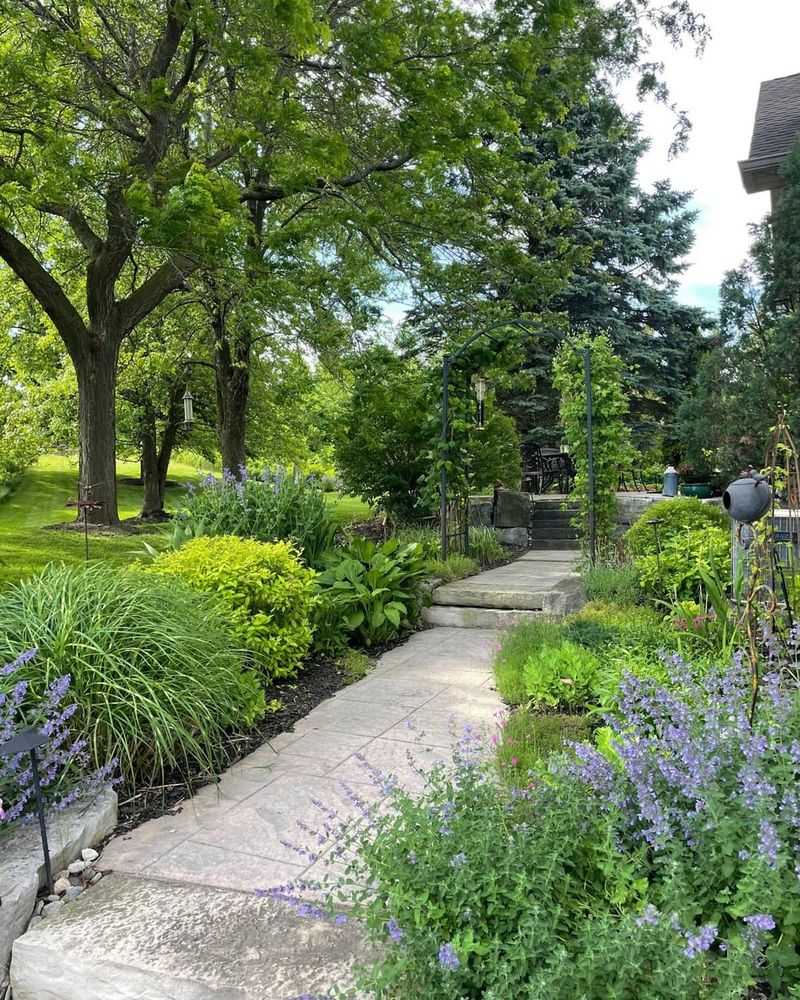
Native plants have evolved over thousands of years to thrive in Washington’s specific climate, making them incredibly low-maintenance choices.
Marianne Binetti champions species like sword ferns, Oregon grape, and salal because they require minimal water once established.
These plants naturally resist local pests and diseases, saving gardeners money on treatments and reducing chemical use in the yard.
Washington’s native flora supports local wildlife, including beneficial pollinators like bees and butterflies that help your entire garden flourish.
Planting natives means less time spent watering, fertilizing, and fussing over finicky specimens that struggle in our Pacific Northwest conditions.
Local nurseries increasingly stock native varieties, and many offer advice on which species work best for different garden situations.
Combining natives with ornamentals creates beautiful, sustainable landscapes that look great year-round without demanding constant attention from busy gardeners.
3. Time Your Pruning Correctly
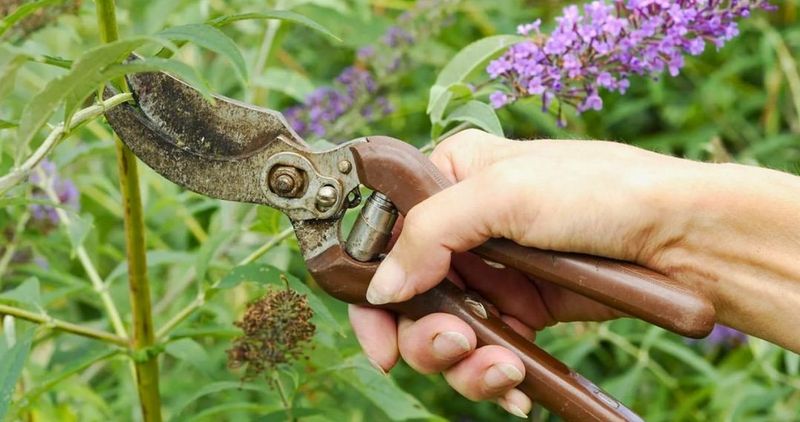
Knowing when to prune can make the difference between abundant blooms and disappointing bare branches in Washington gardens.
Marianne Binetti teaches that spring-blooming shrubs like forsythia should be pruned immediately after flowering, not in fall or winter.
Summer-blooming plants typically get pruned in late winter or early spring before new growth begins pushing through the soil.
Washington’s mild winters sometimes confuse gardeners about timing, but watching your specific plants provides the best pruning schedule clues.
Avoid heavy pruning during our wet autumn months, as open wounds on plants can invite fungal diseases common in damp conditions.
Deadheading spent flowers throughout the growing season encourages many perennials to produce additional blooms before Washington’s first frost arrives.
Your Washington Garden Changes Every Week. Your Plan Should Too.
Gardening in Washington changes quickly throughout the season. Every Friday you’ll receive a simple weekly plan showing exactly what to plant, prune, fertilize, harvest, and protect so you never miss the right timing.
Sharp, clean tools prevent ragged cuts that heal slowly, so maintain your pruning shears properly for healthier plants overall.
4. Mulch Generously to Retain Moisture
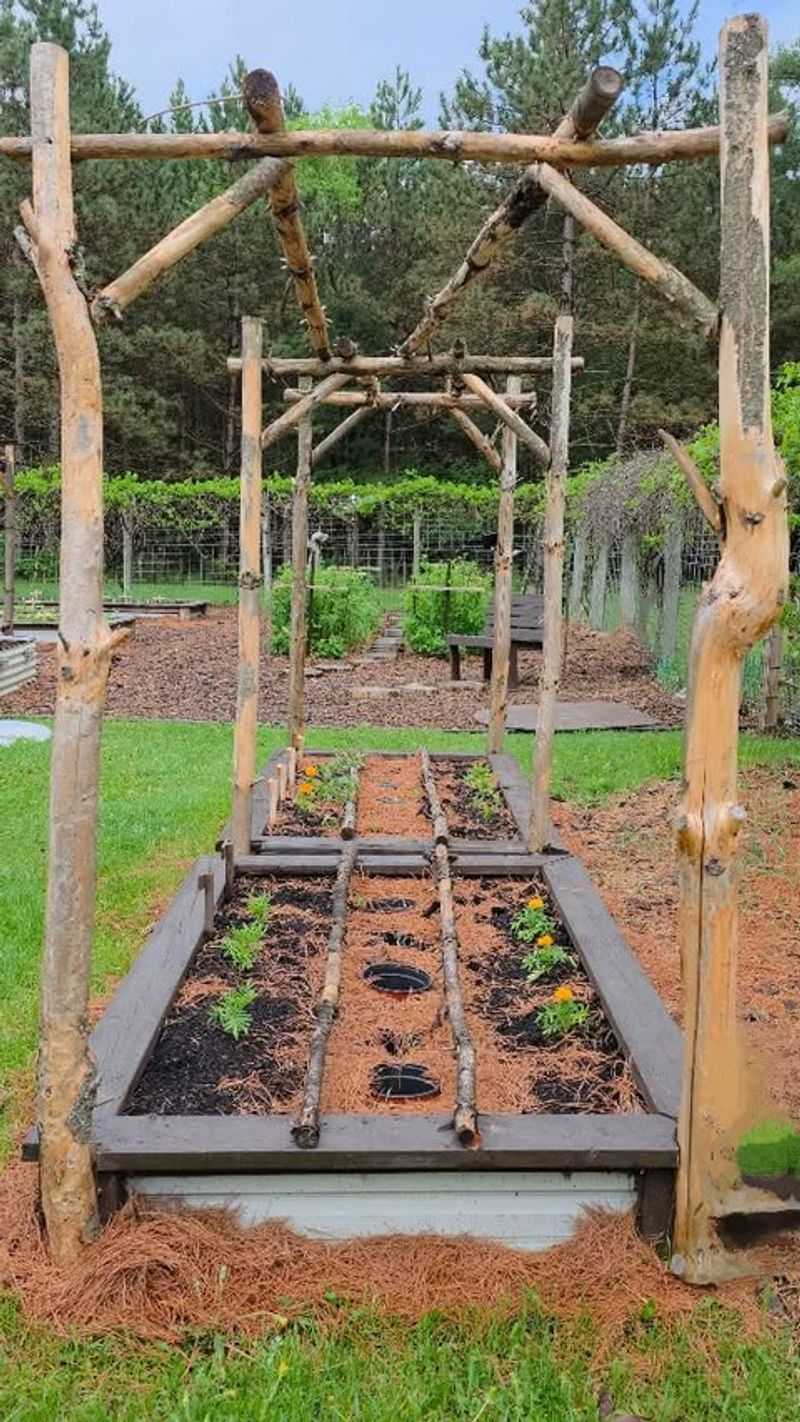
Mulching might seem simple, but this practice dramatically improves plant health and reduces maintenance time for Washington gardeners.
Marianne Binetti recommends applying a three-inch layer of organic mulch around plants to conserve moisture during our unpredictable summer droughts.
Bark chips, compost, and shredded leaves all work wonderfully while slowly breaking down to enrich Washington’s naturally rich soil.
Proper mulching suppresses weeds that compete with your desirable plants for water and nutrients throughout the growing season.
Keep mulch a few inches away from plant stems and tree trunks to prevent rot problems in our moist climate.
Washington winters can be harsh on plant roots, but mulch insulates against temperature fluctuations that stress even hardy perennials.
Refresh your mulch layer annually, adding new material as the old decomposes and settles into the soil beneath your plants.
5. Start Tomatoes Indoors in March
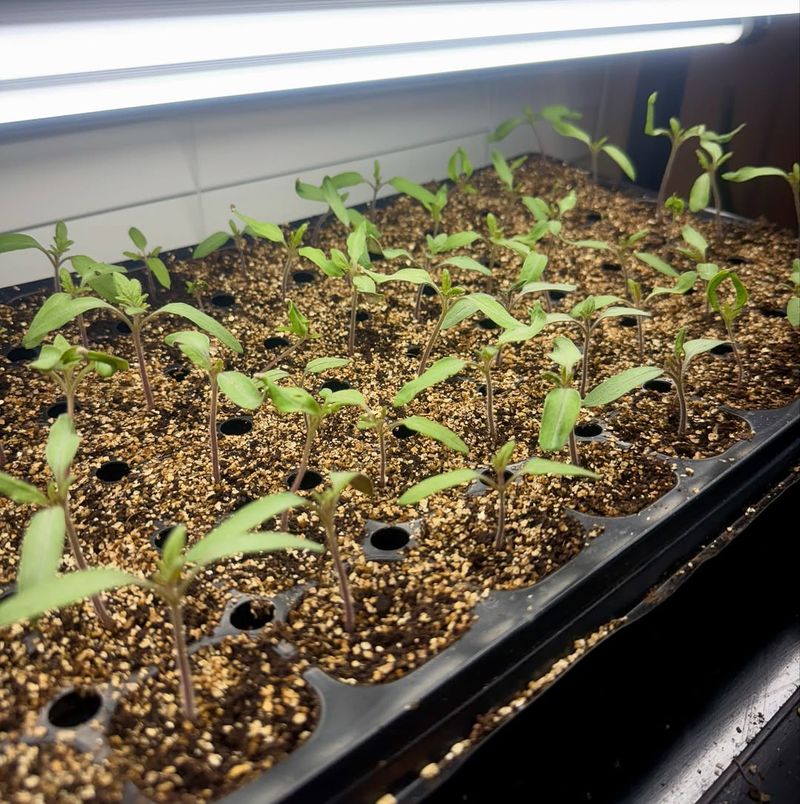
Washington’s cool spring temperatures mean tomatoes need a head start indoors if you want ripe fruit before autumn arrives.
Marianne Binetti suggests starting seeds in late February or early March, giving plants six to eight weeks to develop before transplanting.
Sunny windowsills work, but grow lights provide more consistent illumination during Washington’s cloudy early spring days and long nights.
Harden off seedlings gradually by exposing them to outdoor conditions for increasing periods before planting them in the garden.
Wait until soil temperatures reach at least 60 degrees Fahrenheit, which usually happens in mid to late May across most Washington regions.
Choose early-maturing varieties that ripen in 70 days or less, ensuring you harvest before our first fall frost arrives.
Protecting young plants with cloches or row covers extends the growing season on both ends in Washington’s unpredictable climate.
6. Amend Clay Soil with Compost
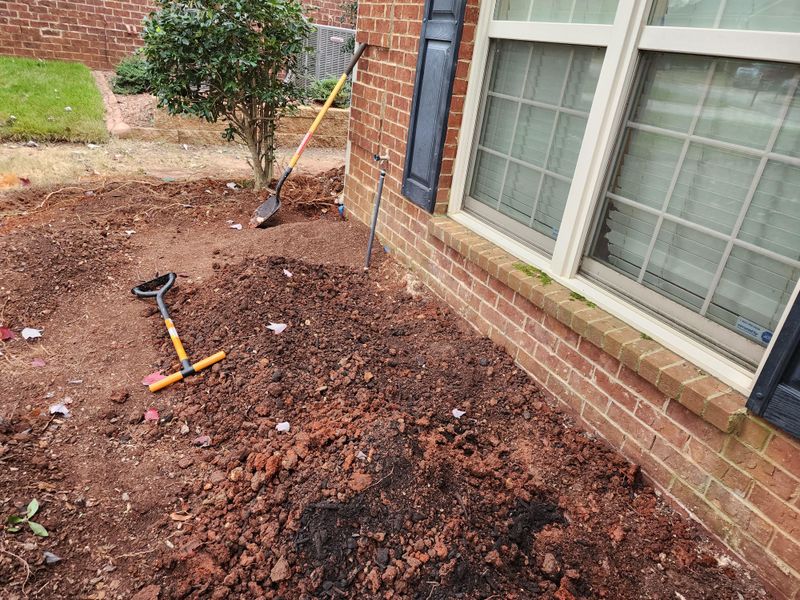
Heavy clay soil challenges many Washington gardeners, but Marianne Binetti knows that patience and compost work wonders over time.
Clay drains poorly and compacts easily, suffocating plant roots that need oxygen as much as they need water and nutrients.
Mixing generous amounts of compost into clay improves drainage while adding organic matter that feeds beneficial soil organisms throughout Washington.
Work compost into the top twelve inches of soil before planting, creating a hospitable environment where roots can spread easily.
Avoid working clay soil when it’s too wet, as this causes compaction that takes years to correct in gardens.
Washington gardeners should add compost annually, building soil structure gradually rather than expecting overnight transformation of challenging clay.
Raised beds filled with quality soil mix offer an immediate solution for areas where clay proves too stubborn to amend effectively.
7. Choose Slug-Resistant Perennials
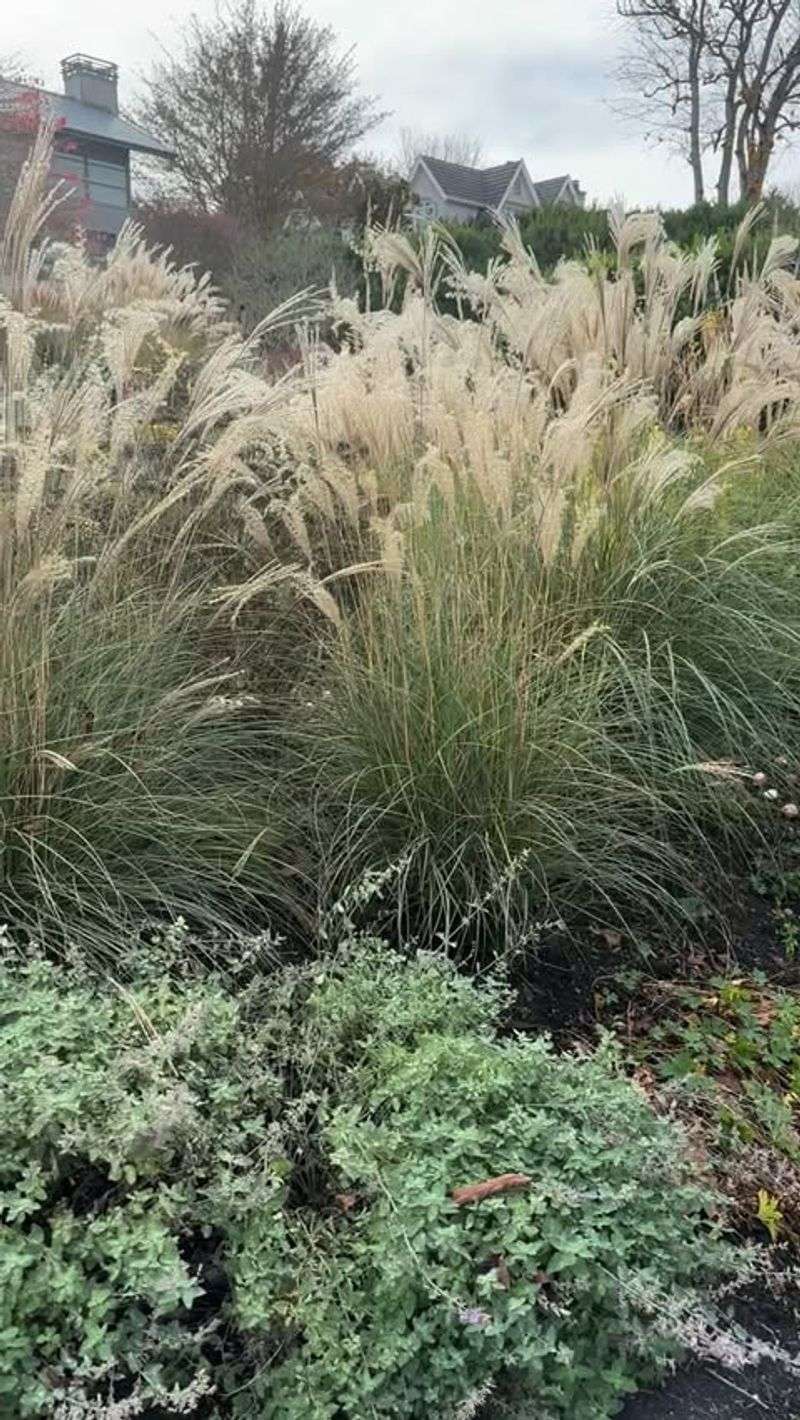
Slugs rank among the most frustrating pests for Washington gardeners, but selecting resistant plants reduces frustration and damage significantly.
Marianne Binetti points gardeners toward tough perennials like astilbe, hardy geraniums, and ornamental grasses that slugs typically avoid eating.
Plants with fuzzy, leathery, or tough leaves survive better in Washington’s slug-friendly damp climate than tender-leaved hostas and delphiniums.
Fragrant herbs like lavender, rosemary, and sage naturally repel slugs while adding wonderful scents and culinary possibilities to gardens.
Combining resistant plants with barriers like copper tape or diatomaceous earth creates multiple layers of protection for vulnerable specimens.
Encouraging natural predators such as ground beetles and birds helps control slug populations organically throughout Washington’s long growing season.
Hand-picking slugs during evening hours when they’re most active provides satisfying, immediate results for determined gardeners willing to patrol regularly.
8. Plant Bulbs in Fall for Spring Color
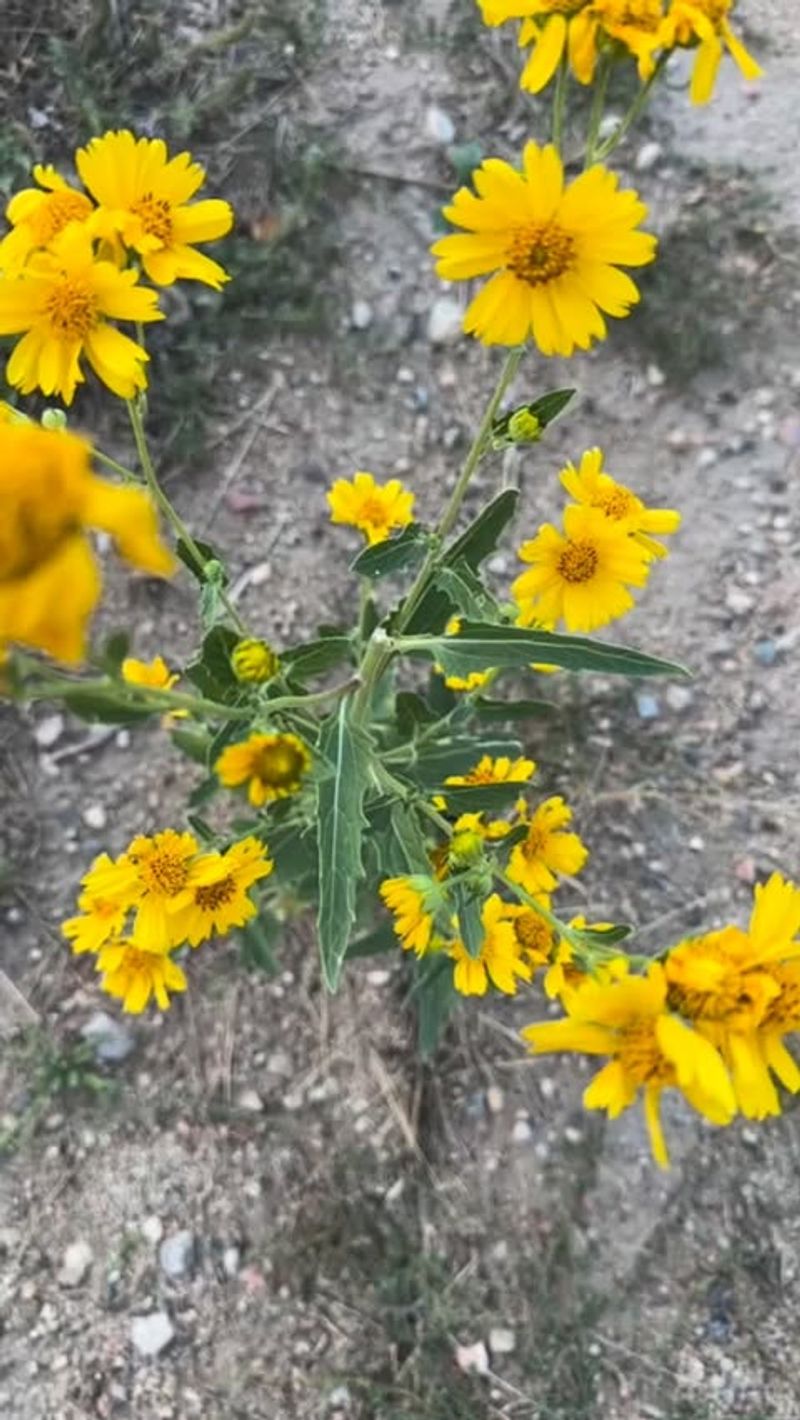
Fall planting might seem counterintuitive, but bulbs need cold winter months to develop the roots that support spectacular spring blooms.
Marianne Binetti recommends planting tulips, daffodils, and crocuses in October or November before Washington’s ground freezes solid for winter.
Choose a planting depth roughly three times the bulb’s height, ensuring adequate insulation against temperature fluctuations common in our region.
Well-drained soil prevents bulbs from rotting during Washington’s notoriously wet winter months when rain falls almost daily for weeks.
Mixing bone meal into planting holes provides slow-release phosphorus that encourages strong root development throughout the dormant season.
Squirrels and other critters love digging up fresh bulbs, so covering beds with chicken wire until ground freezes protects your investment.
Layering different bulb types at various depths creates extended bloom times, with early crocuses followed by daffodils and finally tulips.
9. Water Deeply but Infrequently
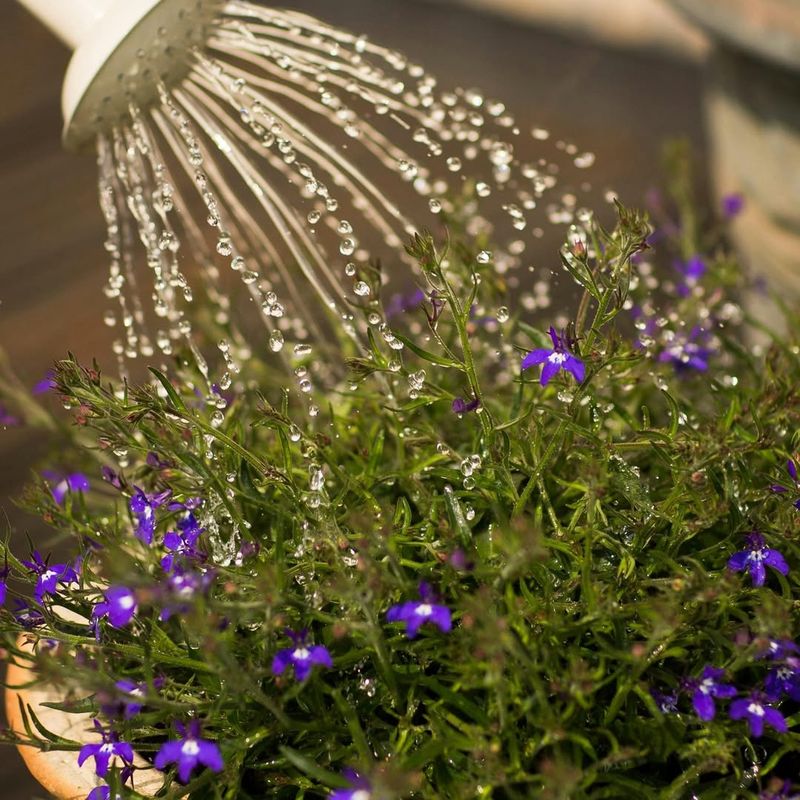
Shallow, frequent watering creates weak root systems that struggle during Washington’s occasional summer dry spells and heat waves.
Marianne Binetti advocates for deep watering sessions that encourage roots to grow downward, seeking moisture in lower soil layers.
Established plants typically need one inch of water weekly, either from rainfall or irrigation, adjusted for Washington’s varying weather patterns.
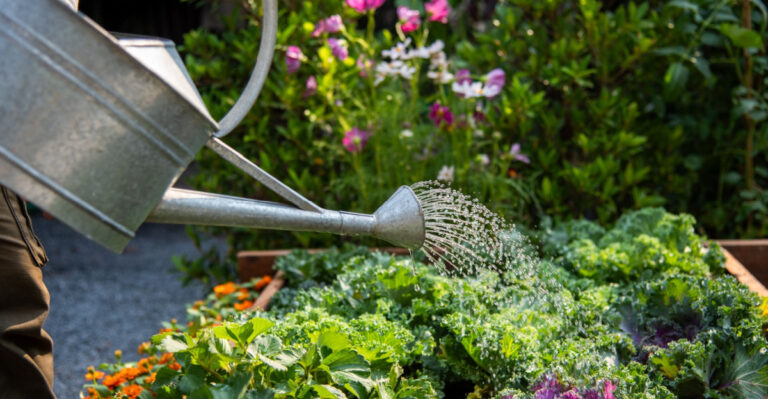
Soaker hoses and drip irrigation deliver water directly to root zones, reducing waste from evaporation and preventing fungal diseases on foliage.
Early morning watering allows foliage to dry before evening, reducing fungal problems common in Washington’s naturally humid climate conditions.
Check soil moisture by sticking your finger two inches deep; if it feels dry at that depth, your garden needs watering.
Container plants dry out faster than in-ground gardens, requiring more frequent attention during Washington’s warmest summer months when rain disappears.
10. Grow Vegetables in Raised Beds
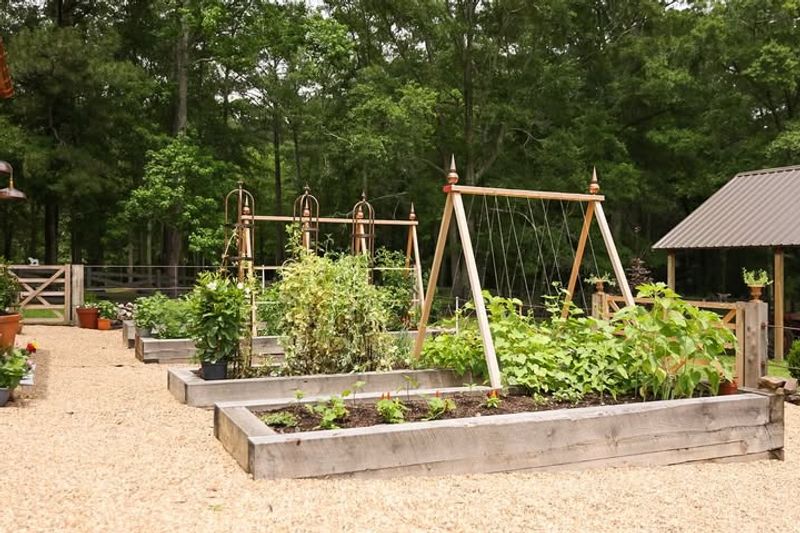
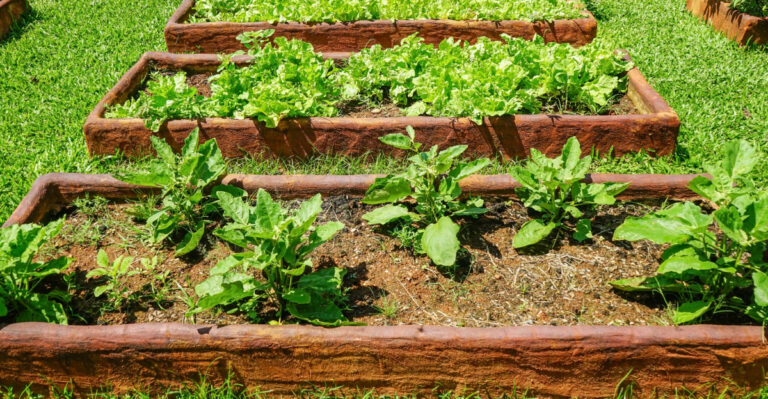
Raised beds solve multiple challenges Washington vegetable gardeners face, from poor drainage to short growing seasons and hungry slugs.
Marianne Binetti loves raised beds because they warm up faster in spring, allowing earlier planting dates in our cool climate.
Building beds twelve inches deep provides excellent drainage while giving roots plenty of space to spread in quality soil mix.
Fill beds with a blend of compost, peat moss, and vermiculite rather than relying on Washington’s native clay or sandy soils.
Elevated planting surfaces make gardening easier on backs and knees, especially important for older gardeners maintaining productive vegetable patches.
Adding hardware cloth at the bottom prevents burrowing pests from attacking roots while keeping moles out of your precious crops.
Washington gardeners can extend seasons by adding hoops and plastic covers to raised beds, protecting plants from unexpected late frosts.