10 Winter Mistakes Colorado Gardeners Should Avoid For A Better Spring Bloom
Colorado winters test every gardener’s grit.
One cold snap rolls in, and suddenly the garden stands on thin ice—literally and figuratively.
A few missteps in these snowy months throw spring plans into a tailspin, turning dream beds into cautionary tales.
Ice-packed soil, thirsty roots, and surprise chinook winds push plants to their limits, and a small oversight now grows into a mountain-sized problem by March.
With a little foresight and a dash of Rocky Mountain know-how, a gardener steps into spring with blooms that shout triumph instead of trouble.
1. Neglecting To Water During Dry Spells
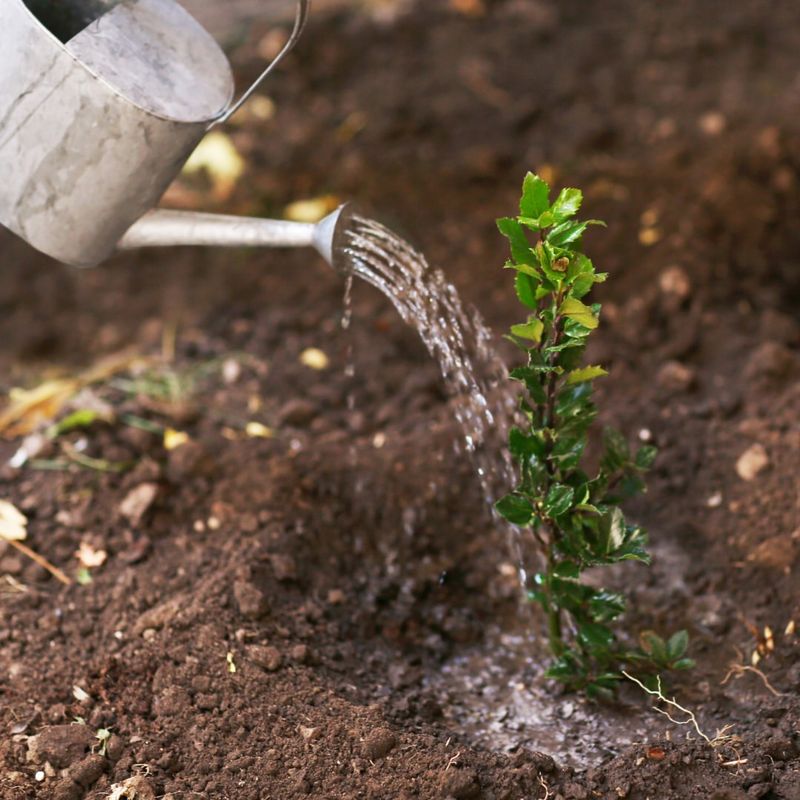
Colorado winters bring bone-dry conditions that many gardeners forget about.
Your plants still need moisture even when temperatures drop below freezing.
Evergreens, perennials, and newly planted trees continue losing water through their leaves and bark throughout winter.
Without adequate hydration, they become stressed and weakened.
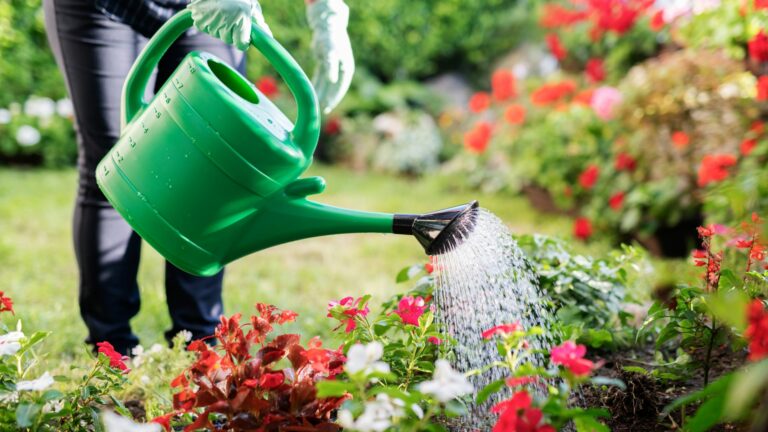
Choose days when temperatures rise above 40 degrees and the ground isn’t frozen solid.
Water thoroughly in the morning so plants can absorb moisture before evening temperatures plummet.
Focus on the root zones rather than spraying foliage.
Pay special attention to plants on the south and west sides of your home where winter sun dries soil faster.
Container plants near your house also need occasional watering since they can’t draw moisture from deeper soil layers.
Even dormant-looking plants benefit from this care.
A good soaking once or twice monthly during dry periods keeps roots healthy and ready to support vigorous spring growth.
This simple step prevents browning, branch dieback, and poor flowering when growing season returns.
Your garden will thank you with stronger, more resilient plants come April.
2. Pruning At The Wrong Time
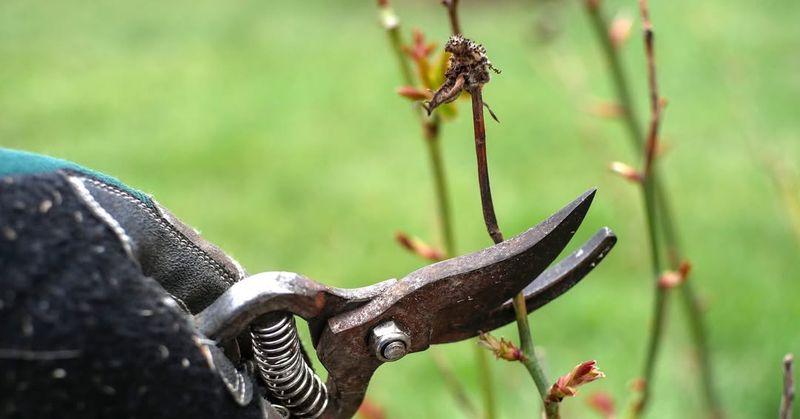
Grabbing your pruning shears too early can cost you an entire season of flowers.
Spring-blooming shrubs like lilacs, forsythia, and flowering plums set their buds during late summer and fall.
When you prune these beauties in winter, you’re actually removing next spring’s flower show.
The timing makes all the difference between a spectacular display and bare branches.
Wait until right after these shrubs finish blooming in late spring to shape them.
However, summer-blooming plants like roses and butterfly bush actually benefit from late winter pruning since they flower on new growth.
Fruit trees should also wait until late winter when the worst cold has passed but before buds swell.
Never prune when temperatures are extremely cold, as cuts won’t heal properly and can invite disease.
Avoid pruning during warm spells that might encourage new growth vulnerable to the next freeze.
If you’re unsure about a particular plant’s blooming habits, research it before making any cuts.
Taking five minutes to check can save months of disappointment.
Mark your calendar with reminders for different plant types so you never miss the optimal window again.
3. Forgetting To Protect Tender Perennials

Some perennials simply can’t handle Colorado’s temperature swings without help.
Roses, lavender, and marginally hardy plants need extra insulation to survive our unpredictable climate.
Temperature fluctuations cause more damage than steady cold ever could.
When warm days melt snow followed by freezing nights, roots heave out of the ground and become exposed.
Apply a thick layer of mulch around the base of vulnerable plants after the ground freezes in late fall.
Shredded leaves, straw, or wood chips work beautifully as protective blankets.
For roses, mound soil or compost around the base reaching eight to ten inches high.
This protects the graft union where most of the plant’s life force resides.
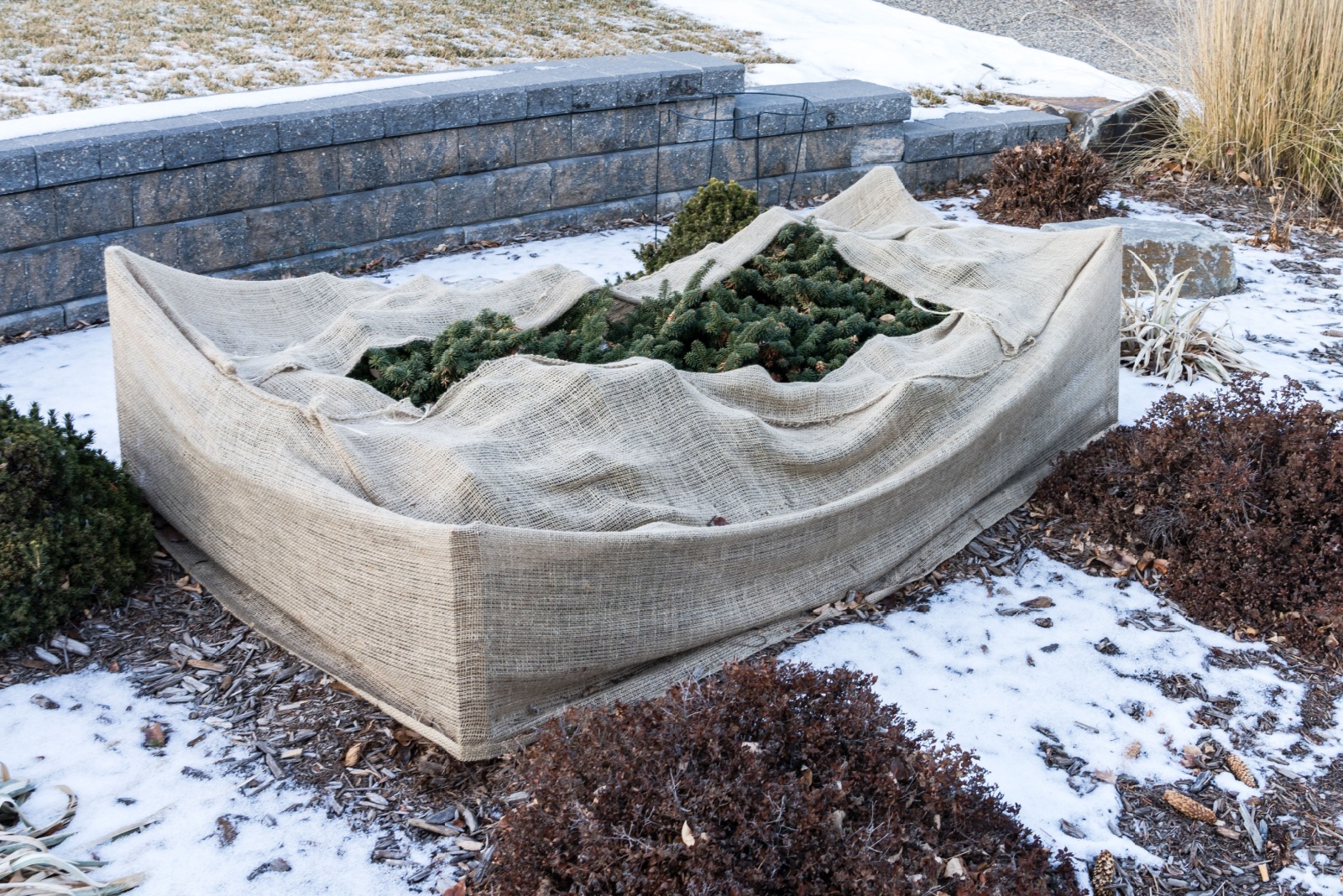
Burlap wraps shield evergreens from harsh winds and intense sun that can scorch needles.
Don’t wrap too early though, as trapped warmth invites pests and disease.
Wait until consistent freezing temperatures arrive.
Remove coverings gradually in spring as temperatures stabilize.
Sudden exposure to warm sun can shock plants emerging from their protected state.
This thoughtful protection ensures your favorite perennials return stronger and bloom more abundantly when spring finally arrives in the Rockies.
4. Applying Salt Near Garden Beds
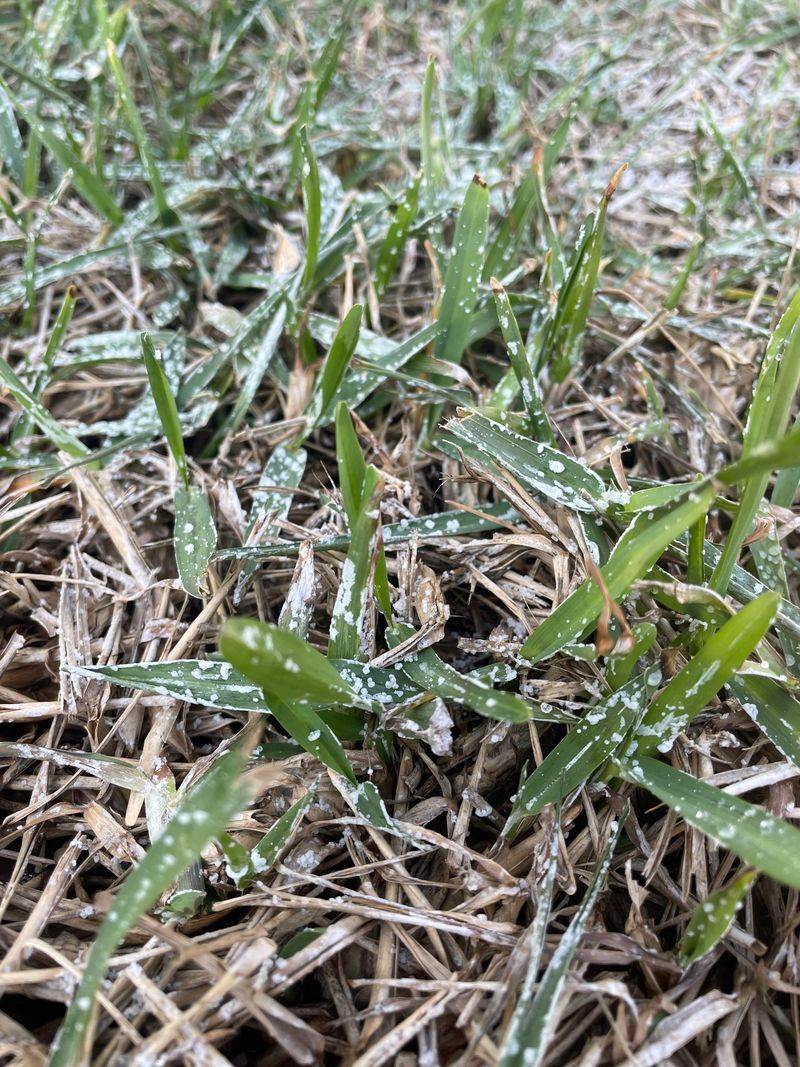
Rock salt might clear your walkways, but it’s poison for nearby plants.
Sodium chloride accumulates in soil and damages roots even when plants appear dormant.
When spring arrives and you expect gorgeous blooms, you’ll instead find stunted growth and brown leaf edges.
Salt changes soil chemistry, making it harder for roots to absorb water and nutrients.
The damage often doesn’t show up until growing season when it’s too late to fix.
Choose sand, kitty litter, or calcium chloride products for paths near planting areas.
These alternatives provide traction without harming vegetation.
If you must use salt on driveways, create barriers to prevent runoff from reaching beds.
Berms or shallow trenches redirect meltwater away from root zones.
Shovel salt-contaminated snow away from garden areas rather than piling it on beds.
That convenient snow storage spot becomes a toxic reservoir as temperatures warm.
If salt damage occurs, flush the area thoroughly with water in spring to leach sodium deeper into the soil.
Adding gypsum can help displace sodium and restore soil structure.
Prevention beats treatment every time, so plan your ice management strategy with plants in mind from the start.
5. Leaving Diseased Plant Material In Beds
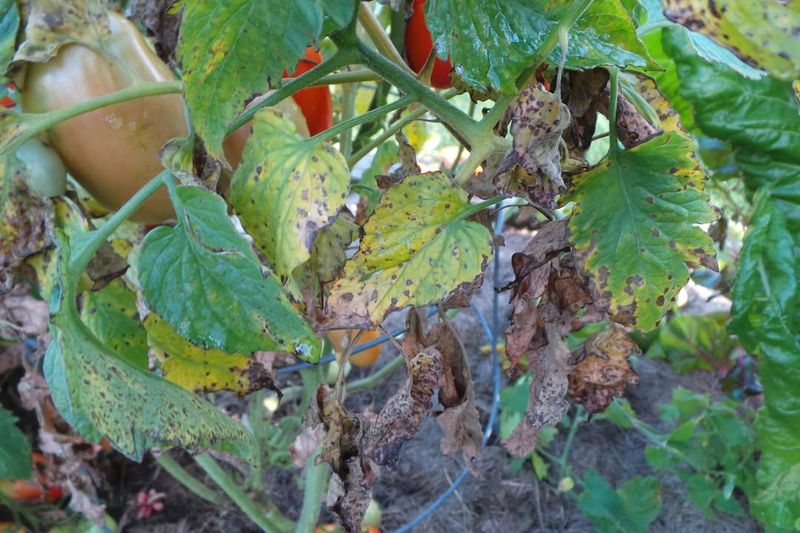
What you leave behind in fall determines what problems you face in spring.
Fungal spores, bacterial infections, and pest eggs overwinter happily in plant debris.
Come warmer weather, these problems explode across your fresh new growth.
Powdery mildew on old phlox leaves will reinfect new shoots.
Black spot spores from rose foliage survive freezing temperatures just fine.
Tomato blight lingers in soil and on old stems, ready to ruin next year’s crop.
Remove and dispose of any diseased material before winter truly sets in.
Don’t compost infected plants unless your pile reaches temperatures above 140 degrees consistently.
Most home compost systems never get hot enough to destroy pathogens.
Bag diseased material and send it to the landfill instead.
Clean up fallen fruit from beneath trees since rotting apples and pears harbor pests and disease.
Sanitize your pruning tools with rubbing alcohol or bleach solution between cuts on different plants.
This prevents spreading problems from one plant to another.
A thorough fall cleanup takes extra time but saves countless headaches later.
You’ll start spring with a clean slate instead of fighting last year’s battles all over again.
6. Ignoring Snow Load On Shrubs And Trees
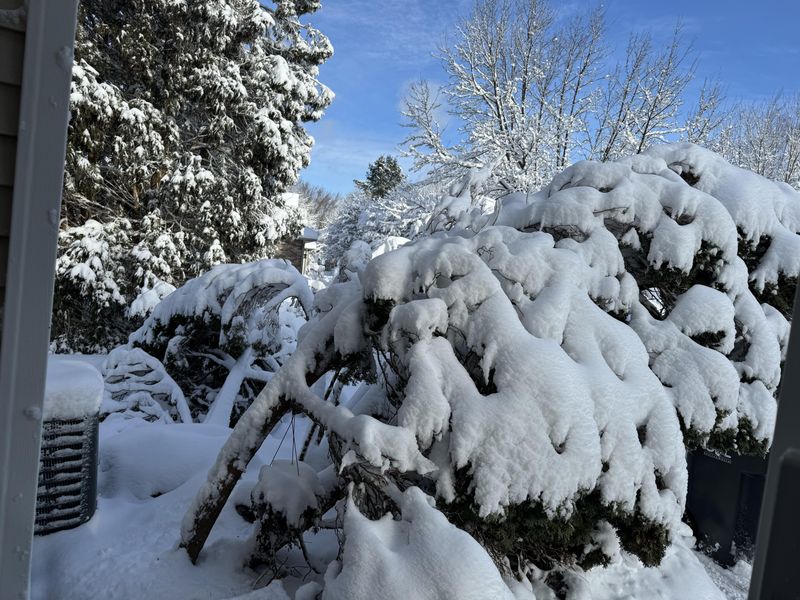
Colorado’s heavy, wet spring snow can snap branches like toothpicks if left unchecked.
While light, fluffy snow rarely causes problems, the dense stuff that falls in March and April weighs a ton.
Evergreens with their year-round foliage catch and hold tremendous amounts of snow.
Branches bend under the weight, and sometimes they don’t spring back.
Gently brush snow off shrubs and small trees after heavy storms using an upward sweeping motion.
Never shake branches violently, as frozen wood becomes brittle and breaks easily.
Work from bottom to top so falling snow doesn’t reload lower branches you’ve already cleared.
For taller trees beyond your reach, let nature take its course rather than risking injury.
Healthy, properly pruned trees usually survive snow load just fine.
Young or newly planted specimens need more attention since their root systems haven’t fully established.
Consider wrapping multi-stemmed evergreens loosely with twine before winter to keep branches together.
This prevents them from splaying apart under snow weight.
Remove the binding in spring once heavy snow season passes.
A few minutes of snow removal after each storm preserves the shape and health of your landscape investments.
7. Overfeeding Or Fertilizing Too Early
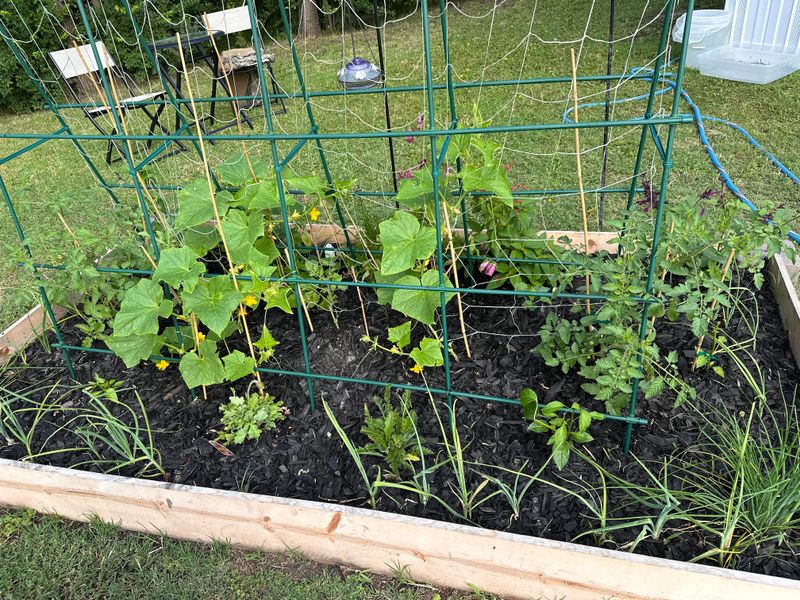
Patience is everything when it comes to spring fertilizing in Colorado’s unpredictable climate.
Applying fertilizer too early pushes plants to produce tender new growth vulnerable to late frosts.
We’ve all seen those gorgeous 70-degree days in February that tempt us to start gardening.
Resist the urge because Old Man Winter always returns with a vengeance.
Fertilizer stimulates growth that frozen temperatures will damage or destroy.
Wait until your last expected frost date passes before feeding most plants.
For the Front Range, that’s typically mid to late May.
Mountain areas should wait even longer, sometimes into early June.
Early feeding also wastes money since dormant plants can’t absorb nutrients efficiently.
Excess fertilizer washes away with snowmelt or sits unused in cold soil.
When you do fertilize, choose slow-release formulas that feed plants gradually over months.
These products work with soil temperature, releasing nutrients as plants actually need them.
Quick-release fertilizers cause rapid, weak growth prone to pest and disease problems.
Mark your calendar for appropriate feeding times rather than going by weather whims.
Your plants will develop stronger, healthier growth that can withstand whatever Colorado throws at them.
8. Walking On Frozen Or Wet Soil
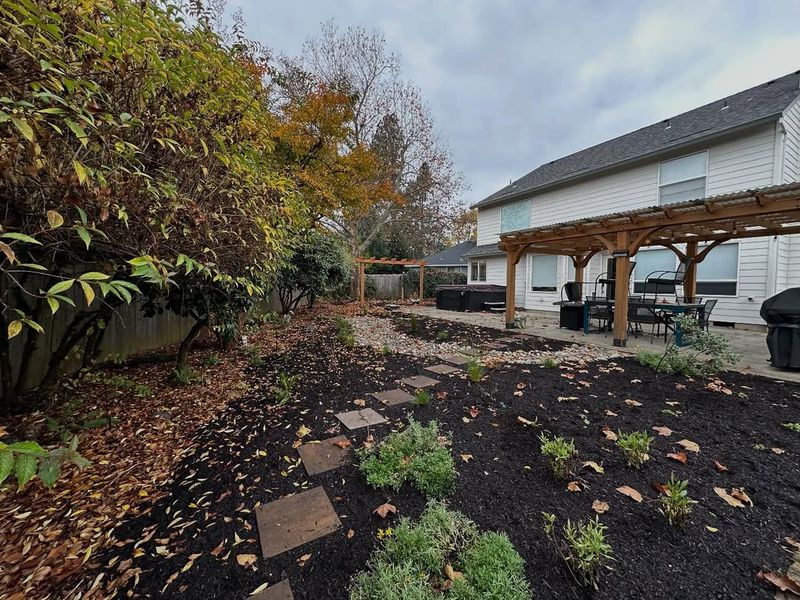
Your boots might not seem heavy, but they’re compacting soil with every step you take.
Compacted soil lacks the air spaces roots need to grow and breathe properly.
When soil is frozen or saturated with snowmelt, it’s especially vulnerable to compression damage.
Clay soils, common along the Front Range, suffer the most from compaction.
Once compressed, clay particles stick together like concrete, creating an impenetrable barrier for roots.
Water can’t drain properly, leading to soggy conditions that harm plant health.
Stay off garden beds entirely during winter and early spring when soil is wet or frozen.
Create permanent pathways using stepping stones, pavers, or mulched trails.
These designated routes let you access plants without damaging growing areas.
If you must enter a bed, use a board or plank to distribute your weight over a larger area.
This reduces pressure on any single spot.
Wait until soil dries out somewhat in late spring before working in beds.
Squeeze a handful of soil to test readiness.
If it forms a tight ball that doesn’t crumble, it’s too wet.
When it breaks apart easily, soil structure can handle foot traffic without lasting damage to your garden’s foundation.
9. Failing To Monitor For Winter Pests
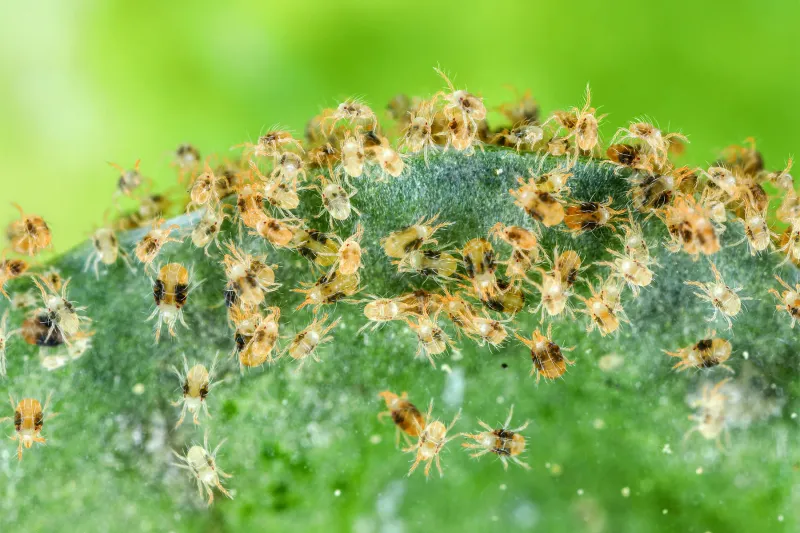
Just because you can’t see pests doesn’t mean they aren’t actively damaging your plants.
Voles tunnel under snow cover, gnawing bark from tree trunks and shrub bases.
These little rodents can girdle a young tree completely, dooming it by spring.
Rabbits and deer browse on tender bark and buds when other food sources disappear under snow.
Spider mites thrive on stressed evergreens during dry winter conditions.
Check plants regularly throughout winter, especially after storms when snow provides pest cover.
Look for tracks, droppings, or gnaw marks around valuable plants.
Install hardware cloth cylinders around young tree trunks, extending above expected snow depth.
This physical barrier stops voles and rabbits from reaching bark.
Push the barrier slightly into the ground to prevent tunneling underneath.
Repellents work temporarily but need reapplication after each snow or rain.
For spider mites, spray dormant oil on evergreens during warm days above 40 degrees.
This smothers overwintering eggs before populations explode in spring.
Clear away mulch and debris from tree bases where voles like to nest.
Maintaining a pest-free zone around trunks reduces hiding spots and discourages winter damage that weakens plants for the coming season.
10. Skipping Mulch Renewal
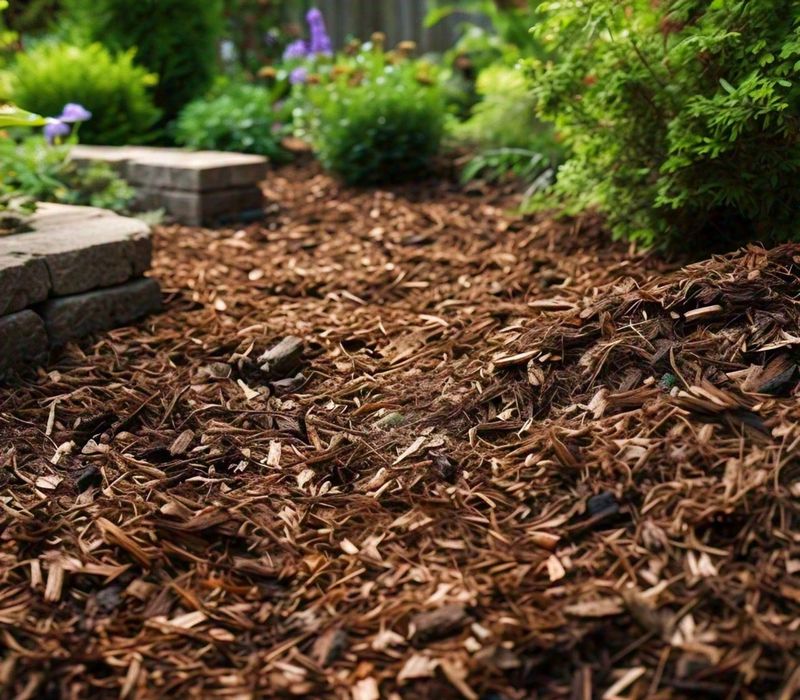
Mulch does more than make your beds look tidy and finished.
It insulates soil, moderates temperature swings, and protects roots from harsh conditions.
Old mulch breaks down over the growing season, losing its effectiveness by winter.
A thin mulch layer offers little protection against Colorado’s extreme temperature fluctuations.
Bare soil freezes and thaws repeatedly, heaving plants out of the ground and exposing roots to damaging cold.
Apply fresh mulch in late fall after the ground begins freezing but before heavy snow arrives.
Spread a three to four inch layer around perennials, shrubs, and trees.
Keep mulch pulled back a few inches from plant stems and tree trunks to prevent rot and pest problems.
Shredded bark, wood chips, or pine needles all work well for winter protection.
Avoid piling mulch too deeply, as excessive layers can smother roots and create habitat for rodents.
Proper mulching maintains more consistent soil temperatures throughout winter.
This reduces stress on plant roots and helps them emerge healthier in spring.
The small investment in mulch pays off with stronger plants, fewer losses, and better blooms when warm weather finally returns to stay.