The Best Winter Bloom Gardens To Explore Across Alabama
Winter might quiet the landscape, but Alabama holds a few surprises that refuse to fade into the background.
While many gardens across the country rest under frost, pockets of color burst to life here, bright enough to lift any gray day.
I still remember wandering through my first winter bloom garden in Alabama, expecting bare branches only to find camellias shining like jewels and fragrant shrubs waking up the season.
These gardens feel almost magical in the cooler months, offering a warm welcome when the rest of the world slows down.
Paths glow with evergreen textures, soft petals open against the crisp air, and every turn reveals something blooming against the odds.
Visiting these places feels like stepping into a quiet celebration of resilience and charm.
For anyone craving a splash of beauty during the winter lull, Alabama’s blooming gardens stand ready to brighten the season with color that refuses to hide.
1. Bellingrath Gardens And Home
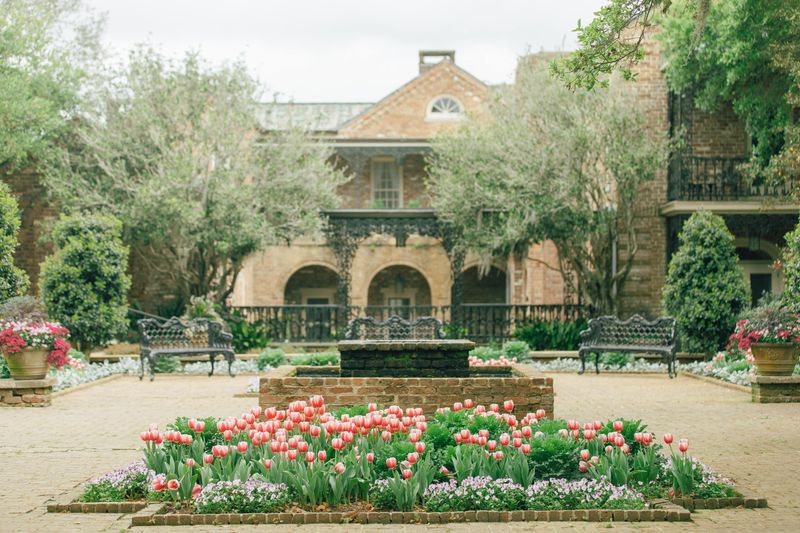
Bellingrath Gardens near Mobile stands as one of the South’s most spectacular year-round garden destinations, but winter reveals a side of this property that many people never get to experience.
Situated at 12401 Bellingrath Gardens Rd, Theodore, AL 36582, just 20 minutes from downtown Mobile, this 65-acre estate was created by Walter and Bessie Bellingrath in the 1930s.
Their vision was a garden that would offer beauty every single day of the year, and winter proves they succeeded.
The winter blooms here are nothing short of spectacular, with over 2,000 azalea plants providing structure while camellias steal the show.
Some camellia varieties here are rare and can’t be found in many other gardens.
The Fowl River provides a stunning backdrop, and on clear winter days, the water reflects the garden’s colors like a mirror.
What makes Bellingrath special in winter is the Magic Christmas in Lights display that runs from late November through December.
More than three million lights transform the gardens into a glowing wonderland, combining natural winter blooms with festive illumination.
Even after the holiday lights come down in January, the gardens remain vibrant with winter jasmine, winter honeysuckle, and early-blooming bulbs.
The Bellingrath Home, a historic mansion on the property, offers tours that provide warmth on particularly cold days.
Inside, you’ll find beautiful antiques and learn about the family’s fascinating history.
The gardens include several distinct areas, the Rose Garden, Oriental-American Garden, and Great Lawn, each offering different perspectives on winter beauty.
Birds are particularly active here during winter months, making it a favorite spot for birdwatchers.
The garden’s location near the Gulf Coast means temperatures rarely drop to freezing, allowing more delicate plants to thrive throughout winter.
2. Huntsville Botanical Garden
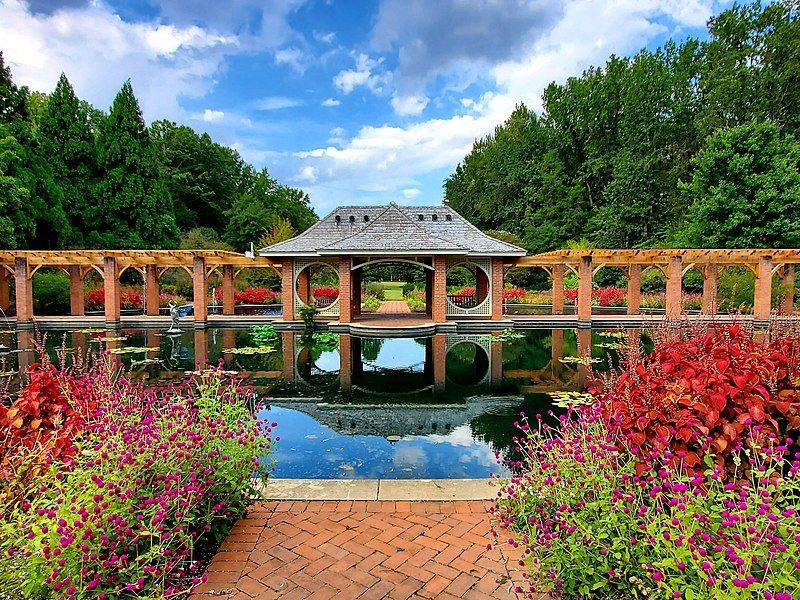
Up in North Alabama, Huntsville Botanical Garden offers a completely different winter experience than gardens in the southern part of the state.
Located at 4747 Bob Wallace Ave SW, Huntsville, AL 35805, this 112-acre garden experiences colder temperatures that create unique opportunities for winter interest plants.
The garden’s design takes full advantage of Alabama’s varied winter climate.
Your Alabama Garden Changes Every Week. Your Plan Should Too.
Gardening in Alabama changes quickly throughout the season. Every Friday you’ll receive a simple weekly plan showing exactly what to plant, prune, fertilize, harvest, and protect so you never miss the right timing.
Huntsville Botanical Garden gained national attention for its incredible Galaxy of Lights display, which has become one of the largest light shows in the Southeast.
Running from mid-November through early January, this spectacular event features millions of twinkling lights arranged in creative displays throughout the garden.
Visitors can walk through glowing tunnels, see animated light sculptures, and enjoy holiday music while sipping hot chocolate.
But the garden’s winter appeal extends far beyond the holiday season.
The aquatic garden, though dormant in summer’s sense, takes on a serene beauty with ornamental grasses turning golden and seedheads creating architectural interest.
The Nature Center remains open year-round, offering educational programs about how plants and animals survive Alabama winters.
Kids especially enjoy learning about hibernation, migration, and adaptation strategies.
The Children’s Garden might seem less active in winter, but it still offers hands-on learning opportunities about seasonal changes.
Families can participate in scavenger hunts looking for winter berries, evergreen plants, and animal tracks in mulched areas.
The Purdy Butterfly House closes during coldest months, but reopens in late winter when temperatures begin warming.
One unique feature here is the way the garden staff uses winter as a teaching season, offering workshops on pruning, winter plant identification, and preparing gardens for spring.
The gift shop stocks locally made items perfect for holiday shopping or treating yourself to garden-themed treasures.
3. Mobile Botanical Gardens
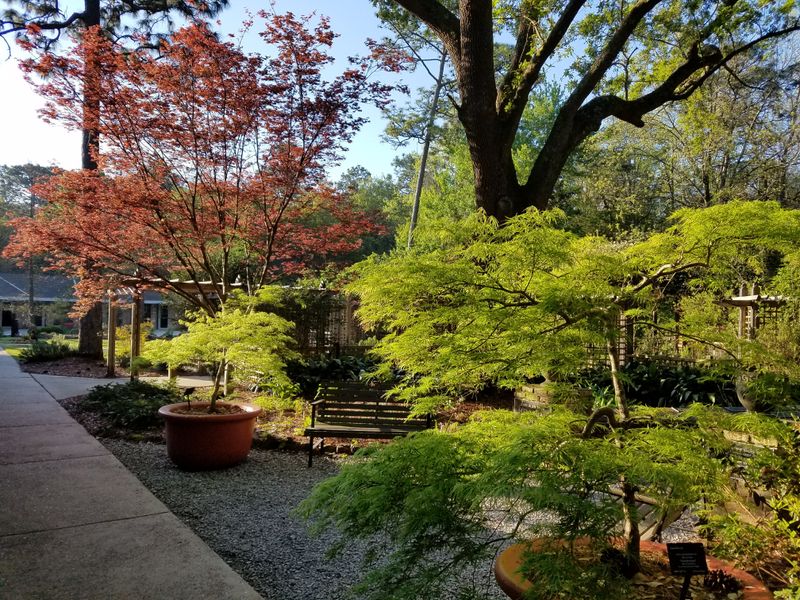
Mobile Botanical Gardens takes a different approach than many formal gardens, focusing on native plants and natural ecosystems that thrive in Alabama’s Gulf Coast climate.
Located at 5151 Museum Dr, Mobile, AL 36608, this 100-acre garden feels more like a nature preserve than a traditional botanical garden, which gives it special charm during winter months.
The garden’s emphasis on native plants means many species here are perfectly adapted to Alabama’s winter conditions.
Winter is actually an ideal time to visit Mobile Botanical Gardens because the cooler weather makes hiking the trails much more comfortable than summer’s heat and humidity.
The Camellia Collection here is recognized nationally, with the garden serving as a test site for the American Camellia Society.
Hundreds of camellia varieties bloom from October through March, creating waves of color when most people assume gardens are sleeping.
The Rhododendron Garden also begins showing activity in late winter, with early varieties starting to bloom in February.
What sets this garden apart is its network of nature trails that wind through longleaf pine forests and native plant communities.
These trails remain open and accessible throughout winter, offering peaceful walks where you might spot winter birds, interesting fungi, and the garden’s resident wildlife.
The Hare Garden, designed for children, includes interactive elements that work year-round.
Kids can learn about plant life cycles, seasonal changes, and how gardens change throughout the year.
The garden hosts a Winter Lecture Series featuring experts on topics like winter pruning, cold-hardy plant selection, and creating four-season landscapes.
These educational programs help visitors understand that gardens never truly rest—they’re just resting differently.
The Exploreum Museum sits adjacent to the gardens, providing an excellent indoor option if weather turns particularly cold or rainy.
Admission to Mobile Botanical Gardens is free, though donations are encouraged to support ongoing conservation and education programs.
4. The Arboretum At Tannehill Ironworks Historical State Park
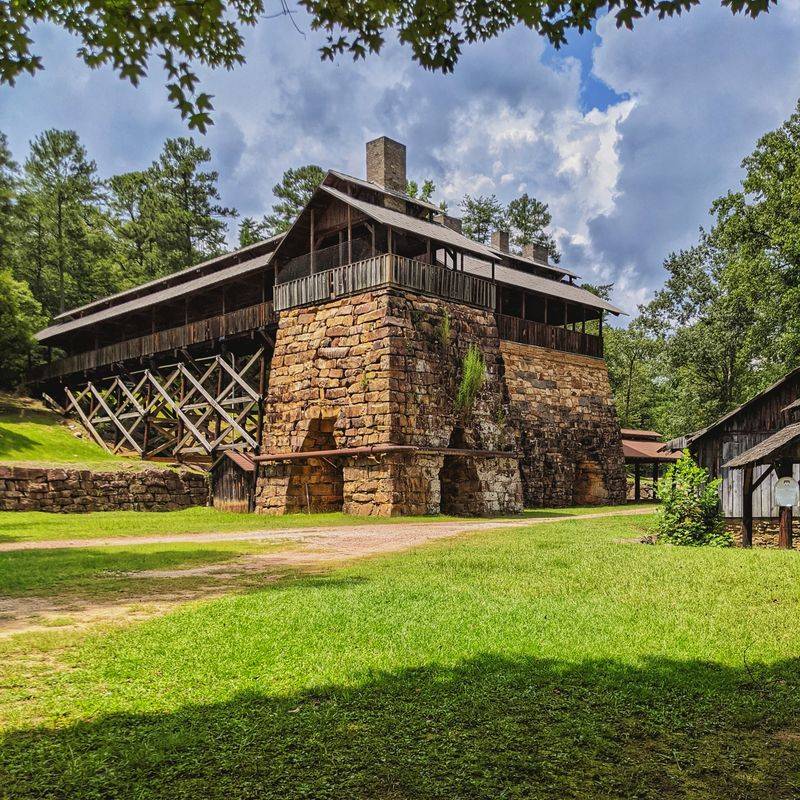
Combining natural beauty with fascinating history, the Arboretum at Tannehill Ironworks Historical State Park offers a unique winter garden experience you won’t find anywhere else in Alabama.
Located at 12632 Confederate Pkwy, McCalla, AL 35111, about 30 minutes south of Birmingham, this site blends botanical collections with preserved Civil War-era ironworks.
The combination creates an educational adventure that appeals to history buffs and garden lovers alike.
The arboretum section features labeled trees and shrubs that demonstrate how different species look during winter dormancy.
This educational approach helps visitors learn to identify plants by bark texture, branch structure, and growth habits rather than just leaves and flowers.
It’s like learning a secret language that most people never notice.
Winter reveals the bones of the landscape here in ways that summer’s lush growth conceals.
The historic iron furnaces, preserved buildings, and old mill sites become more visible when vegetation dies back.
You can really appreciate the engineering and craftsmanship of these 1800s structures when they’re not hidden behind leaves.
Several winter-blooming plants have been added throughout the grounds, including witch hazel varieties that produce spidery yellow or red flowers even when temperatures drop below freezing.
These unexpected blooms create magical moments during winter walks.
The park’s trail system remains open year-round, offering over 20 miles of hiking paths through varied terrain.
Winter hiking here is particularly pleasant because cooler temperatures make the elevation changes easier to manage, and you won’t encounter summer’s insects.
The park hosts special events throughout winter, including living history demonstrations where costumed interpreters show how people lived and worked at the ironworks during the 1800s.
These programs are especially popular during holiday seasons when traditional crafts and cooking are demonstrated.
There’s a small admission fee for the park, but it’s very reasonable and supports ongoing preservation and interpretation efforts.
5. Noccalula Falls Park And Botanical Gardens

Noccalula Falls Park in Gadsden combines dramatic natural features with carefully cultivated gardens, creating winter scenery that feels almost magical.
Located at 1500 Noccalula Dr, Gadsden, AL 35904, this park centers around a spectacular 90-foot waterfall that actually becomes more impressive during winter months when increased rainfall creates powerful cascades.
The mist from the falls sometimes freezes on nearby rocks and plants, creating icy sculptures that glisten in winter sunlight.
The botanical garden areas throughout the park feature winter-interest plants strategically placed to provide color and texture when deciduous trees are bare.
Camellias, winter daphne, and ornamental grasses create focal points along pathways that lead to various viewpoints of the falls.
The contrast between the rushing water and quiet garden spaces creates a sensory experience that changes with each season.
Winter is actually one of the best times to photograph the falls because the bare trees don’t obstruct views and the angle of winter sunlight creates beautiful effects on the water.
The gorge trail, which takes visitors to the base of the falls, remains open during winter and offers completely different perspectives on the landscape.
Looking up at the falls from below, surrounded by rock walls and winter vegetation, feels like discovering a hidden world.
The park also includes a pioneer village with historic buildings that are particularly atmospheric during winter.
Seeing these old structures surrounded by bare trees and winter gardens helps visitors imagine what life was like for early Alabama settlers during harsh winter months.
A miniature train ride operates year-round, weather permitting, offering a fun way for families to tour the park when walking feels too cold.
The campground stays open for winter camping enthusiasts who enjoy the park’s peaceful off-season atmosphere.
Special events like holiday light displays and winter festivals add extra reasons to visit during coldest months.
The park charges a modest admission fee that helps maintain the trails, gardens, and historic structures throughout the property.