Why Utah Homeowners Are Embracing Drought-Safe Plants This Winter
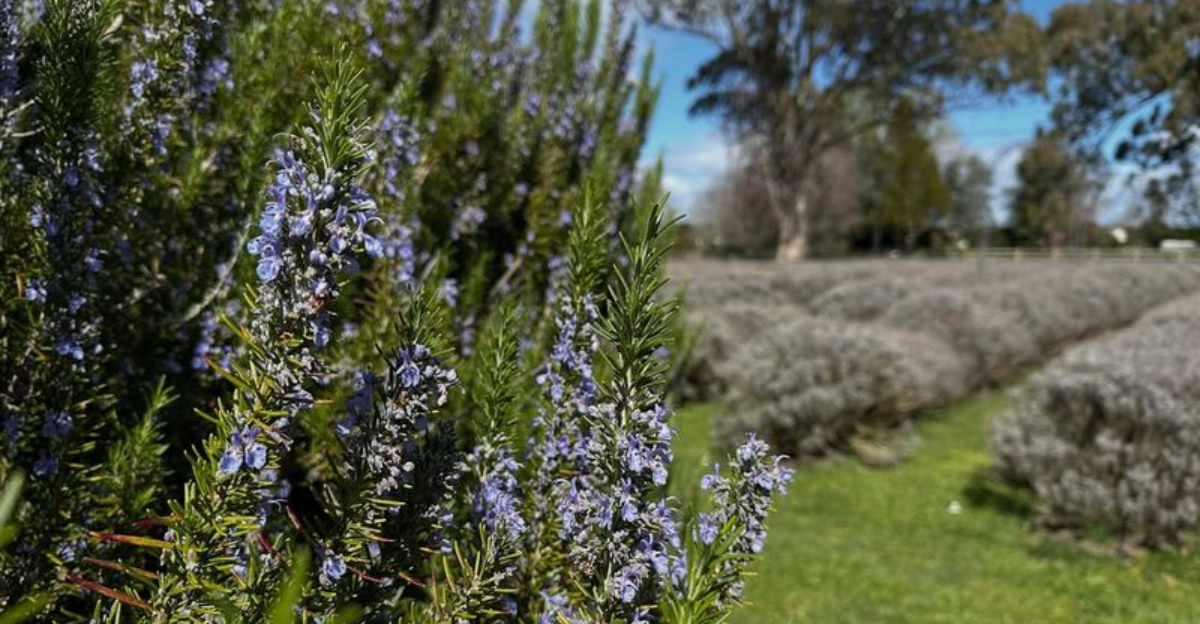
Utah’s dry winters often test the patience of even the most seasoned gardeners, yet a quiet shift is taking root across neighborhoods.
More homeowners are turning to drought-safe plants that take harsh conditions in stride and still manage to bring life to the landscape.
These hardy varieties soak up sunshine, shrug off cold snaps, and keep their color long after thirstier plants give up the fight.
Their resilience fits the rhythm of Utah’s climate, offering beauty without constant care or heavy watering
As water concerns grow and winter temperatures swing from mild to biting, these plants stand as steady anchors in yards that once struggled to stay green.
Their low-maintenance charm appeals to busy households, while their natural toughness keeps gardens looking lively through the chill.
With each passing season, drought-safe plants prove that winter landscaping can thrive with smart choices and a touch of local know-how, turning simple yards into dependable year-round showcases.
1. Massive Water Savings Throughout The Year
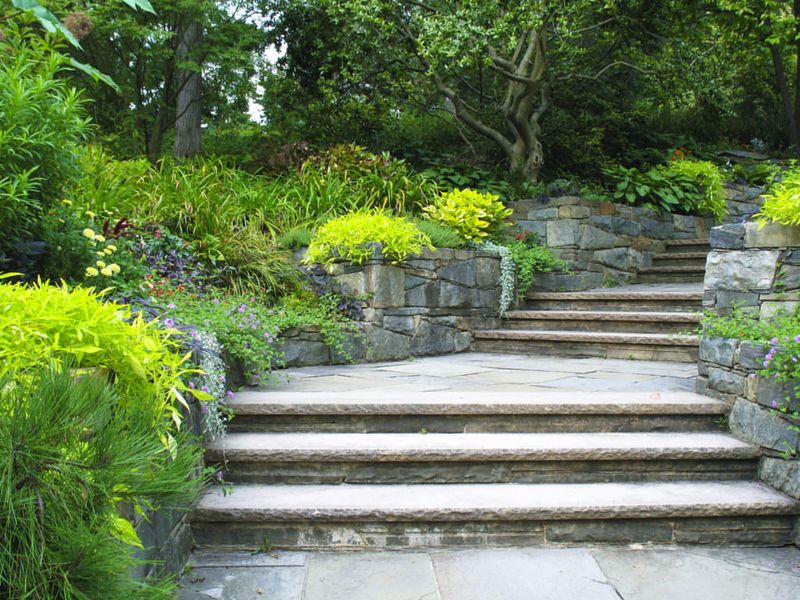
Water bills in Utah can skyrocket during summer months when traditional lawns and thirsty plants demand constant irrigation.
Drought-safe plants use significantly less water, sometimes up to 75% less than conventional landscaping choices.
This means homeowners can enjoy beautiful outdoor spaces without watching their utility costs climb higher each month.
Many Utah residents are surprised to learn just how much money they save after switching to drought-tolerant varieties.
A typical family might spend hundreds of dollars annually watering their lawn and garden.
With drought-safe plants, that expense drops dramatically because these species have evolved to survive with minimal moisture.
Winter is actually the perfect time to plan and plant these water-wise options.
The cooler temperatures give roots time to establish before the hot summer arrives.
When spring comes, your new plants will already be settled in and ready to thrive with little extra watering.
Utah’s water resources are precious, and conservation efforts matter more than ever.
By choosing plants adapted to arid conditions, homeowners contribute to broader community water-saving goals.
These plants don’t just save money, they help preserve water for future generations while keeping yards looking fresh and vibrant year-round.
2. Low Maintenance Means More Free Time
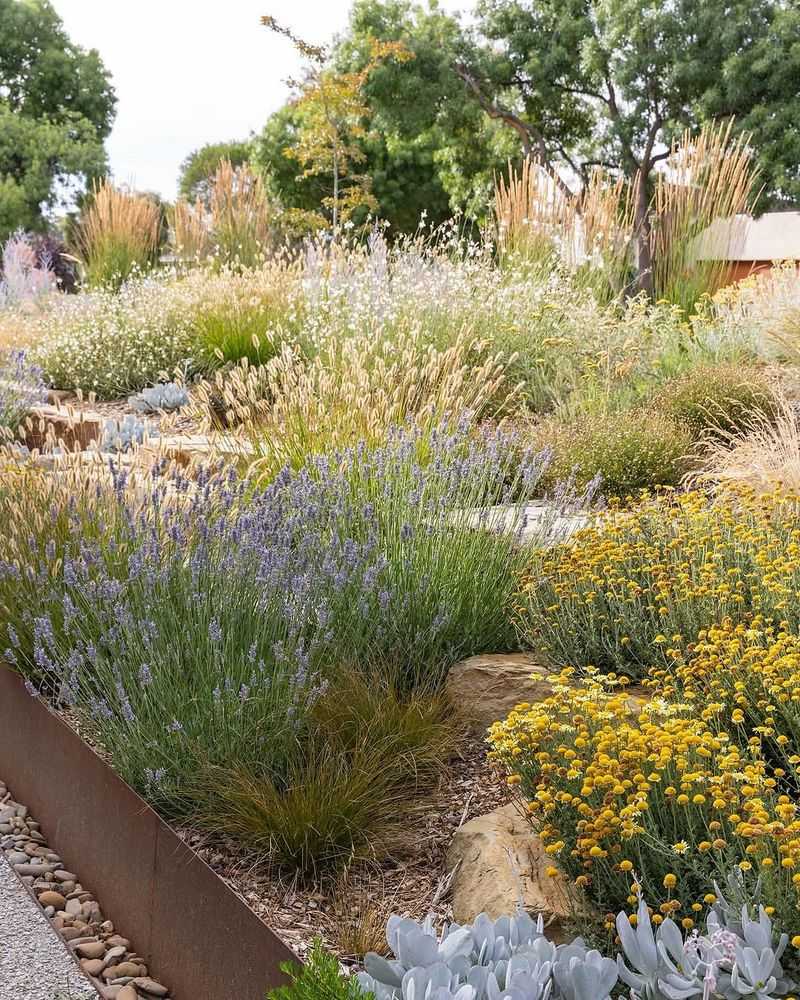
Imagine spending your weekends relaxing instead of constantly mowing, watering, and fussing over demanding plants.
Drought-safe plants require far less attention than traditional landscaping, giving Utah homeowners their precious free time back.
These hardy species don’t need frequent trimming, special fertilizers, or constant monitoring to stay healthy.
Traditional gardens often require multiple hours each week for basic upkeep.
Between watering schedules, fertilizing routines, and pest control measures, the time commitment adds up quickly.
Drought-tolerant plants simplify everything because they’re naturally adapted to survive without intensive care.
Winter planting gives these low-maintenance beauties a head start.
Once established, many drought-safe varieties practically take care of themselves.
They don’t demand daily watering or weekly attention, which is perfect for busy families juggling work, school activities, and other responsibilities.
Utah homeowners appreciate having attractive yards without the endless chores.
Your Utah Garden Changes Every Week. Your Plan Should Too.
Gardening in Utah changes quickly throughout the season. Every Friday you’ll receive a simple weekly plan showing exactly what to plant, prune, fertilize, harvest, and protect so you never miss the right timing.
Drought-safe plants resist local pests better and handle temperature fluctuations without special protection.
This resilience means fewer emergency trips to the garden center and less money spent on treatments and supplements.
Your yard becomes a source of pride rather than a constant project demanding attention every single weekend.
3. Perfect Adaptation To Utah’s Unique Climate
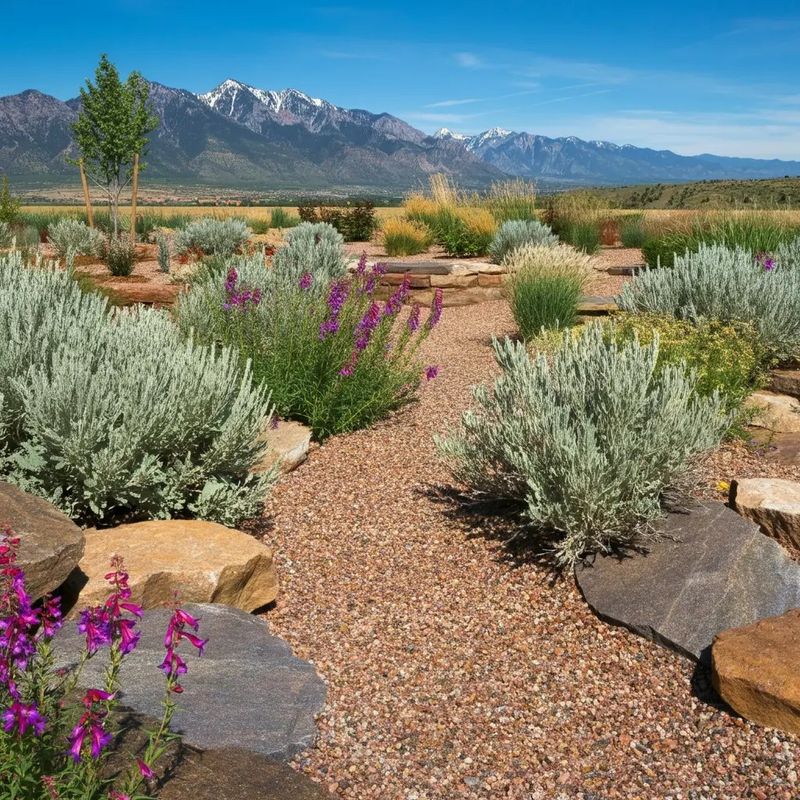
Utah’s climate throws some serious curveballs at plants, scorching summer heat, freezing winter temperatures, and unpredictable spring weather.
Drought-safe plants are uniquely equipped to handle these wild swings because many are native to similar environments.
They’ve spent generations adapting to harsh conditions, making them ideal choices for Utah yards.
Regular garden plants often struggle when temperatures drop suddenly or when summer heat intensifies.
These sensitive varieties need protection, extra water, or special care to survive Utah’s climate extremes.
Drought-tolerant species, however, have built-in defenses that help them weather whatever Mother Nature sends their way.
Winter planting takes advantage of natural climate patterns.
The cold season allows roots to grow deep and strong without the stress of summer heat.
When warmer months arrive, these established plants can tap into deeper soil moisture and handle temperature spikes that would damage less adapted varieties.
From the Wasatch Front to southern Utah’s desert regions, drought-safe plants perform beautifully across different elevation zones.
They tolerate the alkaline soil common throughout the state and don’t mind the low humidity that makes other plants wilt.
This natural compatibility means healthier plants and more successful gardens for homeowners throughout Utah.
4. Increased Property Value And Curb Appeal

Smart landscaping choices can significantly boost your home’s market value, and drought-safe gardens are increasingly attractive to potential buyers.
Modern homebuyers in Utah appreciate properties with sustainable, low-maintenance landscapes that won’t burden them with high water bills or constant upkeep demands.
These water-wise yards stand out in real estate listings.
Curb appeal isn’t just about green grass anymore.
Today’s buyers recognize the value of thoughtfully designed drought-tolerant landscapes featuring interesting textures, colors, and year-round visual interest.
Native grasses, flowering perennials, and sculptural succulents create stunning first impressions that rival traditional lawns.
Real estate professionals across Utah report that homes with established drought-safe landscaping often sell faster and command better prices.
Buyers see these properties as move-in ready with lower ongoing costs.
The investment in drought-tolerant plants pays dividends when it’s time to sell, making it a financially smart decision beyond just monthly savings.
Winter is an excellent time to enhance property value through strategic planting.
By spring, your new drought-safe landscape will be established and looking great.
Whether you’re planning to sell soon or years from now, creating an attractive, sustainable yard increases your home’s appeal and demonstrates responsible stewardship of resources that today’s buyers truly value.
5. Environmental Benefits For Future Generations
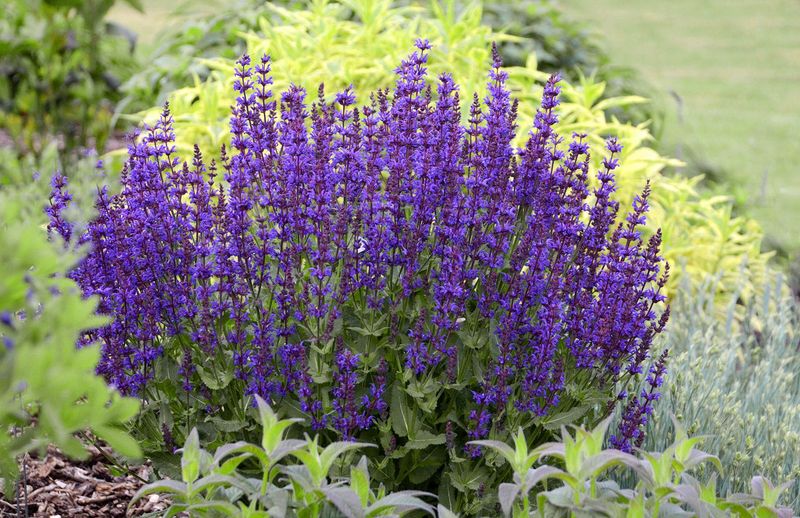
Every drought-safe plant you add to your Utah landscape makes a positive environmental impact that extends far beyond your property line.
These plants reduce overall water consumption, which helps preserve lakes, rivers, and underground aquifers that supply communities throughout the state.
Your landscaping choices truly matter for Utah’s environmental future.
Traditional lawns and water-hungry plants contribute to resource depletion in ways many homeowners never consider.
They require chemical fertilizers, frequent mowing that produces emissions, and vast amounts of treated water.
Drought-tolerant alternatives eliminate or reduce these environmental costs while providing habitat for beneficial insects and local wildlife.
Native Utah plants support local ecosystems by providing food and shelter for pollinators like bees and butterflies.
These creatures play essential roles in maintaining healthy environments, and their populations benefit when homeowners choose plants they’ve coevolved with over thousands of years.
Your yard becomes part of a larger ecological network.
Teaching children about sustainable landscaping creates awareness that lasts a lifetime.
When families in Salt Lake City, Ogden, or Cedar City choose drought-safe plants, they demonstrate environmental responsibility to the next generation.
These lessons about conservation and smart resource use shape how young people think about their relationship with nature and their community’s shared resources for years to come.
6. Year-Round Beauty With Seasonal Interest
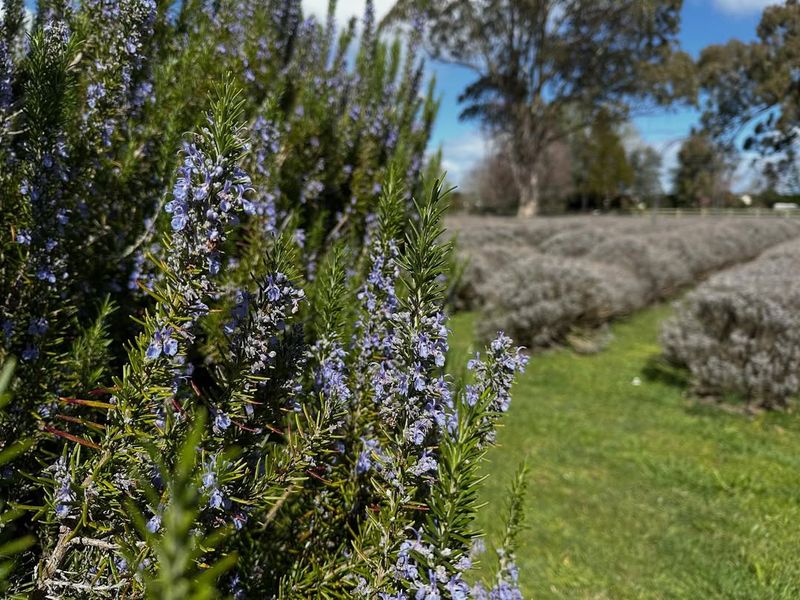
Forget the misconception that drought-safe plants look boring or dull.
Modern drought-tolerant landscaping offers incredible variety with stunning colors, interesting textures, and visual appeal that changes beautifully throughout all four seasons.
Utah homeowners discover that these plants provide more visual interest than traditional lawns ever could.
Many drought-safe species offer spectacular seasonal displays.
Spring brings colorful wildflowers and fresh green growth.
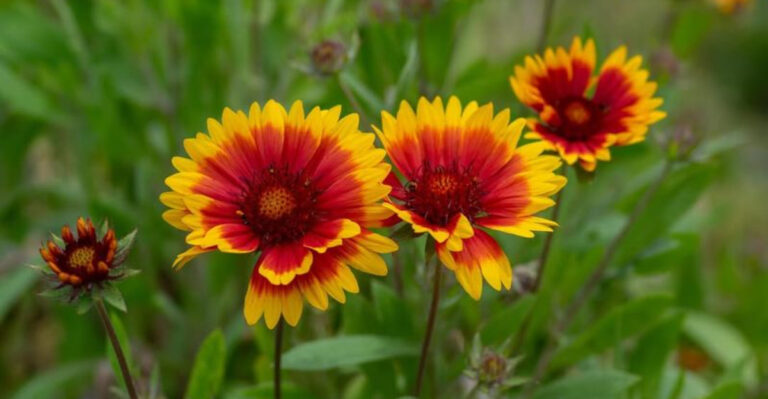
Summer showcases silvery foliage and vibrant blooms that attract hummingbirds.
Fall delivers warm russet tones and seed heads that catch the light.
Even winter has its charm with structural plants and evergreen varieties that look beautiful against snow.
Ornamental grasses are particularly popular in Utah because they move gracefully in the breeze and look stunning when frost touches their blades.
Paired with flowering perennials like penstemon and colorful groundcovers, these combinations create dynamic landscapes that never look static or boring throughout the year.
Planning your drought-safe garden during winter allows you to think strategically about seasonal interest.
You can select plants that bloom at different times, ensuring continuous color from early spring through late fall.
This thoughtful approach creates landscapes that remain attractive and engaging regardless of the season, proving that water-wise landscaping in Utah means beautiful landscaping all year long.
7. Resilience During Water Restrictions And Droughts
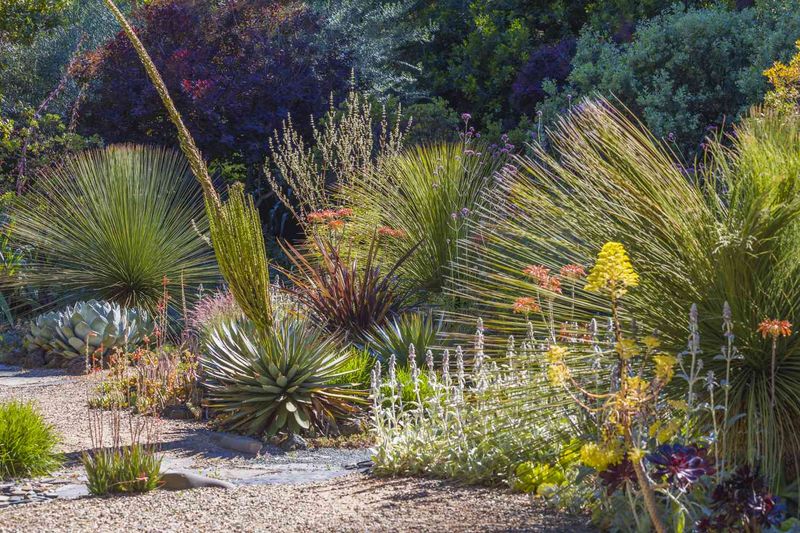
Utah periodically faces water restrictions that limit when and how much homeowners can irrigate their landscapes.
Drought-safe plants provide peace of mind during these challenging periods because they’re specifically designed to survive with minimal supplemental watering.
Your yard stays attractive even when neighbors’ traditional lawns turn brown and struggle.
Recent years have brought increased awareness about water scarcity throughout the western United States.
Utah communities sometimes implement mandatory watering schedules or restrictions during particularly dry periods.
Homeowners with drought-tolerant landscapes don’t panic when these announcements come because their plants are already adapted to low-water conditions.
Established drought-safe plants develop extensive root systems that reach deep into the soil for moisture.
This natural adaptation means they can survive extended periods without irrigation that would stress or damage conventional landscaping.
During summer heat waves or unexpected dry spells, these resilient plants keep looking good without constant intervention.
Winter planting ensures your drought-tolerant garden is fully established before potential water restrictions begin in warmer months.
By the time summer arrives, your plants will have strong root systems and natural resilience.
This preparation means you won’t face the frustration of watching your landscaping investment suffer during drought conditions that increasingly affect communities across Utah each year.
8. Community Leadership And Neighborhood Inspiration
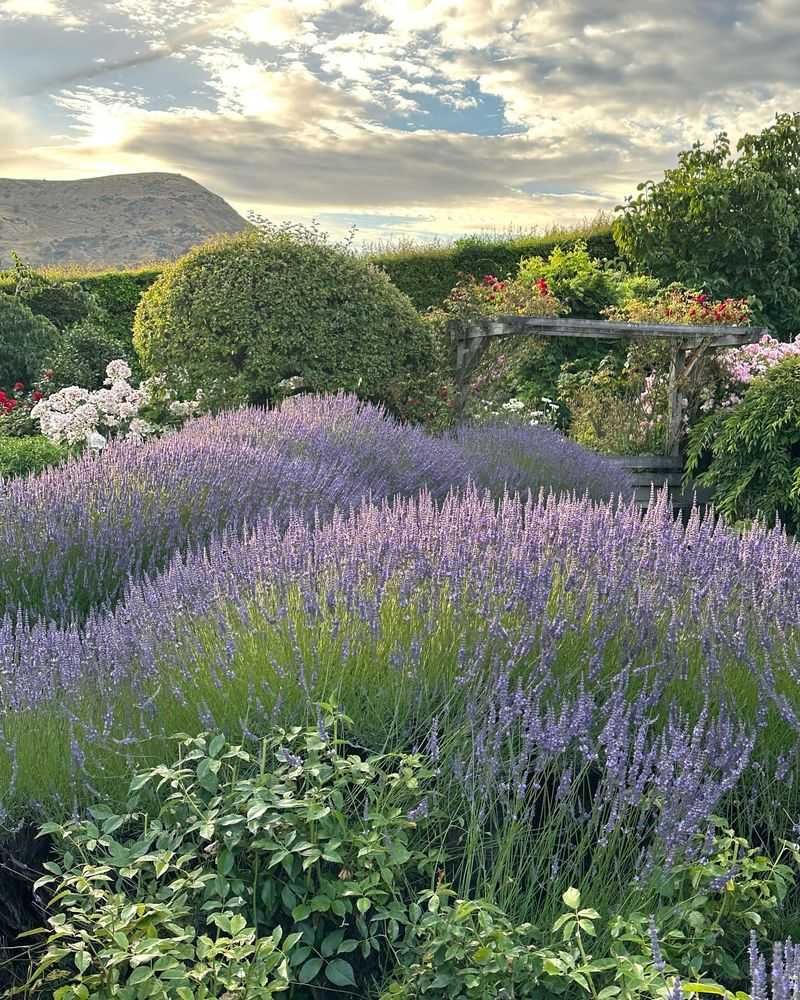
When you install drought-safe landscaping, you become a community leader demonstrating sustainable practices that inspire neighbors to follow your example.
Your attractive, water-wise yard shows others that conservation doesn’t mean sacrifice.
Instead, it proves that beautiful landscapes and environmental responsibility go hand in hand throughout Utah neighborhoods.
Many homeowners hesitate to try drought-tolerant plants because they’re unsure how the results will look.
Seeing a neighbor’s successful drought-safe garden removes that uncertainty and provides real-world proof that these landscaping choices work beautifully.
Your yard becomes a living demonstration that encourages others to make similar changes.
Communities across Utah benefit when multiple households adopt water-wise landscaping.
Collective conservation efforts have measurable impacts on local water supplies and infrastructure demands.
As more families choose drought-safe plants, neighborhoods reduce their overall water consumption, which helps municipalities manage resources more effectively during challenging times.
Local garden clubs and community organizations throughout Utah are promoting drought-tolerant landscaping through education and incentive programs.
By embracing these plants now, you join a growing movement of environmentally conscious homeowners.
Your leadership helps shift neighborhood norms toward sustainability, creating positive change that extends far beyond your property boundaries.
Winter planning means you’ll have an established, inspiring landscape when spring arrives and neighbors start thinking about their own yard projects.