The 12 Fire-Prone Plants Arizona Counties Are Warning Homeowners About This Winter
As Arizona heads into another dry winter, county officials are sounding the alarm for homeowners — and it’s not just about clearing brush or monitoring burn bans.
A surprising list of 12 common landscape plants is now being flagged for significantly increasing wildfire risk around homes.
These shrubs, grasses, and ornamentals may look harmless in the garden, but under winter’s low humidity and high winds, they can turn into dangerous fuel.
If you’re planning new landscaping or reassessing what’s already growing in your yard, here’s what you need to know to keep your property safe this season.
1. Pampas Grass
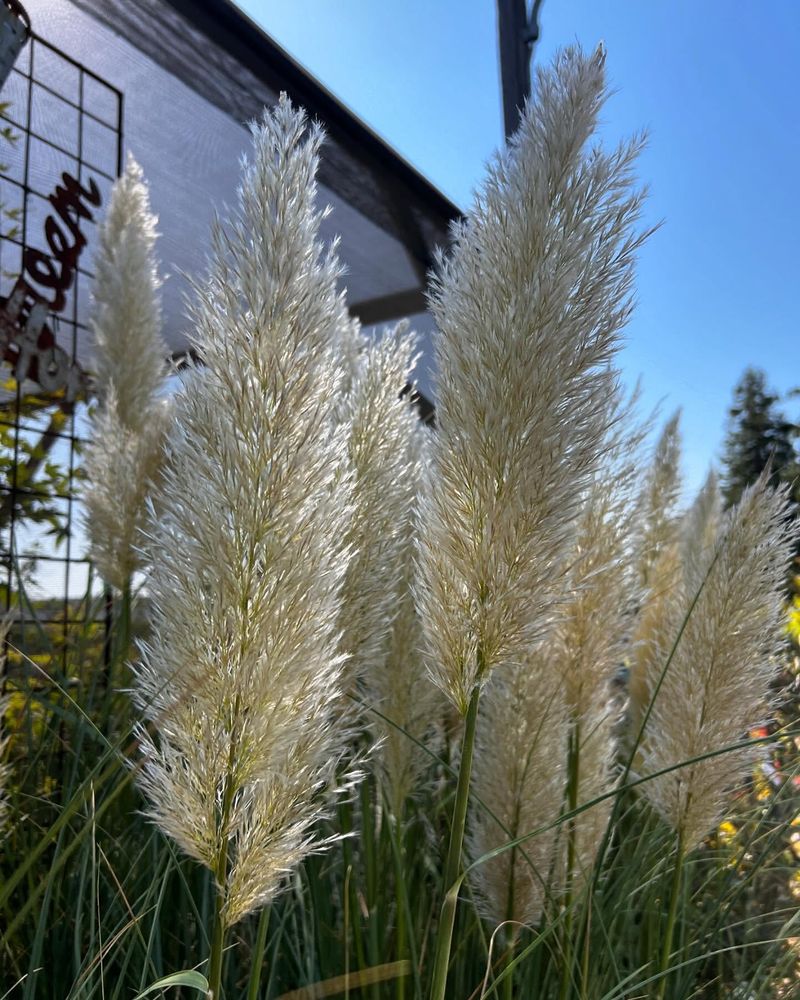
Those towering plumes that look so elegant in yards can become dangerous torches when temperatures drop and moisture disappears.
Pampas grass grows incredibly fast across Arizona landscapes, creating massive clumps that reach heights of ten feet or more.
The problem starts when winter dryness turns those beautiful feathery plumes into highly flammable material that catches sparks easily.
County fire officials warn that a single ember landing on dried pampas grass can ignite within seconds, spreading flames rapidly to nearby structures.
The dense growth pattern creates a fuel load that burns intensely, making firefighting efforts much more difficult.
Arizona residents should consider removing pampas grass entirely or keeping it heavily trimmed and watered throughout winter months.
If you choose to keep this ornamental grass, maintain at least thirty feet of clearance between it and your home.
Many landscaping companies across the state now offer pampas grass removal services specifically designed for fire prevention.
Replacing it with native succulents or low-growing groundcovers provides beauty without the blazing risk.
Your local fire department can provide specific guidance on managing existing pampas grass safely.
2. Fountain Grass
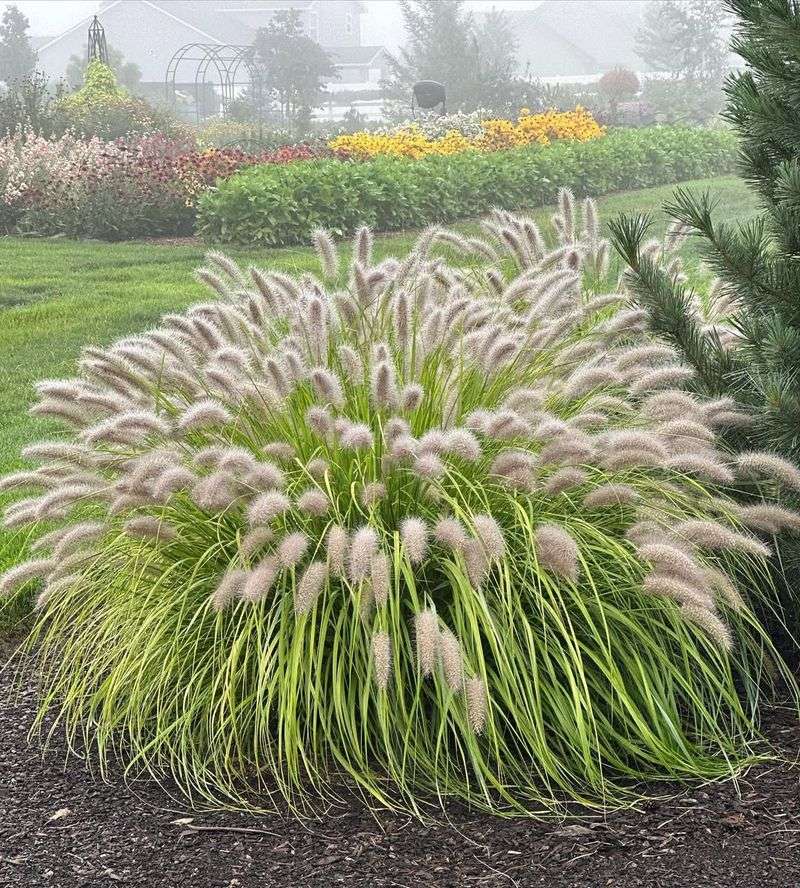
Purple fountain grass adds gorgeous color to desert gardens, but its winter transformation creates serious concerns for fire safety experts.
This popular ornamental species dries out completely during cooler months, turning from lush and green to crispy and brown.
Unlike some plants that simply wilt, fountain grass retains its full structure while becoming extremely combustible.
Arizona counties have documented multiple incidents where fountain grass served as the pathway for flames traveling between properties.
The arching habit of this grass means it often touches fences, walls, and other structures, creating direct fire routes.
Homeowners throughout Phoenix, Tucson, and Flagstaff neighborhoods have received notices about fountain grass management.
Fire officials recommend cutting back fountain grass to ground level before winter arrives.
The removed material should never be left in piles near your home, as dried grass clippings remain highly flammable.
Consider switching to fire-resistant alternatives like blue grama grass or deer grass, which stay greener during Arizona winters.
Regular irrigation can help reduce fire risk, but complete removal offers the best protection for your property and family.
3. Arizona Cypress
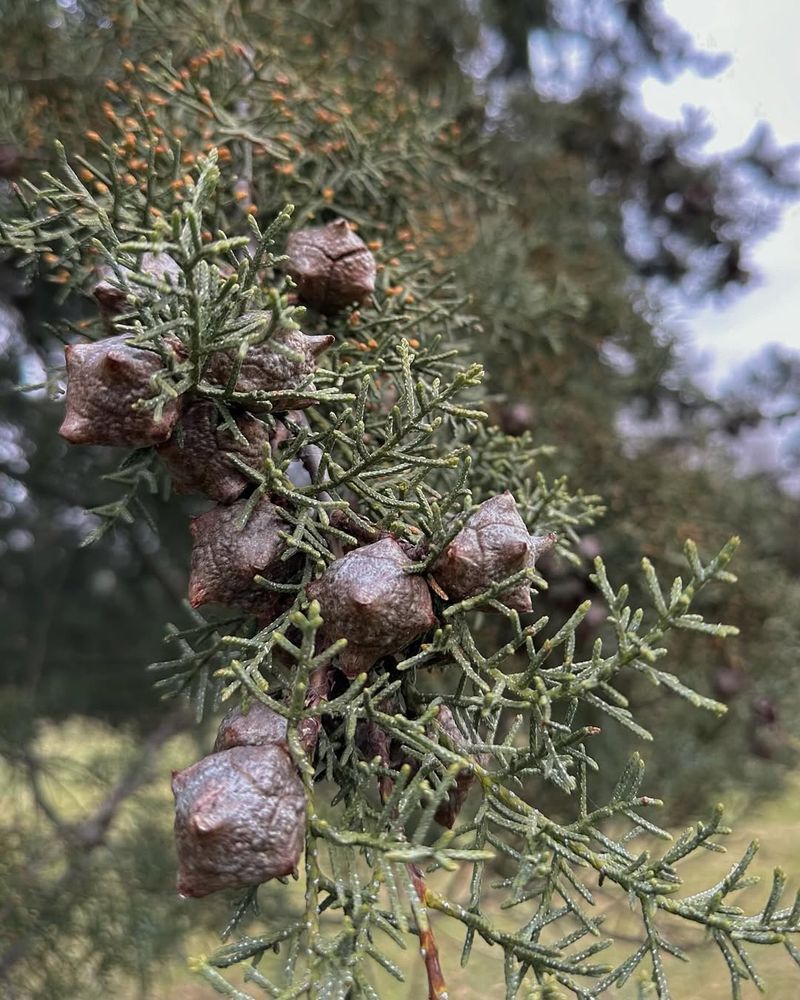
Ironically, a tree bearing the state’s name ranks among the most dangerous plants for fire-prone areas.
Arizona cypress trees contain high levels of flammable resins throughout their needles, branches, and bark.
These evergreens stay green year-round, which tricks many homeowners into thinking they pose little fire risk.
Your Arizona Garden Changes Every Week. Your Plan Should Too.
Gardening in Arizona changes quickly throughout the season. Every Friday you’ll receive a simple weekly plan showing exactly what to plant, prune, fertilize, harvest, and protect so you never miss the right timing.
However, the volatile oils inside Arizona cypress ignite extremely quickly when exposed to flames or intense heat.
Fire behavior specialists have observed these trees literally exploding during wildfires, sending burning debris hundreds of feet away.
Counties across Arizona now discourage planting cypress near homes, particularly in foothill communities where wildfire risk runs highest.
Existing mature trees should be thinned significantly, with lower branches removed to prevent ground fires from climbing upward.
Maintain at least fifty feet between any Arizona cypress and your house, garage, or other buildings.
The dense foliage also holds onto dried needles and small withered branches, creating additional fuel within the tree canopy.
Many Arizona homeowners are choosing to replace cypress with native mesquite or palo verde trees, which offer shade without the extreme fire danger.
4. Russian Thistle (Tumbleweed)
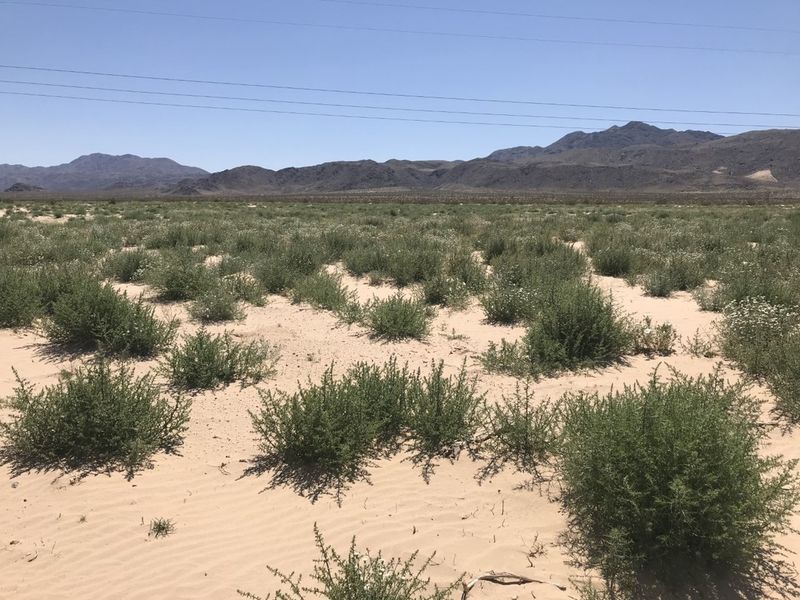
Everyone recognizes these iconic symbols of the Old West, but few realize how dangerous they become during Arizona winters.
Russian thistle transforms from a spiky green plant into the classic rolling tumbleweed, completely dried and ready to burn.
Wind carries these spherical fire hazards across open land, piling them against fences, buildings, and vehicles.
A single spark can turn an accumulated pile of tumbleweeds into a roaring blaze within moments.
Arizona counties report that tumbleweeds cause dozens of structure fires each winter, particularly in rural areas.
The plants grow quickly along roadsides, vacant lots, and poorly maintained properties throughout the state.
Property owners have a legal responsibility in many Arizona counties to remove tumbleweeds from their land before fire season.
Never burn tumbleweed piles, as the fire can spread rapidly and become uncontrollable in windy conditions.
Instead, bag them up and take them to approved disposal sites or arrange for green waste collection.
Preventing Russian thistle from growing in the first place requires maintaining healthy ground cover and removing young plants in spring before they mature and spread seeds everywhere.
5. Juniper Trees
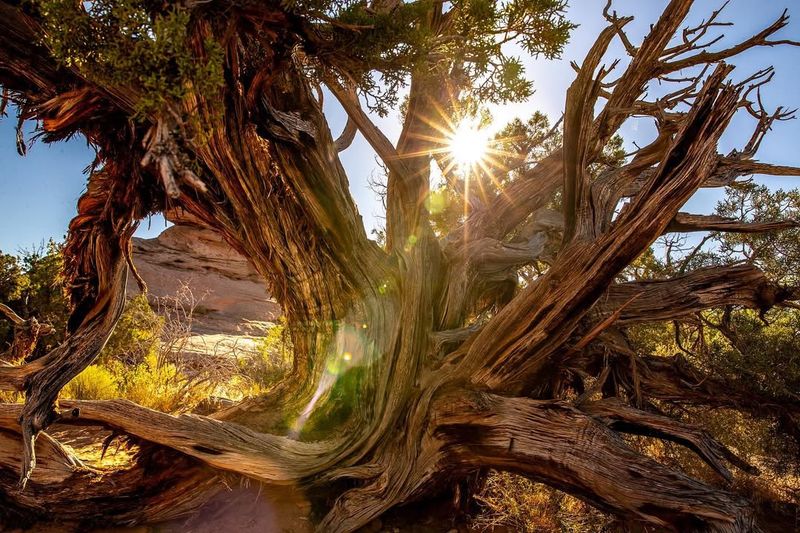
Juniper trees blanket many Arizona hillsides, creating beautiful scenery but also tremendous fire fuel.
These evergreens contain volatile oils similar to those found in cypress, making them burn hot and fast.
The shaggy bark peels away in strips, creating excellent kindling that catches fire easily from the smallest ember.
Dense juniper stands act like solid walls of fuel, allowing fires to spread continuously across landscapes.
Northern Arizona counties have been particularly vocal about juniper management, as these trees dominate higher elevation areas.
The low-hanging branches often touch the ground, providing a ladder for flames to climb from grass fires into tree canopies.
Fire officials recommend removing junipers within one hundred feet of homes and thinning remaining trees significantly.
When junipers burn, they produce intense heat that can ignite structures from radiant energy alone, even without direct flame contact.
Many Arizona ranchers and homeowners participate in juniper removal projects to reduce wildfire risk while improving grazing land.
Native alternatives like desert willow or Texas mountain laurel provide visual interest without the extreme fire danger that junipers present throughout winter months.
6. Bougainvillea
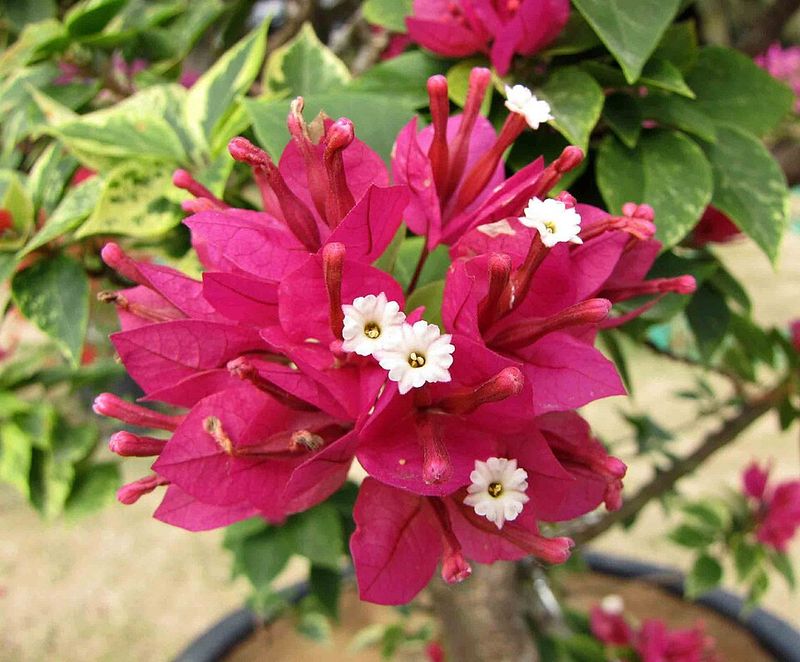
Those spectacular magenta, orange, and purple displays come with a hidden cost during Arizona’s dry winter season.
Bougainvillea produces masses of papery bracts that dry out quickly, creating a significant fire load around homes.
The woody stems grow thick and tangled, forming dense mats that trap dried leaves and create perfect fire fuel.
Many Arizona homeowners train bougainvillea along walls, fences, and even onto roofs, inadvertently creating fire pathways directly to their homes.
When dried bougainvillea ignites, it burns rapidly with flames that can easily spread to wooden structures and roof materials.
Counties across southern Arizona have identified bougainvillea as a major concern in urban wildfire scenarios.
The plant’s popularity means it appears in countless yards throughout Tucson, Phoenix, and smaller communities statewide.
Fire safety experts recommend keeping bougainvillea well-watered during winter and pruning it back significantly to reduce fuel volume.
Never allow bougainvillea to grow directly against your house or under eaves where embers might collect.
Consider relocating these plants to areas far from structures, or replace them with fire-resistant options like Texas ranger or desert marigold that offer color without combustibility concerns.
7. Saltcedar (Tamarisk)
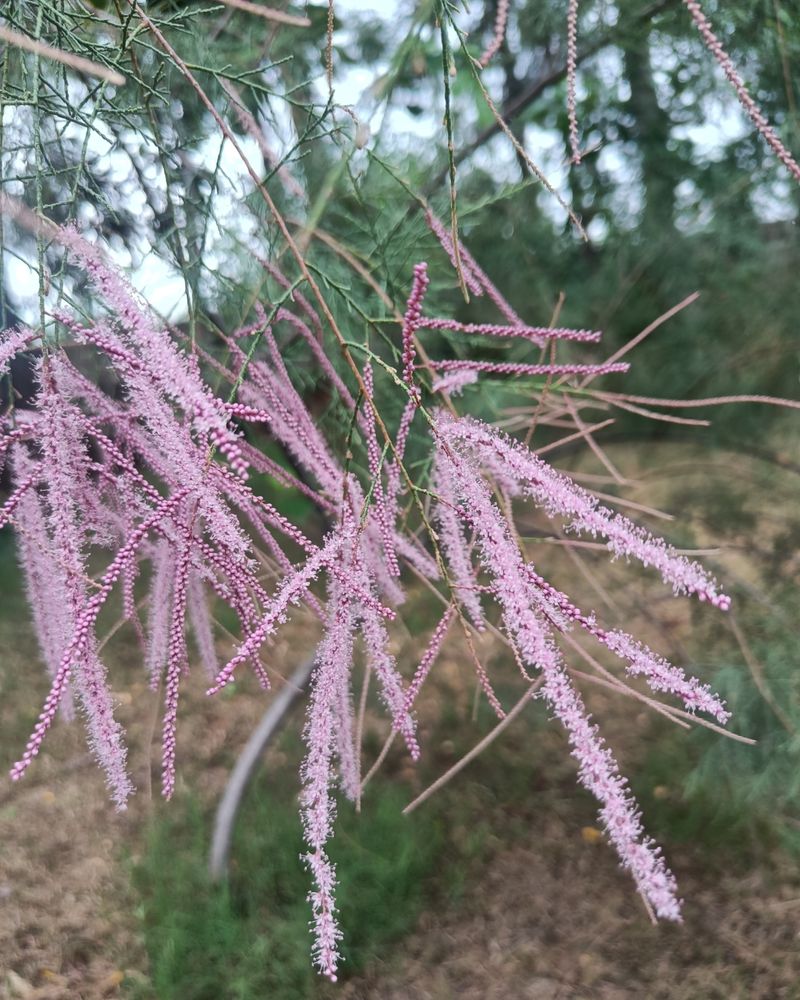
Invasive saltcedar has taken over countless Arizona waterways, creating continuous corridors of highly flammable vegetation.
The fine, needle-like foliage dries completely during winter, turning entire thickets into potential infernos.
Saltcedar grows so densely that it forms impenetrable walls of fuel along rivers, streams, and irrigation ditches throughout the state.
Fire officials worry particularly about saltcedar because it often grows near populated areas that depend on water sources.
When these thickets ignite, flames can travel rapidly along waterways, threatening homes and agricultural operations for miles.
Arizona counties have invested heavily in saltcedar removal programs, recognizing both the ecological and fire safety benefits.
Property owners with saltcedar on their land should contact local agricultural extension offices for removal assistance and guidance.
The plant regrows aggressively from roots, so effective removal requires persistent effort over multiple seasons.
Dried saltcedar produces intense heat when burning, capable of damaging bridges, culverts, and other infrastructure near waterways.
Replacing removed saltcedar with native willows or cottonwoods helps restore natural ecosystems while reducing fire danger across Arizona landscapes where water meets land in vulnerable patterns.
8. Brittlebush
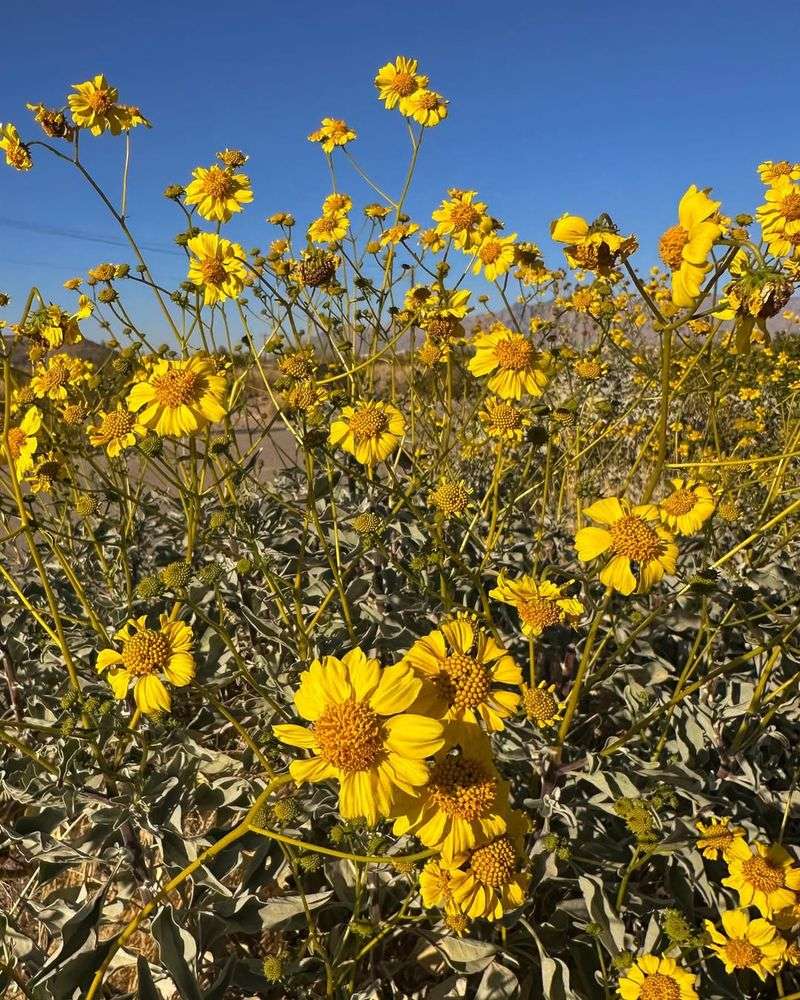
Native status does not always equal fire safety, as brittlebush clearly demonstrates across Arizona landscapes.
This common desert shrub produces beautiful yellow flowers in spring but becomes increasingly flammable as winter approaches.
The silvery leaves dry out and cling to stems, while the woody branches accumulate years of growth into dense, bushy forms.
Brittlebush earned its name from the brittle nature of dried stems, which snap easily and burn even more readily.
Many Arizona homeowners plant brittlebush thinking native species automatically provide fire protection, but this assumption proves dangerously wrong.
The plant produces resinous compounds that actually increase flammability, especially in older, established specimens.
Fire officials recommend keeping brittlebush pruned low and maintaining significant spacing between individual plants.
When grouped tightly together, brittlebush creates continuous fuel beds that allow flames to spread rapidly across yards.
Consider limiting brittlebush to outer landscape zones at least thirty feet from your home and other structures.
Better native alternatives for fire-prone areas include prickly pear cactus, agave, or desert marigold, which offer similar aesthetic appeal with dramatically lower fire risk throughout Arizona’s challenging winter conditions.
9. Rosemary Shrubs
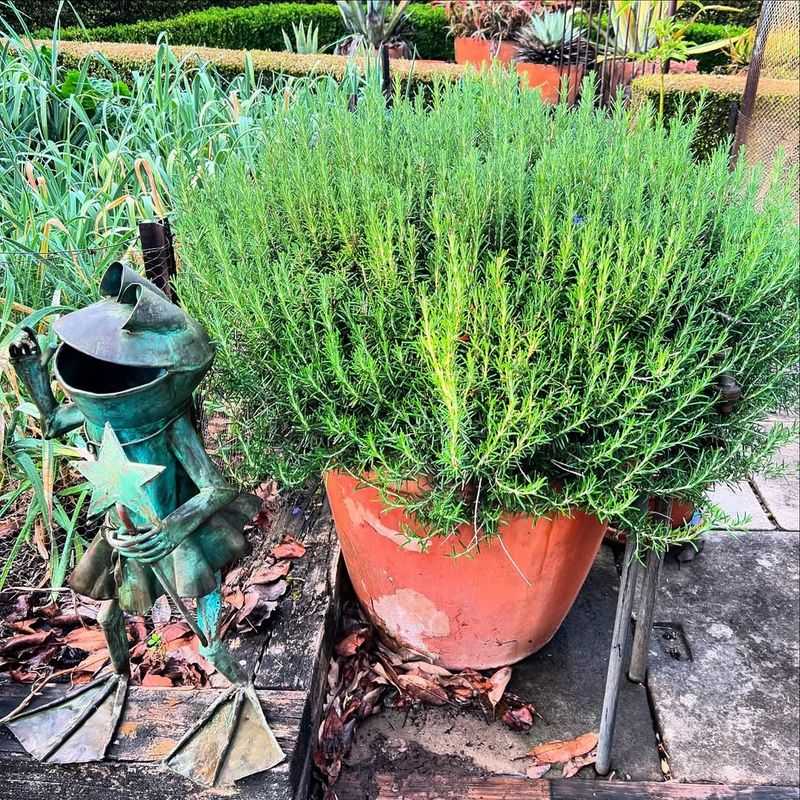
Culinary herbs seem harmless, but oversized rosemary shrubs present serious fire concerns for Arizona homeowners.
The aromatic oils that make rosemary wonderful for cooking also make it extremely flammable when planted as a landscape shrub.
Many Arizona residents grow rosemary into massive hedges, not realizing these plants can ignite and burn with explosive intensity.
The needle-like leaves stay on the plant year-round, and the woody stems become increasingly dense and resinous with age.
Fire behavior studies show rosemary burns nearly as readily as gasoline-soaked wood, producing flames that reach surprising heights.
Counties across Arizona have documented cases where rosemary hedges carried fire directly from wildlands into residential neighborhoods.
The plant’s popularity in xeriscaping means it appears frequently in desert landscaping throughout Phoenix, Scottsdale, and communities statewide.
If you want to keep rosemary for cooking, limit it to small potted plants kept away from structures and other flammable materials.
Large landscape rosemary should be removed entirely or replaced with truly fire-resistant options like aloe, sedum, or ice plant.
Your nose might miss that fresh rosemary scent, but your home will be far safer without these aromatic fire hazards lurking in your Arizona landscape design.
10. Eucalyptus Trees
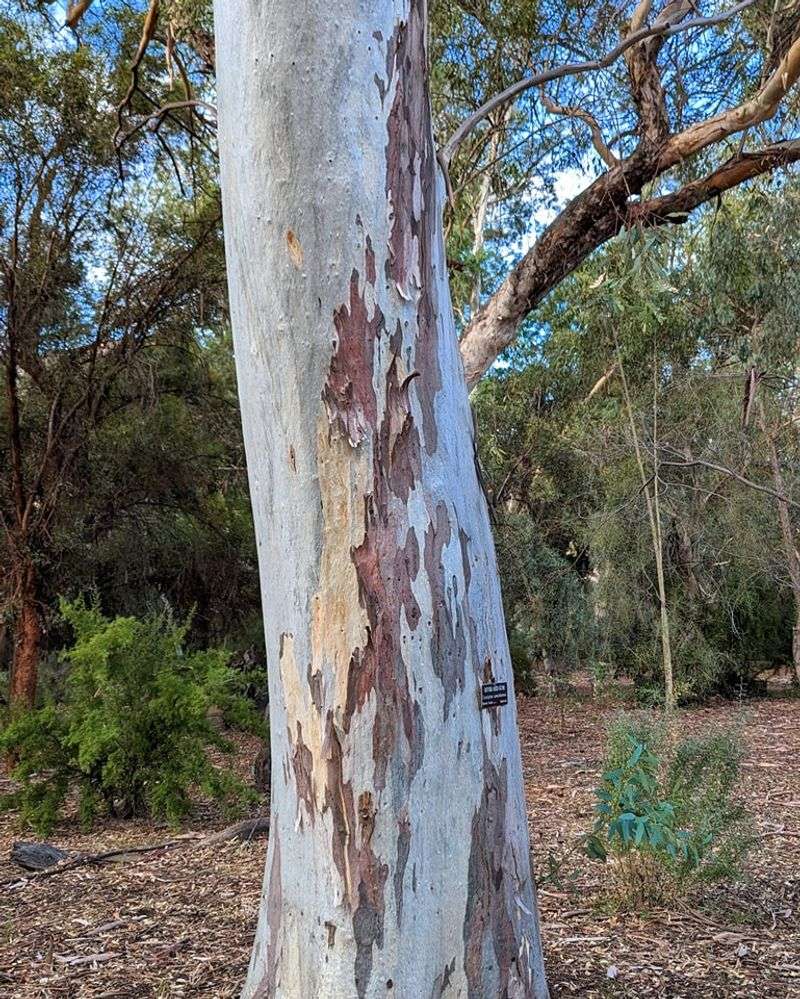
Australian eucalyptus trees have adapted to fire in their native habitat, but that adaptation makes them dangerous in Arizona settings.
The trees shed long strips of bark that accumulate around the trunk and blow across yards, creating portable fire fuel.
Eucalyptus leaves contain extremely high levels of volatile oils that vaporize in heat, allowing the trees to literally explode during fires.
Firefighters across Arizona consider eucalyptus among the most dangerous trees they encounter during wildfire suppression efforts.
The falling bark, oily leaves, and even the wood itself all burn with intense heat and surprising speed.
Many older Arizona neighborhoods feature large eucalyptus trees planted decades ago when their fire danger was not well understood.
Removing mature eucalyptus requires professional help, as these trees grow massive root systems and can reach heights exceeding one hundred feet.
Counties now prohibit eucalyptus planting in many fire-prone zones and encourage removal wherever possible.
The trees also drop branches unexpectedly, creating additional hazards and fuel loads around properties throughout the state.
If eucalyptus trees grow on your Arizona property, consult with certified arborists about safe removal options and consider replacing them with native species like mesquite or desert willow that provide shade without the extreme fire risks.
11. Cheatgrass
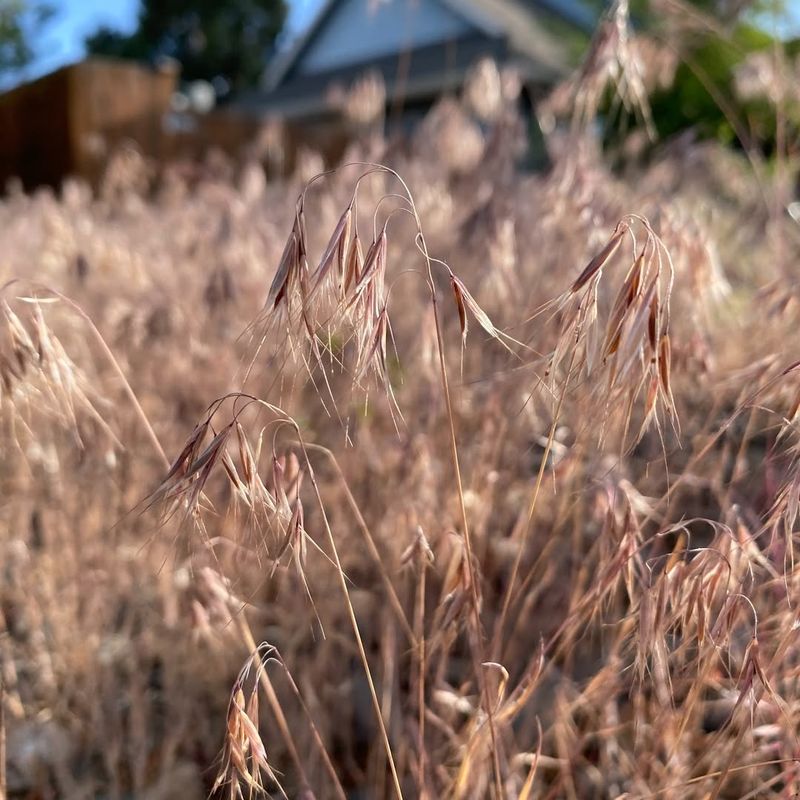
This invasive annual grass has transformed fire behavior across Arizona, creating fuel where little existed before.
Cheatgrass germinates in fall, grows quickly through winter, then dries completely by late spring, forming dense mats of fine fuel.
Unlike native desert vegetation that grows in scattered clumps, cheatgrass creates continuous carpets that allow flames to spread uninterrupted.
The dried grass ignites from the tiniest spark, and fires move through it with frightening speed.
Northern Arizona counties have watched cheatgrass invasions dramatically increase both fire frequency and fire intensity across thousands of acres.
The grass produces enormous quantities of seeds that spread easily, allowing it to dominate disturbed areas, roadsides, and poorly maintained properties.
Property owners should remove cheatgrass before it sets seed, typically by mowing or careful herbicide application in early spring.
Once dried, cheatgrass should never be burned, as the practice often leads to escaped fires that threaten structures and natural areas.
Establishing healthy native grasses helps prevent cheatgrass from taking hold in the first place.
Contact your county extension office for specific cheatgrass management strategies suited to your Arizona location and property conditions throughout the challenging winter fire season.
12. Italian Cypress
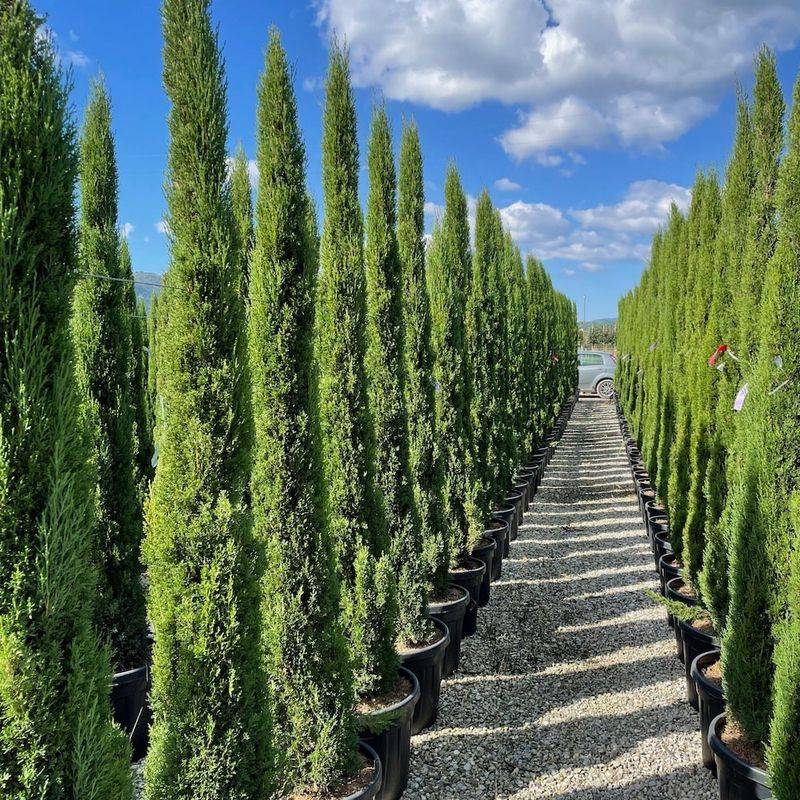
Those elegant columns framing driveways and property lines contain a dangerous secret within their dense, narrow forms.
Italian cypress trees pack tremendous amounts of resinous foliage into tight vertical spaces, creating fire bombs waiting for ignition.
The columnar shape means flames can race up the entire height of the tree in seconds, sending burning embers high into the air.
Arizona counties have observed Italian cypress acting as chimneys during fires, projecting sparks onto roofs and starting new fires downwind.
The dense growth prevents moisture from reaching interior branches, creating pockets of extremely dry, deceased material inside seemingly healthy trees.
Many upscale Arizona communities feature Italian cypress in formal landscape designs, not recognizing the fire risk these trees present.
When one Italian cypress ignites in a row, flames typically spread rapidly to adjacent trees, creating a curtain of fire.
Fire officials strongly recommend removing Italian cypress from properties in wildfire-prone areas throughout the state.
If removal is not possible, maintain aggressive spacing of at least twenty feet between trees and keep them heavily irrigated.
Consider alternatives like columnar cactus or narrow yucca varieties that provide vertical visual interest without turning your Arizona landscape into a potential wall of flames this winter season.