Why Evergreen Trees In New York Are Dropping Needles Earlier Than Usual
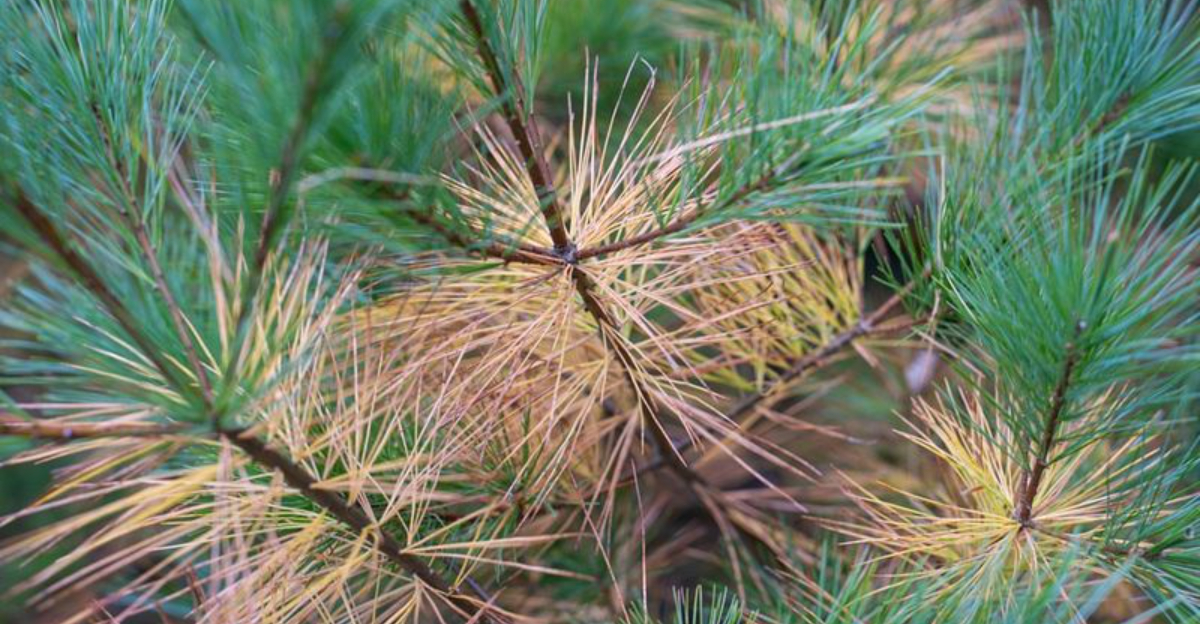
Evergreen trees across New York are raising eyebrows this season as more homeowners notice needles falling long before winter settles in.
These trees usually stand as steady symbols of year-round color, but many are shedding earlier, leaving carpets of needles that spark concern.
The shift isn’t random.
Changing weather patterns, dry spells, sudden temperature swings, and seasonal stress all play a part in nudging evergreens to lighten their load.
When conditions grow tough, these trees follow an age-old survival tactic by casting off older needles so new growth can stay strong.
It may look alarming, but the trees are simply trying to protect themselves as the environment throws curveballs their way.
Early needle drop has become a quiet sign of how the landscape responds to shifting seasons across the state.
Understanding the cause helps homeowners stay calm, care for their trees with confidence, and keep New York’s evergreen beauty thriving through every challenge.
1. Extended Drought Conditions Affecting Root Systems
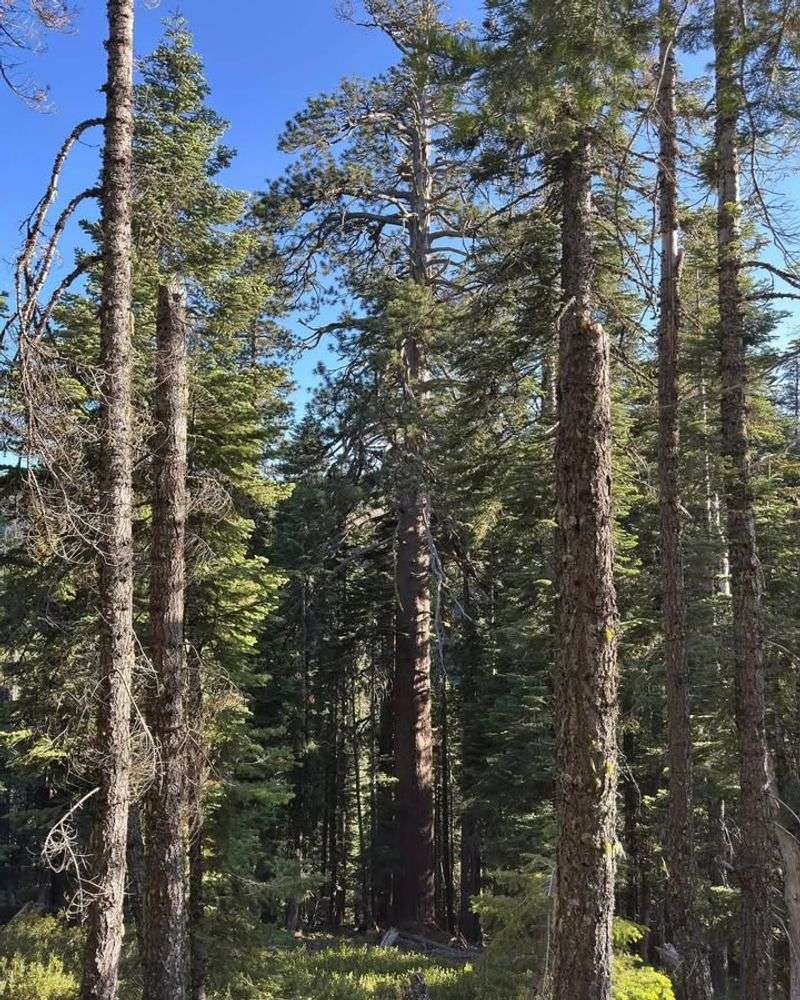
New York has experienced some surprisingly dry periods recently, and evergreen trees feel the impact more than you might expect.
When rainfall drops below normal levels for weeks or months, tree roots struggle to pull enough moisture from the soil.
Evergreens need consistent water to keep their needles healthy and green throughout the year.
Without adequate moisture, trees make tough survival choices.
They sacrifice older needles first, letting them turn brown and drop so the tree can focus its limited water resources on new growth and essential functions.
You’ll notice this especially on the inner branches closest to the trunk, where older needles live.
The situation gets worse when drought happens during late summer and early fall.
Trees in New York are preparing for winter during this time, storing energy and strengthening their systems.
Drought stress during these critical months weakens their ability to hold onto needles properly.
Sandy soils common in parts of New York drain quickly, making drought stress even more severe for evergreens planted in these locations.
Clay soils hold water better but can become rock-hard when dry, preventing roots from accessing any moisture.
Homeowners can help by watering deeply during dry spells, especially before the ground freezes for winter.
2. Unusually Warm Fall Temperatures Disrupting Natural Cycles
Climate patterns across New York have shifted noticeably over recent years.
Warmer-than-normal temperatures stretching into October and November confuse evergreen trees that rely on seasonal signals to regulate their growth cycles.
These trees evolved over thousands of years to respond to predictable temperature drops that signal winter’s approach.
When autumn stays unusually warm, evergreens continue growing and using resources longer than they should.
This extended growing season drains energy reserves that trees need for winter survival.
Eventually, the tree realizes it’s running low on stored nutrients and begins shedding needles earlier than normal to conserve what remains.
Temperature swings create additional problems for New York evergreens.
A warm spell followed by a sudden cold snap shocks the tree’s system, damaging needle tissues and causing premature browning.
Your New York Garden Changes Every Week. Your Plan Should Too.
Gardening in New York changes quickly throughout the season. Every Friday you’ll receive a simple weekly plan showing exactly what to plant, prune, fertilize, harvest, and protect so you never miss the right timing.
These rapid changes don’t give trees time to adjust their internal processes gradually.
Warmer conditions also allow insects and diseases to remain active later into fall.
Pests that would normally slow down or go dormant continue feeding on stressed evergreens, compounding the damage.
Scientists studying trees in New York have documented these temperature-related changes affecting everything from white pines to Norway spruce across different regions of the state.
3. Nutrient Deficiencies In New York Soils
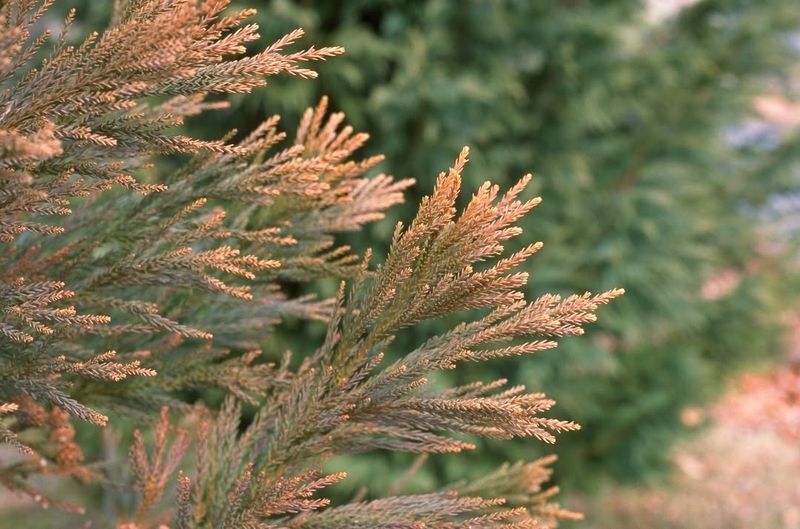
Soil quality varies dramatically across New York, and not all ground provides the nutrients evergreens need to thrive.
Magnesium, nitrogen, and iron rank among the most important nutrients for keeping needles green and healthy.
When soil lacks these essential elements, needles begin showing problems that lead to early dropping.
Older needles typically display nutrient deficiency symptoms first.
You might notice yellowing that starts at the tips and works its way toward the branch, or overall fading of the rich green color.
Eventually, these compromised needles turn brown and fall off, leaving branches looking sparse and unhealthy.
Acidic soil conditions, common in many New York locations, can lock up nutrients even when they’re present in the ground.
Trees simply cannot access what they need, even though it’s technically there.
This happens frequently with iron, leading to a condition called chlorosis where needles turn pale yellow.
Compacted soil presents another challenge for New York evergreens, especially in urban and suburban settings.
When soil gets packed down by foot traffic or construction equipment, roots cannot spread properly to find nutrients.
Poor drainage often accompanies compaction, creating a double problem.
Testing your soil and adding appropriate amendments can solve many nutrient-related needle drop issues before they become severe.
4. Spider Mite Infestations Damaging Needle Health
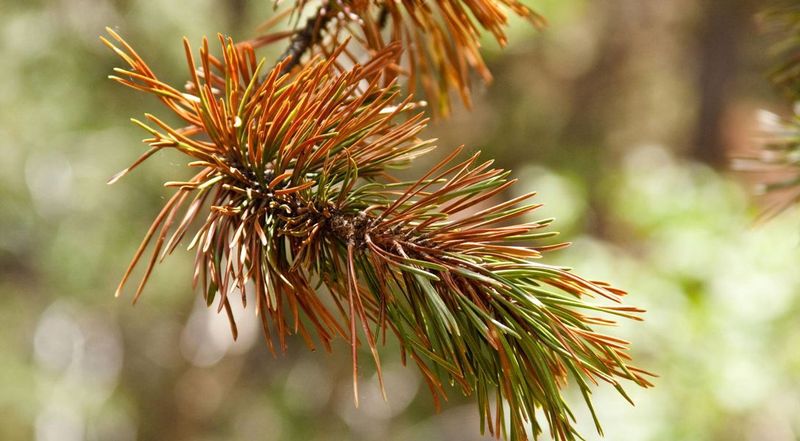
Tiny spider mites cause massive problems for evergreen trees throughout New York, yet many homeowners never notice these microscopic pests until significant damage appears.
These creatures are barely visible to the naked eye, often looking like moving specks of dust on needle surfaces.
Despite their small size, spider mites feed in huge numbers, piercing needles and sucking out plant juices.
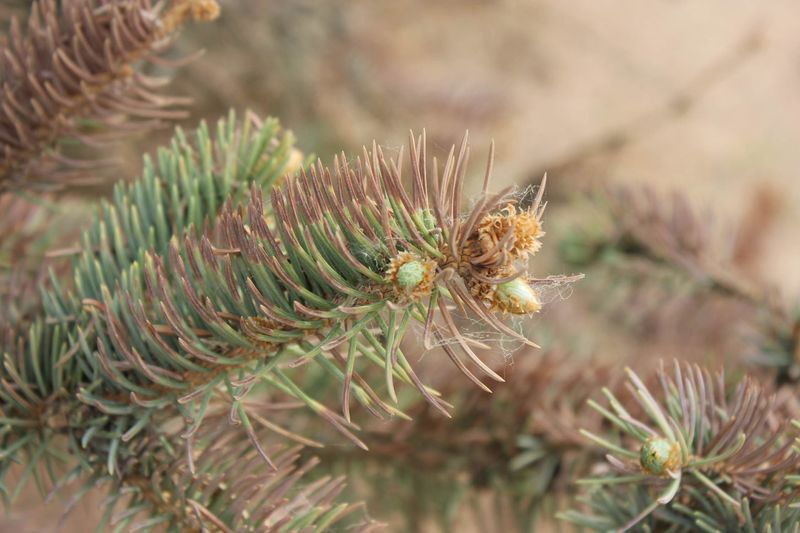
Infested needles develop a stippled, dusty appearance before turning bronze or brown.
Fine webbing may appear on branch tips, though it’s often subtle and easy to miss.
As damage progresses, affected needles lose their ability to function properly and eventually drop from the tree.
Hot, dry conditions create perfect spider mite weather, and New York has experienced plenty of both recently.
These pests reproduce incredibly quickly when temperatures rise, with populations exploding in just weeks.
A few mites can become thousands before you realize there’s a problem.
Spruce, pine, and fir trees across New York all fall victim to different spider mite species.
The damage often appears worse on the south and west sides of trees, where sun exposure is strongest.
Catching infestations early makes treatment much easier.
A strong spray of water can knock mites off branches, while horticultural oils smother them when applied correctly during appropriate temperatures.
5. Needle Cast Diseases Spreading Through Moisture
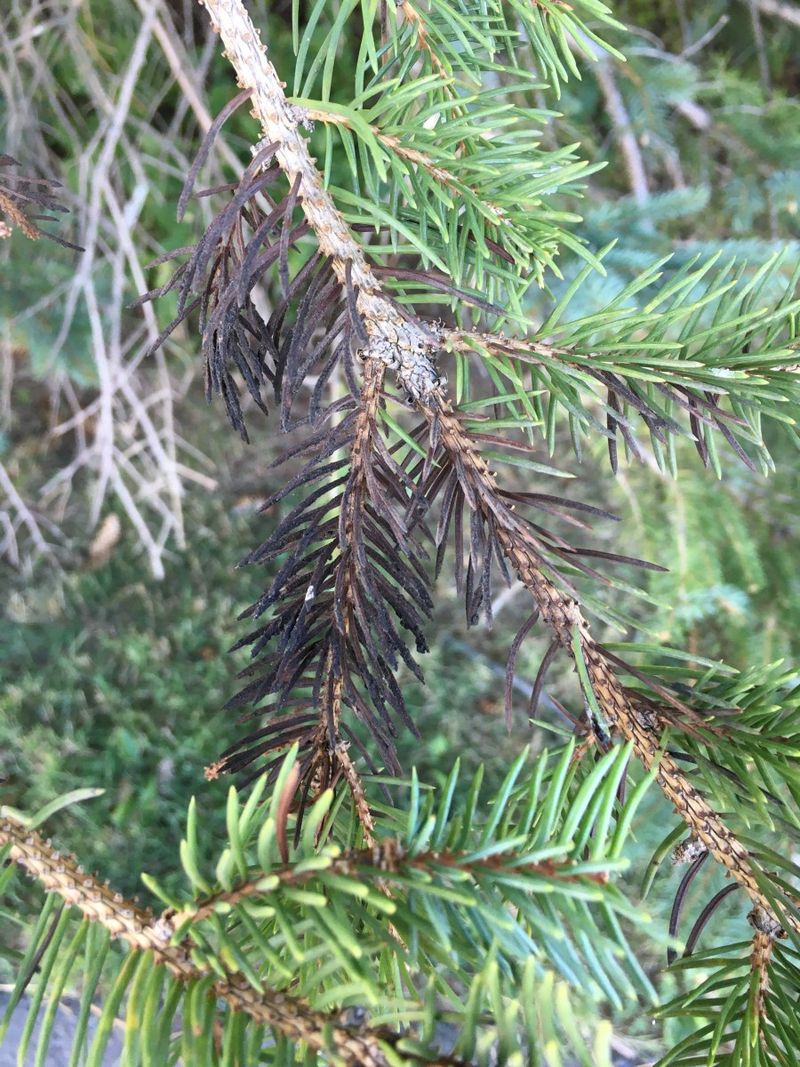
Fungal diseases called needle casts have become increasingly problematic for New York evergreens in recent years.
These infections attack needles directly, causing them to turn brown, develop spots, and drop prematurely.
Several different fungi cause needle cast diseases, each preferring specific evergreen species and weather conditions.
Wet springs and humid summers create ideal conditions for these fungi to spread across New York landscapes.
Spores travel on wind and rain, landing on healthy needles where they germinate and begin growing.
Once established, the fungus damages needle tissues from the inside, disrupting their ability to perform photosynthesis.
Symptoms typically appear on older needles first, with browning starting near the branch and moving outward.
Small black or brown fruiting bodies may develop on infected needles, releasing more spores to continue the disease cycle.
Heavy infections can cause significant needle loss, leaving trees looking thin and unhealthy.
Austrian pine, white pine, and spruce species commonly grown in New York all suffer from various needle cast diseases.
Dense plantings with poor air circulation trap moisture around needles, making infection more likely.
Removing fallen needles from around tree bases helps break the disease cycle.
Fungicide applications timed to protect new growth can prevent infections, though treating established disease proves more challenging for homeowners without professional help.
6. Road Salt Damage From Winter De-Icing
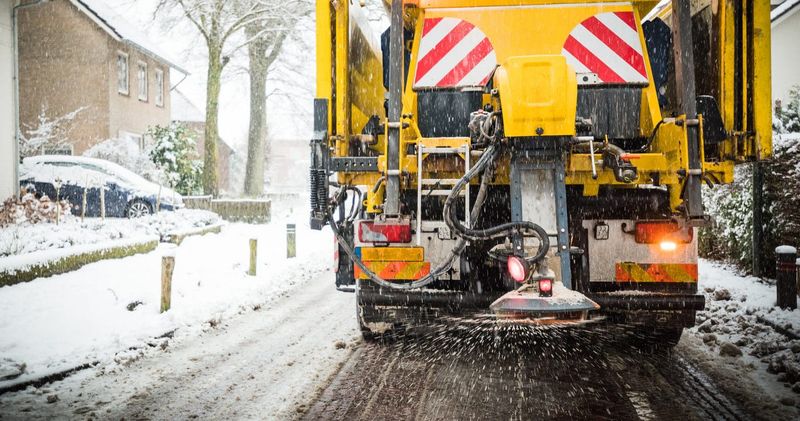
Winter road maintenance keeps New York roads safe, but the salt used for de-icing creates serious problems for nearby evergreen trees.
Salt spray from passing vehicles coats needles with sodium and chloride, chemicals that damage plant tissues.
This damage often doesn’t become visible until spring or even early summer, when affected needles suddenly turn brown.
Trees planted close to roads, driveways, and sidewalks face the greatest risk throughout New York.
Each time a plow truck passes or a car drives through salty slush, more damaging spray lands on branches.
The salt accumulates over winter, building up to toxic levels that needles cannot tolerate.
Salt also washes into soil where it affects roots directly.
High soil salinity prevents roots from absorbing water properly, essentially creating drought conditions even when moisture is present.
This root damage compounds the direct needle injury, stressing trees from multiple directions at once.
Browning typically appears on the side of the tree facing the road first, creating a telltale pattern.
Lower branches suffer more damage than upper ones because they receive heavier salt exposure.
Rinsing evergreens with fresh water during winter thaws can help wash away accumulated salt.
Planting salt-tolerant evergreen species near treated roads, or installing burlap barriers during winter, protects vulnerable trees in high-exposure New York locations.
7. Transplant Shock From Recent Planting Or Moving
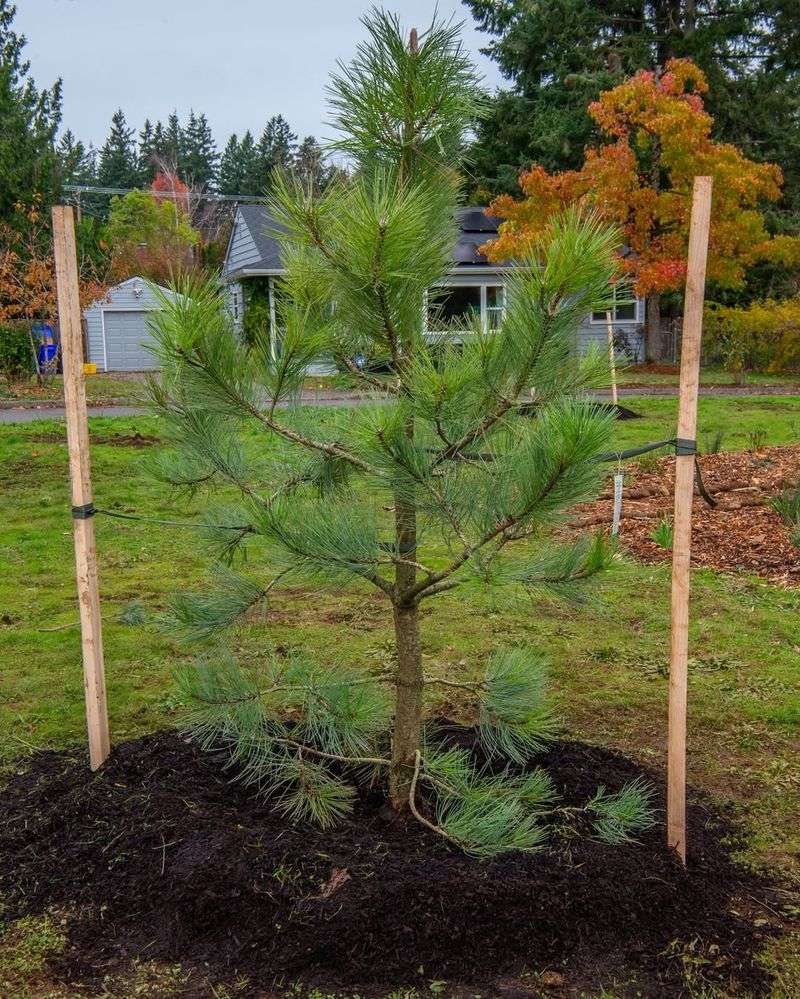
Moving evergreen trees, whether from a nursery to your yard or from one location to another, creates stress that often shows up as needle drop.
Transplanting damages root systems no matter how carefully it’s done, reducing the tree’s ability to absorb water and nutrients.
New York homeowners frequently plant evergreens in spring or fall, and these trees need time to establish before they can fully support all their needles.
Transplant shock symptoms might not appear immediately.
Trees can look fine for weeks or even months before suddenly dropping needles in large quantities.
This delayed reaction happens because the tree uses stored energy reserves initially, then struggles once those reserves run low and damaged roots cannot keep up with the needles’ demands.
Evergreens planted during particularly dry periods in New York face even greater challenges.
Their limited root systems cannot explore enough soil to find adequate moisture.
Size matters too, larger transplanted trees experience more severe shock than smaller ones because they have proportionally fewer roots compared to their needle mass.
Proper planting techniques make a huge difference in reducing transplant shock.
Digging holes twice as wide as the root ball helps roots spread into surrounding soil more easily.
Consistent watering during the first two growing seasons proves critical for New York evergreens.
Avoiding fertilizer during the first year prevents pushing new growth that stressed roots cannot support adequately.
8. Natural Needle Shedding Cycle Intensified By Stress
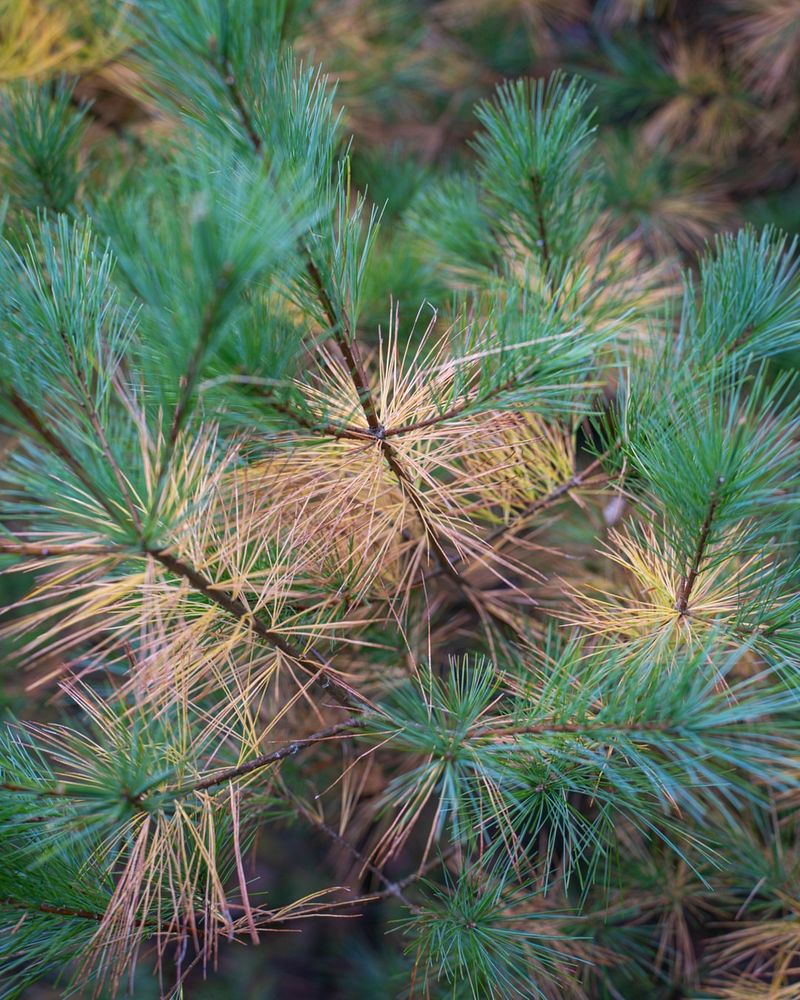
All evergreen trees naturally shed their oldest needles every year, despite what their name suggests.
This normal process typically happens in fall, when inner needles that have been on the tree for several years turn brown and drop.
Most people never notice this natural cycle because it happens gradually and affects needles hidden deep inside the canopy.
Pines usually keep their needles for two to five years depending on species, while spruces and firs may hold needles for seven years or longer.
When these older needles reach the end of their useful life, trees shed them to make room for new growth.
This recycling process is healthy and necessary.
However, stress from any source can intensify the natural shedding cycle dramatically.
A tree dealing with drought, pests, disease, or nutrient problems may drop needles that are only one or two years old instead of waiting until they’re much older.
This accelerated shedding becomes very noticeable, making homeowners across New York worry that something is seriously wrong.
The combination of natural fall shedding plus stress-induced early dropping creates the dramatic needle loss many people are seeing.
Distinguishing between normal and excessive shedding requires looking at which needles are falling.
If only the innermost, oldest needles are browning while branch tips stay green, the process is likely normal.
When newer needles near branch ends turn brown, stress factors are definitely involved and need addressing.