New Jersey Homeowners Are Reporting Mysterious Holes Appearing Overnight And The Culprit Is Revealed
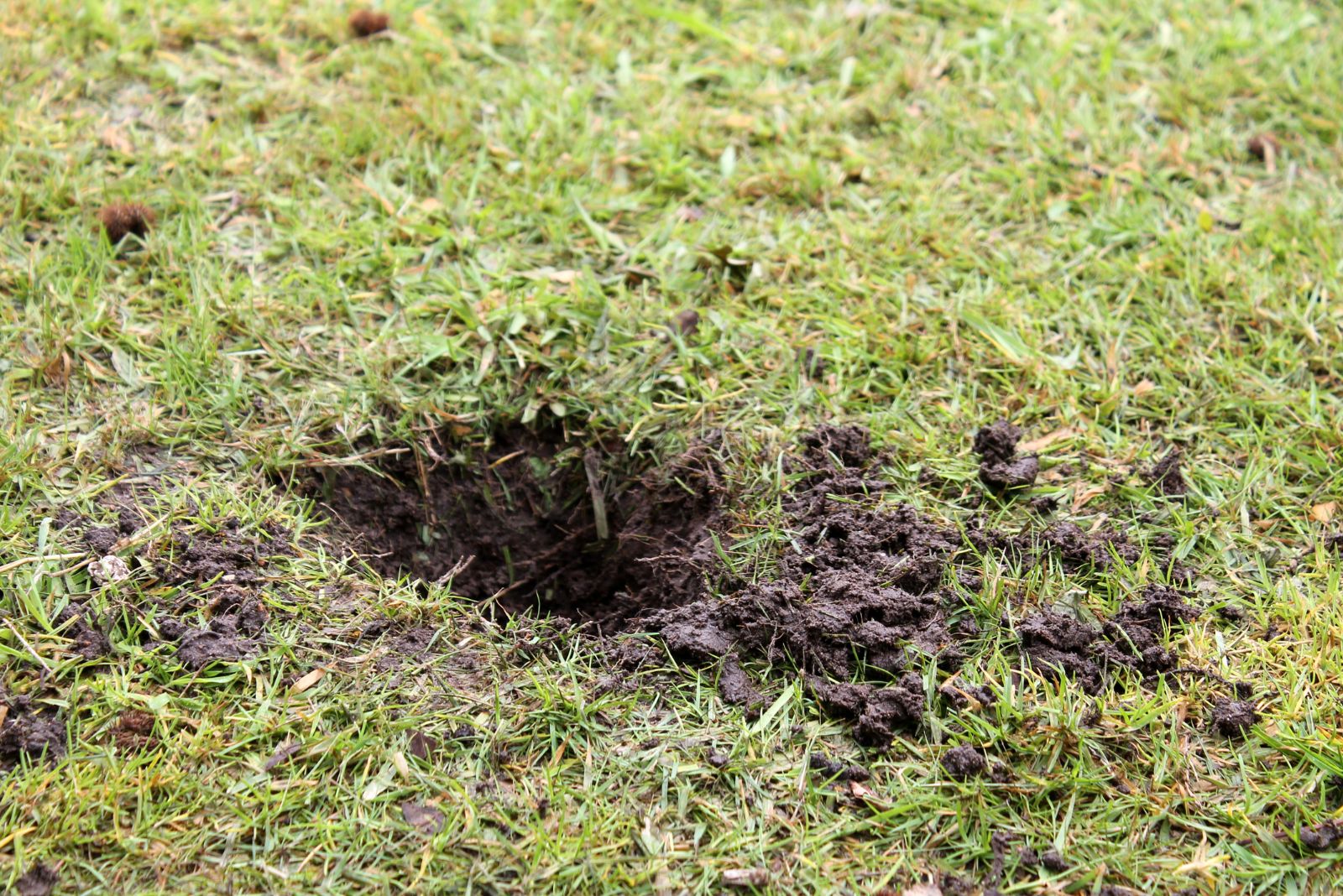
New Jersey homeowners are waking up to a puzzling sight: small cone-shaped holes scattered across their lawns, dug sometime during the night with no clear trace of what caused them.
The sudden appearance has sparked plenty of concern and speculation — until wildlife experts weighed in with a definitive answer.
The nighttime intruder responsible for all the commotion is the common skunk, a surprisingly industrious digger on the hunt for grubs and insects hiding beneath the grass.
As skunk activity increases across the state, homeowners are learning why these animals are targeting their yards, why the digging spikes at certain times of year, and what simple steps can prevent more unwanted holes by morning.
1. Skunks Are Expert Diggers Looking For Food
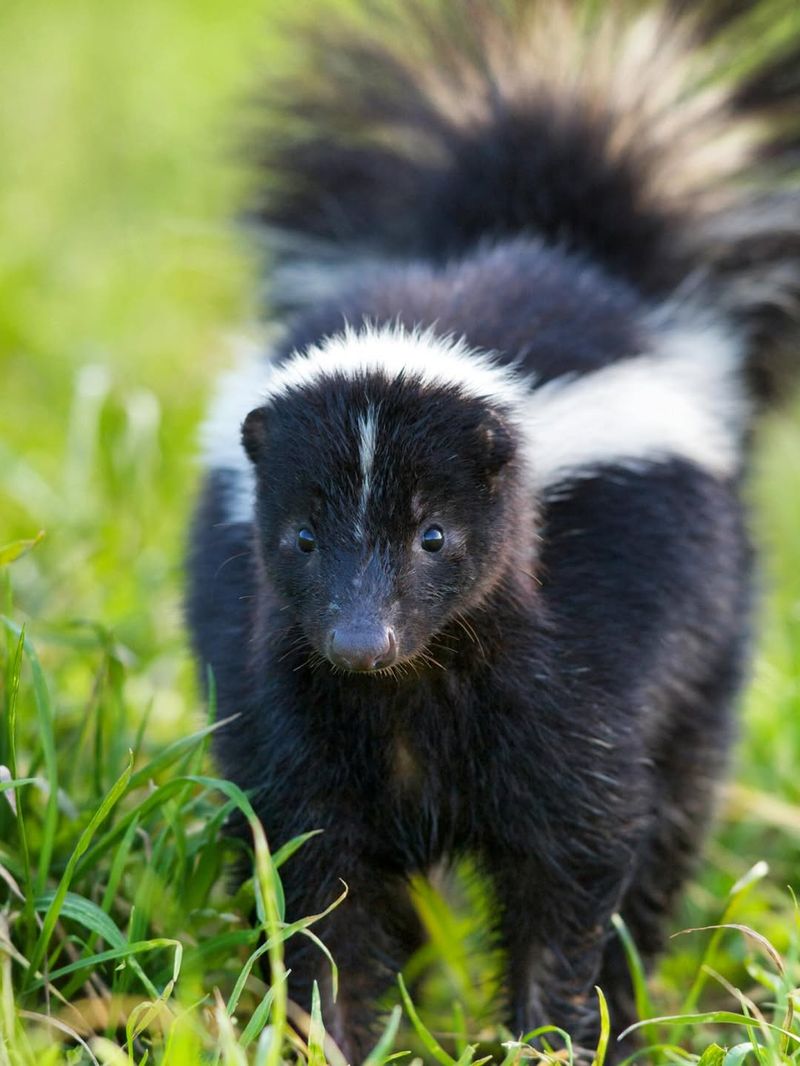
Skunks possess strong front claws perfectly designed for excavating soil and tearing through grass.
When they smell grubs, beetles, or larvae beneath the surface, they create small cone-shaped holes about two to four inches wide.
New Jersey lawns provide an ideal hunting ground because the moist soil supports plenty of insects that skunks love to eat.
These nocturnal creatures work mostly at night, which explains why homeowners wake up to fresh damage each morning.
The holes appear randomly scattered because skunks follow their noses to wherever the scent of food leads them.
A single skunk can dig dozens of holes in one night while searching for a meal.
The damage might look alarming, but it actually indicates that your yard has a healthy insect population living underground.
Understanding this behavior helps homeowners realize that skunks aren’t trying to destroy lawns on purpose.
They’re simply following their natural instincts to survive and find nourishment in suburban environments.
2. Their Spray Can Reach Up To Fifteen Feet
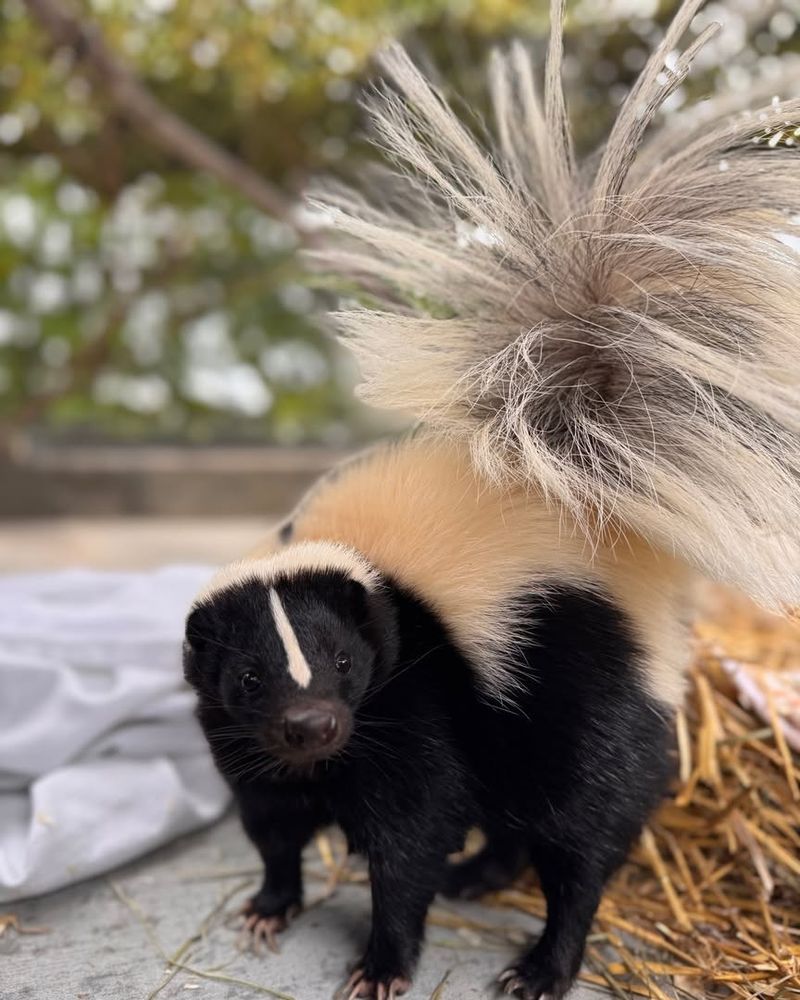
A skunk’s most famous defense mechanism is its ability to spray a powerful, foul-smelling liquid from glands located near its tail.
This spray can accurately hit targets up to fifteen feet away, making it an incredibly effective deterrent against predators and threats.
The odor contains sulfur compounds that can linger for days or even weeks on clothing, pets, and skin.
Before spraying, skunks usually provide several warning signs including stomping their front feet, hissing, and raising their tail high in the air.
Residents throughout New Jersey have learned to recognize these warning signals and back away slowly to avoid getting sprayed.
The spray can cause temporary blindness and intense burning if it contacts the eyes directly.
Skunks typically reserve this defense as a last resort because they can only produce a limited amount of spray at a time.
After depleting their supply, it takes about ten days for their glands to fully replenish.
Respecting their space and avoiding sudden movements dramatically reduces the chances of an unpleasant encounter.
3. They’re Actually Beneficial For Your Garden
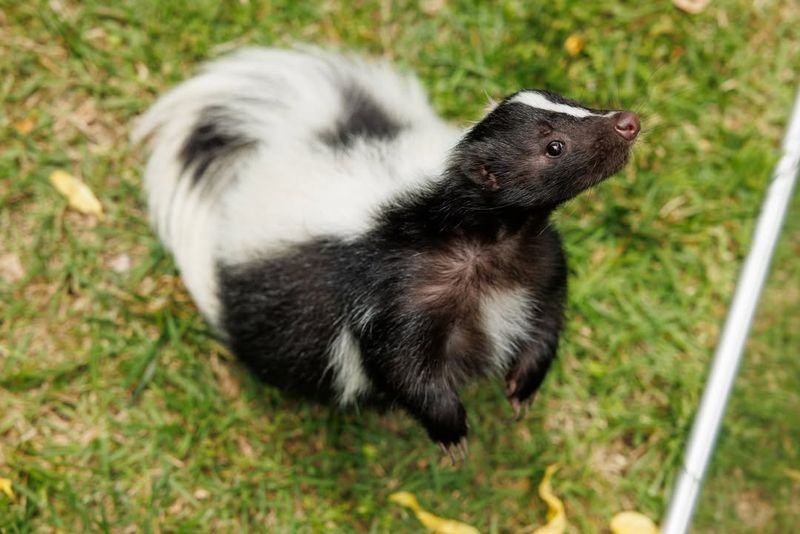
Despite the frustration of finding holes in your yard, skunks actually provide valuable pest control services for New Jersey homeowners.
Their diet consists primarily of insects that can damage gardens and lawns, including Japanese beetles, cutworms, and white grubs.
Your New Jersey Garden Changes Every Week. Your Plan Should Too.
Gardening in New Jersey changes quickly throughout the season. Every Friday you’ll receive a simple weekly plan showing exactly what to plant, prune, fertilize, harvest, and protect so you never miss the right timing.
These grubs, if left unchecked, would eventually turn into beetles that destroy plant roots and cause far more extensive lawn damage.
Skunks also consume mice, rats, and other small rodents that might otherwise invade homes or spread disease.
Many gardeners appreciate having skunks around because they reduce the need for chemical pesticides and expensive professional treatments.
The temporary cosmetic damage to lawns is often worth the long-term benefits of natural pest management.
Skunks won’t harm your vegetables, flowers, or ornamental plants since they’re primarily carnivorous.
Encouraging a balanced ecosystem in your yard means accepting some minor disruption in exchange for healthier soil and fewer destructive insects.
Once the grub population decreases, skunks typically move on to other areas where food is more abundant.
4. Baby Skunks Are Called Kits And Born In Spring
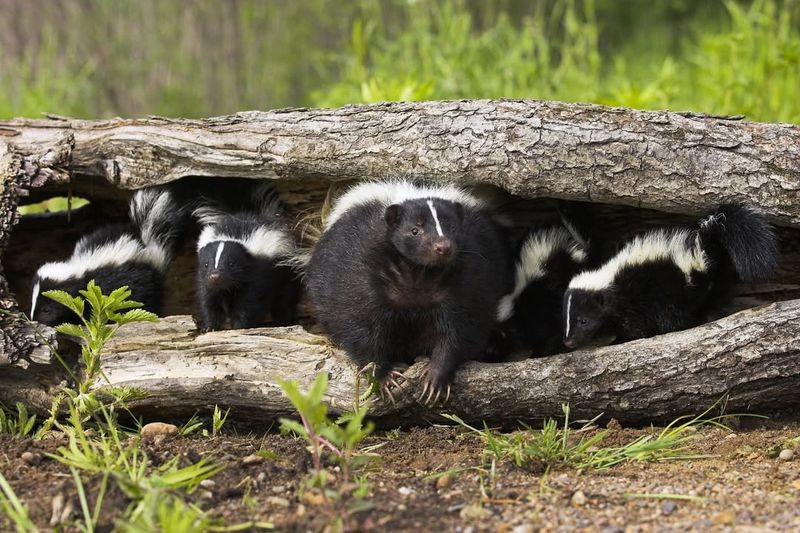
Female skunks give birth to litters of four to seven babies, called kits, typically between late April and early June.
These tiny creatures are born blind, deaf, and completely helpless, weighing only about one ounce at birth.
Mother skunks are fiercely protective and will spray any perceived threat that comes near their den or babies.
The increased skunk activity many New Jersey residents notice during spring often relates to mothers searching for food to support their growing families.
Kits begin opening their eyes after about three weeks and start exploring outside the den by the time they’re two months old.
Young skunks learn to spray at a remarkably early age, sometimes as young as three weeks old, though their aim isn’t very accurate yet.
By late summer, the kits are usually weaned and ready to venture out on their own to establish territories.
Seeing a line of baby skunks following their mother across a yard is actually quite adorable, though it’s best to observe from a safe distance indoors.
Respecting den sites during breeding season helps ensure peaceful coexistence with these fascinating animals.
5. Skunks Have Poor Eyesight But Excellent Hearing
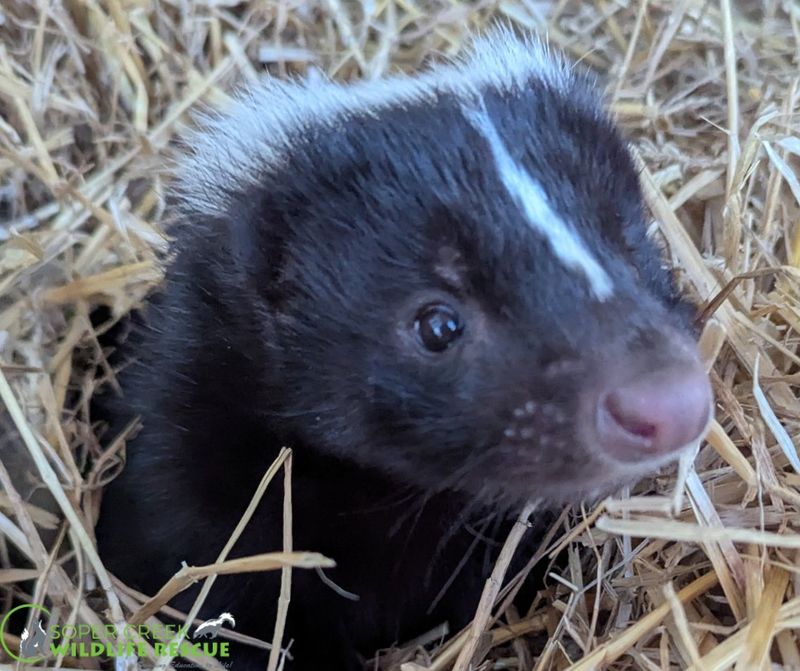
Skunks rely much more heavily on their sense of smell and hearing than on vision to navigate their environment.
Their eyesight is relatively poor, and they can only see clearly for about ten feet in front of them.
This limited vision explains why skunks sometimes appear clumsy or seem surprised when encountering humans or pets at close range.
Their excellent hearing compensates for poor eyesight, allowing them to detect the slightest sounds of insects moving beneath the soil.
This acute sense of hearing also alerts them to approaching predators or other potential dangers in their surroundings.
New Jersey homeowners who make noise while walking outside at night are less likely to startle a skunk unexpectedly.
The combination of strong smell detection and sensitive hearing makes skunks highly effective nocturnal hunters despite their visual limitations.
Understanding these sensory characteristics helps explain their behavior patterns and why they sometimes seem oblivious to obvious threats.
Giving skunks plenty of audible warning when you’re nearby prevents surprise encounters that could result in defensive spraying.
Their adaptations prove that animals don’t need perfect vision to thrive successfully in suburban environments.
6. They’re Immune To Snake Venom And Eat Poisonous Snakes
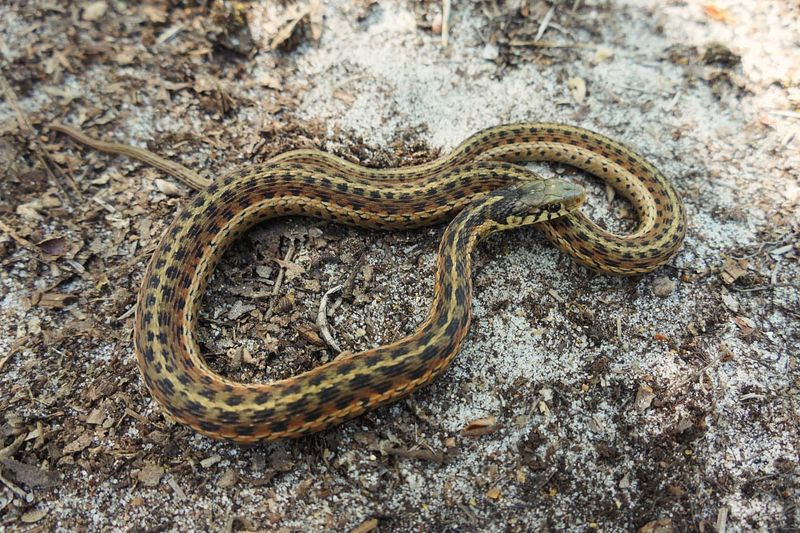
One of the most surprising facts about skunks is their partial immunity to snake venom, including that of rattlesnakes and copperheads.
This remarkable adaptation allows them to hunt and consume venomous snakes without suffering serious consequences from bites.
Skunks are opportunistic omnivores who will tackle prey that many other animals wisely avoid.
New Jersey doesn’t have many venomous snakes, but skunks still help control populations of garter snakes and other non-venomous species.
Their thick fur and tough skin provide additional protection against snake strikes during confrontations.
Watching a skunk take on a snake might seem like an uneven match, but skunks are surprisingly fearless and capable hunters.
This dietary flexibility means skunks can survive in various environments by eating whatever food sources are available.
Beyond snakes, their diet includes everything from insects and eggs to fruits, nuts, and even garbage when natural food is scarce.
Having such diverse eating habits makes skunks incredibly successful at adapting to human-altered landscapes throughout the state.
Their role as snake predators adds another layer to their value as part of local ecosystems.
7. Skunks Are Solitary Creatures Except During Mating Season
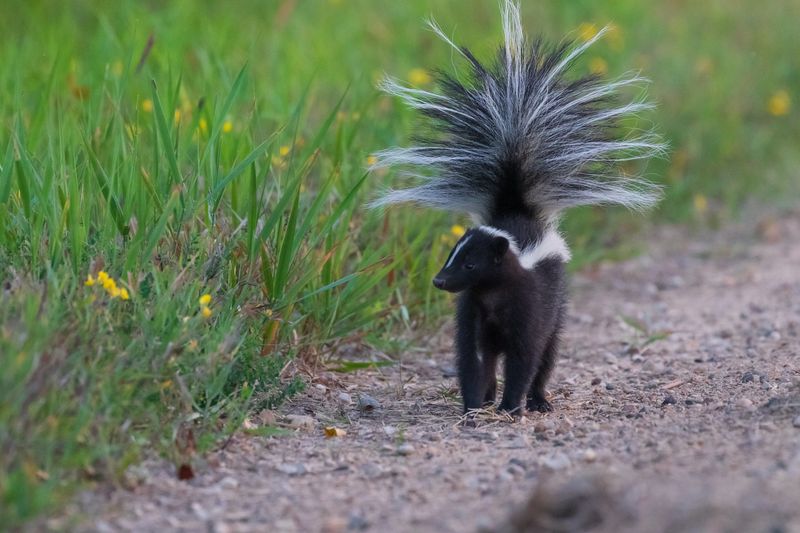
Unlike many mammals that live in family groups or packs, skunks prefer a solitary lifestyle for most of the year.
Each adult skunk maintains its own territory and generally avoids contact with other skunks outside of breeding season.
Mating occurs during late winter, typically in February and March throughout New Jersey.
Males may travel several miles searching for receptive females, which sometimes brings them into closer contact with residential areas.
After mating, male skunks play no role in raising the young and return to their solitary wandering.
Female skunks remain alone except when caring for their kits during spring and early summer months.
This independent nature means that if you see multiple skunks together, they’re likely a mother with her babies or males competing for a mate.
Skunks establish dens in various locations including hollow logs, abandoned burrows, brush piles, and sometimes under porches or sheds.
They don’t hibernate but may share winter dens with other skunks to conserve body heat during extremely cold weather.
Understanding their solitary habits helps homeowners realize that skunk problems usually involve individual animals rather than large groups.
8. They Can Carry Rabies And Should Never Be Approached
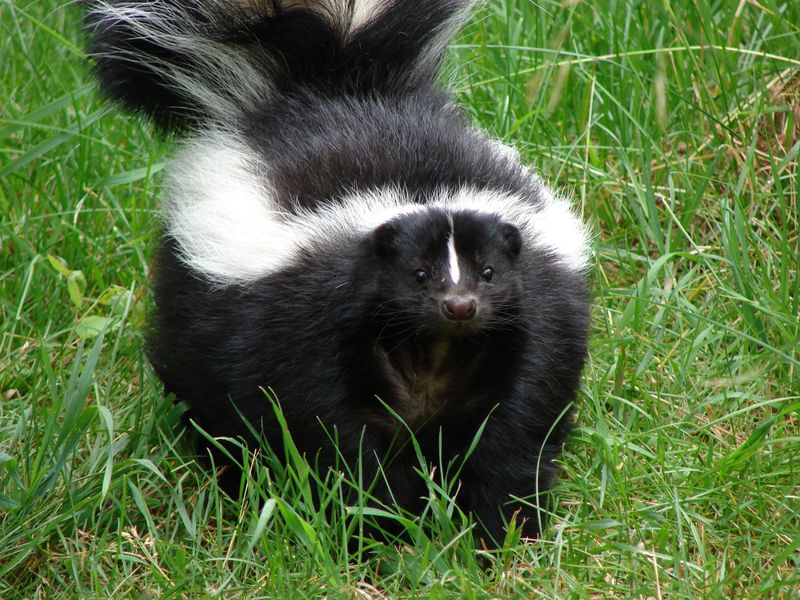
Skunks are one of the primary rabies vector species in North America, meaning they can transmit this serious viral disease to humans and pets.
New Jersey health officials regularly monitor skunk populations for rabies outbreaks and advise residents to maintain distance from all wild skunks.
Rabid skunks often display abnormal behavior such as aggression, disorientation, or unusual daytime activity.
However, not all skunks showing these signs have rabies, so it’s impossible to diagnose the disease just by observing behavior.
Any skunk bite or scratch requires immediate medical attention and potential rabies treatment, which involves a series of preventive shots.
Keeping pets vaccinated against rabies provides crucial protection if they encounter an infected skunk in your yard.
Never attempt to touch, feed, or relocate a skunk, even if it appears friendly or injured.
Children should be taught to admire skunks from a safe distance and immediately tell an adult if they spot one nearby.
If you find a skunk acting strangely or appearing sick, contact local animal control rather than handling the situation yourself.
Respecting wildlife and maintaining appropriate boundaries protects both human health and animal welfare.
9. Removing Food Sources Discourages Them From Your Property
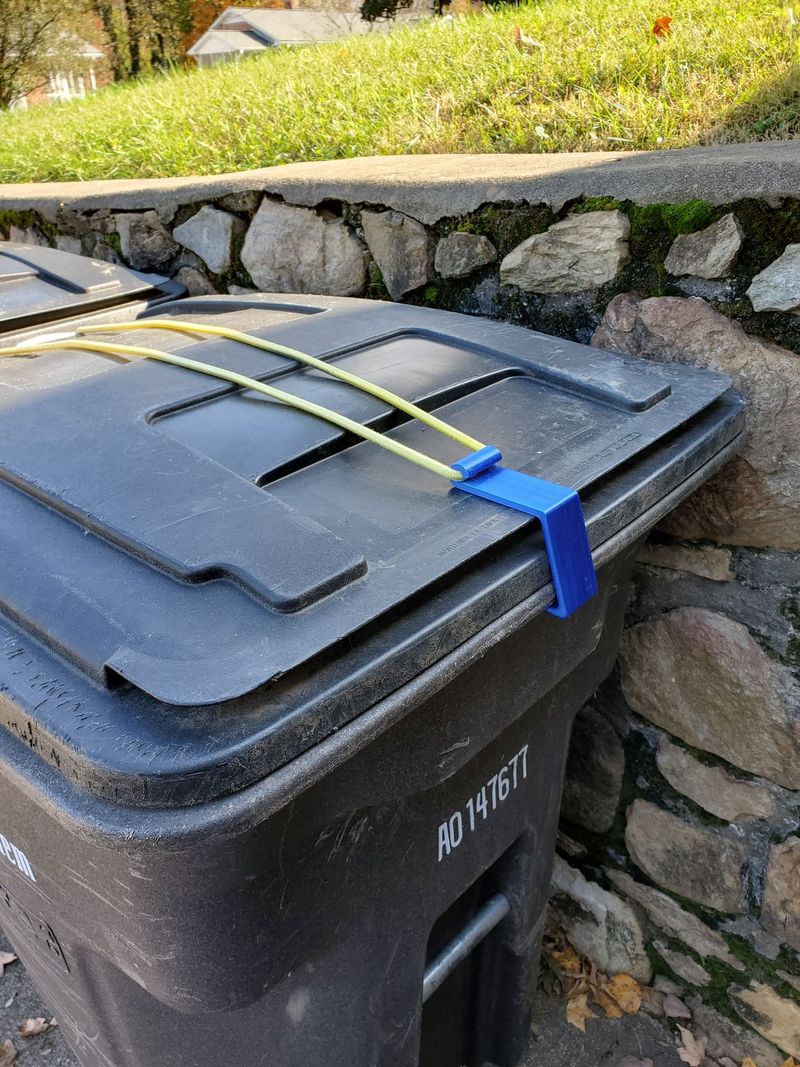
Skunks visit yards primarily because food is available, so eliminating these attractants is the most effective prevention strategy.
Securing garbage cans with tight-fitting lids prevents skunks from accessing household waste that might contain food scraps.
Pet food should never be left outside overnight since it attracts skunks, raccoons, and other wildlife to your property.
Bird feeders can also draw skunks because they eat fallen seeds and the insects attracted to the seed piles below.
Compost bins need secure covers or hardware cloth barriers to keep skunks from digging through decomposing food materials.
Treating your lawn for grubs removes the primary food source that brings skunks to dig holes in the first place.
New Jersey homeowners who address grub problems typically see a dramatic decrease in skunk activity within a few weeks.
Keeping grass mowed and removing brush piles eliminates hiding spots that make skunks feel safe while foraging.
Motion-activated lights or sprinklers can startle skunks and make them uncomfortable enough to seek food elsewhere.
Combining multiple prevention methods creates an environment that’s simply too inconvenient for skunks to bother visiting regularly.
10. Professional Removal Is Safer Than DIY Methods
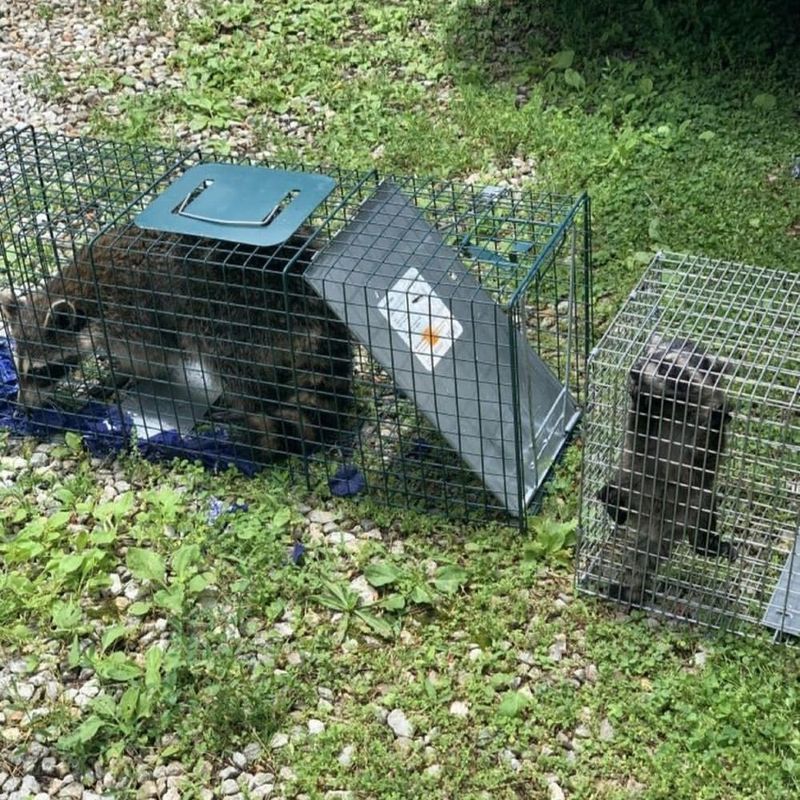
When skunks take up residence under your porch, deck, or shed, calling a licensed wildlife control expert is the smartest approach.
Professionals have the training, equipment, and legal permits required to handle and relocate skunks humanely and safely.
Attempting DIY removal often results in getting sprayed, bitten, or accidentally trapping baby skunks inside when blocking den entrances.
New Jersey has specific regulations about trapping and relocating wildlife that homeowners must follow to avoid legal penalties.
Licensed experts know how to identify whether baby skunks are present and will wait until they’re old enough to relocate with their mother.
They can also install exclusion devices that allow skunks to leave dens but prevent them from returning.
Professional services typically include sealing entry points and providing advice about preventing future wildlife problems.
The cost of professional removal is usually far less than dealing with medical bills from bites or property damage from amateur attempts.
Many wildlife control companies offer humane solutions that prioritize animal welfare while solving your skunk problem effectively.
Investing in professional help ensures the situation is resolved correctly the first time without unnecessary stress or danger.