The Top 14 Flowering Trees To Plant In Ohio Yards
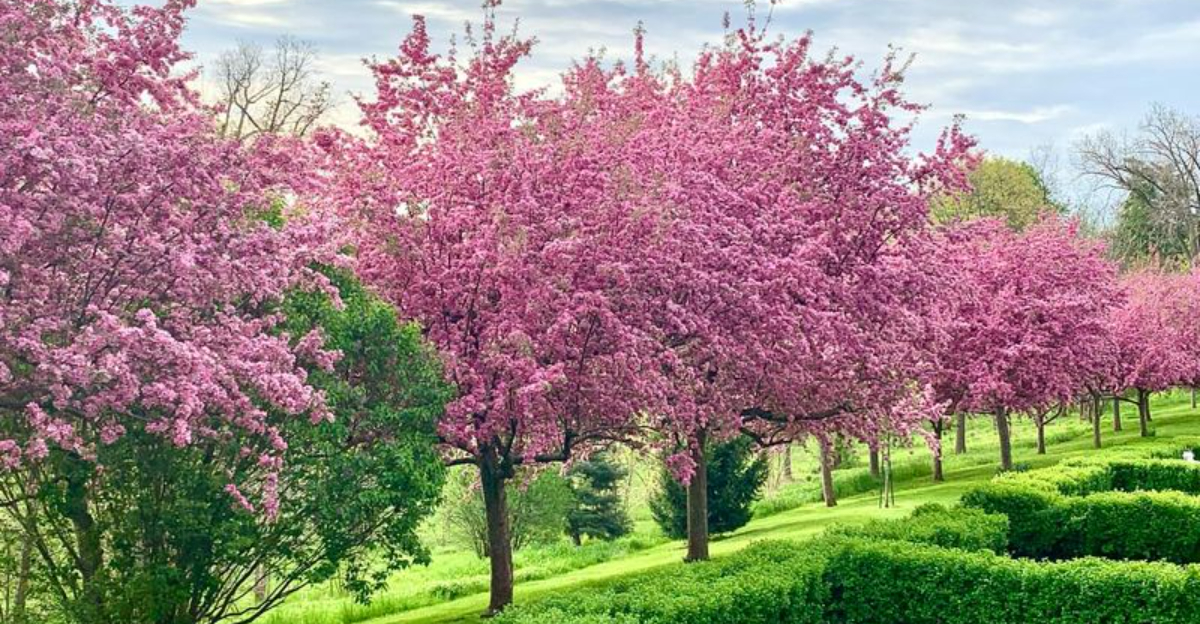
Ohio’s seasons paint the landscape with bold strokes, and nothing adds charm to a yard quite like a flowering tree bursting into bloom.
As winter fades and spring stretches awake, these trees step into the spotlight with colors that lift the whole mood of a neighborhood.
Soft petals drift through the air, branches glow with fresh life, and each tree adds a touch of magic that lasts far beyond the first warm day.
Homeowners across the state often search for varieties that stand strong through Ohio’s changing weather while still delivering show-stopping displays.
The right flowering tree can brighten a front yard, shade a patio, or frame a walkway with the kind of beauty that turns heads and sparks conversation.
From early bloomers to long-lasting performers, these trees offer a dependable way to welcome each new season in style, giving Ohio yards a burst of color that never goes out of fashion.
1. Eastern Redbud
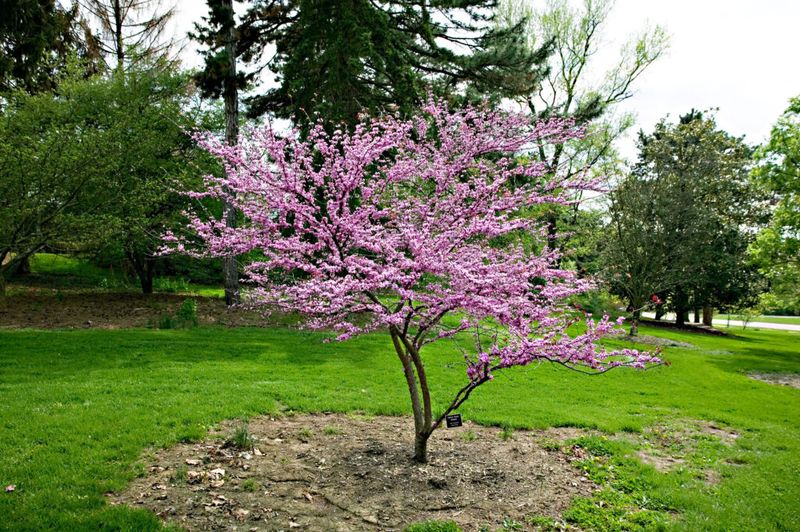
Before leaves emerge each spring, this native beauty covers itself in gorgeous pink-purple blooms that seem to grow directly from the branches.
Eastern Redbud thrives throughout Ohio, adapting well to various soil conditions and offering year-round visual appeal.
The heart-shaped leaves that follow the flowers turn golden yellow in autumn, providing a second season of interest.
This medium-sized tree typically reaches 20 to 30 feet tall, making it perfect for smaller yards or as an understory tree beneath taller specimens.
Ohio gardeners appreciate how low-maintenance redbuds prove to be once established.
They tolerate both sun and partial shade, though flowering intensifies with more sunlight exposure.
Wildlife benefits tremendously from Eastern Redbud plantings, as early-season pollinators depend on these blossoms for nectar when few other flowers bloom.
The seeds provide food for birds during winter months.
Planting one near your patio or along a walkway allows you to enjoy the spectacular spring display up close while supporting local ecosystems throughout the year.
2. Flowering Dogwood
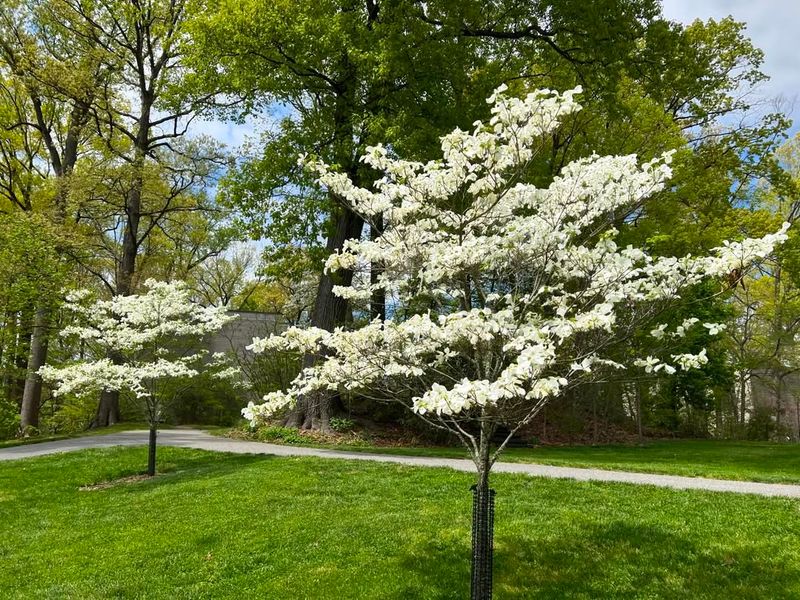
A classic choice for Ohio landscapes, Flowering Dogwood creates an unforgettable spring spectacle with its distinctive four-petaled blooms.
What most people call flowers are actually showy bracts surrounding tiny true flowers at the center.
These elegant trees grow 15 to 30 feet tall and spread nearly as wide, creating beautiful horizontal branching patterns.
Ohio’s climate suits dogwoods perfectly, though they prefer some afternoon shade to prevent leaf scorch during hot summer days.
The white or pink blooms appear in April or May, depending on your location within the state.
Come fall, the leaves transform into brilliant shades of red and purple, while bright red berries attract songbirds to your property.
Dogwoods work wonderfully as focal points in front yards or naturalized in woodland settings.
They pair beautifully with spring bulbs and shade-loving perennials beneath their canopy.
Ohio homeowners often plant them where they can view the flowers from windows, bringing outdoor beauty inside during the blooming season and creating lasting memories year after year.
3. Serviceberry
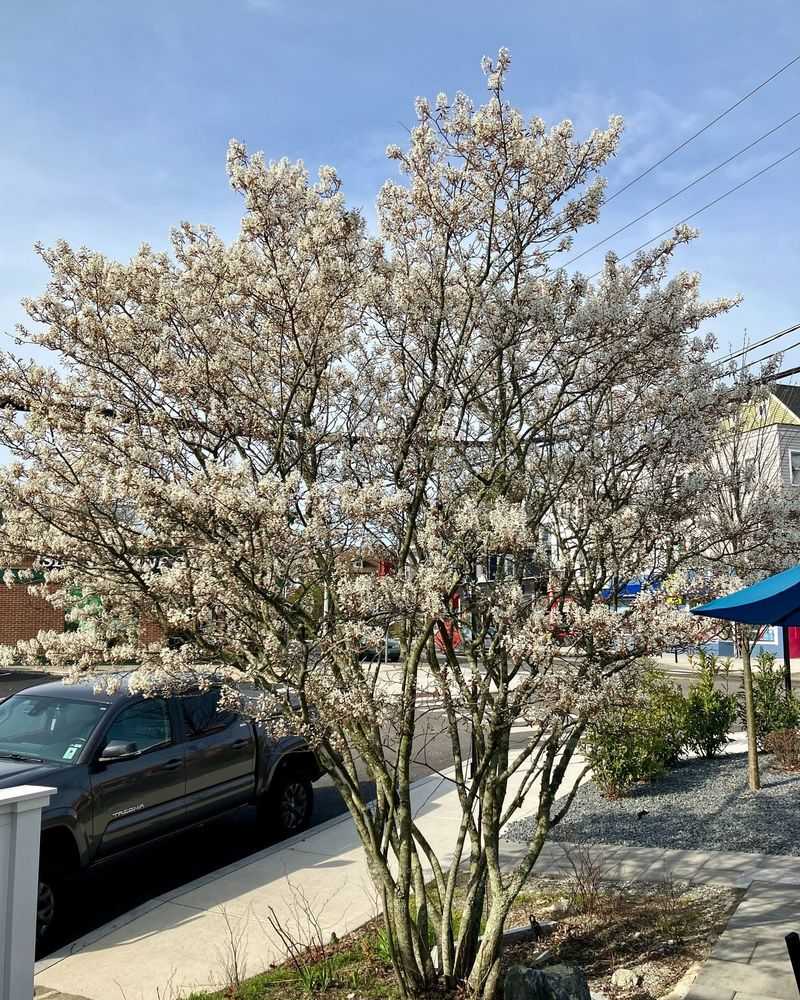
Among the earliest bloomers in Ohio gardens, Serviceberry announces spring’s arrival with clouds of delicate white flowers that cover the tree before most others awaken.
Your Ohio Garden Changes Every Week. Your Plan Should Too.
Gardening in Ohio changes quickly throughout the season. Every Friday you’ll receive a simple weekly plan showing exactly what to plant, prune, fertilize, harvest, and protect so you never miss the right timing.
This native tree reaches 15 to 25 feet and offers something special in every season.
The spring blossoms give way to edible purple berries that taste like blueberries with a hint of almond.
Birds adore Serviceberry fruits, though you’ll need to harvest quickly if you want to make jam or pies yourself.
The smooth gray bark provides winter interest, while fall foliage displays stunning orange and red hues across Ohio neighborhoods.
This adaptable tree tolerates various soil types and grows well in full sun or partial shade conditions.
Serviceberry works beautifully as a specimen tree, in groupings, or even as a large shrub if you select multi-stemmed varieties.
Ohio gardeners value its four-season appeal and relatively small size that fits suburban lots perfectly.
The tree requires minimal pruning and rarely suffers from serious pest problems, making it an excellent choice for busy homeowners.
4. Magnolia
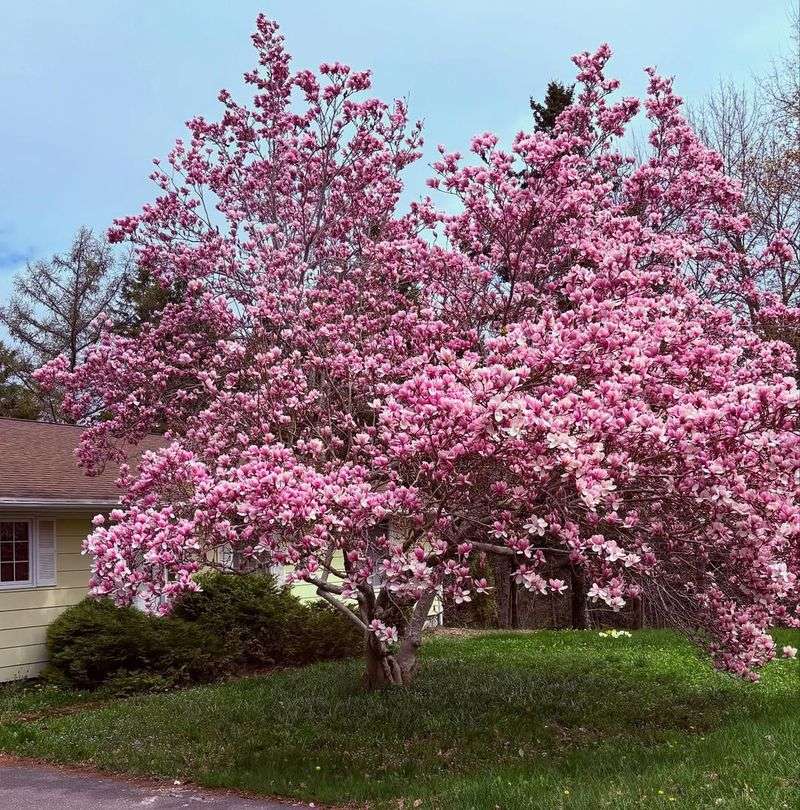
Few flowering trees command attention quite like Magnolias with their enormous, fragrant blooms that appear in early spring.
Several varieties thrive in Ohio’s climate, including Star Magnolia and Saucer Magnolia, each offering slightly different flower colors and forms.
These stunning trees create dramatic focal points that transform ordinary yards into elegant garden spaces.
Star Magnolia produces white star-shaped flowers on a smaller tree reaching 15 feet.
Saucer Magnolia displays larger pink and white cup-shaped blooms on trees growing 20 to 30 feet tall.
Both bloom before leaves emerge, creating a spectacular display against bare branches.
Ohio’s late frosts occasionally damage early blooms, but the show remains breathtaking even if some flowers get nipped.
Magnolias prefer well-drained, slightly acidic soil and appreciate mulch around their roots to maintain moisture.
Plant them in protected locations away from harsh winds for best results.
Their glossy green leaves remain attractive throughout summer, and the tree’s sculptural branching pattern provides winter interest long after flowers fade and leaves drop in autumn.
5. Crabapple
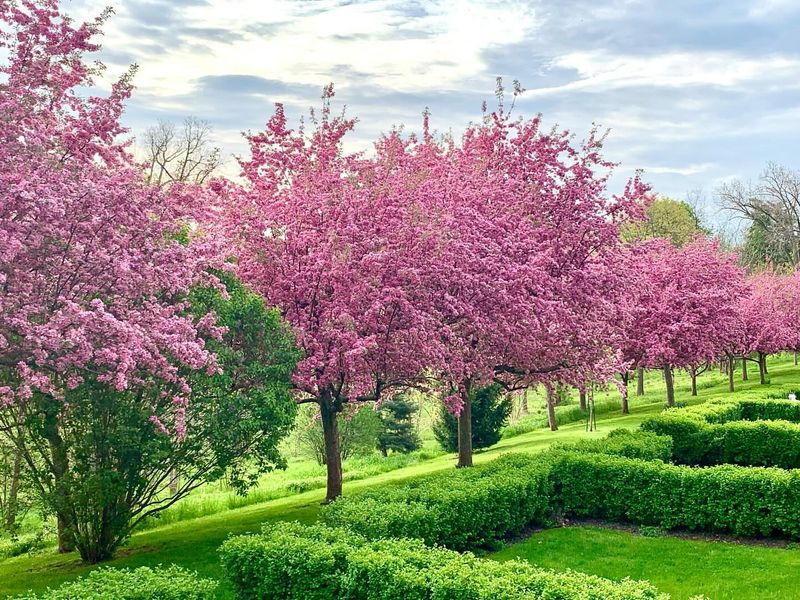
Spring in Ohio wouldn’t be complete without Crabapple trees bursting into clouds of pink, white, or red flowers that perfume the air with sweet fragrance.
These versatile trees range from 15 to 25 feet tall and come in dozens of varieties suited to different landscape needs.
Modern disease-resistant cultivars require minimal care while delivering maximum visual impact throughout multiple seasons.
The profuse spring blooms attract pollinators by the hundreds, creating a buzzing garden ecosystem.
Small fruits appear in summer and persist into winter, providing food for birds when other sources become scarce.
Ohio gardeners can choose varieties with different fruit sizes and colors.
Select disease-resistant varieties like ‘Prairifire’ or ‘Royal Raindrops’ to minimize maintenance concerns.
These trees adapt to various soil conditions across Ohio and tolerate urban environments remarkably well.
Their compact size makes them ideal for smaller properties, and they look stunning planted in groups or as single specimens near patios and entryways where their beauty can be fully appreciated.
6. American Fringe Tree
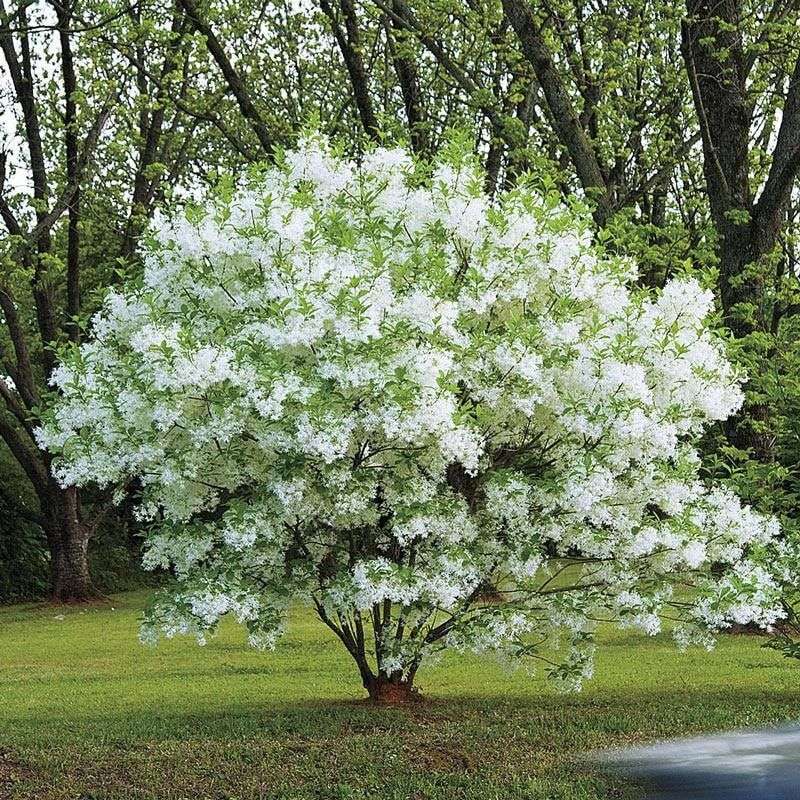
When late spring arrives in Ohio, American Fringe Tree puts on a show unlike any other flowering tree.
The aptly named blooms feature delicate, thread-like white petals that hang in loose clusters, creating a misty, cloud-like appearance that seems to float around the tree.
This native beauty grows slowly to 12 to 20 feet, making it manageable for most residential properties.
Male and female trees exist separately, with male specimens producing slightly showier flowers.
Female trees develop dark blue fruits that birds find irresistible if a male tree grows nearby for pollination.
The fragrant blooms attract numerous pollinators, including native bees and butterflies that appreciate the late-season nectar source when many spring flowers have already faded.
Fringe Tree adapts to full sun or partial shade and tolerates a range of soil conditions found throughout Ohio.
The glossy green leaves turn bright yellow in autumn before dropping.
This underutilized native deserves more attention from Ohio homeowners seeking something unique and low-maintenance that still delivers outstanding ornamental value and supports local wildlife populations beautifully.
7. Japanese Flowering Cherry
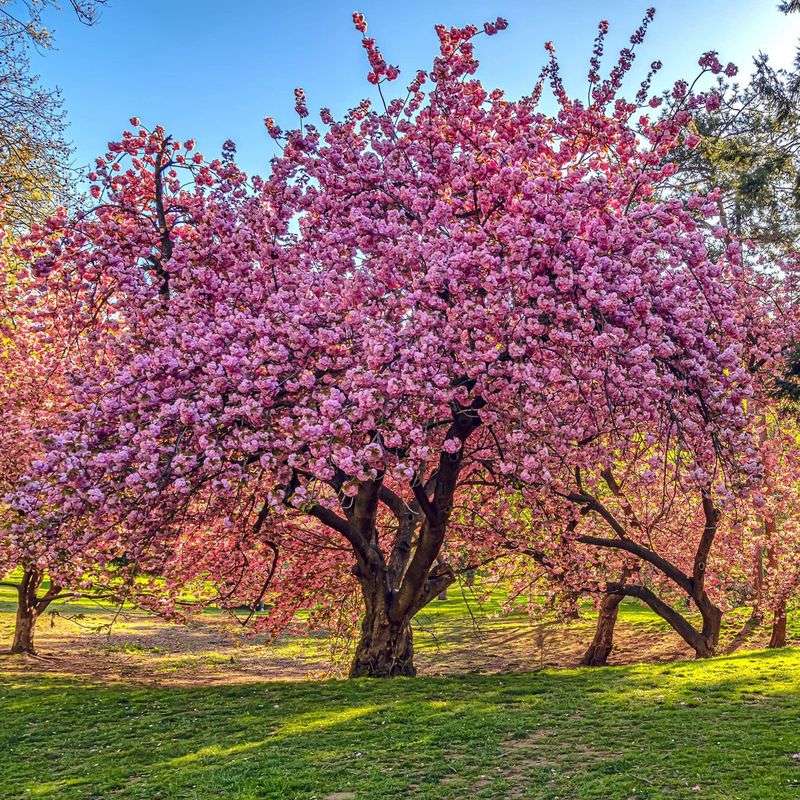
Bringing a touch of Asian elegance to Ohio landscapes, Japanese Flowering Cherry trees create unforgettable spring displays with their abundant pink or white blossoms.
These ornamental trees range from 15 to 25 feet tall depending on variety, with graceful branching habits that look beautiful year-round.
The brief but spectacular bloom period typically occurs in April across most of Ohio.
Popular varieties like ‘Kwanzan’ produce double pink flowers that last longer than single-flowered types, while ‘Yoshino’ offers clouds of pale pink blooms that fade to white.
The smooth, glossy bark features horizontal lenticels that add winter interest.
Fall foliage turns bronze, yellow, or orange before dropping, providing a second seasonal highlight beyond the famous spring display.
Japanese Flowering Cherries prefer full sun and well-drained soil for optimal health and flowering.
Ohio gardeners should choose varieties grafted onto hardy rootstock to ensure winter survival.
These trees make stunning focal points in front yards or line driveways beautifully.
Plant them where falling petals won’t create maintenance issues, as the blossoms drop within two weeks, carpeting the ground below in pink snow.
8. Hawthorn
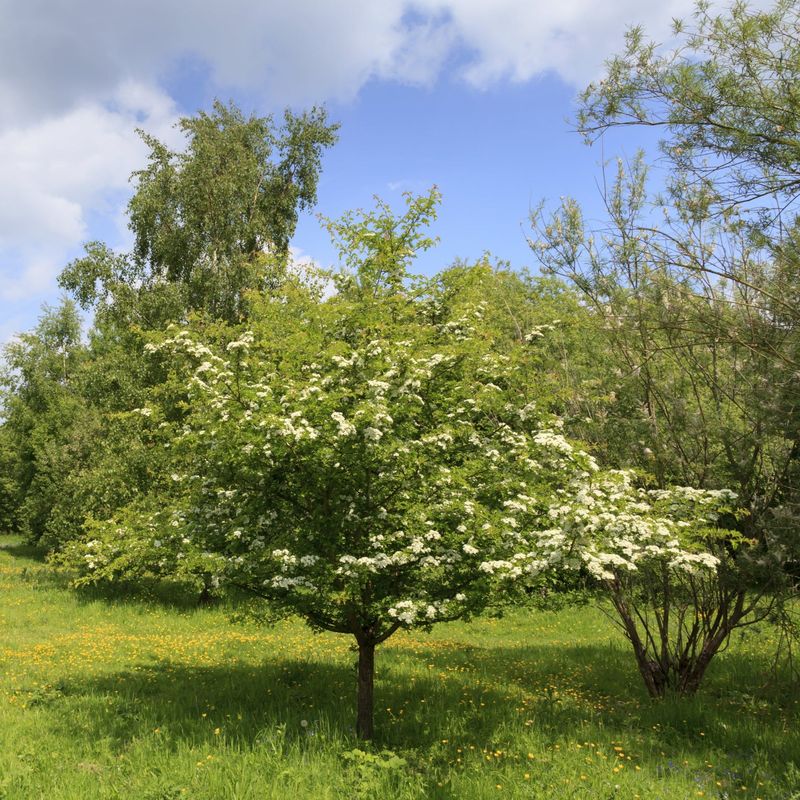
Tough and beautiful, Hawthorn trees thrive in Ohio’s variable climate while providing spectacular spring flowers, attractive fruits, and excellent wildlife habitat.
These small to medium trees reach 15 to 30 feet and produce clusters of white, pink, or red flowers in May.
The thorny branches deter deer and create safe nesting sites for songbirds throughout the growing season.
Bright red fruits called haws appear in late summer and persist through winter, adding color when most other ornamental features have faded.
Birds feast on these nutritious berries during cold months.
Ohio gardeners appreciate Hawthorn’s adaptability to various soil types and its tolerance of urban conditions including air pollution and compacted soil that challenges many other flowering trees.
Washington Hawthorn and Cockspur Hawthorn perform particularly well across Ohio.
The trees develop interesting branching patterns and attractive bark as they mature.
Fall foliage ranges from orange to scarlet depending on variety.
While the thorns require careful placement away from play areas and walkways, they make Hawthorns excellent security plantings beneath windows or along property boundaries where their beauty and protective nature both prove valuable.
9. Smoke Tree
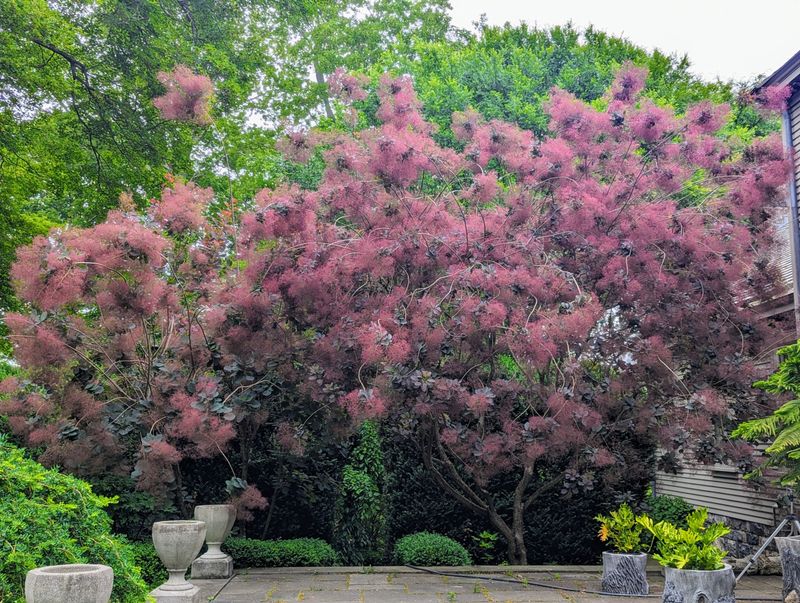
Creating an almost magical effect in Ohio gardens, Smoke Tree produces unusual flower plumes that resemble puffs of smoke floating among the branches.
These distinctive trees grow 10 to 15 feet tall and wide, working perfectly as large shrubs or small specimen trees.
The airy flower structures appear in early summer and persist for weeks, providing extended ornamental interest beyond typical spring bloomers.
Purple-leaved varieties like ‘Royal Purple’ offer stunning foliage color that intensifies in full sun, contrasting beautifully with the pinkish-purple smoke-like flowers.
Green-leaved forms produce similarly impressive blooms against bright green foliage.
Ohio’s climate suits Smoke Trees well, as they tolerate heat, drought, and various soil conditions once established in the landscape.
Fall brings another burst of color when leaves turn brilliant shades of yellow, orange, and red before dropping.
Smoke Tree requires minimal pruning and rarely suffers from serious pest or disease problems.
Plant it where the unique texture and form can be appreciated as a focal point.
The unusual appearance sparks conversation and adds artistic flair to Ohio yards seeking something different from traditional flowering trees.
10. Saucer Magnolia
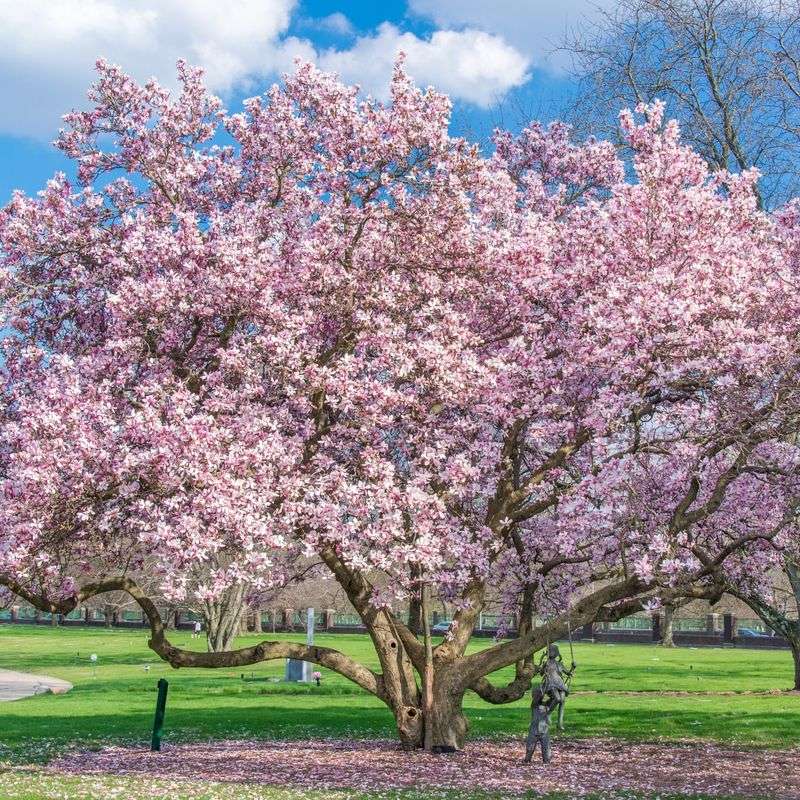
Bold and beautiful, Saucer Magnolia produces some of the largest flowers found on any tree hardy in Ohio.
The tulip-shaped blooms measure up to 10 inches across and display stunning combinations of pink, purple, and white coloring.
This hybrid magnolia reaches 20 to 30 feet tall with an equally wide spread, creating a substantial presence in the landscape.
Blooming occurs in early spring before leaves emerge, transforming the bare tree into a spectacular floral display that stops traffic.
Ohio’s unpredictable spring weather occasionally damages early blooms with late frosts, but the tree typically produces enough flowers that the show remains impressive.
The large, glossy leaves that follow create dense shade throughout summer months.
Saucer Magnolia prefers slightly acidic, well-drained soil and benefits from organic mulch around the root zone.
Plant it in protected locations where morning sun warms it gradually rather than in spots receiving harsh afternoon light.
This magnolia works wonderfully as a lawn specimen where its low, spreading branches can touch the ground naturally.
Ohio homeowners treasure these trees as focal points that announce spring’s arrival with unmistakable beauty and grace.
11. Kwanzan Cherry
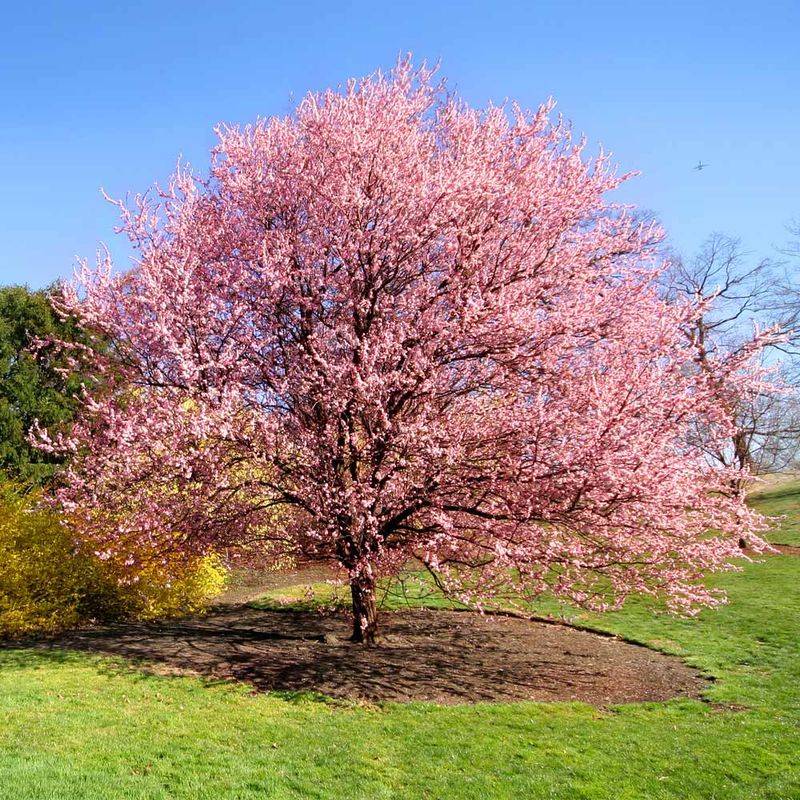
Among the most spectacular flowering trees for Ohio yards, Kwanzan Cherry produces masses of double pink flowers that create an almost overwhelming display in mid to late spring.
Each bloom contains up to 30 petals arranged in fluffy, rose-like clusters that weigh down the branches.
The tree grows 15 to 25 feet tall with a distinctive vase-shaped form that spreads with age.
Unlike many flowering cherries, Kwanzan produces no messy fruit, making it ideal for planting near patios, driveways, and sidewalks.
The flowers last longer than single-flowered varieties, extending the bloom period to two or three weeks.
Bronze-colored new leaves emerge as flowers fade, gradually turning green for summer before transforming into orange and bronze tones in autumn.
This Japanese flowering cherry thrives in full sun and well-drained soil across Ohio.
The smooth, reddish-brown bark with prominent horizontal markings adds winter interest.
Kwanzan Cherry makes a stunning street tree or focal point in front yards where its spectacular spring display can be admired by everyone passing by.
Ohio communities often plant them in groups to create breathtaking spring scenes that rival famous cherry blossom festivals.
12. Kousa Dogwood
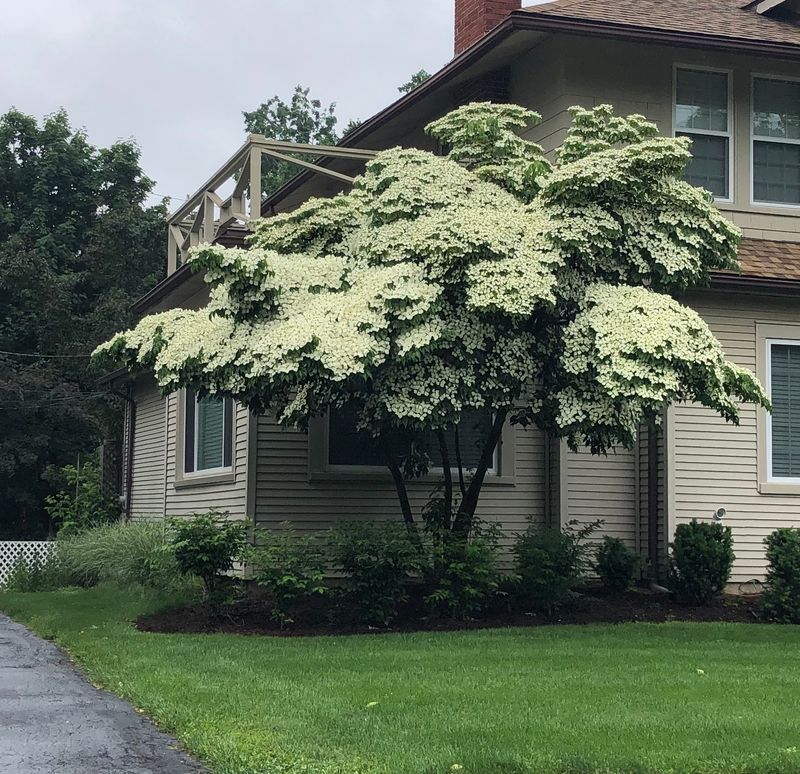
Blooming several weeks later than native Flowering Dogwood, Kousa Dogwood extends the flowering season well into June across Ohio.
The distinctive four-pointed white bracts appear above the foliage rather than before leaves emerge, creating a different but equally beautiful effect.
This Asian native grows 15 to 30 feet tall with a graceful, layered branching structure that looks artistic even in winter.
Kousa Dogwood resists the diseases that sometimes plague native dogwoods, making it an excellent low-maintenance choice for Ohio landscapes.
Raspberry-like fruits appear in late summer, dangling ornamentally from branches and attracting birds.
The exfoliating bark develops attractive mottled patterns as trees mature, adding year-round visual interest to the landscape.
Fall foliage turns brilliant shades of red and purple, rivaling any tree for autumn color.
This dogwood tolerates full sun better than native species and adapts to various soil types found throughout Ohio.
Plant it as a specimen tree, in groupings, or even as a large hedge.
The later bloom time means flowers rarely suffer frost damage, ensuring consistent flowering displays that Ohio gardeners can count on every single year.
13. Yoshino Cherry
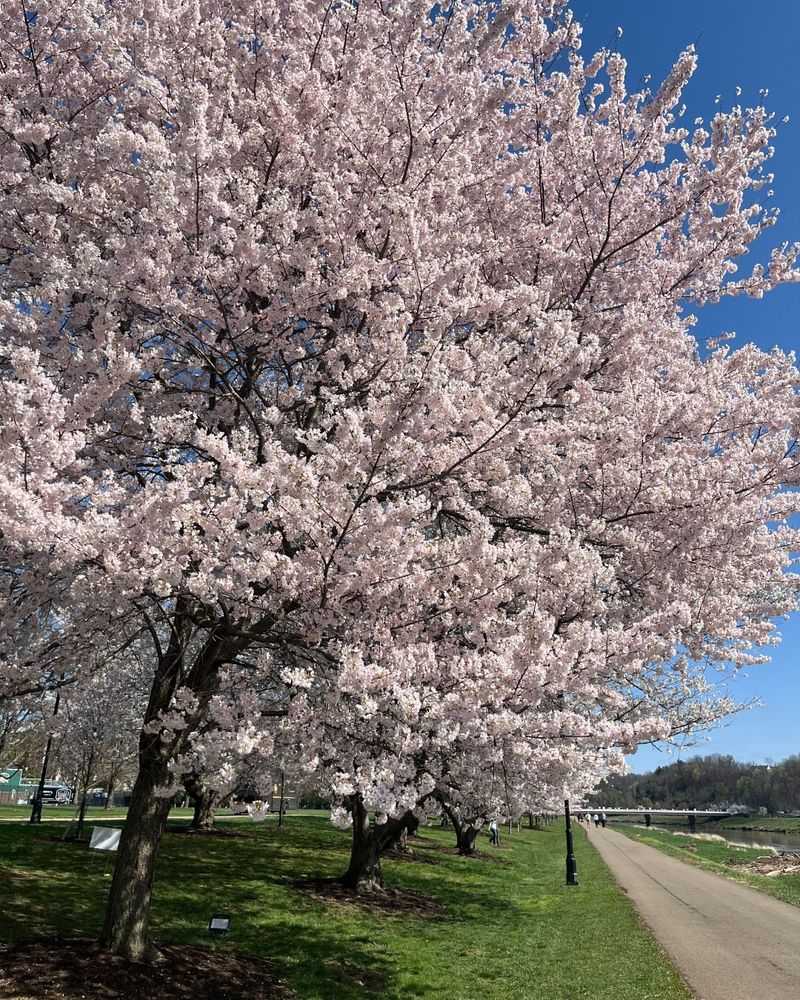
Famous for lining the Tidal Basin in Washington D.C., Yoshino Cherry brings that same enchanting beauty to Ohio landscapes each spring.
The pale pink buds open to nearly white flowers that appear in such abundance they almost hide the branches completely.
This fast-growing tree reaches 30 to 40 feet tall with a rounded, spreading canopy that provides lovely shade in summer.
The fragrant blossoms emerge in early to mid-April across most of Ohio, slightly ahead of Kwanzan Cherry.
The fleeting bloom period lasts about two weeks, with petals falling like snow when breezes blow through the branches.
Yoshino Cherry produces minimal fruit, keeping maintenance requirements low while still providing some food for wildlife during early summer months.
This cherry prefers full sun and well-drained soil but adapts reasonably well to various conditions found throughout Ohio.
The smooth gray bark and graceful branching create an attractive winter silhouette.
Fall foliage turns yellow to bronze before dropping.
Yoshino Cherry makes an excellent shade tree that also delivers outstanding spring beauty, serving dual purposes in Ohio yards where space limitations require trees to earn their spot through multiple seasons of interest.
14. Tulip Tree
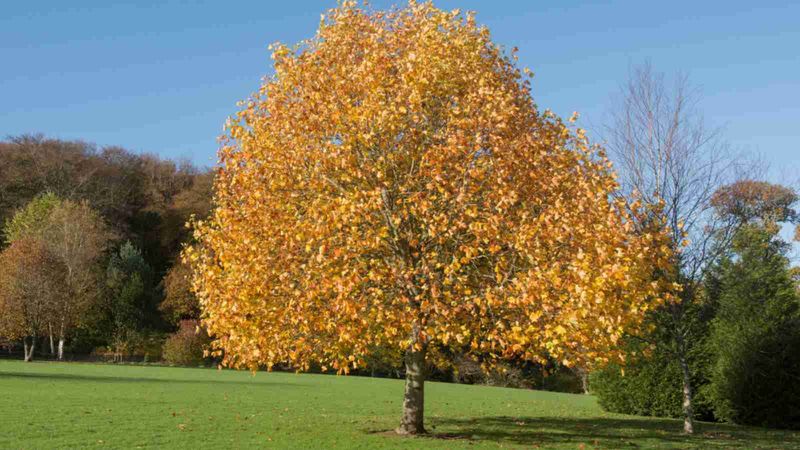
Ohio’s state tree, the Tulip Tree, grows into a magnificent specimen that produces unique tulip-shaped flowers in late spring.
The yellow-green blooms feature orange markings and appear high in the canopy, making them sometimes overlooked despite their beauty.
This fast-growing native can reach 70 to 90 feet tall, making it suitable only for larger properties with adequate space.
The distinctive four-lobed leaves create interesting texture throughout summer and turn bright yellow in autumn, lighting up Ohio landscapes.
Tulip Tree’s straight trunk and pyramidal form when young gradually develop into a broad, rounded canopy.
The tree provides excellent shade and serves as an important native species supporting numerous insects, birds, and other wildlife throughout the state.
Young trees grow rapidly, adding several feet per year under good conditions.
Tulip Tree prefers deep, moist, well-drained soil and full sun for optimal growth.
While too large for small yards, it makes a spectacular addition to parks, large properties, and rural Ohio landscapes where it has room to reach its full majestic potential.
The flowers attract hummingbirds and bees, adding ecological value to the ornamental beauty this native tree provides.