11 Smart Things To Do When A Deer Suddenly Appears In Your Wisconsin Yard This Winter
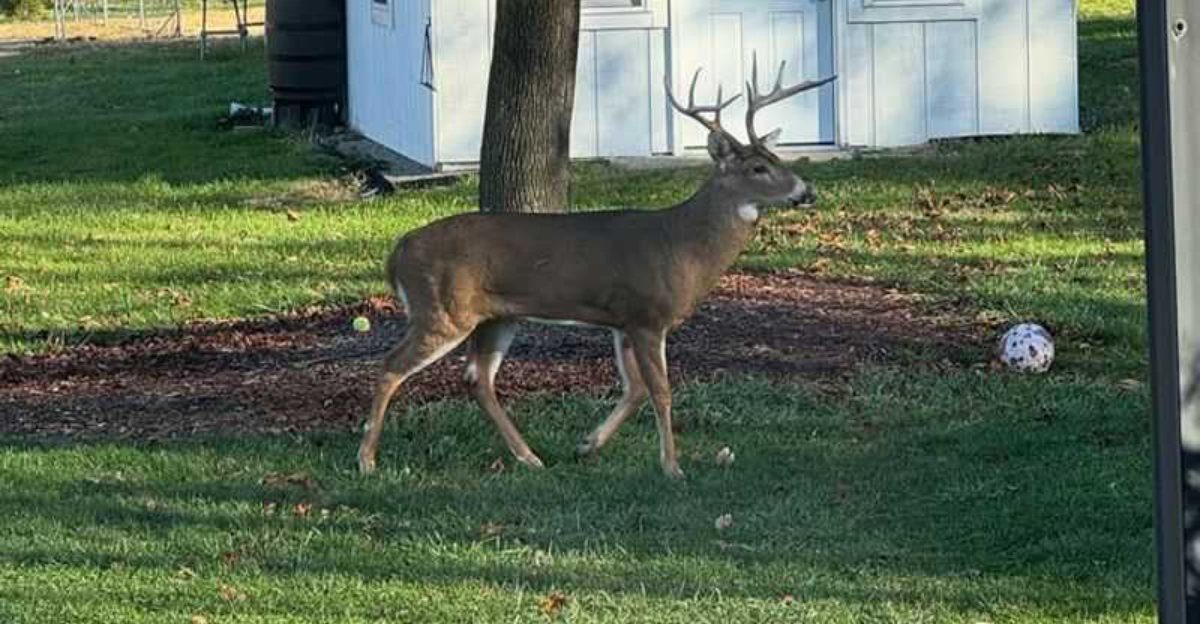
Winter in Wisconsin brings not only snowy landscapes and icy mornings but also unexpected visitors to your backyard, with deer being some of the most common guests during the colder months.
As temperatures drop and natural food sources become scarce, these graceful animals often wander into residential areas in search of something to eat, a bit of shelter, or simply an easier path through deep snow.
While spotting a deer up close can be a beautiful moment, it also raises important questions about safety—for both you and the animal.
Understanding how to respond calmly and responsibly helps prevent stress, injury, or accidental harm, and ensures you’re treating local wildlife with the respect it deserves.
Here are some smart, practical actions to take when a deer appears in your Wisconsin yard this winter season.
1. Stay Calm And Keep Your Distance
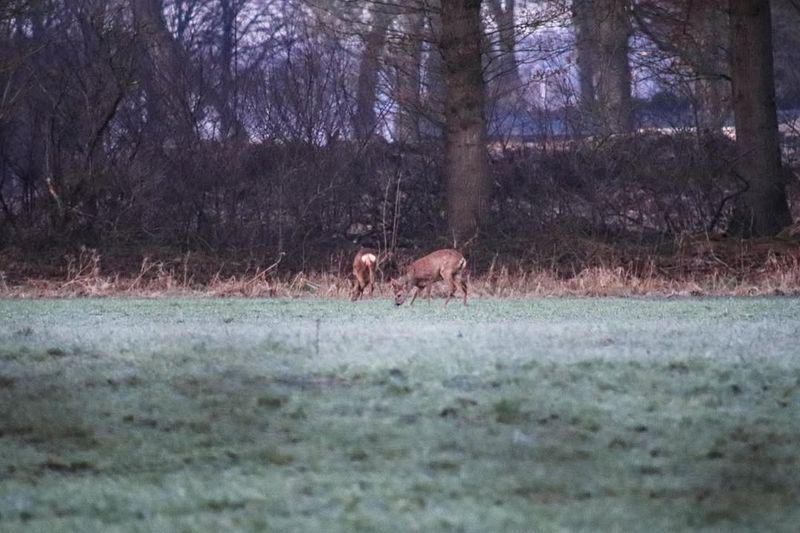
Your first instinct might be excitement or surprise, but staying composed is the most important step when spotting a deer in your yard.
Quick movements or loud noises can startle the animal and cause unpredictable behavior.
Deer are naturally cautious creatures, and sudden reactions from humans can trigger their flight response.
Maintain at least 50 feet between yourself and the deer whenever possible.
This distance gives the animal enough space to feel secure and move away naturally.
Never attempt to approach, touch, or corner a deer, even if it appears friendly or curious.
If you’re indoors when you spot the deer, observe from behind a window rather than stepping outside immediately.
This allows you to enjoy watching the animal without disturbing it.
Indoor observation also protects you from any potential defensive behavior if the deer feels threatened.
Children and pets should be kept inside or restrained when deer are present in your yard.
Their unpredictable movements and excited energy can frighten wildlife and create dangerous situations.
Teaching kids to appreciate deer from a distance helps foster respect for nature while ensuring everyone’s safety during these magical winter encounters.
2. Avoid Making Direct Eye Contact
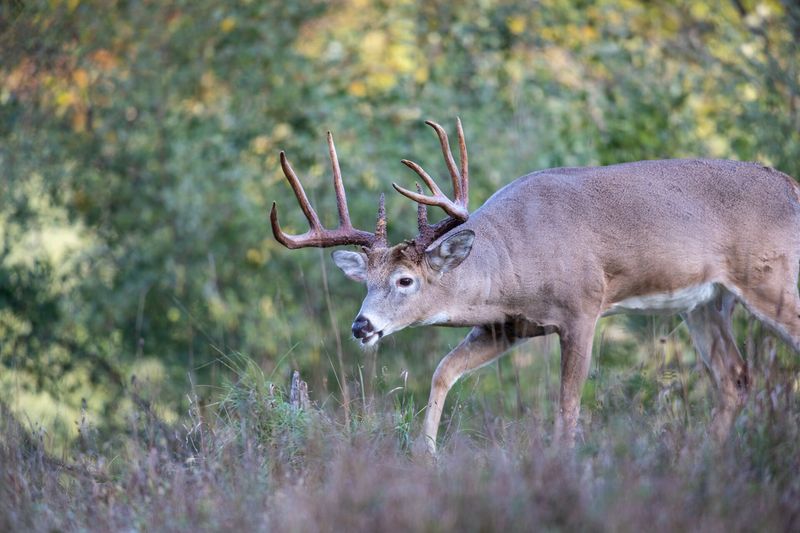
Many people don’t realize that staring directly at a deer can be interpreted as a threat in the animal kingdom.
Direct eye contact signals predatory behavior to wildlife, causing stress and anxiety.
When you lock eyes with a deer, it may perceive you as a danger and react defensively.
Instead of staring at the deer, observe it using your peripheral vision or glance at it occasionally.
This approach appears less threatening and allows the animal to remain calm in your presence.
If the deer does make eye contact with you, slowly look away rather than maintaining the stare.
Body language matters tremendously when interacting with wildlife, even from a distance.
Keep your shoulders relaxed and avoid facing the deer head-on, which can appear confrontational.
Angling your body slightly to the side shows you’re not a threat.
Understanding animal behavior helps create peaceful coexistence between humans and wildlife in residential areas.
Deer rely on visual cues to assess danger, and respecting their communication style prevents unnecessary stress.
Your Wisconsin Garden Changes Every Week. Your Plan Should Too.
Gardening in Wisconsin changes quickly throughout the season. Every Friday you’ll receive a simple weekly plan showing exactly what to plant, prune, fertilize, harvest, and protect so you never miss the right timing.
By avoiding direct eye contact, you’re speaking their language and showing you mean no harm, which often results in the deer lingering peacefully before moving along naturally.
3. Never Feed The Deer
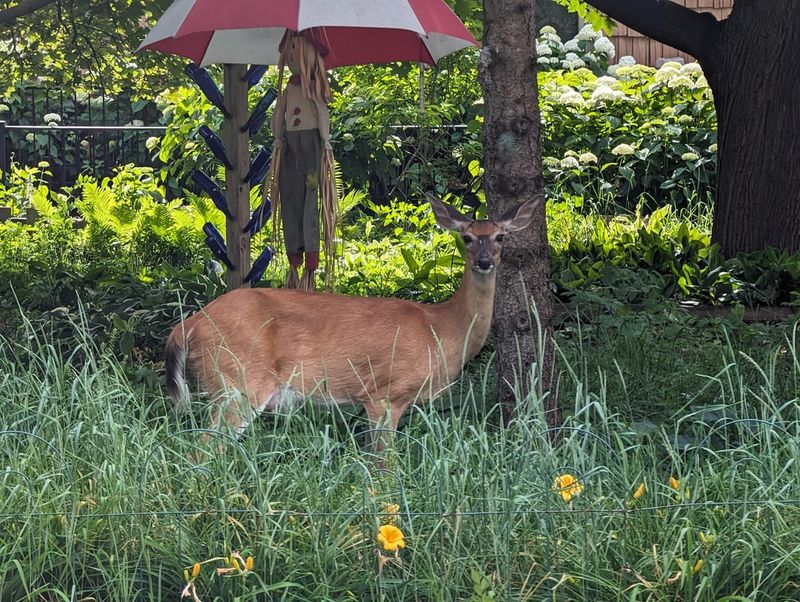
Feeding wild deer might seem kind, but it actually creates serious problems for both the animals and your community.
When deer become accustomed to human-provided food, they lose their natural foraging instincts and become dependent.
This dependency can lead to malnutrition since human food rarely provides the nutrients deer need.
Wisconsin law prohibits feeding deer in many counties due to disease transmission concerns.
Congregating deer at feeding sites can spread chronic wasting disease and other illnesses rapidly through populations.
These diseases pose significant threats to Wisconsin’s deer herds and ecosystem health.
Artificially feeding deer also encourages them to frequent residential areas more often, increasing property damage risks.
Deer that expect food from humans may become bold, entering yards and gardens more frequently.
This behavior can lead to conflicts with homeowners and dangerous road crossings.
Natural winter food sources like woody browse, dried grasses, and remaining seeds provide deer with appropriate nutrition.
Deer have evolved to survive Wisconsin winters without human intervention, using fat reserves built during abundant months.
Allowing deer to forage naturally maintains their wild instincts and keeps populations healthy, ensuring these magnificent animals thrive in their natural habitat rather than becoming problematic neighborhood fixtures.
4. Remove Attractive Food Sources
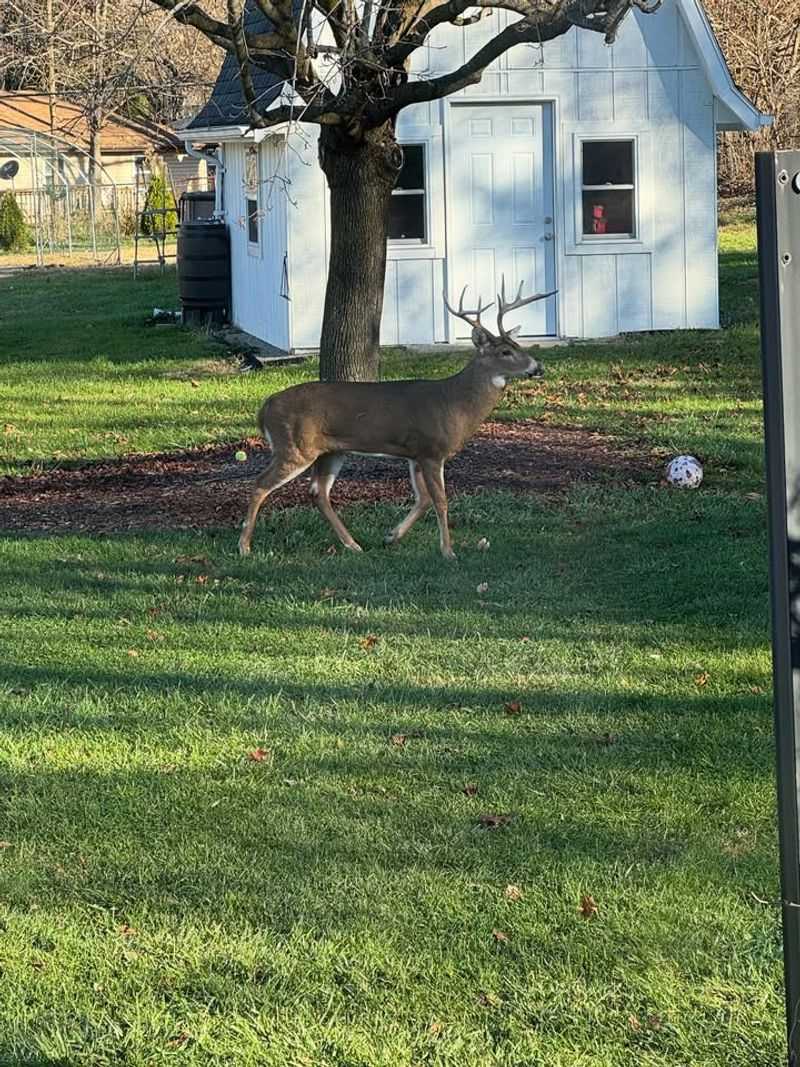
Bird feeders rank among the top attractions that draw deer into residential yards during winter months.
Spilled seed on the ground becomes an easy meal for hungry deer searching for calories.
Consider taking down feeders temporarily or switching to deer-resistant designs that minimize spillage.
Vegetable gardens, even dormant ones, can attract deer looking for any remaining edible plants or root vegetables.
Cover garden beds with netting or fencing to discourage browsing.
Compost piles should be secured in enclosed bins rather than open heaps that emit food odors.
Ornamental plants like arborvitae, hostas, and yews are deer favorites that essentially act as all-you-can-eat buffets.
Applying deer repellent sprays throughout winter helps protect valuable landscaping from browse damage.
Wrapping young trees with burlap or plastic guards prevents bark stripping, which can harm or even destroy trees.
Fruit trees and bushes with remaining berries or fallen fruit should be cleared regularly during winter.
These natural food sources signal to deer that your property offers easy dining.
By removing or protecting these attractions, you encourage deer to continue moving rather than settling into your yard, reducing the likelihood of repeated visits and the problems that come with frequent deer presence in residential spaces.
5. Make Noise To Encourage Movement
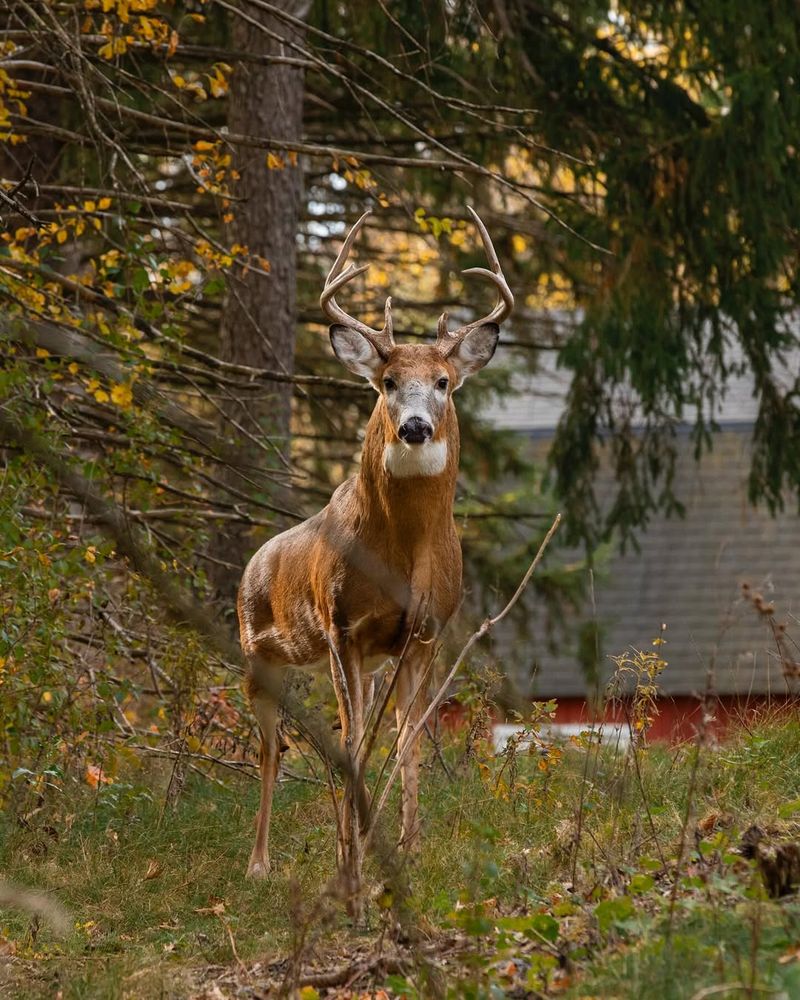
Sometimes a deer may linger in your yard longer than you’d prefer, especially if it’s found something interesting.
Gentle noise-making can encourage the animal to move along without causing panic or stress.
The key is finding the right balance between being assertive and avoiding frightening the deer.
Clapping your hands slowly and steadily often works well to signal your presence without seeming aggressive.
You might also try talking in a normal speaking voice or rattling a can with coins inside.
These sounds alert the deer that humans are nearby and typically prompt them to leave the area calmly.
Avoid shouting, screaming, or making sudden loud noises that could cause the deer to bolt in panic.
A panicked deer might run into obstacles, fences, or even windows, potentially causing injury.
Gradual, consistent noise gives the animal time to assess the situation and choose a safe exit route.
If the deer doesn’t respond to initial noises, give it a few minutes before trying again.
Sometimes deer need a moment to process the information and decide on their next move.
Patience ensures the animal leaves your property safely and reduces stress for everyone involved in the encounter.
6. Check For Injuries Or Signs Of Illness
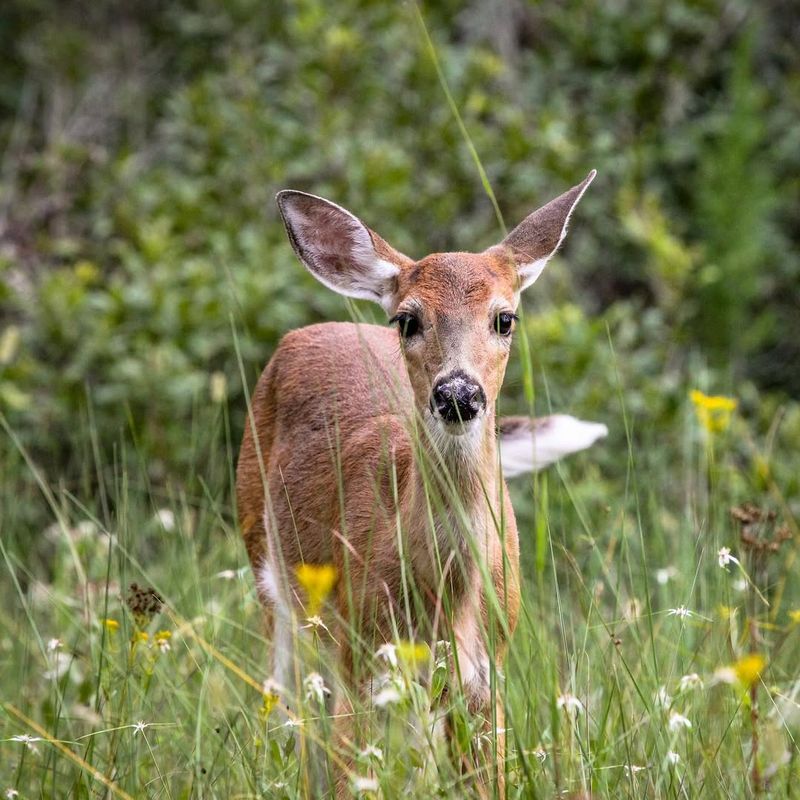
While maintaining your distance, take a moment to observe whether the deer appears healthy and behaves normally.
Healthy deer move gracefully, remain alert to their surroundings, and show awareness of nearby humans.
Their coats should look relatively smooth, even in winter when they’re thicker and darker.
Warning signs of illness include stumbling, excessive drooling, lack of fear toward humans, or appearing disoriented.
Chronic wasting disease affects deer neurologically, causing abnormal behavior and extreme weight loss despite a full coat.
Other concerning symptoms include visible wounds, limping, or difficulty standing and walking.
If you notice a deer that seems injured or severely ill, resist the urge to approach or help directly.
Sick or wounded animals can be unpredictable and may react defensively if they feel cornered.
Your safety must remain the top priority in these situations.
Contact your local Wisconsin Department of Natural Resources office or wildlife rehabilitation center for guidance.
Trained professionals have the expertise and equipment to handle sick or injured wildlife appropriately.
They can assess whether intervention is necessary and take proper action if needed, ensuring the best outcome for the animal while protecting public health and safety in your community.
7. Protect Your Pets And Bring Them Inside
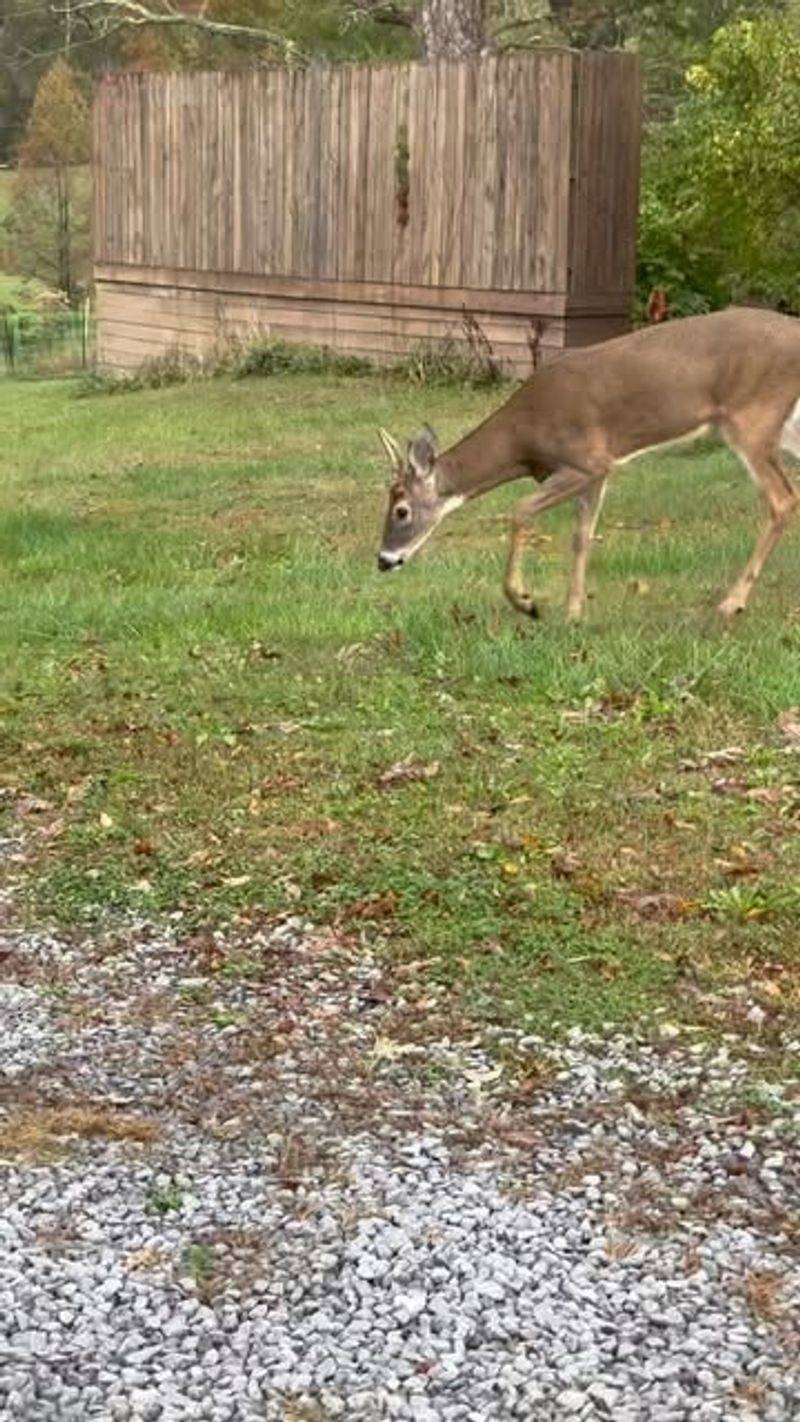
Dogs naturally want to chase anything that moves through their territory, and deer are no exception to this instinct.
Even well-trained pets can become excited when encountering wildlife in their yard.
This chase instinct can lead to dangerous situations for both your pet and the deer.
Bring dogs inside immediately when you spot a deer in your yard, using leashes if necessary.
A deer cornered by a dog may defend itself using sharp hooves that can cause serious injuries.
Additionally, the stress of being chased can exhaust deer during winter when they need to conserve energy.
Cats should also be kept indoors when deer are present, though they typically pose less threat.
However, a startled deer might accidentally trample a curious cat that gets too close.
Indoor cats are safer from all wildlife encounters and live longer, healthier lives overall.
Never allow your pets to harass or chase deer, even if it seems playful or harmless.
This behavior can habituate deer to viewing your property as dangerous, but it might also make them more aggressive.
Wisconsin law protects wildlife from harassment, and pet owners can face consequences if their animals harm deer, making responsible pet management essential during these winter wildlife encounters in residential neighborhoods.
8. Document The Encounter Safely
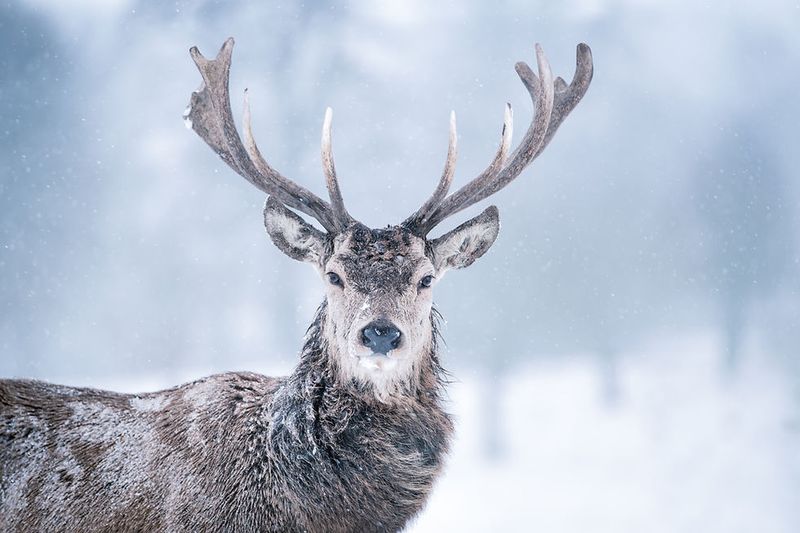
Capturing photos or videos of your deer visitor creates wonderful memories and helps you appreciate Wisconsin’s wildlife.
However, safety should always take priority over getting the perfect shot.
The best approach is photographing from inside your home through clean windows.
Modern smartphones have excellent zoom capabilities that allow you to capture quality images from a safe distance.
Avoid using flash photography, which can startle deer and cause them to flee in panic.
Natural winter light often provides beautiful illumination for wildlife photography anyway.
Never approach a deer to get a closer photo, no matter how calm the animal appears.
Wild animals are unpredictable, and closing the distance puts both you and the deer at risk.
Telephoto lenses or zoom features exist specifically for wildlife photography from safe distances.
If you’re outside when the deer arrives, resist the temptation to move closer for better angles.
Stay in your current position and use whatever zoom capability your camera or phone offers.
Remember that your safety and the deer’s wellbeing matter far more than any photograph, no matter how stunning it might be.
Sharing your photos on social media can help others learn about and appreciate wildlife while promoting responsible observation practices in your community.
9. Be Aware Of Rutting Season Behavior
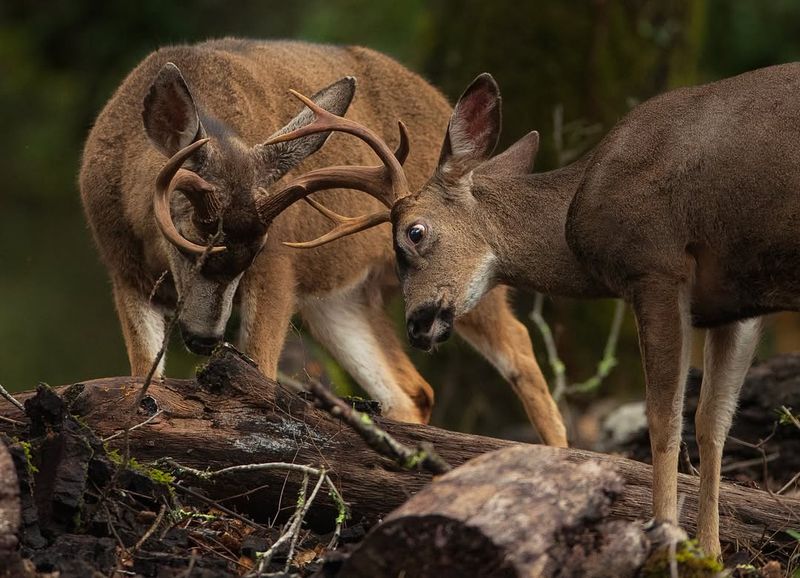
Although peak rutting season occurs in November, deer behavior can remain unpredictable through early winter months.
Bucks especially may display more aggressive tendencies as hormones continue affecting their behavior.
Understanding these patterns helps you assess potential risks when deer appear in your yard.
Male deer with antlers deserve extra caution and respect during winter encounters in residential areas.
They may be more territorial and less fearful of humans than usual.
Bucks might stomp their feet, lower their heads, or display other body language indicating they feel challenged.
Does traveling with fawns can also show protective behavior if they perceive threats to their young.
Mother deer will defend their offspring vigorously, using powerful kicks as their primary defense.
Give family groups plenty of space and never position yourself between a mother and her babies.
If a deer displays any aggressive posturing such as raised hair, laid-back ears, or stomping, back away slowly.
Don’t run, as this might trigger a chase response, but do increase distance steadily.
Most deer aggression is bluffing meant to encourage you to leave their space, and they’ll typically calm down once you’ve retreated to a comfortable distance for both parties involved.
10. Understand Why Deer Visit In Winter
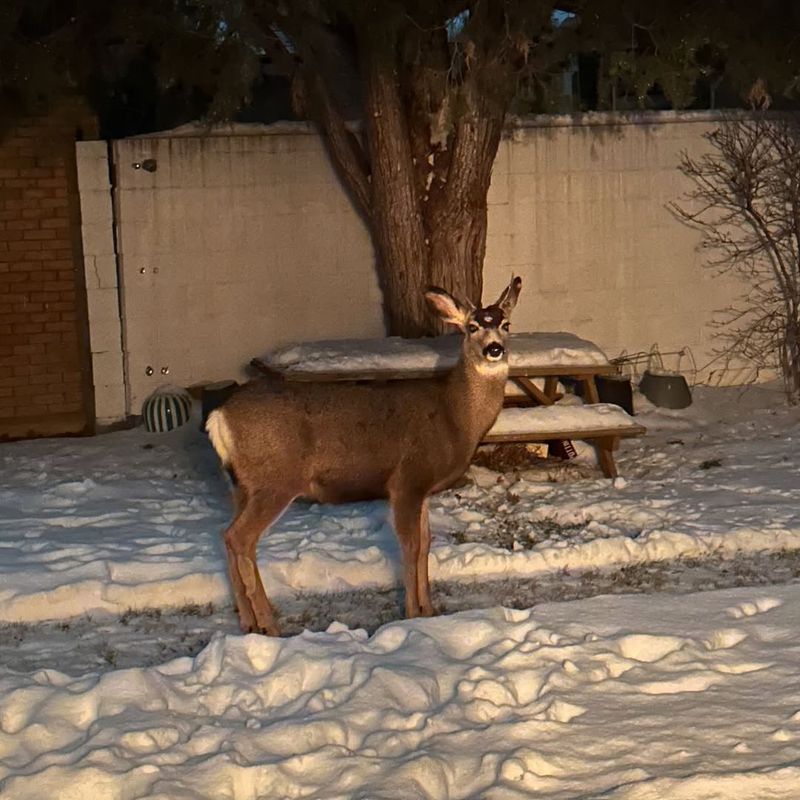
Winter transforms the Wisconsin landscape, making food sources scarce and pushing deer toward areas they might normally avoid.
Residential neighborhoods often offer easier browsing than frozen forests where natural vegetation becomes buried under snow.
Your landscaping essentially becomes a grocery store for hungry deer seeking calories to survive cold months.
Deer need to consume large quantities of food daily to maintain their body temperature and energy levels.
As natural browse becomes depleted in woodlands, they expand their foraging range into suburban areas.
Your yard’s ornamental shrubs, evergreens, and any remaining vegetation look incredibly appealing to these resourceful animals.
Shelter also draws deer into residential areas during harsh winter weather and severe storms.
The spaces between buildings and under evergreen trees provide wind breaks and slightly warmer microclimates.
Deer are simply seeking survival, not trying to cause problems for homeowners.
Understanding their motivation helps you develop compassion for these beautiful animals while taking appropriate protective measures.
Deer have inhabited Wisconsin long before suburban development, and they’re adapting to changing landscapes.
Coexistence requires humans to appreciate why deer behave as they do and respond with knowledge rather than frustration when these winter visits occur in our yards.
11. Know When To Contact Authorities
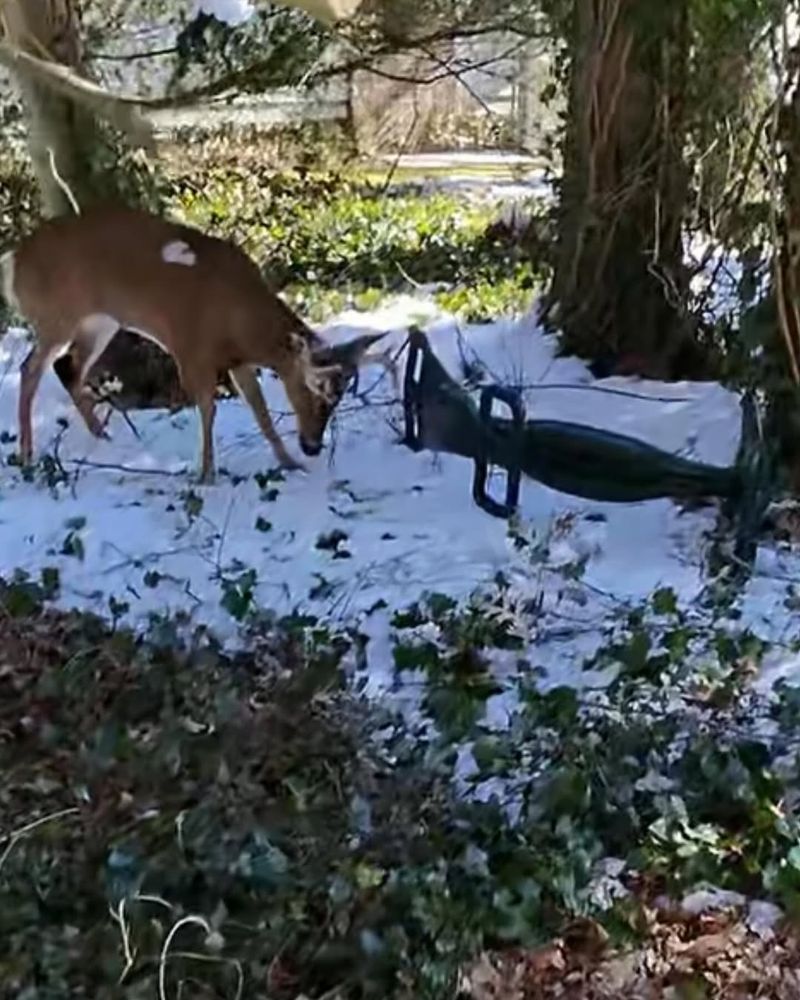
Most deer encounters resolve naturally without requiring professional intervention or assistance from authorities.
However, certain situations warrant contacting the Wisconsin Department of Natural Resources or local animal control.
Knowing when to call ensures appropriate help arrives for genuine emergencies.
Contact authorities if a deer appears trapped in a fenced area, garage, or other enclosed space.
Trapped deer can injure themselves severely while attempting to escape, and professionals have tools to handle these situations.
Never attempt to free a trapped deer yourself, as panicked animals become extremely dangerous.
Deer displaying obvious signs of severe illness or injury also require professional assessment and potential intervention.
Authorities can determine whether humane action is necessary and can test for diseases affecting deer populations.
Your report might also help wildlife officials track disease patterns across regions.
Aggressive deer that don’t retreat when given space or repeatedly charge at people need to be reported immediately.
While rare, these situations pose safety risks to community members, especially children and elderly residents.
Wildlife professionals can evaluate the situation and take appropriate measures to ensure public safety while addressing the root cause of the unusual behavior in the most humane way possible for all involved.