10 Reasons Arizona Gardeners Use Vinegar Solutions Around Walkways This December
December in Arizona rarely plays by the rules.
One day the air feels mellow, and the next it snaps with desert bite.
Amid this seasonal whiplash, gardeners across the state reach for an old standby: vinegar solutions.
A splash along a walkway cuts through stubborn buildup and sends trouble packing faster than a jackrabbit on open range.
The sharp scent turns heads, but the results speak louder than a monsoon drumroll.
With each careful pass, homeowners gain cleaner paths, tidier borders, and a little extra peace of mind as winter settles in and the garden enters its quiet spell.
1. Natural Weed Control Without Harsh Chemicals
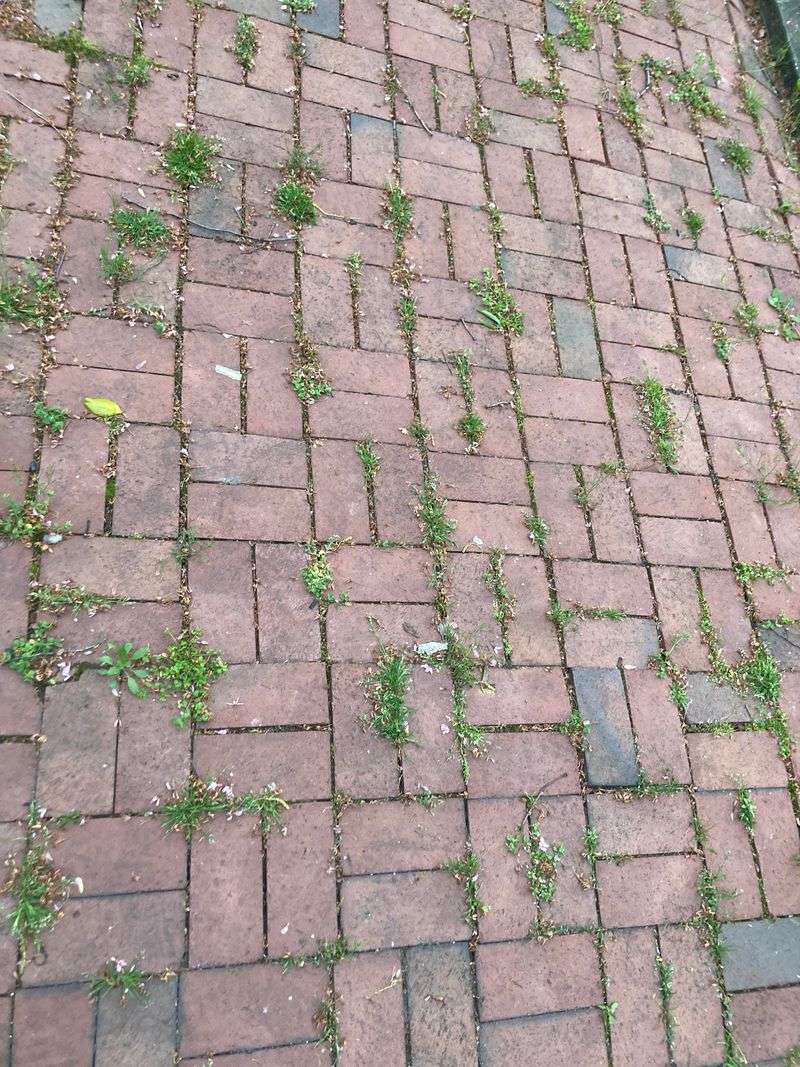
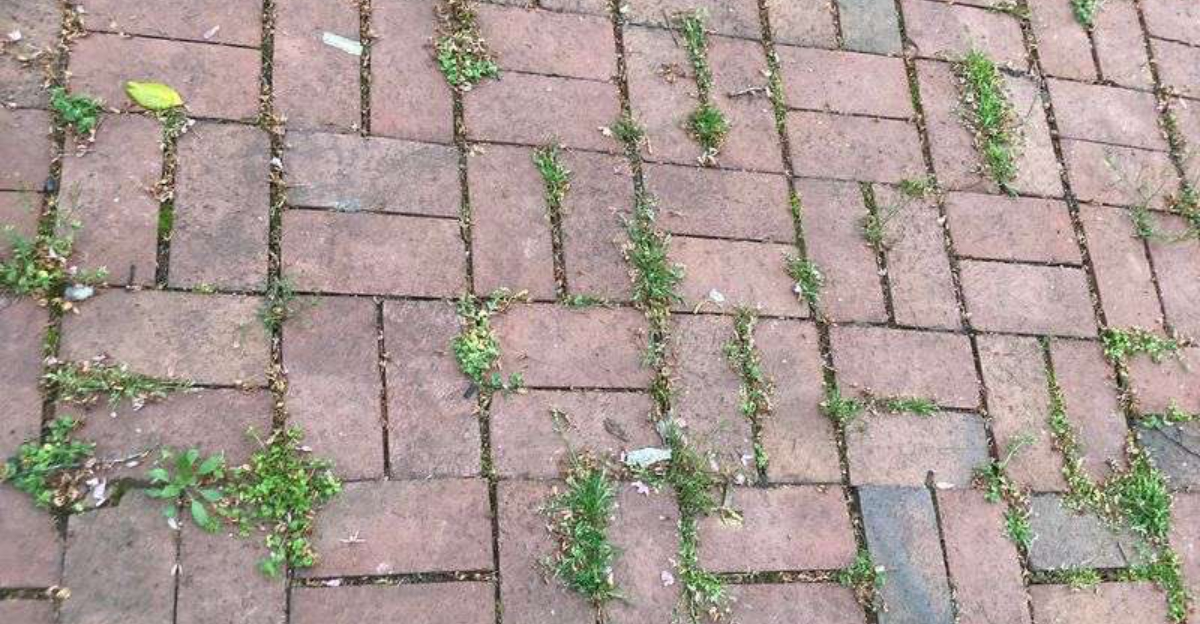
Vinegar offers an environmentally friendly way to manage unwanted vegetation that sprouts between pavers and along walkway edges.
The acetic acid in vinegar works by drawing moisture out of plant leaves, causing them to wither within hours of application.
Arizona’s December weather provides ideal conditions for this treatment since lower humidity helps the vinegar work more effectively.
Gardeners appreciate that this method avoids synthetic herbicides that can harm beneficial insects or seep into groundwater.
A solution of 20% acetic acid vinegar targets stubborn growth while household vinegar at 5% handles smaller plants perfectly.
Application is simple—just spray directly onto the foliage on a sunny morning when rain isn’t expected.
Results typically appear within 24 hours, making it faster than many commercial products.
The best part is that vinegar breaks down quickly in soil, leaving no lasting residue that could affect surrounding plants.
December’s mild temperatures mean you can treat walkways without worrying about extreme heat affecting the solution’s potency.
This approach saves money while keeping pathways neat and tidy throughout the holiday season.
2. Preventing Slippery Algae Buildup On Surfaces
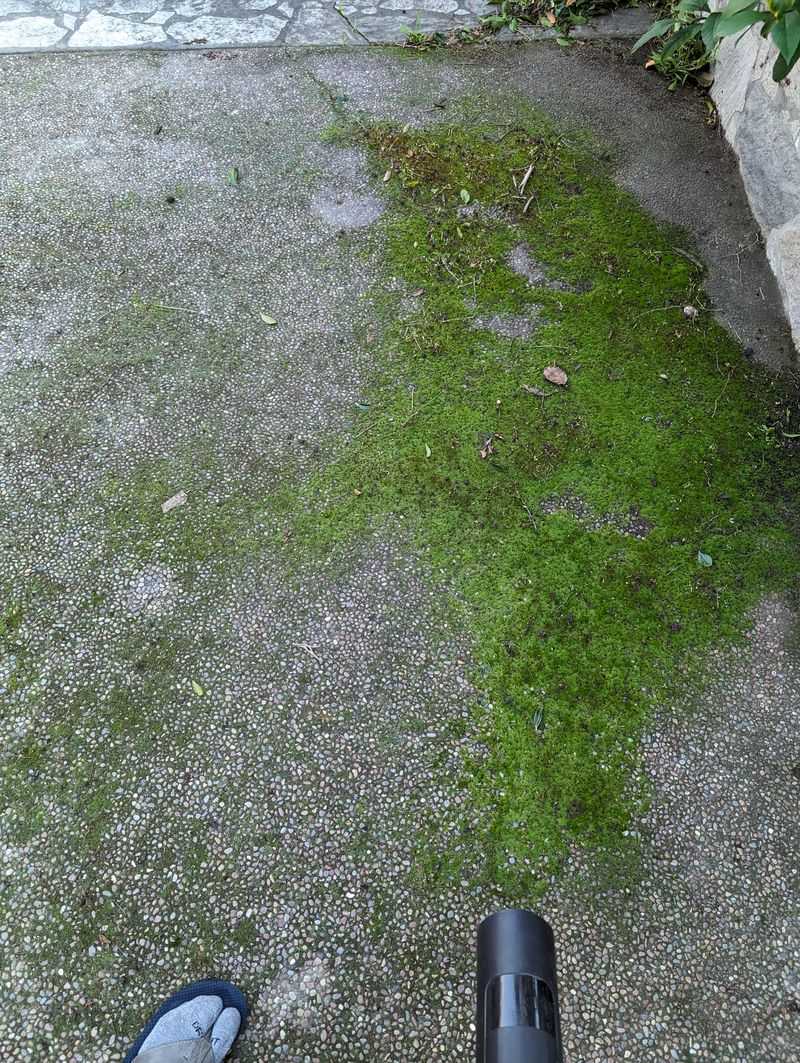
Algae and moss can create dangerous slipping hazards on shaded walkways, especially during Arizona’s cooler months when moisture lingers longer.
Vinegar’s acidic properties break down the slimy biofilm that algae creates, restoring traction to concrete and stone surfaces.
December’s occasional rain showers combined with cooler temperatures create perfect conditions for algae growth in shaded areas.
A simple scrub with undiluted white vinegar removes existing growth and discourages new colonies from forming.
Homeowners find this method particularly useful for north-facing walkways that rarely see direct sunlight.
Unlike bleach-based cleaners, vinegar won’t discolor decorative concrete or damage natural stone finishes.
The treatment also eliminates the musty odor that often accompanies algae growth, leaving walkways fresh and clean.
Regular monthly applications throughout December keep surfaces safe for family gatherings and holiday visitors.
Gardeners with elderly relatives or young children especially value this preventative measure for accident prevention.
The solution dries quickly in Arizona’s low humidity, allowing walkways to be used again within an hour of treatment.
3. Dissolving Mineral Deposits From Hard Water
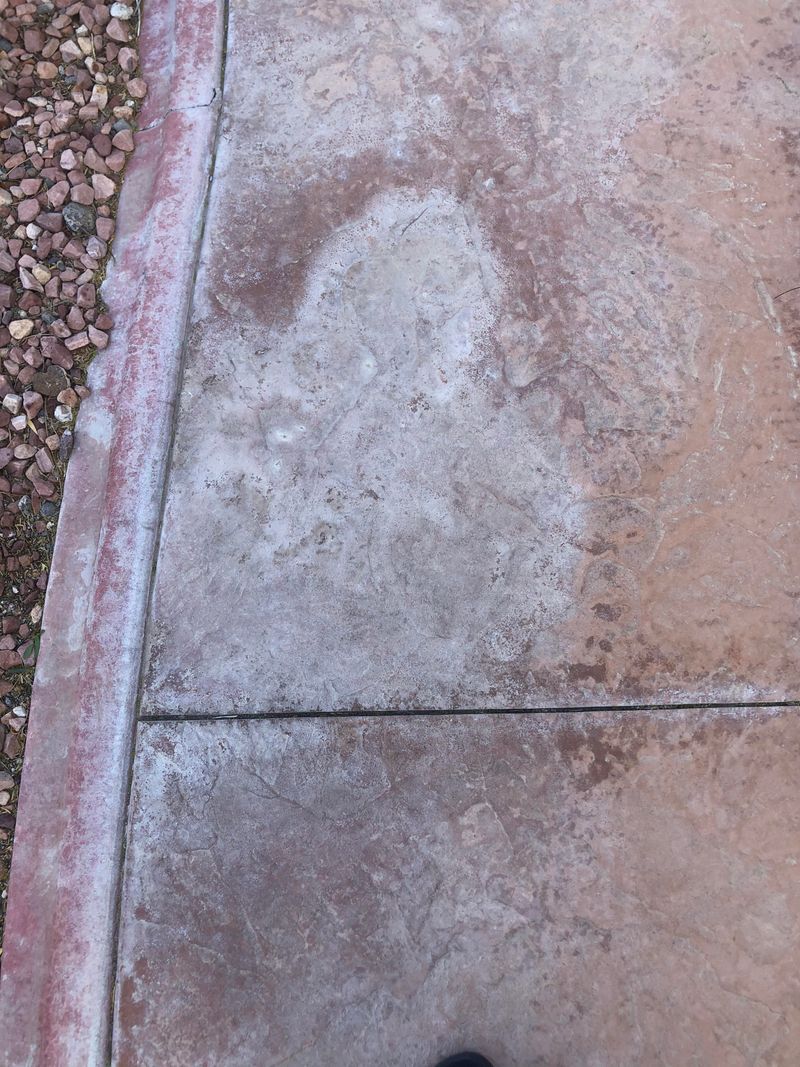
Arizona’s notoriously hard water leaves unsightly white calcium and lime deposits on walkways near irrigation systems and sprinklers.
These crusty buildups diminish the appearance of beautiful hardscaping and can become quite stubborn if left untreated.
Vinegar’s acidic nature makes it exceptionally effective at dissolving these mineral deposits without aggressive scrubbing.
Your Arizona Garden Changes Every Week. Your Plan Should Too.
Gardening in Arizona changes quickly throughout the season. Every Friday you’ll receive a simple weekly plan showing exactly what to plant, prune, fertilize, harvest, and protect so you never miss the right timing.
December is an excellent time to tackle this maintenance since cooler temperatures make outdoor work more comfortable.
Simply spray full-strength vinegar on affected areas, let it sit for 15 minutes, then rinse with water.
For particularly thick deposits, applying a vinegar-soaked cloth and leaving it overnight produces remarkable results.
This treatment works equally well on flagstone, concrete, brick, and decorative pavers without causing damage.
Gardeners who maintain their walkways monthly find that regular vinegar treatments prevent deposits from building up in the first place.
The cost savings compared to commercial lime removers makes this an economical choice for large patio and walkway areas.
Your pathways will look freshly installed again, just in time for hosting holiday gatherings and celebrations.
4. Deterring Ants From Creating Colonies Near Entrances
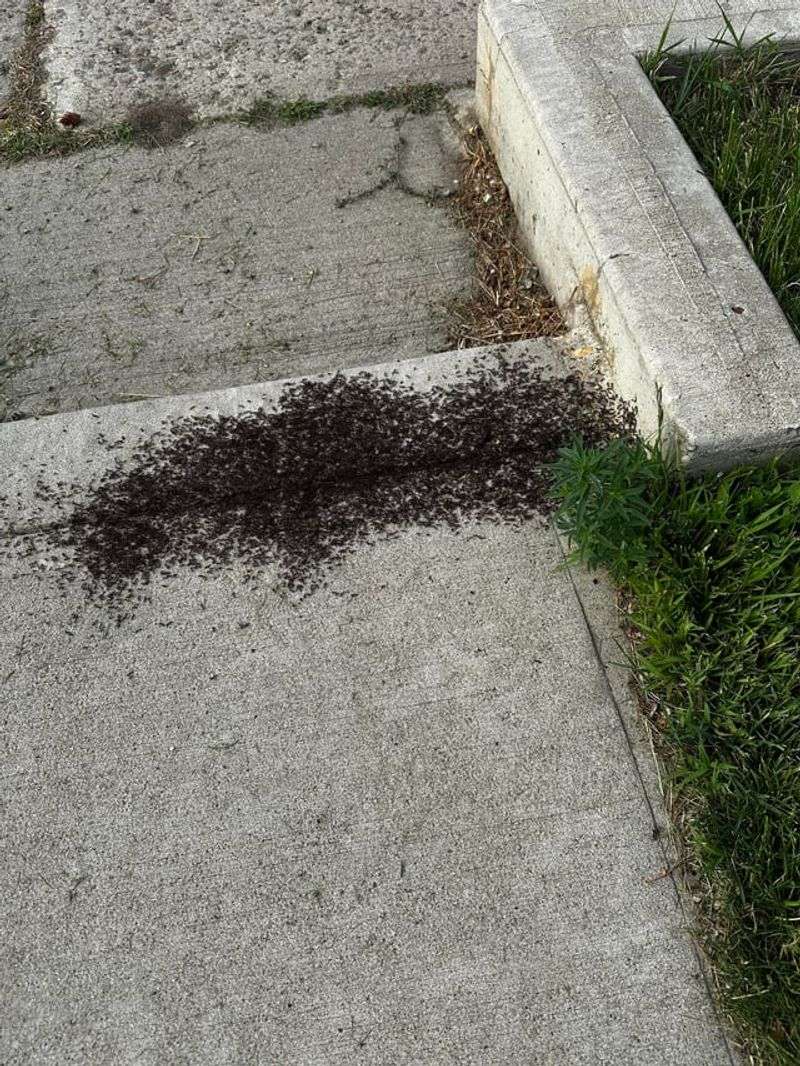
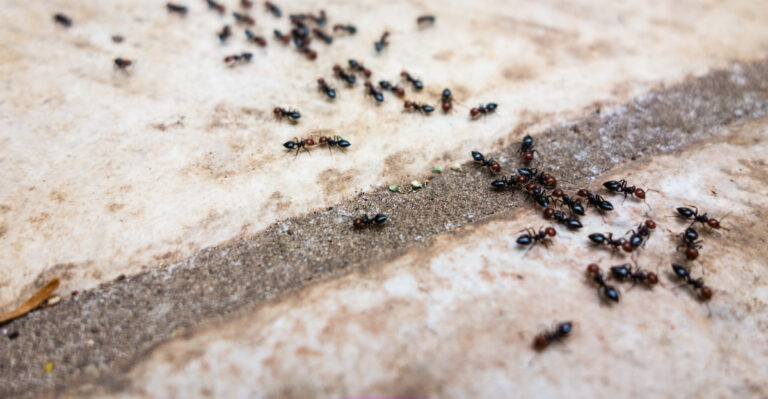
Ant colonies become particularly active around Arizona walkways during December as they seek food and shelter from cooler nights.
Vinegar disrupts the scent trails that ants use to navigate, effectively confusing their communication system.
Spraying a 50/50 mixture of vinegar and water along walkway edges creates an invisible barrier these insects avoid.
December’s mild weather brings increased ant activity as colonies prepare for winter, making prevention especially important.
Unlike chemical pesticides, vinegar poses no risk to pets or children who play near treated walkways.
The solution works immediately upon contact and continues deterring new scouts from establishing trails.
Gardeners find that weekly applications keep pathways free from the unsightly ant hills that can damage pavers.
This method is particularly valuable near outdoor dining areas where holiday meals and gatherings take place.
The vinegar scent dissipates quickly for humans but remains detectable to ants for several days.
Combining this treatment with sealing cracks in walkways provides comprehensive ant management without harsh chemicals or expensive exterminator visits.
5. Removing Stubborn Rust Stains From Metal Furniture
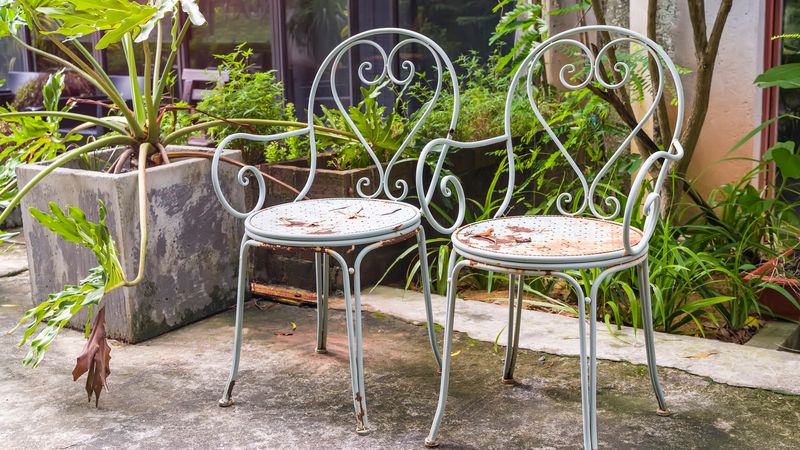
Metal patio furniture and decorative elements along walkways often develop rust stains that transfer to pavement surfaces.
Vinegar’s acetic acid reacts with iron oxide, breaking down rust at a molecular level for easy removal.
December’s cooler weather makes it comfortable to spend time treating these stains without summer’s intense heat.
Apply undiluted white vinegar directly to rust marks and let it work for several hours or overnight.
For severe staining, creating a paste with vinegar and baking soda provides gentle abrasive action that lifts discoloration.
This treatment works on concrete, natural stone, and tile walkways without causing etching or damage.
Gardeners appreciate that the same solution cleans both the furniture and the stains it leaves behind.
Regular treatments throughout December prevent rust from becoming permanent and keep walkways looking pristine.
The method is especially useful for vintage or antique metal pieces that add character to Arizona landscapes.
After treatment, applying a coat of wax to metal furniture prevents future rust formation and staining.
6. Cleaning Pet Accidents And Odors Effectively
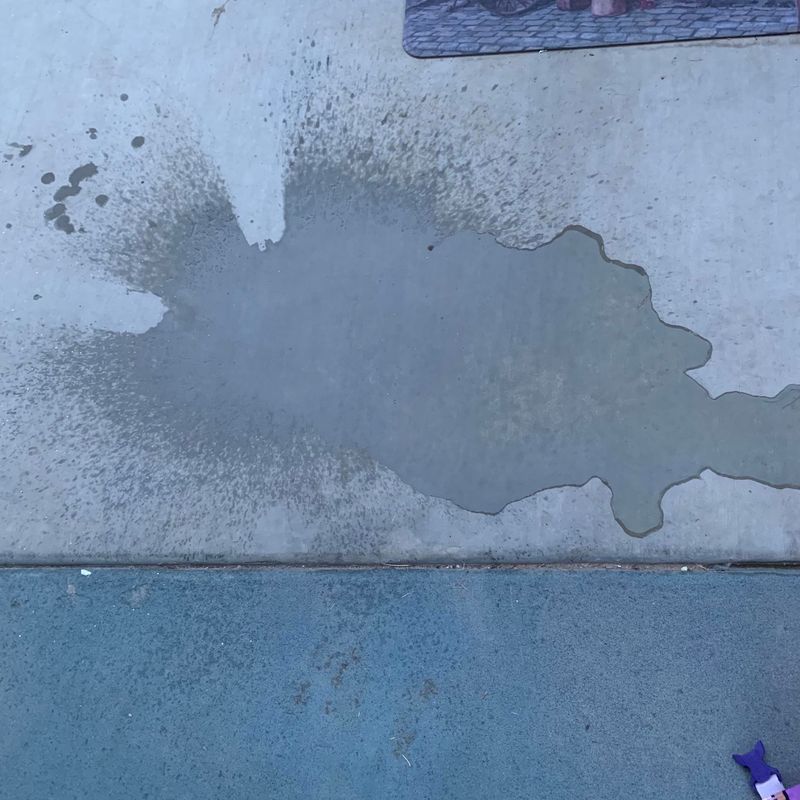
Outdoor accidents from pets can leave lingering odors and stains on walkway surfaces that become more noticeable in December’s cooler air.
Vinegar neutralizes the ammonia in urine, eliminating smells rather than just masking them with fragrances.
The solution also discourages pets from repeatedly marking the same spots along frequently traveled paths.
December’s lower temperatures mean odors don’t evaporate as quickly, making thorough cleaning more important.
Mix equal parts water and vinegar, saturate the affected area, and let it sit for ten minutes before rinsing.
This treatment is safe for all walkway materials and won’t harm the paws of pets walking over treated areas.
Gardeners with multiple dogs find that regular vinegar cleaning keeps outdoor spaces fresh and welcoming for guests.
The antibacterial properties of vinegar also sanitize surfaces, reducing the spread of germs from animal waste.
Unlike enzymatic cleaners that can be expensive, vinegar provides an affordable solution for frequent maintenance.
Your walkways will smell clean and neutral, making outdoor spaces more enjoyable during holiday entertaining and family gatherings.
7. Brightening Weathered Concrete And Pavers
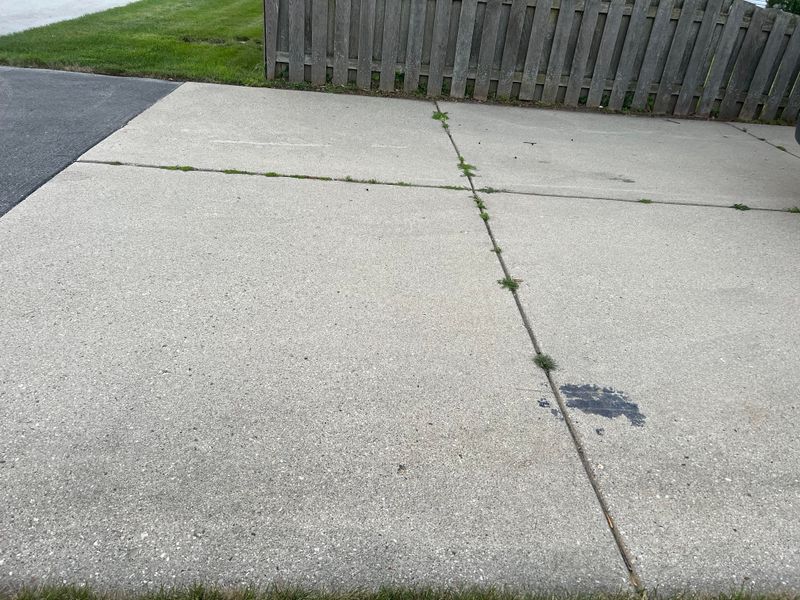
Months of Arizona sun and dust can leave walkway surfaces looking dull and discolored, diminishing your home’s curb appeal.
Vinegar acts as a mild acid wash that removes the thin layer of grime and oxidation without harsh pressure washing.
December provides ideal conditions for this refresh since cooler temperatures prevent rapid evaporation during treatment.
Mix one cup of vinegar per gallon of water and apply with a mop or pump sprayer to large walkway areas.
Allow the solution to work for 20 minutes, then scrub with a stiff brush and rinse thoroughly.
The results reveal the original color of your pavers and concrete, making pathways look years younger.
This treatment is especially effective before applying sealers, as it ensures maximum adhesion and longevity.
Gardeners preparing homes for holiday visitors appreciate how quickly this method transforms outdoor spaces.
Regular December cleaning also prevents dirt from becoming permanently embedded in porous walkway materials.
Your pathways will gleam with renewed brightness, creating an inviting entrance that impresses guests throughout the season.
8. Managing Efflorescence On Brick And Stone
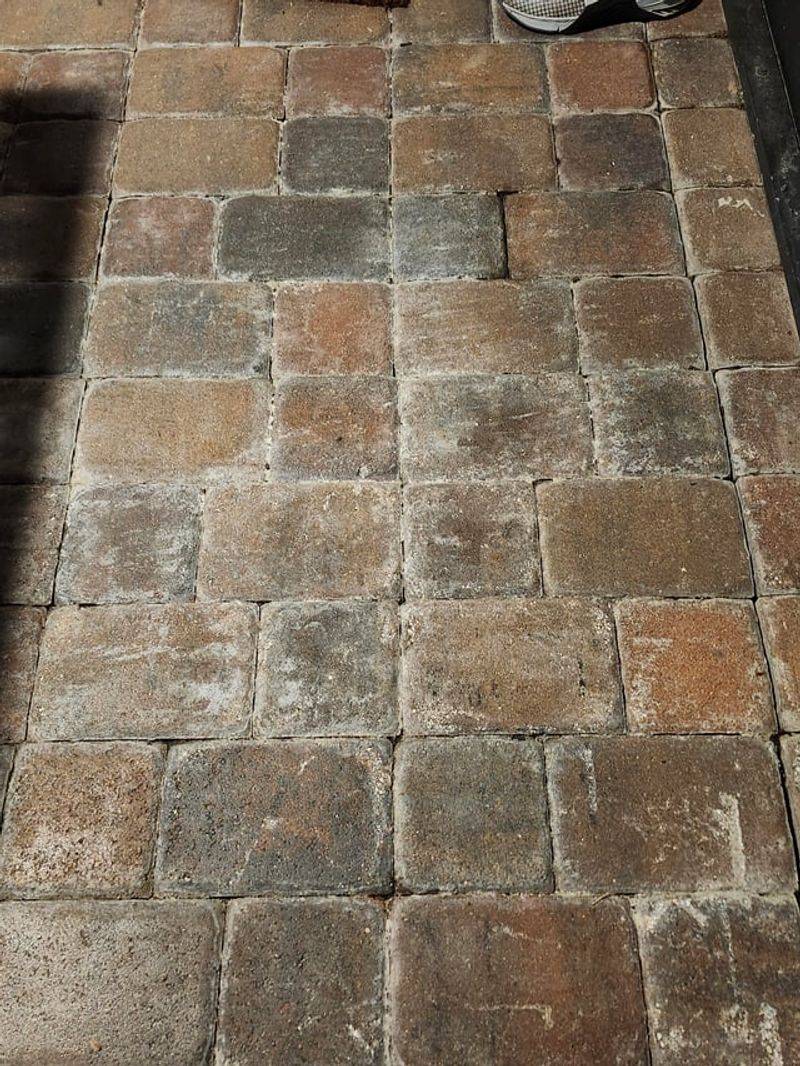
Efflorescence appears as white powdery deposits on brick and stone walkways when salts migrate to the surface through moisture.
Arizona’s unique soil composition and occasional December rains can trigger this frustrating phenomenon on beautiful hardscaping.
Vinegar dissolves these salt deposits effectively, restoring the natural appearance of your walkway materials.
The treatment works by reacting with the alkaline salts, converting them into soluble compounds that rinse away easily.
Apply undiluted white vinegar with a brush, working it into the affected areas thoroughly.
December’s cooler temperatures prevent the solution from evaporating too quickly, allowing it to penetrate deeply.
After 30 minutes, scrub the surface and rinse with plenty of water to remove dissolved salts.
This method is gentler than commercial efflorescence removers and won’t damage mortar joints or delicate stone finishes.
Gardeners dealing with persistent efflorescence find that treating walkways monthly throughout winter keeps the problem under control.
Proper drainage improvements combined with vinegar treatments provide a long-term solution that maintains your investment in quality hardscaping.
9. Sanitizing High-Traffic Areas Before Holiday Gatherings
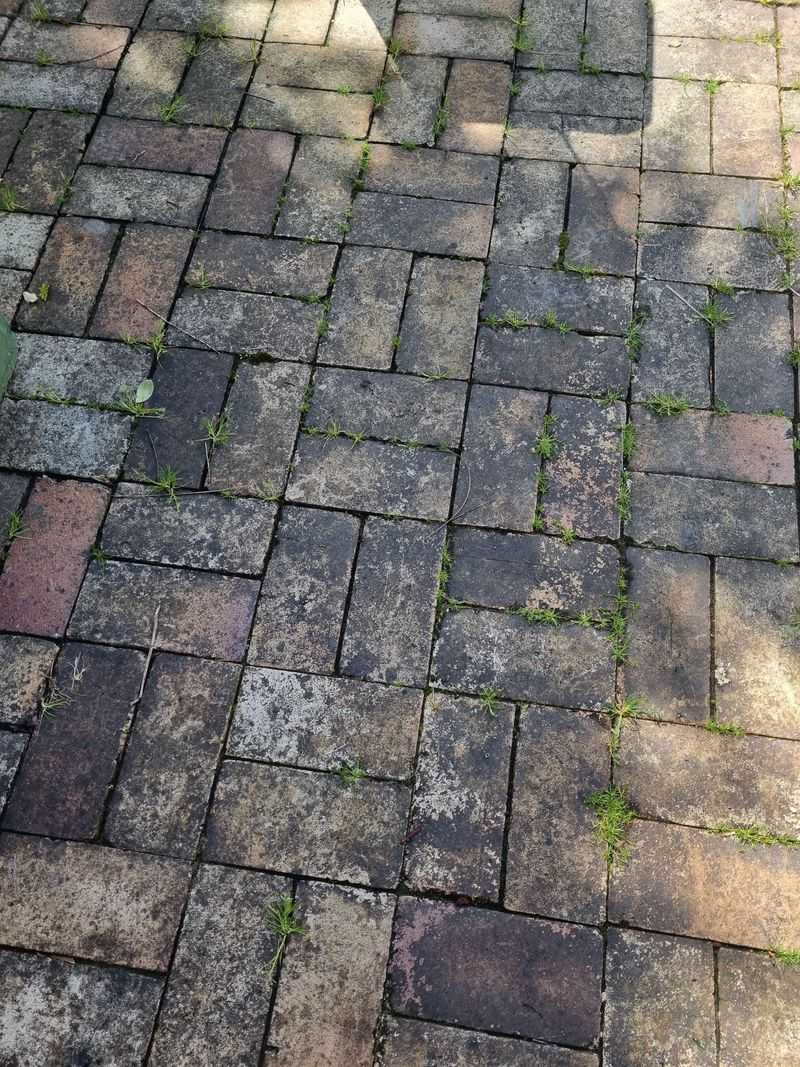
December brings increased foot traffic as families host holiday parties and welcome visiting relatives to their Arizona homes.
Vinegar provides natural sanitizing properties that reduce bacteria and germs on walkway surfaces without toxic chemical residues.
The solution is particularly important for areas near entrances where guests transition from outdoor shoes to indoor spaces.
A thorough vinegar cleaning before gatherings ensures that pathways are not only visually clean but hygienically safe.
Mix one part vinegar to three parts water for an effective sanitizing solution that dries quickly.
This treatment eliminates common bacteria tracked in from public spaces, providing peace of mind for health-conscious hosts.
December’s mild weather allows walkways to dry completely in just minutes, minimizing disruption to party preparations.
Gardeners appreciate that vinegar leaves no slippery residue that could create hazards for guests in dressy footwear.
The mild, clean scent dissipates rapidly, unlike strong disinfectants that can be overwhelming in outdoor spaces.
Your walkways will be genuinely clean and welcoming, creating the perfect first impression for holiday visitors and celebrations.
10. Protecting Walkways From Winter Weed Seeds
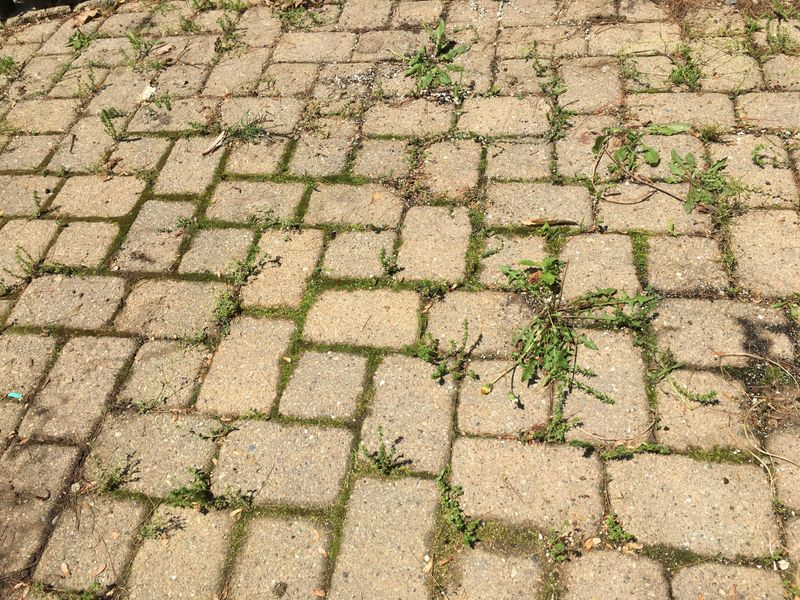
December marks the beginning of winter weed seed germination in Arizona, as cooler temperatures trigger dormant seeds to sprout.
Applying vinegar solutions now prevents these seeds from establishing roots in walkway cracks and joints.
The acidic environment created by vinegar makes the surface inhospitable to new seedlings trying to gain a foothold.
Gardeners who treat walkways preventatively in December save countless hours of weeding throughout the spring months.
Spray a concentrated vinegar solution into cracks, expansion joints, and anywhere soil has accumulated between pavers.
This proactive approach is far easier than removing established plants that develop deep root systems.
December’s occasional moisture provides perfect germination conditions, making prevention especially critical during this month.
The treatment also helps identify areas where additional sand or polymeric jointing material should be added for long-term weed prevention.
Combining vinegar applications with proper walkway maintenance creates a comprehensive strategy that keeps pathways pristine year-round.
Your investment in December prevention pays dividends throughout the coming seasons, maintaining beautiful, low-maintenance walkways that enhance your Arizona landscape.