Why Arizona HOAs Are Cracking Down On Untidy Front Yards This Winter
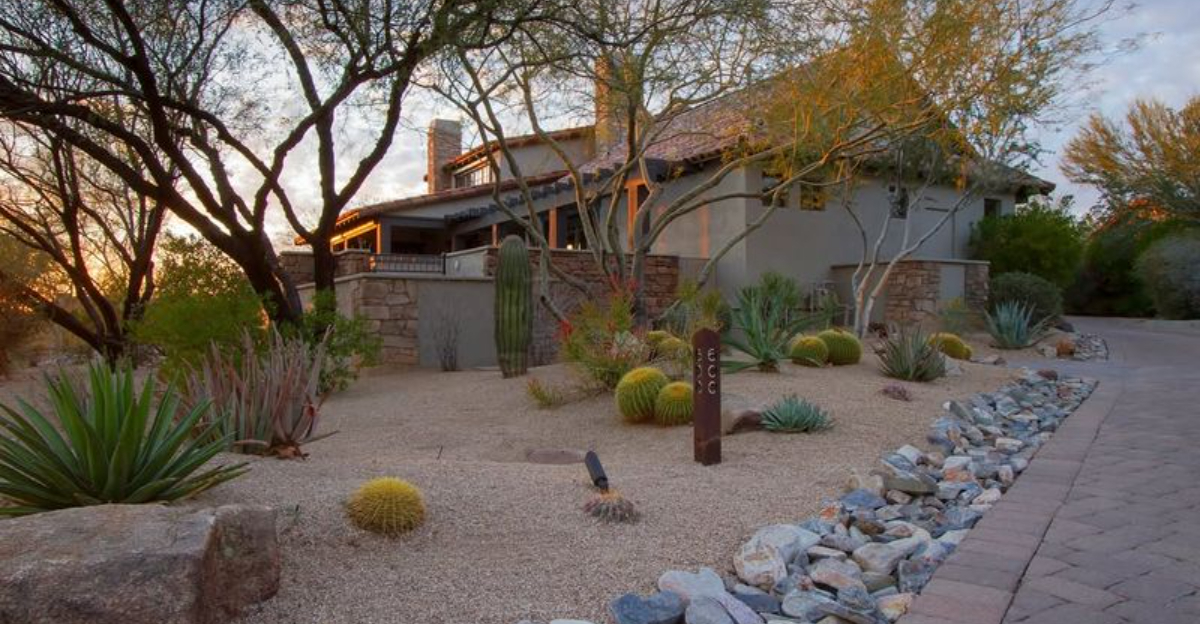
Across Arizona, homeowners’ associations are tightening their rules this winter — and untidy front yards are at the top of their enforcement lists.
With cooler temperatures, slowed plant growth, and wind-blown desert debris piling up more quickly, many neighborhoods are seeing a spike in unkept lawns, overgrown shrubs, and neglected gravel landscapes.
HOAs say the seasonal mess isn’t just about appearances; it can attract pests, create fire hazards, and drag down curb appeal for the entire community.
As new warnings and fines roll out, Arizona residents are learning exactly why their HOAs are cracking down now and what they need to do to stay in good standing during the winter months.
Property Values Drive Stricter Enforcement
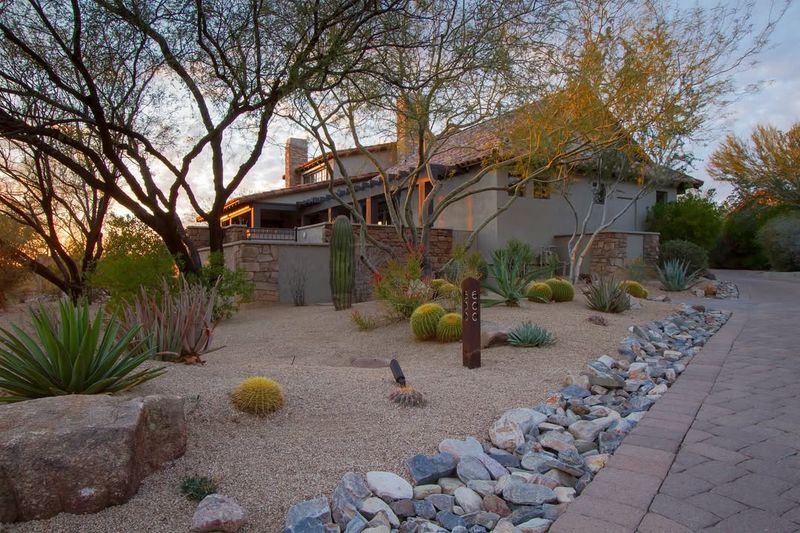
Arizona real estate markets have seen significant shifts recently, prompting HOAs to focus more on curb appeal throughout their communities.
When one home looks neglected, it can affect nearby property values by thousands of dollars.
Board members recognize that maintaining consistent standards protects everyone’s investment, especially during winter when many snowbirds return to assess neighborhoods.
Arizona HOAs now conduct more frequent inspections to catch issues before they become eyesores that potential buyers notice.
Communities with higher standards tend to sell faster and command better prices in competitive markets.
Your front yard represents not just your home but the entire neighborhood’s reputation to outsiders.
Even small details like trimmed bushes and swept walkways contribute to overall impressions that impact resale values.
HOA boards often face pressure from residents who worry about their biggest financial asset losing worth due to neighboring properties.
Winter provides ideal conditions for addressing landscaping issues before the intense Arizona summer heat arrives.
Understanding this connection helps homeowners see enforcement as protection rather than punishment.
Winter Visitors Expect Pristine Neighborhoods
Snowbirds flock to Arizona communities every winter, bringing expectations for well-maintained surroundings they remember from previous visits.
These seasonal residents often pay HOA fees just like full-time homeowners and expect their money to ensure beautiful neighborhoods.
Many Arizona communities depend on rental income from winter visitors who choose locations based on appearance and upkeep standards.
HOA boards receive complaints from snowbirds who notice changes since their last stay, prompting increased enforcement efforts.
Communities that look shabby risk losing seasonal renters to competing neighborhoods with stricter maintenance standards.
Winter months represent peak inspection times because more eyes are watching and more residents are present to notice violations.
Your front yard might have gone unnoticed during summer, but winter brings scrutiny from returning visitors who remember how things looked before.
Seasonal residents often have more free time to walk neighborhoods and report concerns to management companies.
Arizona HOAs balance permanent resident needs with snowbird expectations, leading to heightened winter enforcement.
Keeping your yard tidy during these months helps maintain the community’s reputation among its most vocal seasonal population.
Desert Landscaping Requires Year-Round Attention
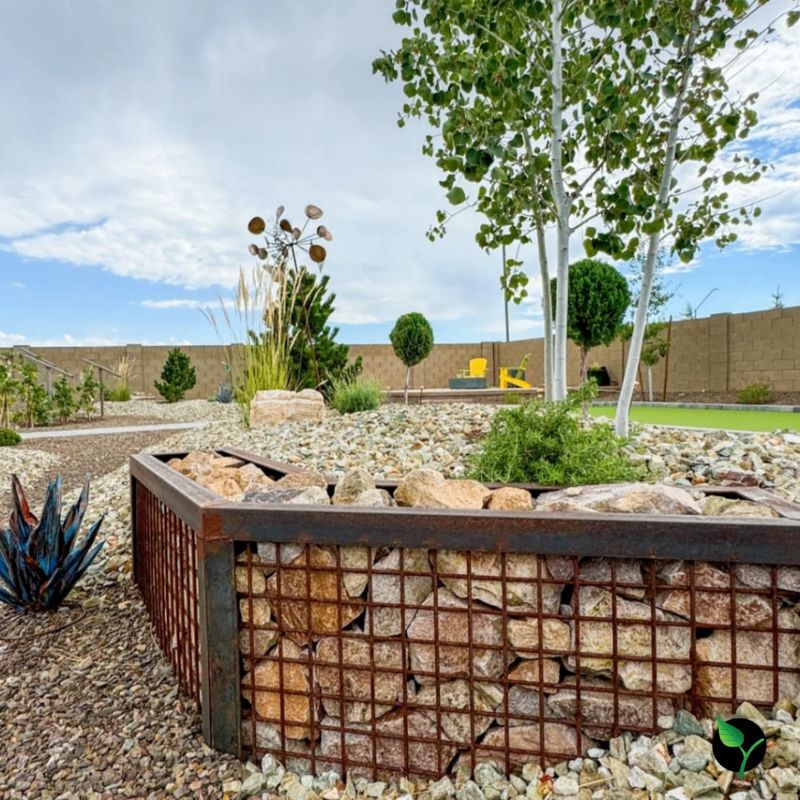
Many Arizona homeowners mistakenly believe desert landscaping requires no maintenance, but winter actually demands specific care to meet HOA standards.
Native plants still need pruning, deceased growth removal, and occasional shaping to look intentional rather than neglected.
Your Arizona Garden Changes Every Week. Your Plan Should Too.
Gardening in Arizona changes quickly throughout the season. Every Friday you’ll receive a simple weekly plan showing exactly what to plant, prune, fertilize, harvest, and protect so you never miss the right timing.
Gravel areas accumulate debris, weeds sprout after winter rains, and decorative rocks shift out of place without regular attention.
HOAs have started specifying exactly what constitutes proper desert landscaping maintenance in their updated guidelines.
Arizona winters bring cooler temperatures that encourage weed growth in rock gardens that looked perfect during summer months.
Your cacti and succulents may develop brown spots or damaged sections that need removal to maintain aesthetic appeal.
Wind storms common during Arizona winters scatter trash and debris across yards, requiring more frequent cleanup than summer months.
Communities with desert landscaping standards expect homeowners to keep edges defined, pathways clear, and plant material healthy-looking year-round.
Winter provides the perfect opportunity to refresh landscaping before spring inspections become more rigorous.
Understanding these seasonal maintenance needs helps you avoid violations that seem to appear out of nowhere.
Updated HOA Rules Reflect Modern Standards

Arizona HOA boards have been revising their governing documents to address issues that older rules never anticipated.
What passed inspection five years ago might now violate newly adopted standards for landscaping, decorations, or maintenance schedules.
Many communities have tightened their definitions of acceptable front yard conditions based on complaints and changing neighborhood demographics.
Boards often update rules during summer when fewer residents attend meetings, then begin enforcement when everyone returns for winter.
Arizona HOAs now include specific guidelines about artificial turf quality, rock size requirements, and acceptable plant species in their revised documents.
Your community may have voted on changes you missed if you weren’t paying attention to meeting notices or newsletters.
Enforcement of updated rules typically begins with education periods, but winter marks when serious violation notices start arriving.
Reading your current HOA governing documents prevents surprises when inspection teams start citing violations based on new standards.
Communities modernize rules to reflect current property management best practices and legal requirements that didn’t exist when neighborhoods were first established.
Staying informed about rule changes protects you from unintentional violations that could result in fines.
Water Conservation Meets Aesthetic Requirements
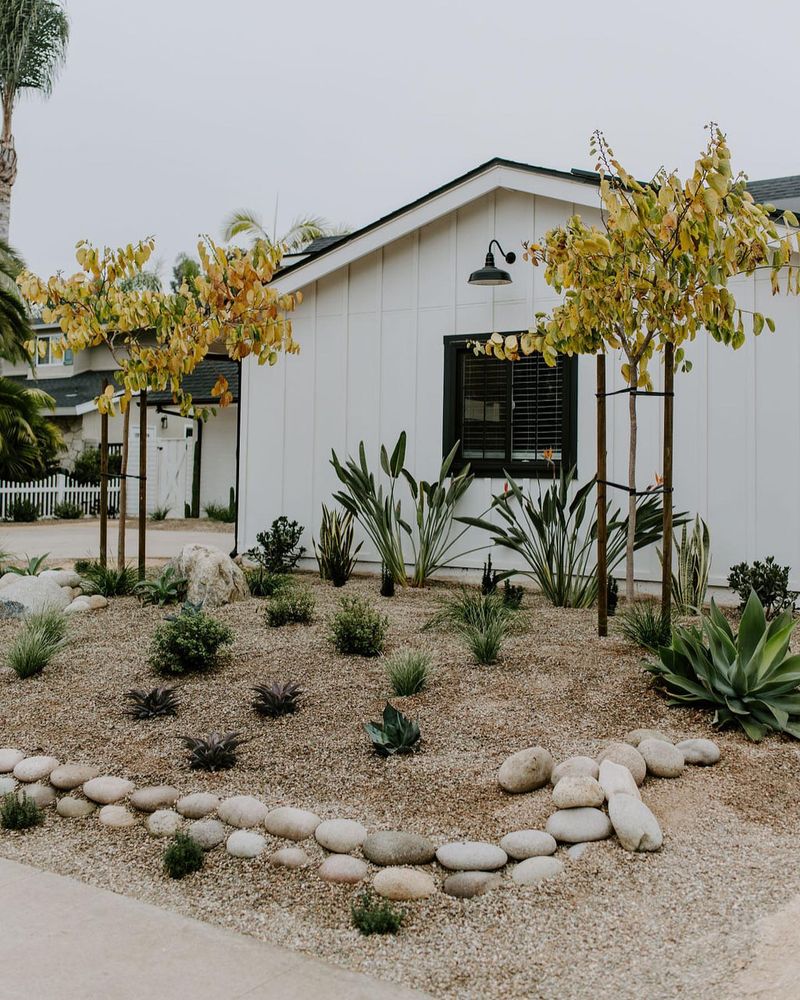
Arizona communities face constant pressure to balance water conservation with maintaining attractive neighborhoods that meet HOA aesthetic standards.
Many boards now require drought-tolerant landscaping while still expecting yards to look lush and well-maintained rather than barren.
Winter brings occasional rain that can make water-wise yards look weedy or unkempt if homeowners don’t stay on top of maintenance.
HOAs have developed specific guidelines about what constitutes acceptable xeriscaping versus neglected-looking properties.
Your water-saving efforts might inadvertently violate appearance standards if your yard looks brown or sparse compared to neighboring properties.
Arizona communities increasingly require homeowners to submit landscaping plans that demonstrate both water efficiency and visual appeal before approval.
Winter months provide ideal planting conditions for establishing drought-tolerant gardens that will meet both conservation and HOA requirements.
Deceased or withered plants from summer heat need replacement during cooler months to maintain the green appearance many HOAs still expect.
Boards walk a fine line between environmental responsibility and property value protection, leading to detailed enforcement of landscaping standards.
Understanding your HOA’s specific water-wise landscaping requirements helps you create yards that satisfy both conservation goals and appearance rules.
Holiday Decorations Face New Scrutiny
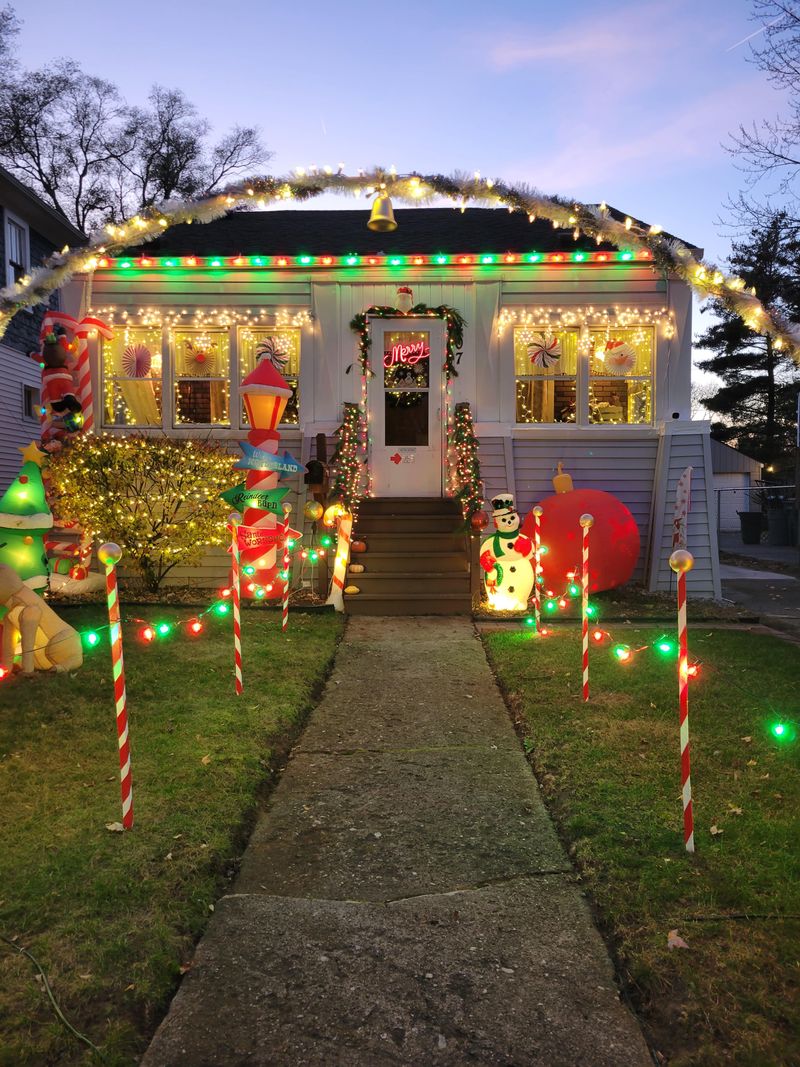
Winter holidays bring decoration disputes to Arizona HOAs as boards enforce rules about display sizes, timing, and appropriateness.
What seems like festive spirit to you might violate specific guidelines about decoration height, lighting intensity, or removal deadlines.
Many Arizona communities have implemented strict timelines requiring decorations to come down within days after holidays rather than lingering into late January.
Inflatable decorations that deflate or tip over create untidy appearances that prompt violation notices even during acceptable display periods.
HOA boards receive complaints from neighbors about excessive lights, noise-making decorations, or displays that block sidewalks and sightlines.
Arizona’s winter weather can fade decorations quickly, making last year’s display look shabby rather than cheerful this season.
Your holiday enthusiasm needs tempering with awareness of specific rules about decoration types, placement areas, and maintenance requirements.
Communities often allow religious displays while restricting commercial or inflatable decorations, creating confusion about what’s actually permitted.
Winter enforcement focuses heavily on decoration violations because they’re highly visible and generate numerous neighbor complaints.
Checking your HOA’s specific holiday decoration policies before decorating prevents frustration and potential fines during what should be joyful seasons.
Increased Complaint-Driven Inspections
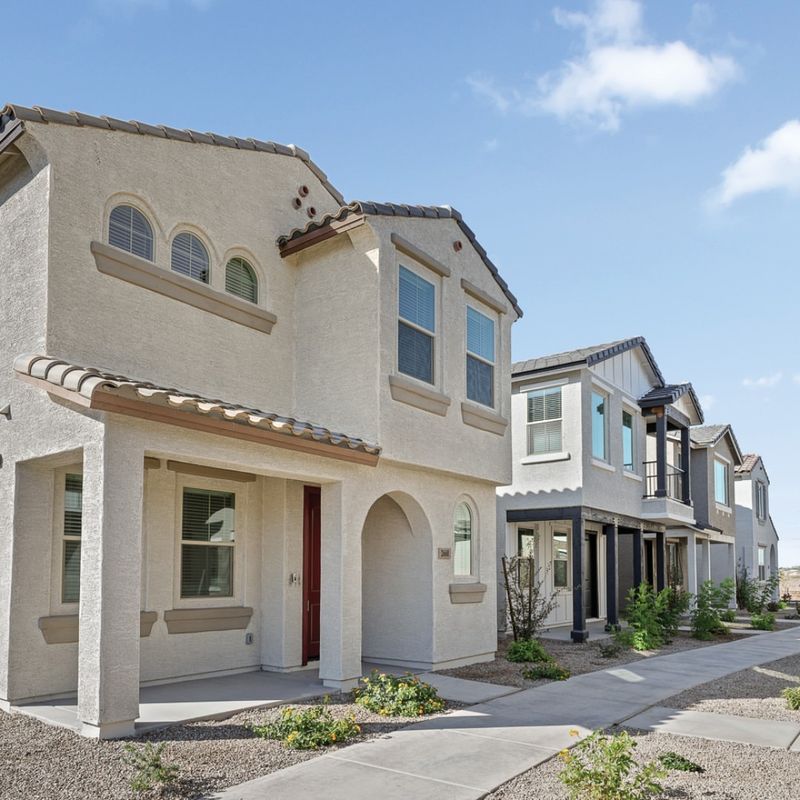
Arizona HOAs have shifted toward complaint-driven enforcement models where neighbor reports trigger specific property inspections rather than random checks.
Winter brings more residents outdoors for walks and activities, increasing the likelihood someone will notice and report front yard issues.
Your property might receive scrutiny simply because a neighbor filed a complaint, even if similar violations exist throughout the community.
Management companies often investigate reported violations within days, meaning small issues can escalate quickly into formal notices.
Arizona’s pleasant winter weather encourages residents to spend time outside, making them more aware of neighboring properties that don’t meet standards.
HOA boards face legal requirements to investigate complaints consistently, preventing them from ignoring reports even for minor infractions.
Anonymous complaint systems in many communities mean you might never know who reported your front yard condition.
Winter months see increased complaint volumes as seasonal residents return and notice changes that occurred during their absence.
Understanding that complaints drive inspections helps you maintain your property proactively rather than waiting for violation notices.
Good neighbor relationships can sometimes prevent complaints from being filed, but relying on goodwill rather than compliance risks formal enforcement actions.
Professional Management Companies Enforce Consistently
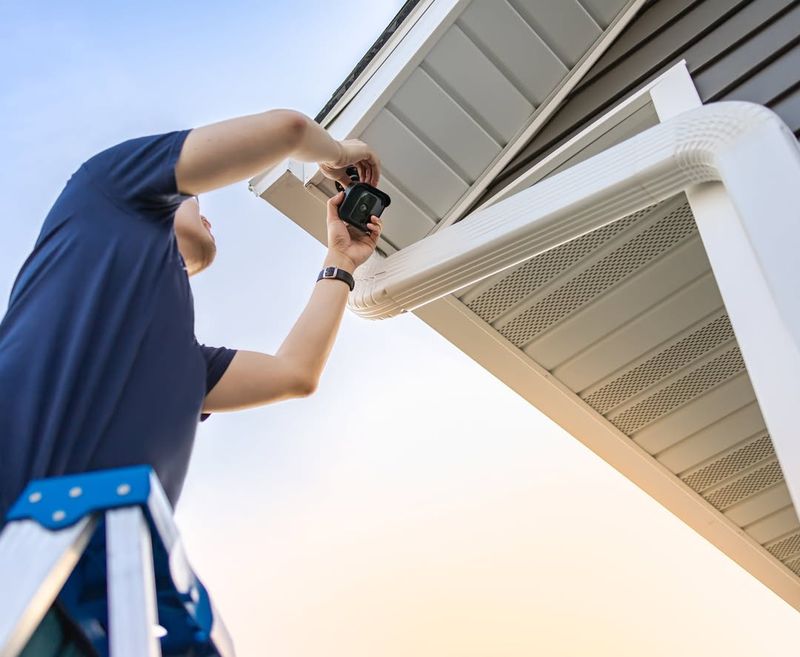
Many Arizona HOAs have hired professional management companies that bring standardized enforcement practices replacing inconsistent volunteer board oversight.
These companies use systematic inspection schedules and violation tracking software that catches issues individual board members might have missed.
Winter represents a key inspection period when management firms conduct comprehensive community assessments before preparing annual reports.
Professional managers apply rules uniformly across all properties, eliminating the favoritism or selective enforcement that sometimes occurred under volunteer management.
Your relationship with board members no longer protects you from violations when professional companies handle enforcement with documented procedures.
Arizona communities hiring management firms often see immediate increases in violation notices as companies establish consistent standards.
These professionals know HOA law thoroughly and ensure enforcement actions follow proper legal procedures that protect the community from liability.
Management companies typically conduct drive-through inspections weekly or monthly, meaning your front yard receives regular scrutiny year-round.
Winter months involve preparing for annual meetings where management firms report enforcement statistics, motivating increased inspection activity.
Understanding that professional standards now apply helps homeowners take violations more seriously and respond promptly to notices.
Legal Liability Concerns Motivate Stricter Policies
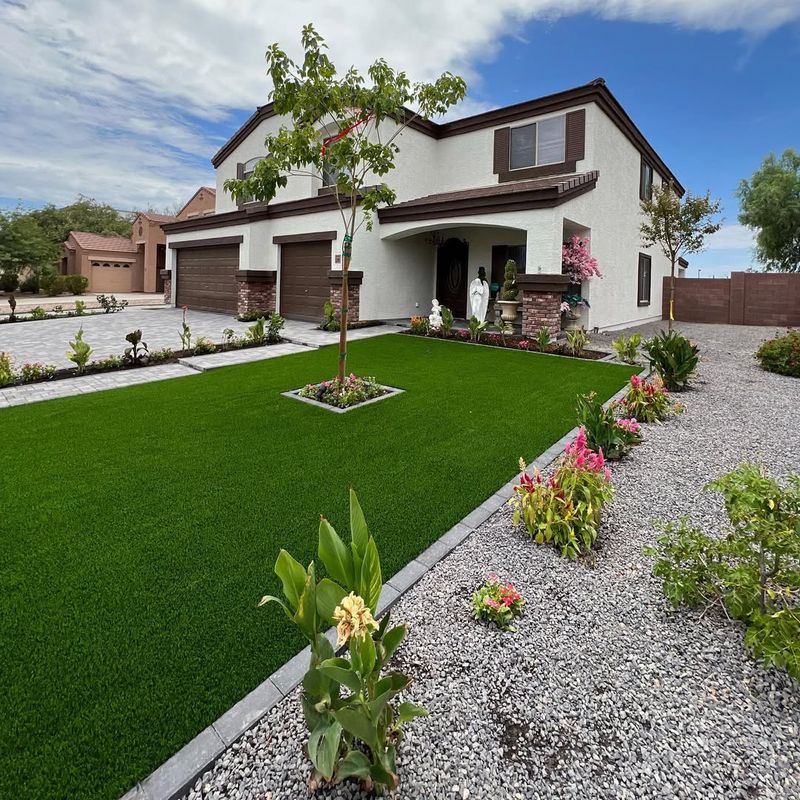
Arizona HOA boards face increasing legal liability for accidents or injuries that occur due to poorly maintained properties within their communities.
Overgrown bushes blocking sidewalks, cracked walkways, or debris in yards can create hazardous conditions that expose HOAs to lawsuits.
Winter brings more pedestrian traffic as residents walk in cooler temperatures, increasing the chances someone might trip or encounter hazards.
Insurance companies have started requiring HOAs to demonstrate active enforcement of maintenance standards to maintain coverage at reasonable rates.
Your unkempt front yard might represent a liability risk that prompts swift HOA action to protect the entire community from potential claims.
Arizona courts have held HOAs responsible for maintaining common areas and ensuring individual properties don’t create dangers for neighbors or visitors.
Boards document enforcement efforts meticulously to demonstrate due diligence if accidents occur and legal questions arise about community oversight.
Winter inspections often focus specifically on safety issues like overhanging branches, loose rocks, or slippery surfaces that pose injury risks.
Understanding the legal motivations behind enforcement helps homeowners see violations as risk management rather than petty rule enforcement.
Promptly addressing safety-related violations protects both you and your community from potential legal and financial consequences.
Community Reputation Impacts Future Development
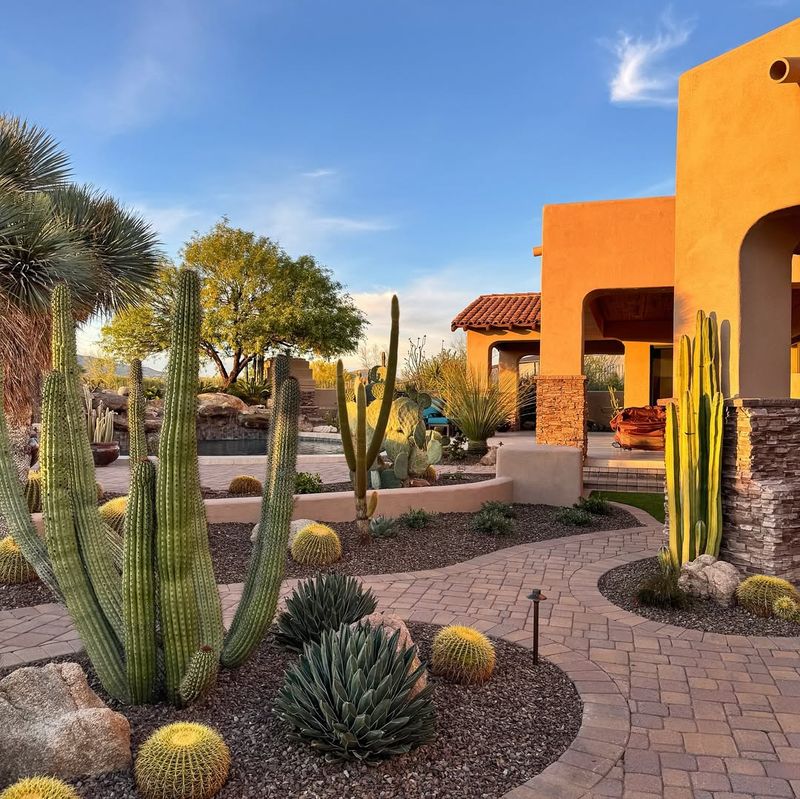
Arizona neighborhoods compete for desirable residents and strong reputations that attract quality homeowners and maintain property demand.
HOAs recognize that consistent front yard maintenance throughout the community creates impressions that influence whether people choose to buy or rent there.
Winter represents prime home-shopping season in Arizona as people from colder states visit and evaluate potential neighborhoods.
Communities with visible maintenance issues struggle to attract buyers willing to pay premium prices, affecting everyone’s property values.
Your front yard contributes to the overall impression visitors form when driving through your neighborhood for the first time.
Arizona HOAs increasingly view enforcement as marketing strategy, ensuring their communities stand out positively against competing developments.
Social media and online reviews now amplify community reputations, making consistent standards more important than ever for attracting residents.
Winter months bring increased scrutiny as snowbirds share photos and opinions about Arizona neighborhoods with friends and family considering relocation.
Boards understand that maintaining strict standards now prevents reputation damage that could take years to repair.
Contributing to your community’s positive reputation through proper front yard maintenance benefits everyone through sustained property values and neighborhood desirability.