Satellite Images Capture Growing Numbers Of Food Forests In Washington State
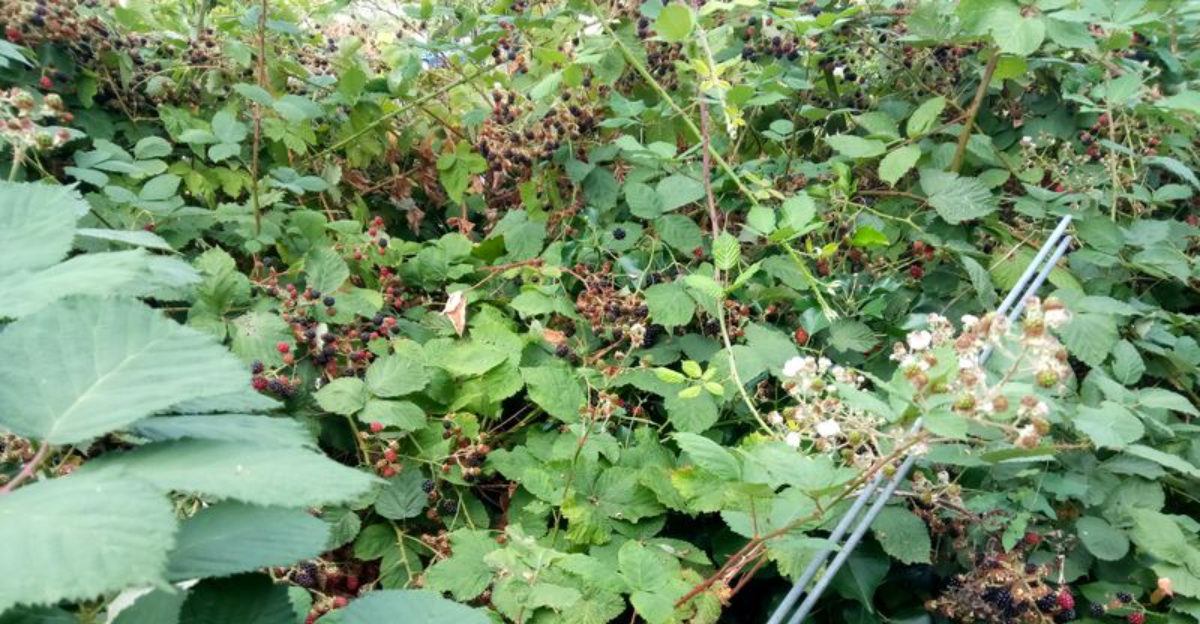
Satellite images keep revealing new pockets of green across Washington, and you’d never guess how many of them are actually food forests quietly taking shape.
You can almost feel the excitement when you zoom in and see fruit trees, berry patches, and winding garden beds turning old spaces into living community hubs.
It’s the kind of transformation that makes you look twice, because it feels like the state is growing its own hidden pantry right under your eyes.
And once you notice it, you start wondering which neighborhood will surprise you next.
1. Beacon Food Forest in Seattle
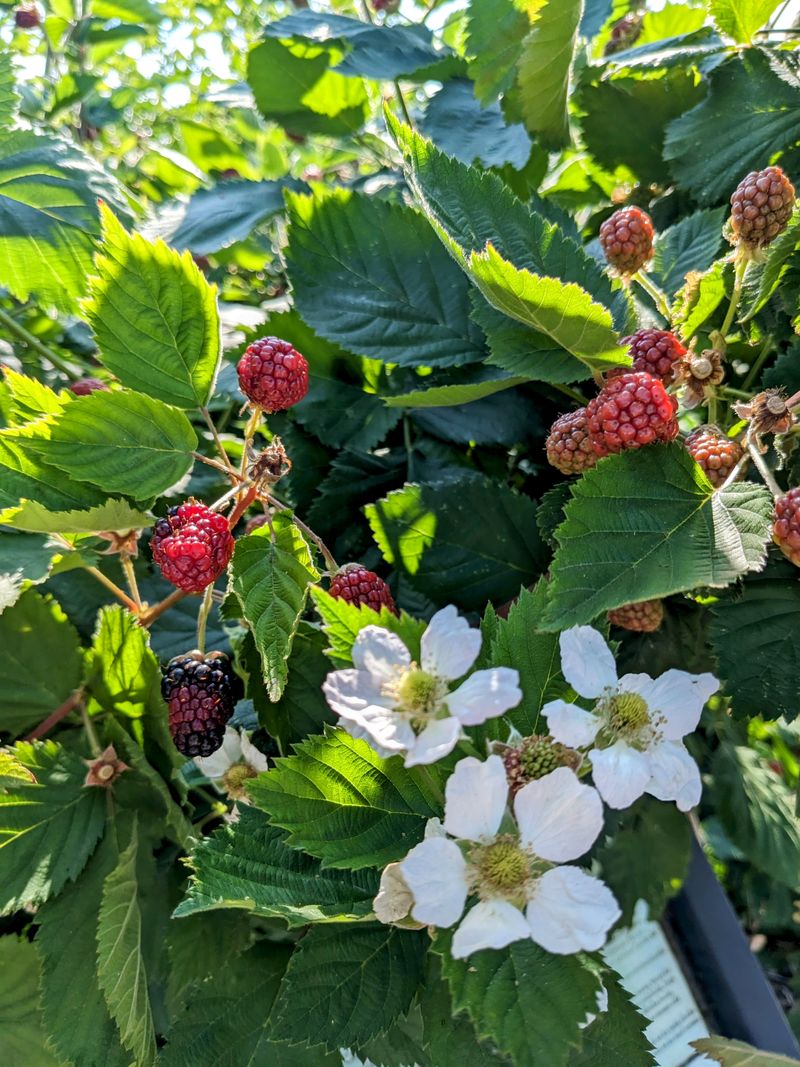
Beacon Hill’s famous food forest started as a dream shared by neighbors who wanted fresh produce available to everyone in their Seattle community.
Located near 15th Avenue South and South Dakota Street, this seven-acre wonder has become North America’s largest public food forest since volunteers broke ground back in 2012.
Satellite images reveal neat rows of fruit trees, berry bushes, herb spirals, and vegetable gardens sprawling across what used to be an empty hillside in Washington.
Hundreds of volunteers maintain the space throughout the year, planting new trees, weeding paths, and harvesting ripe produce that anyone can enjoy completely free of charge.
Pear trees, apple varieties, Asian pears, and even persimmons thrive here thanks to Seattle’s mild climate and the dedication of community gardeners who share their knowledge.
Educational workshops teach kids and adults about composting, pruning techniques, plant identification, and sustainable growing methods that protect soil health and encourage beneficial insects to flourish naturally.
2. Orchard Street Food Forest in Bellingham
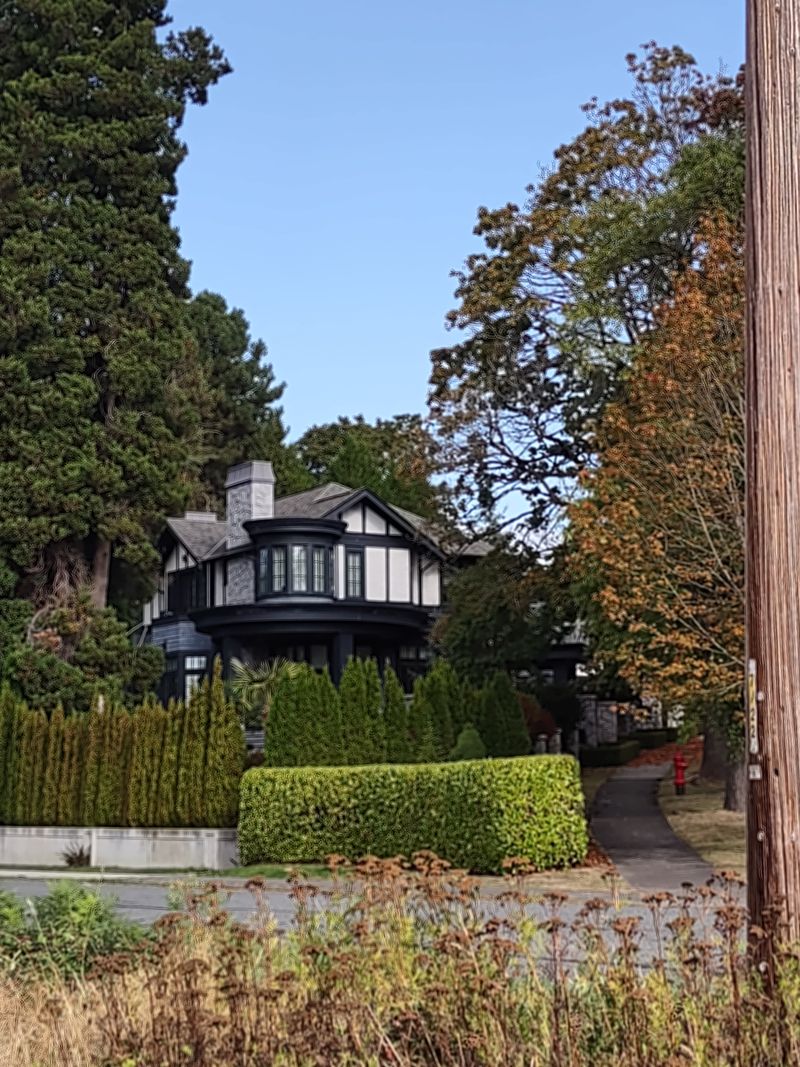
Bellingham’s Orchard Street Food Forest sits quietly along Orchard Street near the Sunnyland neighborhood, offering residents a peaceful retreat filled with edible plants and flowering shrubs year-round.
This Washington gem began transforming in the early two-thousands when neighbors recognized that vacant land could serve families better as a shared garden space than as unused grass.
From above, satellites capture winding pathways that connect different garden zones, including berry patches, nut trees, medicinal herb beds, and colorful perennial flowers that attract pollinators like bees.
Volunteers gather every weekend to water seedlings, spread mulch around tree bases, repair fences, and welcome newcomers who want to learn about organic gardening in this welcoming space.
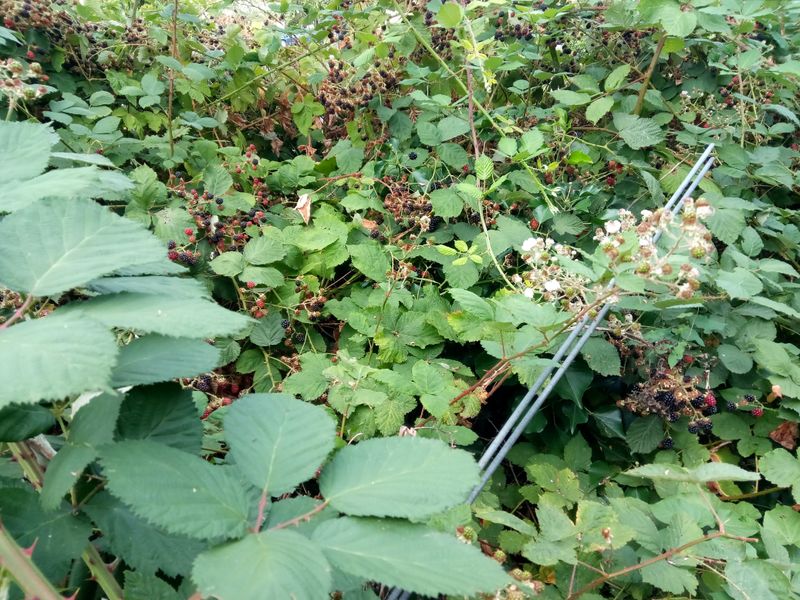
Families often visit during harvest season to pick fresh blackberries, raspberries, apples, and plums while children explore the forest’s hidden corners and discover worms wriggling through rich soil.
Educational signs throughout the garden explain which plants are edible, how they grow best, and why companion planting helps vegetables and fruits produce bigger yields without chemical fertilizers.
3. Greenwood Food Forest in Seattle
Tucked into Seattle’s Greenwood neighborhood near North 87th Street and Fremont Avenue North, this compact food forest proves that even small spaces can produce impressive amounts of food.
Washington’s urban planners worked alongside residents to convert a former parking strip into this vibrant edible garden that now feeds dozens of families living within walking distance each season.
Your Washington Garden Changes Every Week. Your Plan Should Too.
Gardening in Washington changes quickly throughout the season. Every Friday you’ll receive a simple weekly plan showing exactly what to plant, prune, fertilize, harvest, and protect so you never miss the right timing.
Satellite technology shows how efficiently volunteers have organized the narrow plot, maximizing every square foot with vertical trellises, stacked herb spirals, and densely planted fruit trees that shade lettuce.
Cherry trees blossom spectacularly each spring, transforming the neighborhood into a fragrant wonderland before producing sweet fruit that neighbors harvest together during cheerful community picking parties in June.
Volunteers maintain a tool-sharing shed where anyone can borrow shovels, watering cans, pruning shears, and wheelbarrows, making gardening accessible to people who lack their own equipment at home.
Monthly potlucks bring the community together to share recipes featuring harvested ingredients, swap gardening tips, and plan seasonal projects like building new compost bins or planting native wildflowers.
4. Spokane Community Gardens Food Forest
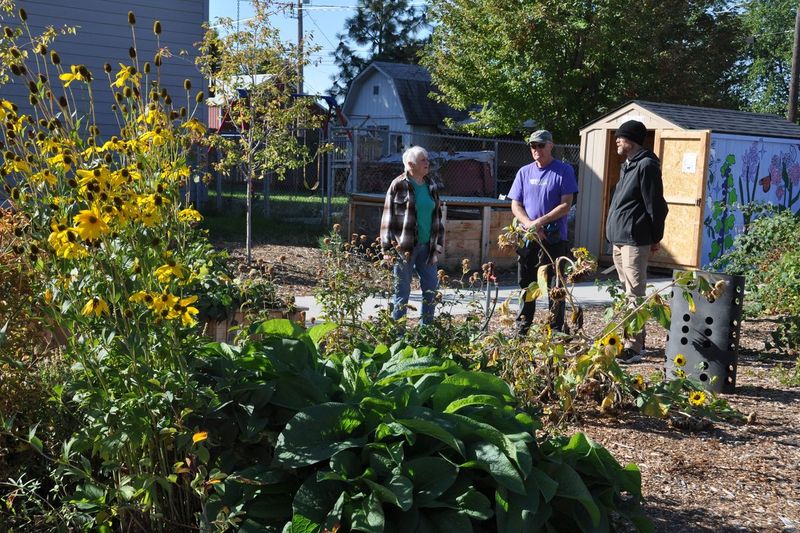
Spokane’s eastside food forest near East Mission Avenue demonstrates how edible landscapes thrive even in Washington’s drier climate with careful plant selection and smart water conservation techniques.
Community organizers chose drought-tolerant fruit varieties like apricots, hardy cherries, and currants that need less irrigation than typical garden crops while still producing abundant harvests each summer.
Satellite images highlight the forest’s clever design, featuring swales that capture rainwater runoff and direct moisture toward tree roots, reducing the need for constant watering during hot months.
Volunteers mulch heavily around all plantings to keep soil cool, prevent evaporation, and gradually build organic matter that helps sandy Spokane soil retain precious moisture between rainfall events naturally.
Educational programs teach Washington residents about xeriscaping principles, explaining how native plants and adapted fruit varieties create resilient food systems that require minimal maintenance once established in the ground.
Families appreciate the shaded picnic areas nestled among the trees, where kids can eat fresh-picked berries while parents relax and chat with neighbors about upcoming harvest festivals.
5. Tacoma’s Salishan Food Forest
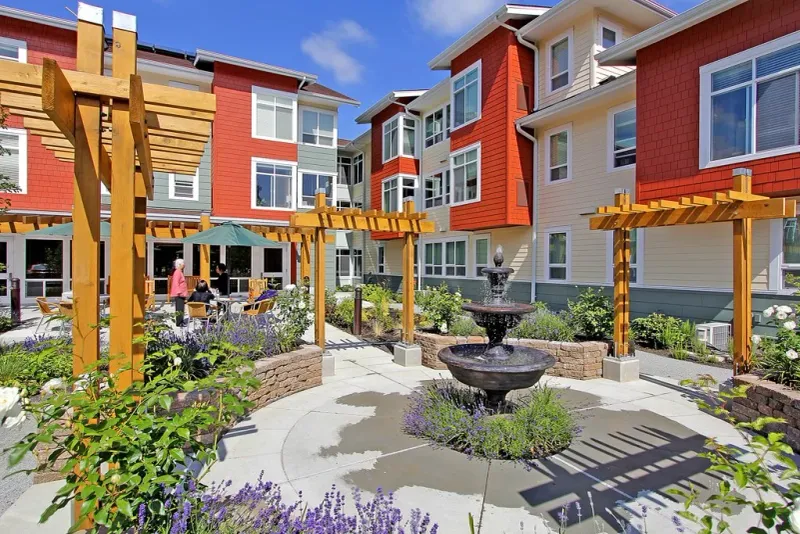
Salishan neighborhood in Tacoma hosts a remarkable food forest near the intersection of East 44th Street and Portland Avenue East that has completely transformed how residents access fresh produce daily.
Washington housing authorities partnered with food justice organizations to create this space, recognizing that many families lacked reliable transportation to grocery stores selling affordable fruits and vegetables regularly.
Overhead satellite views reveal extensive plantings of blueberries, raspberries, strawberries, apple trees, and pear varieties that residents can harvest freely without worrying about costs or transportation barriers.
Volunteers from across Tacoma travel to Salishan to help maintain pathways, prune overgrown branches, plant new seedlings, and teach workshops about preserving harvests through canning and freezing methods.
Children living nearby treat the food forest as their outdoor classroom, learning to identify edible plants, understanding seasonal cycles, and developing healthy eating habits through hands-on experiences.
Community events celebrate cultural diversity by featuring recipes from different traditions, showing how food forests can honor the varied backgrounds of Washington families who call this neighborhood home.
6. Olympia’s Eastside Urban Farm and Park
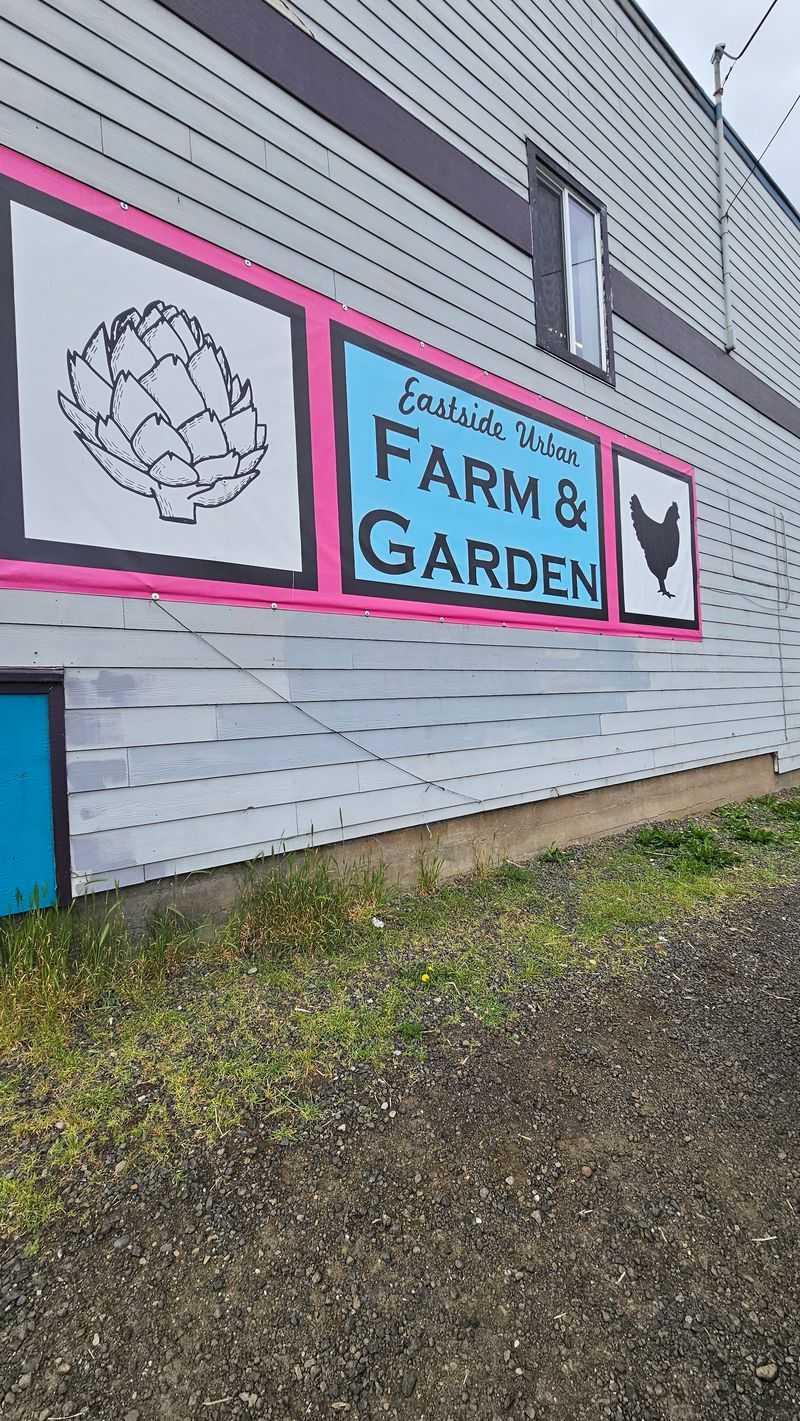
Olympia’s Eastside neighborhood near Pacific Avenue Southeast features an innovative urban farm that blends recreational parkland with productive food forest areas serving Washington’s capital city residents beautifully.
City planners designed this space to serve multiple purposes, providing places for children to play, adults to exercise, and everyone to gather fresh food throughout the growing season.
Satellite imagery shows distinct zones within the farm, including dedicated food forest sections with mature fruit trees, annual vegetable plots, pollinator meadows, and open lawn areas for community events.
Volunteers work year-round to maintain the forest sections, planting nitrogen-fixing shrubs that improve soil naturally, installing rainwater collection systems, and creating habitat for beneficial birds that control pests.
Educational signage throughout the park explains permaculture principles, teaching visitors how layered planting mimics natural forests while producing food, building soil, and supporting wildlife simultaneously without chemicals.
Seasonal festivals bring hundreds of Olympia residents together to celebrate harvests, learn preservation techniques, swap seeds, and strengthen neighborhood bonds through shared meals featuring locally grown ingredients.
7. Whidbey Island Food Forest
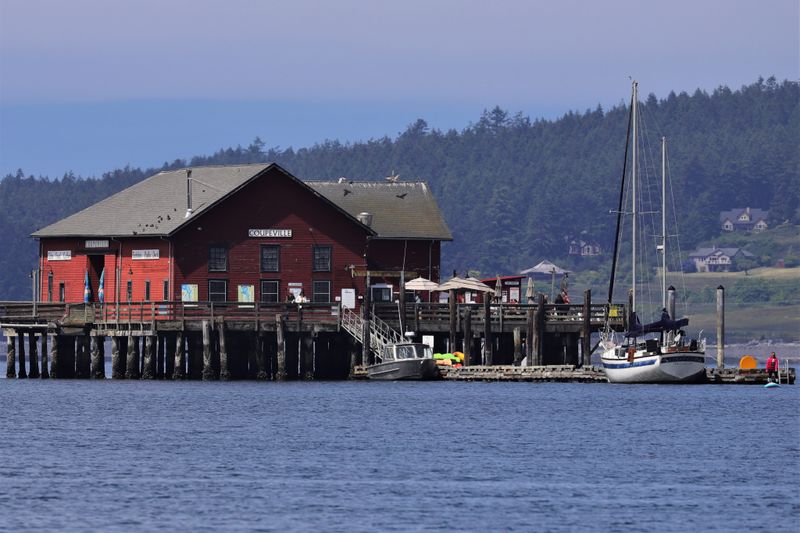
Whidbey Island’s community food forest near Bayview Road showcases how island residents in Washington are building food security while protecting the unique ecosystem of their coastal environment sustainably.
Island living presents special challenges, including limited shopping options and higher food costs, making local food production especially valuable for families who call this beautiful place home year-round.
Satellite technology captures the forest’s strategic location, sheltered from harsh winds by existing tree lines while receiving plenty of sunlight that helps fruit ripen fully during the Pacific Northwest’s cooler summers.
Volunteers selected salt-tolerant fruit varieties that withstand occasional ocean spray, including hardy apples, pears, beach plums, and rugosa roses that produce vitamin-rich hips for teas and jellies.
Monthly work parties combine garden maintenance with social connection, giving islanders opportunities to share skills, swap surplus produce, and build the kind of community resilience that island living requires.
Educational programs teach children about native plants, sustainable harvesting practices, and how food forests can coexist with wildlife habitats, protecting birds and beneficial insects that make Whidbey Island special.
8. Bainbridge Island Food Forest
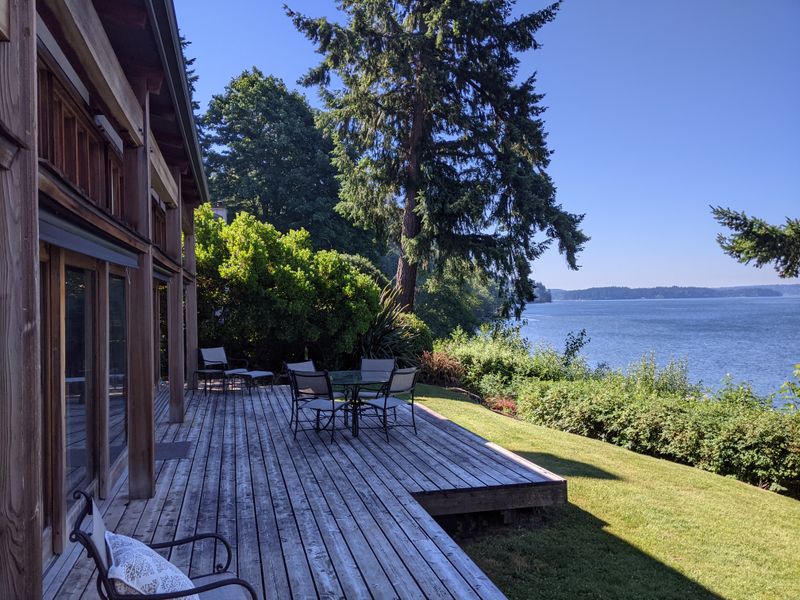
Bainbridge Island residents created their food forest near High School Road Northeast, transforming underused public land into a thriving edible landscape that reflects Washington’s commitment to sustainable community development.
Island volunteers worked with permaculture designers to create a forest that mimics the natural woodland ecosystems surrounding it while producing abundant food for residents throughout the growing season.
From space, satellites reveal how the forest blends seamlessly with surrounding native trees, creating wildlife corridors that allow birds and beneficial insects to move freely between cultivated and wild areas.
Apple trees, pear varieties, plum trees, and filbert bushes form the upper canopy layers, while blueberries, currants, and shade-tolerant herbs thrive beneath their protective branches year-round.
Community members harvest mushrooms from logs inoculated with edible fungi species, adding another productive layer to this carefully designed forest ecosystem that produces food without disturbing natural processes unnecessarily.
Workshops teach islanders about forest gardening techniques, soil building, seed saving, and how traditional indigenous practices inform modern food forest design throughout the Pacific Northwest region successfully.
9. Vashon Island Fruit Tree Project
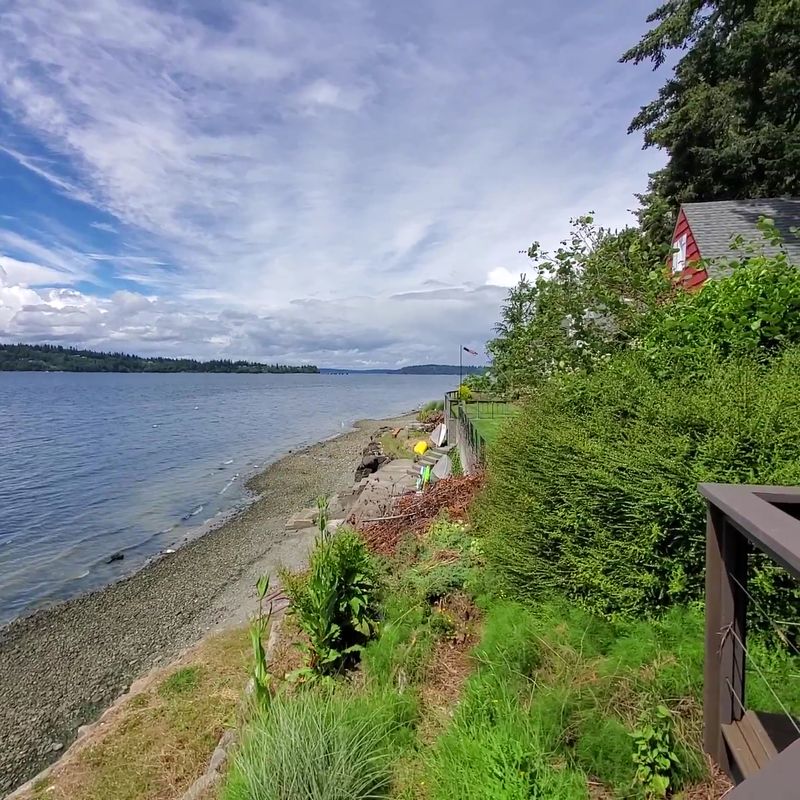
Vashon Island’s unique approach near Vashon Highway Southwest involves planting food forests throughout the island rather than concentrating them in one location, creating a distributed network of edible landscapes.
Washington volunteers coordinate with property owners to plant fruit trees on private land with the understanding that harvests will be shared with neighbors who need fresh food regularly.
Satellite images show dozens of small orchards and food forest patches scattered across the island, creating a mosaic of productive spaces that collectively provide significant amounts of free fruit.
Volunteers maintain a harvest map that helps residents locate ripe fruit throughout the season, coordinating picking parties that prevent waste while ensuring everyone gets a share of the bounty.
Apple varieties dominate the plantings because they store well through winter, providing Washington families with fresh fruit long after summer berries have finished producing for the year ahead.
Community gleaning events bring islanders together to harvest fruit from trees that homeowners cannot maintain alone, strengthening social bonds while reducing food waste and feeding families simultaneously.
10. Yakima Valley Community Food Forest
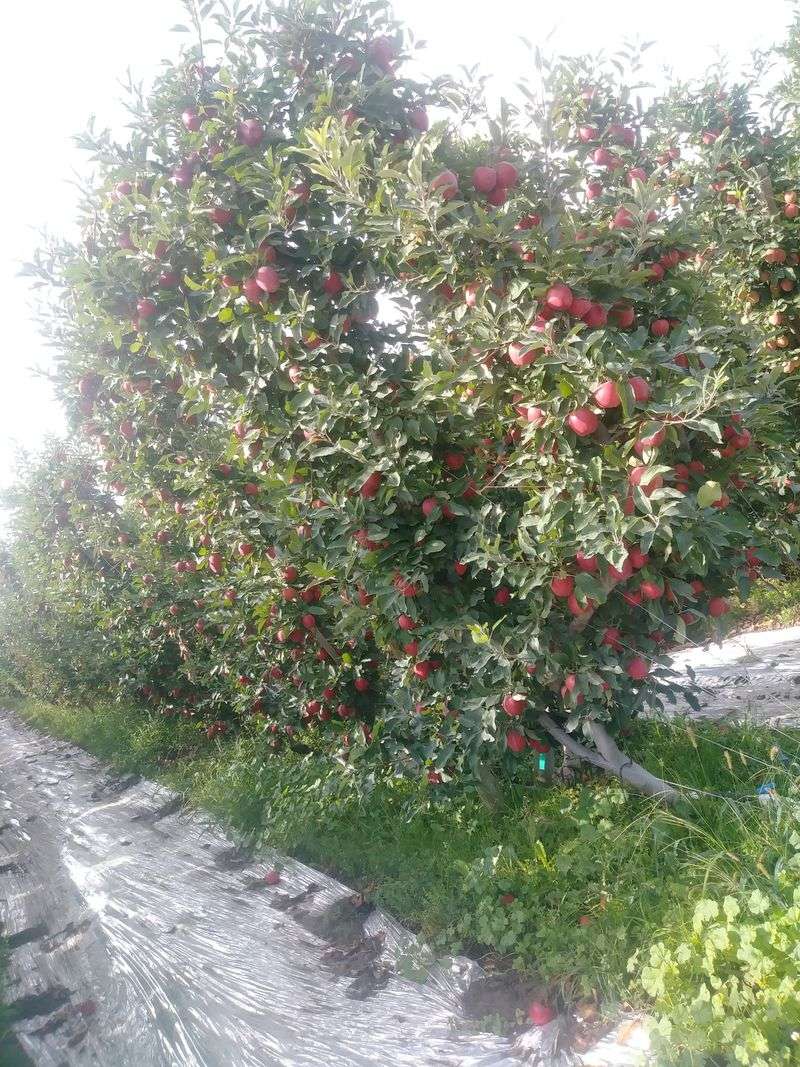
Yakima Valley’s food forest near South 1st Street represents an important step toward food justice in a region where farmworkers often cannot afford the very fruits they help harvest commercially.
Community organizers in Washington recognized the irony of agricultural workers struggling to access fresh produce and created this space where everyone can gather food without worrying about costs.
Satellite views show the food forest nestled among commercial orchards, demonstrating how community-scale food production can coexist with larger agricultural operations that dominate the valley’s landscape and economy.
Volunteers plant fruit varieties familiar to the area’s diverse Latino community, including apples, pears, cherries, and also less common species like quince and tejocote that connect families to heritage.
Educational programs offer bilingual instruction about organic growing methods, pruning techniques, and harvest preservation, ensuring that knowledge spreads throughout the community regardless of language barriers or prior experience.
Seasonal celebrations feature traditional foods prepared with forest harvests, honoring cultural traditions while building connections between longtime residents and newer arrivals to Washington’s agricultural heartland community.