Google Maps Reveals Areas Of Rapid Floodplain Greening In Iowa
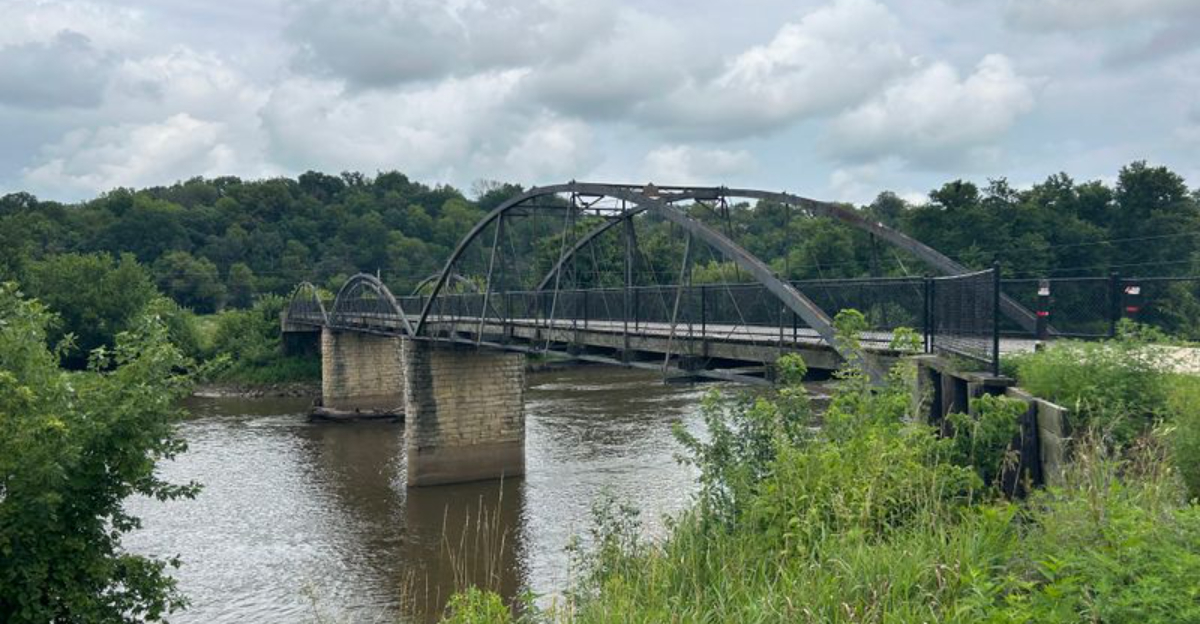
Google Maps keeps showing new bursts of green spreading along Iowa’s floodplains, and the change feels almost sudden when you look closely today.
You can see old bare stretches turning lush again, like nature finally getting a chance to breathe and recover.
It’s the kind of shift that makes you pause, because it gives those river corridors a fresh sense of life you didn’t expect to notice from above.
And once you spot it, you can’t help wondering how much more of Iowa is quietly coming back to life this year.
1. Cedar River Corridor Near Cedar Rapids
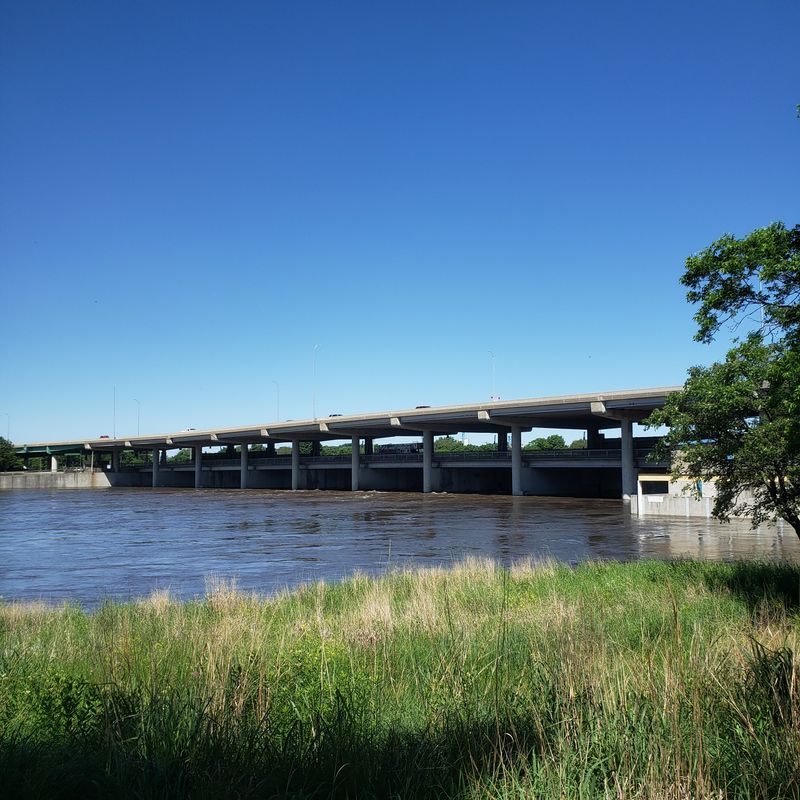
Cedar Rapids experienced major flooding that completely changed the river landscape around 1st Avenue and the downtown area.
Satellite imagery from Google Maps now shows thick vegetation covering former bare zones along the Cedar River corridor.
Trees and shrubs have sprouted naturally where water once stood for weeks, creating wildlife habitat that wasn’t there before.
Local experts in Iowa say this greening helps absorb future floodwaters better than concrete or pavement ever could.
The transformation near 500 1st Street NE became visible within just five years after restoration projects began in this part of Iowa.
Birds and small mammals now use these green corridors as safe travel routes between larger forest patches throughout the region.
Residents appreciate how the new vegetation cools the air during hot Iowa summers and provides natural beauty along walking trails.
2. Des Moines River Floodplain at Fort Dodge
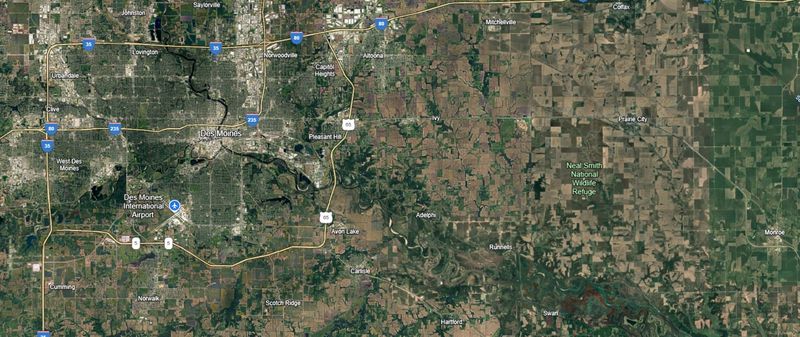
Fort Dodge sits where the Des Moines River creates wide bends that naturally collect sediment and support rapid plant growth after floods subside.
Google Maps reveals a striking increase in green cover near the river around 819 1st Avenue South over the past decade.
Willows and cottonwoods dominate the new growth, with their roots stabilizing riverbanks that were once eroding badly in this Iowa community.
The floodplain near Fort Dodge now filters runoff from nearby farms before water enters the main river channel downstream.
Scientists studying Iowa waterways note that these natural filters reduce pollution and improve water quality for everyone living along the river.
The greening also provides shade that keeps river temperatures cooler, which benefits fish populations that struggled in warmer water before.
Local schools use the area for outdoor education, teaching students about ecosystems and how floodplains work in Iowa’s landscape.
3. Iowa River Bend Near Iowa City
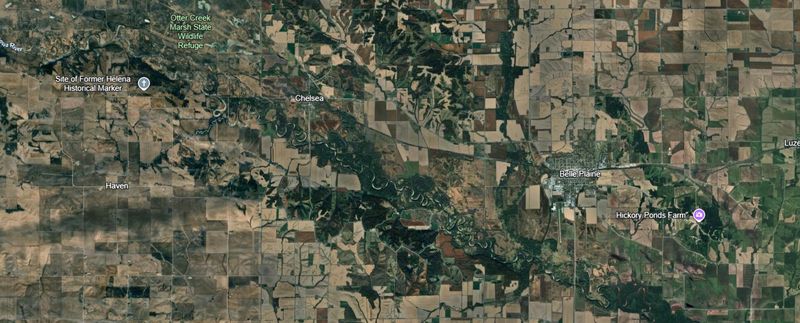
Iowa City’s riverfront near Dubuque Street has undergone remarkable greening visible from satellite views on Google Maps over recent years.
The Iowa River’s natural meanders create perfect conditions for vegetation to establish quickly after flood events reshape the banks and deposit nutrients.
Native grasses and flowering plants now blanket areas that were muddy and barren just a few years ago in this Iowa location.
University researchers from Iowa study this site because it demonstrates how floodplains naturally recover when given space to spread out during high water.
The increased vegetation provides nesting sites for waterfowl and songbirds that migrate through Iowa each spring and fall season.
Your Iowa Garden Changes Every Week. Your Plan Should Too.
Gardening in Iowa changes quickly throughout the season. Every Friday you’ll receive a simple weekly plan showing exactly what to plant, prune, fertilize, harvest, and protect so you never miss the right timing.
Park visitors enjoy watching the seasonal changes as different plants bloom throughout the growing season along the Iowa River corridor.
This greening success story inspires other Iowa communities to allow similar natural recovery processes rather than building walls or levees everywhere.
4. Wapsipinicon River Valley Near Anamosa
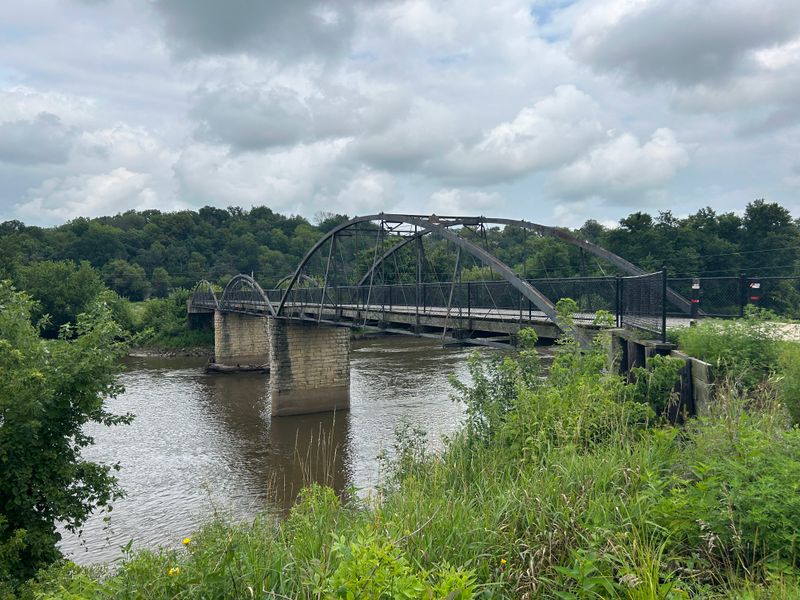
Anamosa’s section of the Wapsipinicon River near Main Street shows dramatic vegetation increases that Google Maps satellite imagery captured beautifully over time.
Flooding deposited rich sediment across the floodplain, creating ideal growing conditions for the diverse plant communities now thriving in this Iowa area.
Oak and maple seedlings joined the willows and cottonwoods, establishing what will become mature floodplain forest in coming decades.
The Wapsipinicon’s greening near Anamosa demonstrates how Iowa rivers can support diverse ecosystems when natural processes operate without excessive human interference.
Wildlife cameras placed by conservation groups recorded increased deer, turkey, and fox activity in these newly vegetated zones throughout Iowa.
The green corridor now connects previously isolated habitat patches, allowing animals to move safely across the landscape in this part of Iowa.
Local hiking enthusiasts celebrate the transformation because trails through the area offer much more shade and scenic beauty than before.
5. Skunk River Lowlands at Ames
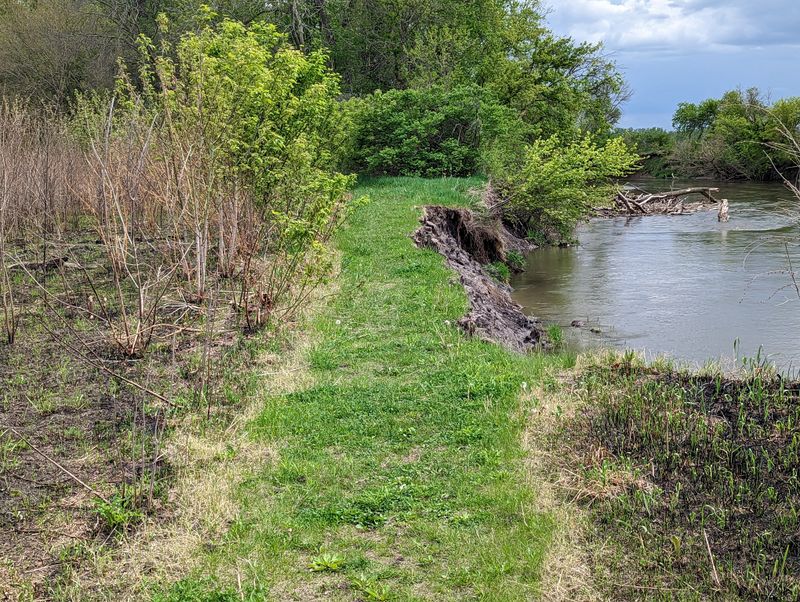
Ames has witnessed impressive floodplain recovery along the Skunk River near Duff Avenue where Google Maps shows expanding green zones year after year.
Iowa State University researchers monitor this site because it provides valuable data about how quickly native plants colonize disturbed floodplain soils.
The greening includes wetland plants that thrive in areas where water pools temporarily during spring floods in this Iowa region.
These wetland zones act like natural sponges, absorbing excess water and releasing it slowly to prevent downstream flooding in other Iowa communities.
Birdwatchers flock to the Skunk River floodplain because the diverse vegetation attracts species rarely seen in other parts of Iowa.
The transformation from bare ground to lush greenery happened surprisingly fast, with noticeable changes appearing within just three growing seasons.
Ames residents value the floodplain not just for recreation but also for the ecosystem services it provides to the entire Iowa community.
6. Missouri River Bottomlands Near Council Bluffs
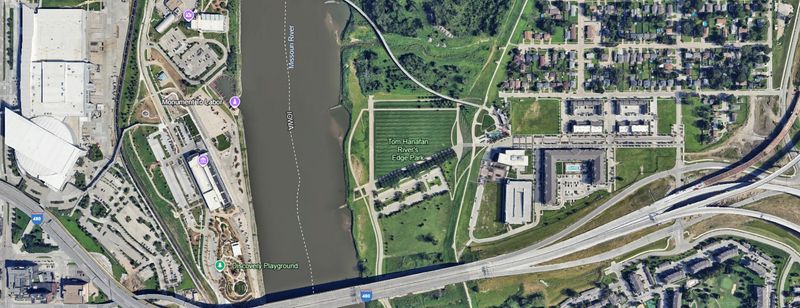
Council Bluffs sits where the Missouri River creates vast floodplains that Google Maps reveals have greened dramatically near Broadway and the riverfront.
The Missouri’s powerful floods deposit tons of sediment that enriches soil and supports vigorous plant growth across Iowa’s western border region.
Cottonwood forests now dominate areas that were agricultural fields before flooding convinced landowners to let nature take over in this Iowa location.
Wildlife biologists celebrate the greening because it provides critical habitat for species that depend on Missouri River bottomlands throughout Iowa and beyond.
The vegetation stabilizes banks and reduces erosion that once threatened homes and infrastructure in Council Bluffs and neighboring Iowa communities.
Satellite images show the green expansion happened in stages, with pioneer species establishing first and then more diverse communities developing over time.
Residents enjoy improved air quality and natural beauty that the greening brought to this Iowa city along the mighty Missouri River.
7. Turkey River Flats Near Elkader
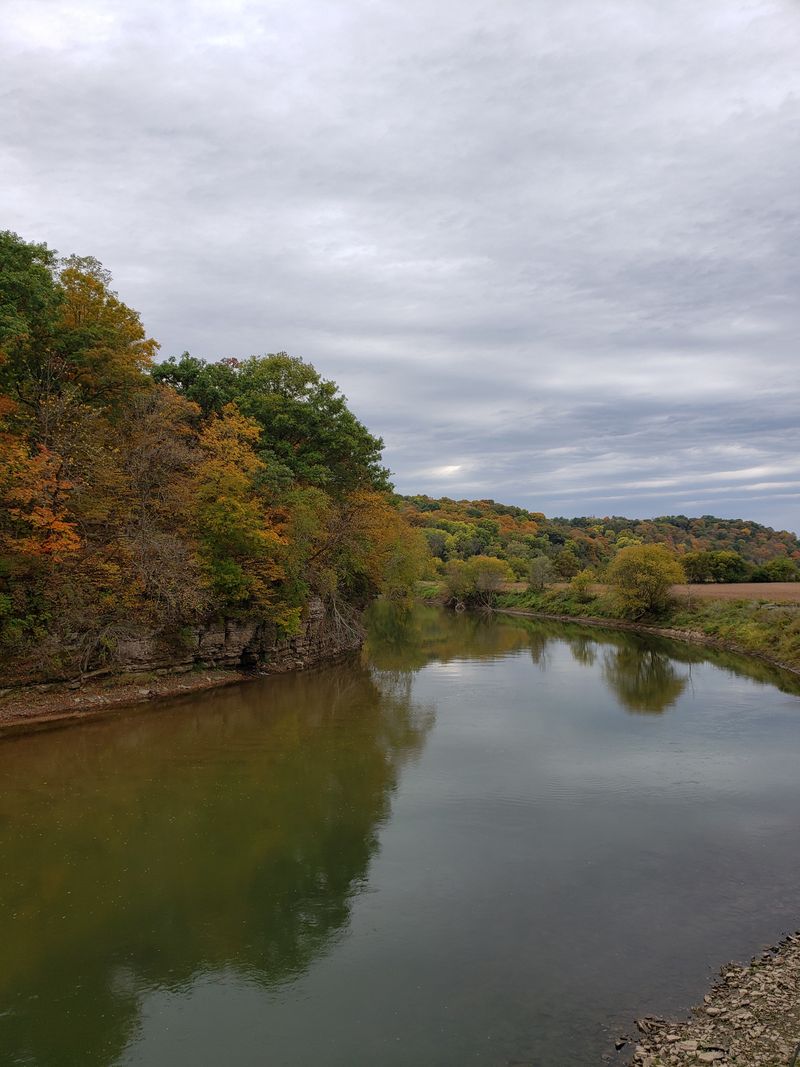
Elkader’s Turkey River valley near High Street demonstrates nature’s resilience with greening that Google Maps clearly documents in before-and-after satellite views.
The Turkey River’s steep valley walls concentrate floodwaters that then spread nutrients across the floodplain, fueling rapid vegetation growth in Iowa.
Wildflowers bloom in abundance during spring and summer, creating colorful displays that attract pollinators throughout this scenic Iowa river valley.
The greening helps protect Elkader from future flood damage by slowing water flow and absorbing moisture before it reaches downtown areas.
Local conservation groups in Iowa planted additional native species to accelerate the natural recovery process along the Turkey River corridor.
The floodplain now serves as an outdoor classroom where Iowa students learn about river ecology and the importance of preserving natural areas.
Kayakers and canoeists appreciate the increased shade and wildlife viewing opportunities that the greening created along their favorite Iowa paddling routes.
8. Raccoon River Corridor at Des Moines
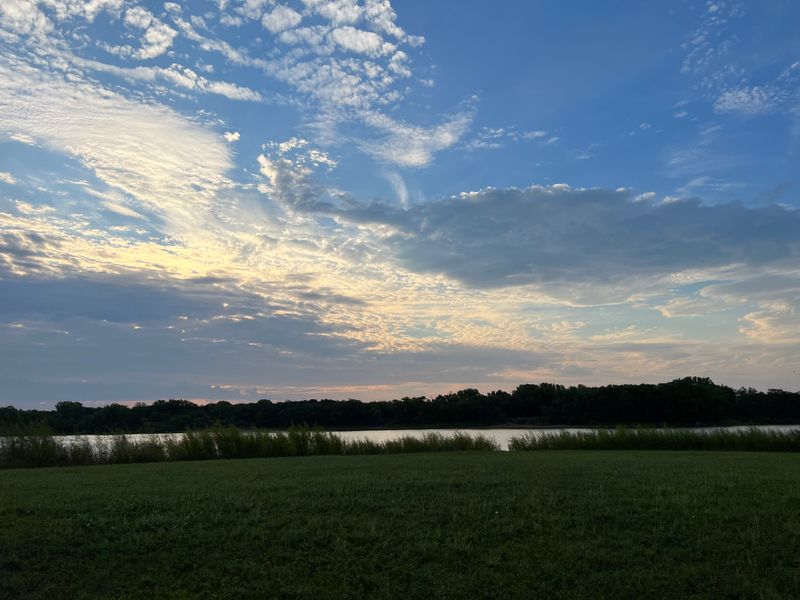
Des Moines transformed sections of the Raccoon River floodplain near Fleur Drive where Google Maps reveals impressive greening within Iowa’s capital city.
Urban planners in Iowa recognized that allowing natural vegetation to flourish provides better flood protection than traditional engineering approaches alone could offer.
The greening includes rain gardens and bioswales that filter stormwater runoff before it enters the Raccoon River in this Iowa community.
Residents now enjoy miles of green trails through the floodplain where they can walk, bike, and observe wildlife without leaving the city.
The vegetation reduces summer heat island effects that make Iowa cities uncomfortable during the hottest months of the year for residents.
Schools organize field trips to the greened floodplain where Iowa students can see firsthand how cities and nature can coexist successfully.
The Raccoon River corridor demonstrates that even heavily urbanized areas in Iowa can support thriving ecosystems when communities prioritize green infrastructure solutions.
9. Maquoketa River Bottomlands Near Maquoketa
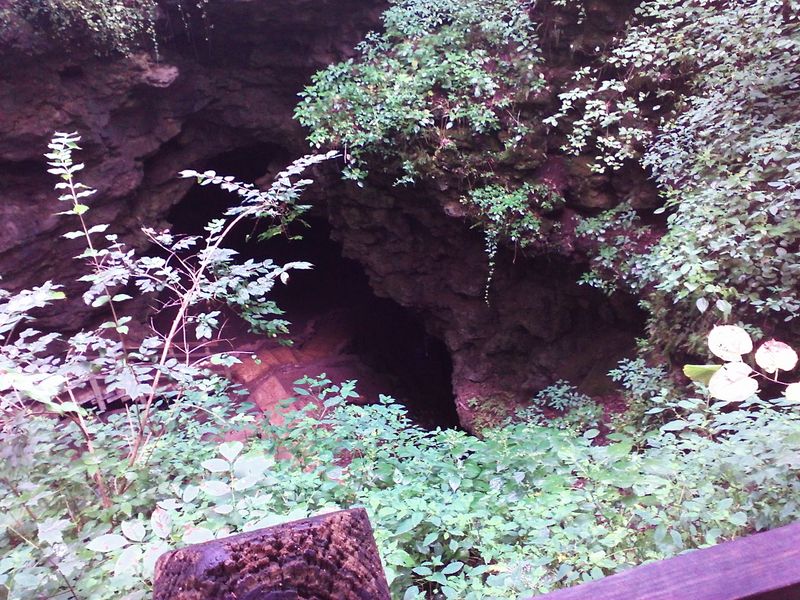
Maquoketa’s river bottomlands near Main Street show remarkable greening that Google Maps satellite imagery captures in stunning detail over the past years.
The Maquoketa River’s flooding patterns create diverse habitats ranging from wetlands to upland forest edges throughout this Iowa river valley system.
Silver maple and sycamore trees now tower over younger vegetation, creating a multi-layered forest structure that supports diverse wildlife in Iowa.
The greening happened naturally without extensive human intervention, proving that Iowa rivers possess incredible self-healing abilities when given appropriate conditions and space.
Fishing enthusiasts notice improved catches because the vegetation provides shade and habitat that fish need to thrive in Iowa’s warming climate.
The floodplain acts as a natural water quality treatment system, removing pollutants before they flow downstream to other Iowa communities.
Maquoketa residents take pride in their green river corridor, which has become a defining feature of this Iowa town’s identity and appeal.