Invasive Bamboo Is Spreading Quickly In Georgia, According To Google Maps
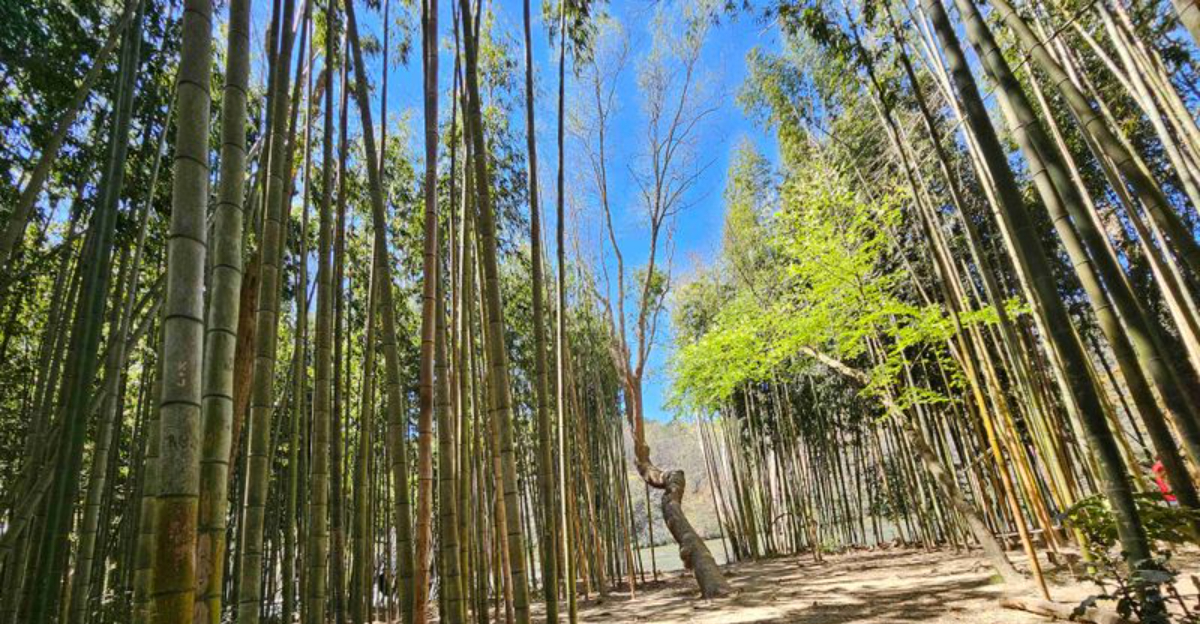
Google Maps keeps revealing new streaks of fast-moving green across Georgia, and you might be surprised to learn how often that trail leads back to invasive bamboo.
You can almost see it pushing through yards and empty lots, claiming more ground than most plants ever dare.
It’s the kind of spread that makes you look twice, because it feels like the landscape is shifting right in front of you.
And once you notice it, you start wondering how far this unstoppable plant will travel next.
1. Chattahoochee River National Recreation Area Near Roswell
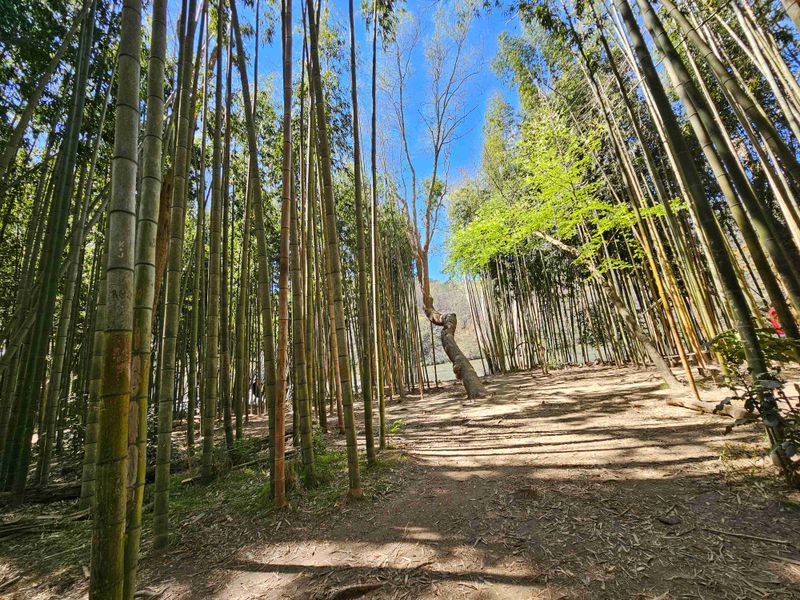
Bamboo groves near the Chattahoochee River National Recreation Area at 1978 Island Ford Parkway in Roswell have expanded dramatically over recent years.
Aerial views from Google Maps show thick green patches spreading along the riverbanks where native plants once thrived.
Visitors hiking trails in this Georgia recreation spot often notice bamboo stalks blocking pathways and crowding out wildflowers.
River ecosystems suffer when bamboo takes over because it forms such dense barriers that wildlife cannot move through easily.
Local conservation groups have started monitoring the bamboo spread to understand how fast it moves downstream.
Homeowners living near the recreation area also worry about bamboo crossing property lines and invading their yards.
Managing bamboo here requires constant attention because the plant sends underground runners that pop up dozens of feet away from the original clump.
2. Stone Mountain Park Eastern Slopes
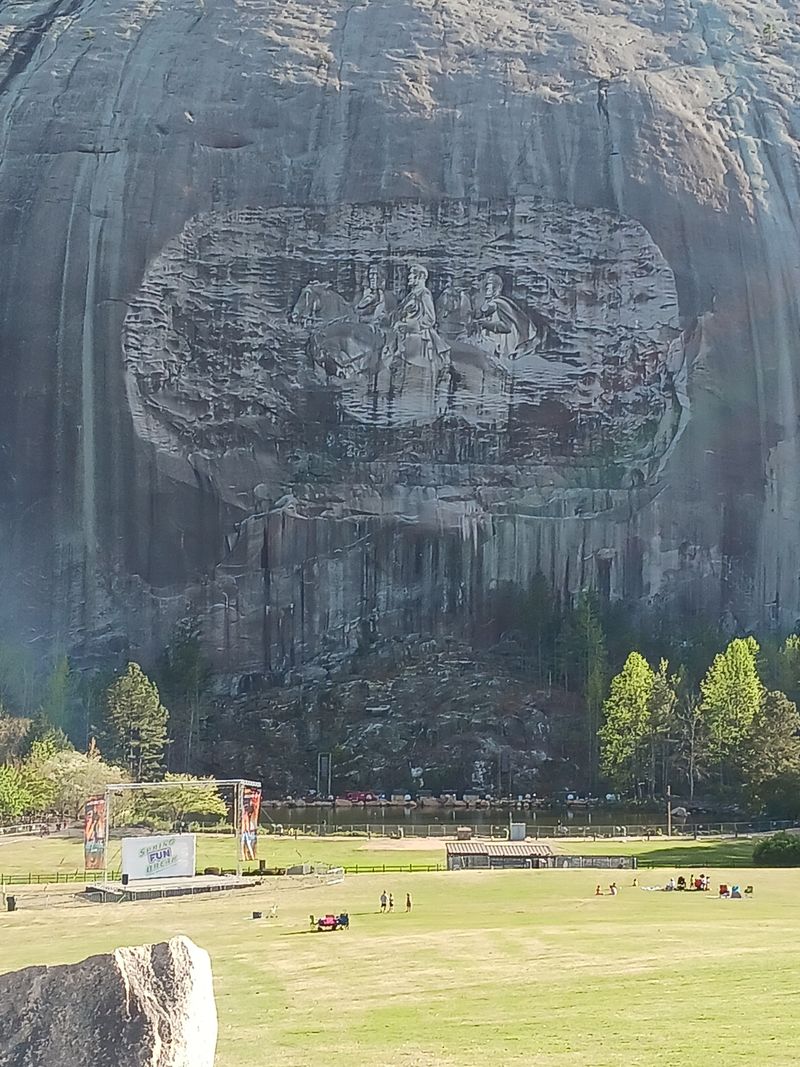
Stone Mountain Park at 1000 Robert E Lee Boulevard has seen bamboo creeping up its eastern slopes in ways that alarm park officials.
Google Maps satellite imagery reveals bamboo patches expanding steadily into forested areas where oak and pine trees traditionally dominated the landscape.
Park rangers in Georgia report that bamboo competes aggressively with native vegetation, blocking sunlight and stealing nutrients from the soil.
Families visiting the park sometimes mistake the bamboo for an exotic planted attraction, not realizing it actually threatens the natural environment.
Bamboo rhizomes spread underground, making removal incredibly challenging even with professional equipment and persistent effort.
Wildlife that depends on native plants for food and shelter finds fewer resources as bamboo continues its relentless march across the slopes.
Park management teams now dedicate significant time to containment efforts, though complete removal remains a distant goal for this Georgia landmark.
3. Augusta Canal Trail Corridor
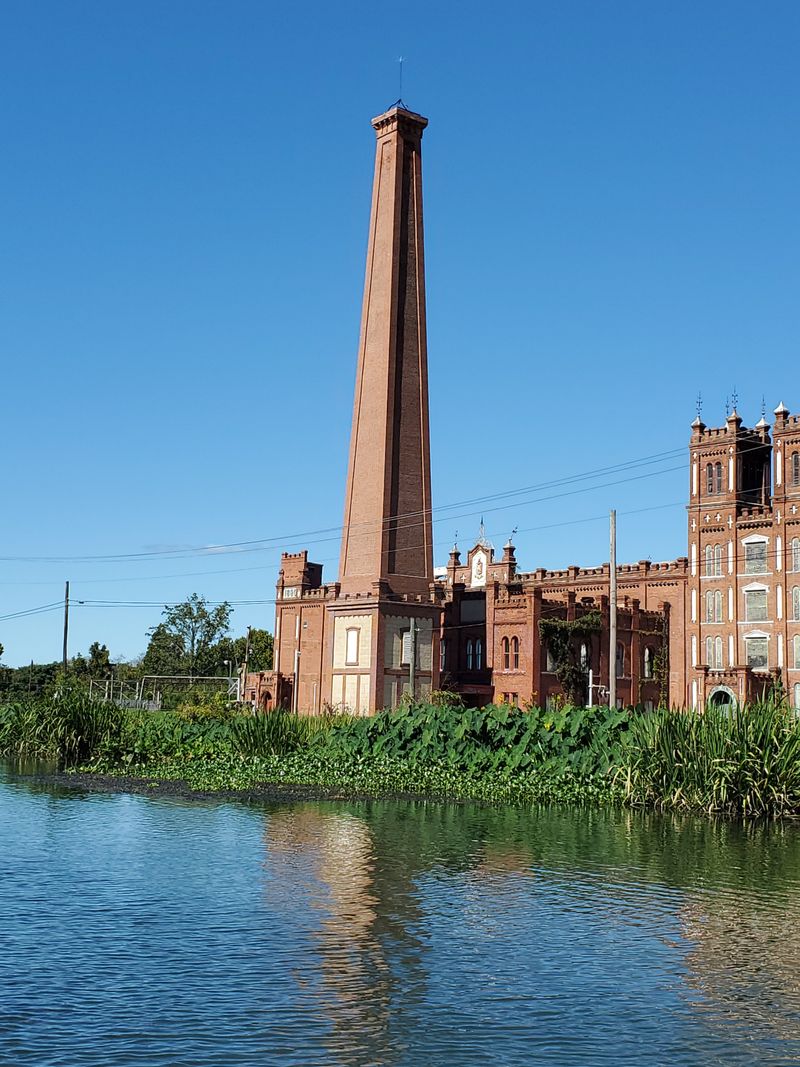
Along the Augusta Canal Trail near 1450 Greene Street, bamboo has spread rapidly through the historic corridor that once powered mills and factories.
Google Maps clearly shows the expansion of bamboo stands that now dominate sections of the trail where visitors once enjoyed open views of the water.
Cyclists and joggers using the trail in Georgia often find their path narrowed by bamboo shoots that grow surprisingly fast during warm months.
The canal’s unique ecosystem suffers because bamboo shades out native plants that fish and insects need to complete their life cycles.
Heritage sites along the canal face additional challenges when bamboo roots damage historical structures and interfere with preservation efforts.
Community volunteers organize periodic bamboo removal days, but the plant returns quickly unless roots are completely extracted from the ground.
Your Georgia Garden Changes Every Week. Your Plan Should Too.
Gardening in Georgia changes quickly throughout the season. Every Friday you’ll receive a simple weekly plan showing exactly what to plant, prune, fertilize, harvest, and protect so you never miss the right timing.
Augusta residents worry that unchecked bamboo growth will eventually obscure the canal’s beauty and historical significance for future generations visiting Georgia.
4. Savannah’s Forsyth Park Perimeter
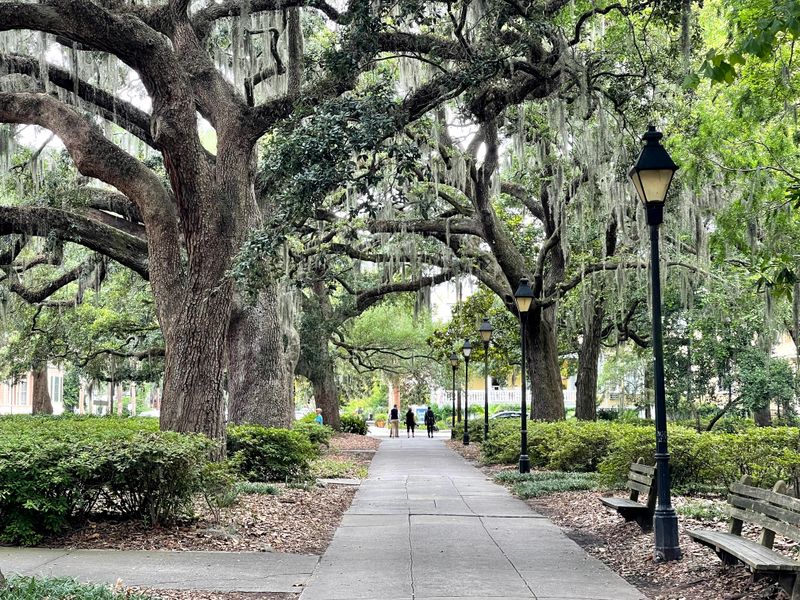
Forsyth Park at 2 West Gaston Street in Savannah faces bamboo encroachment along its southern and western perimeters that concerns city planners.
Satellite images reveal bamboo spreading from neighboring properties into park space, threatening the iconic landscape that defines this Georgia treasure.
Local gardeners explain that bamboo planted decades ago in private yards has now escaped containment and marches steadily toward public areas.
Park visitors appreciate the shade trees and open lawns, but bamboo creates impenetrable thickets that block access and reduce usable space.
Savannah’s historic district depends on maintaining the park’s beauty, making bamboo control a priority for tourism and community enjoyment alike.
City maintenance crews spend countless hours cutting back bamboo, yet new shoots appear within weeks because the root system remains intact underground.
Residents near Forsyth Park in Georgia now advocate for stricter regulations on planting bamboo to prevent future invasions of public spaces.
5. Macon’s Ocmulgee River Floodplain
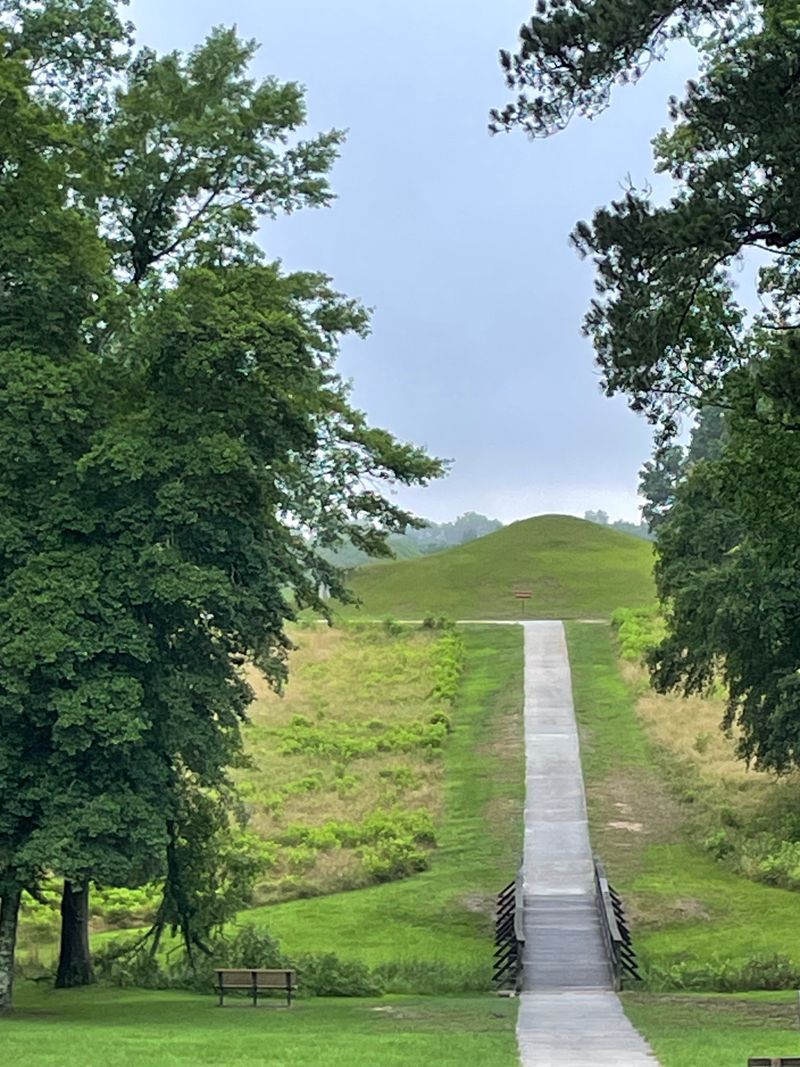
Near the Ocmulgee Heritage Trail at 200 Riverside Drive in Macon, bamboo has colonized large sections of the floodplain with astonishing speed.
Google Maps shows bamboo patches growing denser each year, replacing wetland plants that historically filtered water and supported diverse wildlife populations.
Floodplains in Georgia provide critical habitat for birds, amphibians, and insects, but bamboo crowds out the native species these animals depend upon.
After heavy rains, bamboo spreads even faster because floodwaters carry rhizome fragments downstream where they establish new colonies effortlessly.
Conservationists working in Macon face an uphill battle since bamboo tolerates wet conditions better than many native plants that once thrived here.
Property owners along the river report bamboo invading yards and gardens, sometimes growing several inches per day during peak growing season.
Controlling bamboo in floodplains requires specialized techniques because chemicals can harm water quality and mechanical removal disturbs fragile soil in Georgia wetlands.
6. Athens Clarke County Greenway Network
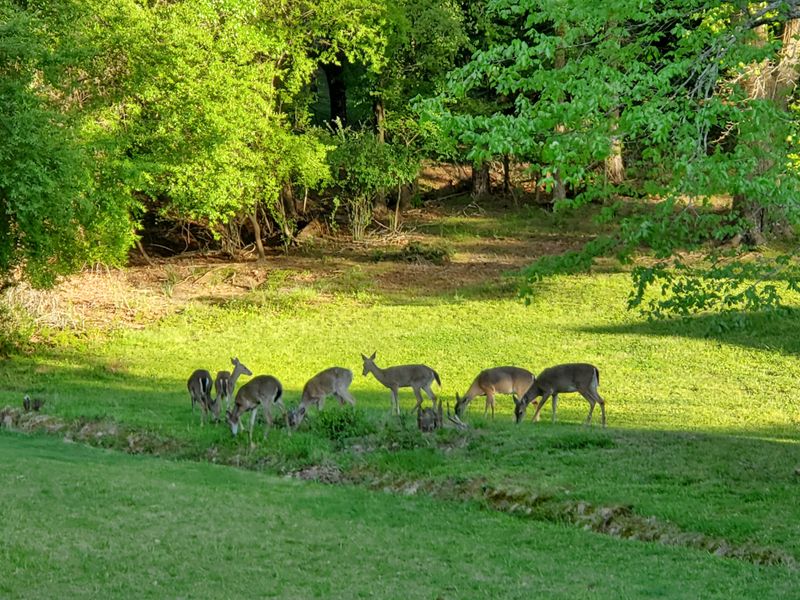
The North Oconee River Greenway near 250 Dudley Drive in Athens shows significant bamboo expansion that limits trail accessibility for residents.
Aerial photography on Google Maps reveals bamboo spreading from private properties onto public greenway land, creating maintenance headaches for city workers.
Students and families in Georgia use these trails for exercise and recreation, but bamboo narrows pathways and creates unsafe blind spots.
Native wildflowers and shrubs that once lined the greenway now struggle to survive in the shade cast by towering bamboo stalks.
Athens officials have documented bamboo spreading at rates that outpace removal efforts, making long-term control seem increasingly difficult to achieve.
Community members volunteer to help clear bamboo, yet without addressing the root systems, new growth appears faster than anyone can cut it back.
Greenway users in Georgia now advocate for educational programs teaching homeowners about bamboo’s invasive nature before they plant it in yards.
7. Columbus Riverwalk Woodland Sections
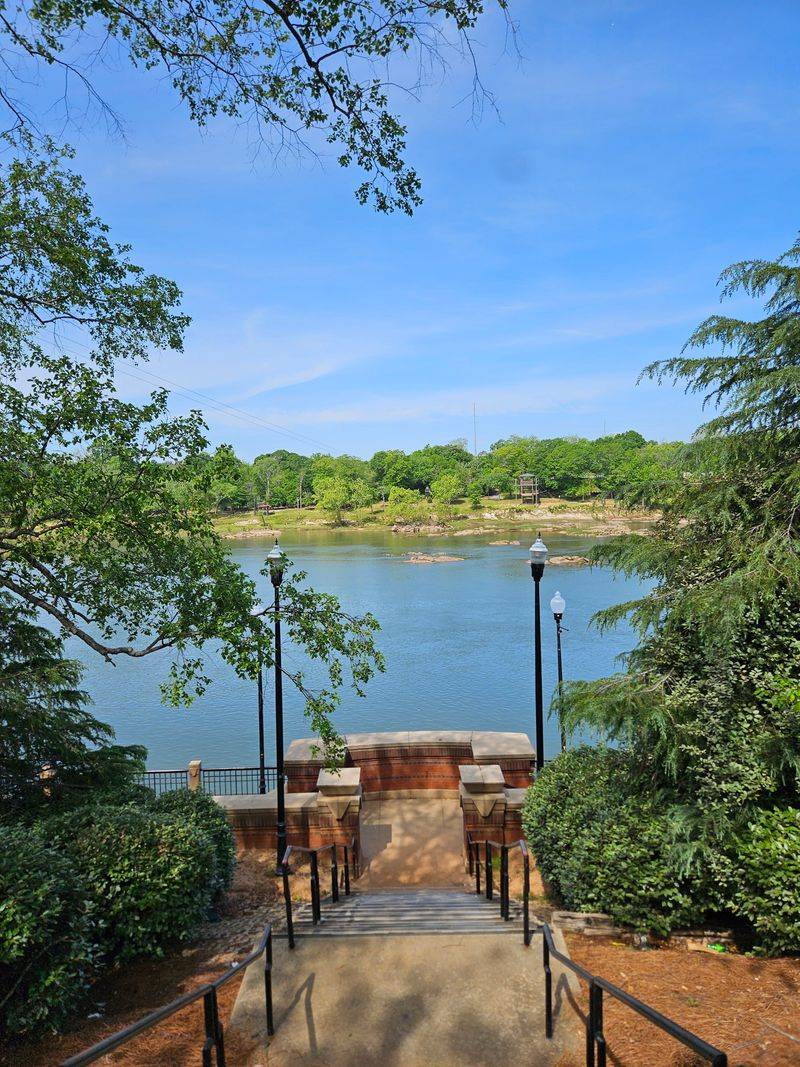
Along the Chattahoochee Riverwalk near 1000 Bay Avenue in Columbus, bamboo has invaded wooded sections that once showcased native Georgia forest beauty.
Google Maps imagery clearly displays bamboo stands expanding into areas where hardwood trees and native undergrowth previously created balanced ecosystems.
Walkers and runners using the riverwalk in Georgia notice bamboo blocking scenic views and making side trails nearly impossible to navigate safely.
Forest health declines when bamboo dominates because it prevents tree seedlings from establishing and disrupts the natural cycle of plant succession.
Columbus park managers struggle with limited budgets for bamboo control, forcing them to prioritize high-traffic areas while other sections continue spreading.
Wildlife sightings have decreased in bamboo-heavy zones because animals avoid areas lacking the diverse plant life they need for food and shelter.
Local environmental groups in Georgia now partner with city officials to develop comprehensive bamboo management plans that address both removal and prevention strategies.
8. Valdosta’s Withlacoochee River Banks
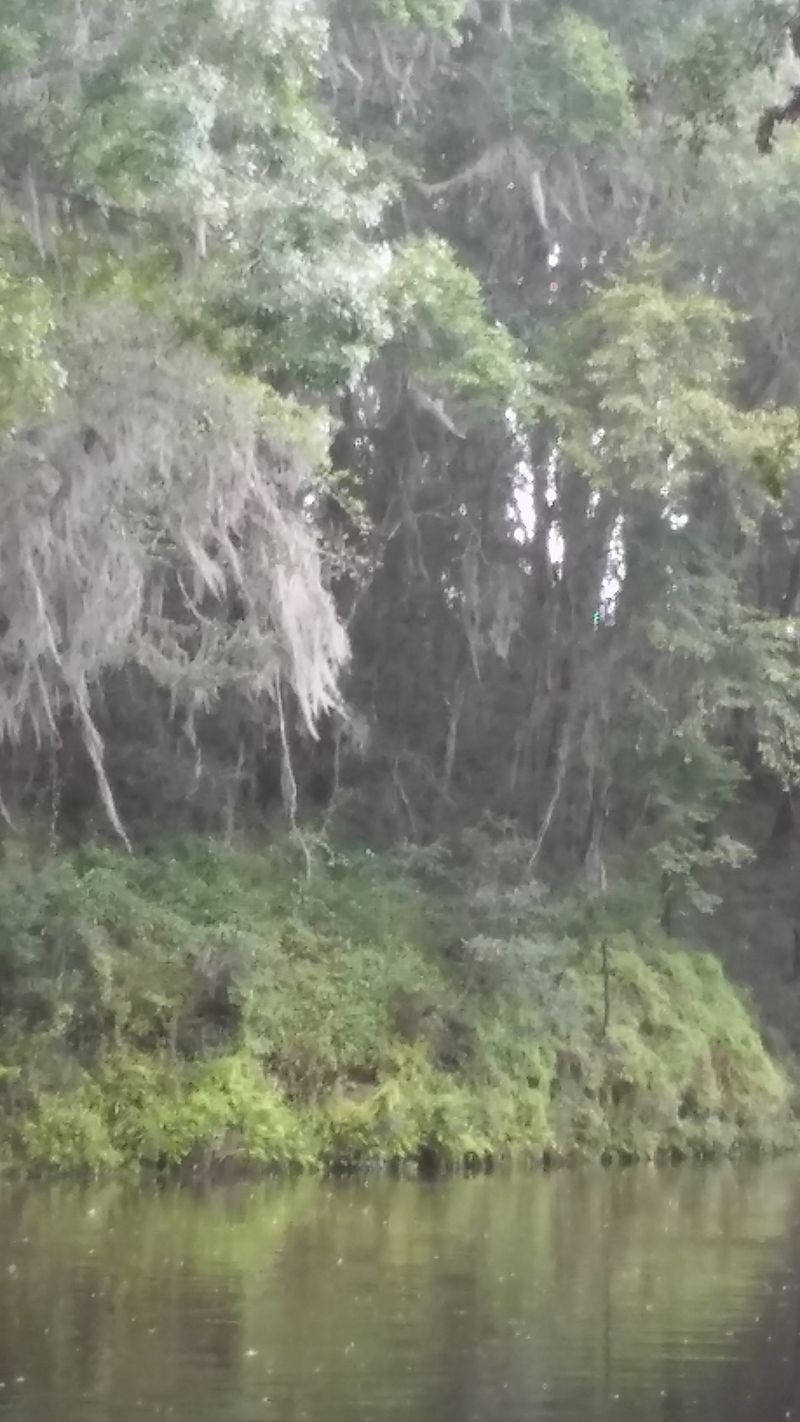
Near the Withlacoochee River at Drexel Park on 1700 North Oak Street in Valdosta, bamboo has spread rapidly along riverbanks and adjacent properties.
Satellite views from Google Maps show bamboo patches multiplying in size, replacing riparian vegetation that stabilizes soil and prevents erosion during storms.
Fishing enthusiasts in Georgia report that bamboo makes accessing favorite river spots nearly impossible without machetes to clear paths through dense growth.
Riverbank ecosystems depend on native plants with deep roots that hold soil in place, but bamboo’s shallow rhizomes actually increase erosion risk.
Valdosta residents living near the river express frustration as bamboo invades their properties, sometimes causing damage to fences, sheds, and underground utilities.
Removal efforts prove expensive and time-consuming because bamboo regrows vigorously from any root fragments left behind in the soil.
Community leaders in Georgia now consider ordinances restricting bamboo planting near waterways to protect both private property and public natural areas from invasion.
9. Rome’s Berry College Campus Edges
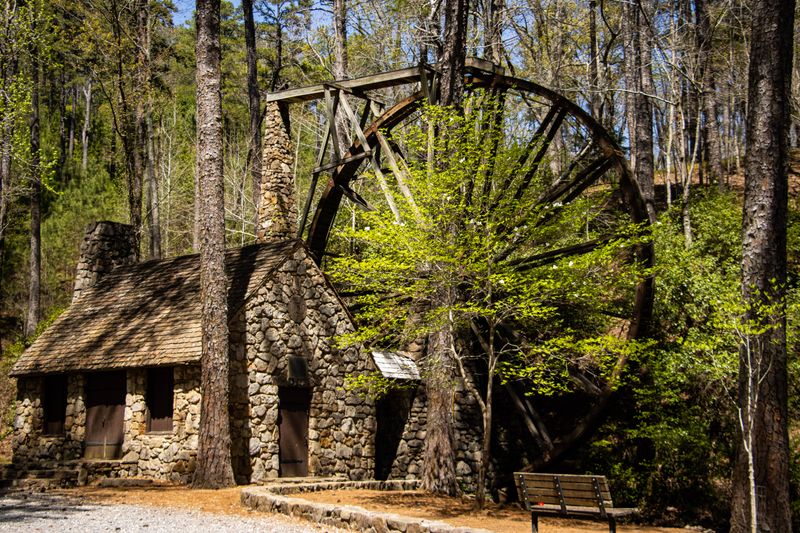
Berry College’s expansive campus at 2277 Martha Berry Highway in Rome shows bamboo spreading from neighboring properties into forested areas and trail systems.
Google Maps reveals bamboo encroachment along campus perimeters where students and faculty once enjoyed pristine views of Georgia’s natural woodlands.
Campus maintenance teams face ongoing challenges controlling bamboo that spreads through underground rhizomes crossing property boundaries without any visible warning signs.
Educational trails used for biology and environmental science classes become less valuable when invasive bamboo replaces the native plants students study.
Berry College in Georgia prides itself on preserving natural landscapes, making bamboo invasion particularly concerning for the institution’s conservation mission.
Faculty members now incorporate bamboo management into curriculum, teaching students about invasive species ecology while engaging them in hands-on removal projects.
Rome community members recognize that bamboo problems extend beyond campus boundaries, requiring coordinated efforts among landowners throughout the region to achieve lasting control.