Spotted Lanternfly Has Returned To Pennsylvania And What Gardeners Should Do Now
Pennsylvania braces for an all-too-familiar troublemaker as the spotted lanternfly strides back onto the scene like a flashy outlaw with no intention of laying low.
Its wings may shimmer, but its habits spark headaches from orchards to backyard patios.
One glance at an infested tree tells the whole story: this pest wastes no time before it drains sap, mars bark, and throws entire landscapes off balance.
Gardeners across the state now stand at a crossroads, and swift action holds the key.
With the right moves, a community pushes back, protects its plants, and keeps this invasive intruder from calling the shots.
Why The Spotted Lanternfly Is Surging Again This Season
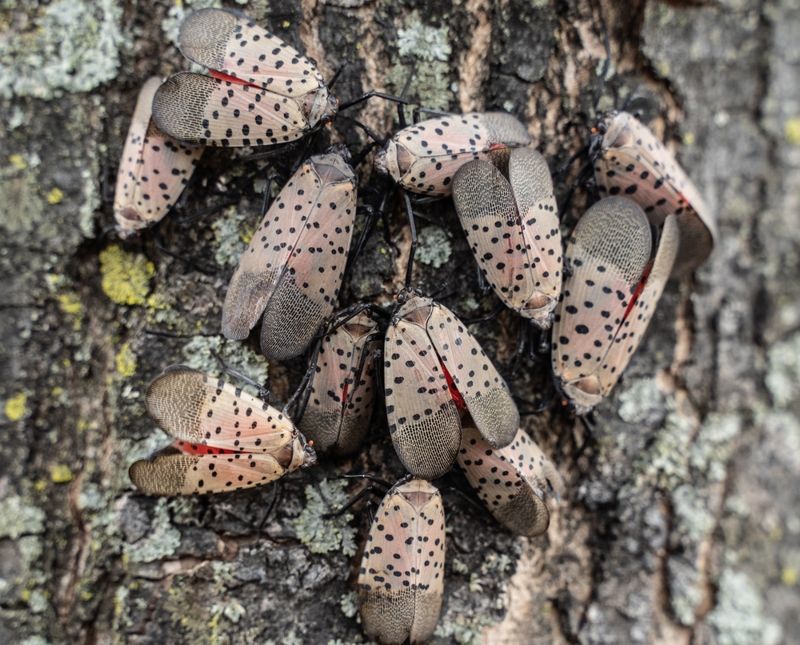
Warmer spring temperatures have created perfect conditions for spotted lanternfly populations to explode across Pennsylvania this year.
Mild winters allowed more eggs to survive than usual, leading to larger numbers of nymphs emerging in late spring.
These insects reproduce incredibly fast, with each female laying up to 50 eggs in a single mass.
When conditions are right, those numbers multiply quickly across neighborhoods and gardens.
The pests also benefit from the abundance of their favorite host plants throughout Pennsylvania.
Tree of heaven, grapevines, and fruit trees provide plenty of food sources that support their rapid growth.
Human activity continues to spread them unintentionally too.
Vehicles, outdoor equipment, and shipped goods often carry egg masses to new areas.
Climate patterns have shifted in ways that favor these insects, with fewer harsh freezes to limit their populations.
Recognizing the environmental factors at play empowers you to take targeted action before the problem worsens in your own backyard.
Where The Latest Pennsylvania Infestations Are Appearing
Spotted lanternfly activity in Pennsylvania remains heavily concentrated in the southeastern region, where the pest was first detected.
Counties such as Berks, Chester, and Montgomery continue to report some of the highest populations and remain central to the state’s quarantine zone.
In recent years, the insect has expanded well beyond its original range as the Pennsylvania Department of Agriculture adds new counties to the quarantine list when confirmed populations are found.
Several central Pennsylvania counties, including Dauphin, Cumberland, and York, are now under quarantine as well, reflecting steadily increasing sightings in residential neighborhoods, parks, and wooded areas.
Urban areas, especially Philadelphia and its surrounding suburbs, continue to experience persistent seasonal outbreaks due to dense vegetation, heavy travel corridors, and abundant host trees.
New detections continue to occur as the pest spreads outward.
In the most recent updates, Pennsylvania has added Bradford, Sullivan, Venango, and Wyoming counties to the quarantine zone after confirming new populations.
Meanwhile, parts of western Pennsylvania, including areas within Allegheny County, have also reported confirmed activity.
Agricultural regions—especially those with grape vineyards and fruit orchards, such as the Lehigh Valley and Lancaster County—remain among the most vulnerable due to the lanternfly’s feeding habits.
Growers in these areas continue to monitor their crops closely during peak season.
Checking your county’s official SLF quarantine status is the most reliable way to understand current regulations, movement restrictions, and reporting requirements.
Your Pennsylvania Garden Changes Every Week. Your Plan Should Too.
Gardening in Pennsylvania changes quickly throughout the season. Every Friday you’ll receive a simple weekly plan showing exactly what to plant, prune, fertilize, harvest, and protect so you never miss the right timing.
How To Identify Spotted Lanternfly At Every Life Stage
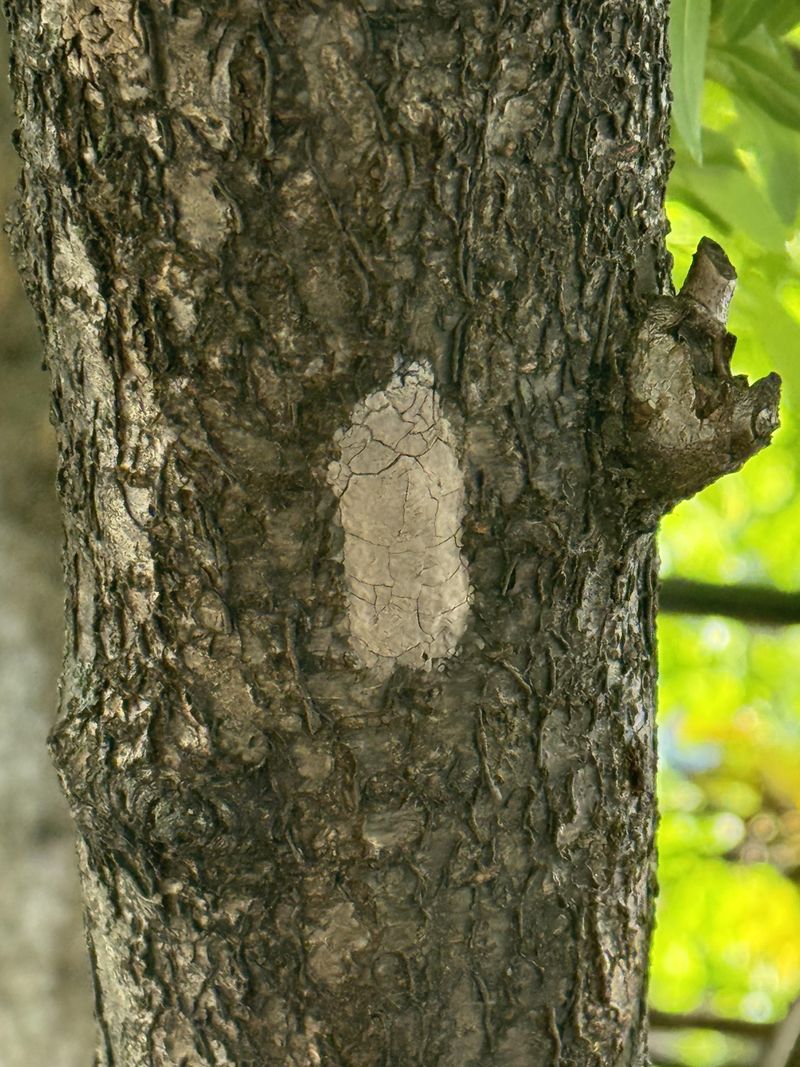
Egg masses appear as gray, mud-like patches on smooth surfaces from fall through spring.
They contain 30 to 50 eggs and look like smeared putty on trees, outdoor furniture, or vehicles.
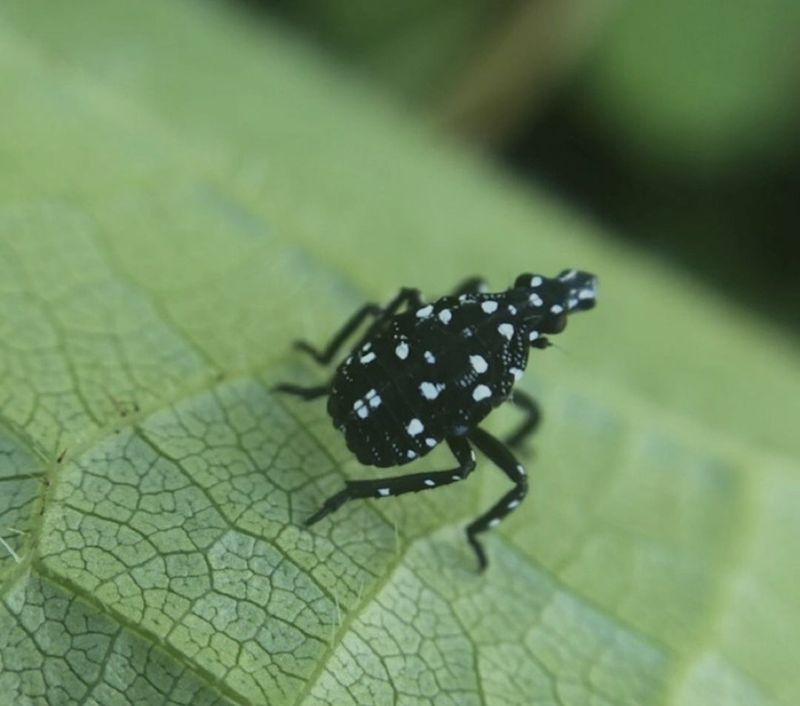
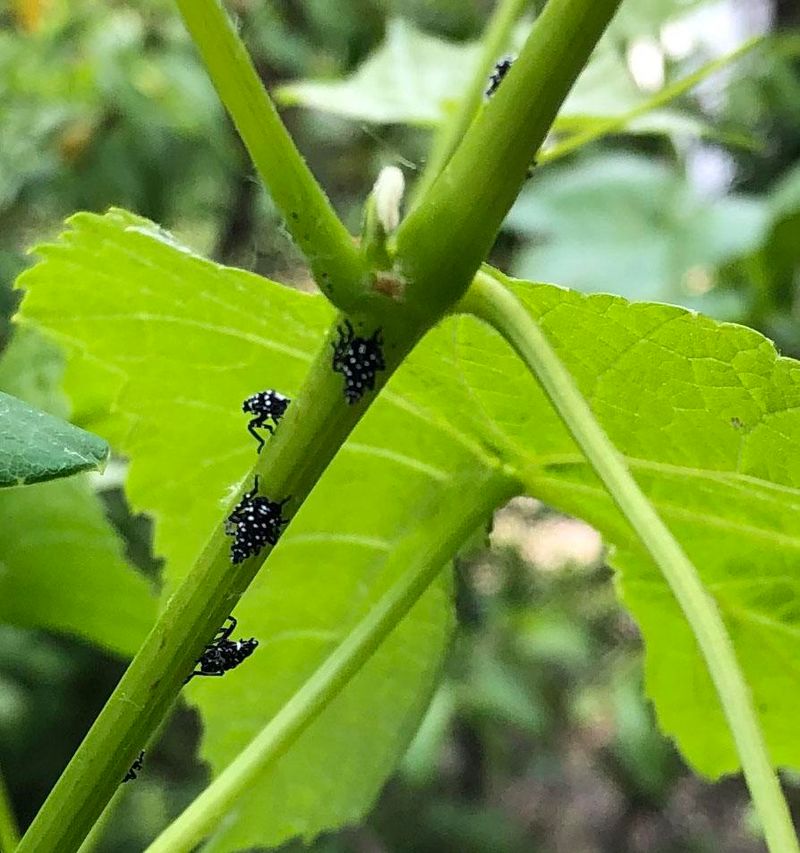
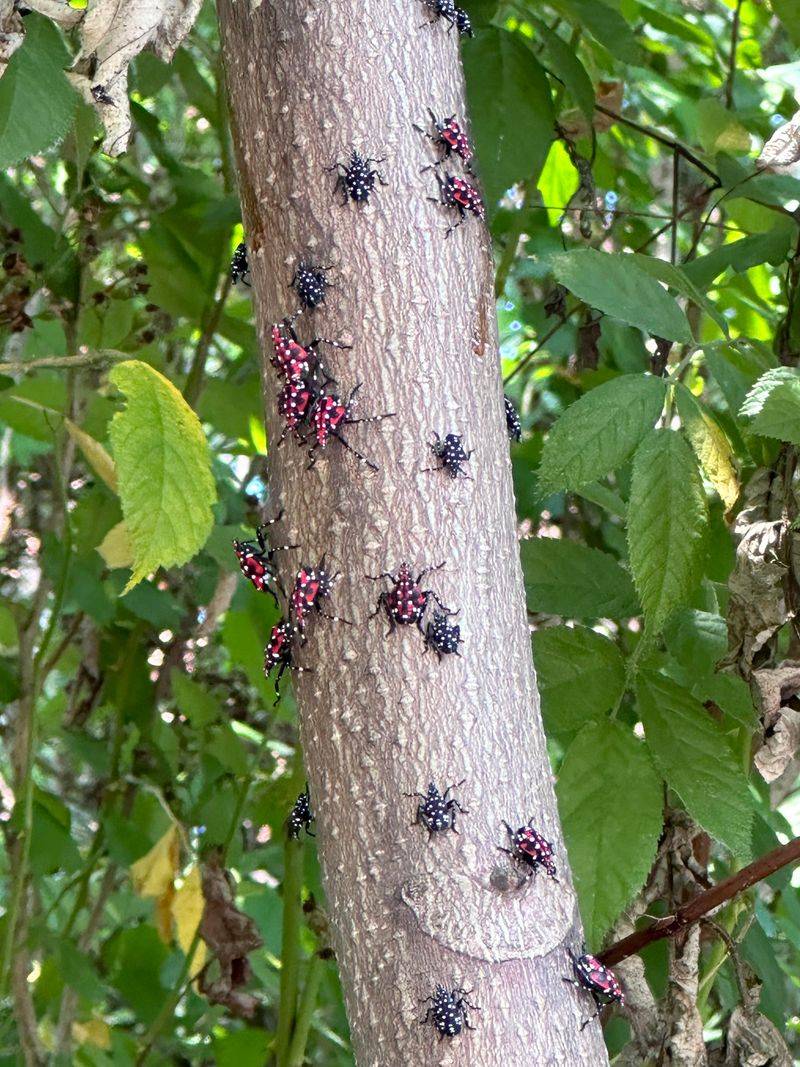
Early nymphs emerge in late April through June and are tiny black insects with white spots.
They’re about the size of a pencil eraser and hop quickly when disturbed.
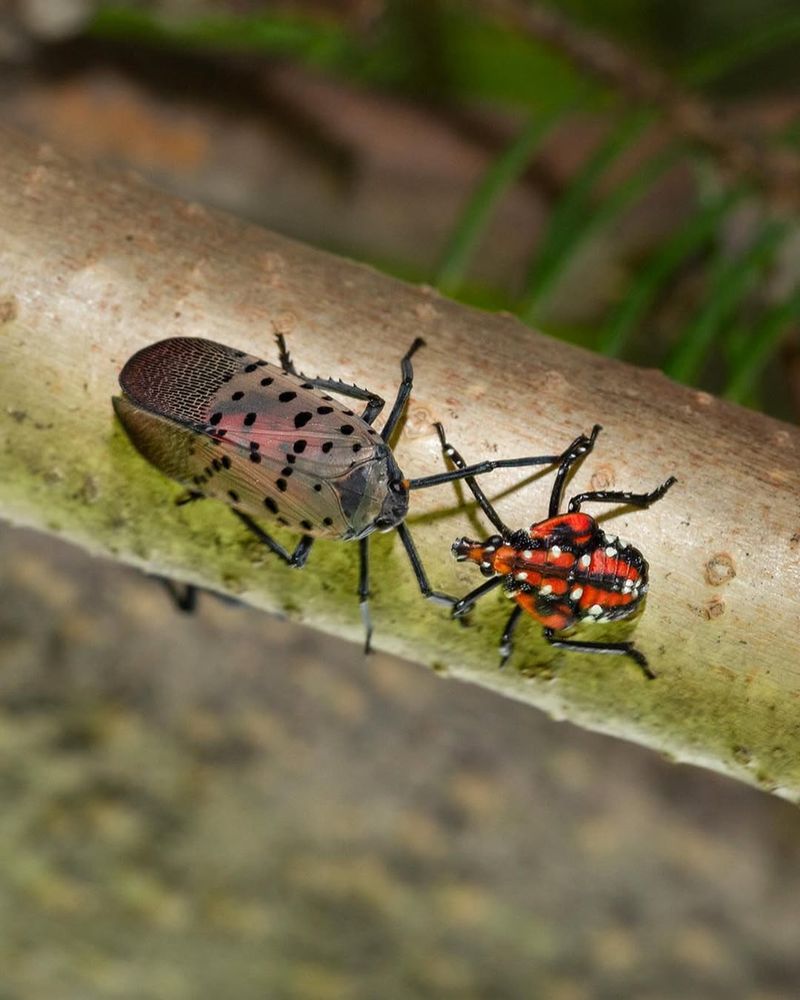
Late-stage nymphs appear in July and are much easier to spot with their bright red bodies and white spots.
They’re roughly half an inch long and continue hopping actively around plants.
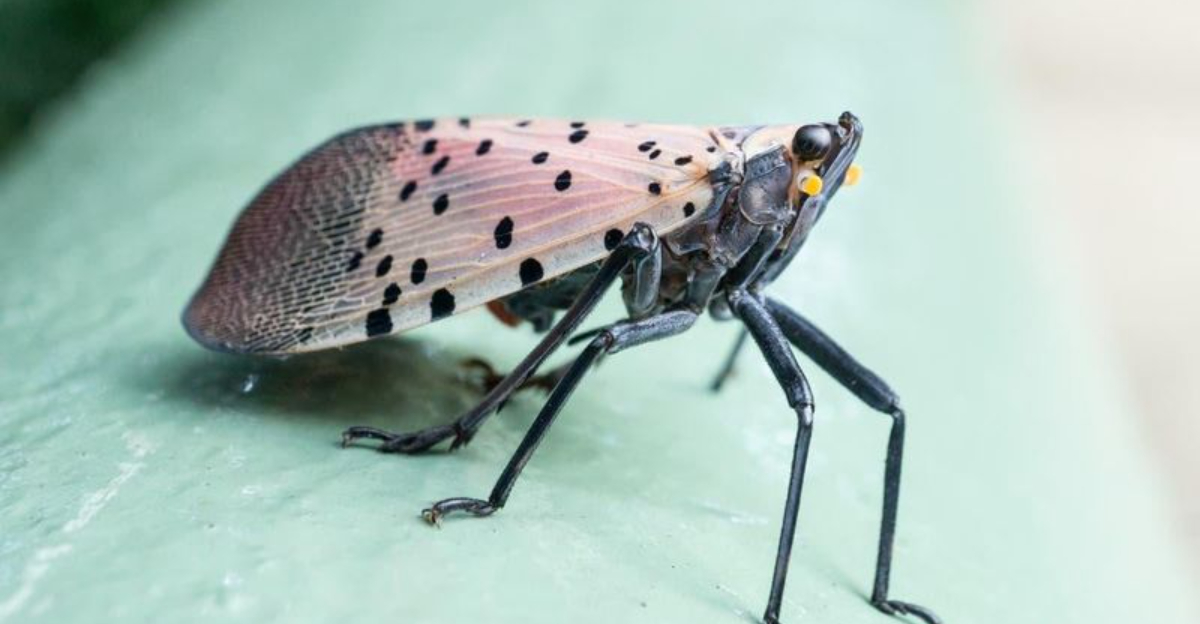
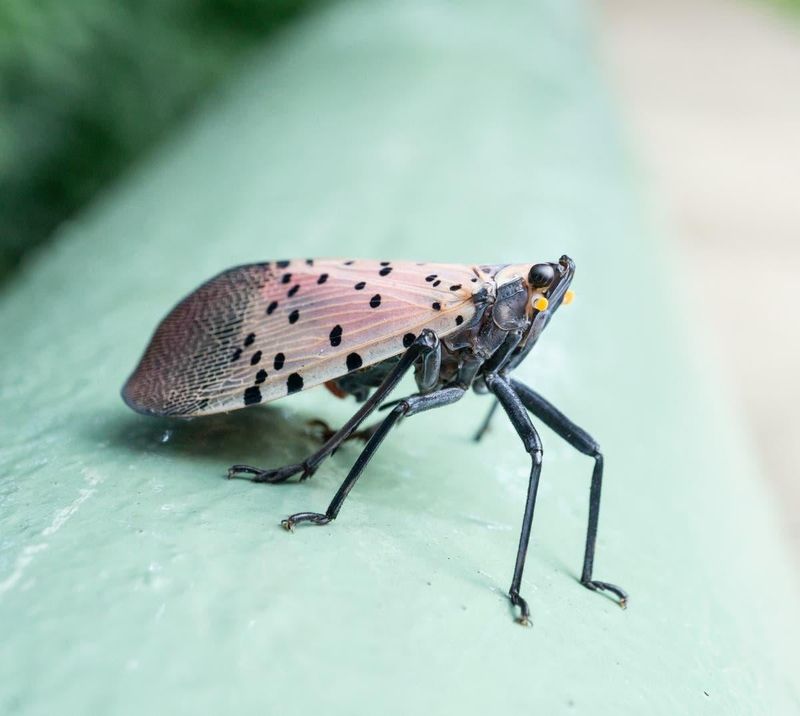
Adult spotted lanternflies emerge in late summer and are the most recognizable stage.
They measure about one inch long with gray wings covered in black spots.
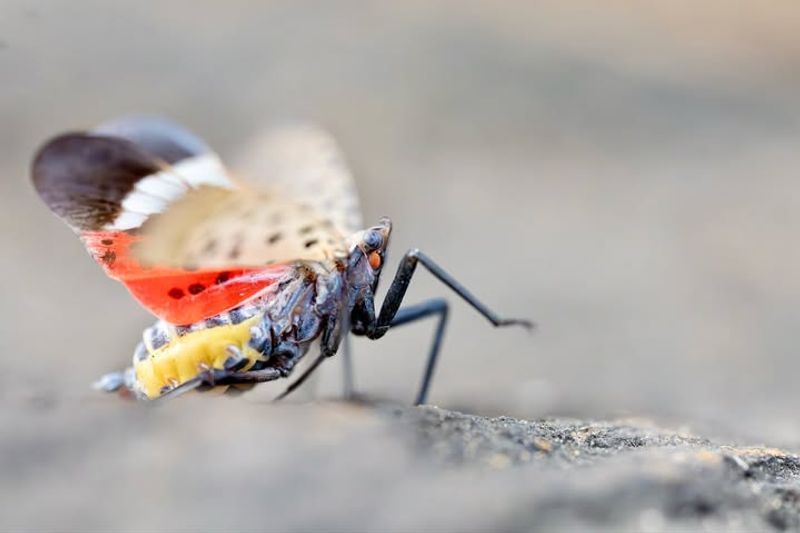
When adults open their wings, you’ll see brilliant red underwings with black spots.
This distinctive coloring makes them unmistakable once you know what to look for.
All stages tend to gather in groups on tree trunks and plant stems.
They leave behind sticky honeydew residue that attracts ants and grows black sooty mold.
Learning to recognize each life stage ensures you can take action at the right time throughout the growing season.
The Host Plants Most At Risk In Home Gardens
Grapevines top the list of preferred host plants for spotted lanternflies, making them extremely vulnerable in home gardens.
Both ornamental and fruiting varieties attract large numbers of these pests throughout the growing season.
Tree of heaven is their absolute favorite host plant, though most gardeners consider it an invasive weed.
If you have this tree on your property, it acts like a magnet for spotted lanternflies.
Fruit trees including apples, peaches, plums, and cherries face serious threats from feeding damage.
The insects drain sap from branches and trunks, weakening the trees and reducing fruit production.
Black walnut trees are also highly attractive to these pests.
Many Pennsylvania properties have mature walnut trees that become gathering spots for hundreds of adults.
Ornamental trees like maples, willows, and birches can host large populations too.
Even though they’re not preferred hosts, they still suffer damage when infestations are heavy.
Hops and other climbing vines in vegetable gardens may also attract attention.
The insects feed on a wide variety of plants when their favorites aren’t available.
Knowing which plants are most at risk helps you focus your monitoring and protection efforts where they matter most.
Immediate Steps Gardeners Should Take to Control SLF
Start by thoroughly inspecting your property for egg masses on trees, fences, outdoor furniture, and equipment.
Scrape any masses you find into a container filled with rubbing alcohol or hand sanitizer to destroy them.
Set up sticky bands around tree trunks to trap nymphs and adults as they climb.
Make sure to protect the bands with chicken wire or screening to prevent birds and small animals from getting stuck.
Squash any nymphs or adults you encounter while gardening or walking around your yard.
While this seems simple, it’s surprisingly effective when done consistently.
Remove tree of heaven from your property if possible, as it attracts massive numbers of spotted lanternflies.
If removal isn’t feasible, consider using it as a trap tree with targeted treatments.
Check vehicles and outdoor equipment before traveling to avoid accidentally spreading egg masses to new areas.
Pay special attention to wheel wells, bumpers, and undercarriages.
Apply approved insecticidal soap or neem oil sprays to plants where you see active feeding.
These organic options work well for small infestations without harming beneficial insects.
Taking immediate action when you first spot these pests prevents small problems from becoming overwhelming infestations.
Long-Term Strategies To Protect Trees And Vines
Systemic insecticides applied to high-value trees provide season-long protection against spotted lanternfly feeding.
These treatments are absorbed by the tree and protect it from the inside out.
Professional arborists can inject treatments directly into tree trunks for maximum effectiveness with minimal environmental impact.
This method works particularly well for large shade trees and fruit trees.
Plant diversity in your landscape creates a less attractive environment for spotted lanternflies.
Mixing in plants they avoid can help reduce overall pest pressure in your garden.
Maintaining healthy, vigorous plants through proper watering and fertilization helps them withstand feeding damage better.
Strong trees and vines recover more quickly from pest stress.
Install permanent tree bands that can be refreshed with new sticky material throughout the season.
This creates an ongoing barrier that catches multiple generations of nymphs.
Consider replacing highly susceptible plants with more resistant varieties when replanting or redesigning garden areas.
Native plants that aren’t preferred hosts can reduce future problems.
Work with neighbors to coordinate control efforts across property lines.
Spotted lanternflies don’t respect boundaries, so community-wide action produces the best results.
Building long-term strategies into your garden management ensures lasting protection for your valuable plants.
What NOT To Do When Managing Spotted Lanternfly
Never use broad-spectrum pesticides that harm beneficial insects like bees, butterflies, and ladybugs.
These helpful garden residents provide natural pest control and pollination services you don’t want to lose.
Avoid placing sticky bands directly on tree bark without protective wrapping underneath.
The adhesive can damage the bark and create entry points for diseases and other pests.
Don’t ignore spotted lanternflies just because they’re not currently on your most valuable plants.
They reproduce so quickly that a small population can explode into a major infestation within weeks.
Resist the urge to transport firewood, plants, or outdoor items from infested areas without thorough inspection.
This is one of the primary ways these pests spread to new locations.
Never assume that cold winter temperatures alone will solve the problem.
Spotted lanternfly eggs are remarkably hardy and survive typical Pennsylvania winters just fine.
Avoid using homemade spray solutions with dish soap or other household products that haven’t been tested.
These can damage plant foliage or prove ineffective against the pests.
Don’t wait until you see extensive damage before taking action.
Early intervention is always easier and more effective than trying to control a massive population later.
How To Report Sightings And Support Statewide Efforts
Pennsylvania’s Department of Agriculture maintains an online reporting system for spotted lanternfly sightings.
Submitting clear photos and location information helps officials track the pest’s spread and plan response efforts.
Download the free Spotted Lanternfly reporting app to make documentation quick and easy.
The app guides you through the reporting process and automatically records your GPS location.
Participate in community science projects that collect data on spotted lanternfly populations and behavior.
Your observations contribute to research that improves management strategies statewide.
Attend local workshops and training sessions offered by Penn State Extension and county conservation districts.
These free programs teach proper identification and effective control methods.
Share information with neighbors, friends, and family members who may not be aware of the problem.
The more people who can identify and respond to spotted lanternflies, the better protected our communities become.
Follow quarantine regulations when moving items out of designated areas.
Compliance helps slow the spread and protects regions that haven’t yet been affected.
Support legislation and funding for spotted lanternfly research and management programs.
Contact your state representatives to express the importance of continued investment in pest control efforts.
Everyone’s participation makes Pennsylvania’s collective response stronger and more effective.