Can Alaska Residents Report A Neighbor For Leaving Hazardous Debris In A Shared Alley
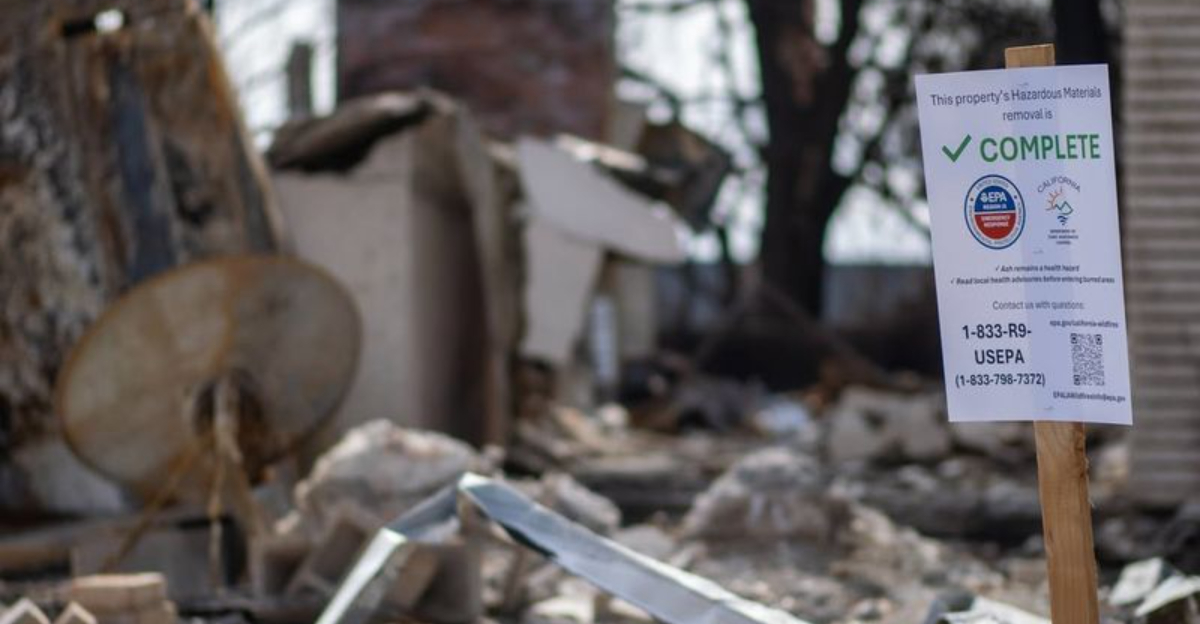
Across Alaska’s neighborhoods, more residents are raising concerns about hazardous debris left in shared alleys — from broken equipment to discarded construction materials that block access and create safety risks.
In a state where winter weather already makes walkways and drive paths challenging, cluttered alleys can quickly become dangerous for drivers, children, and even emergency vehicles.
As frustration grows, many Alaskans are asking the same question: Can you report a neighbor for leaving unsafe debris behind?
The answer depends on local ordinances, property boundaries, and the type of hazard involved.
Here’s what residents need to know before taking action, and how to navigate the issue without escalating neighborhood tensions.
Alaska Law Protects Shared Spaces

Alaska state and local ordinances give residents clear rights when it comes to shared property areas.
Municipal codes in cities like Anchorage, Fairbanks, and Juneau specifically address the maintenance and safety of alleys that serve multiple properties.
These laws recognize that shared spaces belong to the community, not just one property owner.
When hazardous materials appear in these areas, they violate health and safety regulations that apply statewide.
Property owners and renters alike have responsibilities to keep shared alleys clear of dangerous items.
The Alaska Department of Environmental Conservation also enforces rules about improper disposal of chemicals and toxic materials.
Your municipality likely has specific codes about what can and cannot be stored in shared alleyways.
Understanding these protections helps you recognize when a neighbor crosses the line from minor clutter to actual code violations.
Many Alaska communities take these rules seriously because winter conditions can make hazardous debris even more dangerous when covered by snow and ice.
Knowing your legal standing gives you confidence when addressing safety concerns with neighbors or authorities.
What Counts As Hazardous Debris
Not every piece of trash qualifies as hazardous debris under Alaska regulations.
Hazardous materials include items that can cause injury, illness, or environmental damage to people and animals.
Broken glass, sharp metal objects, exposed nails, and splintered wood with protruding hardware all create immediate physical dangers.
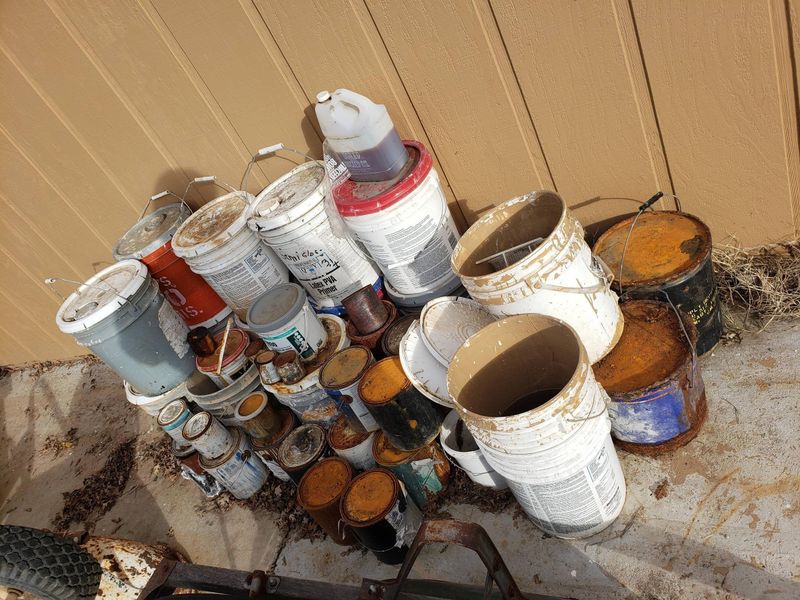
Old paint cans, motor oil containers, antifreeze bottles, and pesticide containers fall into the chemical hazard category.
Asbestos-containing materials, lead-based paint chips, and batteries also qualify as hazardous due to toxic content.
Rotting construction materials can harbor mold and attract wildlife that poses risks to neighborhood residents.
Items with fuel residue like old lawnmowers or generators create fire hazards, especially during Alaska’s dry summer months.
Medical waste, including used needles or contaminated materials, represents serious health risks requiring immediate reporting.
Regular household trash becomes hazardous when it attracts bears, moose, or other wildlife common in Alaska communities.
Understanding these categories helps you determine whether your concern warrants official reporting or just a friendly neighbor conversation.
Start With Direct Communication
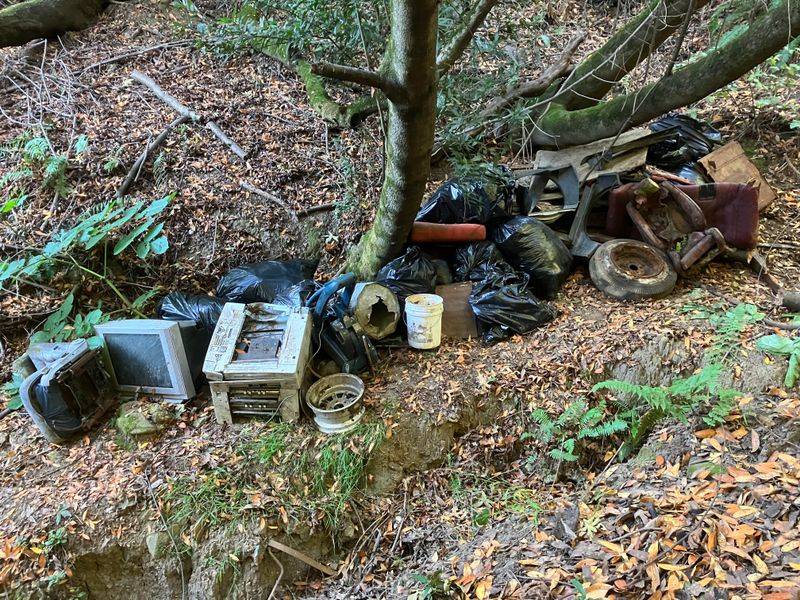
Many debris situations resolve quickly when neighbors talk directly about the problem.
Your neighbor might not realize their stored materials create hazards for others using the shared alley.
Approaching the conversation with curiosity rather than accusation often produces better results than immediately filing complaints.
Choose a calm moment to mention your concerns, avoiding times when either party feels rushed or stressed.
Explain specifically what materials worry you and why they pose risks to children, pets, or anyone walking through the alley.
Some Alaska residents store items temporarily during moves or projects without considering how long they’ve been there.
Offering to help remove the debris or suggesting disposal resources can turn a potential conflict into a collaborative solution.
Document the conversation date and basic details in case you need to show you attempted direct resolution first.
Most municipalities and homeowner associations prefer that residents try neighbor-to-neighbor communication before involving authorities.
This approach maintains community relationships while still addressing legitimate safety concerns that affect everyone’s daily life in Alaska neighborhoods.
Contact Your Municipality First
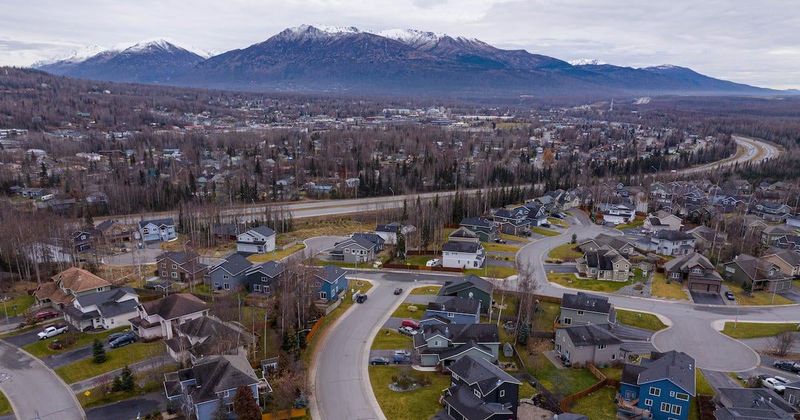
Your city or borough code enforcement office handles most shared alley complaints in Alaska.
Anchorage residents can contact the city’s Code Enforcement Division, which investigates property maintenance violations throughout the municipality.
Fairbanks has a similar department that responds to hazardous debris reports and conducts inspections when residents file complaints.
Smaller Alaska communities often route these concerns through their planning or public works departments.
Most municipalities allow anonymous reporting, though providing your contact information helps inspectors follow up with clarifying questions.
When you file a report, describe the debris type, location, and how long it has been there with as much detail as possible.
Include photos if you can safely take them from public areas without trespassing on private property.
Code enforcement officers typically investigate within several business days and contact the property owner about violations.
They issue warnings first, giving neighbors time to remove hazardous materials before imposing fines or other penalties.
This official process creates documentation that protects everyone involved and ensures proper handling of dangerous materials according to Alaska regulations.
Document Everything With Photos
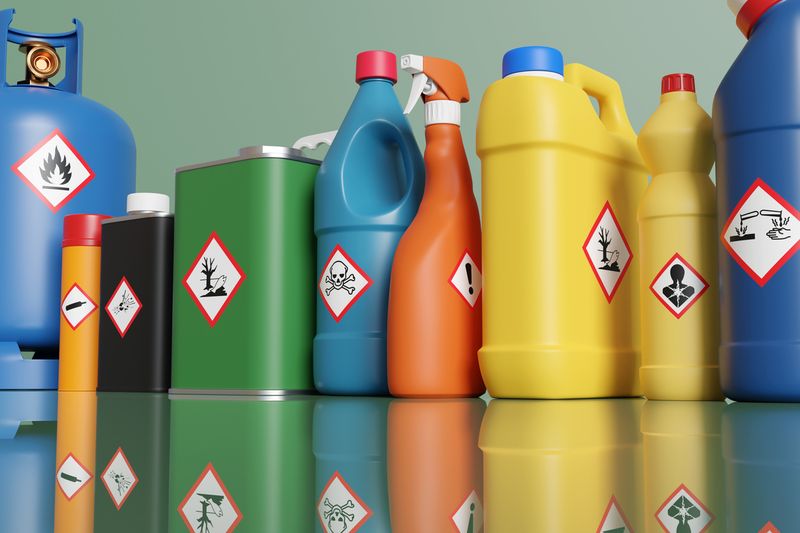
Visual evidence strengthens your case when reporting hazardous debris to Alaska authorities.
Take clear photos from multiple angles showing the debris, its location in the shared alley, and any identifying features.
Include wider shots that establish context, showing the alley is indeed a shared space between multiple properties.
Photograph any visible labels on chemical containers, which help inspectors identify specific hazards.
Date-stamp your photos using your phone’s settings or by including a newspaper or dated item in the frame.
Take new photos every few days if the situation continues, creating a timeline that shows the debris isn’t temporary storage.
Capture any new materials added to the pile, which demonstrates an ongoing problem rather than a one-time incident.
Stay on public property or your own land when photographing to avoid trespassing accusations that could complicate your complaint.
Alaska’s long daylight hours in summer provide excellent lighting for documentation, while winter photos should clearly show the hazards despite snow cover.
Store these images safely and organize them chronologically before submitting them with your official report to code enforcement or other authorities.
Homeowner Associations Have Authority Too

Many Alaska neighborhoods operate under homeowner association rules that address shared space maintenance.
HOA covenants typically include specific language about keeping common areas free from hazards and unsightly materials.
These private agreements often allow faster action than municipal code enforcement because they operate under contract law.
Review your HOA documents to understand what constitutes a violation and what penalties apply to members who break the rules.
Contact your HOA board or property management company with detailed information about the hazardous debris situation.
Association representatives can send violation notices and impose fines according to the governing documents all homeowners agreed to follow.
Some Alaska HOAs have specific committees that handle property maintenance and neighborhood appearance issues.
Board members might mediate between neighbors before taking formal enforcement action, helping preserve community relationships.
HOA rules apply only to association members, so this option works best in planned communities rather than older neighborhoods without formal associations.
Combining HOA action with municipal code enforcement creates multiple pressure points that encourage neighbors to remove dangerous materials from shared alleys quickly.
Environmental Concerns Require Special Reporting
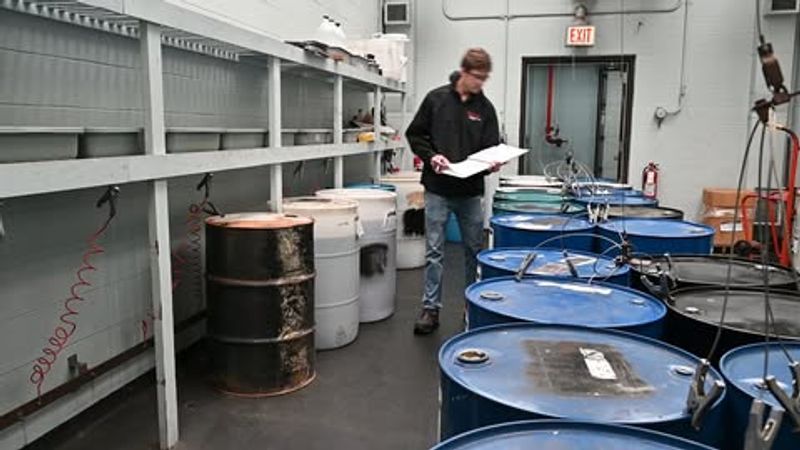
Certain hazardous materials in shared alleys require reporting to Alaska’s environmental protection agencies.
The Alaska Department of Environmental Conservation handles complaints about chemical spills, fuel leaks, and toxic substance disposal.
Oil-based products pose particular concerns because they can contaminate soil and groundwater that affects entire neighborhoods.
Antifreeze, pesticides, and solvents require special disposal procedures that prevent environmental damage throughout Alaska communities.
When you spot these materials in shared alleys, contact the DEC’s Spill Prevention and Response program immediately.
Asbestos-containing materials and lead-based paint debris also fall under environmental regulations due to their serious health impacts.
The federal Environmental Protection Agency sometimes gets involved with major contamination issues in Alaska, especially on tribal lands.
These agencies have enforcement powers beyond local code enforcement, including significant fines for improper hazardous waste disposal.
Environmental reports often trigger faster response times than standard code complaints because of the potential for widespread harm.
Alaska’s unique ecosystems and reliance on clean water sources make proper hazardous material handling especially important for protecting community health and natural resources.
Landlord Responsibilities In Rental Situations
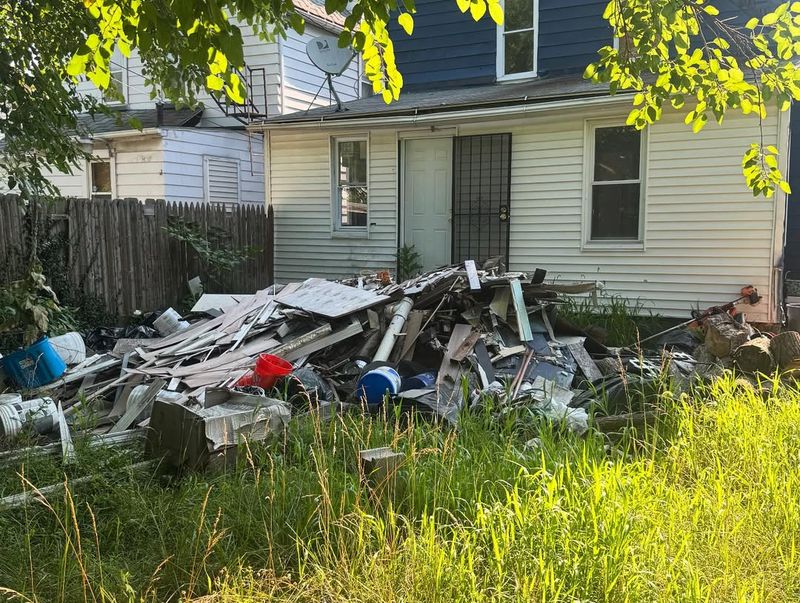
Rental properties in Alaska have specific rules about who maintains shared spaces and removes hazards.
Landlords typically bear responsibility for keeping common areas safe and free from dangerous debris under state landlord-tenant laws.
When a tenant creates the hazard, landlords must still address it promptly to protect other renters and comply with safety codes.
Alaska’s implied warranty of habitability requires landlords to maintain properties in safe, livable condition including shared alleys and walkways.
Tenants can report hazardous debris to their property managers first, giving them opportunity to handle the situation internally.
If landlords ignore complaints about shared alley hazards, tenants can file reports with municipal code enforcement directly.
Some lease agreements include specific language about tenant responsibilities for debris and proper disposal of materials.
Landlords face potential liability if someone gets injured by hazardous debris they knew about but failed to remove.
Multi-unit properties must clearly define which areas are shared and who maintains them in lease agreements and property rules.
Alaska renters have legal protections that prevent retaliation when they report legitimate safety concerns about hazardous materials in common areas.
Wildlife Attraction Creates Additional Urgency

Hazardous debris in Alaska alleys often attracts bears, moose, and other wildlife that create dangerous encounters.
Food-contaminated materials or items with interesting scents draw animals into neighborhoods where they pose risks to residents and pets.
Alaska Fish and Game takes wildlife-attractant violations seriously because habituated animals often must be relocated or removed.
Municipal ordinances in most Alaska communities specifically prohibit storing materials that attract bears and other large animals.
When debris brings wildlife into shared alleys, the situation escalates from property maintenance issue to immediate safety emergency.
Report wildlife-attracting debris to both code enforcement and Alaska Department of Fish and Game for coordinated response.
Bears that find food or interesting items in alleys return repeatedly, creating ongoing danger for everyone in the neighborhood.
Moose can become aggressive when they feel cornered in narrow alleys cluttered with debris that blocks their escape routes.
Fines for wildlife attractants are often higher than standard code violations because of the serious risks to public safety.
Neighbors who leave debris that attracts animals may face liability if someone gets injured during a wildlife encounter in the shared alley.
Follow Up Until The Problem Resolves

Persistence often proves necessary when dealing with hazardous debris complaints in Alaska communities.
Code enforcement departments handle many cases simultaneously, so your complaint might not receive immediate attention without follow-up.
Call or email the inspector assigned to your case every week to check on progress and provide any additional information requested.
If the debris remains after the initial warning period, ask about next steps in the enforcement process.
Some situations require multiple inspections before authorities can take stronger action like issuing fines or cleanup orders.
Document ongoing problems with new photos showing the debris still occupies the shared alley despite official warnings.
Consider escalating to supervisors or elected officials if code enforcement seems unresponsive to legitimate hazardous debris concerns.
Alaska communities value persistence, and officials respond better to residents who stay engaged with the process rather than filing one complaint and disappearing.
Join forces with other neighbors affected by the same debris to show the problem impacts multiple households.
Continue your efforts until the hazardous materials are properly removed and the shared alley returns to safe condition for everyone who uses it.