Can Virginia Residents File A Complaint About A Neighbor’s Overgrown, Pest-Filled Yard
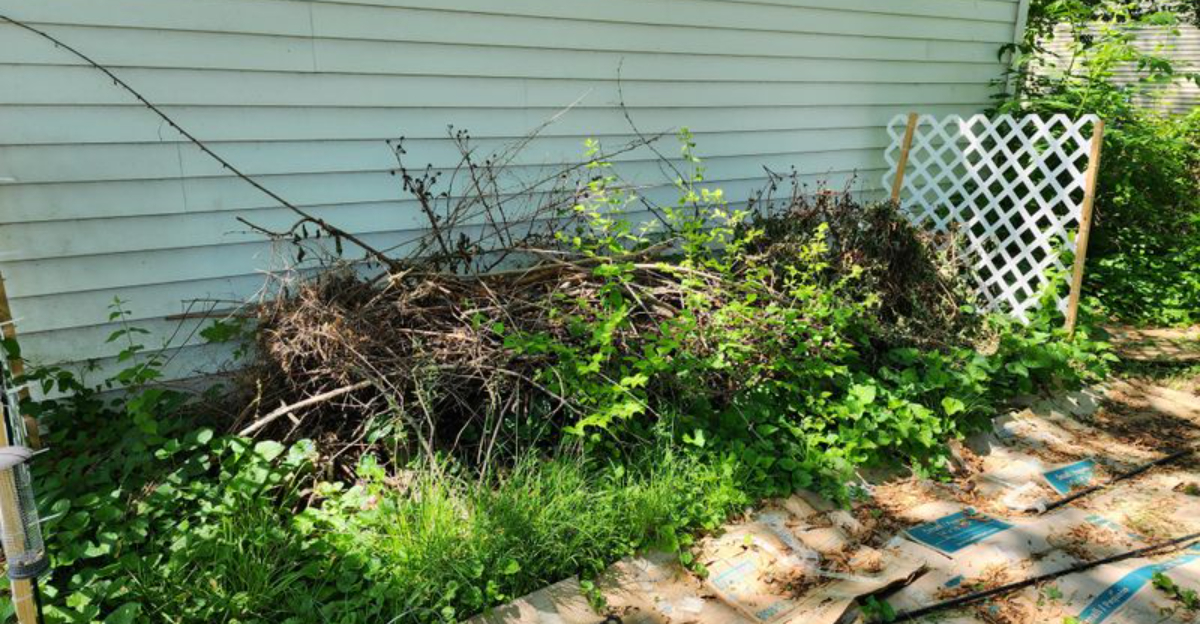
turns into a source of pests. Tall weeds, unmowed grass, and piles of debris create ideal conditions for rodents, mosquitoes, and other nuisances.
These issues spread easily from one property to the next, and frustration rises once a tidy yard begins to suffer.
At that point, many residents ask the same question: May a formal complaint target a neighbor’s overgrown, pest-filled yard?
The answer depends on local ordinances, health codes, and the degree of hazard or nuisance.
A clear understanding of those rules helps Virginia homeowners decide when to address the issue directly and when official action becomes appropriate.
Local Ordinances Govern Property Maintenance Standards
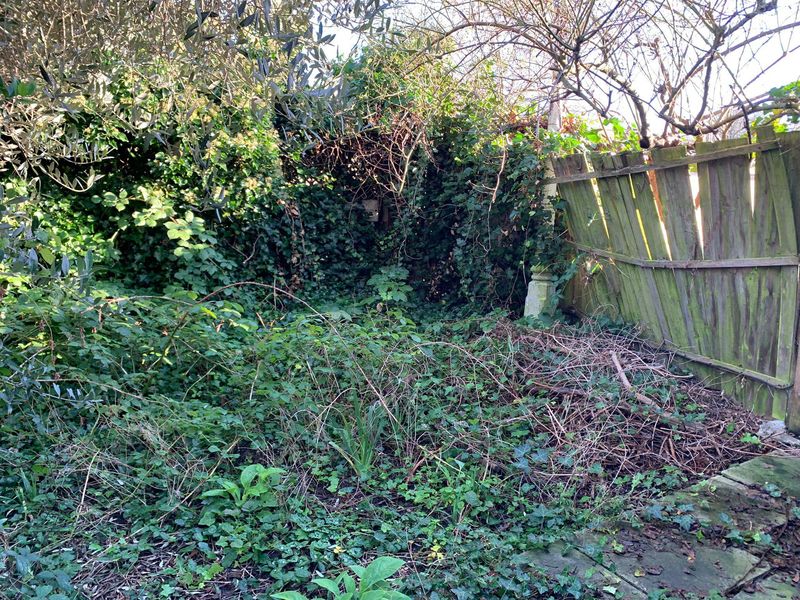
Most cities and counties across Virginia have specific codes that require homeowners to maintain their properties.
These ordinances typically set limits on grass height, weed growth, and general upkeep to protect neighborhood appearance and public health.
Property maintenance standards exist because neglected yards can harbor rodents, snakes, mosquitoes, and other pests that spread into surrounding homes.
Local governments enforce these rules through code enforcement departments that investigate complaints from residents.
Each municipality sets its own standards, so what’s acceptable in one Virginia town might violate codes in another.
Some areas allow grass up to 12 inches tall, while others require it stays below 6 inches.
Understanding your local ordinance helps you determine whether your neighbor’s yard actually violates any rules.
You can find these regulations on your city or county website, usually under code enforcement or community development sections.
Knowing the specific standards gives you solid ground when filing a formal complaint.
Without a clear violation, authorities may not take action regardless of how unsightly the property appears.
Code Enforcement Handles Most Yard Complaints
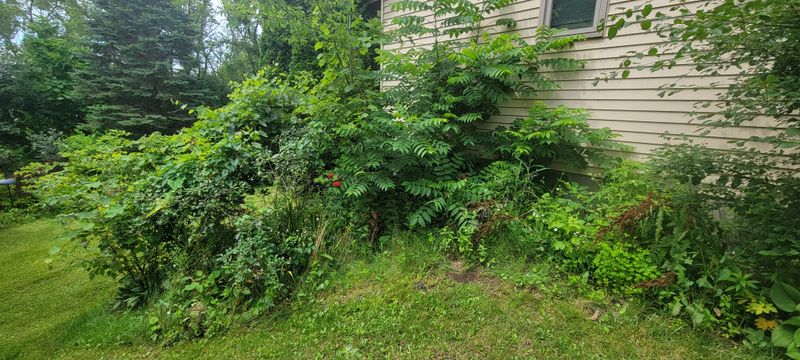
Your first stop when dealing with a problematic neighbor’s yard should be the local code enforcement office.
These departments specifically handle violations related to property maintenance, including overgrown vegetation and pest issues.
Code enforcement officers have the authority to inspect properties, issue warnings, and eventually fine homeowners who refuse to comply.
The process usually begins with an investigation after someone files a complaint.
An officer will visit the property to determine whether it violates local codes.
If violations exist, the property owner receives a notice explaining the problem and a deadline for correction.
Most Virginia jurisdictions give owners between 7 to 30 days to address the issues.
Failure to comply can result in fines that increase with each day the violation continues.
In extreme cases, the city or county may hire contractors to clean up the property and bill the owner for the work.
Code enforcement provides a legal pathway that doesn’t require confrontation with your neighbor.
Health Departments Address Pest Infestations
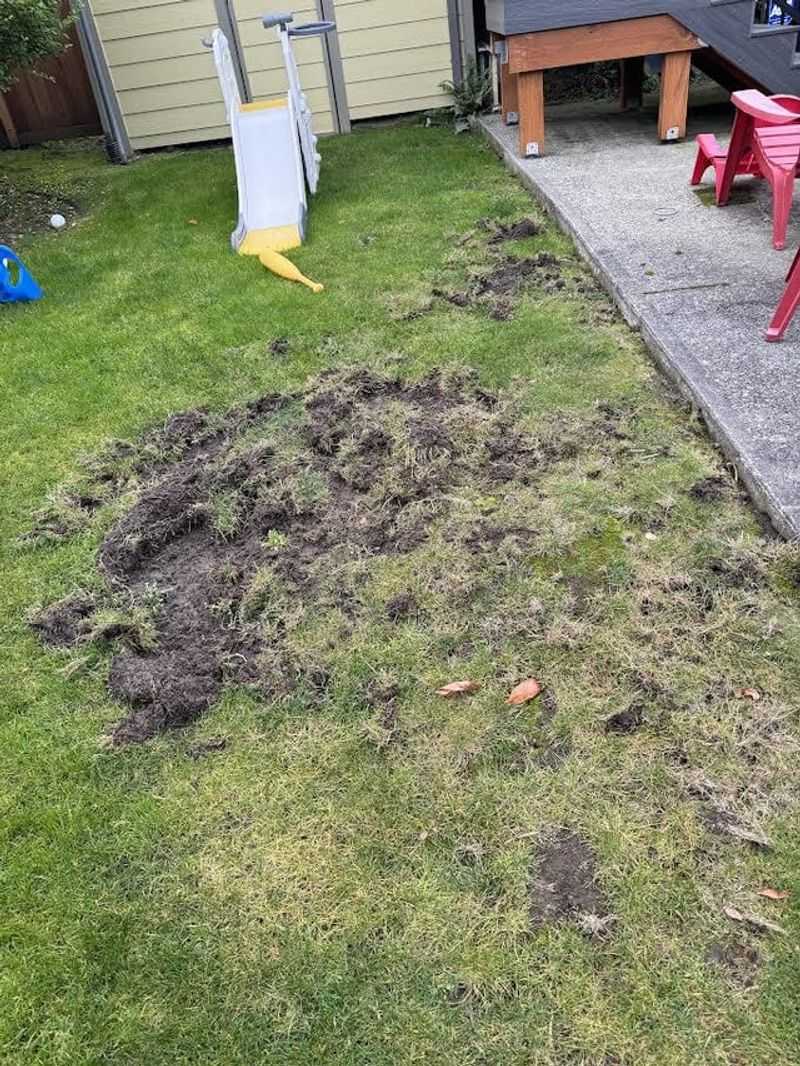
When a neighbor’s yard becomes a breeding ground for rats, mosquitoes, or other disease-carrying pests, the local health department may need to get involved.
Virginia health departments have authority over conditions that create public health hazards.
Standing water in neglected yards can produce thousands of mosquitoes that carry West Nile virus and other illnesses.
Your Virginia Garden Changes Every Week. Your Plan Should Too.
Gardening in Virginia changes quickly throughout the season. Every Friday you’ll receive a simple weekly plan showing exactly what to plant, prune, fertilize, harvest, and protect so you never miss the right timing.
Piles of debris, trash, or overgrown vegetation attract rodents that can spread diseases to nearby properties.
Health officials can investigate complaints about unsanitary conditions and order property owners to eliminate health hazards.
They work alongside code enforcement but focus specifically on health and safety risks rather than just appearance.
In some Virginia localities, the health department handles all pest-related complaints directly.
They may conduct inspections, test for disease vectors, and require remediation within specific timeframes.
Violations of health orders can result in serious penalties, including court action.
If you’ve noticed rats, excessive mosquitoes, or other pests coming from a neighbor’s property, contacting the health department is appropriate.
HOA Rules Provide Additional Enforcement Options
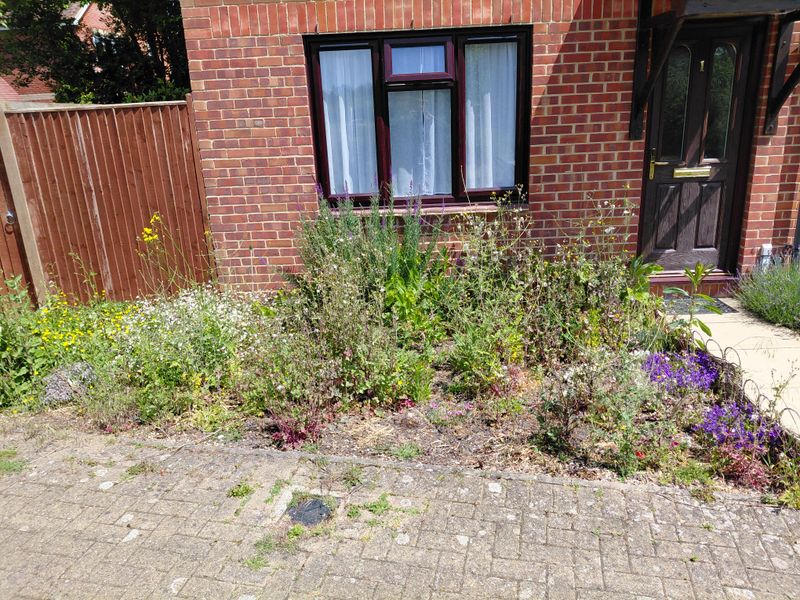
Residents living in communities with homeowners associations have an extra layer of protection against neglected properties.
HOAs in Virginia can enforce stricter standards than local government codes require.
These associations typically have detailed covenants about lawn care, landscaping, and property appearance that all homeowners agreed to when purchasing their homes.
If your neighbor violates HOA rules, you can report the issue to the association board or management company.
HOAs often respond faster than government agencies because they have a direct financial interest in maintaining property values.
The association can send violation notices, impose fines, and eventually place liens on properties for unpaid penalties.
Some HOAs even have authority to enter the property and correct violations, billing the owner for expenses.
However, HOA enforcement only works if your community actually has an active association.
Many older Virginia neighborhoods lack HOAs, leaving residents to rely solely on local government codes.
Check your property deed or contact your HOA to understand what standards apply in your specific community.
Anonymous Complaints Are Usually Allowed
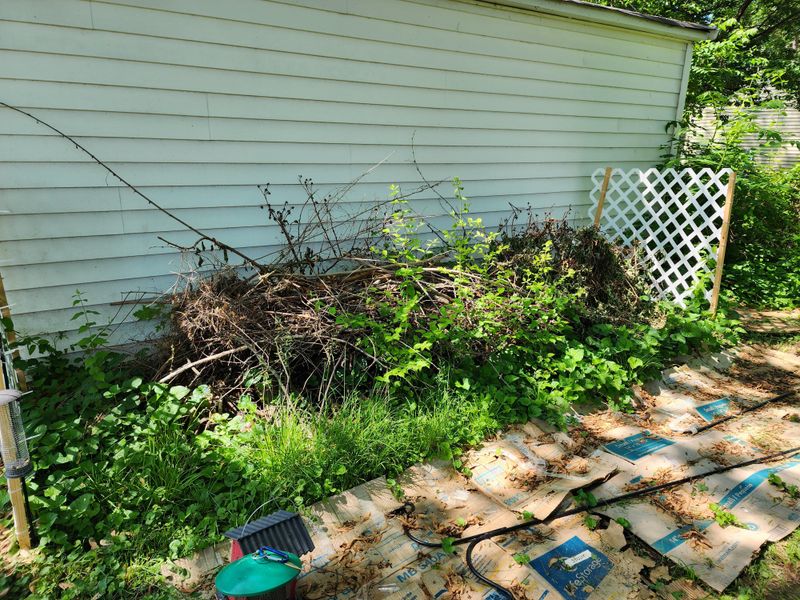
Many Virginia residents worry about retaliation or damaged relationships when reporting a neighbor’s property.
Fortunately, most local governments allow you to file complaints anonymously or at least keep your identity confidential during the investigation.
Code enforcement officers typically don’t reveal who made the complaint when they contact property owners.
They simply state that a violation was observed or reported, without naming sources.
Some jurisdictions allow completely anonymous online or phone complaints where you never provide your name.
Others require your contact information for follow-up but promise not to disclose it to the property owner.
Anonymous reporting helps protect you from uncomfortable confrontations while still addressing legitimate concerns.
However, if the case eventually goes to court, you might be called as a witness, which could reveal your involvement.
Check with your local code enforcement office about their specific confidentiality policies before filing.
Many Virginia cities have online complaint portals where you can report issues without directly speaking to anyone.
This option provides a paper trail while maintaining your privacy throughout the initial investigation process.
Documentation Strengthens Your Complaint

Before filing a complaint about a neighbor’s property in Virginia, gather solid evidence to support your concerns.
Photographs with dates and timestamps provide clear proof of the condition and how long it’s persisted.
Take pictures from multiple angles, showing the full extent of overgrowth and any visible pest activity.
If you’ve seen rats, snakes, or swarms of insects, document these sightings with photos or videos whenever possible.
Keep a written log noting dates when you observed problems, including specific details about what you saw.
If the overgrowth is affecting your property—like weeds spreading into your yard or pests entering your home—document that too.
Strong documentation makes it harder for property owners to deny problems or claim conditions aren’t that bad.
It also helps code enforcement officers understand the situation before they visit the property.
Some neighbors might temporarily clean up when they know an inspector is coming, so dated photos prove ongoing issues.
Save all correspondence related to the problem, including any previous attempts to address it with your neighbor directly.
Talking To Your Neighbor First May Help
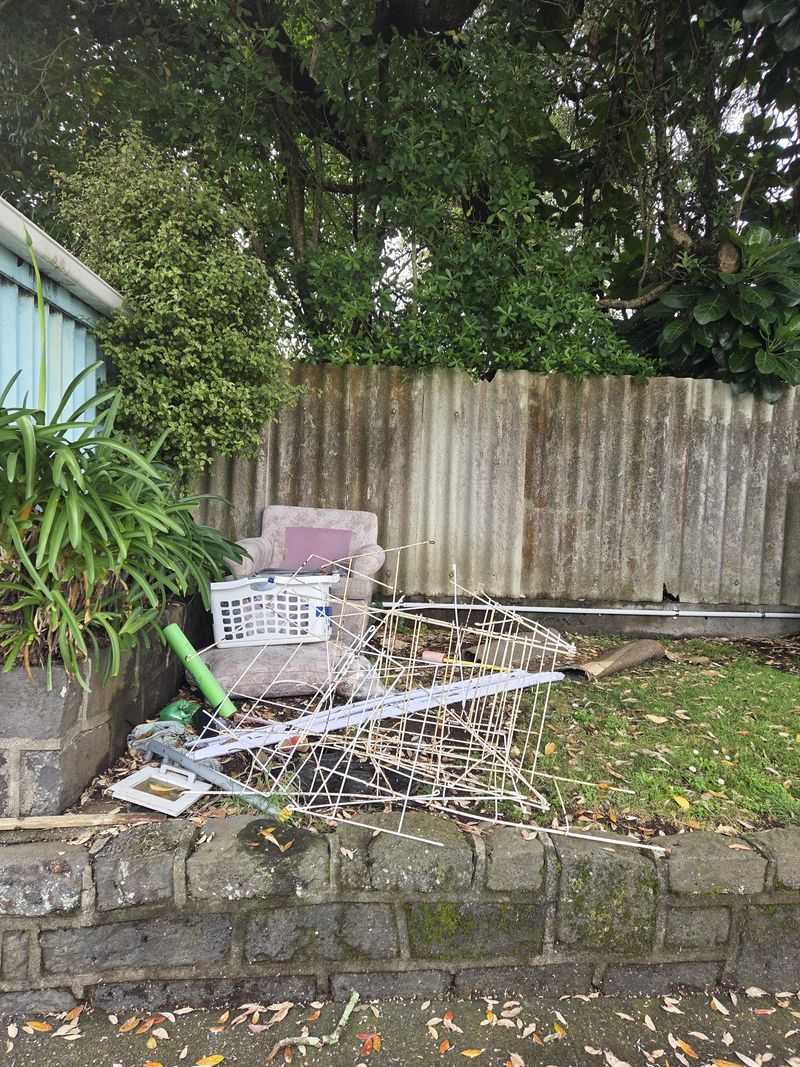
Sometimes the best solution starts with a simple, friendly conversation rather than immediately involving authorities.
Your neighbor might not realize their property has become problematic, especially if they’re elderly, ill, or dealing with personal challenges.
Financial hardship, physical limitations, or family emergencies can prevent people from maintaining their yards properly.
Approaching them politely to discuss your concerns might reveal circumstances you weren’t aware of.
They may appreciate the heads-up and take action before official complaints become necessary.
Keep the conversation non-confrontational, focusing on specific issues like pests entering your property rather than criticizing their yard’s appearance.
Offer to help connect them with affordable lawn care services if cost is the barrier.
Some Virginia communities have volunteer programs that assist elderly or disabled residents with yard maintenance.
However, if your neighbor responds with hostility or refuses to address clear problems, then proceeding with official complaints becomes necessary.
Document this conversation attempt too, as it shows you tried to resolve the matter reasonably before involving authorities.
Response Times Vary By Jurisdiction
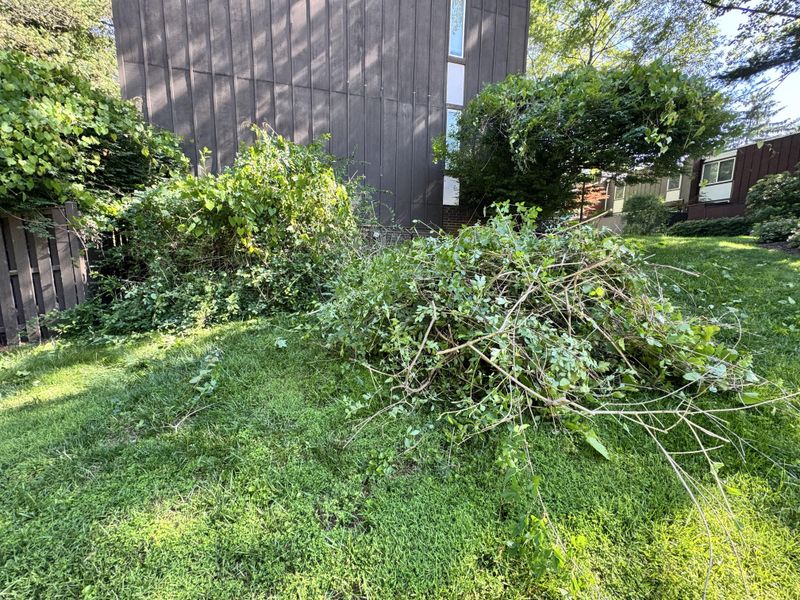
Patience becomes essential when filing complaints about neighbor properties in Virginia because resolution takes time.
After you submit a complaint, code enforcement typically schedules an inspection within a few days to two weeks, depending on staffing and complaint volume.
The inspector must visit the property, document violations, and determine whether codes were actually broken.
If violations exist, the property owner receives a notice with a deadline for correction, usually ranging from one week to a month.
Only after that deadline passes without compliance can authorities take further action like issuing fines.
The entire process from initial complaint to visible improvement can stretch from several weeks to several months.
During busy seasons like spring and summer when vegetation grows rapidly, code enforcement departments handle increased complaint volumes, causing delays.
Some Virginia localities prioritize complaints based on severity, addressing health hazards before aesthetic issues.
You can usually check complaint status online or by calling the code enforcement office.
Understanding these timelines helps manage expectations and prevents frustration when your neighbor’s yard doesn’t improve immediately after you report it.
Repeated Violations Lead To Escalating Consequences
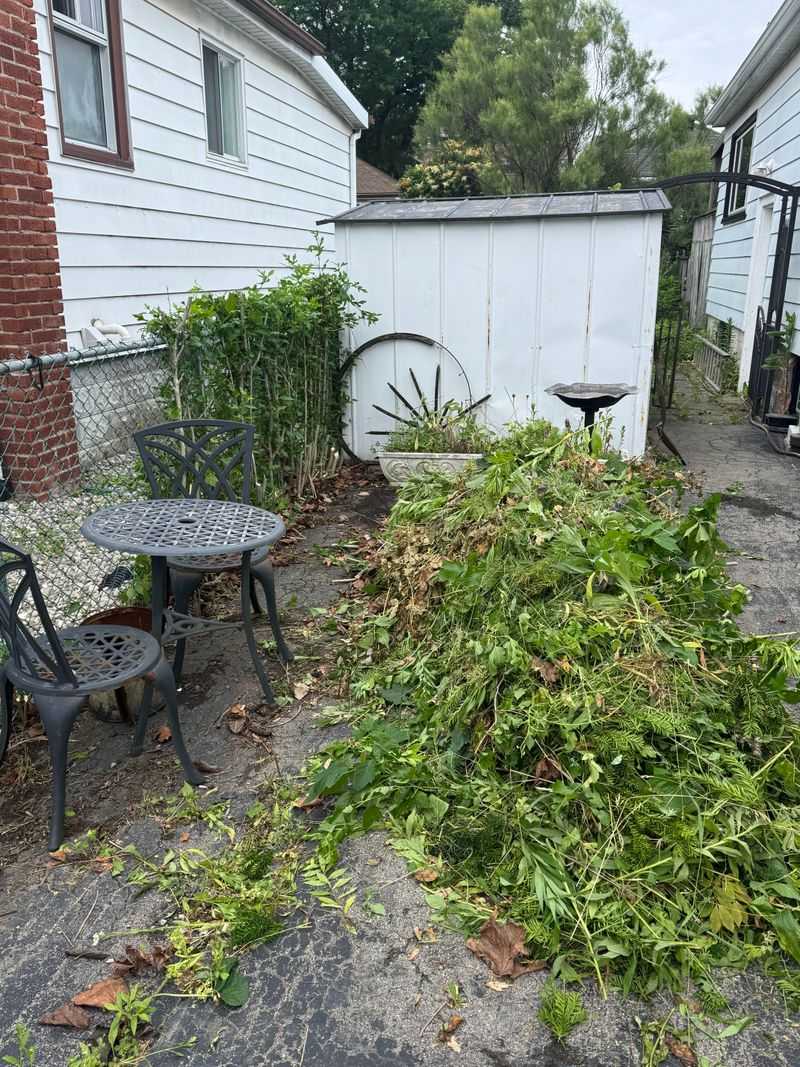
Property owners who repeatedly ignore code violations face increasingly serious penalties in Virginia jurisdictions.
Initial violations typically result in warnings or small fines, giving owners a chance to correct problems without major financial impact.
However, continued non-compliance triggers escalating consequences designed to force action.
Fines often increase with each violation or each day the problem persists, sometimes reaching hundreds of dollars daily.
After multiple violations, localities may pursue court action, where judges can impose even larger penalties.
Some Virginia courts have authority to order property owners to complete specific remediation work within strict deadlines.
In extreme cases involving serious health hazards or persistent violations, localities can place liens on properties.
These liens must be paid before the property can be sold, giving governments leverage over stubborn violators.
Municipalities may also hire contractors to clean up properties and bill owners for all costs plus administrative fees.
This abatement process can cost property owners thousands of dollars.
Knowing these escalating consequences helps you understand why resolution might take time but also ensures persistent problems will eventually be addressed.
Legal Action Remains A Last Resort Option
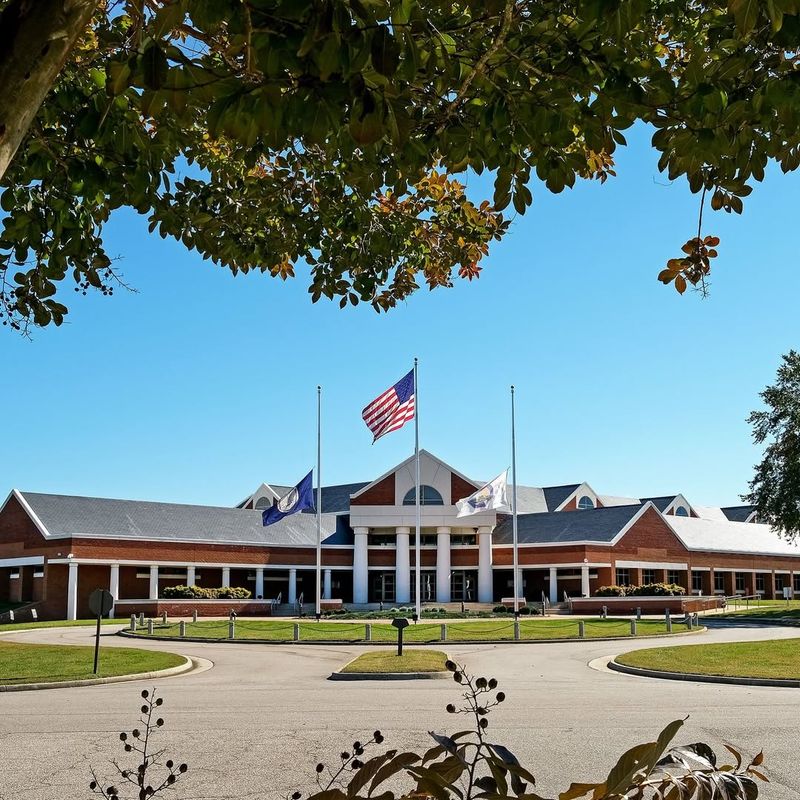
When all other methods fail to resolve a neighbor’s problematic property, Virginia residents can consider civil legal action as a final option.
Property owners have the right to sue neighbors whose neglected yards create nuisances that damage their property or quality of life.
Nuisance lawsuits can seek court orders requiring property cleanup and potentially monetary damages for harm caused.
For example, if pest infestations from a neighbor’s yard caused damage to your home or required expensive extermination, you might recover those costs.
However, lawsuits are expensive, time-consuming, and can permanently damage neighbor relationships.
You’ll need to hire an attorney, gather extensive evidence, and prove that the neighbor’s property directly caused you harm.
Courts generally expect residents to exhaust other remedies like code enforcement before resorting to lawsuits.
Small claims court offers a less expensive option for damages under $5,000 in Virginia, though it can’t force property cleanup.
Before pursuing legal action, consult with a Virginia attorney who specializes in property disputes to evaluate your case’s strength.
Legal action should truly be the last resort after code enforcement, health departments, and direct communication have all failed.