The Native Plant Revival Sweeping Through Oregon Yards — Here’s Why Gardeners Are Loving It
Oregon gardeners are rediscovering the beauty and benefits of plants that have grown in the region for thousands of years.
Native plants are making a huge comeback in yards across the state, from Portland to Eugene and beyond.
People are choosing these local species because they save water, support wildlife, and require less maintenance than traditional lawns and exotic flowers.
This movement is changing how we think about gardening and creating outdoor spaces that work with nature instead of against it.
Water Conservation Benefits Make Native Plants Smart Choices
Oregon faces water challenges during summer months, and native plants offer a practical solution that saves both water and money.
Once established, these plants need far less irrigation than traditional garden varieties because their roots have adapted to local rainfall patterns over millennia.
Species like Oregon sunshine and blue-eyed grass can survive on natural precipitation alone after their first year, eliminating the need for constant watering.
Homeowners report cutting their summer water bills by thirty to fifty percent after switching to native landscaping.
The deep root systems of many native plants also help them access moisture far below the surface, making them incredibly resilient during dry spells.
This efficiency becomes especially valuable as climate patterns shift and water restrictions become more common in Oregon communities.
Gardeners appreciate not having to drag hoses around or worry about plants wilting when they go on vacation.
Native plants essentially take care of their own hydration needs, freeing up time and resources for other gardening activities.
Communities across Oregon are even offering rebates to residents who replace thirsty lawns with native plant gardens.
Water conservation has become one of the most compelling reasons people embrace this green revolution.
Supporting Local Wildlife Creates Thriving Ecosystems
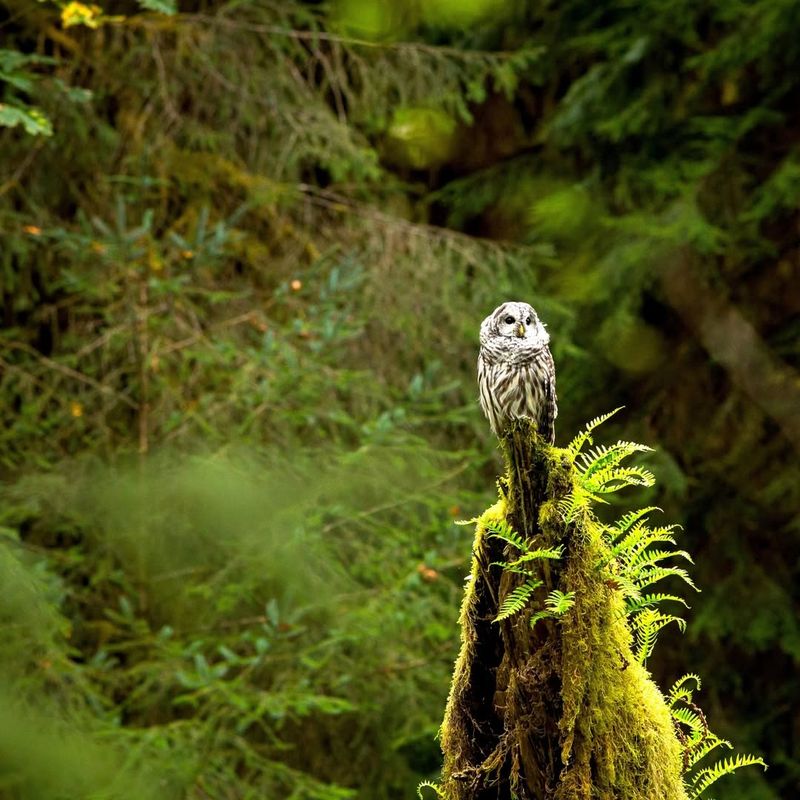
Backyard habitats transform into bustling wildlife sanctuaries when gardeners plant species that native creatures recognize and depend on.
Oregon’s butterflies, bees, and birds evolved alongside specific plants, creating relationships that exotic species simply cannot replicate.
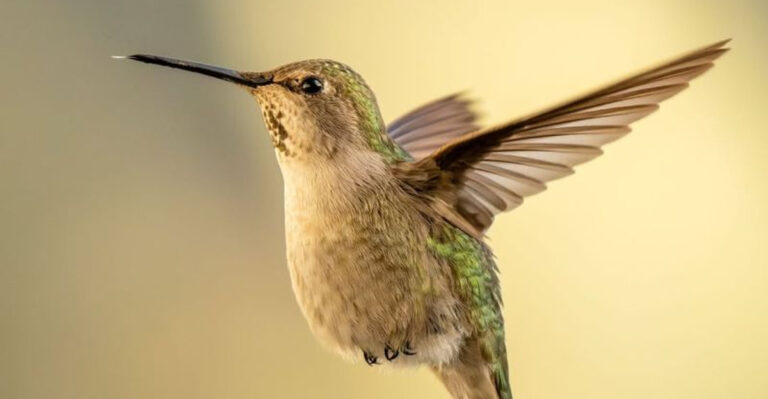
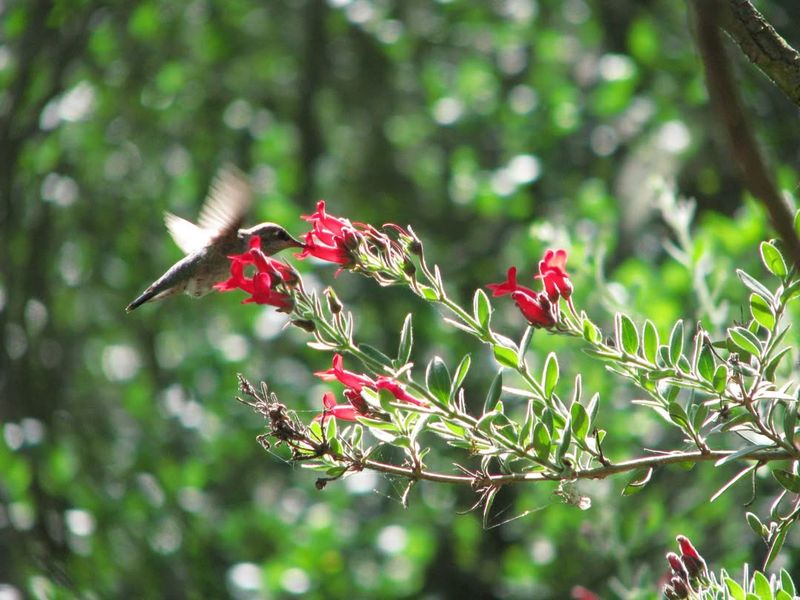
Red flowering currant provides nectar for hummingbirds returning from migration, arriving precisely when the blooms open each spring.
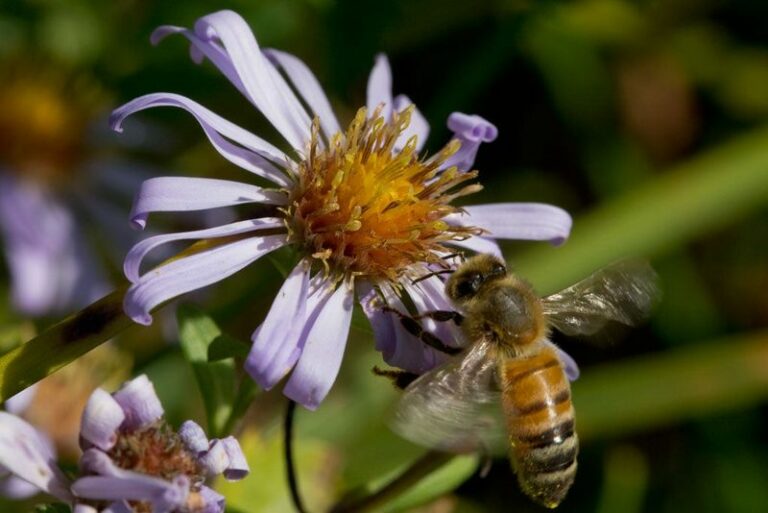
Native bees prefer Oregon grape and oceanspray over ornamental flowers, which often lack the pollen and nectar they need.
Gardeners witness this difference immediately, watching their yards come alive with activity once native plants establish themselves.
Beneficial insects that control garden pests also thrive when native plants create balanced ecosystems.
Caterpillars of native butterflies feed exclusively on specific native plants, meaning without these plants, butterfly populations decline.
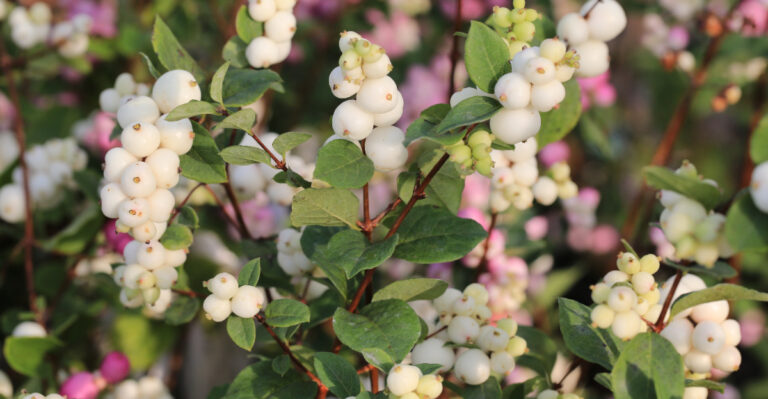
Birds seek out yards with native berry producers like serviceberry and salal, which provide essential nutrition during nesting season.
Creating these connections helps reverse habitat loss that threatens many Oregon species.
Watching nature flourish in your own yard becomes one of the most rewarding aspects of native gardening.
Low Maintenance Requirements Free Up Your Time

Busy homeowners love that native plants practically take care of themselves once they settle into their environment.
These species evolved to thrive in Oregon’s soil and climate without fertilizers, pesticides, or constant attention.
Your Oregon Garden Changes Every Week. Your Plan Should Too.
Gardening in Oregon changes quickly throughout the season. Every Friday you’ll receive a simple weekly plan showing exactly what to plant, prune, fertilize, harvest, and protect so you never miss the right timing.
Traditional gardens often demand weekly weeding, feeding, and pest control, but native landscapes function more independently.
After the initial establishment period of about two years, most native plants need only occasional pruning and seasonal cleanup.
They resist local pests and diseases naturally because they developed defenses over thousands of years of coexistence.
Gardeners find themselves spending more time enjoying their yards rather than laboring in them every weekend.
Native groundcovers like kinnikinnick spread to suppress weeds, reducing the need for mulching and hand-pulling.
Perennials return year after year without replanting, saving both effort and expense over time.
Oregon’s native plants also tolerate the state’s varied conditions, from coastal fog to valley heat to mountain cold.
This adaptability means fewer plant replacements and less frustration when weather turns extreme.
Many converts to native gardening wish they had made the switch years earlier.
Cost Savings Add Up Over Time
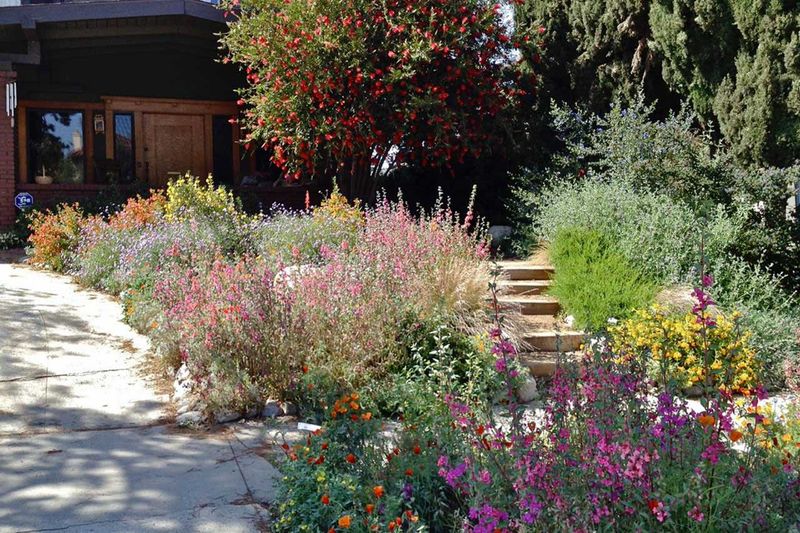
Switching to native plants represents a smart financial investment that pays dividends for years to come.
The initial cost of native plants often matches or beats exotic ornamentals, especially when purchasing from native plant sales or propagating from cuttings.
Beyond the purchase price, native gardens eliminate ongoing expenses for fertilizers, pesticides, and excessive water usage.
Homeowners typically spend hundreds of dollars annually maintaining traditional landscapes with chemical inputs and irrigation.
Native landscapes slash these costs dramatically, with many gardeners reporting near-zero maintenance expenses after establishment.
Perennial native plants also outlive many popular annuals that require replacement every single season.
Some native species like Oregon grape and salal live for decades, providing beauty and function without repeated purchases.
Property values often increase when attractive native landscapes replace generic lawns, offering another financial benefit.
Local nurseries specializing in natives frequently offer plant swaps and sales where gardeners exchange surplus plants for free.
Communities are recognizing these economic advantages, with some municipalities offering financial incentives for native landscaping projects.
The money saved can go toward other home improvements or simply stay in your pocket.
Climate Resilience Prepares Gardens For Future Conditions

Weather patterns are shifting, and native plants offer built-in adaptability that helps gardens weather these changes.
Oregon’s native species survived ice ages, droughts, floods, and temperature swings over millennia, developing remarkable resilience.
As summers grow hotter and drier in many parts of the state, plants adapted to these stresses naturally outperform imports.
Species like manzanita and camas evolved to handle the extremes that Oregon’s climate can deliver.
Gardeners worry less about losing their entire landscape to an unexpected heat wave or cold snap.
Native plants also recover more quickly from weather stress, bouncing back when conditions improve.
Climate scientists recommend native landscaping as an adaptation strategy that makes communities more resilient overall.
These plants help cool neighborhoods through transpiration and shade, reducing urban heat island effects.
Their deep roots prevent erosion during intense rain events that are becoming more common.
Rather than fighting against changing conditions with ever more inputs, native gardens work with natural systems.
Forward-thinking gardeners see native plants as insurance against an uncertain climate future.
Seasonal Beauty Provides Year-Round Interest
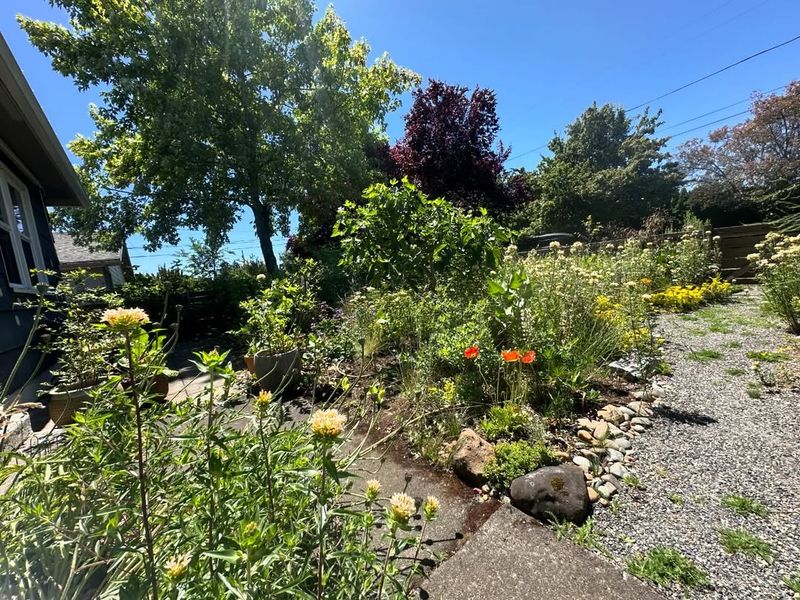
Native plant gardens transform through the seasons, offering constantly changing displays that keep landscapes interesting all year.
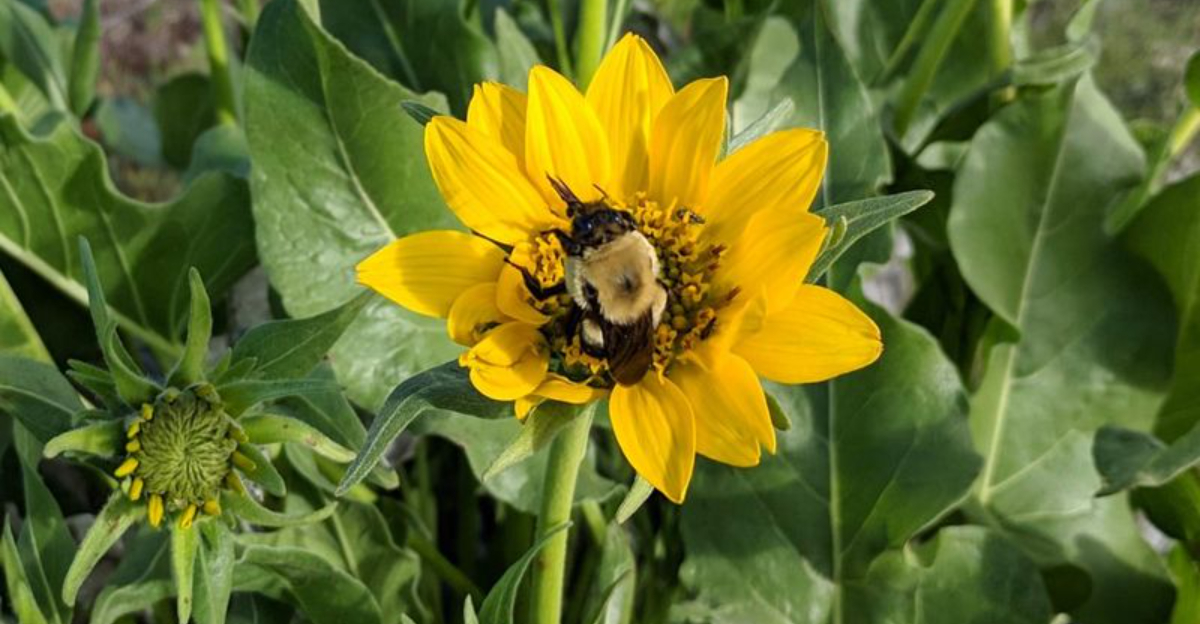
Spring erupts with the brilliant yellows of Oregon sunshine and the delicate pinks of bleeding heart.
Summer brings the dramatic spires of foxglove and the cheerful faces of asters in purple and white.
Fall transforms vine maples into blazing reds and oranges, while native grasses turn golden and catch the light beautifully.
Even winter has its charms, with evergreen natives like Oregon grape and salal providing structure and color.
Seed heads from native perennials create sculptural interest and feed birds through cold months.
This seasonal progression connects gardeners to natural rhythms and the passage of time in meaningful ways.
Traditional landscapes often peak in summer and look bare the rest of the year, but native gardens avoid this boom-and-bust pattern.
Strategic plant selection ensures something is always blooming, fruiting, or displaying attractive foliage.
Photographers and nature lovers find endless inspiration in these ever-changing native landscapes.
The garden becomes a living calendar, marking seasons with natural beauty.
Cultural Connection Honors Indigenous Traditions

Growing native plants creates opportunities to learn about and honor the Indigenous peoples who stewarded these lands for thousands of years.
Many native species held cultural, medicinal, and food significance for Oregon’s tribal communities.
Camas bulbs sustained Indigenous peoples through winter, and carefully managed camas meadows once painted valleys blue each spring.
Oregon grape provided yellow dye and medicine, while wapato roots offered important nutrition from wetland areas.
Gardeners who research these plants gain deeper appreciation for the sophisticated ecological knowledge of Indigenous peoples.
Some native plant enthusiasts work with tribal organizations to learn traditional uses and proper stewardship practices.
This knowledge adds layers of meaning to gardens, transforming them into living history and cultural education spaces.
Respectful acknowledgment of these connections helps preserve important cultural heritage.
Children growing up with native plants learn about the original inhabitants of their region in tangible, memorable ways.
Many tribes are leading native plant restoration efforts, and homeowners can support this work by choosing native species.
Gardens become bridges connecting past, present, and future.
Community Building Brings Neighbors Together
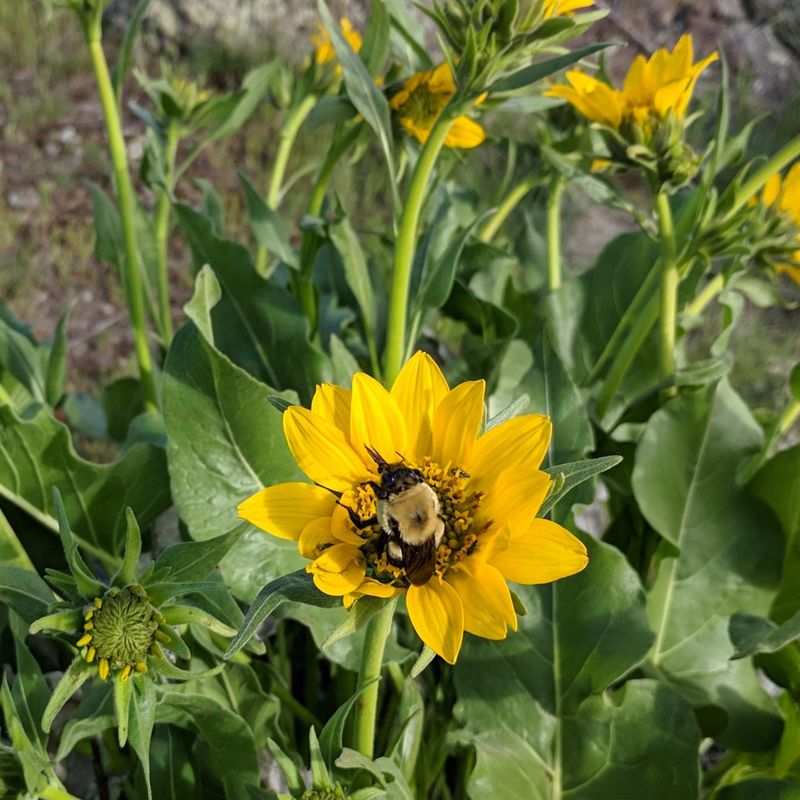
The native plant movement has sparked a vibrant community of enthusiasts who share knowledge, plants, and passion.
Native plant societies across Oregon host regular meetings, garden tours, and plant sales where beginners and experts mingle.
Neighbors notice native gardens and stop to ask questions, starting conversations that build connections.
Social media groups dedicated to Oregon native plants buzz with activity as members share photos, advice, and encouragement.
Community native plant swaps let gardeners exchange surplus plants while meeting like-minded people.
These gatherings often lead to lasting friendships based on shared values and interests.
Schools and community centers are creating native plant demonstration gardens that serve as outdoor classrooms and gathering spaces.
Volunteer restoration projects bring people together for hands-on conservation work in local natural areas.
The movement transcends typical demographic boundaries, uniting people of all ages and backgrounds.
Experienced native gardeners mentor newcomers, creating a welcoming culture of generosity and support.
This sense of community makes the native plant revival about much more than just landscaping choices.
Soil Health Improvement Benefits The Whole Property

Underground, native plants work magic that transforms soil health in ways that benefit the entire property.
Deep root systems of many native species break up compacted soil and create channels for air and water movement.
These roots extend far deeper than typical lawn grass, sometimes reaching six feet or more below the surface.
As roots grow and shed, they add organic matter to soil, feeding beneficial microorganisms that create healthy soil ecosystems.
Native plants partner with specific fungi in relationships called mycorrhizae, which extend root networks and improve nutrient uptake.
This biological activity builds soil structure and fertility naturally, without chemical fertilizers.
Improved soil absorbs rainwater more effectively, reducing runoff that can cause flooding and erosion.
Carbon sequestration increases as native plants and healthy soil trap atmospheric carbon underground.
Gardeners notice that soil in native plant beds becomes darker, richer, and easier to work over time.
This improved soil health spreads beyond planted areas, benefiting nearby trees and other plants.
The foundation of a healthy landscape literally starts from the ground up with native plants.
Educational Opportunities Inspire Lifelong Learning
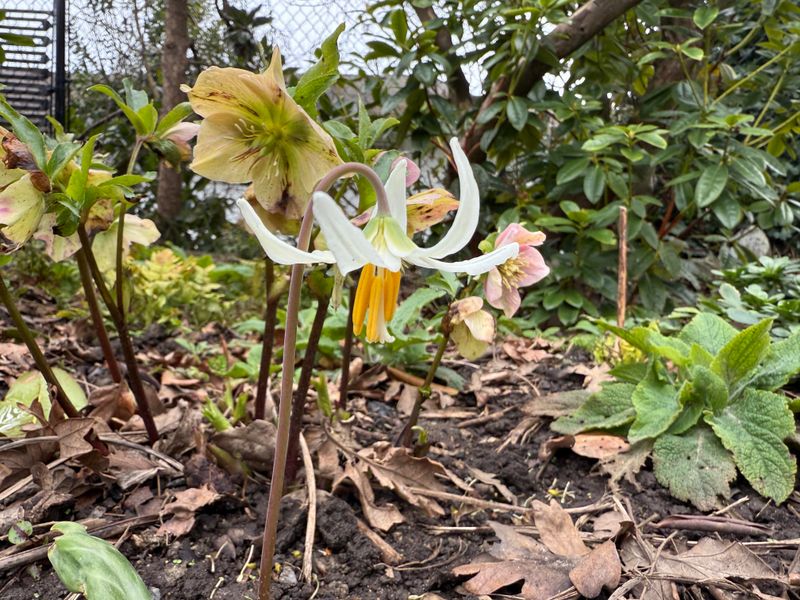
Native plant gardens become outdoor classrooms where curiosity flourishes and learning happens naturally.
Children develop observation skills by watching butterflies visit specific flowers or tracking which birds prefer certain berries.
Identifying plants by their characteristics teaches botanical vocabulary and scientific thinking.
Families discover together how ecosystems function when they witness pollination, seed dispersal, and seasonal cycles firsthand.
Adults find themselves researching plant names, wildlife relationships, and ecological concepts they never explored before.
Local extension services and native plant organizations offer workshops that deepen knowledge and skills.
Photography enthusiasts develop new appreciation for macro details and seasonal changes in native landscapes.
Gardening with natives connects people to larger environmental issues like habitat loss, climate change, and conservation.
This awareness often inspires action beyond the garden, leading people to support broader environmental efforts.
Schools incorporating native plant gardens report increased student engagement with science and nature topics.
The learning never stops, as each season and year brings new discoveries and questions to explore.
Gardens become living laboratories where education and beauty grow together naturally.