This Strange Black Soil Change Is Spreading Through Kansas Yards
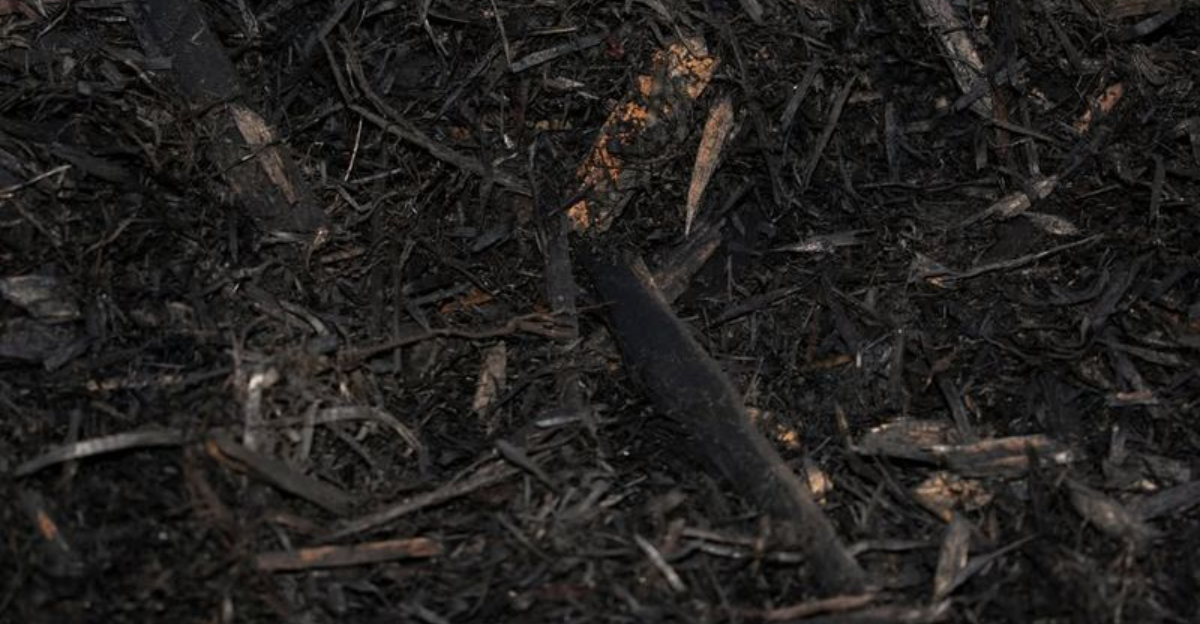
I was totally thrown off the first time I dug into my Kansas yard and saw that the soil beneath was turning strange and almost black — like some backyard magic had gone seriously weird.
Then I realized it wasn’t just me — neighbors were digging and finding the same dark soil creeping through their lawns too.
Now every time I pull weeds I can’t help but wonder what’s going on underground in Kansas yards as this odd black soil keeps spreading.
1. Organic Matter Decomposition Creates Rich Dark Layers
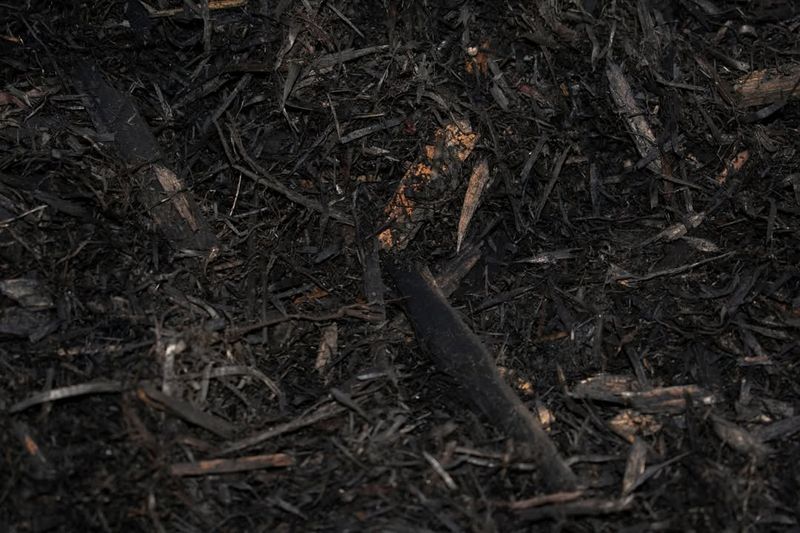
Fallen leaves, grass clippings, and plant debris break down over time, creating darker soil layers that many Kansas homeowners are discovering in their yards.
Microorganisms work tirelessly to transform this organic material into nutrient-rich humus, which naturally appears black or very dark brown in color.
When you leave grass clippings on your lawn instead of bagging them, they decompose and contribute to this darkening effect over several growing seasons.
Kansas residents who practice organic lawn care often notice this change more quickly because they’re adding more natural materials back into the soil.
The darker color actually indicates healthier soil with better water retention and nutrient availability for your grass and plants.
Many gardeners in Kansas consider this a positive sign, as it means their soil is becoming more fertile and better able to support plant growth throughout the year.
2. Increased Earthworm Activity Enriches Soil Color
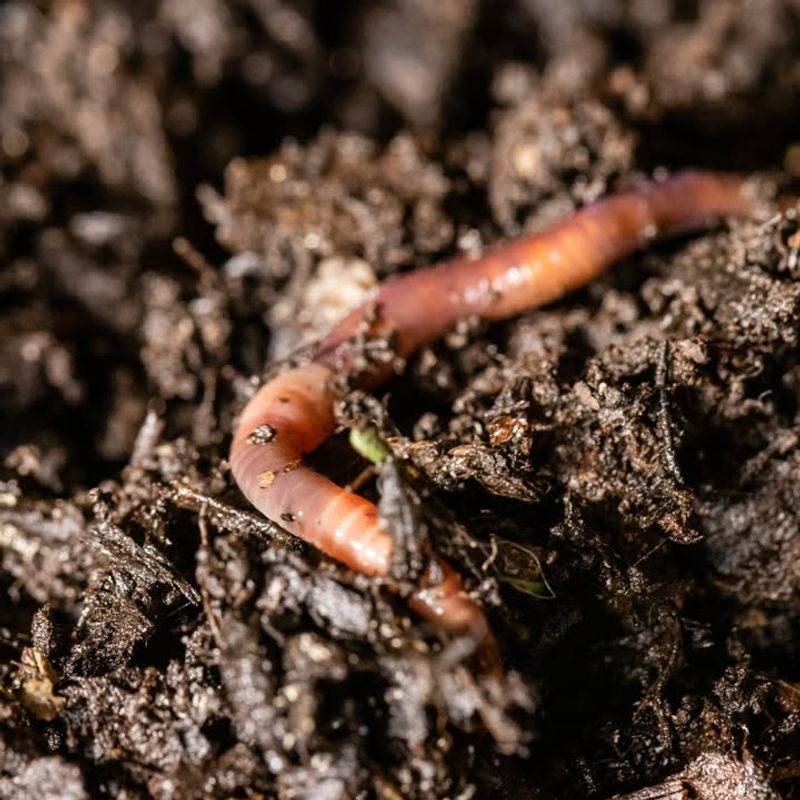
Earthworms are nature’s soil engineers, and their increased presence in Kansas yards is causing noticeable darkening of the soil as they process organic matter through their digestive systems.
These beneficial creatures consume dead plant material and soil, then excrete castings that are incredibly rich in nutrients and appear much darker than regular dirt.
A single earthworm can produce its own weight in castings every day, which means a healthy population can dramatically change soil appearance over just one season.
Kansas homeowners who use fewer chemical fertilizers and pesticides often see earthworm populations explode, leading to more visible soil darkening throughout their properties.
The tunnels earthworms create also improve soil structure, allowing air and water to penetrate deeper, which encourages even more beneficial microbial activity.
Spotting darker soil in your Kansas yard might simply mean you’ve created an environment where earthworms thrive and work their magic underground.
3. Compost Application Transforms Yard Soil Appearance
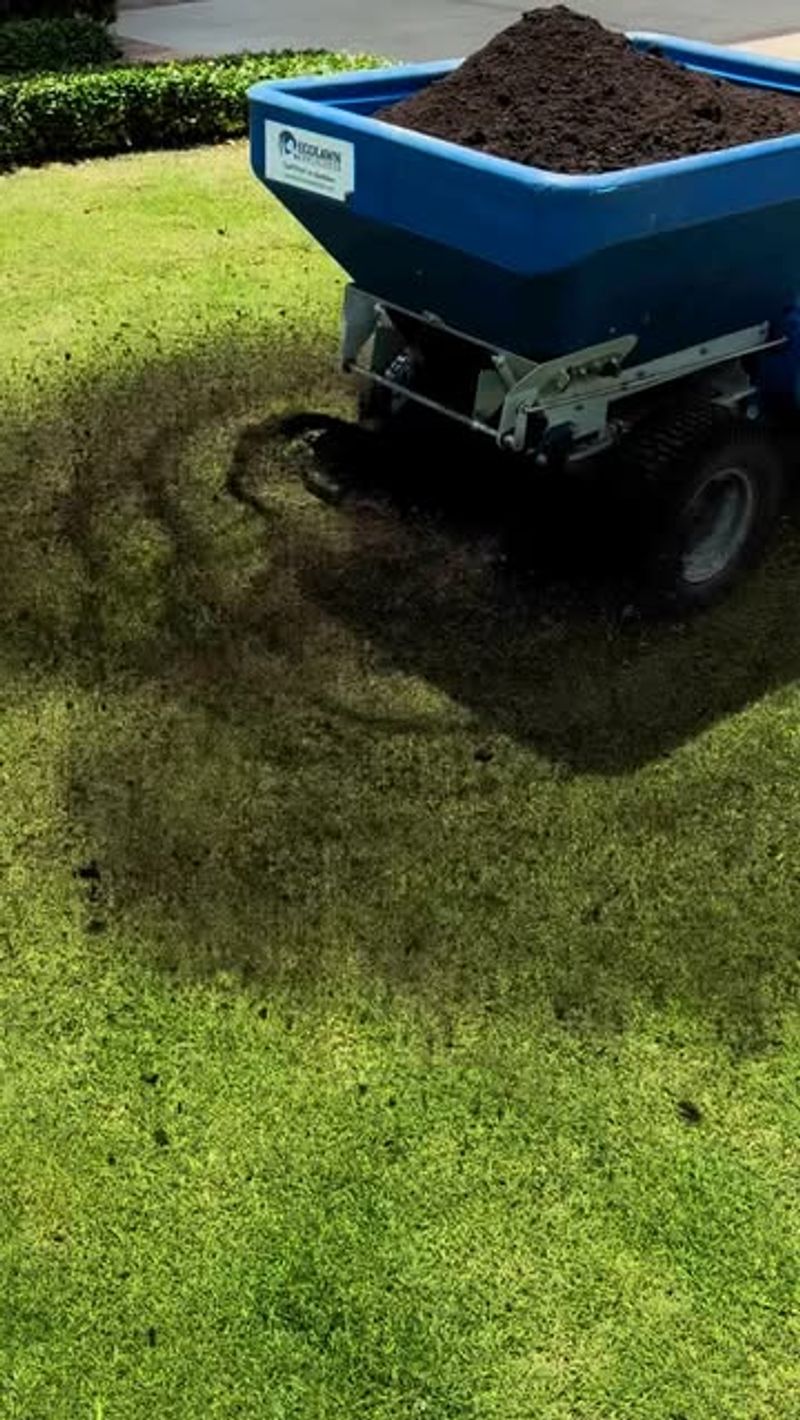
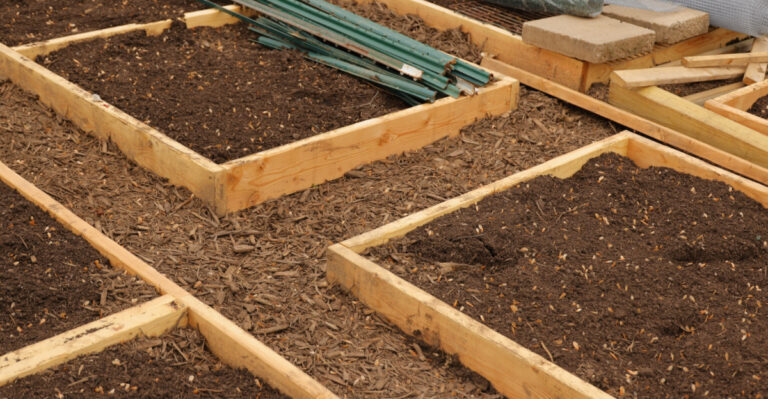
More Kansas residents are embracing composting, and when they spread finished compost across their yards, it creates striking dark patches that gradually blend into the existing soil.
Compost is essentially concentrated organic matter that has fully decomposed, resulting in a material that’s naturally dark brown to black in color and packed with nutrients.
Even a thin layer of compost applied annually can significantly darken soil appearance within a few years as it gets worked into the ground by rain and soil organisms.
Many neighborhoods in Kansas have started community composting programs, leading to more homeowners using this dark material in their yards and gardens simultaneously.
Your Kansas Garden Changes Every Week. Your Plan Should Too.
Gardening in Kansas changes quickly throughout the season. Every Friday you’ll receive a simple weekly plan showing exactly what to plant, prune, fertilize, harvest, and protect so you never miss the right timing.
The spreading effect happens because compost doesn’t stay in one place—earthworms, insects, and weather events help distribute it throughout your property over time.
Kansas gardeners appreciate how compost not only darkens soil but also improves its ability to hold moisture during the state’s sometimes unpredictable weather patterns.
4. Mulch Breakdown Contributes to Darker Ground Cover
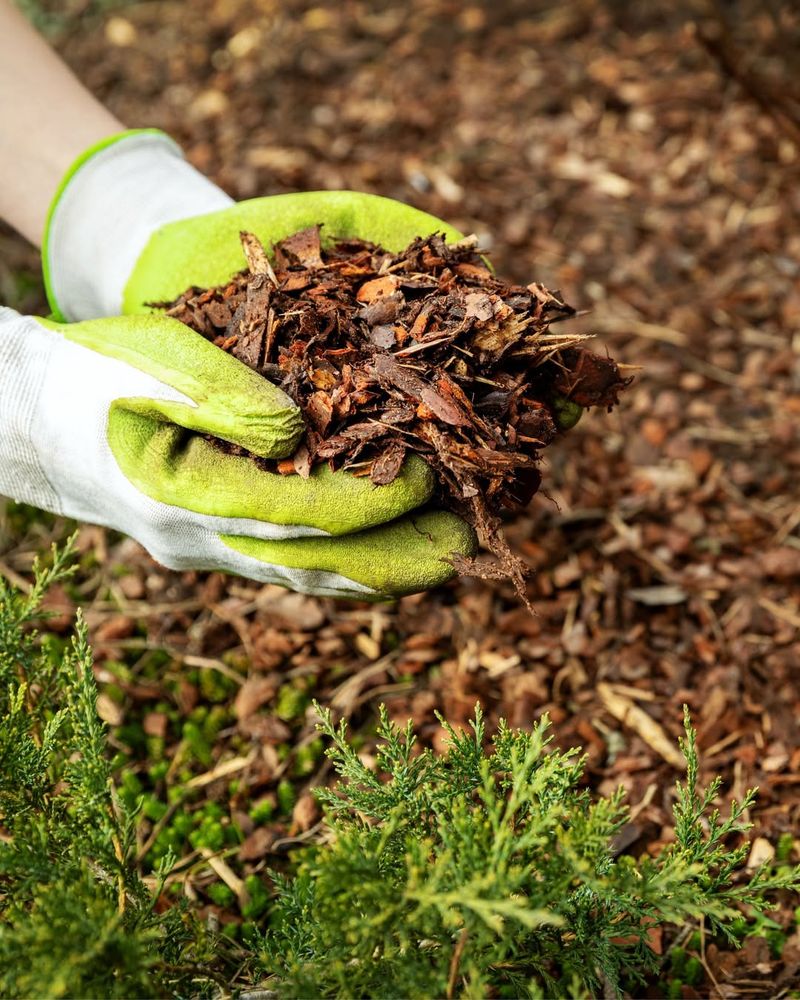
Mulch placed around trees, shrubs, and garden beds doesn’t last forever—it gradually breaks down and mixes with the soil, creating darker areas that spread outward from landscaped zones.
Wood chips, bark mulch, and other organic mulching materials decompose slowly, releasing dark-colored compounds that stain and enrich the soil beneath them over multiple seasons.
Kansas homeowners often notice this effect spreading beyond their original mulch beds as rain washes tiny particles into surrounding lawn areas, creating gradual darkening patterns.
The fungi and bacteria responsible for decomposing mulch produce dark byproducts that become incorporated into the soil structure, changing its appearance from the top down.
Some types of mulch, especially darker varieties made from hardwood or cedar, create more noticeable soil darkening than lighter-colored options like pine straw.
Residents across Kansas are seeing this phenomenon increase as more people add mulch to their landscapes for water conservation and aesthetic purposes during the growing season.
5. Natural Carbon Accumulation Changes Soil Tone
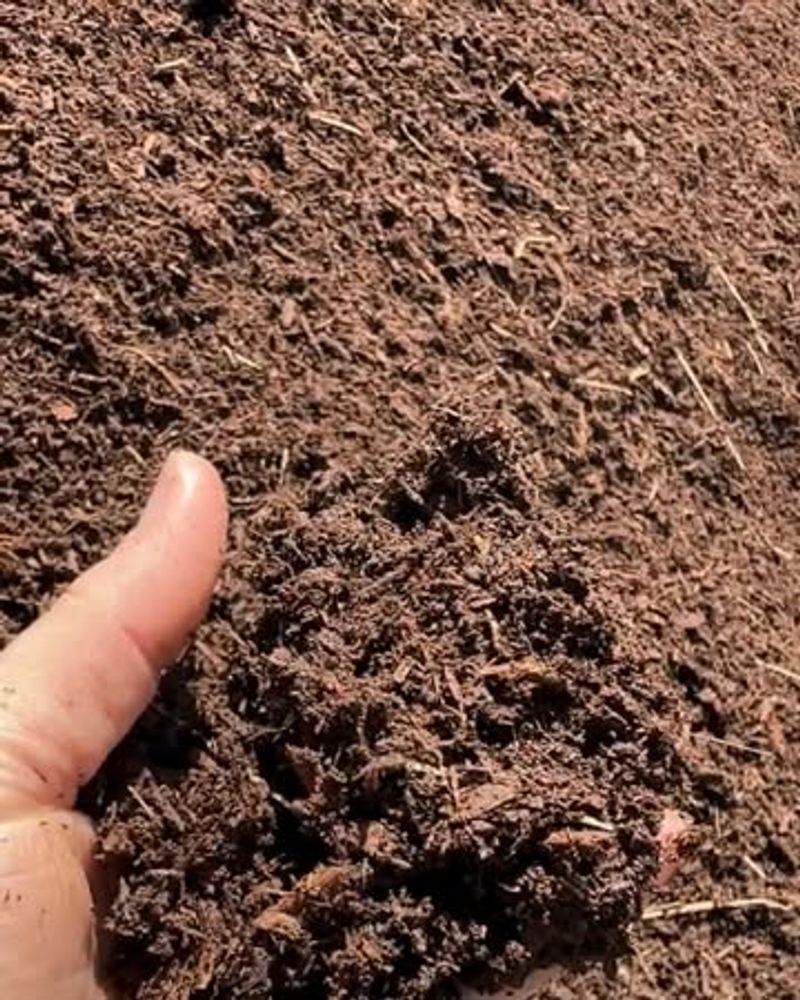
Carbon-rich materials accumulate naturally in soil over time, especially when grass and other plants grow vigorously, and this process creates the dark coloration many Kansas residents are observing.
Every time a plant grows and then its roots or leaves break down, carbon gets stored in the soil, gradually building up and creating darker hues over years.
Kansas lawns that receive regular watering and proper care grow more plant material, which means more carbon enters the soil system each season, accelerating the darkening process.
Scientists call this carbon sequestration, and it’s actually beneficial for soil health, improving structure, fertility, and the ability to support diverse plant and microbial life.
The darker your soil becomes, the more carbon it contains, which also helps with moisture retention—something particularly valuable during Kansas’s hot summer months when water conservation matters.
Homeowners across the state are unknowingly participating in this natural process simply by maintaining healthy lawns and gardens that cycle organic matter back into the ground.
6. Moisture Retention Makes Soil Appear Darker
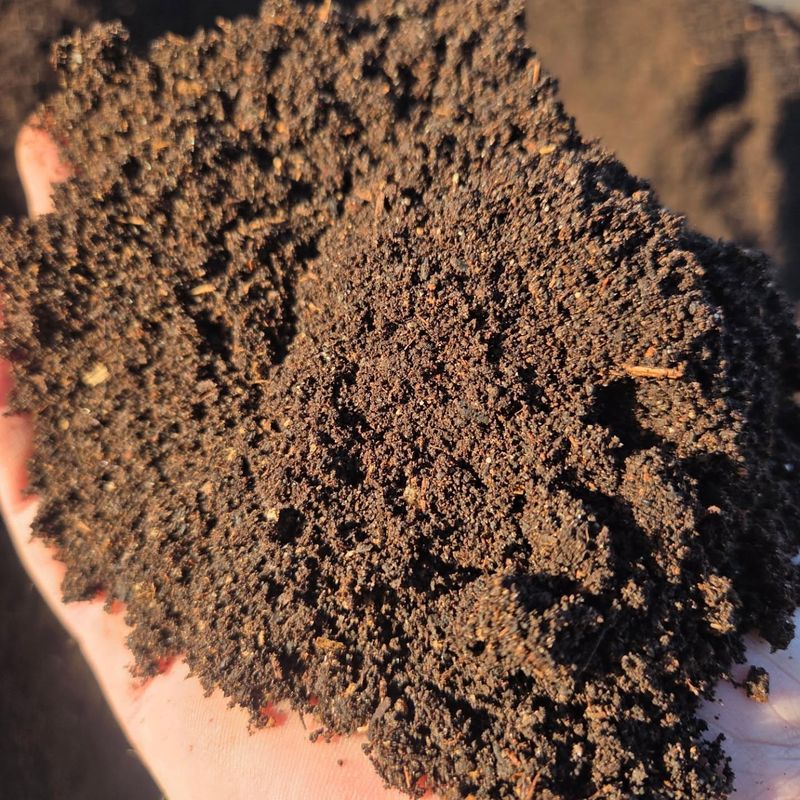
Soil that holds water well naturally appears darker than dry soil, and improvements in soil structure across Kansas yards are causing this more noticeable dark appearance even when conditions aren’t particularly wet.
When soil contains more organic matter from decomposition and earthworm activity, it acts like a sponge, holding moisture longer after rain or irrigation events occur.
Kansas homeowners might notice their soil looks darker than neighbors’ yards simply because their soil health has improved, allowing it to maintain higher moisture levels throughout the day.
The color difference becomes especially obvious after morning dew or light rain, when healthier soil stays dark while poorer soil dries out quickly and returns to a lighter shade.
This moisture-holding capacity is incredibly valuable in Kansas, where weather can swing between wet periods and drought conditions, stressing lawns that lack good soil structure.
Darker soil that retains moisture better also stays cooler during hot weather, protecting grass roots and reducing the stress plants experience during the challenging summer season.
7. Fungal Networks Produce Dark Organic Compounds
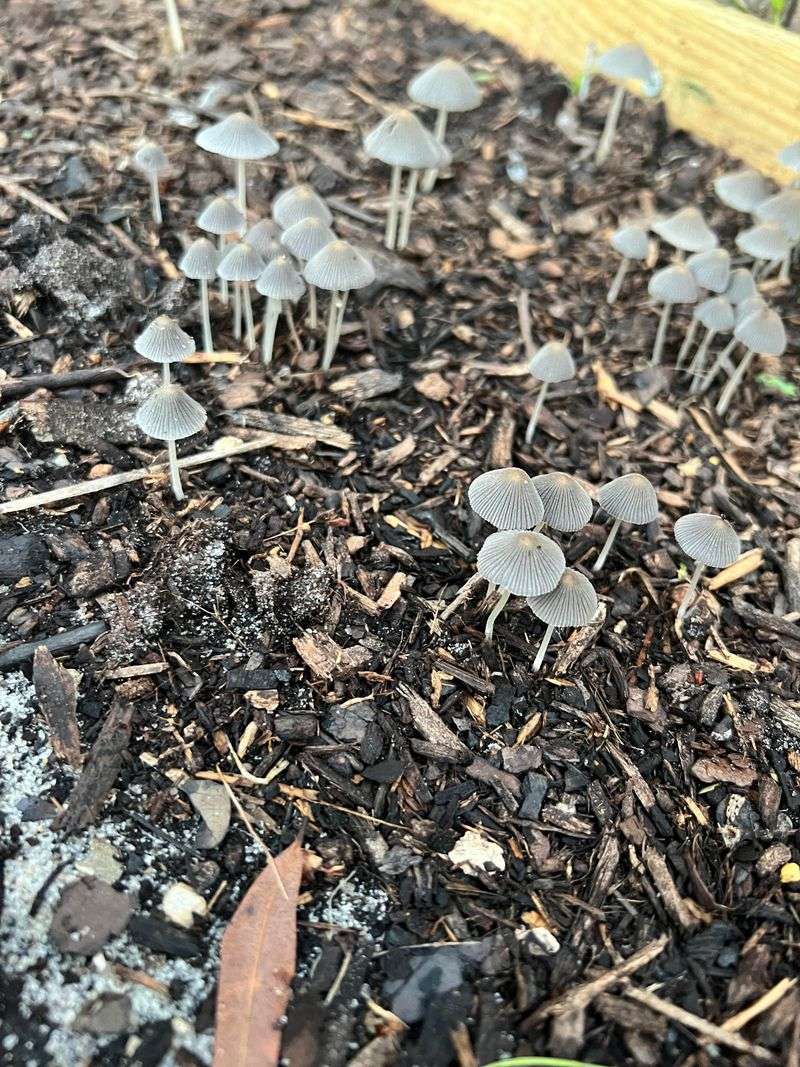
Beneficial fungi living in Kansas yard soil produce dark-colored compounds as they break down organic matter, creating what scientists call humic substances that give soil its characteristic black color.
Mycorrhizal fungi form partnerships with grass roots, and their thread-like structures spread throughout the soil, processing nutrients and releasing dark organic materials in the process.
Kansas lawns with established fungal networks often develop richer, darker soil because these organisms are constantly working to decompose plant material and recycle nutrients back into usable forms.
Unlike harmful fungi that can damage plants, these beneficial species improve soil health and contribute to the natural darkening effect that’s becoming more common across residential properties.
When you avoid overusing fungicides and synthetic chemicals in your Kansas yard, you allow these helpful fungal communities to flourish and do their important work underground.
The darker soil resulting from fungal activity also tends to have better structure, with improved air pockets and drainage that benefit grass roots throughout the growing season.
8. Clay Soil Oxidation Creates Darker Surface Layers
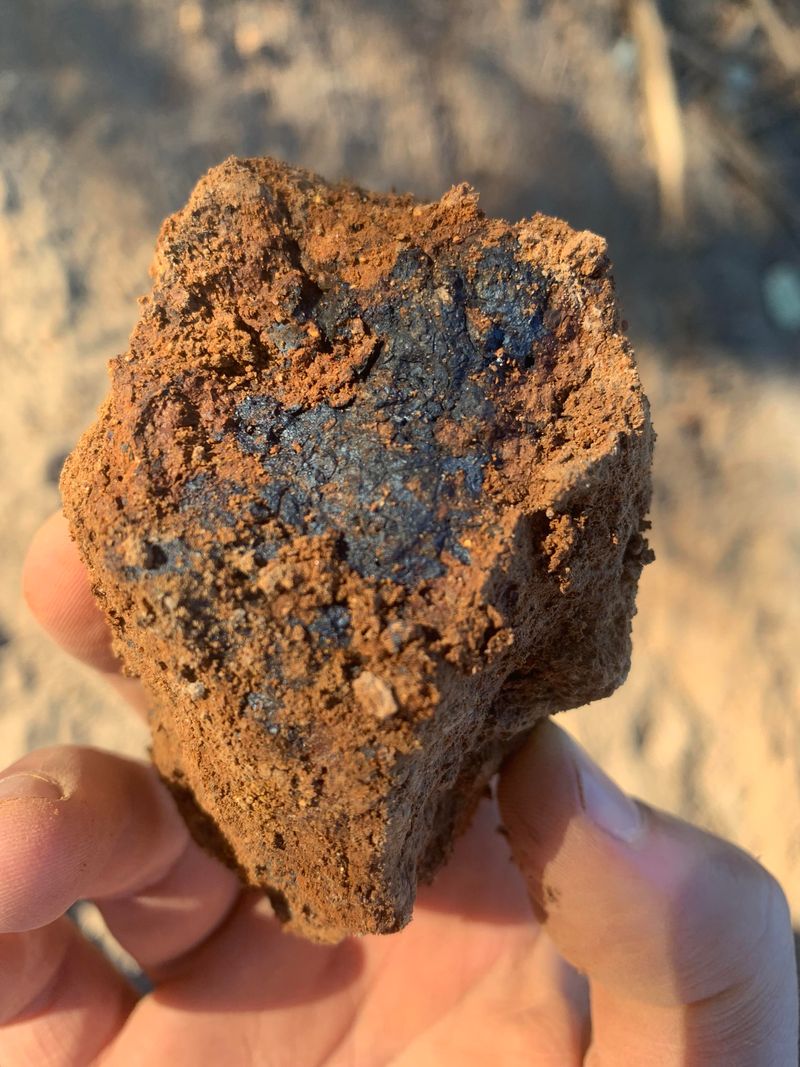
Kansas is known for having clay-heavy soil in many regions, and when this clay undergoes oxidation and mixes with organic matter, it can develop much darker coloration than its original reddish or tan appearance.
Chemical reactions occur when iron and manganese compounds in clay interact with oxygen and water, sometimes producing darker oxides that change the soil’s overall color over time.
Homeowners across Kansas might notice this especially in areas where soil has been turned or aerated, exposing deeper clay layers to air and moisture that trigger these color-changing reactions.
The combination of clay minerals with decomposing organic material creates particularly dark soil because the clay particles bind with dark humic compounds, intensifying the black appearance throughout the yard.
This transformation happens gradually, so Kansas residents might not notice the change until they compare current soil color with photographs from several years ago or with newly exposed areas.
Better understanding of your Kansas soil composition helps explain why some yards darken more dramatically than others, depending on the original clay content and mineral makeup.
9. Biochar and Soil Amendment Trends Spread Darkness
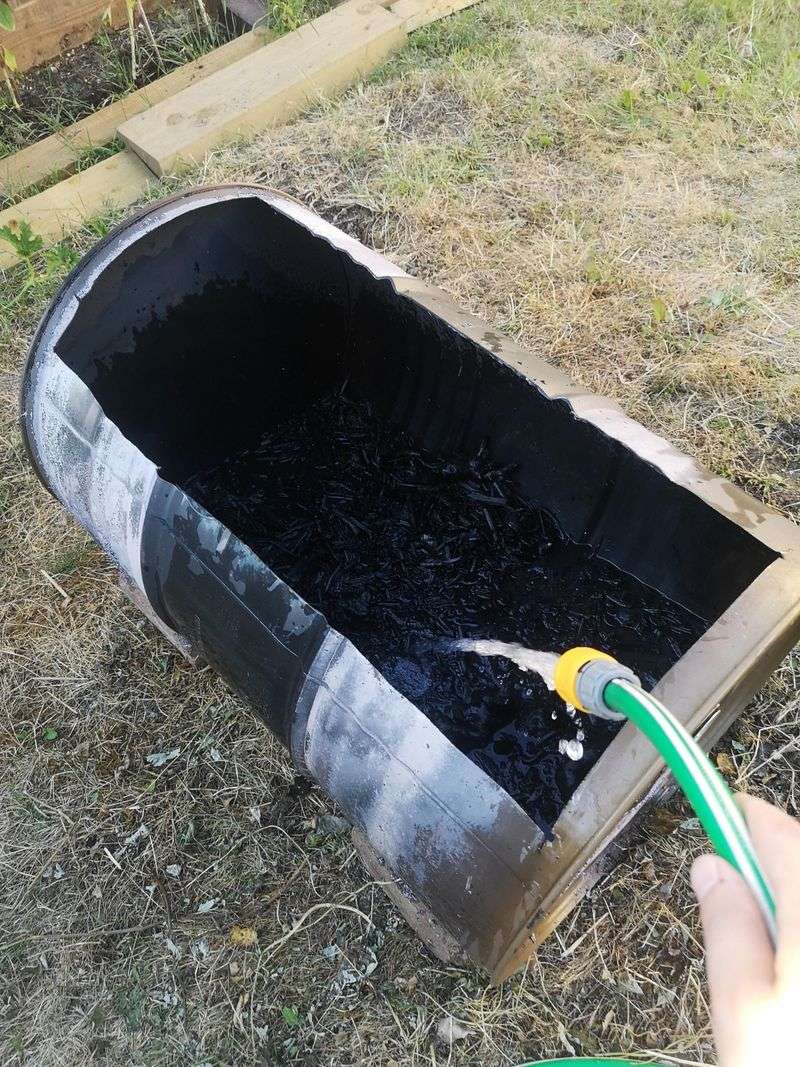
Gardening enthusiasts across Kansas are discovering biochar, a charcoal-like material added to soil that’s intensely black and dramatically changes soil appearance even when used in small amounts.
Biochar is created by burning organic material in low-oxygen conditions, and it’s becoming popular because it improves soil fertility, water retention, and provides habitat for beneficial microorganisms.
When Kansas homeowners apply biochar to their yards, the black particles mix into the soil and create lasting dark coloration that spreads as the material gets worked deeper by watering and soil activity.
Other soil amendments like humic acid products and dark composted manures are also gaining popularity, contributing to the overall trend of darker soil appearing in residential landscapes throughout the state.
Social media and gardening groups have accelerated this trend, with Kansas residents sharing tips about soil improvement methods that often include these darkening amendments as key components.
The visible results—darker, healthier-looking soil—encourage neighbors to try similar approaches, creating a spreading effect of dark soil changes across entire Kansas communities and neighborhoods over recent growing seasons.