Unusual Blue Ice Crystals Are Sparking Curiosity In Maine Gardens
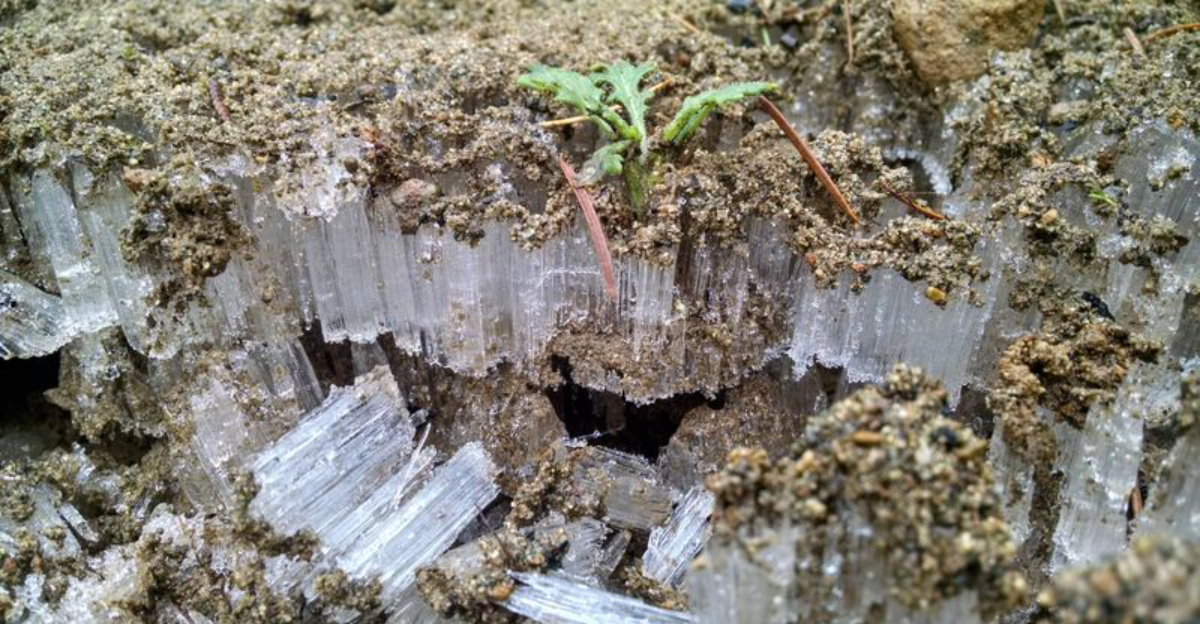
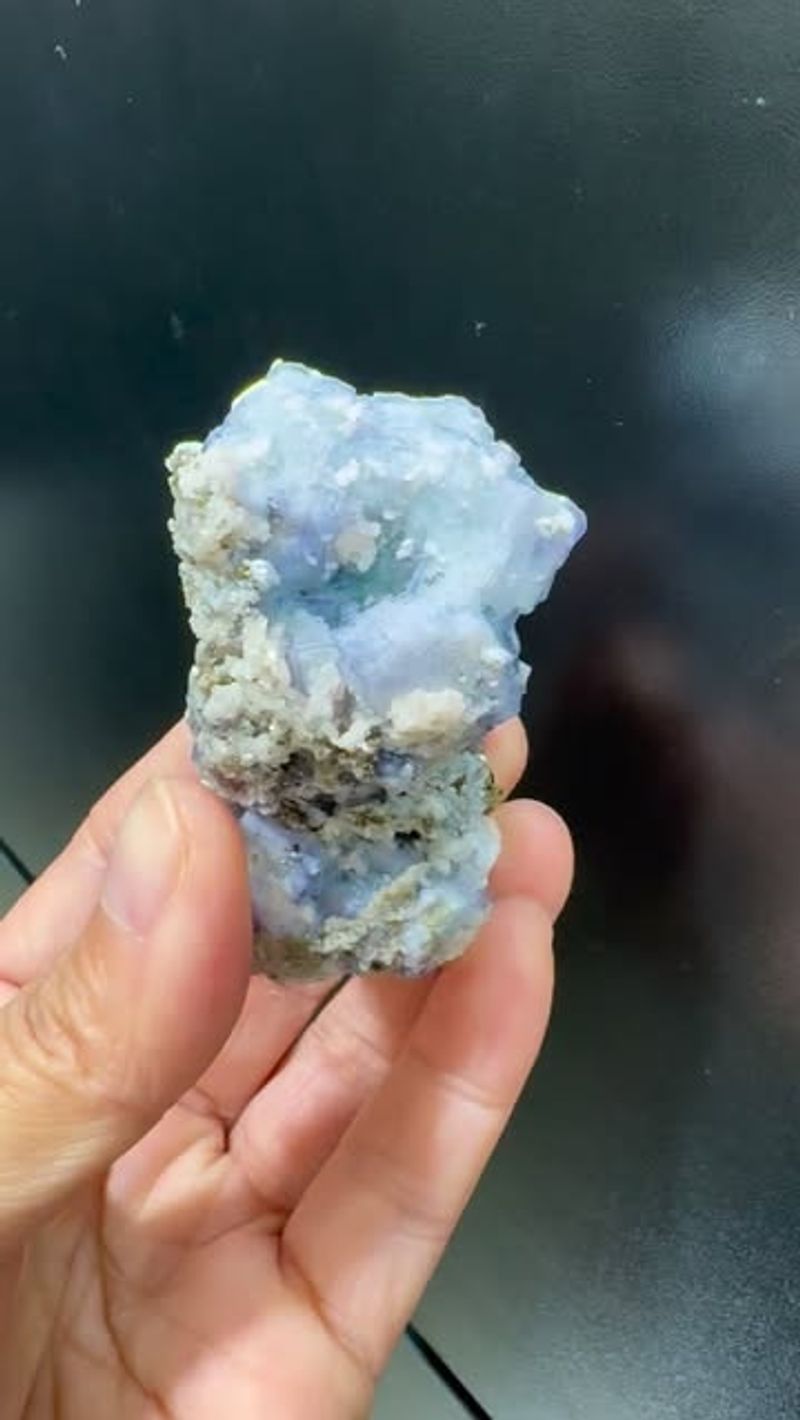
I froze for a second the first time I spotted those bright blue ice crystals forming along the edge of my Maine garden beds like tiny gemstones pressed into the frost.
Then I realized more of them were shimmering across the yard, catching the morning light and making everything look oddly otherworldly.
Now I find myself stepping outside early just to see if those strange blue crystals are back, because Maine gardens are definitely getting more interesting this winter.
1. Rare Weather Conditions Create Perfect Ice Formation
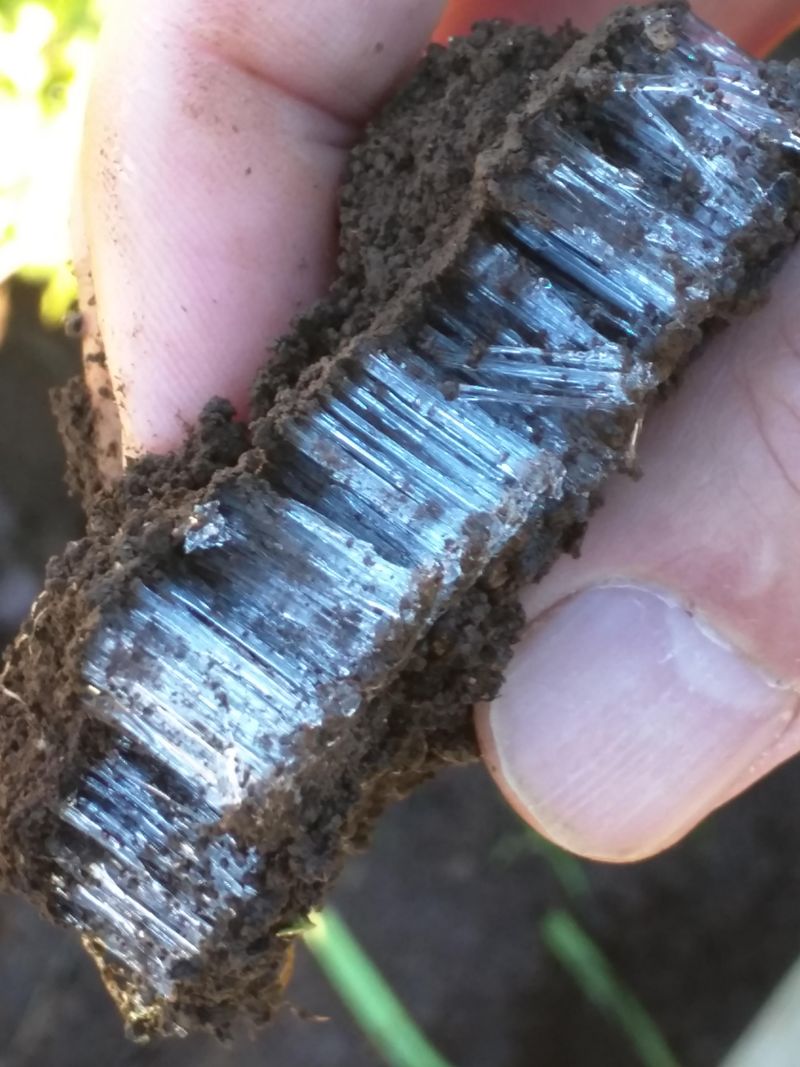
Weather patterns in Maine during certain winter nights create the exact conditions needed for blue ice crystals to form in gardens across the state.
When temperatures drop just below freezing and humidity levels stay high, moisture in the soil begins to freeze in unique ways.
Air temperature must hover around thirty-two degrees Fahrenheit while ground temperature stays slightly warmer, creating a temperature difference that pushes water upward through tiny soil spaces.
This process happens slowly over several hours, usually during clear, calm nights when there is no wind to disturb the delicate formation process taking place.
Maine gardeners have noticed these crystals most often appear in late January and early February when conditions align perfectly for this natural phenomenon to occur beautifully.
The blue coloring comes from how light refracts through the ice structure, similar to how glaciers appear blue in photographs taken in Alaska or Antarctica.
2. Garden Soil Composition Plays A Critical Role

Not every garden in Maine will produce these stunning blue ice crystals, even when weather conditions seem right for their formation to begin naturally.
Soil composition matters tremendously because certain types of earth contain more clay particles that hold moisture near the surface where freezing temperatures can reach it.
Gardens with loamy soil that drains well but retains some water tend to show the most impressive crystal displays when temperatures drop during winter nights.
Sandy soil drains too quickly and does not provide enough moisture for ice crystals to form, while heavy clay soil can prevent the delicate upward movement needed.
Maine gardeners who add compost to their beds often report seeing more blue ice crystals because organic matter improves soil structure and moisture retention throughout the season.
Testing your soil can help you understand whether your garden has the right composition to support these beautiful natural ice formations during cold weather periods.
3. Morning Sunlight Enhances The Blue Appearance
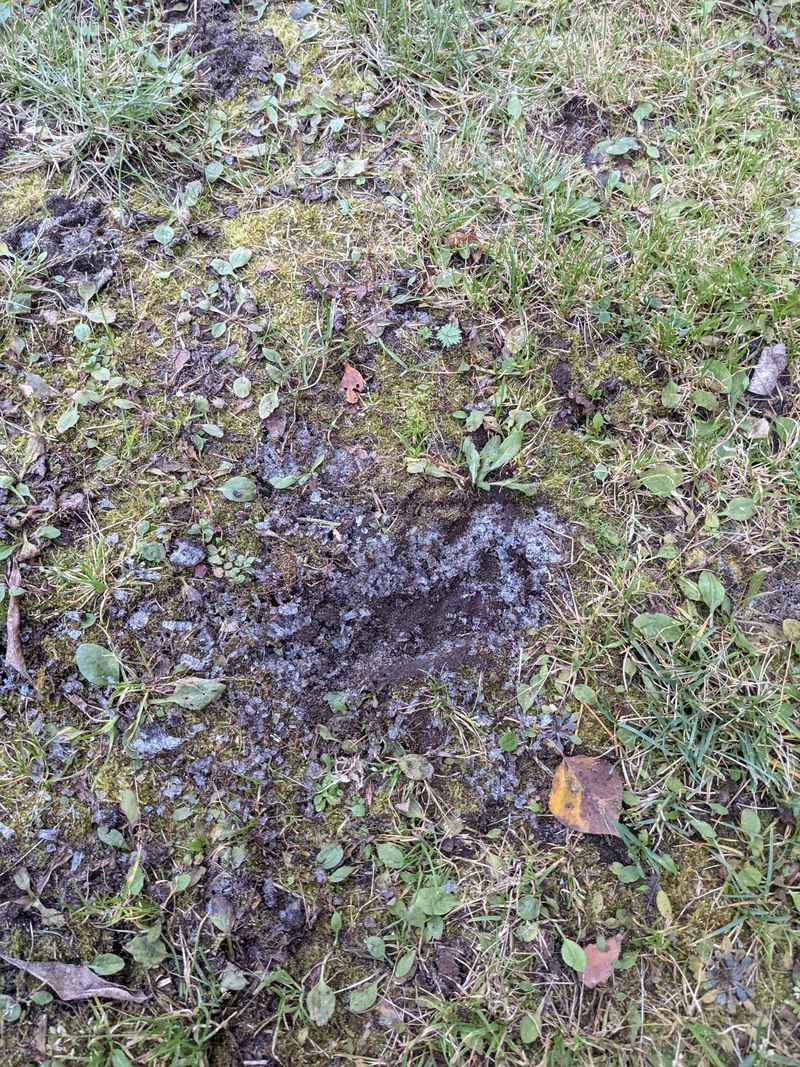
Timing matters when you want to see these ice crystals at their most vibrant and beautiful blue coloring in your Maine garden each morning.
Early morning light, especially during the first hour after sunrise, hits the ice crystals at an angle that makes their blue tint appear much more intense and noticeable.
The low angle of winter sunlight in Maine creates perfect conditions for light to refract through the ice structure, separating wavelengths and emphasizing blue tones clearly.
By midmorning, when the sun rises higher in the sky and temperatures begin warming up, the crystals start melting and losing their distinctive blue appearance gradually.
Your Maine Garden Changes Every Week. Your Plan Should Too.
Gardening in Maine changes quickly throughout the season. Every Friday you’ll receive a simple weekly plan showing exactly what to plant, prune, fertilize, harvest, and protect so you never miss the right timing.
Photographers across Maine have discovered that taking pictures between seven and eight in the morning captures the crystals at their most stunning and photogenic moment each day.
If you want to observe this phenomenon yourself, set your alarm early and check your garden beds before the sun climbs too high overhead.
4. Plant Stems Act As Crystal Formation Guides
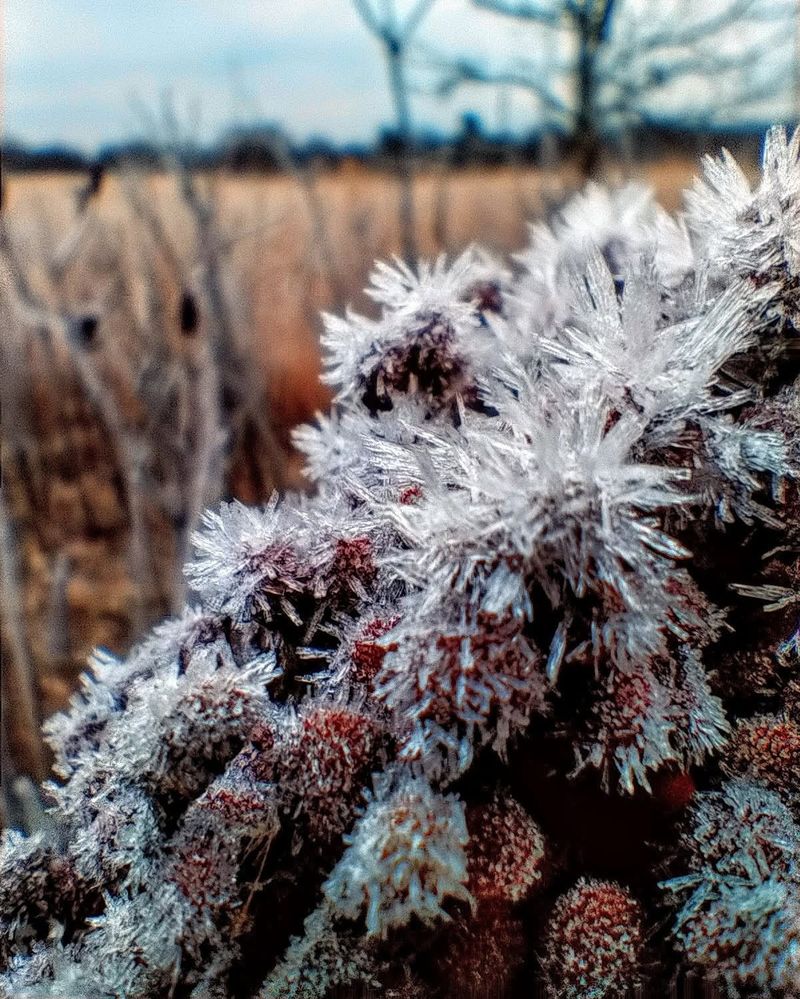
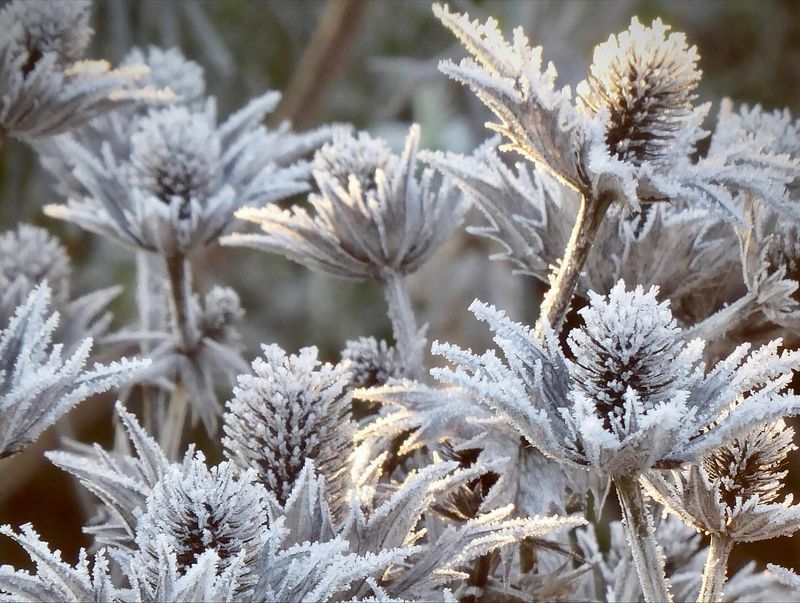
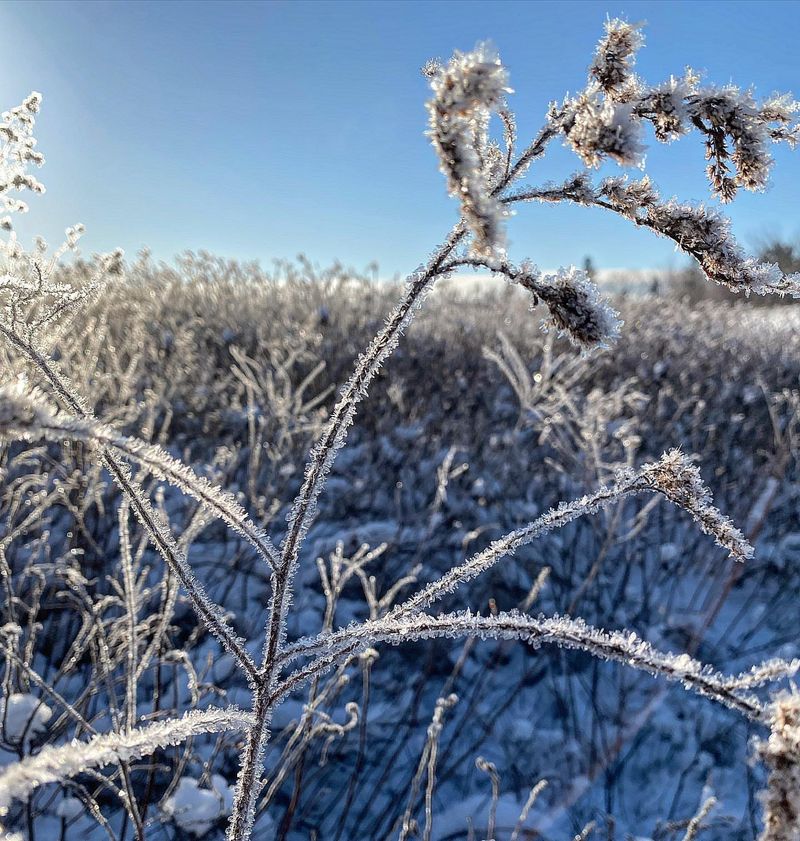
Dead plant stems left standing in Maine gardens through winter provide perfect surfaces for blue ice crystals to form in interesting and intricate patterns overnight.
Water moves up through capillary action in plant material, even when the plant is dormant or no longer living, creating pathways for ice to follow naturally.
As moisture freezes, it expands outward from the stem, creating ribbon-like or feather-like crystal formations that can stretch several inches from the original plant structure.
Gardeners in Maine who practice leaving their perennial stems standing through winter report seeing more dramatic crystal formations than those who cut everything down in fall.
The hollow stems of plants like asters, sunflowers, and bee balm work especially well as guides, producing some of the most impressive blue ice displays each winter.
This natural interaction between plant structure and freezing water creates living art that changes slightly each night depending on temperature and humidity levels in your area.
5. Scientific Curiosity Brings Researchers To Maine Gardens
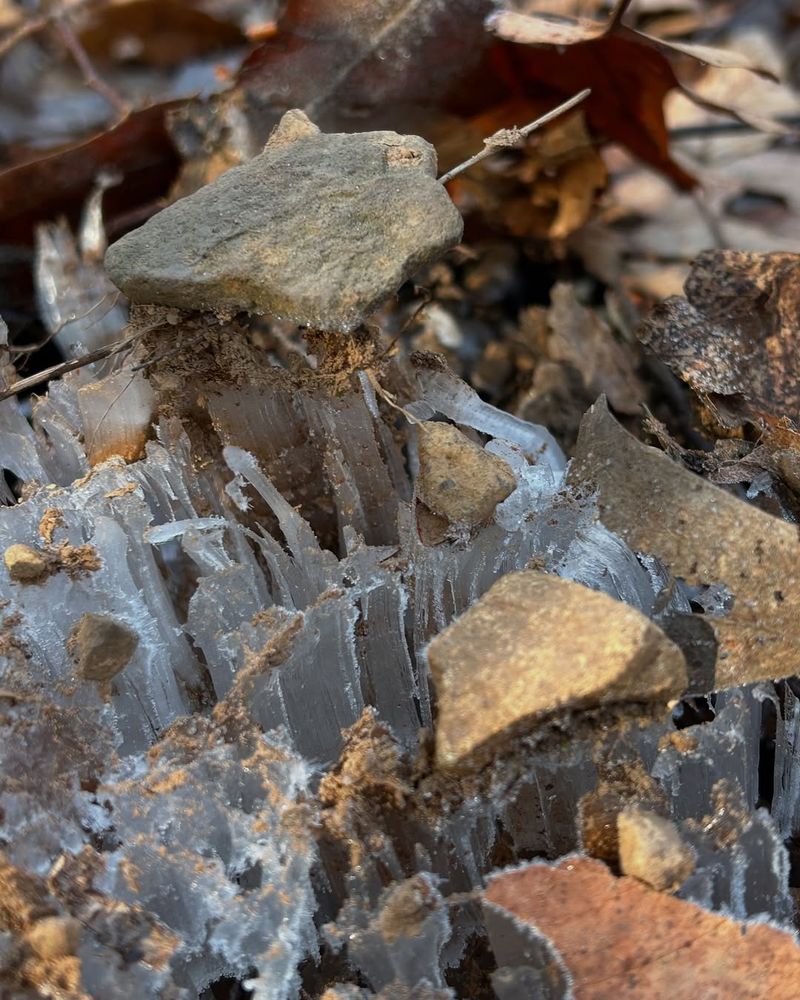
Universities and research institutions have sent teams to Maine gardens to study these blue ice crystals and understand the exact mechanisms behind their formation each winter.
Scientists want to know why certain locations produce more vibrant blue coloring while other areas show white or clear ice crystals under similar temperature conditions throughout the state.
Researchers collect samples carefully, measuring temperature, humidity, soil composition, and light conditions to build comprehensive data sets about when and where crystals form most successfully.
Some studies focus on how climate change might affect the frequency of these formations, as shifting weather patterns could reduce the number of perfect nights for crystals.
Maine gardeners have become citizen scientists, reporting their observations to universities and sharing photographs that help researchers track patterns across different regions and microclimates statewide.
This collaboration between professional scientists and everyday gardeners helps everyone learn more about the fascinating intersection of weather, soil science, and natural beauty in winter landscapes.
6. Social Media Spreads Awareness And Photos
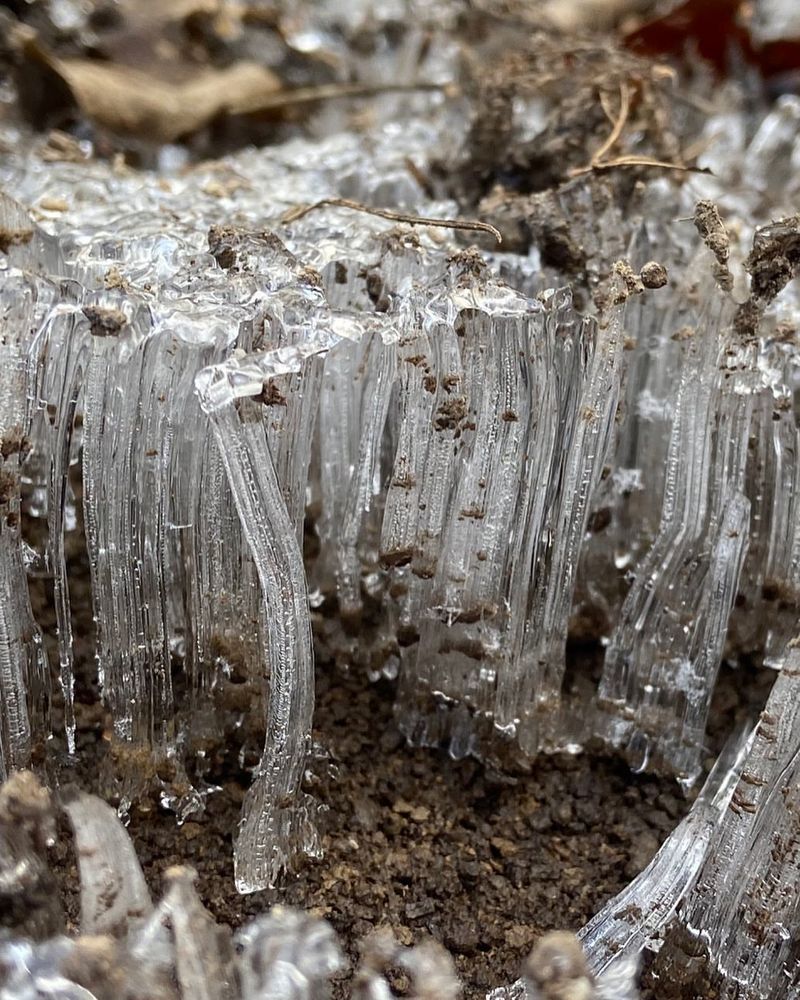
Instagram, Facebook, and gardening forums have exploded with photographs of blue ice crystals from Maine gardens, introducing thousands of people to this beautiful winter phenomenon.
Hashtags like MaineGardens and BlueIceCrystals help people find and share their own discoveries, creating online communities of enthusiasts who compare observations and tips for spotting them.
Local Maine gardening groups on social media have grown significantly as members share real-time updates about when and where the crystals appeared in their neighborhoods overnight.
Photography enthusiasts have turned finding and capturing these crystals into a winter hobby, posting detailed information about camera settings and timing for the best shots possible.
The viral nature of these posts has brought attention from people outside Maine who now plan winter visits specifically hoping to see the crystals in person themselves.
This digital sharing has transformed a quiet natural phenomenon into a celebrated seasonal event that connects gardeners and nature lovers across the state and beyond.
7. Children Find Wonder In Natural Science Lessons
Teachers across Maine have incorporated blue ice crystals into science lessons, using this local phenomenon to teach children about states of matter and weather patterns naturally.
Kids find the crystals fascinating because they can observe them directly in their own yards or school gardens, making abstract science concepts feel real and accessible immediately.
Classroom projects now include crystal observation journals where students sketch what they see, measure temperatures, and predict when crystals might appear based on weather forecasts each week.
The hands-on nature of studying these formations helps children remember scientific principles better than reading from textbooks alone, according to educators throughout the state of Maine.
Parents report that their children wake up early and rush outside to check for crystals, showing an enthusiasm for science that carries over into other subjects.
This natural wonder has become an unexpected educational tool that makes learning exciting and connects young people with the seasonal changes happening right outside their windows.
8. Gardeners Adjust Winter Practices For Better Views
Experienced gardeners in Maine have started changing their fall cleanup routines, leaving more plant material standing specifically to encourage blue ice crystal formation throughout the winter months.
Instead of cutting everything down to ground level in October, many now leave stems at least twelve inches tall to provide surfaces for ice crystals to develop.
Some gardeners have begun choosing plant varieties specifically because they produce better crystal displays, selecting species with hollow stems and interesting structural shapes that enhance formations beautifully.
Watering practices have also shifted, with some Maine gardeners lightly watering their beds on evenings when crystal formation seems likely based on temperature forecasts and conditions.
Garden clubs now share tips about the best bed locations, soil amendments, and maintenance practices that increase the chances of seeing these stunning blue crystals each season.
This shift shows how a beautiful natural phenomenon can influence practical gardening decisions and connect people more deeply with the science behind seasonal changes in their landscapes.
9. Local Tourism Sees Unexpected Winter Boost
Small towns across Maine have noticed an increase in winter visitors who come specifically hoping to photograph and observe the unusual blue ice crystals in local gardens.
Bed and breakfast owners report bookings from photography enthusiasts who schedule their stays around weather forecasts predicting the right conditions for crystal formation in the area.
Some Maine communities have created informal crystal viewing maps, directing visitors to public gardens and parks where the formations appear most reliably each winter season successfully.
Local coffee shops and restaurants near popular viewing spots have extended their early morning hours to accommodate visitors who arrive before dawn to catch the crystals perfectly.
This unexpected tourism boost provides economic benefits during a traditionally slow season, helping small businesses in Maine stay open and employ people through the winter months consistently.
The phenomenon has shown that natural beauty can attract visitors even in cold weather, changing perceptions about Maine as only a summer and fall destination for tourists.