Vermont Homeowners Keep Spotting Odd Frost Patterns On Their Lawns
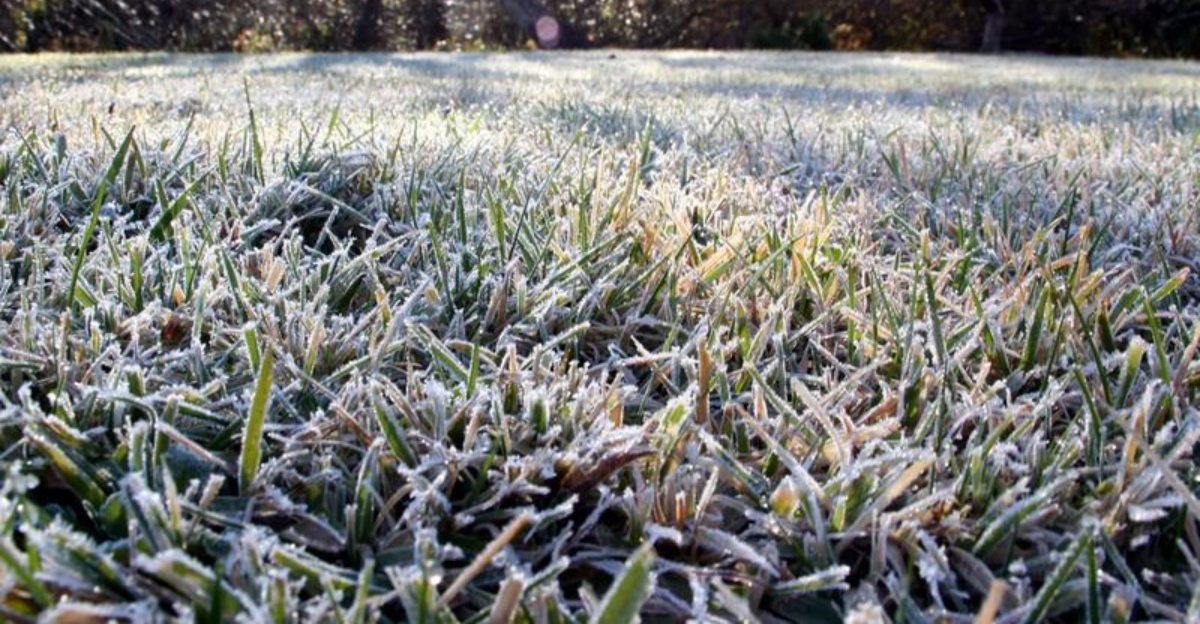
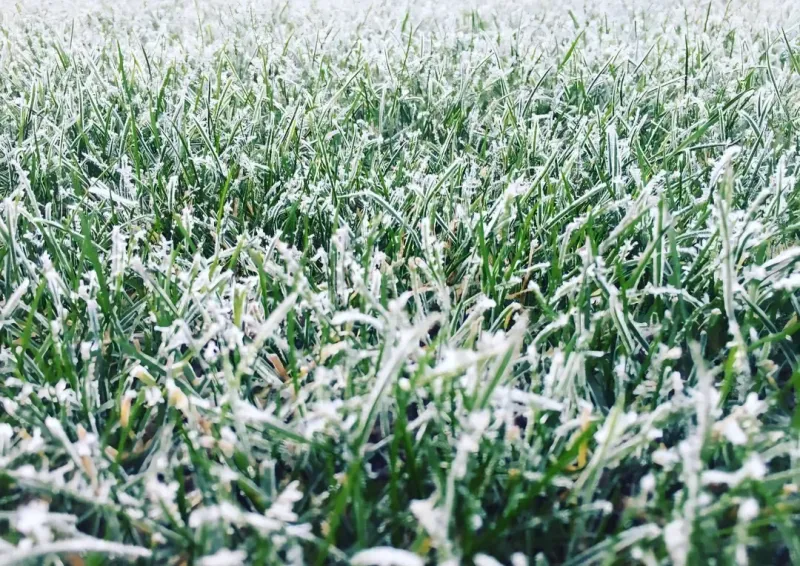
I actually stopped in my tracks the first time I saw those strange little frost swirls stretching across a Vermont lawn like someone had doodled on the grass overnight.
It felt almost playful at first glance, but the more yards I checked, the more I realized everyone around here is spotting the same odd icy shapes popping up before sunrise.
Now I can’t step outside without looking for new patterns forming in the cold, because these Vermont lawns are suddenly putting on a winter show that keeps getting weirder.
1. Underground Utilities Create Heat Signatures
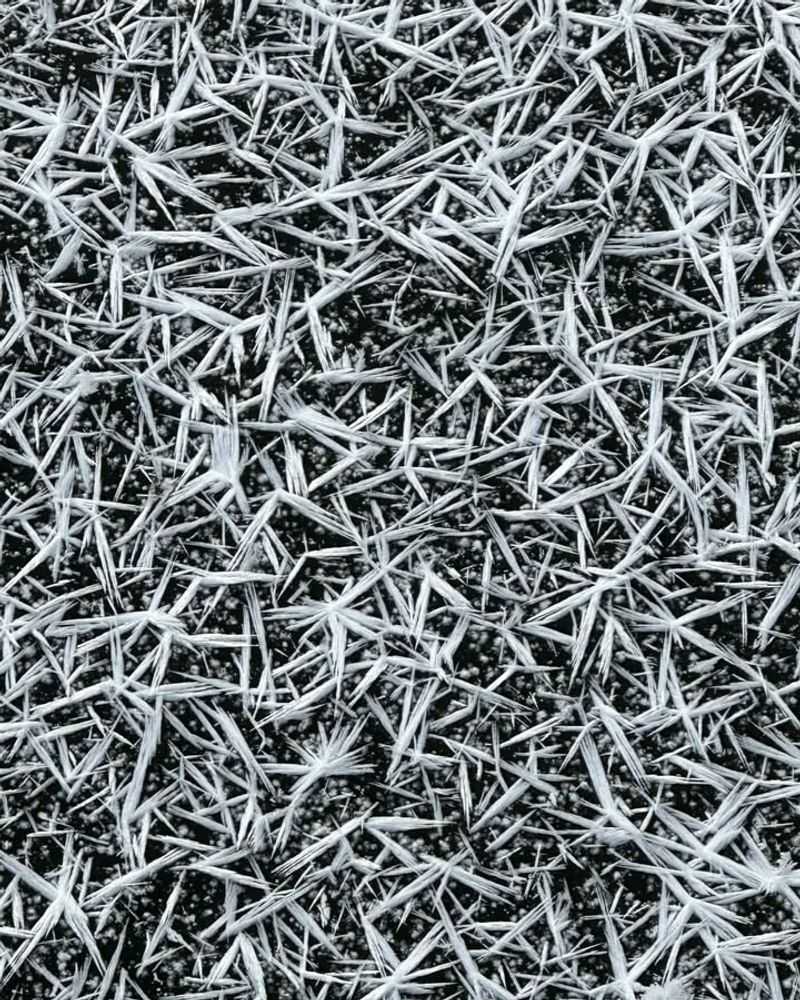
Buried water lines, electrical conduits, and septic systems all radiate warmth that rises through soil layers toward the surface above them.
This gentle heat prevents frost from settling in those specific spots, creating visible lines and shapes that trace your underground infrastructure perfectly.
Vermont winters make this phenomenon especially noticeable because the temperature difference between frozen ground and warmer pipes becomes more dramatic during cold snaps.
Your lawn essentially becomes a thermal map showing exactly where utilities run beneath your property without needing any special equipment or digging.
Homeowners often see straight lines, curves, or rectangular outlines that correspond precisely to their plumbing layout or electrical systems installed years ago.
These patterns become clearer on mornings when temperatures drop just below freezing, making the contrast between frosted and unfrosted grass incredibly sharp and defined.
2. Septic Tank Warmth Leaves Distinctive Marks
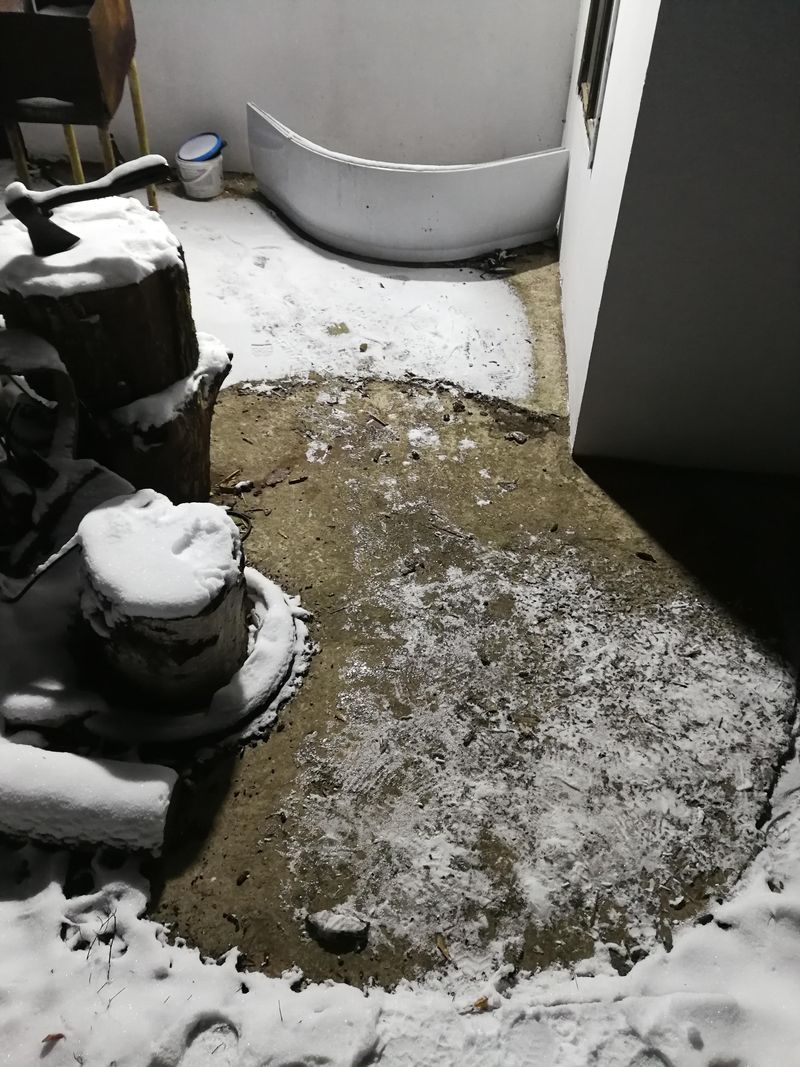
Septic systems generate consistent warmth through natural bacterial activity that breaks down waste materials throughout the year, even during Vermont’s coldest months.
This biological process creates enough heat to keep the ground above your tank several degrees warmer than surrounding soil, preventing frost formation in that area.
Many Vermont residents notice large rectangular or oval patches on their lawns that remain green while everything else turns white with morning frost.
The size and shape of these frost-free zones typically match the dimensions of your septic tank and drain field precisely, making identification quite easy.
During particularly cold stretches, these patches become even more obvious because the temperature contrast increases between active septic areas and frozen surrounding ground.
Understanding this pattern helps homeowners locate their septic systems without professional help, which proves useful for maintenance scheduling and property planning throughout the seasons.
3. Buried Rocks and Stones Affect Frost Formation
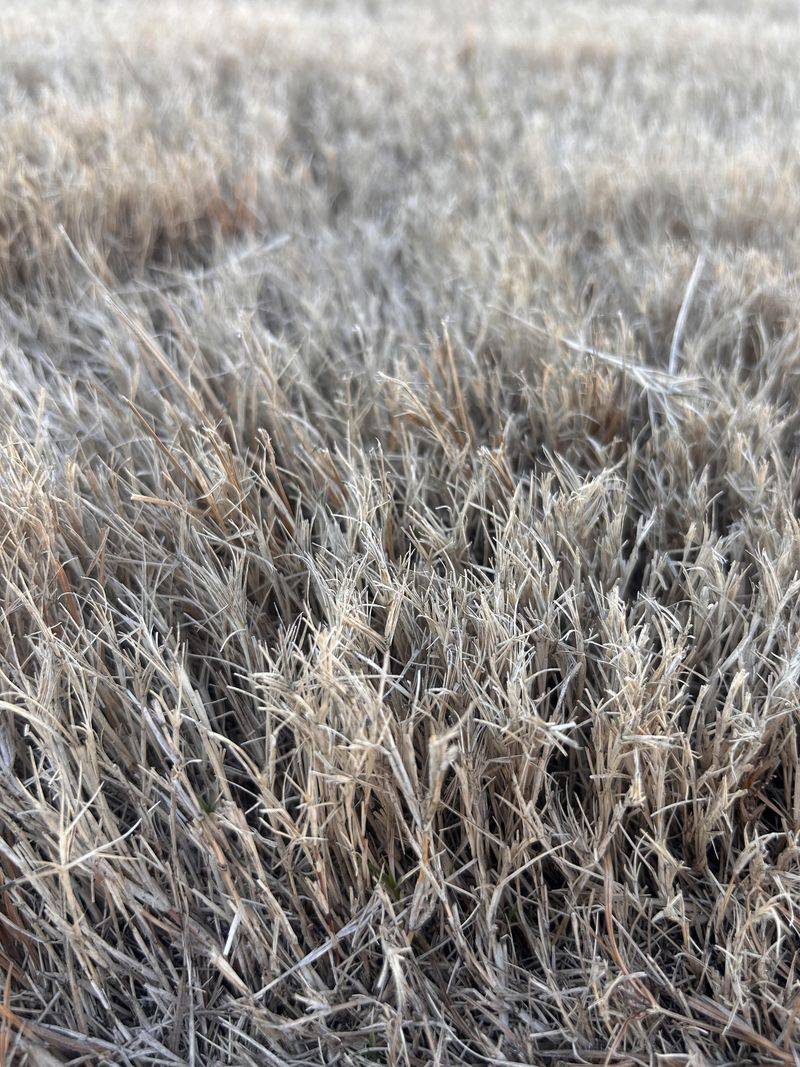
Rocks buried beneath your lawn absorb heat during daylight hours and release that stored thermal energy slowly overnight, creating uneven frost coverage across your yard.
Stone retains temperature differently than soil, which means areas with more underground rocks will show different frost patterns compared to sections with primarily organic material.
Vermont’s rocky terrain means many properties have significant stone deposits just inches below the grass surface, left behind by ancient glaciers thousands of years ago.
These buried stones create seemingly random swirls, patches, and irregular shapes in your frost coverage that change appearance depending on recent weather conditions and sunlight exposure.
Larger rocks hold more heat and create bigger frost-free zones, while smaller pebbles produce tiny speckled patterns that look almost decorative across your lawn.
Homeowners who notice consistent irregular patterns in the same spots year after year can safely assume rocks or stone deposits sit beneath those particular areas.
4. Previous Construction Disturbed Soil Density
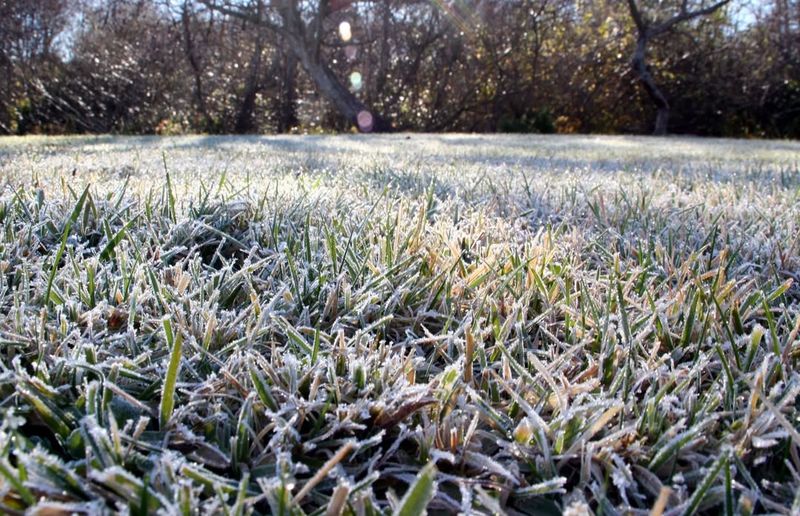
Areas where construction crews dug trenches, installed foundations, or moved earth around will have different soil composition and density compared to undisturbed sections of your property.
Compacted soil holds moisture differently and conducts temperature at varying rates, which directly affects how frost settles and appears on the grass growing above it.
Vermont homeowners who recently completed additions, installed pools, or had major landscaping done often notice new frost patterns that weren’t visible in previous winters.
Disturbed soil takes several years to settle naturally and regain uniform density, so these patterns may persist or gradually change over multiple seasons ahead.
Trenches filled with different soil types create linear frost patterns, while areas with added topsoil might show less frost because looser earth insulates better than packed ground.
Recognizing these construction-related patterns helps property owners understand their landscape history and anticipate where drainage or settling issues might develop over time in their yards.
5. Grass Type Variations Change Frost Appearance
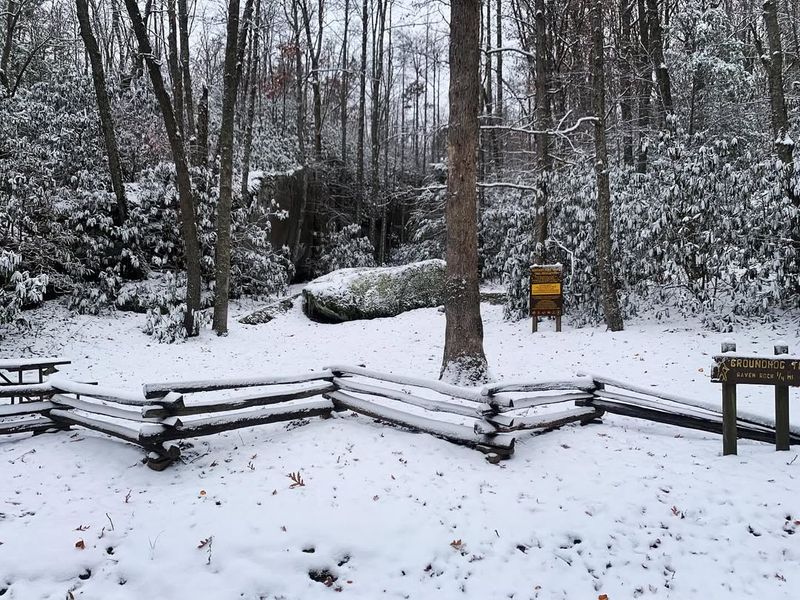
Different grass species have varying blade widths, growth densities, and moisture retention characteristics that all influence how frost crystals form and accumulate on their surfaces.
Fine fescue grasses common in Vermont lawns hold frost differently than Kentucky bluegrass or ryegrass varieties, creating visible boundaries between sections planted with different seed types.
Homeowners who overseeded portions of their lawn or have older established grass mixed with newer growth will see distinct frost pattern differences between these areas.
Thicker grass blades provide more surface area for frost crystals to cling to, while fine-bladed varieties might appear less frosted under identical temperature conditions.
Areas with healthier, denser grass growth often show heavier frost coverage because more leaf surface exists to collect moisture and freeze overnight in cold weather.
Understanding your lawn’s grass composition helps explain why some sections always look frostier than others, even when temperatures drop uniformly across your entire property during Vermont mornings.
6. Shade and Sun Exposure Create Thermal Zones

Trees, buildings, fences, and other structures cast shadows that prevent certain lawn areas from receiving full sunlight throughout the day, creating cooler microclimates in those spots.
Shaded sections of your Vermont yard stay colder longer and collect more frost because they lack the warming effect that direct sunlight provides during afternoon hours.
Morning frost patterns often mirror the exact shadow patterns from the previous afternoon, showing where sunlight reached your grass and where shade kept temperatures lower.
South-facing lawn areas typically warm faster and show less frost, while north-facing sections remain frozen longer because they receive less direct sun exposure year-round.
Seasonal changes affect these patterns dramatically as the sun’s angle shifts, causing frost to appear in different configurations throughout fall, winter, and early spring months.
Homeowners can use these frost patterns as guides for planning garden beds, understanding which areas stay cooler, and deciding where sun-loving or shade-tolerant plants will thrive best.
7. Wind Patterns Distribute Frost Unevenly
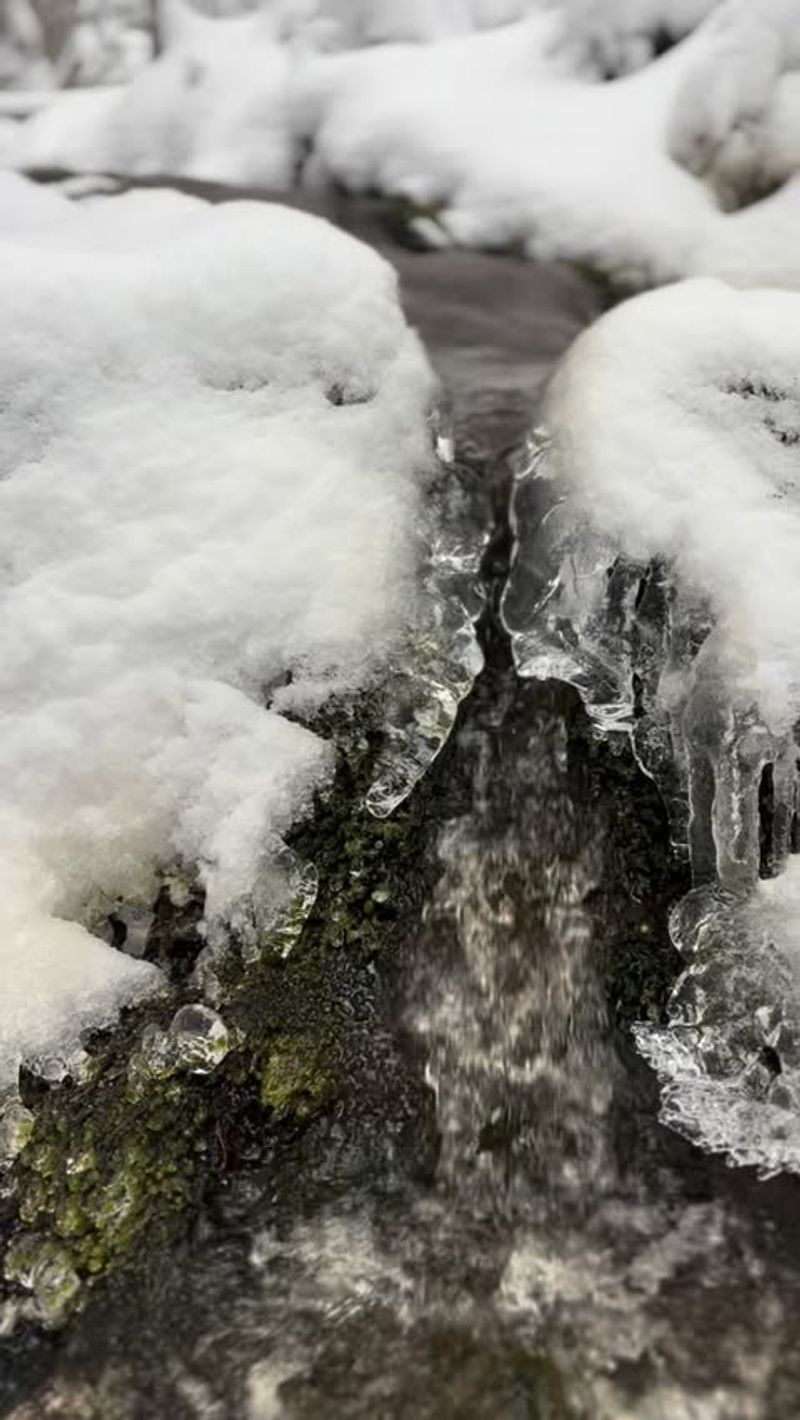
Prevailing winds move moisture-laden air across your property at varying speeds, depositing frost crystals more heavily in sheltered areas while leaving wind-exposed sections relatively clear.
Buildings, hedges, and landscape features create wind breaks that cause air to slow down and drop moisture in specific zones, resulting in concentrated frost patches.
Vermont’s variable terrain means wind flows differently across every property, creating unique frost distribution patterns that homeowners see repeated throughout each cold season with remarkable consistency.
Areas behind your house or garage often show heavier frost because wind slows in those protected spots, allowing more moisture to settle and freeze overnight.
Open lawn sections that face prevailing winds may appear less frosted because moving air prevents moisture from settling long enough to form heavy crystal accumulations.
Observing how wind affects your frost patterns helps you understand your property’s microclimate, which proves valuable for planning windbreaks, protecting sensitive plants, and anticipating where snow will drift later.
8. Soil Moisture Levels Vary Across Your Yard
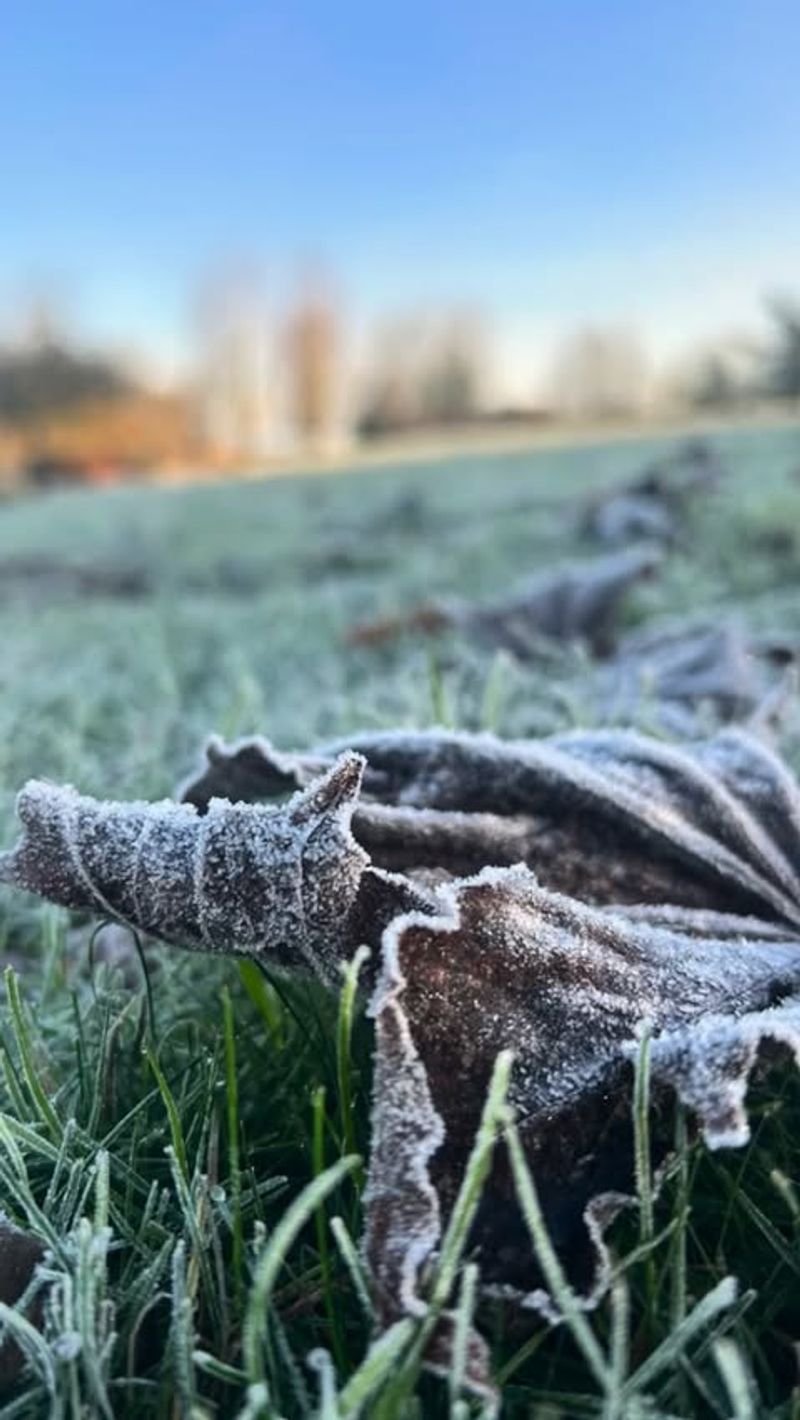
Low spots in your lawn collect more water from rain and snow melt, keeping soil consistently moister than elevated areas that drain quickly after precipitation events.
Wetter soil releases more moisture into the air just above the grass surface, providing abundant water vapor that freezes into frost crystals during cold Vermont nights.
Homeowners often notice heavier frost in depressions, near downspouts, or along natural drainage paths where water accumulates regularly throughout the year before eventually soaking in.
Drier elevated sections of your property have less available moisture to contribute to frost formation, so they appear less frosted even when temperatures drop equally low.
Clay-heavy soil holds moisture longer than sandy soil, creating additional variation in frost patterns based on your property’s specific soil composition and drainage characteristics throughout different zones.
Recognizing these moisture-related frost patterns helps identify potential drainage problems, soggy areas that need attention, and spots where grass might struggle during summer dry spells ahead.
9. Thatch Buildup Insulates Certain Lawn Areas
Thatch consists of accumulated dead grass stems, roots, and organic debris that builds up between living grass blades and the soil surface over time without proper maintenance.
Thick thatch layers act as insulation that traps ground warmth and prevents it from escaping overnight, keeping the grass above slightly warmer and reducing frost formation.
Vermont lawns that haven’t been dethatched recently often show patchy frost patterns where thick thatch sections remain clear while properly maintained areas collect normal frost coverage.
Areas with minimal thatch allow ground heat to escape more easily, making those sections colder and more susceptible to heavy frost accumulation during typical winter mornings.
Homeowners who notice consistent frost-free patches in the same spots year after year should check for excessive thatch buildup, which can cause other lawn health problems.
Understanding how thatch affects frost patterns helps you identify maintenance needs and plan dethatching services that will improve overall grass health and appearance throughout every season ahead.