Researchers Reveal Why North Carolina Hydrangeas Are Shifting Color More Frequently
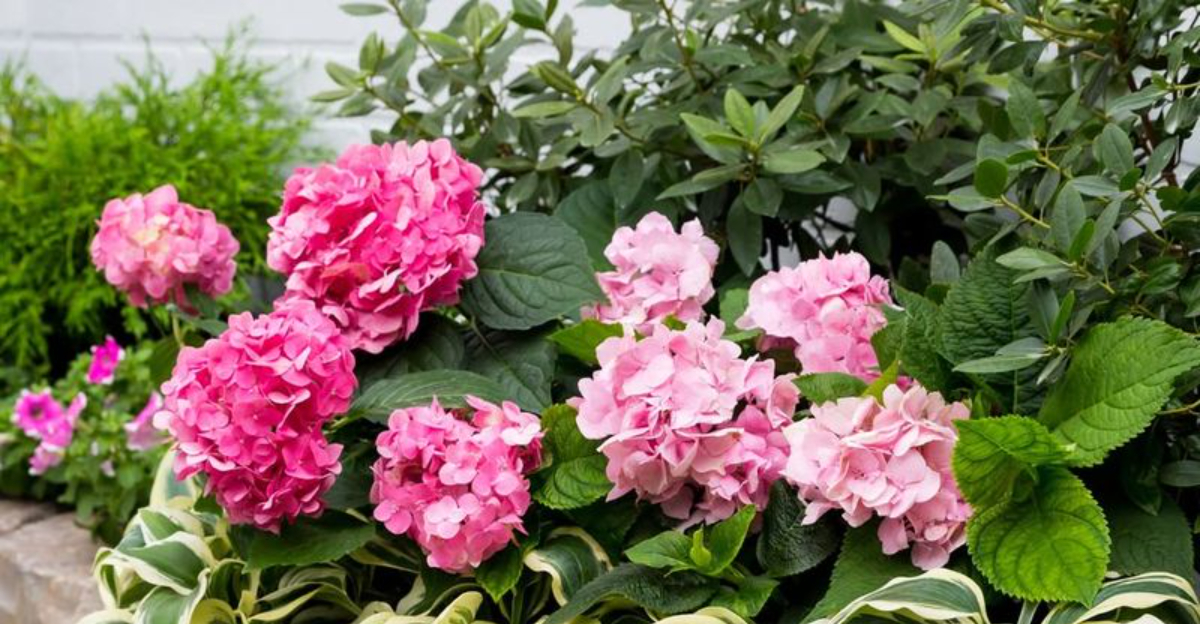
North Carolina gardeners keep noticing their hydrangeas changing color way more often, and it’s turning into one of those moments where you stop in the yard and wonder what’s going on this season.
Some blooms are shifting faster than anyone remembers, and locals are starting to compare notes because it feels like every garden has something new happening right now.
It’s the kind of quiet mystery that makes people look a little closer at their soil and ask if nature is tweaking the rules again.
1. Soil pH Fluctuations Are the Primary Culprit
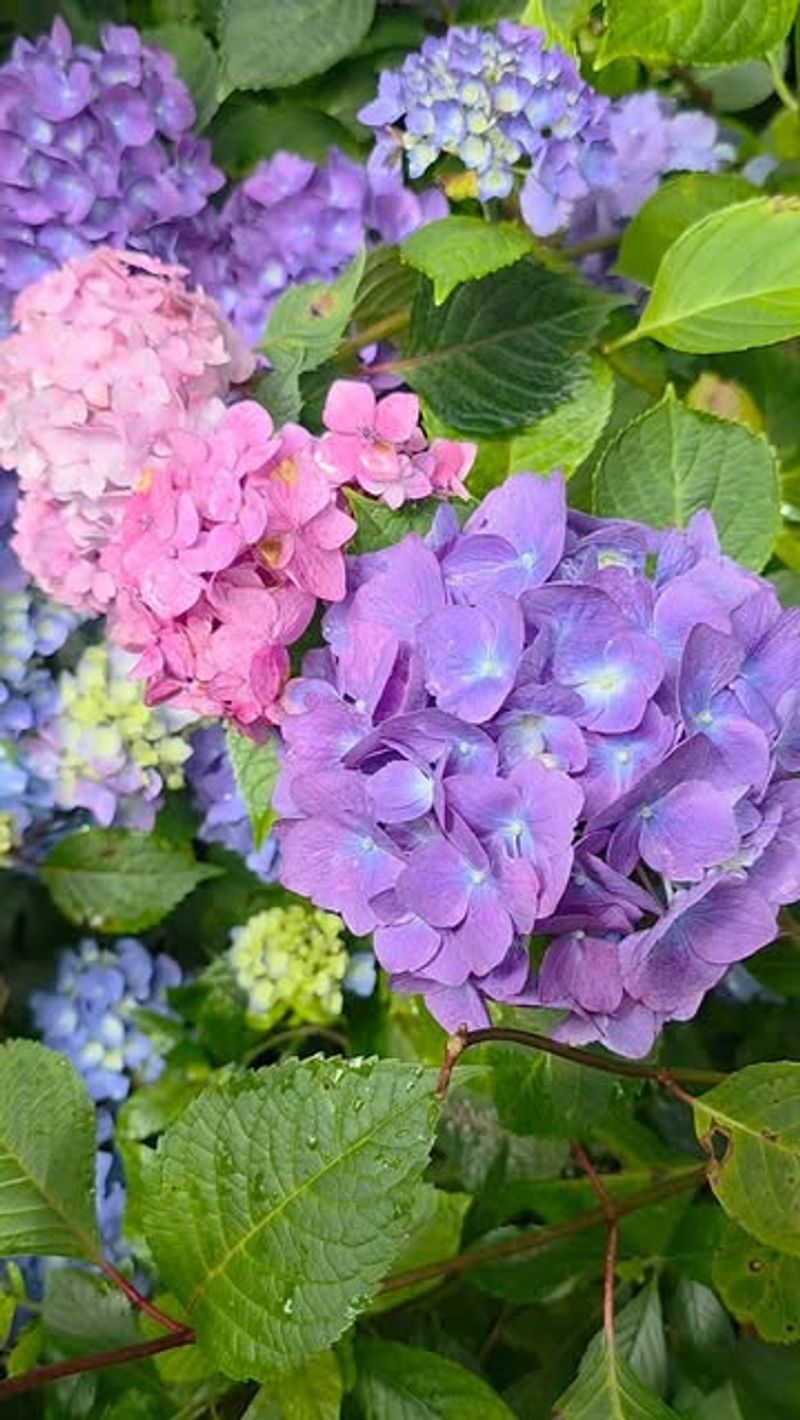
Soil acidity levels have become increasingly unstable across North Carolina gardens, causing hydrangeas to switch colors more dramatically than ever before.
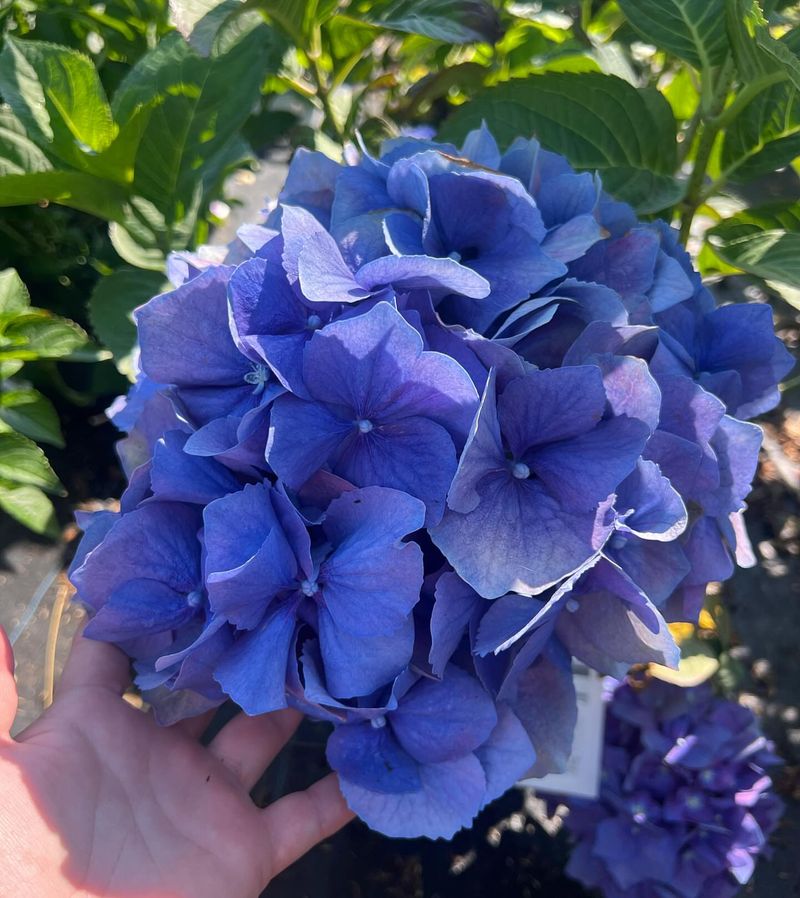
When soil pH drops below six, the ground becomes acidic and hydrangeas turn blue or purple shades that really stand out.
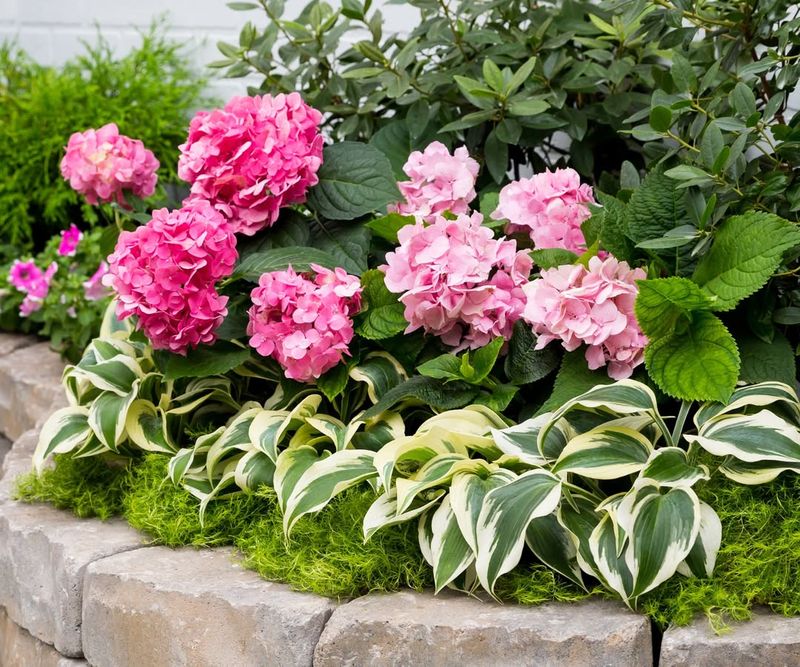
Alkaline soil with pH above seven makes the same flowers bloom in pink or red tones instead, creating a completely different look.
Recent weather patterns in North Carolina have caused soil pH to swing back and forth between acidic and alkaline conditions throughout growing seasons.
Heavy rainfall washes away minerals that keep soil stable, while drought periods concentrate different chemicals that shift pH levels dramatically.
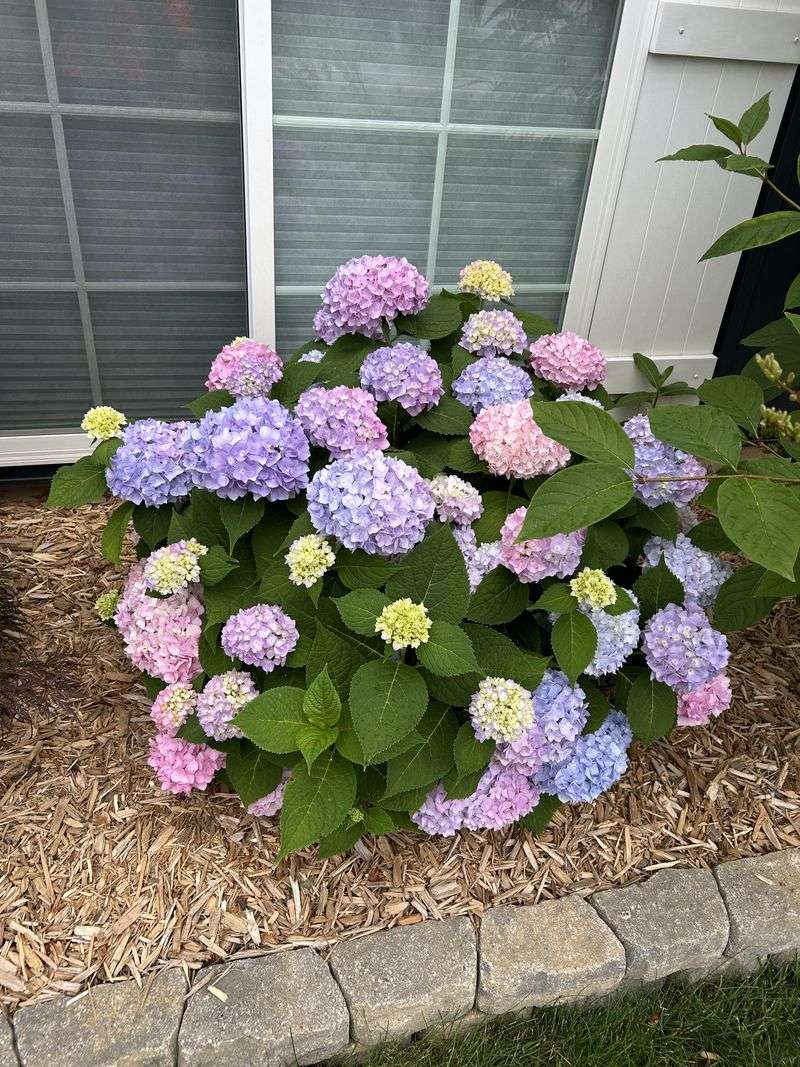
Gardeners notice their hydrangeas changing from pink to blue or vice versa within a single season because of these unpredictable soil chemistry changes.
Testing your soil regularly helps you understand what’s happening beneath the surface and why your flowers keep surprising you with new colors.
2. Climate Change Is Altering Rainfall Patterns
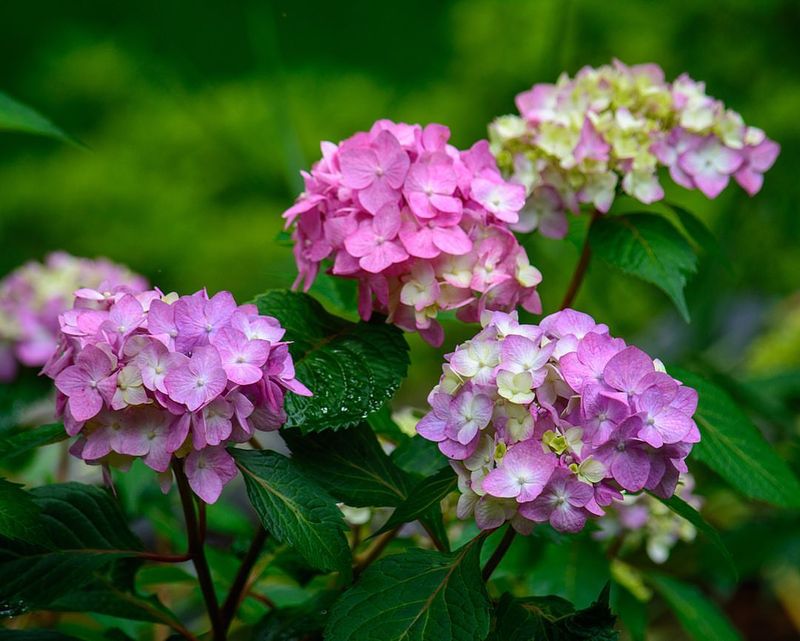
Unpredictable weather has become the new normal across North Carolina, bringing intense rainstorms followed by surprisingly long dry spells that affect plants deeply.
Hydrangeas need consistent moisture to maintain stable colors, but erratic precipitation makes this balance nearly impossible to achieve naturally in modern gardens.
Excessive rain leaches aluminum from soil, which is the key element that gives hydrangeas their brilliant blue coloring when absorbed by roots.
During drought periods, minerals become concentrated in smaller amounts of soil moisture, potentially pushing hydrangeas toward pinker shades as chemistry shifts dramatically.
North Carolina has experienced more extreme weather events recently, with some months bringing triple the normal rainfall and others barely any moisture.
These wild swings create perfect conditions for hydrangea color changes because the plants respond quickly to environmental shifts in their root zones.
Understanding these climate patterns helps explain why your grandmother’s hydrangeas stayed one color for decades while yours seem to change annually now.
3. Aluminum Availability Determines Blue Coloring
Aluminum naturally exists in most soils, but hydrangeas can only absorb it when specific conditions align perfectly in the ground around their roots.
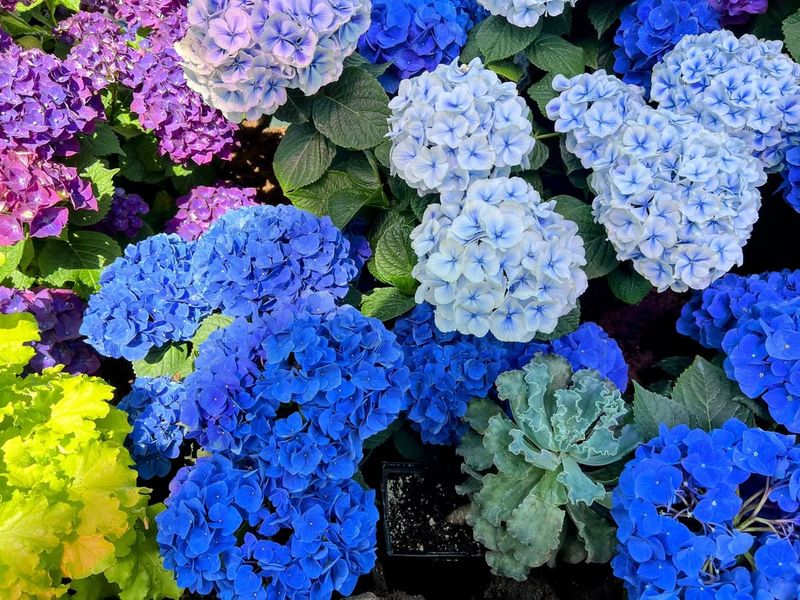
Blue hydrangeas get their stunning color from aluminum compounds that travel through the plant and accumulate in flower petals as they develop each spring.
Acidic soil unlocks aluminum, making it available for plant roots to take up, while alkaline soil locks it away where roots cannot reach it.
North Carolina soils vary widely across different regions, with some areas naturally aluminum-rich and others containing very little of this important element for coloring.
Your North Carolina Garden Changes Every Week. Your Plan Should Too.
Gardening in North Carolina changes quickly throughout the season. Every Friday you’ll receive a simple weekly plan showing exactly what to plant, prune, fertilize, harvest, and protect so you never miss the right timing.
Recent construction and landscaping activities have mixed soil layers, sometimes exposing aluminum-poor subsoil that changes how hydrangeas access this critical mineral for blue blooms.
Gardeners can add aluminum sulfate to their soil if they want blue flowers, but the results only last as long as conditions remain stable.
Fluctuating aluminum availability explains why some North Carolina hydrangeas alternate between blue and pink seemingly without any intervention from confused gardeners.
4. Fertilizer Use Is More Common Than Before
Modern homeowners use lawn and garden fertilizers much more frequently than previous generations did, often without realizing how these products affect nearby hydrangeas.
Many fertilizers contain phosphorus and other minerals that raise soil pH, pushing it toward alkaline conditions that favor pink and red hydrangea blooms.
When neighbors fertilize their lawns regularly, runoff can seep into adjacent garden beds where hydrangeas grow, altering soil chemistry without the gardener’s knowledge.
North Carolina’s suburban developments often feature small yards where fertilizer drift and runoff easily travel between properties, affecting everyone’s plants in the neighborhood.
Even organic fertilizers can shift pH levels depending on their composition, so switching between different products throughout the year creates unstable soil conditions.
Hydrangeas are particularly sensitive to these chemical changes, responding within weeks by shifting their flower colors to reflect the new soil environment they’re growing in.
Keeping track of what you apply to your entire yard, not just around hydrangeas, helps prevent unexpected color changes that puzzle gardeners.
5. Urban Development Changes Soil Composition
Construction projects throughout North Carolina have boomed in recent years, bringing bulldozers and excavators that dramatically alter natural soil layers in developing neighborhoods.
Building homes and roads often involves moving subsoil to the surface, mixing clay with topsoil, or importing fill dirt from other locations entirely.
These disruptions change the chemical makeup of ground where hydrangeas grow, introducing different minerals and pH levels than what existed before development began.
Concrete dust and limestone from construction materials can make soil more alkaline, shifting hydrangeas toward pink colors even in areas that historically produced blues.
North Carolina’s rapid growth means more gardens are established in disturbed soil that hasn’t stabilized yet, leading to unpredictable plant behavior for several years.
Older neighborhoods with mature, undisturbed soil tend to have hydrangeas that maintain consistent colors, while newer subdivisions see more frequent color changes annually.
Allowing soil to settle for a few seasons and amending it properly helps stabilize conditions so hydrangeas can eventually maintain more consistent coloring.
6. Watering Habits Influence Mineral Uptake
How often and how much you water directly affects which minerals your hydrangeas can absorb from the soil around their extensive root systems.
Frequent light watering keeps minerals near the soil surface where they can concentrate, while deep soaking pushes nutrients down below where roots actively feed.
North Carolina summers can be brutal, tempting gardeners to water daily, but this practice can actually leach away aluminum and other color-affecting minerals quickly.
Inconsistent watering creates cycles where minerals become available and then wash away, causing hydrangeas to shift colors as their nutrient intake changes week by week.
Municipal water supplies often contain minerals that gradually alter soil pH over time, especially in areas where water is naturally hard or treated heavily.
Rainwater is naturally more acidic than tap water, so gardens that rely on rainfall during wet periods may experience different pH levels than irrigated ones.
Establishing a consistent watering routine that delivers deep moisture less frequently helps maintain stable soil conditions that keep hydrangea colors more predictable throughout seasons.
7. Mulch Decomposition Affects Acidity Levels
Organic mulches break down gradually, releasing acids and other compounds into the soil that can significantly shift pH over months and years of decomposition.
Pine needles and oak leaves create acidic conditions as they decay, potentially pushing hydrangeas toward blue shades if applied heavily around plant bases.
Hardwood mulches decompose more neutrally but still affect soil chemistry differently depending on the tree species they came from and their processing method.
North Carolina gardeners often change mulch types based on availability or preference, inadvertently creating pH swings that confuse their hydrangeas about what color to bloom.
Fresh mulch affects soil differently than aged mulch, with newer material sometimes tying up nitrogen and altering how plants access other important minerals.
Mulch depth matters too, with thick layers creating more dramatic pH changes than thin applications that break down quickly without building up acidity.
Choosing one mulch type and sticking with it helps create stable conditions, while frequently switching materials almost guarantees your hydrangeas will change colors unpredictably.
8. Root Competition From Nearby Plants
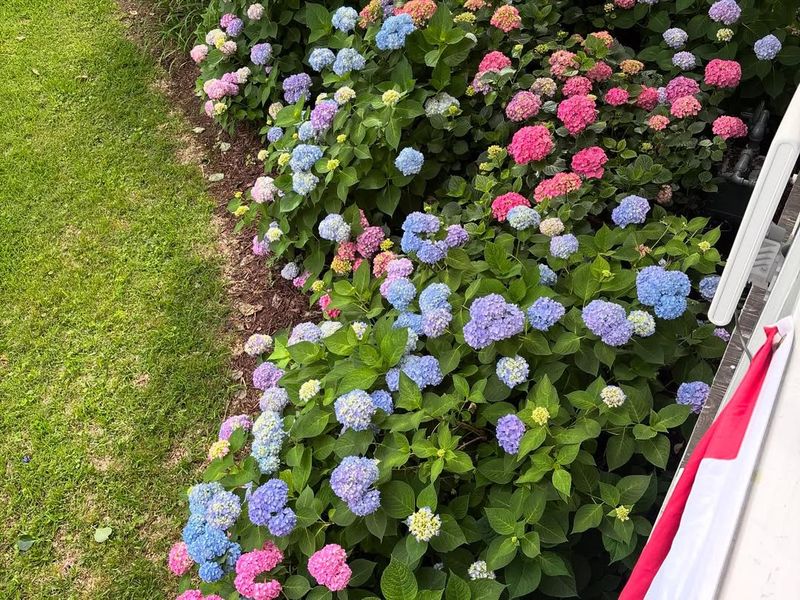
Gardens are ecosystems where plant roots constantly compete for water, nutrients, and space, creating dynamic conditions that affect how hydrangeas access color-determining minerals.
Trees with aggressive root systems can alter soil pH in their vicinity as they draw up specific minerals, leaving different chemical balances for nearby shrubs.
When new plants get added to established gardens, they change the underground competition, potentially limiting what hydrangeas can absorb from surrounding soil.
North Carolina gardeners love diverse plantings, but cramming too many species together creates unstable conditions where soil chemistry shifts as different plants dominate seasonally.
Acid-loving plants like azaleas and blueberries actively acidify their root zones, which can benefit nearby hydrangeas by promoting blue colors if they’re close enough.
Conversely, plants that prefer alkaline conditions may raise pH in shared soil areas, pushing hydrangeas toward pink regardless of what gardeners intended for color.
Giving hydrangeas adequate space and choosing compatible companion plants helps maintain the specific soil conditions needed for consistent coloring year after year in gardens.
9. Seasonal Temperature Swings Create Stress
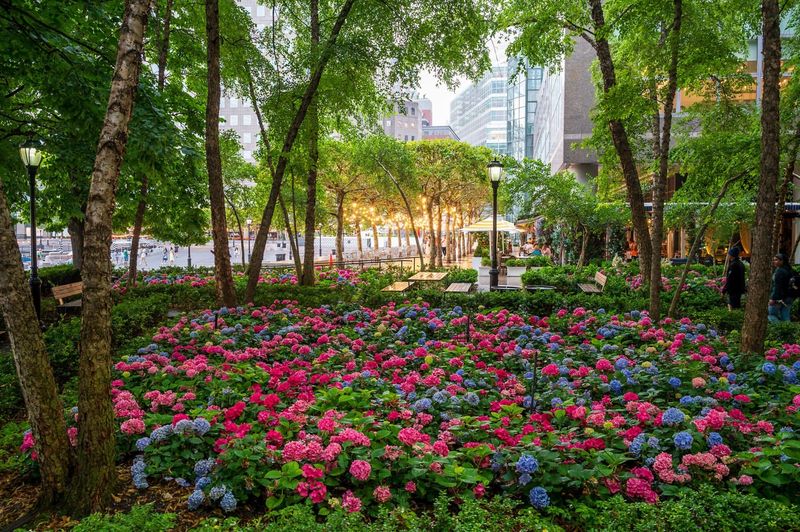
Temperature extremes don’t directly change hydrangea colors, but they stress plants in ways that affect how efficiently roots absorb minerals from surrounding soil.
Unusually warm winters followed by late spring freezes have become more common in North Carolina, disrupting normal plant cycles and mineral uptake patterns.
Cold stress can damage root hairs that absorb nutrients, temporarily limiting how much aluminum and other minerals reach developing flower buds in early spring.
Hot summers cause plants to focus energy on survival rather than optimal nutrient processing, potentially affecting color intensity and stability in blooms that season.
North Carolina’s position means gardens experience both northern cold snaps and southern heat waves, creating unpredictable stress that affects plant chemistry and coloring.
Stressed hydrangeas may produce flowers with inconsistent colors or unusual patterns as different parts of the plant access varying amounts of color-determining minerals.
Protecting plants during extreme weather with mulch, shade cloth, or windbreaks helps reduce stress so they can maintain more consistent mineral uptake and coloring.
10. Genetic Variety Determines Color Flexibility
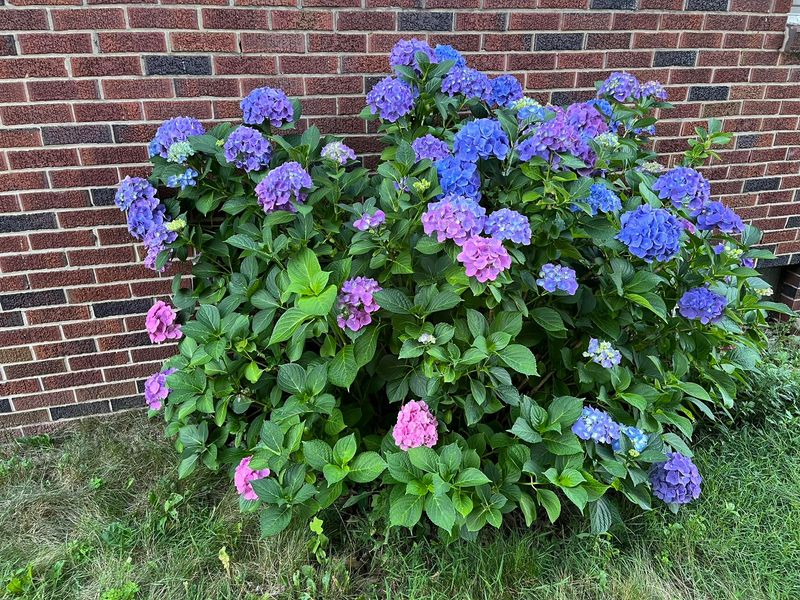
Not all hydrangeas respond equally to soil conditions, with some varieties programmed genetically to stay one color regardless of what’s happening underground.
Bigleaf hydrangeas are the most responsive to pH changes, readily shifting between blue and pink, which is why they’re the ones confusing gardeners most.
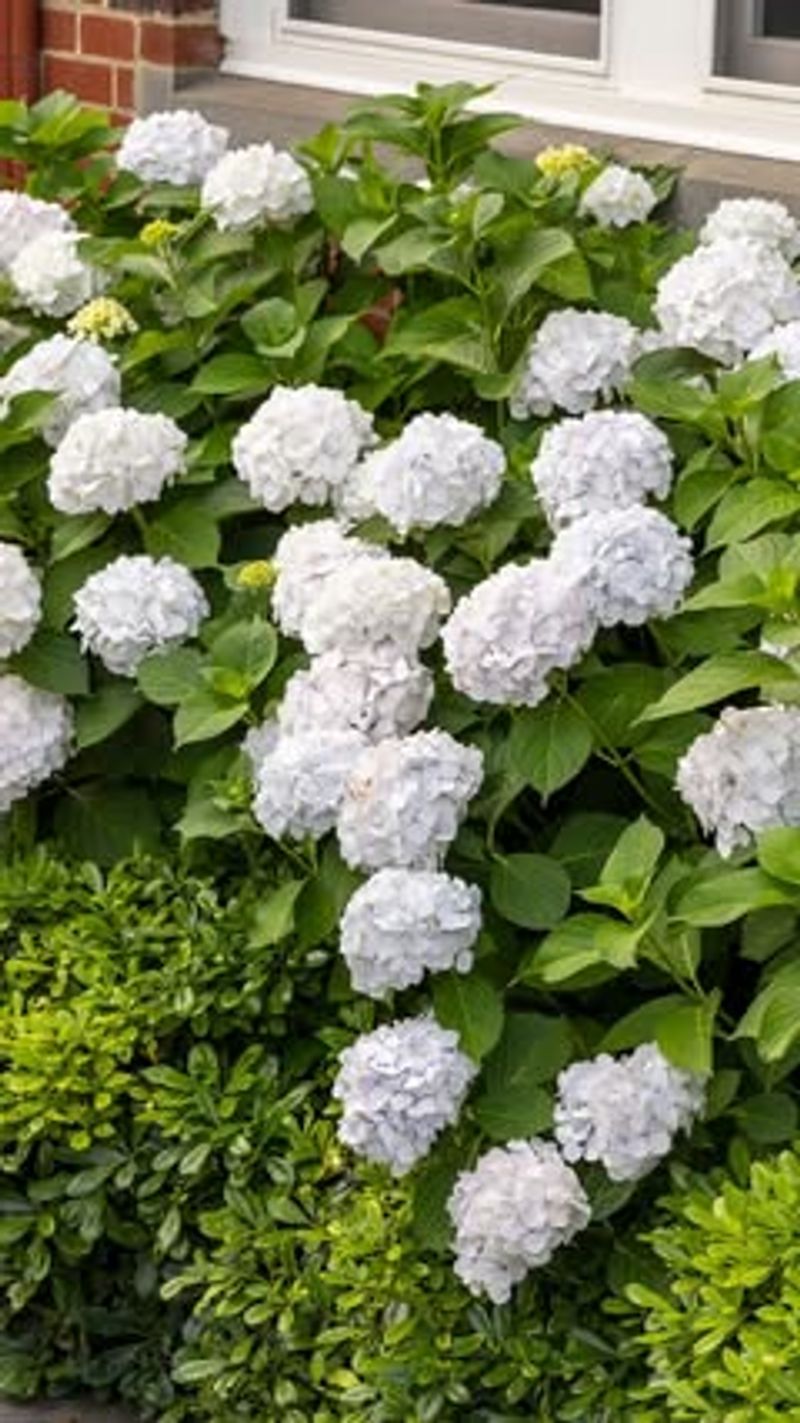
Panicle and smooth hydrangeas typically bloom white or cream regardless of soil chemistry, so they won’t participate in the colorful changes happening to their cousins.
North Carolina nurseries stock many hydrangea varieties, and gardeners sometimes don’t realize which types they’ve planted until unexpected color changes happen or don’t happen.
Some newer cultivars have been bred for stable colors, staying pink or blue through genetic traits rather than soil chemistry, offering predictability for frustrated gardeners.
Older heirloom varieties tend to be more sensitive to environmental conditions, making them more likely to surprise owners with dramatic color shifts between seasons.
Knowing your specific hydrangea variety helps set realistic expectations about whether you’ll see color changes and how much control you actually have over bloom shades.