This Winter-Active Pest Is Now Impacting Oklahoma Gardens
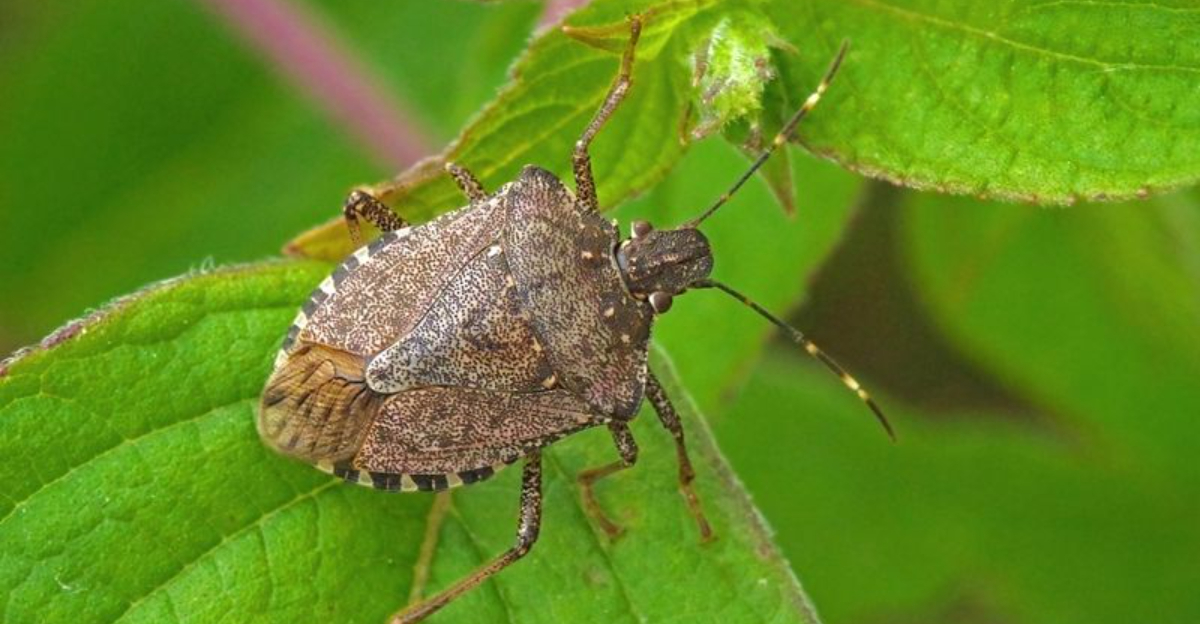
I nearly jumped out of my boots the first time I spotted a stink bug waddling across my frosty Oklahoma garden bed like it owned the whole place.
It’s wild how this little troublemaker stays active even in the cold here, popping up on leaves and windows just when you think everything should finally be calm outside.
Now I keep catching them sneaking around my Oklahoma yard, acting like winter is their personal vacation season.
1. Brown Marmorated Stink Bugs Are the Main Culprits
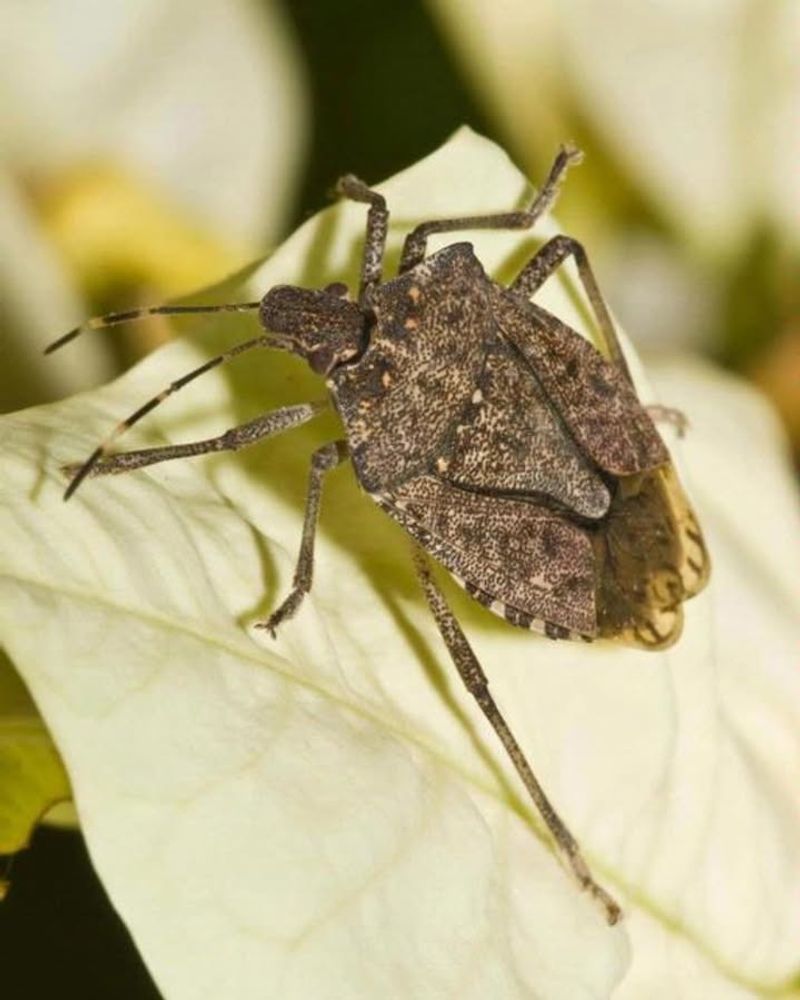
Brown marmorated stink bugs originally came from Asia but have spread across the United States, including Oklahoma, where they have become a serious problem for gardeners and homeowners alike.
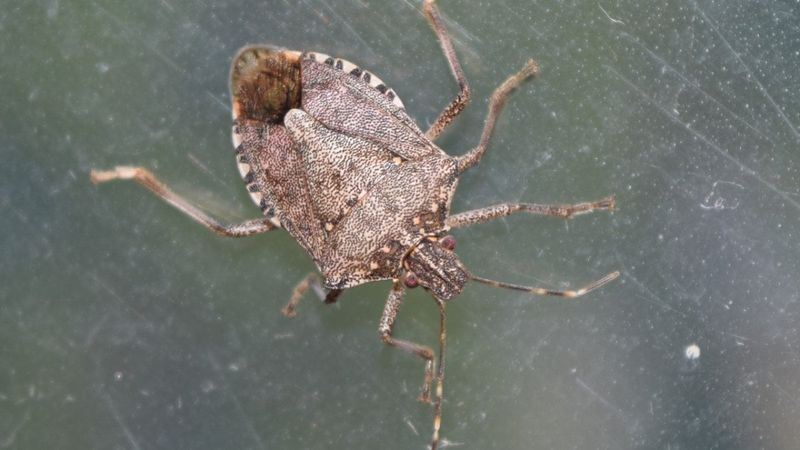
These insects have a distinctive shield shape and measure about three-quarters of an inch long, with mottled brown coloring that helps them blend into tree bark and garden plants.
Unlike native stink bug species, brown marmorated stink bugs have few natural predators in Oklahoma, which allows their populations to grow rapidly and cause more damage each year.
They feed by piercing plant tissue with their needle-like mouthparts and sucking out the juices, leaving behind damaged fruits, vegetables, and ornamental plants that gardeners work hard to maintain.
Gardeners across Oklahoma have reported increased sightings of these pests, especially as temperatures begin to cool and the bugs search for warm places to spend the winter months.
Recognizing this specific species is important because it behaves differently than other stink bugs and requires targeted management strategies to control effectively in your garden and home.
2. Winter Activity Sets Them Apart from Other Pests
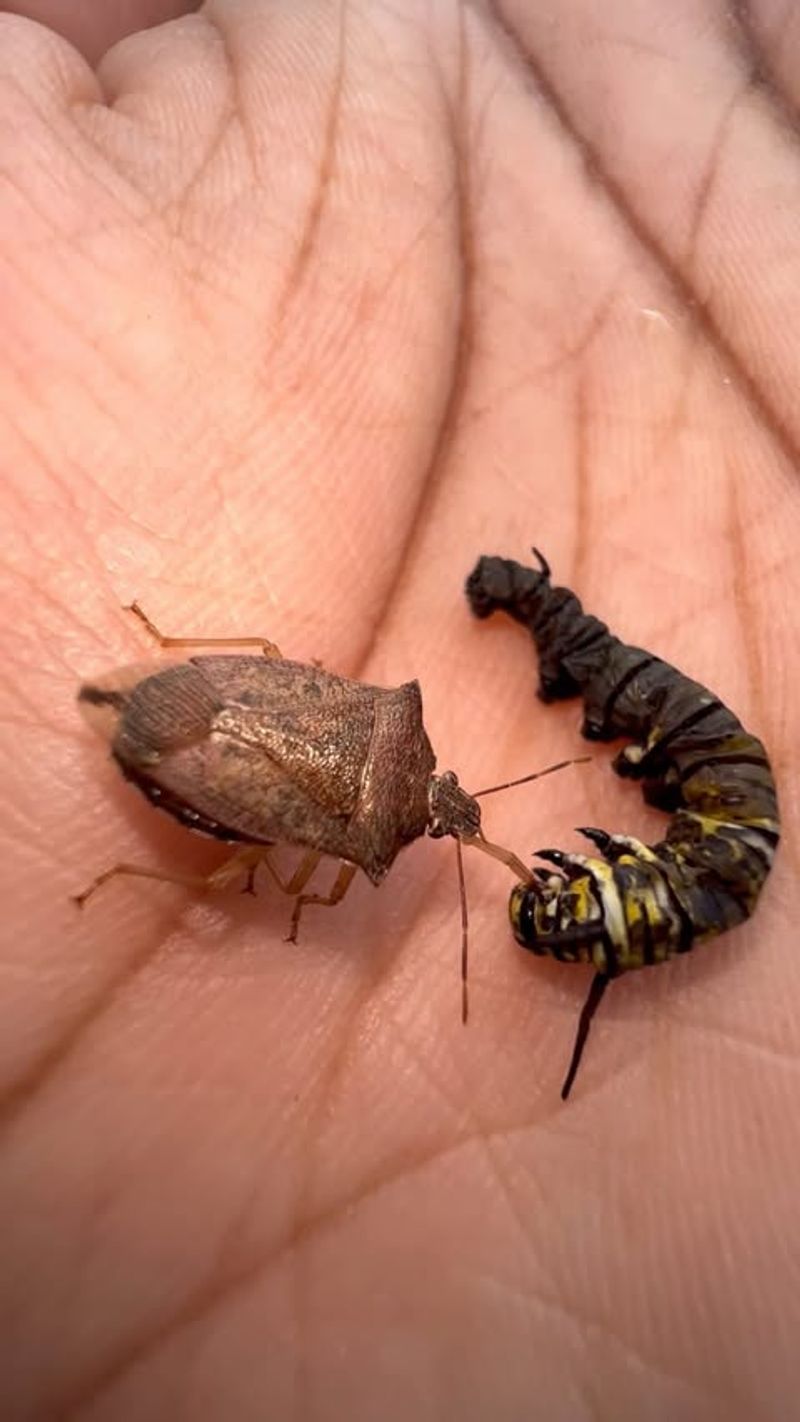
Most garden insects become inactive or hibernate when cold weather arrives, but stink bugs break this pattern by remaining active throughout the winter months in Oklahoma.
As temperatures drop in autumn, stink bugs begin searching for warm, protected places to overwinter, which often leads them directly into homes, garages, and garden sheds across the state.
They can squeeze through surprisingly small cracks and gaps around windows, doors, vents, and siding, making it easy for large numbers to invade buildings without homeowners noticing right away.
Once inside Oklahoma homes, stink bugs enter a state called diapause, which is similar to hibernation but allows them to become active again on warm winter days.
During mild winter periods, you might notice stink bugs crawling around inside your house or even flying near windows as they respond to the warmer indoor temperatures.
This winter activity makes stink bugs particularly frustrating because they cause problems year-round rather than disappearing completely during the cold season like most other garden pests do regularly.
3. They Damage a Wide Variety of Garden Plants
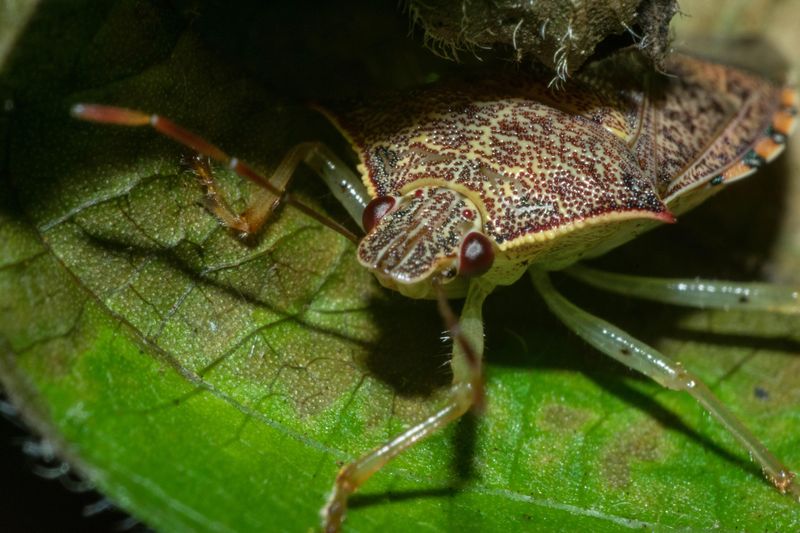
Stink bugs are not picky eaters, which makes them especially troublesome for Oklahoma gardeners who grow different types of vegetables, fruits, and ornamental plants in their yards.
These pests feed on tomatoes, peppers, beans, okra, squash, and many other popular garden vegetables, causing scarring, discoloration, and deformed growth that ruins the harvest.
Fruit trees like peaches, apples, and pears also suffer from stink bug damage, with feeding sites creating corky, dimpled areas on the fruit that make it unappetizing and unsellable.
Your Oklahoma Garden Changes Every Week. Your Plan Should Too.
Gardening in Oklahoma changes quickly throughout the season. Every Friday you’ll receive a simple weekly plan showing exactly what to plant, prune, fertilize, harvest, and protect so you never miss the right timing.
Ornamental plants including roses, hibiscus, and butterfly bushes can show wilting, yellowing leaves, and stunted growth when stink bugs feed on their tender new shoots and developing buds.
The damage occurs because stink bugs inject enzymes into plant tissue while feeding, which breaks down cells and causes tissue death around the feeding site over time.
Oklahoma gardeners need to monitor all their plants regularly during late summer and fall when stink bug populations reach their peak and feeding damage becomes most severe and noticeable.
4. Their Defensive Odor Is Truly Unpleasant
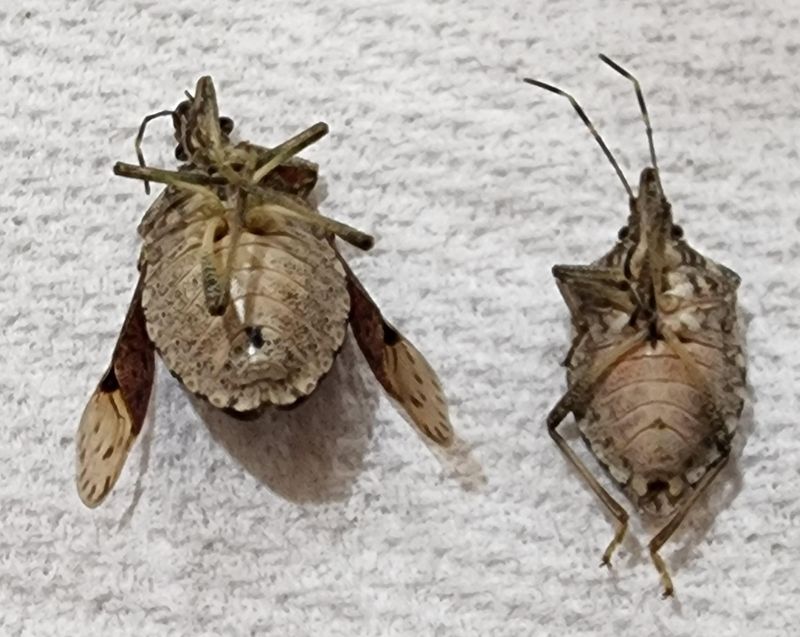
Stink bugs earned their name from the powerful, unpleasant odor they release when threatened, crushed, or disturbed, which serves as their primary defense mechanism against predators.
The smell has been described as similar to cilantro, burnt rubber, or rotten almonds, and it can linger in your home for hours if you accidentally squash one indoors.
This defensive chemical comes from glands located on the underside of the stink bug’s body and can be released in large quantities when the insect feels threatened.
Oklahoma homeowners often make the mistake of vacuuming up stink bugs, which spreads the smell throughout the vacuum cleaner and makes it smell terrible for weeks afterward.
The odor can also transfer to your hands, clothing, and furniture if you handle stink bugs directly or crush them against surfaces while trying to remove them.
Avoiding contact with stink bugs and using gentle removal methods prevents the smell from becoming a problem in your Oklahoma home and keeps your living spaces fresh and comfortable.
5. Prevention Starts with Sealing Your Home
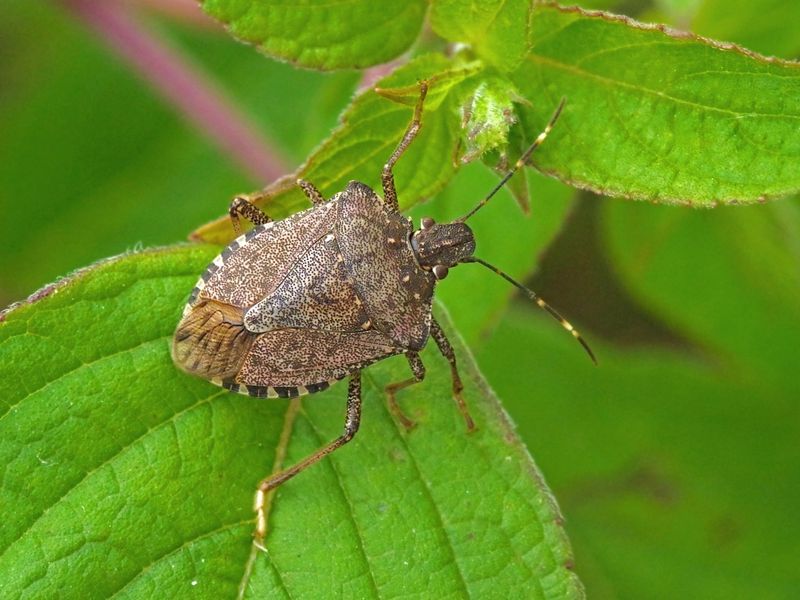
Keeping stink bugs out of your Oklahoma home requires careful inspection and sealing of all potential entry points before the insects begin seeking winter shelter in autumn.
Check around windows and doors for gaps, worn weatherstripping, and damaged screens that could allow stink bugs to squeeze through even the smallest openings.
Seal cracks in your home’s foundation, siding, and around utility pipes and cables using caulk or expandable foam to block access points that insects commonly use.
Install door sweeps on exterior doors and repair any torn window screens to create a physical barrier that prevents stink bugs from entering your living spaces.
Pay special attention to attics, crawl spaces, and basements, which are favorite overwintering spots for stink bugs because they offer protection from harsh weather conditions.
Oklahoma homeowners who complete these preventive steps in late summer or early fall, before stink bug populations peak, have much better success keeping their homes bug-free throughout the winter season.
6. Physical Removal Is Safer Than Squashing
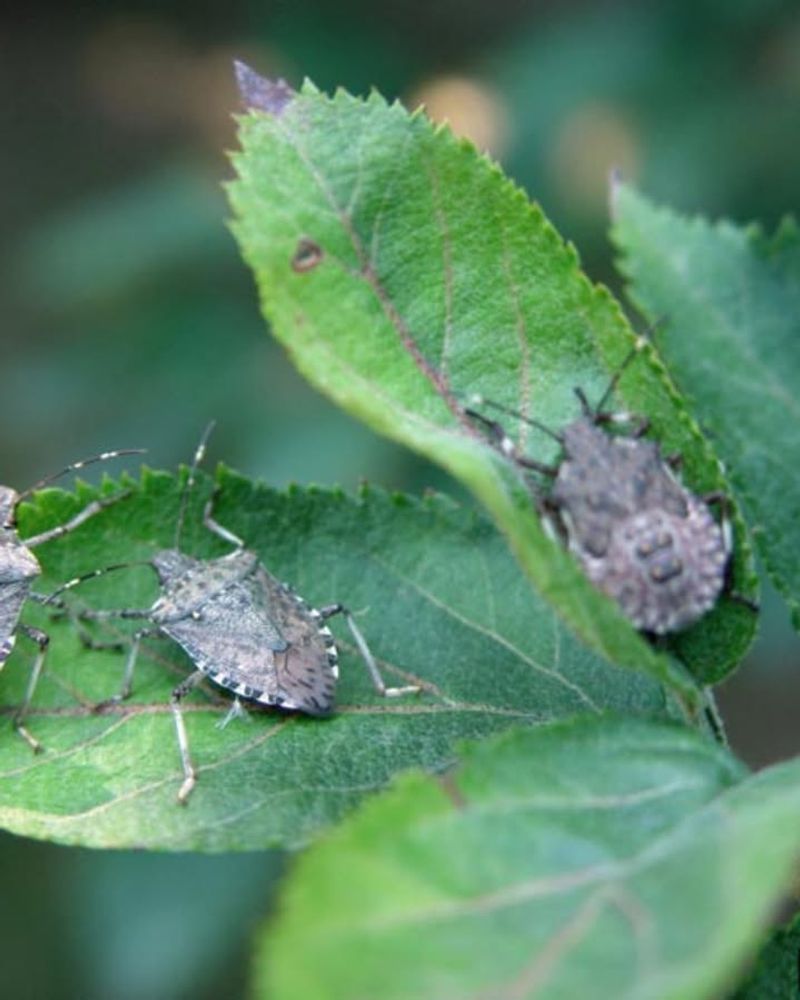
When you find stink bugs inside your Oklahoma home, the best removal method involves gently capturing them without crushing or harming them to avoid releasing their defensive odor.
Use a piece of paper or cardboard to scoop up the bug, then quickly deposit it into a container of soapy water, which prevents escape and avoids the smell.
A handheld vacuum with a disposable bag can also work well, but you must remove and seal the bag immediately after use to prevent odor from spreading through your home.
Some Oklahoma residents create simple stink bug traps using a desk lamp positioned over a shallow pan of soapy water, which attracts and captures the bugs overnight.
Avoid using your hands directly, as the oils from stink bugs can transfer to your skin and cause irritation or leave behind an unpleasant smell that is difficult to wash away.
Regular removal of any stink bugs you find indoors during winter prevents them from reproducing inside your home and reduces the population that will emerge in spring to invade Oklahoma gardens again.
7. Garden Barriers and Row Covers Offer Protection
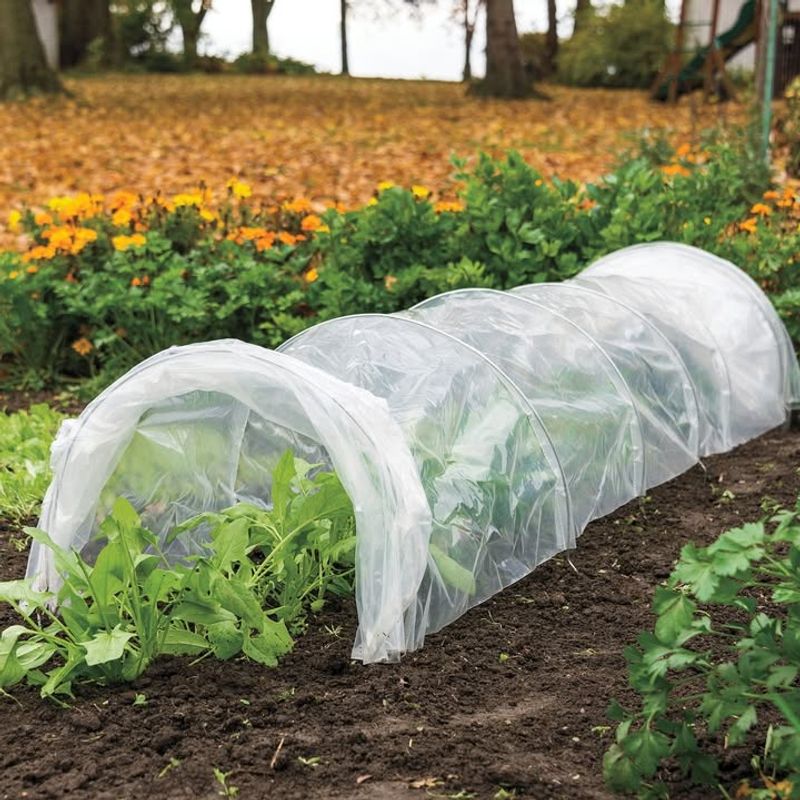
Physical barriers provide excellent protection for Oklahoma gardens by creating a shield between your plants and hungry stink bugs searching for food during their active feeding periods.
Lightweight row covers made from breathable fabric can be draped over vegetable beds and secured with stakes or weights, blocking stink bugs while still allowing sunlight and water to reach plants.
These covers work especially well for protecting ripening tomatoes, peppers, and other vulnerable crops during late summer and fall when stink bug populations reach their highest numbers.
Fine mesh netting around fruit trees creates a barrier that prevents stink bugs from reaching developing fruit while still permitting pollinators to access blossoms during the spring flowering period.
Oklahoma gardeners should install barriers before stink bug activity peaks, usually in August and September, to prevent damage rather than trying to fix problems after they have already occurred.
Remember to check under covers regularly for any bugs that might have gotten trapped inside, and remove barriers periodically to allow for plant maintenance and proper air circulation around your crops.
8. Natural Predators Provide Some Control
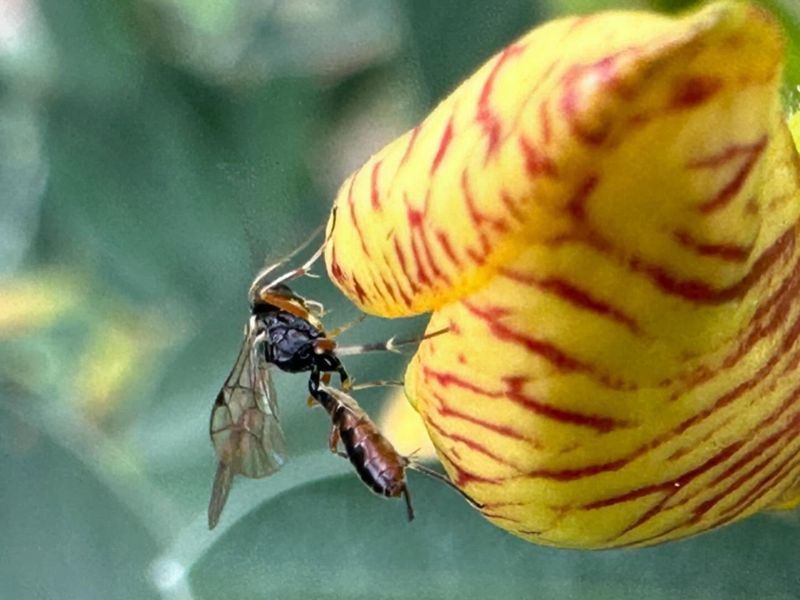
Encouraging beneficial insects and other natural predators in your Oklahoma garden creates a biological control system that helps manage stink bug populations without using harsh chemicals.
Parasitic wasps, particularly species from the Trissolcus genus, lay their eggs inside stink bug eggs, preventing the next generation of pests from hatching and reducing future populations significantly.
Birds like bluebirds, wrens, and catbirds will feed on stink bugs when other food sources become scarce, providing additional natural control throughout the year in Oklahoma gardens.
Spiders, assassin bugs, and praying mantises also prey on stink bugs, making them valuable allies in your garden’s ecosystem and worth protecting rather than removing from your property.
Planting native flowers and providing water sources attracts these beneficial creatures to your Oklahoma garden and encourages them to stay and hunt for pests throughout the growing season.
While natural predators alone cannot eliminate a large stink bug infestation, they do reduce populations over time and work best when combined with other management strategies for comprehensive pest control.
9. Timing Your Garden Cleanup Reduces Overwintering Sites
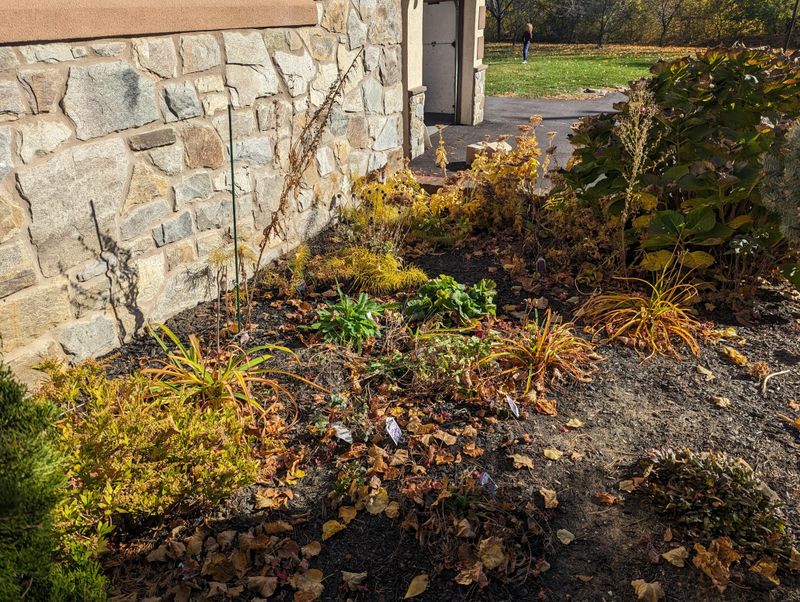
Strategic garden maintenance in late fall removes hiding places and overwintering sites that stink bugs need to survive the winter months in Oklahoma gardens and landscapes.
Clear away dead plant material, fallen leaves, and debris from garden beds before temperatures drop, eliminating the protective cover that stink bugs seek when preparing for winter.
Remove old boards, unused pots, and other garden clutter that creates sheltered spaces where stink bugs can gather in large numbers to wait out the cold season.
Trim back overgrown shrubs and remove weeds near your home’s foundation to reduce the vegetation that provides pathways for stink bugs to reach your house from the garden.
Oklahoma gardeners should complete this cleanup work in October or early November, after most beneficial insects have already found their own winter shelter but before stink bugs finish settling in.
Store firewood away from your house and keep it elevated off the ground, as woodpiles create ideal overwintering habitat for stink bugs that can easily move into nearby homes when temperatures warm up.
10. Chemical Controls Should Be a Last Resort
Pesticides can reduce stink bug populations in Oklahoma gardens, but they should only be used when other management methods have failed to provide adequate control of serious infestations.
Products containing pyrethroid insecticides are labeled for stink bug control, but they also harm beneficial insects like bees, butterflies, and natural predators that help maintain garden health.
Apply treatments only to affected plants rather than spraying your entire garden, which minimizes environmental impact and protects the helpful insects that control other pest problems naturally.
Follow all label directions carefully, paying attention to pre-harvest intervals for edible crops and avoiding application during times when pollinators are actively visiting flowers in your Oklahoma garden.
Indoor pesticide use is generally not recommended because it can create unpleasant odors when stink bugs are affected, and trapped insects may attract other pests to your home.
Many Oklahoma gardeners find that combining preventive measures, physical barriers, and natural controls provides sufficient stink bug management without needing to resort to chemical treatments that carry environmental and health risks.