The Historic Apple Varieties Making A Comeback In Vermont Backyards
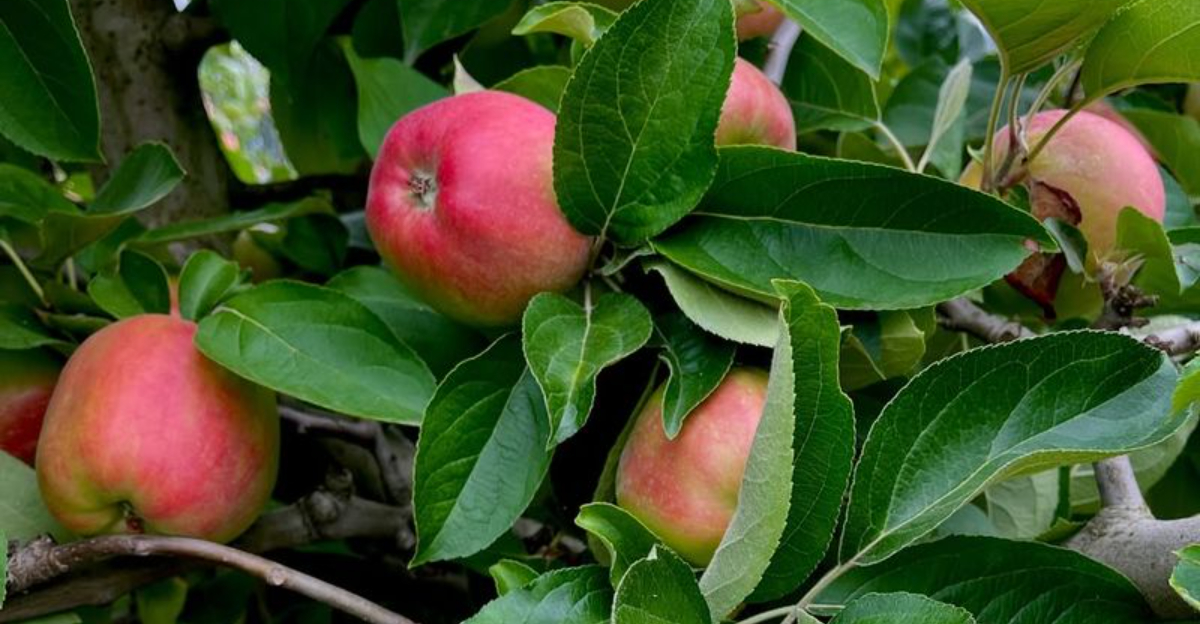
Vermont gardeners are rediscovering something special that was nearly lost to time: historic apple varieties that once dominated orchards all across New England.
These heirloom apples carry stories, traditions, and flavors that modern commercial varieties rarely deliver.
From richly complex notes ideal for cider-making to firm, aromatic fruits that store effortlessly through the long Vermont winter, these apples offer qualities shaped by generations of local farming and climate adaptation.
As interest in regional foods and sustainable growing practices rises, backyard growers throughout the Green Mountain State are planting these heritage varieties once again.
For many, it’s not just about growing apples—it’s about reviving a piece of Vermont’s agricultural past and preserving genetic diversity that nearly disappeared during the shift to mass-produced, supermarket-friendly cultivars.
By reintroducing these exceptional apples into home orchards, Vermonters are strengthening local food culture, supporting pollinators, and enjoying fruit with flavors that simply can’t be found in standard grocery aisles.
1. Northern Spy
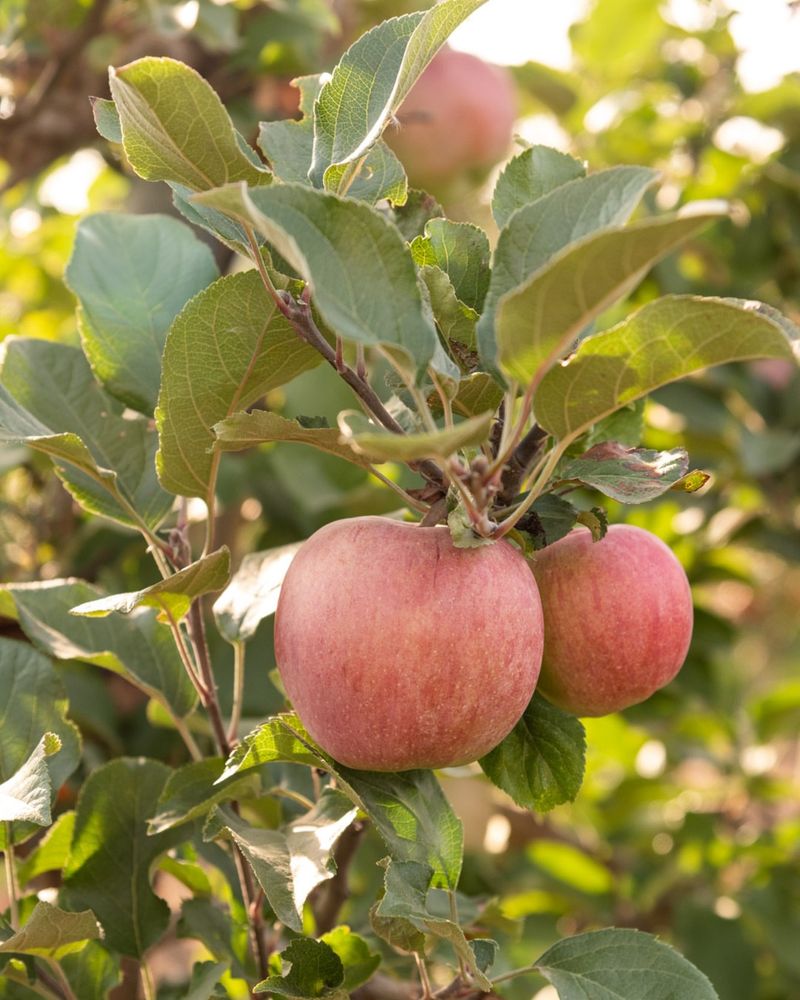
Farmers in the 1800s knew they had something special when Northern Spy apples appeared in their orchards.
This classic New England variety earned its reputation as one of the finest baking apples ever grown, with a perfect balance of sweet and tart that transforms pies into masterpieces.
The dense, crisp flesh holds its shape beautifully during cooking, making it a favorite among serious bakers.
Storage capabilities set Northern Spy apart from many other varieties.
These apples actually improve in flavor after spending time in a cool cellar, lasting well into spring when properly stored.
Vermont homesteaders appreciate this quality, as it means fresh apples throughout the long winter months.
The trees themselves grow large and vigorous, though they take several years before producing their first harvest.
Patience pays off handsomely, as mature trees yield abundant crops of large, handsome apples.
Modern Vermont gardeners are rediscovering why their great-grandparents valued this variety so highly.
Cider makers have also taken notice of Northern Spy’s complex flavor profile.
The apple contributes excellent body and character to blends, adding depth that single-variety ciders often lack.
Whether baked, stored, or pressed, Northern Spy continues proving its worth in contemporary Vermont backyards.
2. McIntosh (Original Strains)
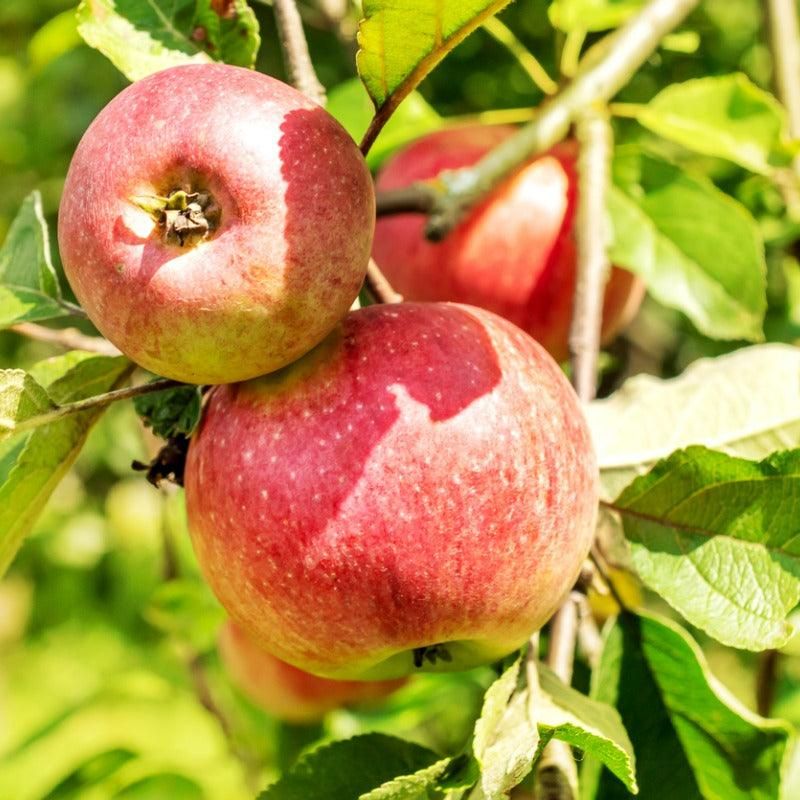
Back in 1811, John McIntosh discovered a remarkable apple seedling on his Ontario farm that would change North American apple growing forever.
The original McIntosh strains represent Vermont’s most historically significant apple connection, as the variety quickly became beloved throughout New England.
These authentic strains differ noticeably from modern commercial versions, offering more intense flavor and aromatic qualities.
Original McIntosh apples deliver that classic combination of tender white flesh and distinctive perfume-like aroma that made them famous.
The flavor strikes a beautiful balance between sweet and slightly tart, with a complexity that gets lost in mass-produced versions.
Many Vermont orchardists seek out these heritage strains specifically to recapture that authentic taste experience.
September brings the harvest season for McIntosh, when the apples develop their characteristic deep red blush over green skin.
They’re excellent for eating fresh, making applesauce, or baking into various treats.
The soft texture means they don’t store quite as long as some varieties, but their outstanding flavor makes them worth enjoying promptly.
Heritage apple enthusiasts throughout Vermont are working to preserve original McIntosh genetics.
These efforts ensure future generations can taste the apple that helped define New England’s orchard culture.
Planting an original strain McIntosh connects modern gardeners directly to two centuries of agricultural heritage.
3. Cox’s Orange Pippin
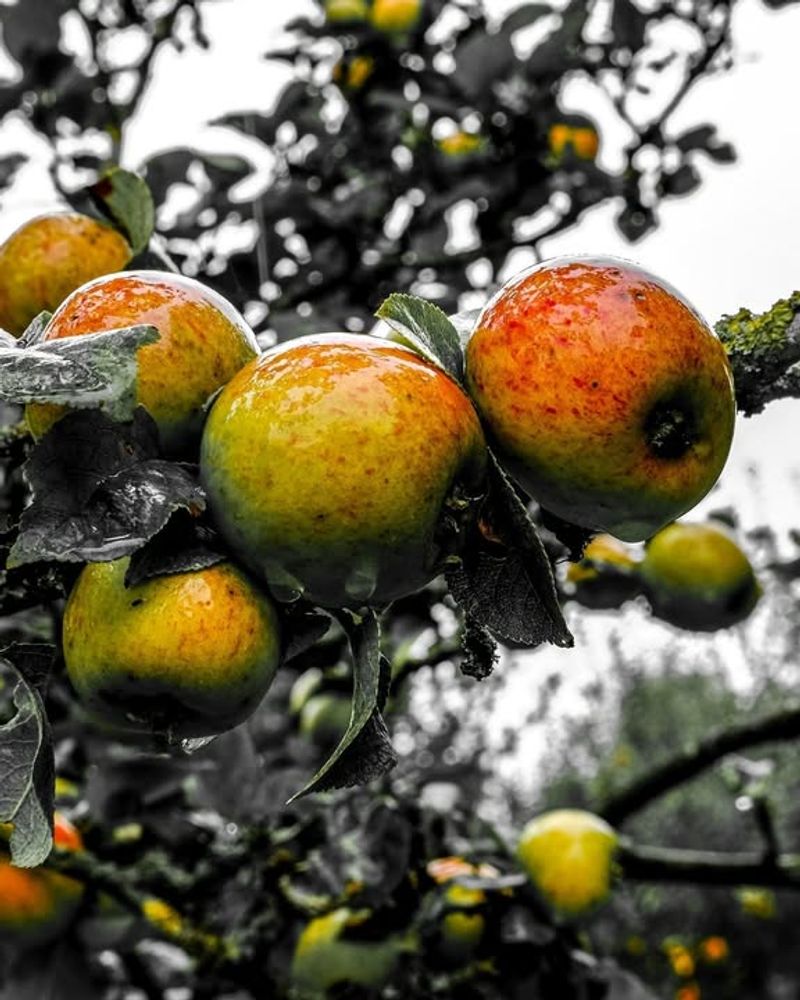
English gardener Richard Cox created something extraordinary in the 1820s when he bred this legendary apple variety.
Cox’s Orange Pippin has long been considered one of the world’s finest dessert apples, prized by connoisseurs for its exceptional aromatic flavor.
Vermont specialty growers are increasingly planting this variety as demand grows among customers seeking superior taste experiences.
The flavor profile is genuinely remarkable, combining sweetness with a distinctive spicy, almost pear-like quality.
When you bite into a perfectly ripe Cox’s Orange Pippin, the complex taste unfolds in layers that keep revealing new notes.
This complexity explains why the variety remains highly regarded despite requiring more care than easier-growing apples.
Growing Cox’s Orange Pippin presents certain challenges that dedicated orchardists willingly accept.
The trees can be somewhat finicky about conditions and may be more susceptible to diseases than hardier varieties.
However, Vermont’s climate suits them reasonably well when planted in favorable locations with good air circulation.
The apples themselves are medium-sized with beautiful orange-red coloring over golden yellow skin, often showing some russeting.
They’re best enjoyed fresh, though they also make excellent juice with extraordinary flavor.
Backyard growers who succeed with Cox’s Orange Pippin gain access to one of the apple world’s most celebrated varieties, making the extra effort worthwhile for true apple enthusiasts.
4. Roxbury Russet
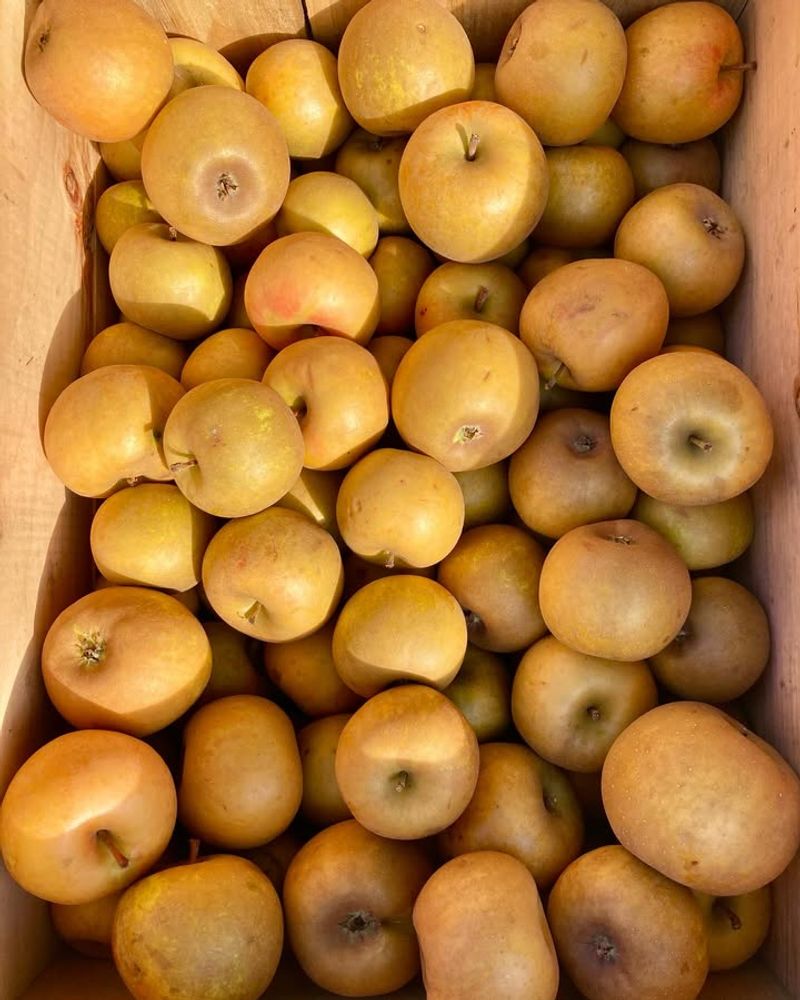
America’s oldest named apple variety still exists today thanks to dedicated preservation efforts across New England.
Roxbury Russet dates back to the 1600s in Massachusetts, making it a genuine piece of colonial American history.
Vermont’s historic orchard restoration projects have embraced this variety enthusiastically, recognizing its cultural significance and practical value.
The appearance is distinctive and unmistakable, with rough, brownish-bronze russeted skin that looks nothing like modern supermarket apples.
Don’t let the humble exterior fool you—the yellowish flesh inside delivers wonderful sweet-tart flavor with hints of sugar and spice.
These apples were colonial settlers’ reliable choice for both fresh eating and cider making.
Storage qualities made Roxbury Russet especially valuable in the era before refrigeration.
The thick, russeted skin helps the apples keep for months in cool cellars, often lasting until spring.
This characteristic makes them perfect for modern homesteaders seeking self-sufficiency through winter.
The trees grow vigorously and produce reliably in Vermont’s climate, showing excellent cold hardiness.
They’re also relatively resistant to common apple diseases, requiring less intervention than many varieties.
When you plant a Roxbury Russet, you’re not just growing fruit—you’re preserving a variety that sustained American colonists for centuries and connecting your backyard to the very roots of American apple growing.
5. Esopus Spitzenburg
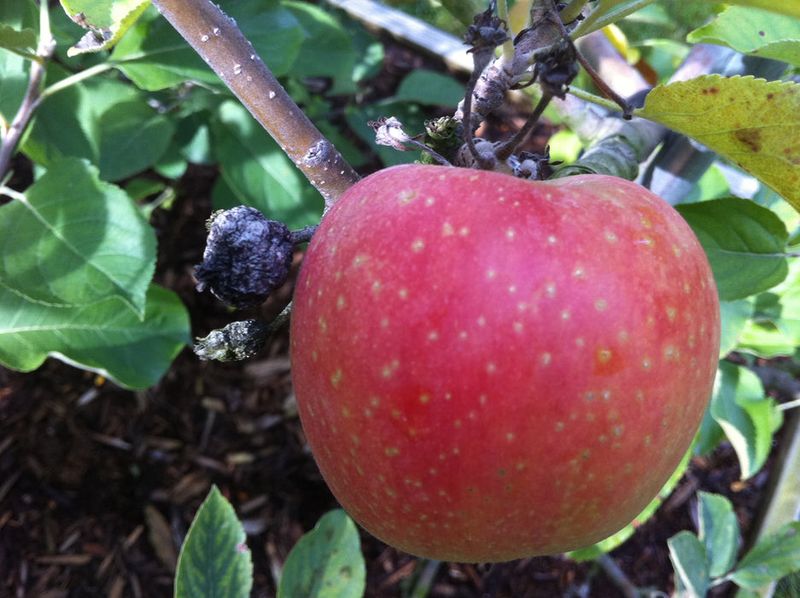
Thomas Jefferson grew these apples at Monticello, considering them among his favorite varieties—and presidential taste was spot-on.
Esopus Spitzenburg originated in New York’s Hudson Valley during the 1700s and quickly gained fame for outstanding flavor.
Vermont cider-makers have recently rediscovered this variety, finding it contributes exceptional character to artisanal ciders.
The flavor is rich, complex, and intensely aromatic, with a perfect sugar-acid balance that appeals to sophisticated palates.
Many apple experts rank Esopus Spitzenburg among the very finest-tasting apples ever developed.
Fresh eating reveals layers of flavor, while pressing releases aromatic compounds that create memorable single-variety ciders.
The apples develop beautiful deep red coloring, often with yellow undertones showing through.
They’re medium-sized with crisp, yellowish flesh that stays firm and flavorful.
Harvest typically occurs in October, and the apples store reasonably well, though they’re so delicious many don’t last long enough to test storage limits.
Growing Esopus Spitzenburg requires some patience, as the trees can be slow to establish and somewhat particular about conditions.
They prefer good soil and benefit from attentive care during their early years.
Vermont backyard orchardists who provide proper conditions are rewarded with apples worthy of presidential admiration, connecting their gardens to American history while enjoying some of the finest fruit imaginable.
6. Wolf River
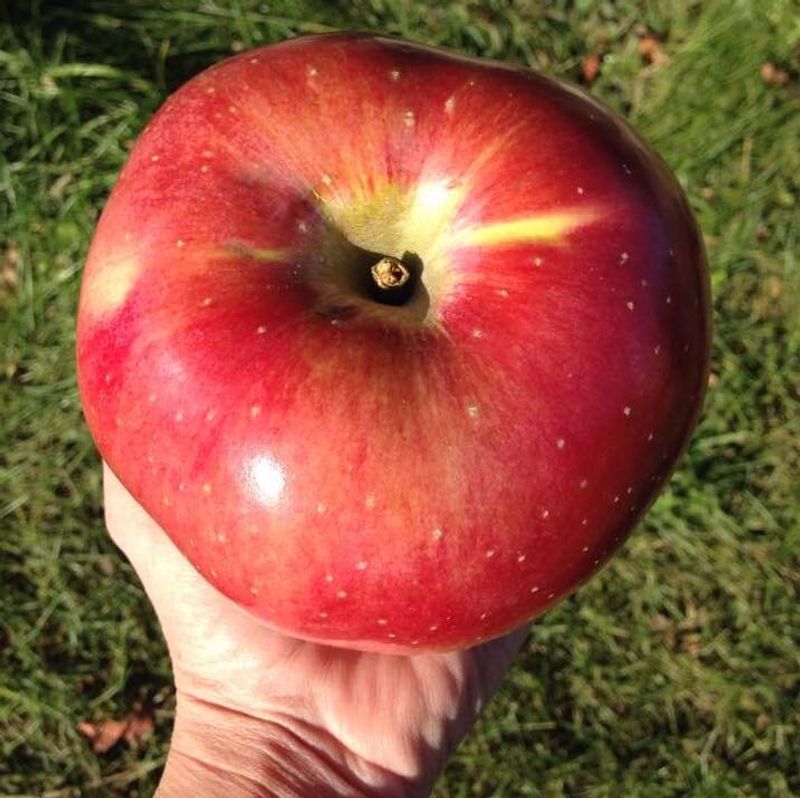
Imagine an apple so large that a single fruit can fill an entire pie—that’s Wolf River.
This remarkable variety originated in Wisconsin during the 1870s and became famous for producing absolutely enormous apples, some weighing over a pound each.
Vermont homesteaders are replanting Wolf River specifically for its impressive size and exceptional baking qualities.
The sheer size makes Wolf River apples conversation starters in any orchard.
Children especially love seeing these giant fruits hanging from branches, often expressing amazement that apples can grow so big.
Beyond novelty value, the large size proves genuinely practical for cooking, as one apple provides enough fruit for multiple servings.
Baking brings out Wolf River’s best qualities, as the tender flesh cooks down beautifully into sauces and pies.
The flavor is mildly tart when raw but develops pleasant sweetness during cooking.
These apples also make excellent dried apple rings, with each slice being substantially larger than those from regular-sized varieties.
The trees themselves grow quite large and hardy, handling Vermont’s cold winters without trouble.
They produce reliably once established, often yielding impressive crops of their trademark giant fruit.
Early autumn brings harvest time, when the apples develop attractive red striping over greenish-yellow skin.
For gardeners wanting an apple that combines practical cooking value with genuine wow factor, Wolf River delivers on both counts.
7. Ashmead’s Kernel
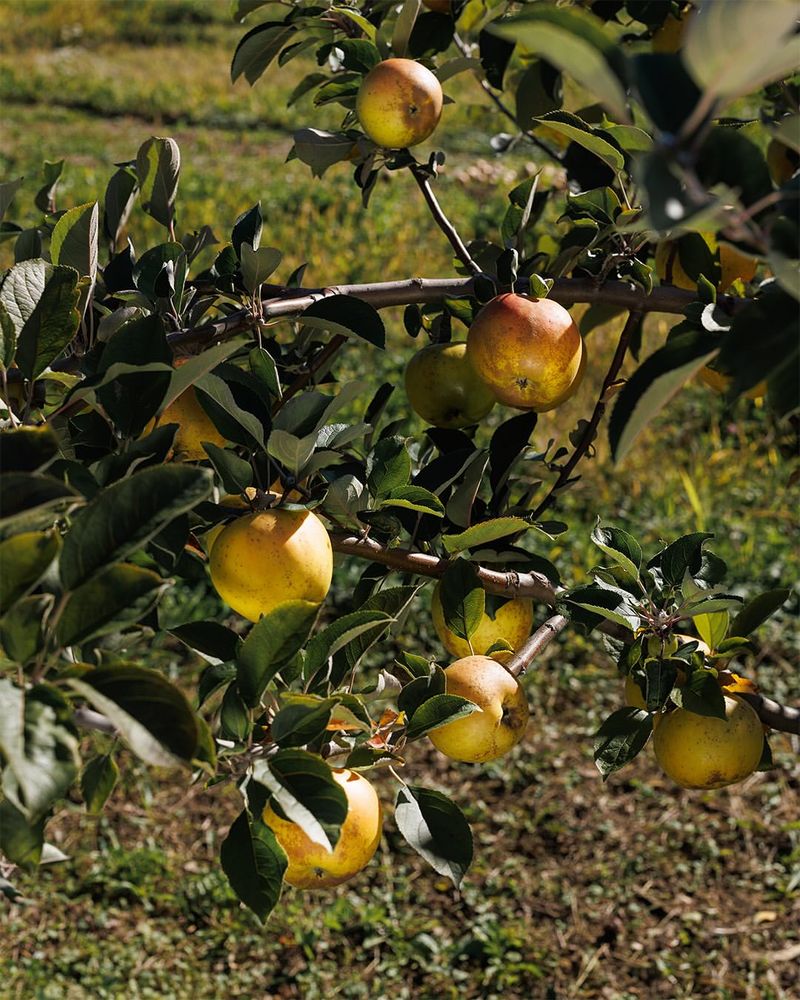
Dr. Ashmead of Gloucester, England created this variety around 1700, and apple connoisseurs have treasured it ever since.
Ashmead’s Kernel represents everything heritage apple enthusiasts seek: intense flavor, historical significance, and distinctive character impossible to find in modern varieties.
Vermont growers are experiencing renewed demand from customers specifically requesting this legendary apple.
The flavor is simply extraordinary, often described as having hints of pear drops, honey, and spice all combined.
It’s intensely aromatic, with complexity that unfolds as you eat, revealing new taste notes with each bite.
Many experts consider Ashmead’s Kernel one of the finest-flavored apples in existence, worthy of its devoted following.
Appearance-wise, these apples won’t win beauty contests—they’re somewhat small with rough, brownish-orange russeted skin.
But that humble exterior conceals golden-yellow flesh packed with flavor that puts prettier apples to shame.
The saying “don’t judge a book by its cover” perfectly applies to Ashmead’s Kernel.
The trees adapt well to Vermont’s climate and produce moderate crops of their distinctive fruit.
Late October brings harvest time, and the apples store remarkably well, actually improving in flavor after several weeks.
They’re best appreciated fresh, though they also make outstanding juice.
For backyard orchardists seeking the ultimate dessert apple with genuine heritage credentials, Ashmead’s Kernel delivers an unmatched eating experience that justifies its centuries-long reputation.
8. Gravenstein
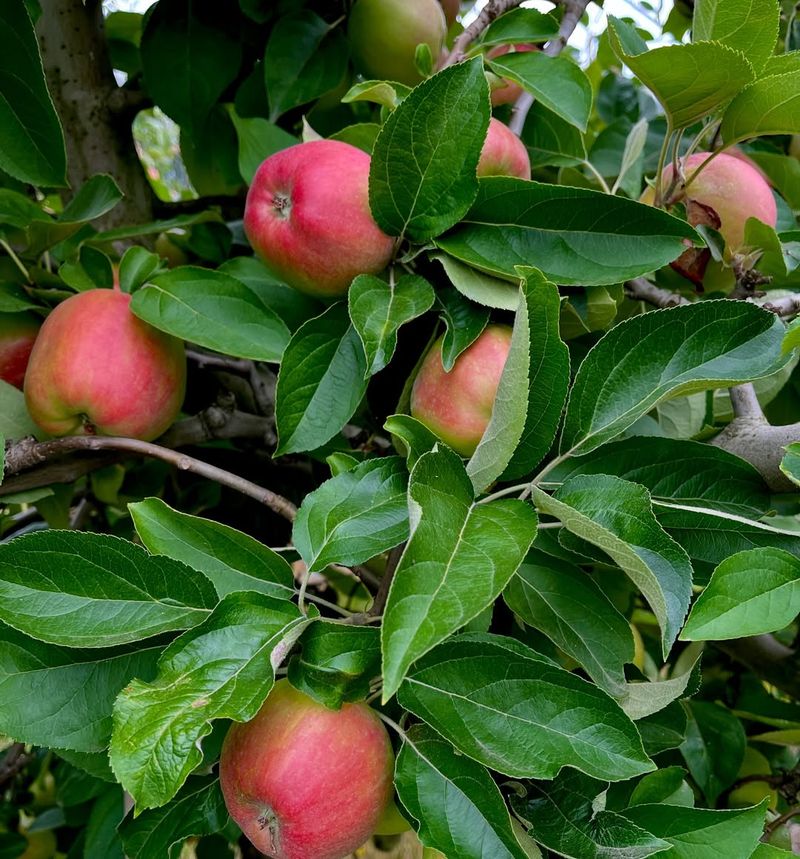
Danish origins from the 1600s gave the world Gravenstein, an apple that quickly became essential in kitchens throughout Europe and America.
This variety earned special recognition for making exceptional applesauce, with a flavor profile that transforms simple cooked apples into something memorable.
Vermont’s artisanal orchards are bringing Gravenstein back, responding to cider-makers and sauce enthusiasts seeking its unique qualities.
The flavor combines honey-like sweetness with bright, refreshing tartness that creates perfect balance.
Gravenstein apples are highly aromatic, filling the kitchen with wonderful fragrance when cooked.
They break down beautifully into smooth sauce that needs minimal added sugar, making them ideal for traditional preserving.
Cider production benefits tremendously from Gravenstein’s aromatic juice, which contributes both flavor and acidity to blends.
Some Vermont cider-makers produce single-variety Gravenstein cider, showcasing the apple’s distinctive character.
The juice ferments well, creating ciders with bright, refreshing qualities and complex aromatic profiles.
The apples ripen early, usually in August, with attractive red and yellow striping over greenish skin.
They don’t store particularly long, so traditional wisdom says to enjoy them fresh or preserve them promptly.
Trees grow vigorously and produce abundant crops, though they can be somewhat biennial in bearing patterns.
For Vermont gardeners interested in traditional food preservation and artisanal cider-making, Gravenstein offers authentic heritage genetics and proven performance in these applications.
9. Baldwin
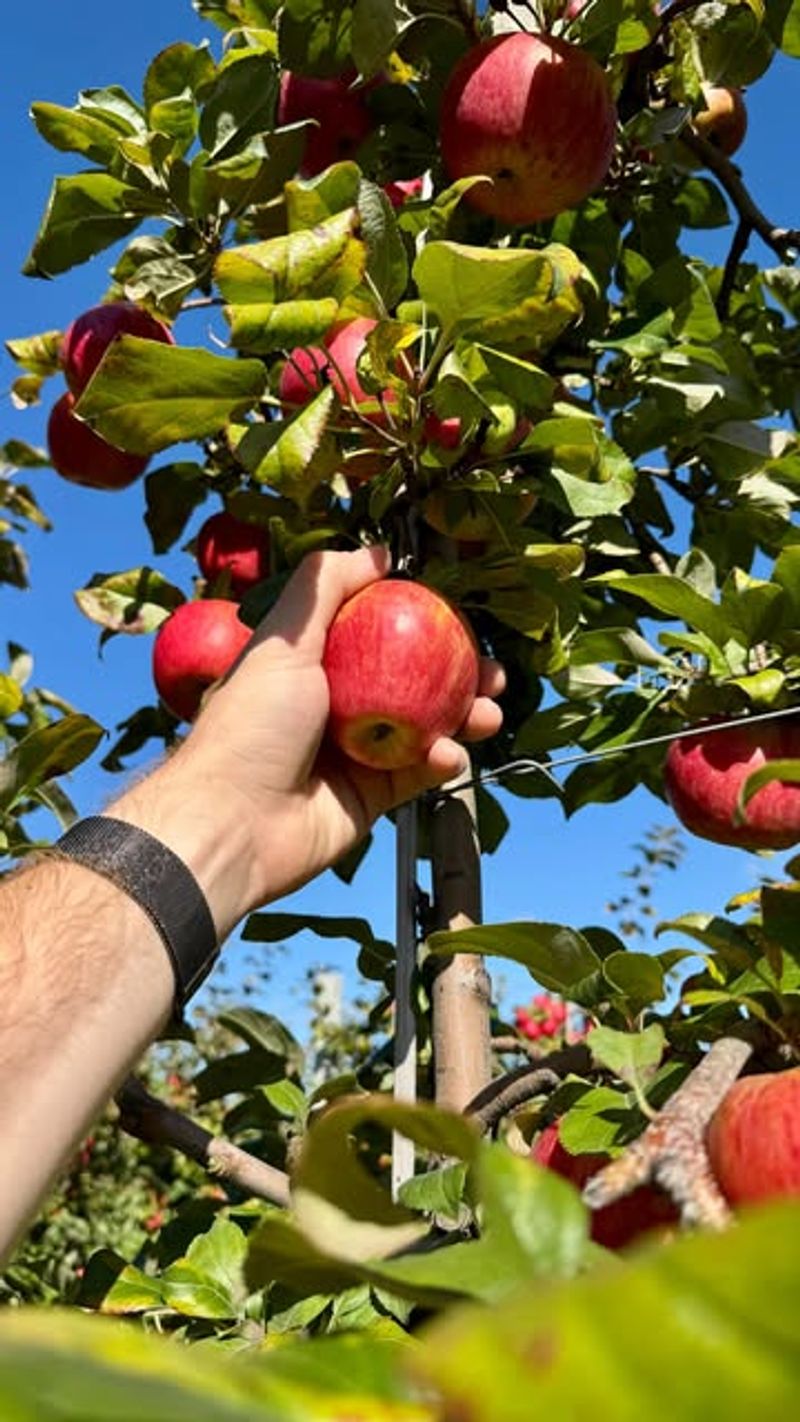
Before 1934, Baldwin apples dominated New England’s commercial orchards, representing the region’s most economically important variety.
Then disaster struck—a catastrophic freeze that winter destroyed countless Baldwin trees throughout the Northeast, nearly erasing this historic variety from existence.
Vermont orchardists are now actively reviving Baldwin, recognizing its cultural importance and excellent all-around qualities.
Baldwin apples offer wonderful versatility, performing well for fresh eating, cooking, and cider-making alike.
The flavor is pleasantly tart with good sweetness, and the firm flesh holds up beautifully in pies and baked dishes.
These were the apples that sustained New England families for generations, proving their worth through decades of reliable service.
Storage capabilities made Baldwin especially valuable in the pre-refrigeration era.
The apples keep for months in cool cellars, maintaining good quality well into winter and spring.
This characteristic helped establish Baldwin’s commercial dominance, as the fruit could be harvested in fall and sold throughout winter.
The trees grow large and vigorous, producing heavy crops once established.
They show good cold hardiness, though the 1934 freeze proved that extreme conditions can overwhelm even hardy varieties.
Late October brings harvest, when the apples develop deep red coloring over yellowish skin.
Planting Baldwin connects modern Vermont gardeners to the variety that defined New England apple growing for generations, helping resurrect a near-lost piece of regional agricultural heritage.
10. Wealthy
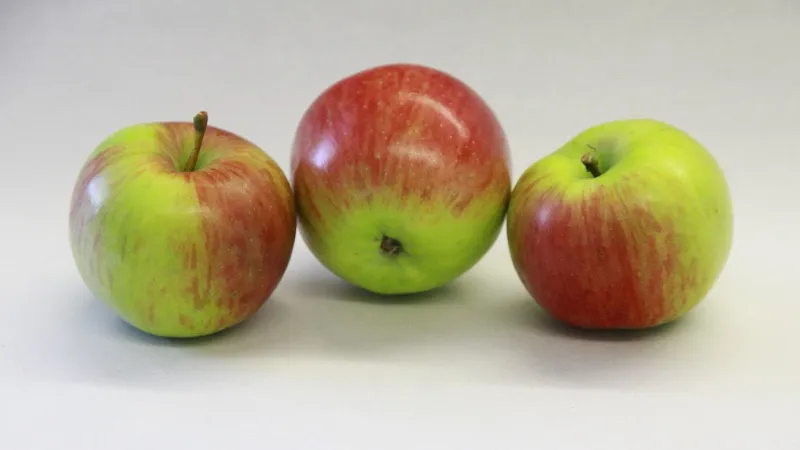
Minnesota apple breeder Peter Gideon developed Wealthy in the 1860s specifically to withstand brutal northern winters.
His success created an apple variety that thrives in cold climates while producing reliable, abundant crops.
Vermont backyard orchardists are rediscovering Wealthy for exactly these qualities—dependable production in challenging conditions without demanding excessive care.
The apples are medium-sized with attractive red striping over pale yellow skin, making them as pretty as they are practical.
Flavor is pleasantly tart with good sweetness, creating nice balance for fresh eating and cooking alike.
They’re particularly excellent for sauce, breaking down into smooth texture with bright, refreshing taste.
Reliable production sets Wealthy apart from fussier varieties that may bear heavily one year and lightly the next.
These trees produce consistent crops annually, making harvest planning predictable.
For home orchardists depending on their trees for family fruit supplies, this reliability proves invaluable.
Cold hardiness means Wealthy trees handle Vermont’s toughest winters without suffering damage that reduces production.
They’re also reasonably disease-resistant, requiring less spraying than more susceptible varieties.
Early fall brings harvest time, and while the apples don’t store as long as some varieties, they keep adequately for several months.
For Vermont gardeners seeking a dependable, historically significant apple that produces reliably without demanding expert care, Wealthy delivers exactly what its name suggests—abundant harvests that enrich backyard orchards year after year.