Why New Mexico Gardeners Are Reviving Ancient Desert Growing Techniques
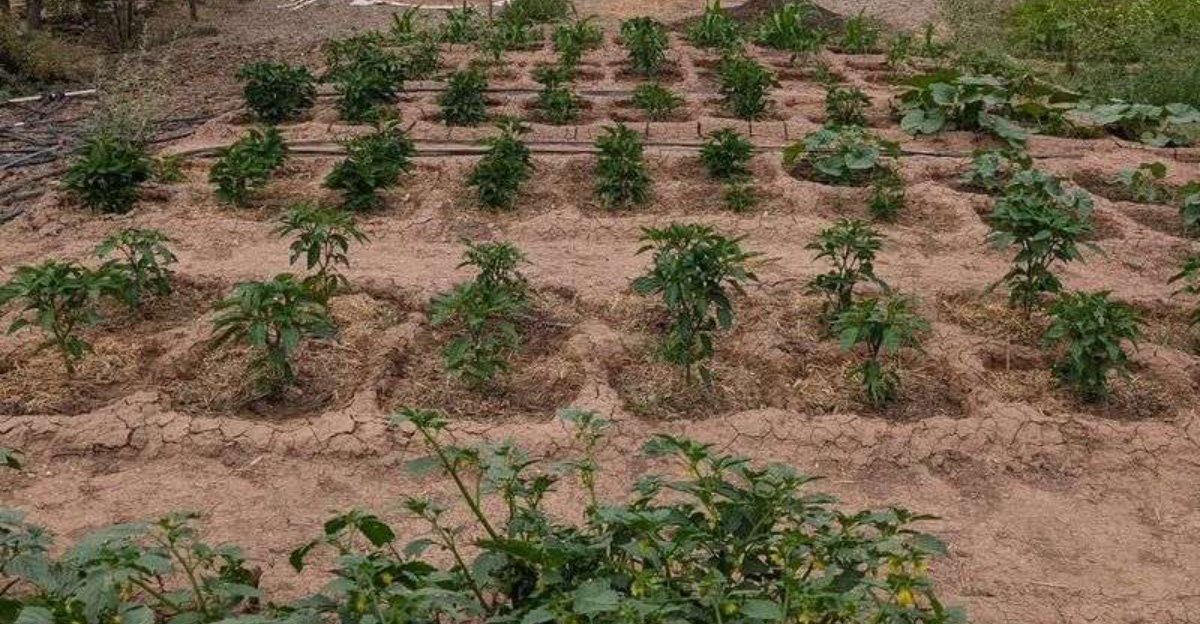
New Mexico gardeners are turning back the clock and rediscovering ancient desert growing techniques that sustained Indigenous communities for thousands of years.
As the modern Southwest faces escalating challenges—extreme heat, long-term drought, depleted groundwater, and increasingly unpredictable weather—gardeners are realizing that many traditional methods are not only relevant, but often far more effective than contemporary approaches.
Techniques such as waffle gardens, clay pot irrigation, rock mulching, and companion planting were engineered specifically for arid landscapes, allowing crops to thrive with minimal water while protecting soil health.
These carefully honed practices reflect generations of observational wisdom and adaptation to the region’s demanding climate.
Today, they are proving to be powerful tools for anyone hoping to grow food successfully in New Mexico’s desert conditions.
By reviving these time-tested strategies, modern gardeners are building resilience, conserving precious resources, and strengthening their connection to the land and its cultural heritage.
Increasing Drought And Water Scarcity
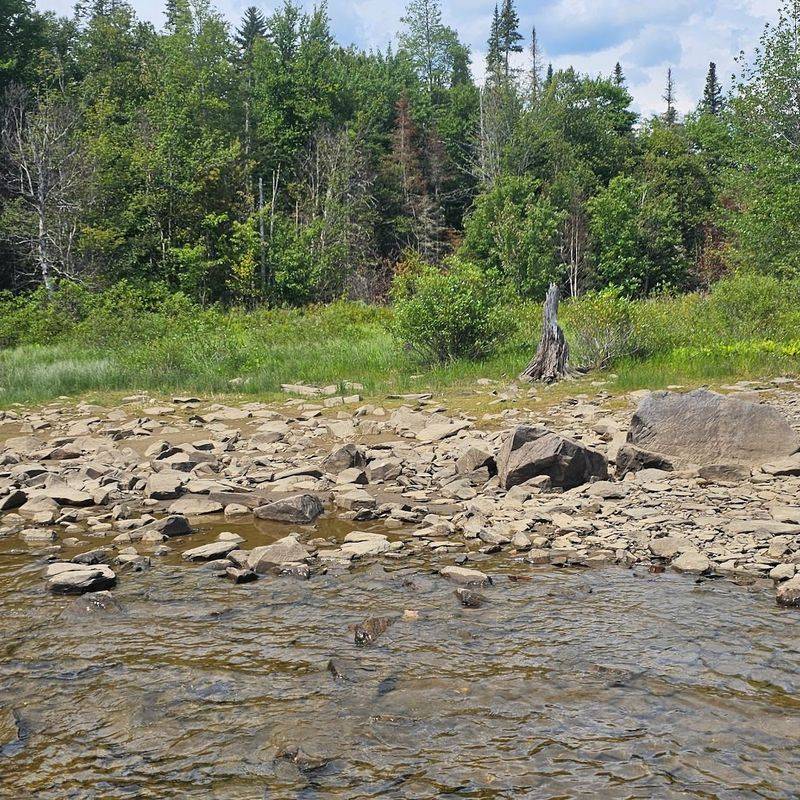
Water is becoming the most precious resource in New Mexico, and gardeners are feeling the pressure every growing season.
With reservoirs shrinking and water restrictions tightening across the state, traditional irrigation methods just aren’t sustainable anymore.
Ancient techniques like waffle gardens and clay pot irrigation offer a brilliant solution that was perfected centuries ago.
Waffle gardens create small, sunken squares in the soil that trap and hold every precious drop of water.
Instead of running off or evaporating quickly, moisture stays exactly where plant roots need it most.
Clay pot irrigation, called olla irrigation, uses unglazed pottery buried in the soil to slowly release water directly to root zones.
These methods can reduce water usage by up to seventy percent compared to conventional sprinkler systems.
That’s not just good for the environment—it translates to real savings on water bills and helps gardens thrive even during severe restrictions.
Gardeners report that their plants actually grow stronger because they receive consistent, targeted moisture rather than wasteful surface watering.
As climate predictions point toward longer, more intense droughts, these ancient techniques aren’t just helpful—they’re becoming essential.
New Mexico growers are proving that looking backward can be the smartest way forward when water becomes scarce.
Adaptation To Hotter Temperatures
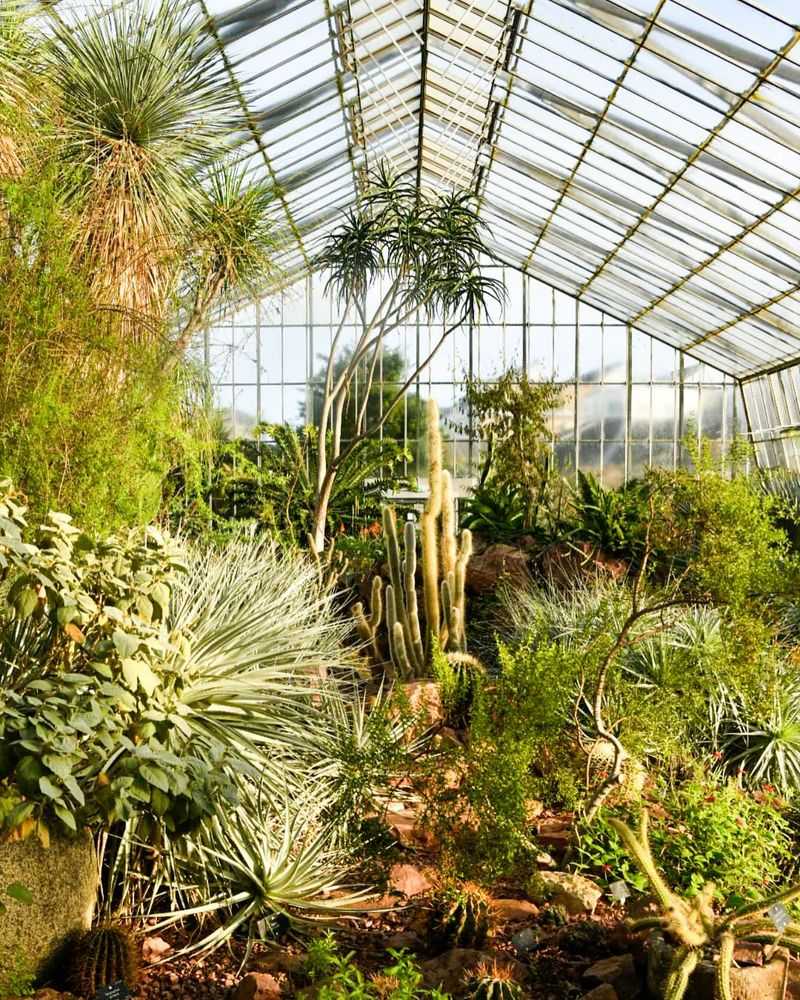
Summers in New Mexico are getting hotter, with temperatures regularly soaring past one hundred degrees for weeks at a time.
Modern garden varieties often wilt and struggle when the mercury climbs, but ancient desert crops were literally bred for this challenge.
Traditional growing methods incorporate strategies that help plants not just survive but actually flourish in extreme heat.
Indigenous farmers observed how desert plants naturally protect themselves and built those lessons into their gardening systems.
They positioned crops in shallow basins that provide slight shade during the hottest part of the day.
They used rock mulches that reflect heat away from plant stems while still allowing soil to warm adequately for root growth.
Companion planting arrangements created by ancient farmers placed heat-sensitive plants in the shade of larger, more tolerant species.
This natural cooling system works without electricity, fans, or shade cloth from the garden store.
Your New Mexico Garden Changes Every Week. Your Plan Should Too.
Gardening in New Mexico changes quickly throughout the season. Every Friday you’ll receive a simple weekly plan showing exactly what to plant, prune, fertilize, harvest, and protect so you never miss the right timing.
The crops themselves—varieties like Hopi corn and tepary beans—have genetic adaptations that allow them to photosynthesize efficiently even when temperatures spike.
As climate change pushes average temperatures upward, gardeners are discovering that these traditional techniques offer built-in resilience.
Instead of fighting against the desert climate, these methods work with it, creating microclimates that make intense heat manageable for a wide variety of edible plants.
Soil Conservation And Erosion Control
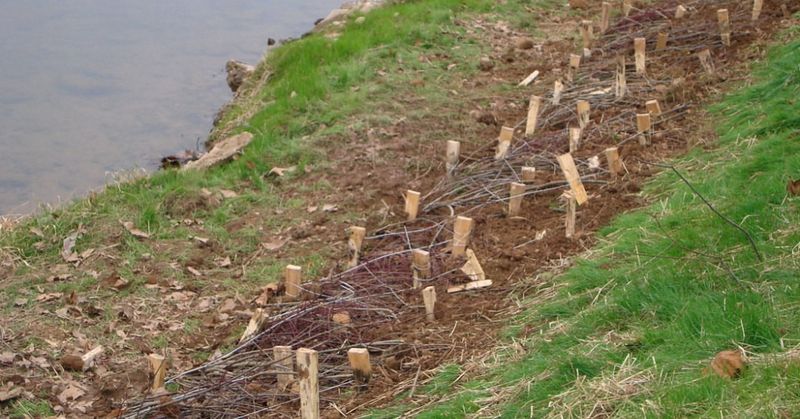
Wind whips across New Mexico’s open landscapes, carrying away precious topsoil that took centuries to develop.
Modern gardens often lose inches of their best growing medium each year to erosion, but ancient techniques were specifically designed to prevent this loss.
Terracing, rock mulching, and contour gardening create physical barriers that hold soil in place even during intense windstorms.
Terracing transforms slopes into level planting areas that catch and hold both soil and water.
Each terrace acts like a step, preventing rainfall from rushing downhill and taking valuable nutrients with it.
Rock mulches add weight to the soil surface, anchoring lighter particles that would otherwise blow away during New Mexico’s notorious spring winds.
Contour gardening follows the natural curves of the land rather than fighting against them.
By planting along elevation lines, gardeners create natural water and soil retention systems that work with gravity instead of against it.
Traditional windbreaks made from native shrubs and carefully placed rock walls further protect vulnerable garden spaces.
Gardeners who implement these methods report dramatically reduced soil loss, even during the windiest seasons.
Their gardens maintain depth and fertility year after year instead of gradually thinning out.
In a landscape where good soil is already scarce, these conservation techniques make the difference between a garden that improves over time and one that slowly disappears into the desert air.
Improved Water Retention In Sandy Or Alkaline Soils
New Mexico soil presents unique challenges that frustrate many gardeners trying conventional growing methods.
Sandy textures drain too quickly, while alkaline chemistry locks up nutrients that plants desperately need.
Water poured onto these soils often disappears within minutes, leaving roots dry and stressed before they can absorb adequate moisture.
Ancient desert farmers developed clever solutions that transform these difficult soils into productive growing environments.
They created basin structures that pool water temporarily, giving it time to penetrate deeply rather than running off the surface.
Buried pottery shards and whole ollas act as underground reservoirs, slowly releasing moisture into the surrounding soil over days instead of minutes.
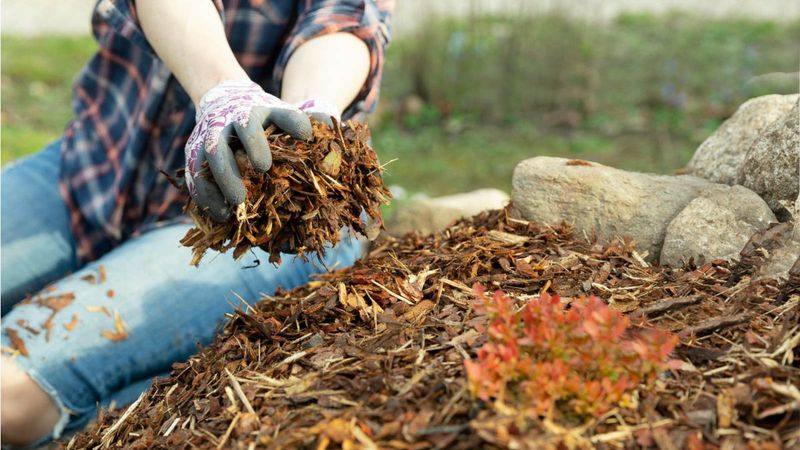
Organic mulches made from locally available materials dramatically improve water retention while gradually enriching the soil.
Straw, dried leaves, and even small stones create a protective layer that reduces evaporation and moderates soil temperature.
These mulches break down over time, adding organic matter that helps sandy soil hold together and retain moisture more effectively.
Gardeners report that after just one season of using these techniques, their soil feels different—more substantial and less dusty.
Plants develop deeper, healthier root systems because moisture remains available in the root zone for longer periods.
The combination of physical water-holding structures and organic amendments creates soil that functions more like rich farmland than desert dust, all without expensive soil replacements or synthetic additives.
Success With Native, Drought-Tolerant Crops
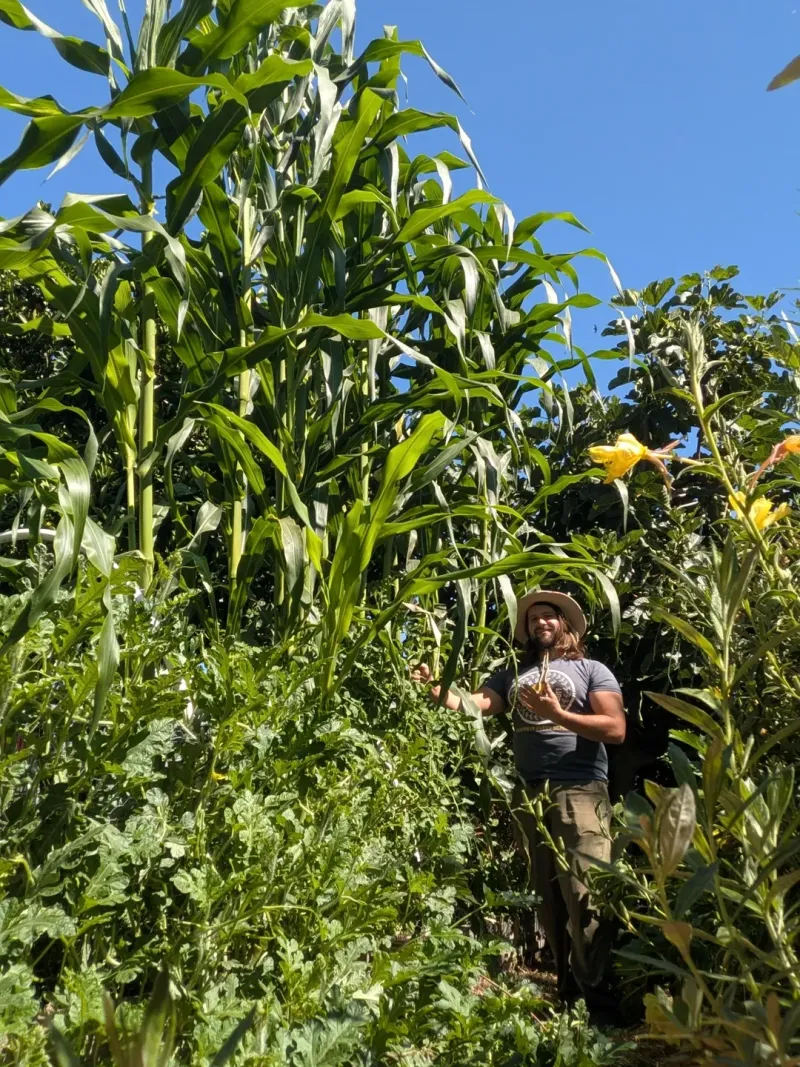
Walking through a traditional New Mexico garden feels different from browsing a modern seed catalog.
Instead of water-hungry tomatoes and delicate lettuce, you’ll find sturdy Hopi corn standing tall, tepary beans climbing vigorously, and amaranth thriving in conditions that would stress conventional varieties.
These heirloom crops evolved over thousands of years specifically for desert climates, carrying genetic wisdom in every seed.
Hopi corn develops deep roots that seek moisture far below the surface, allowing it to survive on minimal irrigation.
Its leaves have waxy coatings that reduce water loss, and it produces reliably even when rainfall is scarce.
Tepary beans actually prefer hot, dry conditions and produce more protein per plant than their conventional cousins.
Amaranth, once a staple grain of ancient civilizations, tolerates alkaline soil and extreme heat while providing both nutritious greens and protein-rich seeds.
These crops don’t just survive in New Mexico—they genuinely thrive, often outproducing modern hybrids that were bred for entirely different climates.
Gardeners save seeds from their best plants each year, continuing the selection process that makes each generation even better adapted to local conditions.
Many growers report that switching to these traditional varieties transformed their gardening experience from constant struggle to reliable abundance.
The plants simply work with the environment rather than requiring constant intervention to overcome it, making desert gardening feel natural instead of forced.
Reduced Dependence On Irrigation Systems
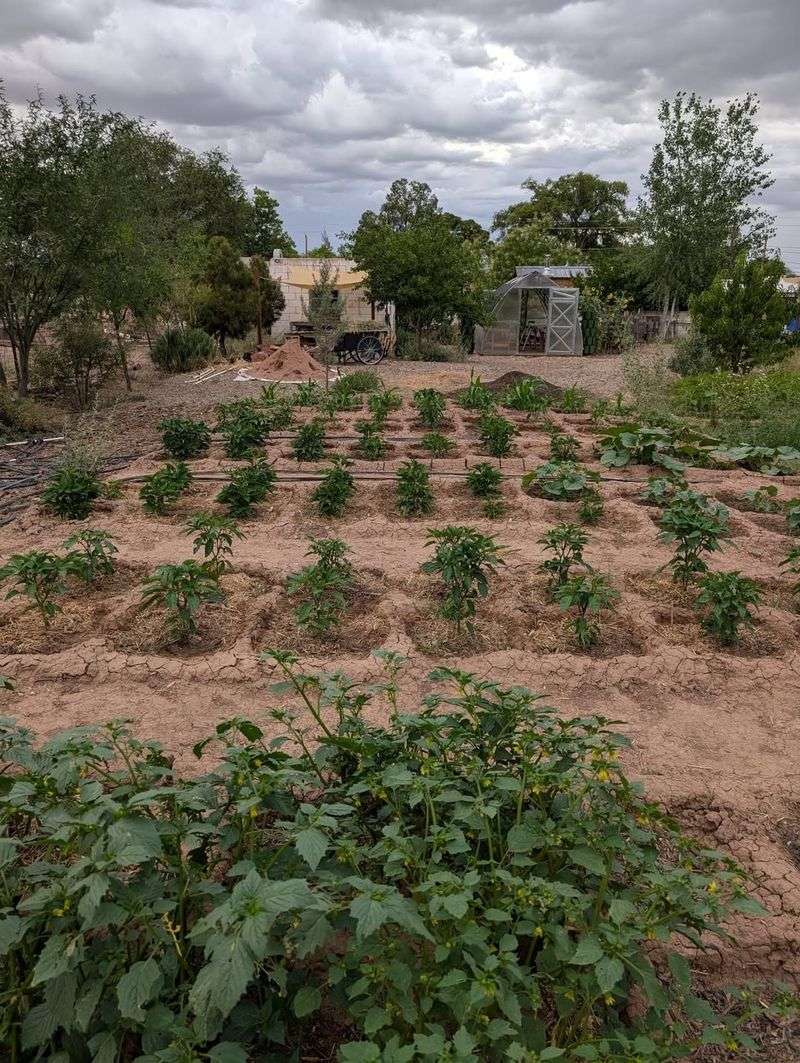
Modern irrigation systems come with hidden costs that extend far beyond the initial installation price.
Drip lines clog with mineral deposits, timers fail, and pumps require electricity that adds up month after month.
When municipal water systems face restrictions or rural wells run low, gardens dependent on these systems face immediate crisis.
Ancient desert growing techniques were designed to work with minimal or zero mechanical irrigation.
Waffle gardens capture rainwater and dew, while olla systems require only periodic refilling by hand.
Basin structures direct occasional rainfall exactly where it’s needed, eliminating the need for complex distribution networks.
Gardeners who adopt these methods report significant financial savings from reduced water bills and eliminated equipment costs.
They also gain peace of mind knowing their gardens won’t suffer if irrigation restrictions are imposed or equipment fails.
The simplicity of hand-watering a few buried ollas once a week beats troubleshooting clogged drip emitters or replacing broken timers.
These traditional approaches also reduce strain on overtaxed municipal water systems and aquifers.
When thousands of home gardens require less piped water, the entire community benefits from reduced infrastructure demands.
During drought emergencies, gardens using ancient techniques can continue producing food while conventional gardens struggle or fail completely.
The freedom from dependence on complex irrigation systems gives gardeners both practical advantages and genuine self-reliance that becomes more valuable with each passing dry season.
Increased Food Resilience And Self-Sufficiency
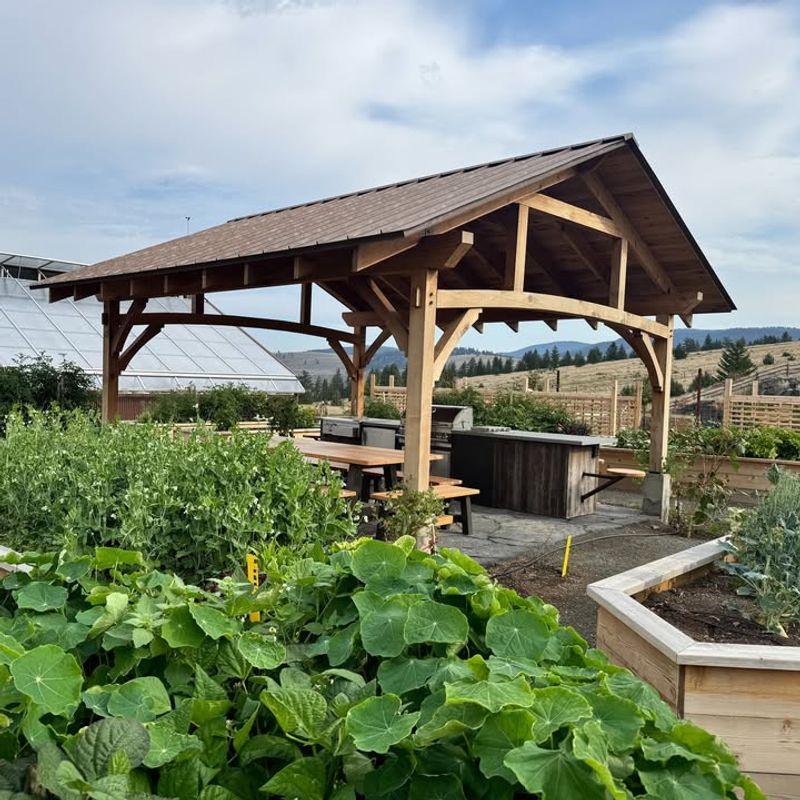
Supply chain disruptions have taught many families that depending entirely on grocery stores carries real risks.
When shelves empty or prices spike, having a productive home garden suddenly shifts from hobby to necessity.
Ancient desert growing techniques offer reliability that modern methods often can’t match when conditions become unpredictable.
Traditional methods were developed by people whose survival depended on consistent harvests regardless of weather variations.
They built redundancy into their systems—multiple small planting areas instead of one large bed, diverse crops with different tolerances, and techniques that work whether rainfall is abundant or scarce.
This approach produces food even when conditions aren’t ideal, providing families with genuine food security.
Gardeners using these methods report harvesting something edible almost year-round, even during challenging seasons.
The diversity of traditional crops means that if one species struggles, others compensate, maintaining overall productivity.
Saved seeds from heirloom varieties ensure that next year’s garden doesn’t depend on supply chains or seed company availability.
Families who master these techniques gain confidence that they can feed themselves regardless of external circumstances.
Children learn skills that connect them to generations of successful desert farmers, building knowledge that lasts a lifetime.
The combination of water-efficient methods, adapted crops, and time-tested techniques creates gardens that truly deliver on the promise of self-sufficiency rather than requiring constant inputs and perfect conditions to succeed.
Preservation Of Cultural And Agricultural Heritage
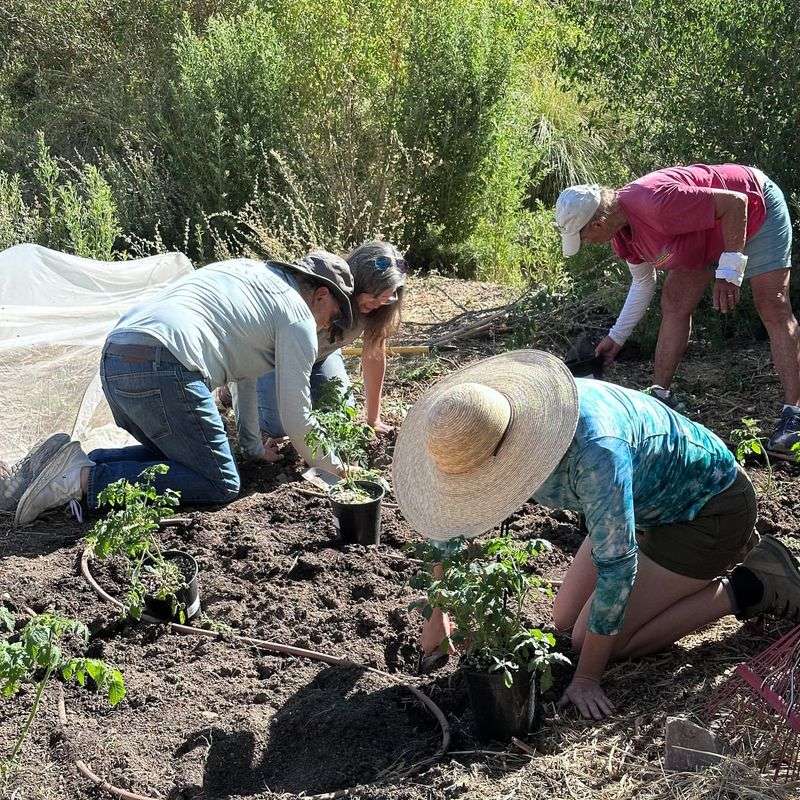
Something precious happens when a grandmother teaches her grandchild to build a waffle garden using methods passed down through countless generations.
New Mexico’s agricultural heritage represents thousands of years of accumulated wisdom, innovation, and cultural identity that deserves preservation.
Many gardeners—both Native and non-Native—feel a deep responsibility to maintain these connections to Pueblo, Hopi, and Navajo agricultural traditions.
These growing techniques aren’t just practical methods—they’re living links to ancestors who thrived in this challenging landscape.
Each waffle garden, every carefully placed olla, and all the saved heirloom seeds carry stories and knowledge that can’t be found in modern gardening books.
When communities practice these techniques, they honor the ingenuity of the people who developed them over millennia.
Cultural organizations and tribal programs actively teach traditional growing methods to new generations, recognizing that once this knowledge disappears, it can’t be recovered.
Non-Native gardeners who respectfully learn and apply these techniques help ensure their continuation while acknowledging their origins.
Seed saving networks preserve varieties that might otherwise vanish, maintaining genetic diversity that took centuries to develop.
Gardens become outdoor classrooms where children learn about their heritage in tangible, meaningful ways.
The revival of these ancient techniques strengthens cultural identity and community bonds while producing practical benefits.
In a world of rapid change, these gardens offer continuity with the past and hope for the future, proving that traditional knowledge remains profoundly relevant.
Higher Productivity In Small Spaces
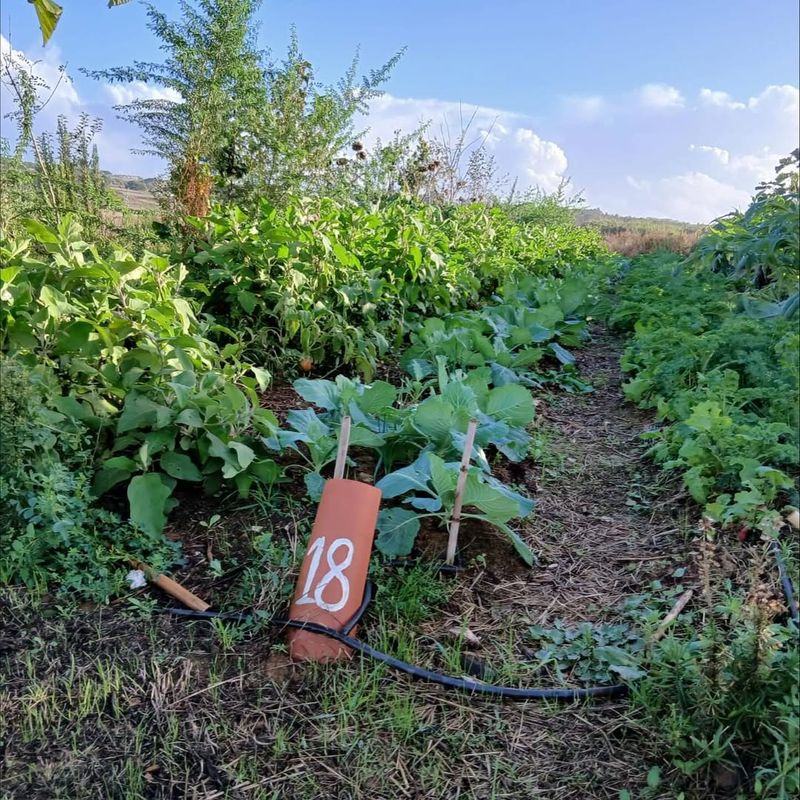
Urban and suburban New Mexico yards often offer limited growing space, making efficiency absolutely essential.
A tiny backyard or courtyard might seem inadequate for serious food production, but ancient techniques prove otherwise.
Waffle gardens, olla irrigation, and intercropping allow gardeners to grow surprising amounts of food in remarkably compact areas.
Waffle gardens maximize productivity by creating multiple small growing zones within a limited footprint.
Each sunken square holds different crops, allowing intensive planting that would be impossible in conventional row gardens.
The raised borders between squares provide additional planting surfaces for sprawling crops like squash, effectively doubling the usable space.
Intercropping—the practice of growing complementary plants together—takes advantage of vertical space and different root depths.
Corn provides climbing support for beans while squash spreads beneath both, creating the traditional “three sisters” garden that produces three crops in the space typically used for one.
Olla irrigation eliminates the need for wide pathways between plants since you’re not dragging hoses or moving sprinklers.
Gardeners with small yards report harvesting enough produce to significantly reduce their grocery bills and preserve food for winter use.
The concentrated growing areas also make maintenance easier—everything is within reach without requiring long walks between widely spaced rows.
These space-efficient techniques prove that you don’t need acres to grow meaningful amounts of food, just smart design based on centuries of desert farming experience.
Natural Pest And Heat Management
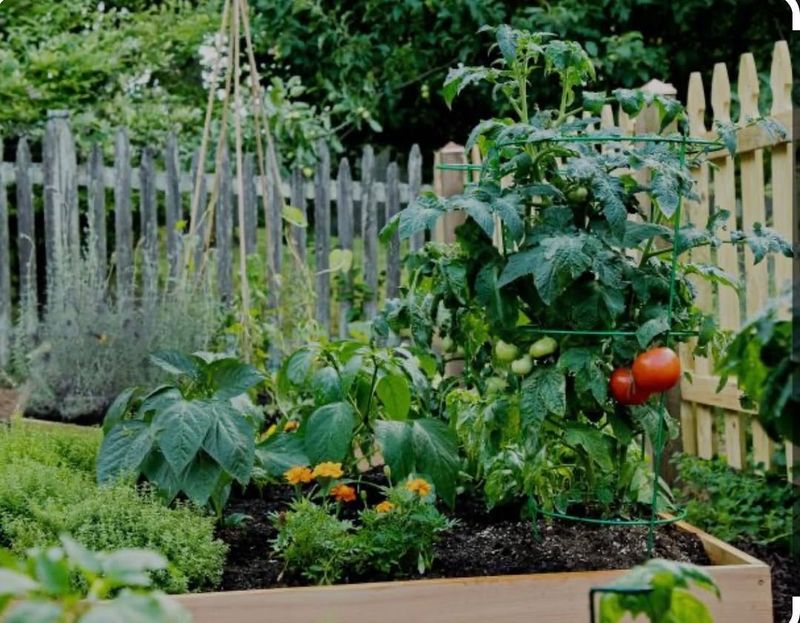
Garden pests and extreme temperatures challenge New Mexico growers throughout the growing season.
Modern solutions often involve expensive chemicals or equipment that many gardeners prefer to avoid.
Traditional desert growing techniques incorporate natural pest management and heat protection strategies that work without synthetic inputs or high costs.
Companion planting arrangements developed over centuries confuse pests and protect vulnerable plants through strategic placement.
Strong-scented herbs planted among vegetables mask the scents that attract damaging insects, while certain plant combinations actually repel specific pests.
Diverse plantings create habitat for beneficial insects that prey on garden pests, establishing natural balance without pesticides.
Traditional shade structures made from woven branches or arranged tall plants protect sensitive crops during the most intense afternoon heat.
Windbreaks constructed from native shrubs and strategically placed rocks reduce plant stress from constant wind while creating microclimates that moderate temperature extremes.
These physical barriers work continuously without requiring electricity or replacement parts.
Rock mulches surrounding plants reflect intense sunlight away from stems while creating cooler root zones beneath the soil surface.
The thermal mass of rocks also moderates temperature swings, keeping soil warmer at night and cooler during peak heat.
Gardeners appreciate that these natural management strategies improve growing conditions without recurring costs or concerns about chemical residues on food.
The integrated approach of traditional methods addresses multiple challenges simultaneously, creating resilient gardens that largely take care of themselves.
Sustainability And Low Environmental Impact
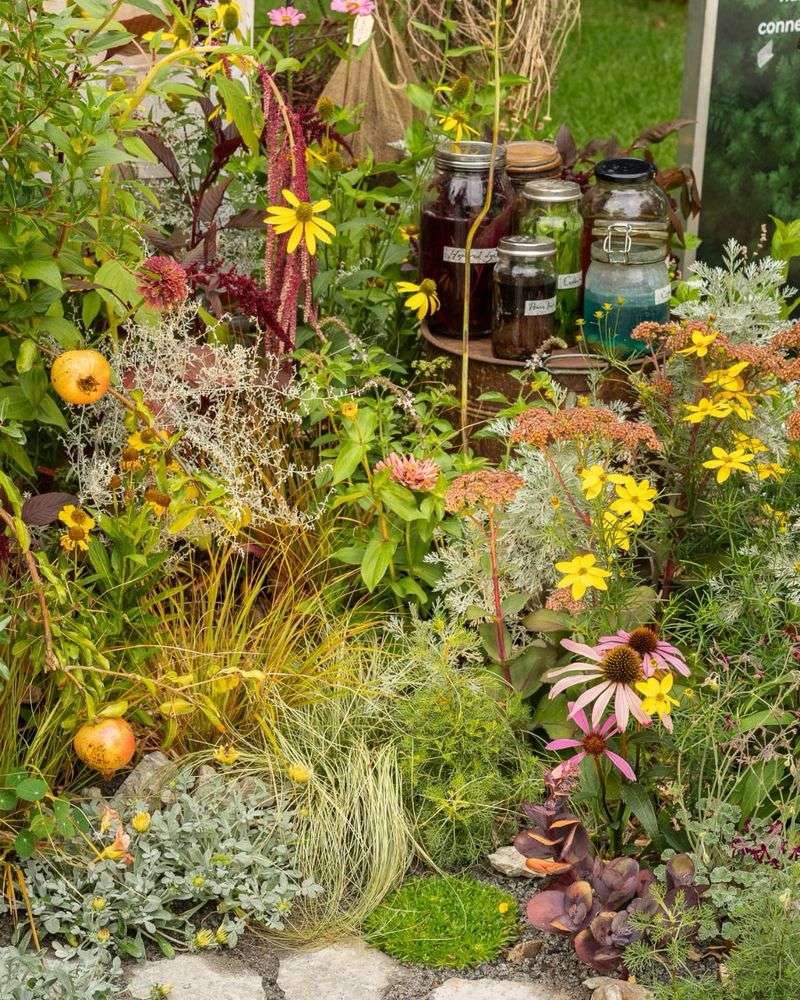
Consciousness about environmental impact influences gardening choices for many New Mexico residents today.
They seek growing methods that nourish rather than deplete the land, using renewable resources instead of petroleum-based products.
Ancient desert techniques align perfectly with these values, offering sustainability that modern industrial agriculture can’t match.
Traditional methods rely entirely on what the landscape naturally provides—rock, clay, plant materials, and captured rainfall.
No plastic drip lines that eventually become landfill waste, no synthetic fertilizers manufactured using fossil fuels, and no chemical pesticides that persist in soil and water.
The materials used in traditional gardens either last indefinitely (rocks, clay pots) or decompose beneficially (organic mulches, plant residues).
Energy requirements are minimal since these systems operate without pumps, timers, or other electrical equipment.
Water usage drops dramatically, reducing the environmental cost of water treatment and distribution.
Carbon footprint shrinks when gardens produce local food without transportation, packaging, or refrigeration requirements.
Gardens built using ancient techniques actually improve the land over time rather than depleting it.
Soil becomes richer with each season as organic matter accumulates, and beneficial soil organisms establish healthy populations.
Eco-conscious gardeners appreciate that these methods genuinely walk the sustainability talk, creating productive gardens that give back to the environment.
The low-impact nature of traditional techniques makes gardening accessible to people who want to grow food without contributing to environmental problems.
Better Performance During Monsoon Rains
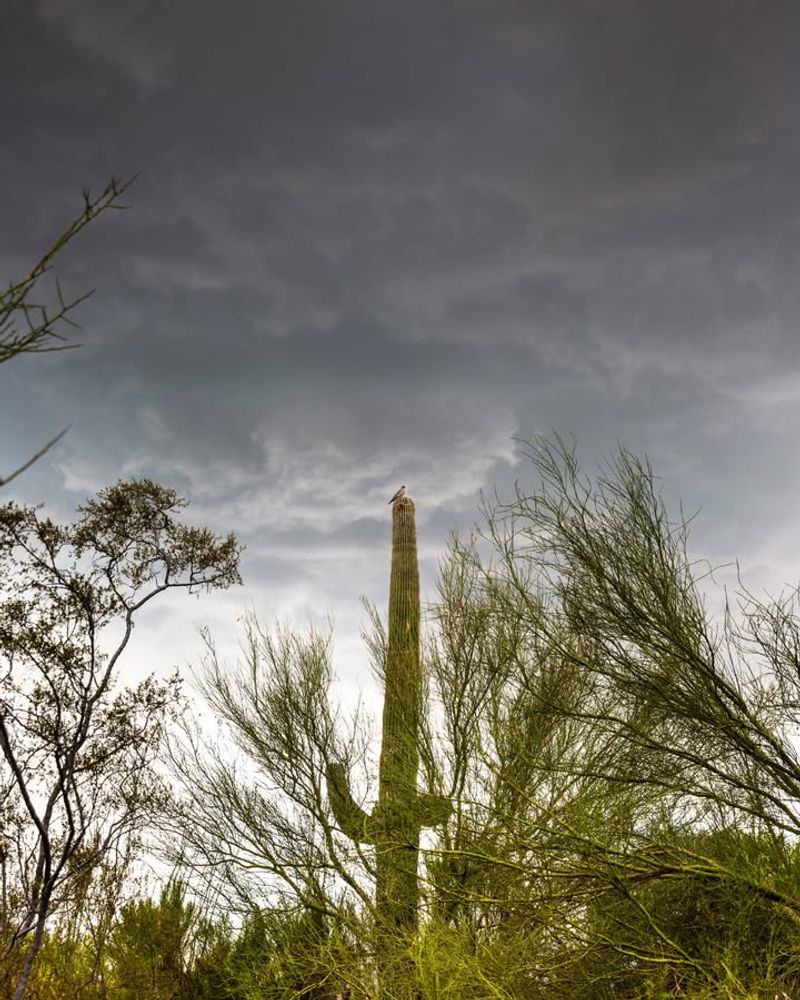
New Mexico’s monsoon season brings dramatic afternoon storms that dump impressive amounts of rain in very short periods.
Conventional gardens often lose most of this precious water to runoff as it races across the surface faster than soil can absorb it.
Traditional basin-style gardens transform monsoon downpours from frustrating waste into captured abundance.
Sunken garden beds and strategically shaped basins act like miniature reservoirs during intense rainfall.
Instead of water sheeting across the surface and disappearing into arroyos, it pools temporarily in planting areas where roots can access it.
The slightly raised borders around traditional garden sections direct water flow precisely where gardeners want it to go.
Contoured landscapes channel monsoon runoff from paths and non-planted areas into garden basins, effectively harvesting water from much larger areas than the garden footprint alone.
This passive water harvesting requires no pumps or complex systems—gravity does all the work automatically during each storm.
Gardens can capture enough water during monsoon season to sustain plants for weeks afterward, dramatically reducing or eliminating irrigation needs.
Gardeners report that their plants surge with growth following monsoon rains because the water penetrates deeply rather than wetting only the surface.
Root systems develop more extensively when they can access deep moisture reserves.
The traditional garden designs turn New Mexico’s brief but intense rainy season into a major asset rather than an unpredictable variable, ensuring that not a single precious drop goes to waste.
Increased Soil Fertility Over Time
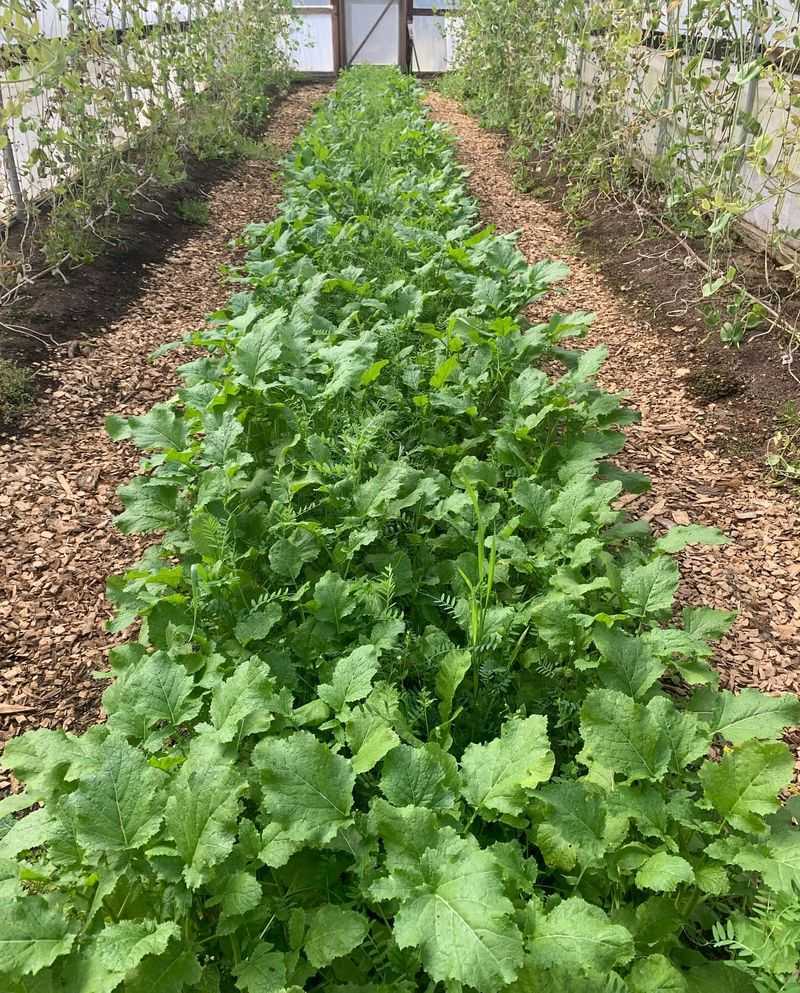
Desert soils naturally lack the organic matter that makes farmland productive, presenting ongoing challenges for gardeners.
Conventional approaches often require continuous fertilizer inputs just to maintain basic fertility levels.
Ancient composting methods and organic mulching practices actually build soil richness year after year, creating fertility that improves rather than depletes.
Traditional gardeners layer organic materials directly onto garden beds, allowing them to decompose in place.
Crop residues, kitchen scraps, and gathered plant materials break down gradually, feeding soil organisms that transform raw organic matter into rich humus.
This continuous addition of organic material increases the soil’s ability to hold nutrients and water while supporting beneficial microbial populations.
Certain traditional crops, particularly beans and other legumes, actively add nitrogen to soil through their root systems.
Ancient farmers understood these relationships long before modern science explained the nitrogen-fixing bacteria in legume root nodules.
Crop rotation patterns incorporated into traditional growing systems ensure that soil-building plants regularly enrich garden areas.
Gardeners who practice these methods for multiple seasons notice dramatic improvements in soil quality.
Hard, dusty earth gradually transforms into darker, more substantial growing medium that feels alive in your hands.
Plants grow more vigorously as soil fertility increases, requiring less supplemental feeding and showing greater resistance to stress.
The long-term approach of ancient techniques creates gardens that become more productive with each passing year, building wealth in the soil rather than mining it.
Compatibility With Off-Grid Or Rural Homesteads
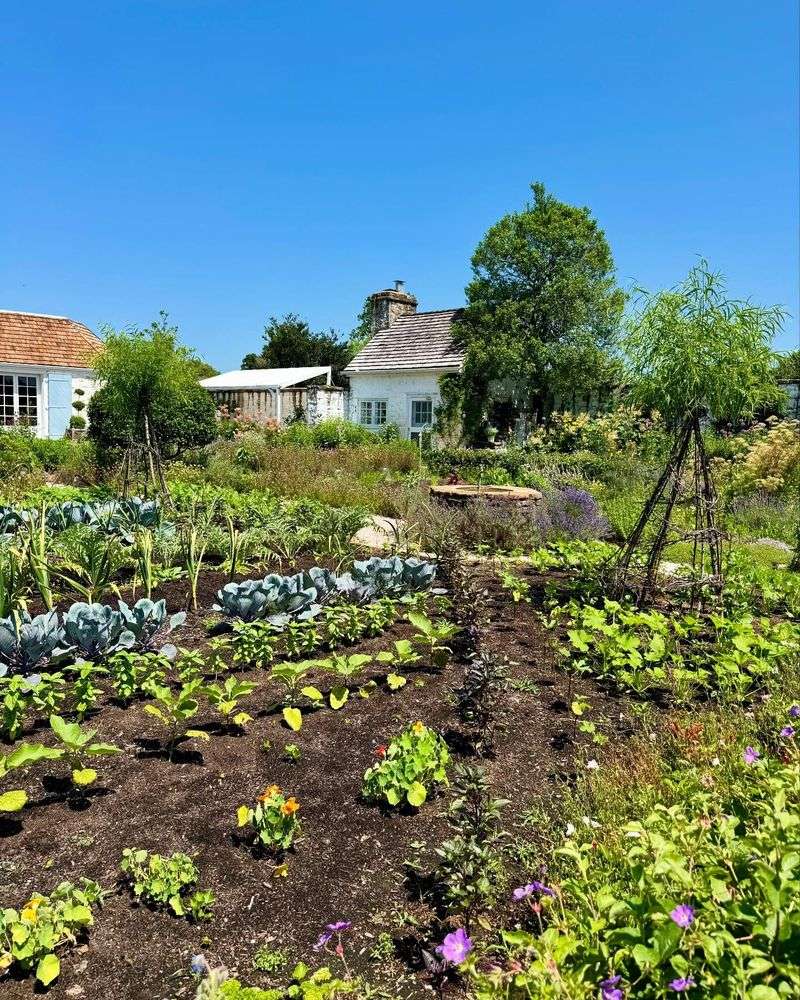
Many New Mexico residents choose rural living where utility infrastructure is limited or entirely absent.
Off-grid homesteads and remote properties present unique challenges that make conventional gardening approaches impractical or impossible.
Ancient desert growing techniques were developed in precisely these conditions, making them ideal for modern homesteaders living beyond power lines and water mains.
Traditional methods require no electricity since they operate entirely through gravity, evaporation, and manual labor.
No pumps to run, no timers to program, and no dependence on grid power that might be unreliable or unavailable.
Water systems based on ollas and basins function perfectly whether you have running water or haul every gallon from a distant well.
Remote homesteaders often face limited water availability, making the extreme efficiency of traditional techniques essential rather than optional.
Gardens that thrive on minimal water inputs allow families to grow food without exhausting precious well water or depleting rainwater catchment systems.
The simplicity of these methods means fewer things to break and less need for replacement parts that might require long trips to distant towns.
Homesteaders report that traditional techniques give them genuine food security independent of external systems.
Their gardens produce reliably using only what’s available on-site—rainwater, saved seeds, and local materials for mulch and structures.
This self-contained approach aligns perfectly with the homesteading philosophy of independence and resilience, proving that ancient wisdom serves modern pioneers exceptionally well in New Mexico’s challenging rural environments.