9 De-Icing Mistakes Ohio Homeowners Make That Are Damaging Their Plants This Winter
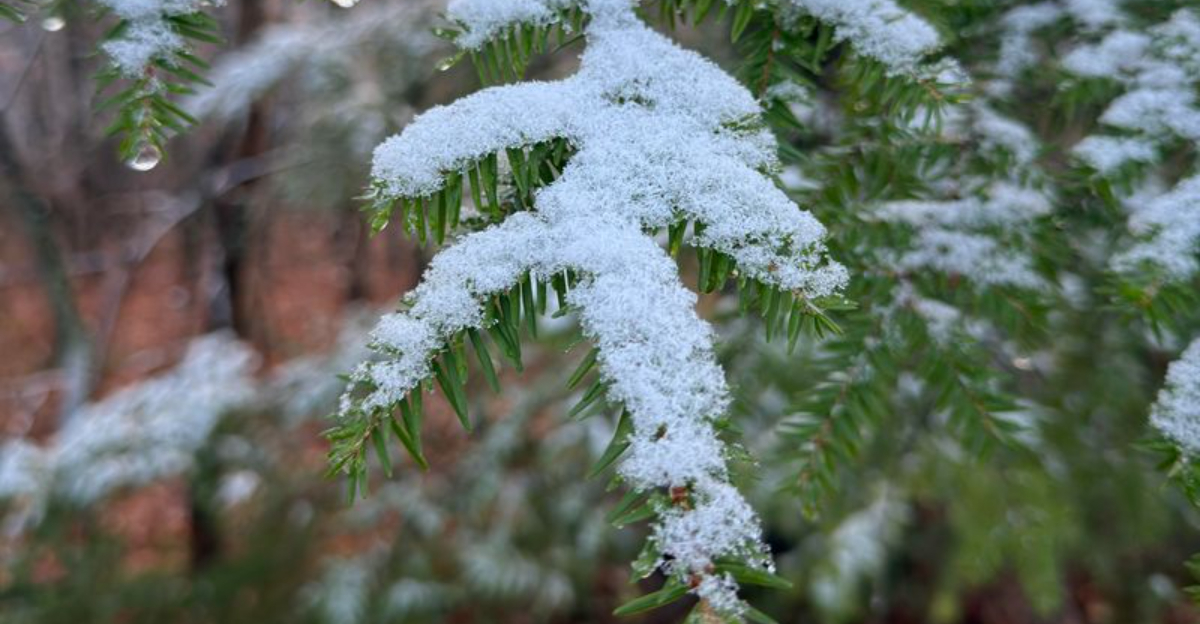
Winter in Ohio brings snow, ice, and freezing temperatures that make driveways and walkways treacherous.
Homeowners rush to spread de-icing products to keep their families safe from slips and falls.
However, many people don’t realize that the chemicals and methods they use to melt ice can seriously harm the plants, shrubs, and trees around their property.
Salt and other de-icing agents might seem harmless, but they can damage roots, burn foliage, and even change the soil in ways that make it hard for plants to survive.
Ohio’s harsh winters already stress plants enough without adding chemical damage to the mix.
The good news is that most of these problems are easy to avoid once you know what to watch out for.
Many homeowners make the same mistakes year after year without realizing the long-term damage they cause.
From using too much product to choosing the wrong type of de-icer, these errors add up over time.
Your beautiful garden and landscaping deserve better protection during the cold months.
1. Using Rock Salt Near Garden Beds And Shrubs
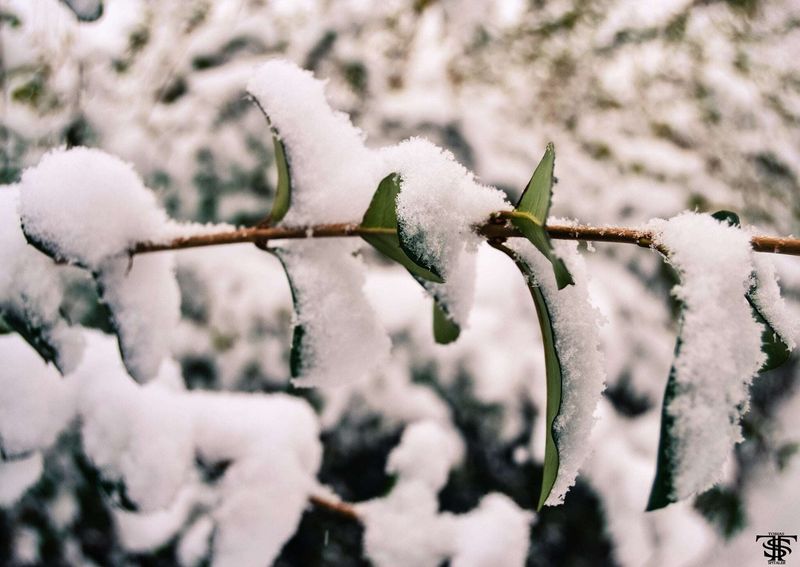
Rock salt remains the most popular de-icer in Ohio, but it’s also one of the worst offenders when it comes to plant damage.
Sodium chloride pulls moisture from plant tissues and disrupts how roots absorb water and nutrients.
When you spread rock salt on walkways near flower beds or foundation plantings, the salt dissolves and seeps into the soil.
Plants can’t tell the difference between salt and the minerals they need, so they absorb the sodium and chloride ions.
This buildup causes leaf burn, stunted growth, and weakened branches that break easily under snow weight.
Evergreens like yews and junipers show brown, scorched needles by late winter.
Even small amounts of rock salt accumulate over multiple applications throughout the season.
By spring, the soil around your walkways may have such high salt levels that nothing will grow there.
Consider switching to plant-safe alternatives like calcium magnesium acetate or sand for traction.
If you must use rock salt, apply it sparingly and keep it at least three feet away from any plants.
Sweep up excess salt before it melts to reduce the amount that enters your soil.
Your shrubs and perennials will thank you when spring arrives and they can bounce back healthy and strong.
2. Applying Too Much De-Icer At Once
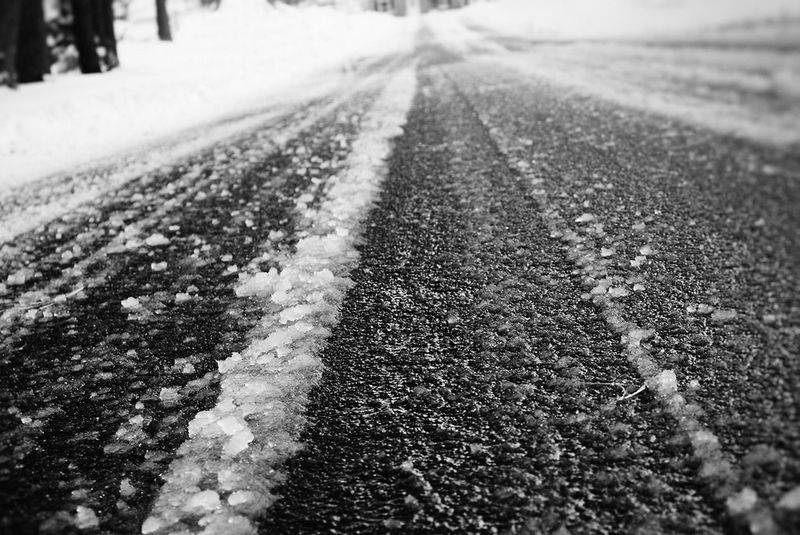
More isn’t always better, especially when it comes to de-icing products.
Many Ohio homeowners panic during ice storms and dump entire bags of de-icer on their driveways and sidewalks.
This excessive application creates concentrated chemical runoff that flows directly into planting areas.
Most de-icers work effectively at much lower application rates than people realize.
A 12-ounce coffee mug of product typically covers about 2-3 parking spaces or 60 feet of sidewalk.
When you use three or four times that amount, you’re just wasting money and harming your landscape.
The extra chemicals don’t melt ice any faster once you reach the effective concentration.
Instead, the surplus sits on surfaces and eventually washes into garden beds when temperatures rise.
Your Ohio Garden Changes Every Week. Your Plan Should Too.
Gardening in Ohio changes quickly throughout the season. Every Friday you’ll receive a simple weekly plan showing exactly what to plant, prune, fertilize, harvest, and protect so you never miss the right timing.
This concentrated solution shocks plant roots and can cause immediate damage that won’t show up until spring.
Always follow the manufacturer’s recommended application rates printed on the bag.
If you’re not sure how much to use, start with less and add more only if needed.
Pre-treating surfaces before a storm with a light application works better than heavy post-storm dumping.
Keep a measuring cup in your de-icer storage area to help you apply the right amount.
Your plants and your wallet will both benefit from this simple habit.
3. Piling Snow Mixed With De-Icer Onto Planting Areas
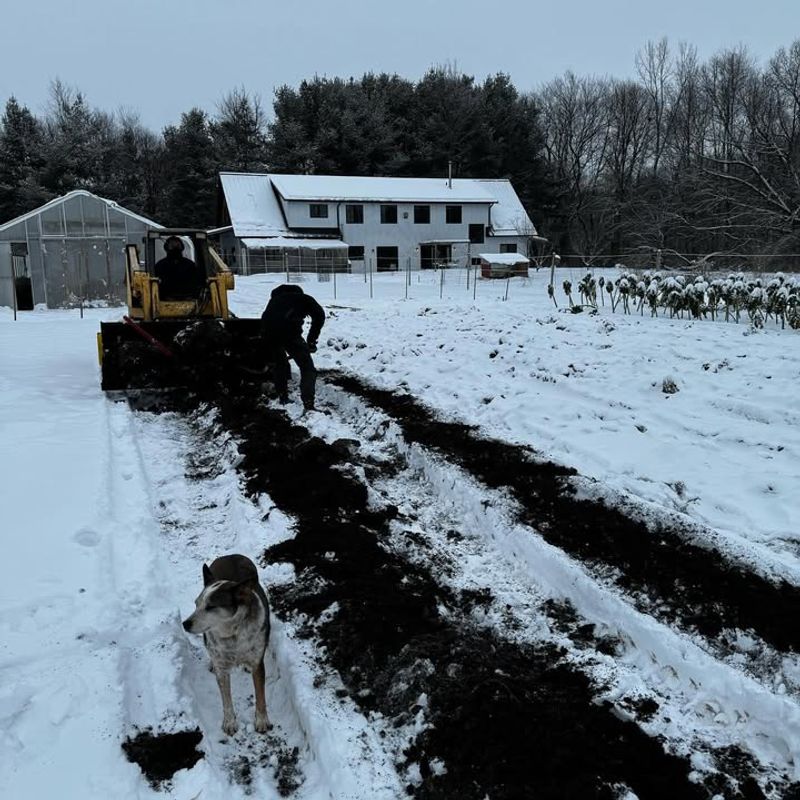
After shoveling your driveway, that mountain of snow has to go somewhere.
Most people naturally toss it onto the nearest lawn area or garden bed without thinking twice.
But when that snow contains de-icing chemicals, you’re essentially burying your plants in a toxic slush.
As temperatures fluctuate, the snow pile melts slowly and releases concentrated chemicals directly onto plant roots.
This prolonged exposure causes more damage than brief contact with de-icer spray.
Dormant plants can still absorb chemicals through their roots even when they’re not actively growing.
The weight of heavy, wet snow also breaks branches and compresses soil, reducing oxygen flow to roots.
When spring arrives, you might find that the plants under your snow piles never recover.
They may show brown patches, stunted new growth, or fail to leaf out at all.
Designate a specific area of your yard for snow disposal that’s away from valuable plants and trees.
Choose a spot where chemical runoff won’t flow into planting beds or toward tree roots.
An empty corner of the lawn or a gravel area makes a better dumping ground.
If your yard is small and options are limited, consider spreading snow in thinner layers across open lawn areas.
This distributes the chemicals more evenly and reduces concentration in any one spot.
4. Ignoring Wind Direction When Spreading Granular Products
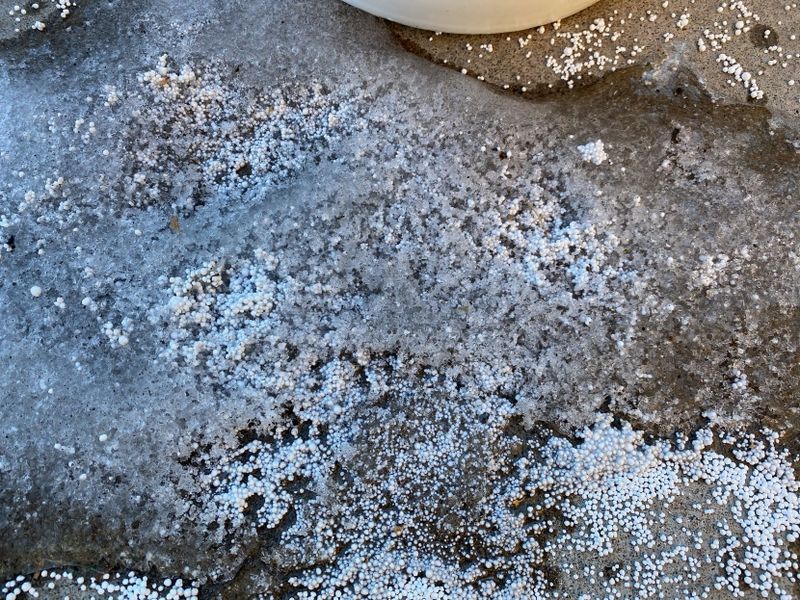
Ohio winters bring plenty of windy days, but most homeowners don’t think about wind when they spread de-icer.
Granular products easily blow off target areas and land in places you never intended.
A strong gust can carry lightweight pellets several feet into flower beds, under shrubs, and around tree bases.
Broadcast spreaders make this problem even worse because they throw de-icer in wide arcs.
What you aim at the driveway ends up coating the pachysandra along your foundation.
Even hand-spreading can result in windblown chemicals landing on plants if you’re not careful.
The solution starts with checking the weather before you apply any de-icing product.
If winds are above 10 miles per hour, wait for calmer conditions or switch to a liquid de-icer that won’t blow around.
When you must spread granules on a breezy day, position yourself upwind of your plants.
Walk slowly and keep your spreader or scoop low to the ground to minimize drift.
Apply product in the center of walkways and driveways, staying well away from edges near landscaping.
After application, check the surrounding area and sweep up any stray granules you spot on planting beds.
This simple attention to wind conditions prevents accidental plant exposure to harmful chemicals.
Your careful application protects both your safety and your landscape investment.
5. Using De-Icer on Newly Planted Trees and Shrubs
Plants installed during the previous growing season face their first Ohio winter without fully established root systems.
These vulnerable newcomers need extra protection, not chemical stress from de-icing products.
Young roots haven’t spread far enough to escape the concentrated chemicals near walkways and driveways.
Mature plants with extensive root systems can sometimes tolerate low levels of salt exposure because their roots extend beyond the affected zone.
New plantings don’t have that luxury.
Their limited root balls sit right in the path of chemical runoff from treated surfaces.
The combination of winter cold, transplant shock, and chemical exposure often proves too much for young plants.
They may survive the winter but emerge in spring with brown foliage, dieback, and stunted growth.
Some never recover and need replacement by summer.
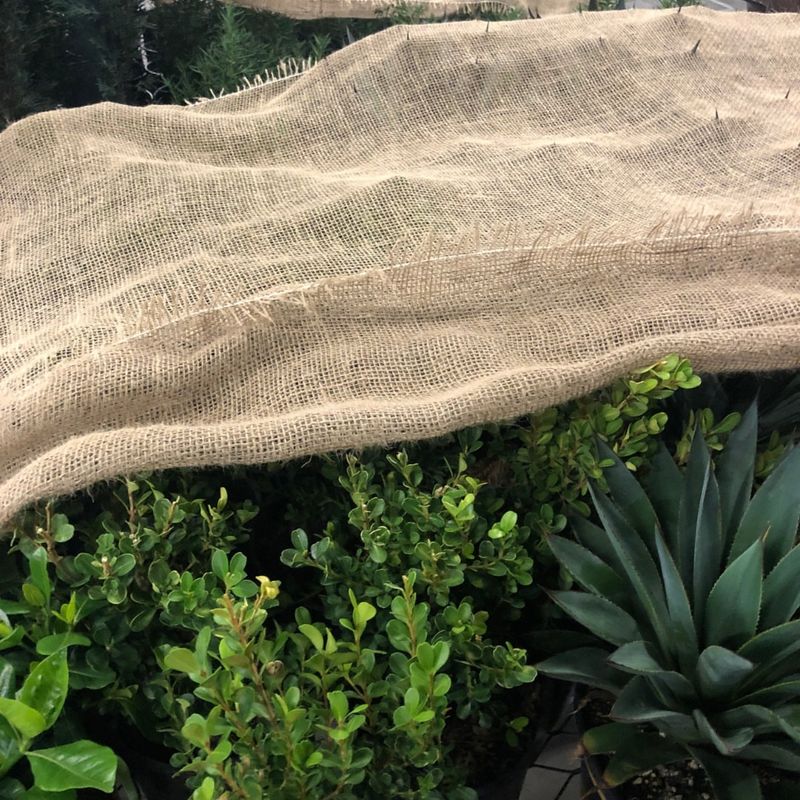
If you planted trees or shrubs within the past year, create a protective barrier between them and de-iced areas.
Use burlap screens or snow fencing to block spray and runoff.
Apply de-icer extremely sparingly on any surfaces near new plantings.
Consider using only sand or kitty litter for traction near newly installed plants during their first winter.
These products provide safety without chemical damage.
Once plants establish strong root systems over two or three years, they’ll handle typical de-icer exposure much better.
6. Forgetting About Chemical Splash from Car Tires
Most people think about the de-icer they spread themselves but forget about the chemicals their vehicles track home.
Ohio roads get treated with tons of salt and chemical de-icers throughout winter.
Your car tires pick up this salty slush and carry it right into your driveway.
When you pull in and out of your garage or parking area, tires spray this contaminated mixture in all directions.
Foundation plantings along driveways take the worst hit from this repeated splash exposure.
Each time you drive over treated surfaces, you add another coating of chemicals to nearby plants.
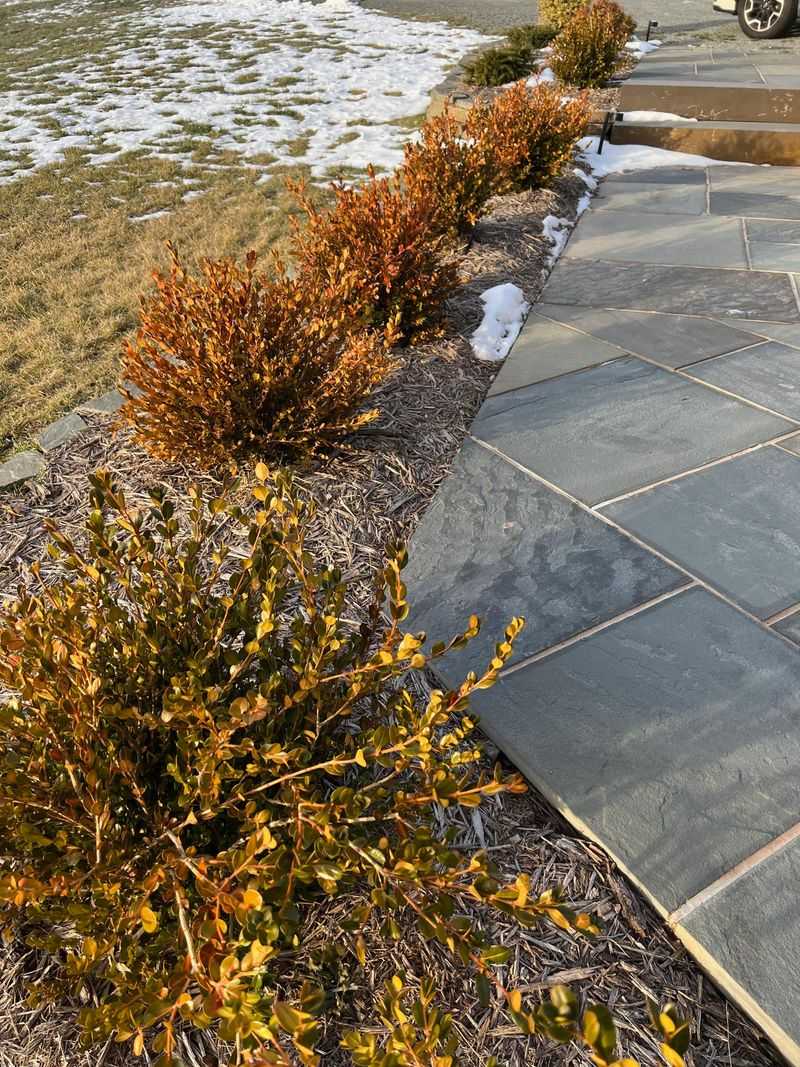
Boxwoods, hostas, and other common driveway border plants show the effects by late winter.
Brown leaf edges, yellowed foliage, and weakened stems appear on the sides facing the driveway.
The damage pattern often shows up more on one side than the other, depending on traffic patterns.
You can’t avoid driving on treated roads, but you can minimize splash damage at home.
Install low barriers or edging between driveways and planting beds to block some of the spray.
Position plants at least two feet back from the edge of paved surfaces.
Consider replacing vulnerable plants in high-splash zones with more salt-tolerant species.
Ornamental grasses and certain evergreens handle road salt exposure better than delicate perennials.
Regular rinsing of plants during winter thaws also helps wash away accumulated chemicals.
7. Not Rinsing Plants After Mild Spells
Ohio winters rarely stay consistently cold.
Mid-winter thaws bring days warm enough to melt snow and ice, creating opportunities for plant care that most homeowners miss.
These temporary warm spells offer the perfect chance to rinse accumulated chemicals off your plants and soil.
De-icing products build up on plant foliage and in the soil throughout the winter.
Each application adds to the total chemical load your plants must endure.
When temperatures climb above freezing, you can flush away these accumulated salts before they cause more damage.
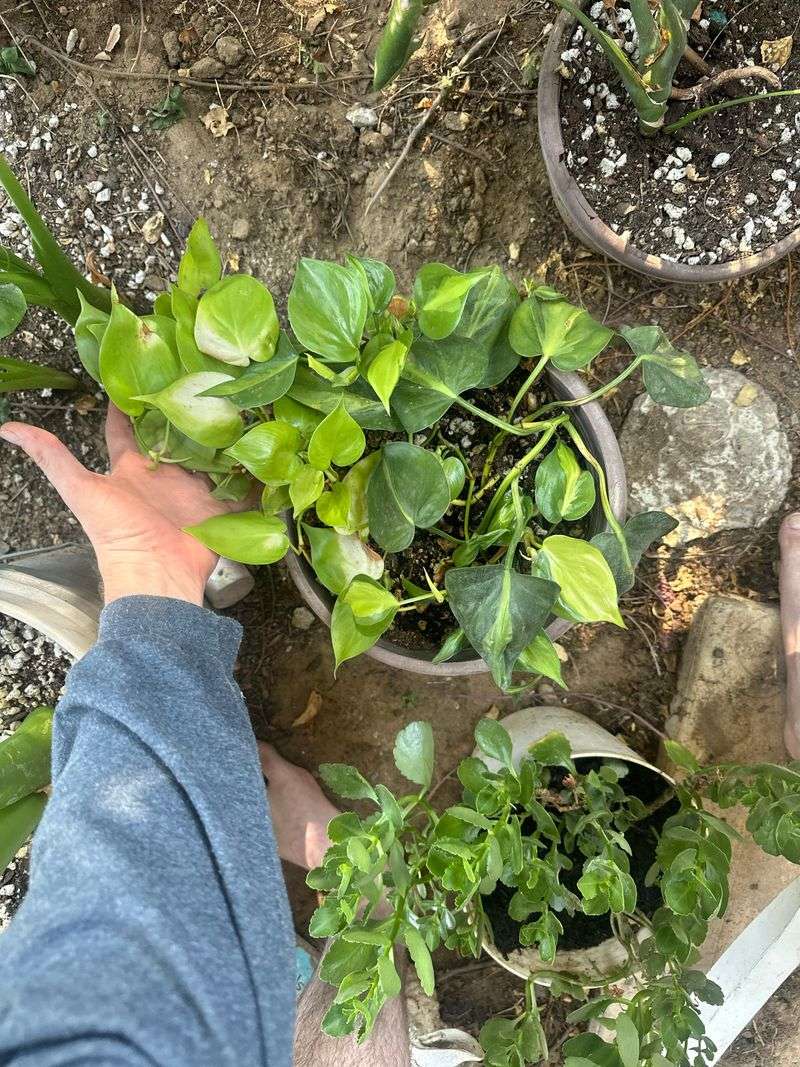
A simple spray with your garden hose during a warm afternoon dilutes chemicals and washes them away from root zones.
Focus on evergreens and plants closest to treated surfaces.
Water the soil around plants to push salts deeper into the ground where they’ll eventually leach away.
This practice proves especially valuable after major storms when you’ve applied more de-icer than usual.
Wait for a day when temperatures will stay above freezing for several hours.
Use a gentle spray to avoid damaging frozen plant tissues.
Don’t worry about creating ice problems.
The small amount of water from rinsing plants won’t refreeze into dangerous patches on walkways.
Focus the water on planting beds and let it soak into the soil.
This simple maintenance step significantly reduces cumulative chemical damage throughout the winter months.
8. Choosing Products Based Only on Melting Temperature

Walk down the ice melt aisle at any Ohio hardware store and you’ll see products advertising their low-temperature effectiveness.
Labels boast about melting ice at negative 25 degrees or colder.
Homeowners naturally grab the product that works at the coldest temperature, but this focus ignores plant safety completely.
The chemicals that work at extremely low temperatures are often the most damaging to plants and soil.
Calcium chloride melts ice at very cold temperatures but draws moisture from plant tissues aggressively.
Magnesium chloride works at low temps but can change soil pH and harm certain plant species.
Ohio winter temperatures rarely drop below zero for extended periods.
Most winter days fall between 20 and 35 degrees, well within the range where plant-safer alternatives work fine.
You don’t need the most aggressive chemical for typical Ohio conditions.
Look for products labeled as plant-safe or plant-friendly rather than focusing solely on temperature ratings.
Calcium magnesium acetate works down to about 20 degrees and causes minimal plant damage.
Potassium chloride is gentler on plants than sodium chloride, though it costs more.
Read the entire product label, not just the temperature claim.
Check for warnings about plant safety and application rates near vegetation.
Sometimes spending a few extra dollars on a plant-friendly product saves hundreds in landscape replacement costs come spring.
9. Neglecting To Protect Evergreens From Salt Spray
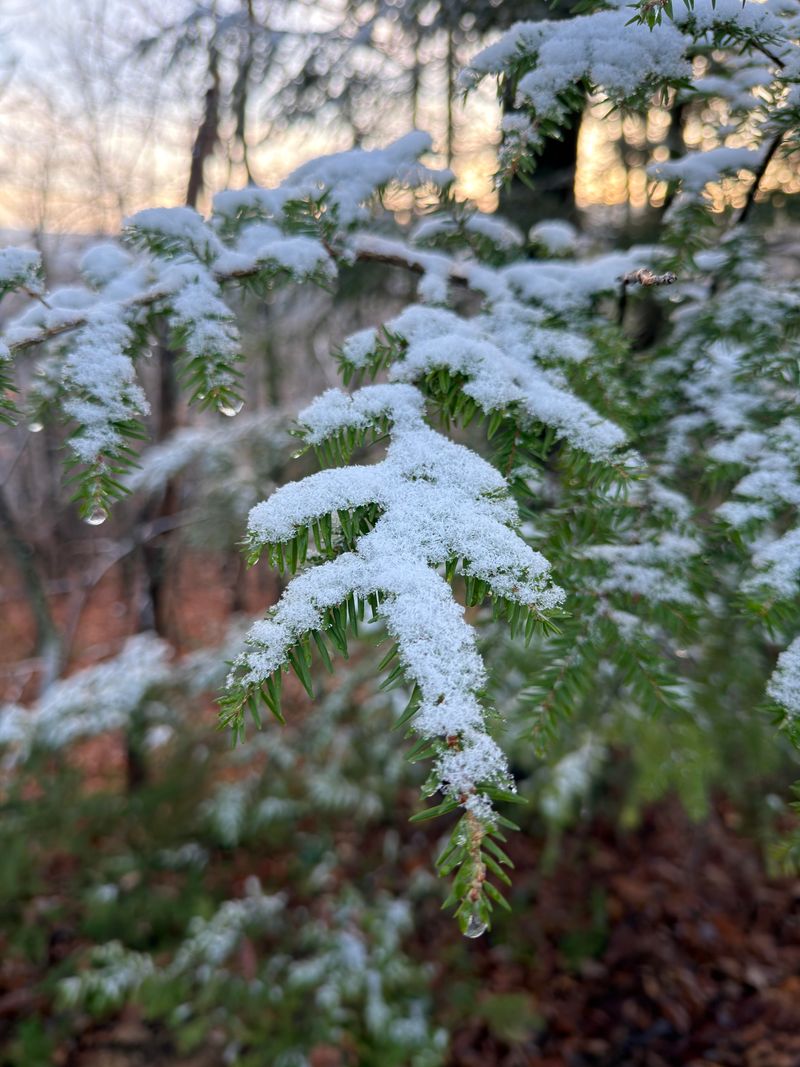
Evergreens keep their needles all winter, which makes them beautiful but also vulnerable to de-icer damage.
Deciduous plants drop their leaves and avoid direct chemical contact during winter months.
Pines, spruces, arborvitae, and other evergreens expose their foliage to every bit of salt spray and chemical mist.
When vehicles pass on treated roads or when wind blows de-icer around, fine droplets settle on evergreen needles.
These chemicals sit on the foliage for weeks or months, slowly causing burn damage.
By late winter, affected evergreens show brown, dead needles on the side facing the salt source.
Road salt spray affects evergreens along streets, but home de-icer use causes problems too.
Evergreens planted near driveways, walkways, and entryways face constant exposure throughout winter.
The damage accumulates with each application and worsens as winter progresses.
Install burlap screens or windbreak fabric on stakes between evergreens and chemical sources.
These barriers block spray while still allowing air circulation.
Wrap individual shrubs in burlap if they’re especially valuable or vulnerable.
Anti-desiccant sprays applied in late fall create a protective coating on needles that helps repel chemicals.
Apply these products before winter arrives for best results.
During winter thaws, rinse evergreen foliage with fresh water to wash away accumulated salts and reduce damage.