10 Mulching Mistakes Michigan Homeowners Make Every Winter (And How They Harm Your Plants)
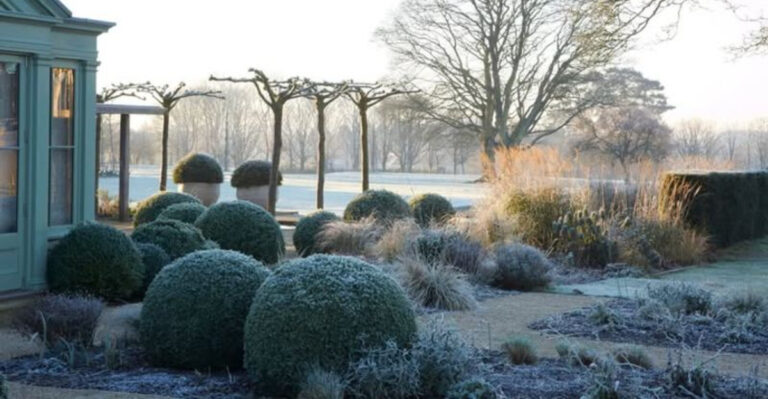
Winter in Michigan can be downright punishing — not just for people, but for the plants quietly fighting for survival beneath the snow.
That’s why mulching is more than a landscaping chore; it’s your garden’s winter armor.
But here’s the twist: even well-intentioned homeowners often make mulching mistakes that do more harm than good.
From suffocating roots with too much mulch to inviting pests to a warm winter home, these slip-ups can sabotage your shrubs, trees, and perennials before spring even has a chance to arrive.
The good news?
These problems are completely avoidable.
Understanding what not to do is just as important as knowing the right techniques — especially in Michigan’s freeze-thaw cycle, where timing and materials matter.
In this guide, we’ll uncover the top 10 mulching mistakes homeowners make every winter and show you exactly how to protect your plants instead. Your garden will thank you come spring.
1. Piling Mulch Against Tree Trunks Like A Volcano
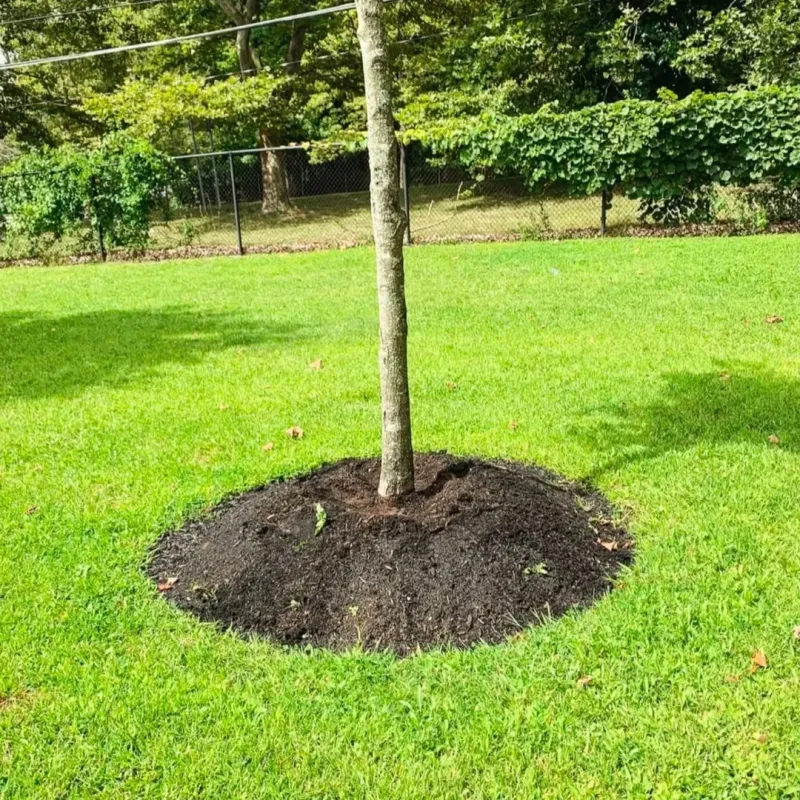
Creating a mulch volcano around your tree trunks might look neat, but it causes serious problems.
Moisture gets trapped against the bark, creating the perfect environment for rot and fungal diseases.
Rodents and insects also love burrowing into these warm mulch piles, where they chew on tender bark all winter long.
The proper technique involves keeping mulch at least three to six inches away from the trunk base.
Think of it like a donut shape rather than a volcano, with the trunk sitting in the empty center hole.
This allows air to circulate around the bark and prevents moisture buildup that weakens your trees.
Michigan’s freeze-thaw cycles make this mistake even worse, as wet bark freezes and cracks more easily.
Young trees are especially vulnerable because their thin bark offers less protection.
Spread mulch in a flat, even layer extending outward to the drip line instead.
Your trees will develop stronger root systems and healthier bark when given proper breathing room throughout winter months.
2. Applying Mulch Too Early In The Season
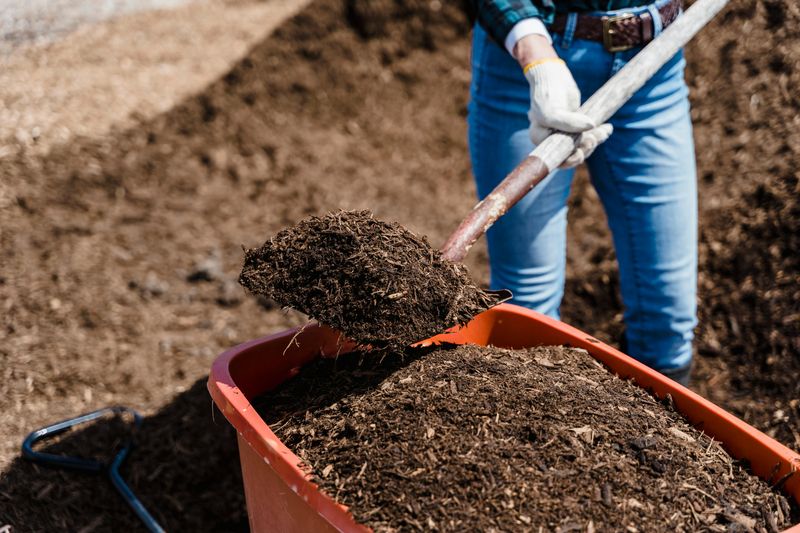
Patience pays off when timing your winter mulch application.
Many Michigan homeowners rush to spread mulch in early fall when temperatures are still relatively warm.
This keeps the soil temperature higher than it should be, confusing plants about when to go dormant.
Plants need consistent cold signals to properly harden off and prepare for winter survival.
When soil stays warm too long, plants continue growing tender new shoots that will get damaged by sudden freezes.
The ideal time to apply winter mulch is after the ground has experienced several hard frosts and begun to freeze.
Usually, this happens in late November or early December across most of Michigan.
Waiting ensures your plants have already entered their dormant state and stopped active growth.
Early mulching also encourages mice and voles to set up winter homes before you want them there.
These pests cause significant root damage when they establish themselves in cozy, warm mulch beds.
Mark your calendar for late fall mulching rather than rushing the process during colorful autumn days.
Your Michigan Garden Changes Every Week. Your Plan Should Too.
Gardening in Michigan changes quickly throughout the season. Every Friday you’ll receive a simple weekly plan showing exactly what to plant, prune, fertilize, harvest, and protect so you never miss the right timing.
3. Using The Wrong Type Of Mulch Material
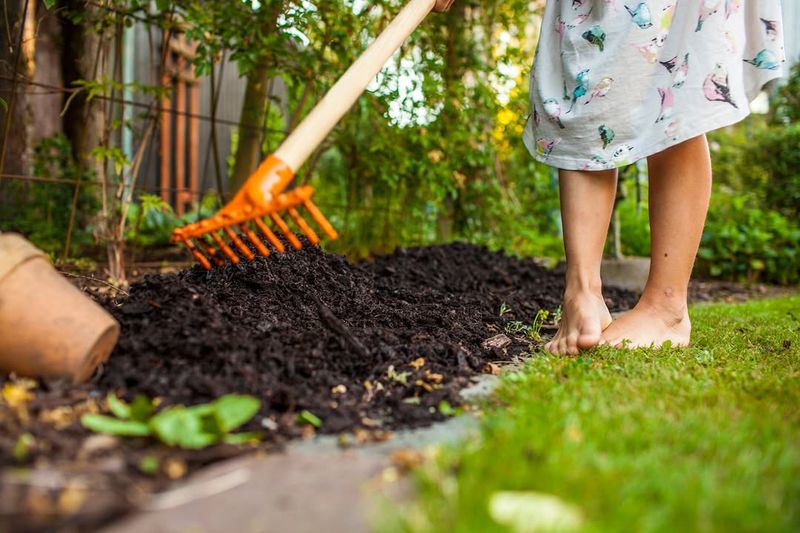
Not all mulch materials work equally well for Michigan winters.
Some homeowners grab whatever is cheapest or most convenient without considering how different materials perform in cold weather.
Fine mulches like sawdust compact easily under snow and ice, creating an impenetrable mat that suffocates plant roots.
Fresh wood chips can actually steal nitrogen from your soil as they decompose, leaving plants nutrient-starved come spring.
Grass clippings mat down and turn slimy, creating anaerobic conditions that harm beneficial soil organisms.
Shredded hardwood bark, pine needles, and aged compost make excellent winter mulch choices for Michigan gardens.
These materials allow water and air to penetrate while still providing insulation against temperature swings.
Pine needles work especially well around acid-loving plants like blueberries and rhododendrons.
Shredded leaves are free and effective, but should be chopped to prevent matting problems.
Avoid rubber mulch entirely, as it provides no nutritional value and can leach chemicals into your soil over time.
Investing in quality mulch materials protects your landscape investment throughout harsh winter conditions.
4. Spreading Mulch Way Too Thick
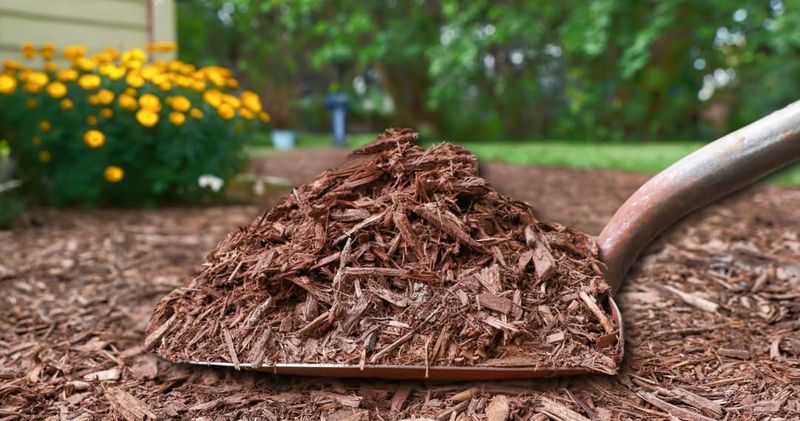
Bigger is not always better when it comes to mulch depth.
Some homeowners believe that piling on extra mulch provides superior winter protection for their plants.
Unfortunately, excessive mulch depth creates more problems than it solves in Michigan gardens.
Layers thicker than four inches prevent oxygen from reaching plant roots, essentially suffocating them slowly.
Heavy mulch also holds too much moisture against crowns and stems, promoting rot and disease issues.
Perennials buried under thick mulch may struggle to emerge in spring or rot away completely.
The recommended depth for winter mulch is typically two to four inches, measured after the material settles.
This provides adequate insulation while still allowing air and water movement through the soil.
Lighter mulch materials like straw can go slightly deeper, while denser materials should stay on the thinner side.
Around perennials and smaller plants, aim for the lower end of this range to avoid smothering crowns.
Use a ruler occasionally to check your depth and ensure you are not overdoing it with enthusiasm.
5. Forgetting To Water Before Mulching
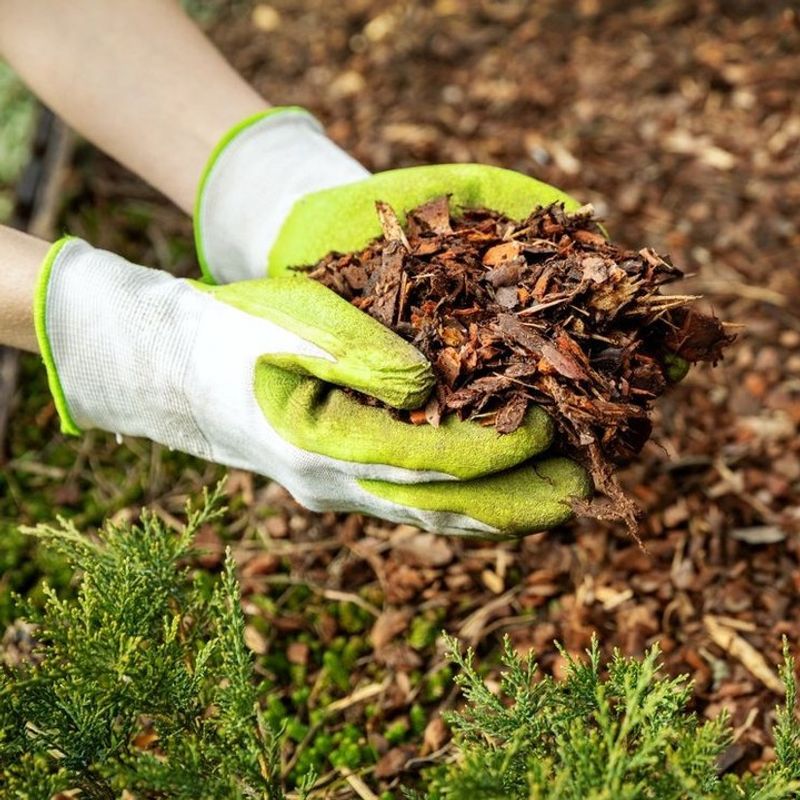
Dry soil under mulch creates a hidden danger for winter plant survival.
Michigan homeowners often apply mulch without checking soil moisture levels first, assuming winter precipitation will handle watering needs.
Plants actually lose moisture throughout winter through their bark and any remaining foliage, especially during sunny, windy days.
Evergreens are particularly vulnerable because they continue losing water through their needles all season long.
When soil freezes while dry, plant roots cannot access any moisture until spring thaw arrives.
This leads to winter desiccation, where plants essentially suffer from drought stress despite being surrounded by snow.
Always water your garden beds thoroughly before applying winter mulch, especially if fall has been dry.
Soak the soil deeply, allowing water to penetrate at least six to eight inches down where roots can access it.
Pay special attention to newly planted trees and shrubs, which have limited root systems for water uptake.
This pre-mulch watering provides a moisture reserve that sustains plants through frozen months ahead.
Even established plants benefit from this practice during Michigan’s unpredictable winter weather patterns.
6. Mulching Right Over Diseased Plant Material
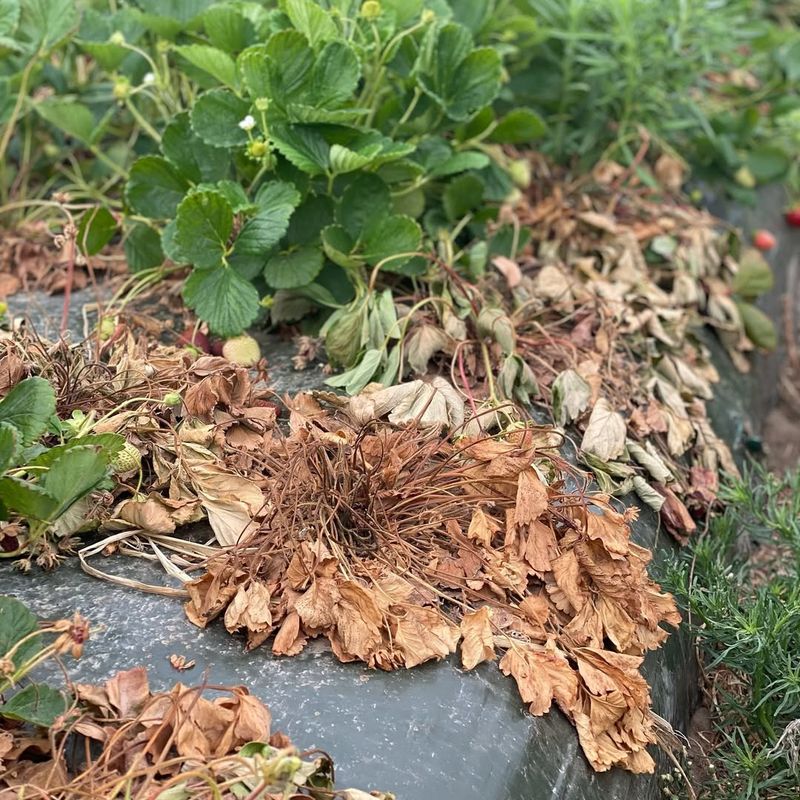
Leaving diseased leaves and stems in your beds before mulching invites trouble.
Fungal spores, bacteria, and pest eggs can survive winter quite comfortably under an insulating mulch blanket.
Come spring, these problems explode back to life, immediately reinfecting your plants as they break dormancy.
Black spot on roses, powdery mildew spores, and various leaf spot diseases all overwinter successfully in plant debris.
Mulching over this contaminated material essentially creates a disease incubator for your garden beds.
Always rake up and dispose of diseased foliage before applying fresh winter mulch layers.
Do not compost diseased material unless your compost pile reaches temperatures high enough to eliminate pathogens.
For most home composters, this means bagging diseased debris for municipal disposal instead.
Clean pruning tools with rubbing alcohol between cuts when removing infected branches and stems.
Starting with clean beds dramatically reduces disease pressure on your plants throughout the following growing season.
This simple step saves money on fungicides and replacement plants while keeping your Michigan landscape healthier overall.
Prevention always works better than trying to control established disease problems later on.
7. Neglecting To Pull Mulch Back In Spring
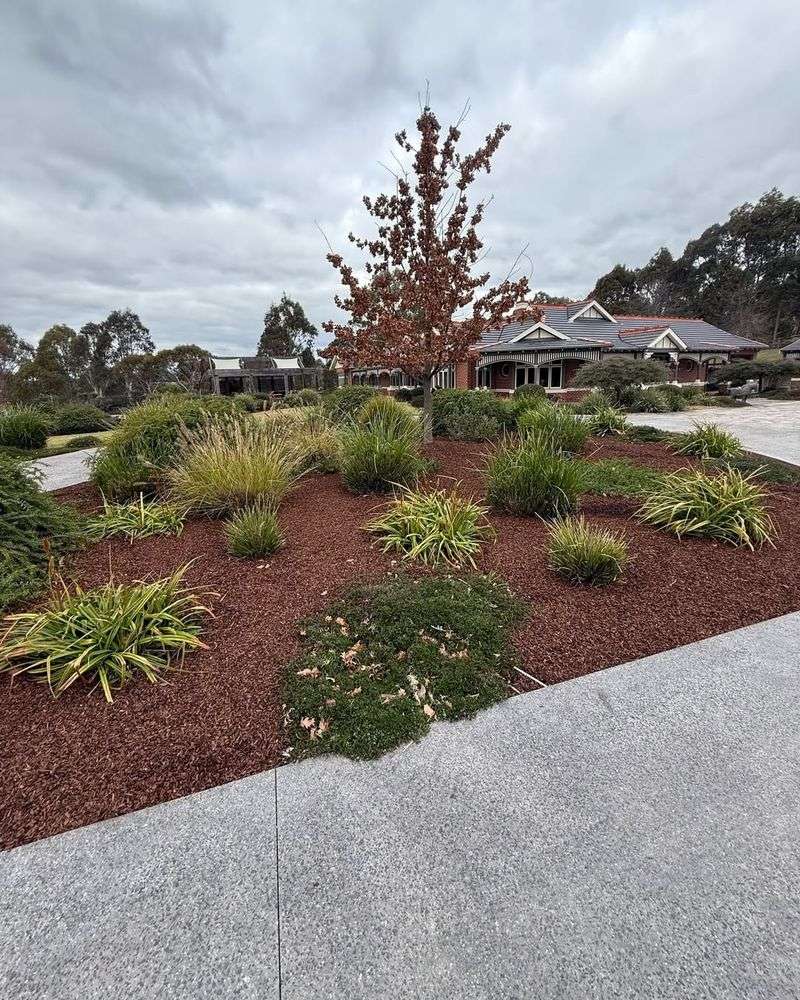
Your winter mulch needs adjustment when warm weather returns to Michigan.
Many homeowners simply leave their mulch exactly as it was applied throughout winter months.
This keeps soil cold and wet longer than necessary, delaying spring growth and encouraging rot problems.
Perennials trying to push through thick mulch layers waste valuable energy and may emerge weak and spindly.
Some tender shoots rot away completely before ever reaching sunlight and fresh air.
Bulbs also struggle when buried under heavy mulch as temperatures warm and growth should begin.
Pull mulch back from plant crowns and stems in early spring, once the worst freeze danger has passed.
You do not need to remove mulch entirely, just create breathing room around emerging plants.
Rake mulch into thinner layers that allow soil to warm naturally and dry out between rain events.
This simple spring maintenance task dramatically improves plant performance as the growing season begins.
Mark your calendar for mid-March to early April, depending on your specific Michigan location and weather patterns.
Your plants will reward this attention with stronger growth and better overall health throughout the season.
8. Choosing Mulch That Attracts Unwanted Pests
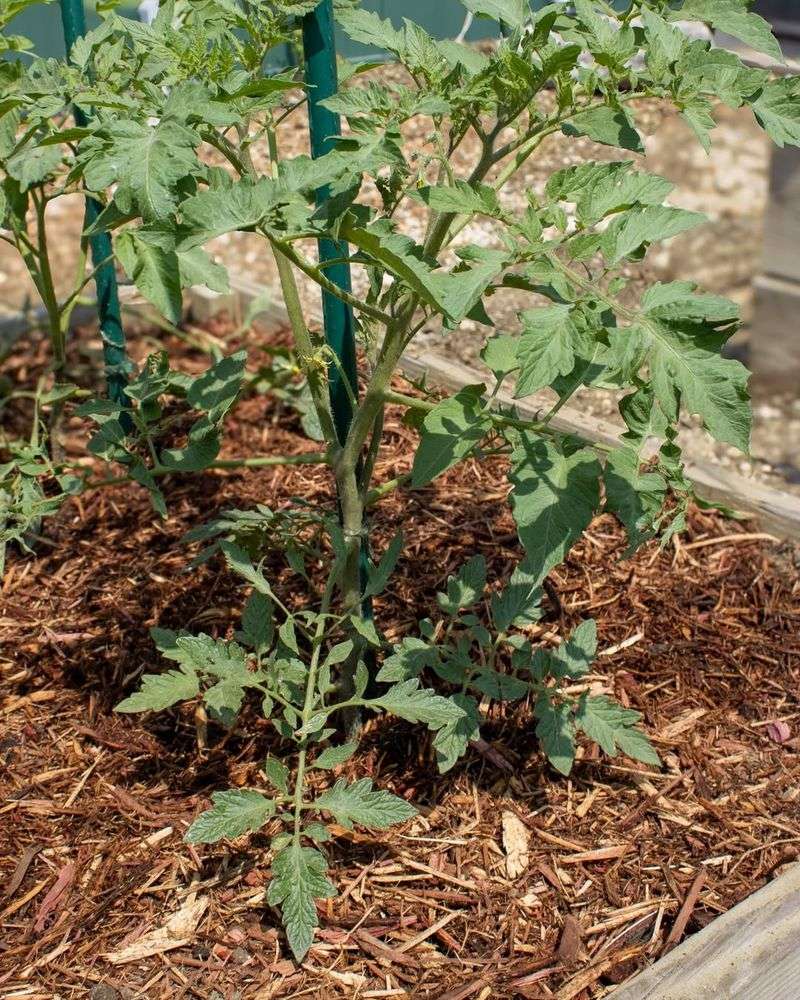
Certain mulch types practically roll out the welcome mat for garden pests during Michigan winters.
Straw and hay often contain weed seeds and provide perfect nesting material for mice and voles.
These rodents tunnel through mulch layers, feeding on plant roots and bark throughout cold months.
Cedar and cypress mulches naturally repel many insects, but they break down slowly and can become hydrophobic over time.
Fresh wood mulch sometimes harbors termites, carpenter ants, or wood-boring beetles that may eventually move toward your home.
Pine bark nuggets tend to float away during heavy spring rains, creating maintenance headaches and uneven coverage.
Research your mulch options carefully, considering both pest resistance and practical performance in Michigan conditions.
Shredded hardwood bark offers good pest resistance while breaking down at a reasonable rate to enrich soil.
Cocoa hull mulch smells wonderful but can be toxic to dogs, making it unsuitable for homes with pets.
Consider your specific pest pressures when selecting mulch materials for winter application.
Areas with heavy vole populations need different strategies than gardens plagued by insect problems.
Smart mulch selection reduces pest damage naturally without requiring chemical interventions later on.
9. Ignoring The Specific Needs Of Different Plants
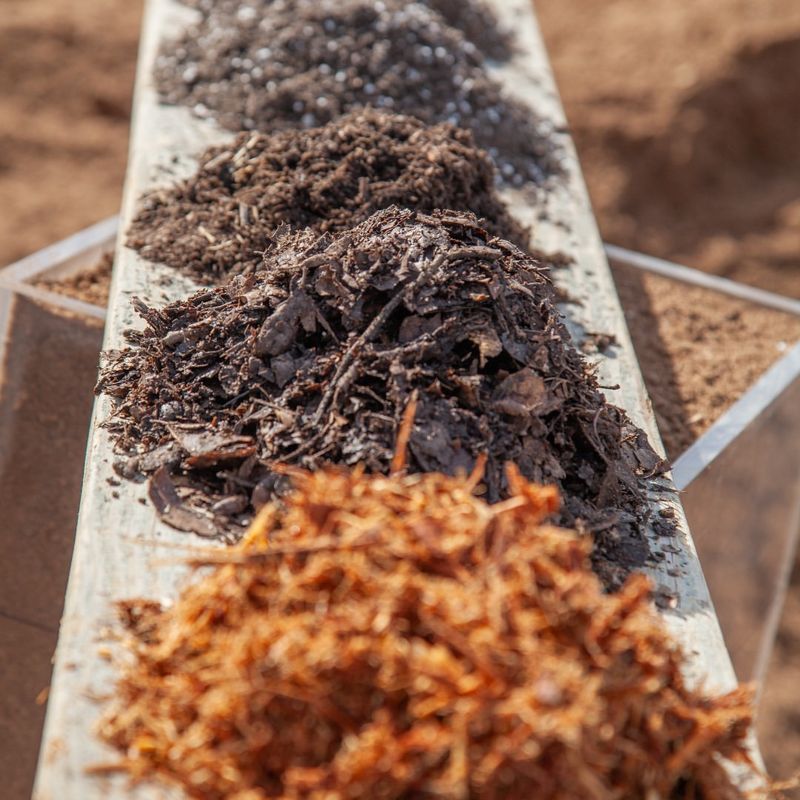
A one-size-fits-all approach to winter mulching often backfires in diverse Michigan landscapes.
Perennials, evergreens, roses, and vegetables all have different mulching requirements for successful winter protection.
Roses benefit from mounding soil around their base before adding mulch, while perennials prefer lighter coverage over their crowns.
Evergreens need consistent moisture but can suffer from mulch piled against their trunks or lower branches.
Strawberry beds require airy mulch like straw that can be easily removed in spring without damaging plants.
Garlic planted in fall needs mulch that insulates without compacting, allowing shoots to emerge easily come spring.
Shallow-rooted plants like azaleas and rhododendrons benefit from deeper mulch layers than deep-rooted trees.
Take time to research the specific winter needs of each plant type in your Michigan garden.
Adjust your mulching technique, timing, and materials to match these varying requirements for best results.
This customized approach requires more effort initially but pays off with healthier plants and fewer losses.
Keep notes about what works well for different areas, building your knowledge base over multiple seasons.
Successful gardening comes from understanding that different plants have genuinely different needs.
10. Skipping Mulch Entirely To Save Money
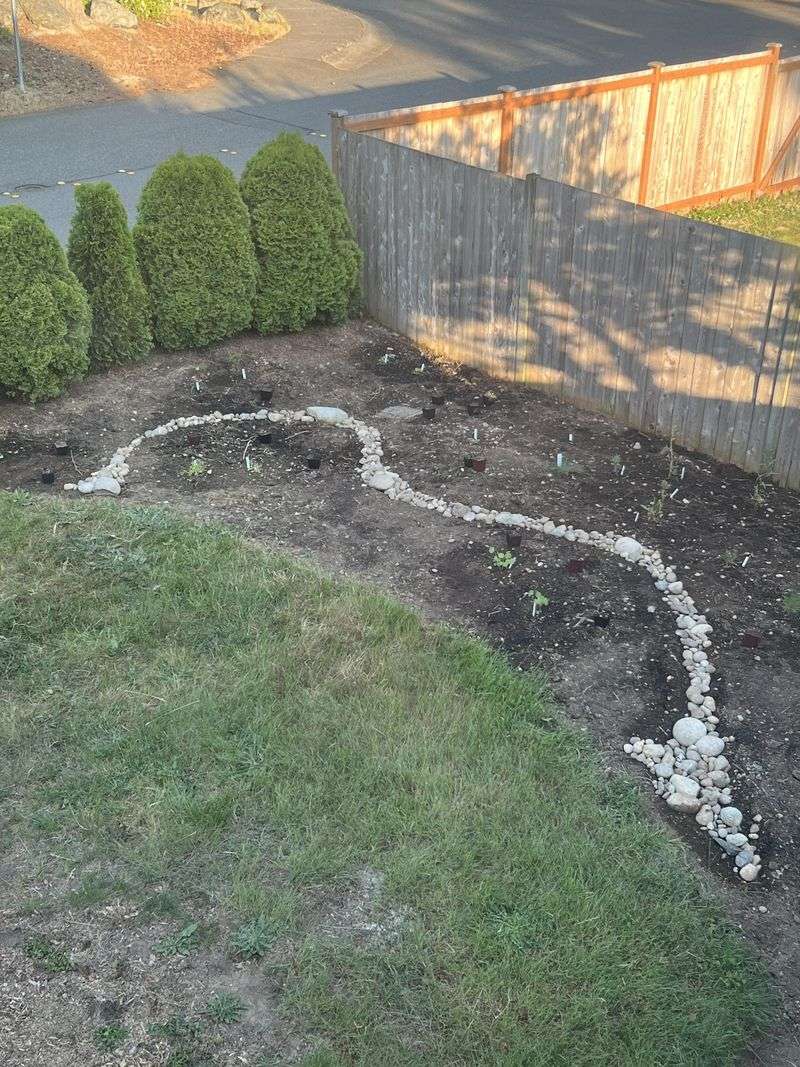
Some Michigan homeowners view winter mulch as an optional expense they can skip during tight budget years.
Unfortunately, this penny-wise approach often becomes pound-foolish when spring arrives with damaged or lost plants.
Without mulch insulation, soil temperatures fluctuate wildly during Michigan’s freeze-thaw cycles throughout winter months.
These temperature swings cause frost heaving, which literally pushes plant roots out of the ground where they freeze and dry out.
Newly planted trees and perennials are especially vulnerable without winter mulch protection in harsh climates.
Bare soil also erodes more easily during winter rains and spring snowmelt, washing away valuable topsoil and nutrients.
Weed seeds germinate earlier in unmulched beds, giving them a significant head start on your desirable plants.
The cost of replacing lost plants far exceeds the investment in proper winter mulching materials.
Many communities offer free mulch programs using chipped yard waste, making this protection even more affordable.
Shredded leaves from your own yard provide excellent free mulch when properly prepared and applied.
Protect your landscape investment with appropriate winter mulch rather than risking expensive losses from preventable cold damage.
Your future self will thank you when spring reveals a healthy, thriving garden ready for another beautiful season.