13 Delicious Fruits That California Home Gardeners Can Grow With Very Little Effort
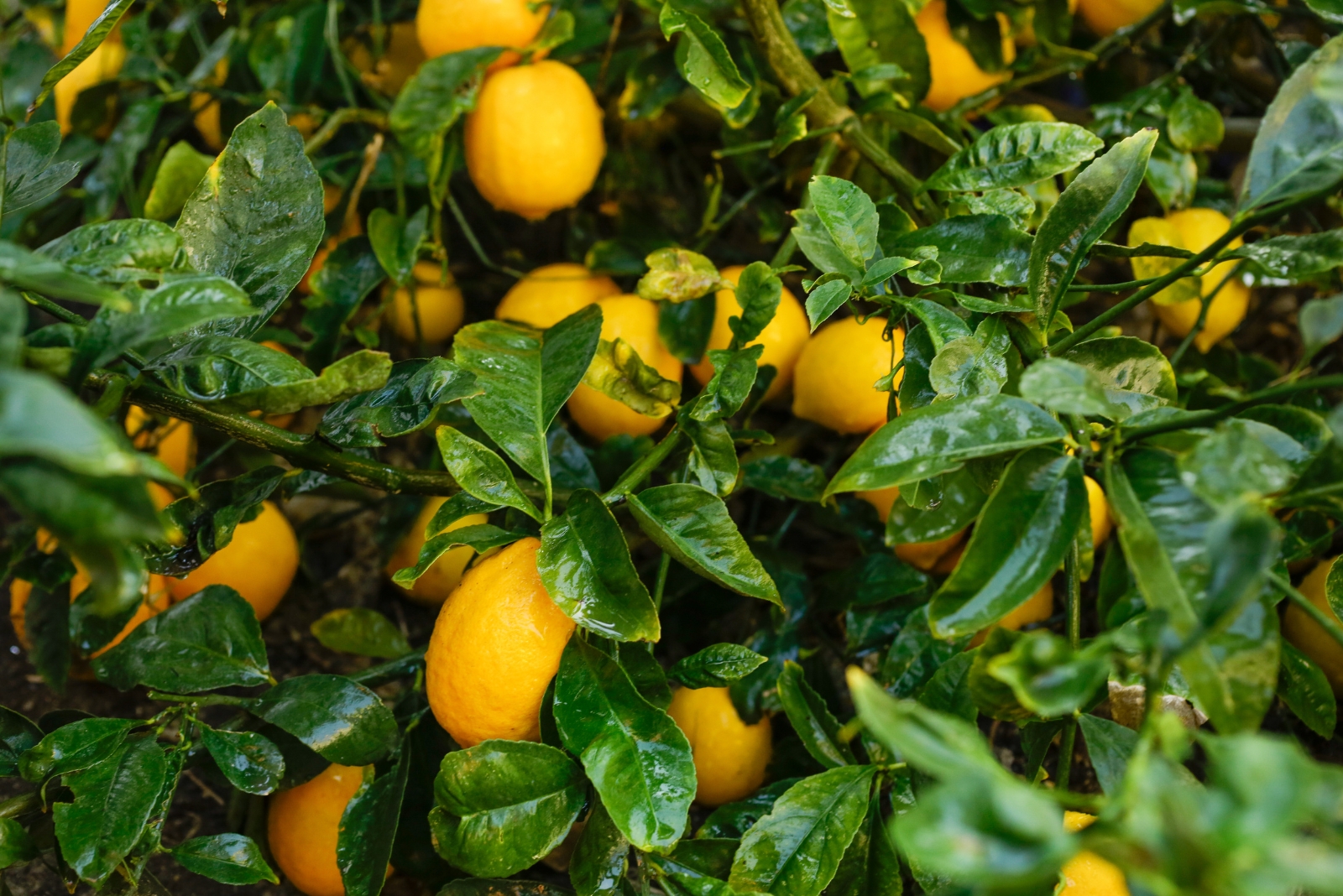
California gardeners have a secret advantage: a climate so forgiving that even the most casual home grower can enjoy a backyard bursting with fresh, sun-ripened fruit.
Whether you’re working with a tiny patio container or a full suburban plot, the Golden State’s mild winters and long, warm growing seasons make it surprisingly easy to cultivate an impressive variety of delicious fruits — often with far less effort than you’d think.
But with so many options, where should a beginner start?
Which fruits practically grow themselves, shrug off inconsistent watering, and reward you with generous harvests year after year?
From juicy berries to low-maintenance citrus, hardy vines to compact trees, we’ve rounded up the tastiest, easiest fruits that thrive in California’s unique climate zones.
Get ready to discover 13 delicious fruits you can grow with minimal fuss — and maximum flavor — no green thumb required.
1. Figs
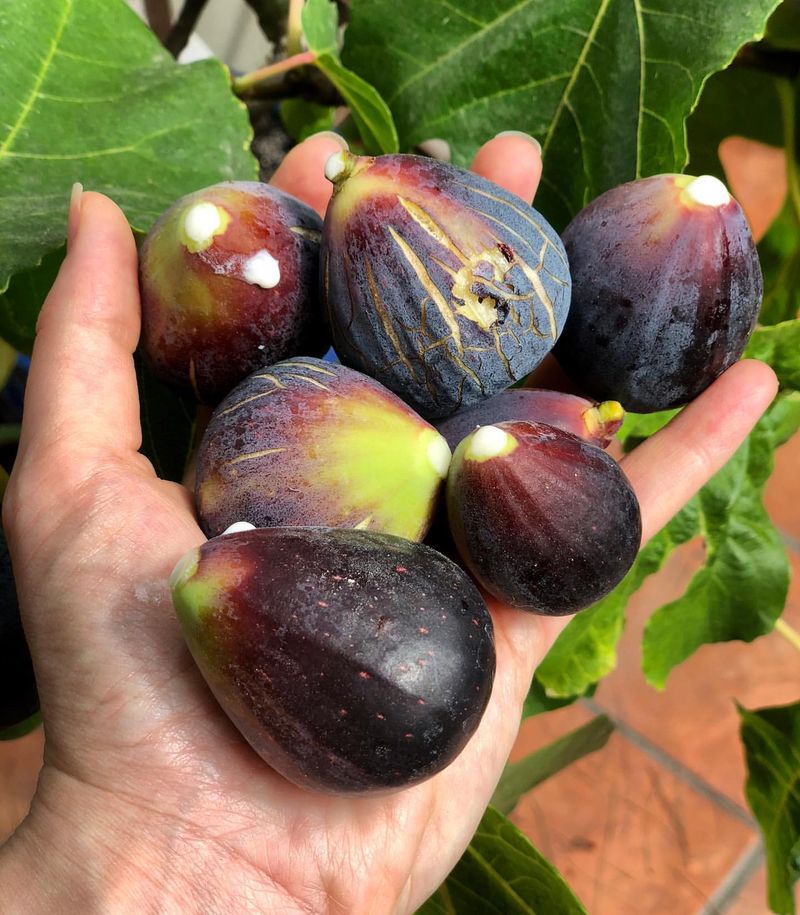
Ancient Mediterranean trees have found their perfect American home in California backyards, producing sweet treats with almost zero fuss.
Figs adapt beautifully to California’s climate and can handle both heat and occasional cold snaps.
Once established, these trees practically thrive on neglect, requiring minimal water and almost no fertilizer.
The roots dig deep into the soil, making them incredibly drought-tolerant once mature.
You can plant them in the ground or keep them contained in large pots on your patio.
Brown Turkey and Black Mission varieties are particularly popular because they produce two crops each year.
The first harvest arrives in early summer, while the second comes in late fall, giving you months of fresh fruit.
Pruning needs are minimal, and pests rarely bother these hardy plants.
Fresh figs taste nothing like the dried versions from stores, offering a honey-sweet flavor that makes breakfast special.
Even beginner gardeners succeed with figs because these trees forgive mistakes and keep producing year after year.
2. Strawberries
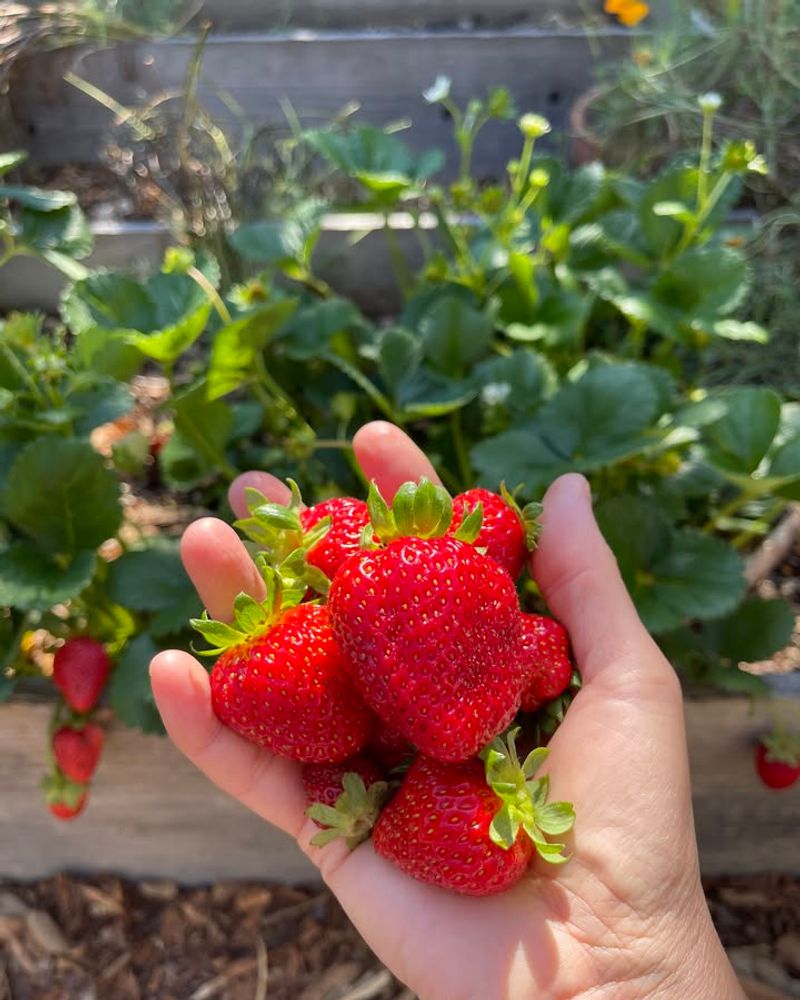
Bright red berries bursting with sweetness can fill your garden beds without demanding constant attention or complicated care routines.
California’s coastal and inland regions both support strawberry cultivation beautifully.
These perennial plants spread naturally through runners, creating more plants without any effort from you.
Plant them once in well-draining soil with plenty of sunshine, and they’ll reward you for years.
Everbearing varieties produce fruit from spring through fall, giving you multiple harvests throughout the growing season.
Container growing works wonderfully for strawberries, making them perfect for apartment balconies or small patios.
Regular watering keeps them happy, but they’re forgiving if you occasionally forget.
Birds might try stealing your harvest, but simple netting solves that problem quickly.
The plants themselves resist most diseases and pests common in California gardens.
Kids especially love picking their own berries straight from the plant.
Nothing from the grocery store compares to sun-warmed strawberries eaten moments after picking, and growing your own means enjoying that experience regularly throughout the season.
3. Meyer Lemons
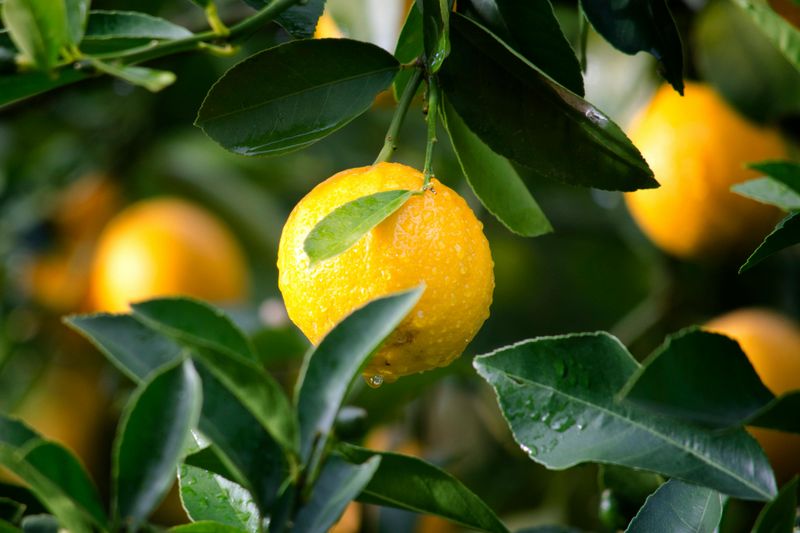
Sunshine captured in golden orbs hangs from compact trees that transform any patio into a Mediterranean paradise.
Your California Garden Changes Every Week. Your Plan Should Too.
Gardening in California changes quickly throughout the season. Every Friday you’ll receive a simple weekly plan showing exactly what to plant, prune, fertilize, harvest, and protect so you never miss the right timing.
Meyer lemons differ from regular lemons with their sweeter, less acidic taste and thin, fragrant skin.
These trees stay relatively small, making them manageable for home gardeners with limited space.
California’s climate mirrors their native Chinese habitat, so they flourish with minimal intervention.
Container planting works exceptionally well, allowing you to move the tree if needed for optimal sun exposure.
The trees bloom multiple times yearly, filling your garden with intoxicating fragrance while producing fruit almost continuously.
You’ll often see flowers and ripe fruit on the same branch, creating a beautiful display.
Watering needs are moderate, and occasional feeding keeps production strong.
Frost protection might be necessary in colder inland areas, but coastal gardeners rarely worry about cold damage.
Fresh Meyer lemon juice elevates everything from morning tea to evening cocktails.
The zest adds brightness to baked goods and savory dishes alike, making this tree a kitchen essential that pays dividends throughout the year.
4. Blackberries
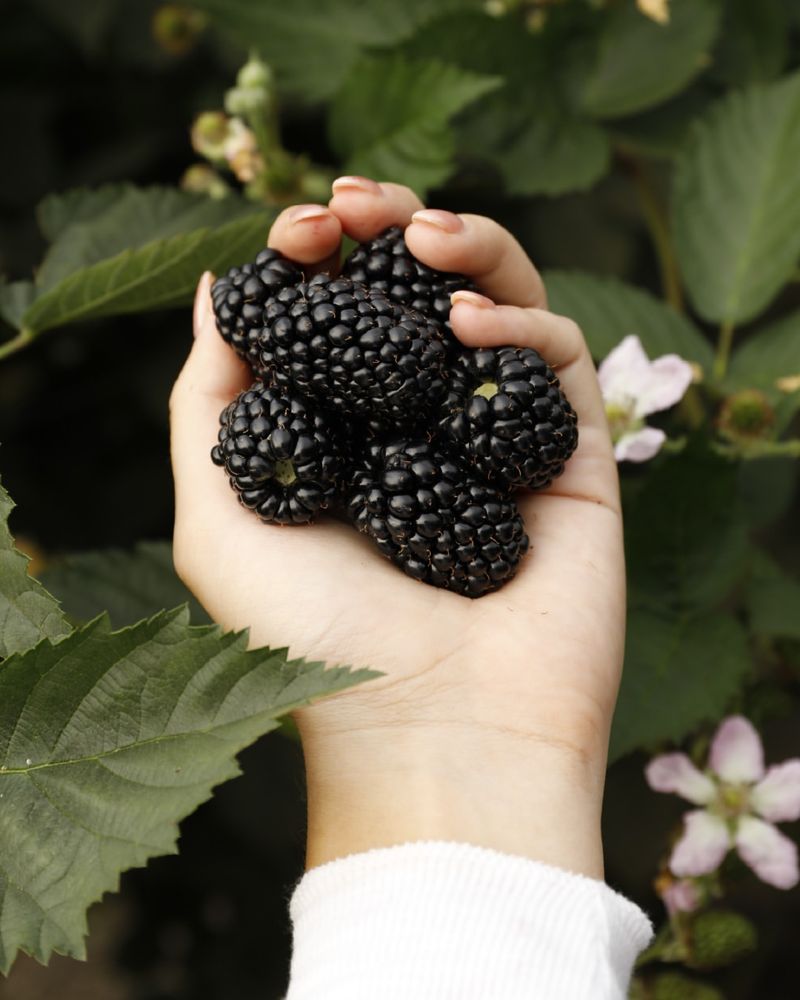
Wild tanginess meets backyard convenience when vigorous canes produce bucket-loads of berries without demanding much from busy gardeners.
Thornless varieties have revolutionized home blackberry growing, eliminating the painful scratches associated with traditional brambles.
These plants grow energetically in California’s climate, often producing more fruit than families can consume fresh.
Plant them along fences or trellises where canes can spread and climb naturally.
Once established, they need occasional watering during hot spells but otherwise manage themselves beautifully.
The harvest window extends for weeks as berries ripen gradually rather than all at once.
This staggered ripening means fresh berries for your cereal every morning throughout summer.
Birds appreciate blackberries as much as humans do, so protective netting helps preserve your harvest.
Annual pruning keeps plants productive and prevents them from taking over your entire yard.
Freezing excess berries preserves that summer flavor for smoothies and pies all winter long.
Children enjoy the treasure-hunt aspect of finding hidden berries among the leaves, making harvest time a family activity rather than a chore.
5. Pomegranates
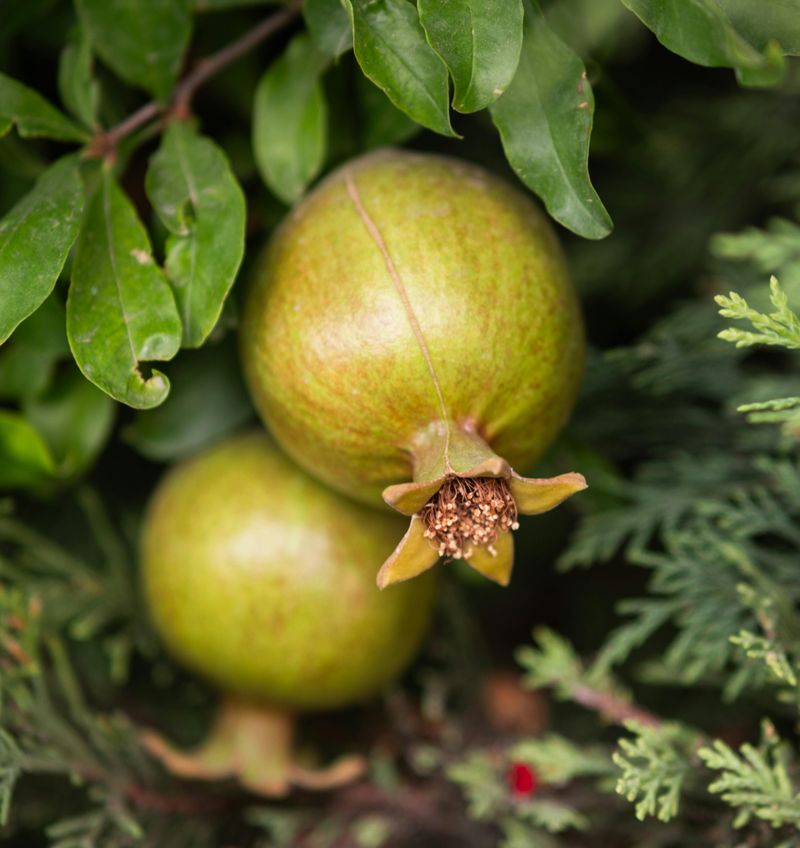
Ruby jewels hidden inside leathery globes dangle from ornamental trees that ask almost nothing while giving abundantly.
Pomegranates rank among the most drought-tolerant fruit trees suitable for California landscapes.
Their deep root systems tap into underground moisture, making them perfect for water-conscious gardeners.
The trees themselves add beauty beyond their fruit, with glossy leaves and vibrant orange flowers in spring.
Wonderful and Eversweet varieties produce large, sweet fruits that split open when perfectly ripe, signaling harvest time.
Pest problems are virtually nonexistent, and diseases rarely affect these tough Mediterranean natives.
Pruning remains optional, though shaping young trees helps create better structure for fruit production.
Harvesting happens in fall when other fruit trees have finished producing.
The fruits store remarkably well in cool locations, providing fresh eating for months after picking.
Extracting the arils takes patience, but the sweet-tart flavor and satisfying crunch make the effort worthwhile.
Pomegranate juice, fresh arils on salads, and frozen seeds for smoothies all showcase the versatility of this remarkable fruit that thrives on California sunshine and little else.
6. Blueberries
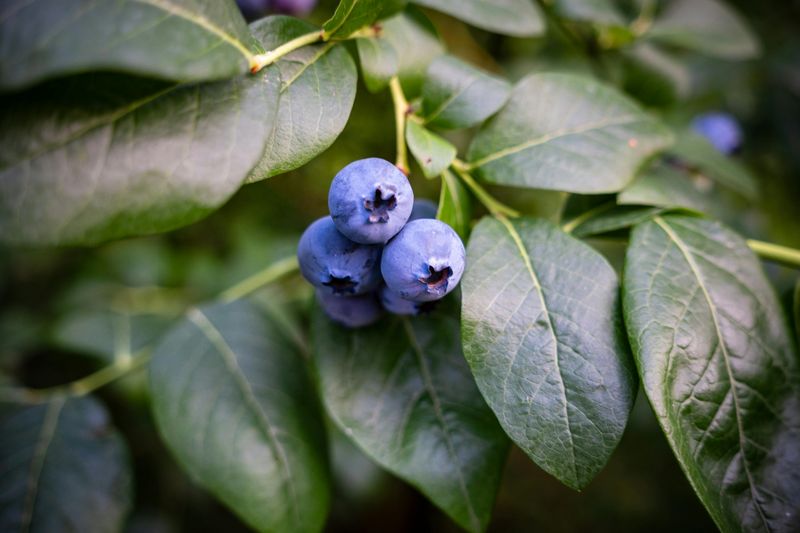
Compact bushes loaded with antioxidant-rich berries bring superfood nutrition right to your doorstep without requiring advanced horticultural skills.
Southern highbush varieties were specifically developed for California’s mild winters and perform beautifully in home gardens.
These cultivars need less winter chill than traditional blueberries, making them ideal for Mediterranean climates.
Acidic soil is essential, so container growing with specialized potting mix often works better than planting directly in California’s naturally alkaline ground.
The bushes stay compact, fitting easily on patios or in small garden spaces.
Consistent moisture keeps plants happy, though mulching helps retain water and maintain soil acidity.
Netting protects ripening berries from birds who otherwise claim the entire harvest.
Planting multiple varieties ensures cross-pollination and extends your harvest season from late spring through summer.
The bushes themselves are attractive year-round, with white spring flowers and burgundy fall foliage.
Fresh blueberries picked at peak ripeness taste dramatically better than grocery store versions.
Freezing extras preserves their nutritional value perfectly, giving you smoothie ingredients and baking additions throughout the year from just a few small bushes.
7. Apricots
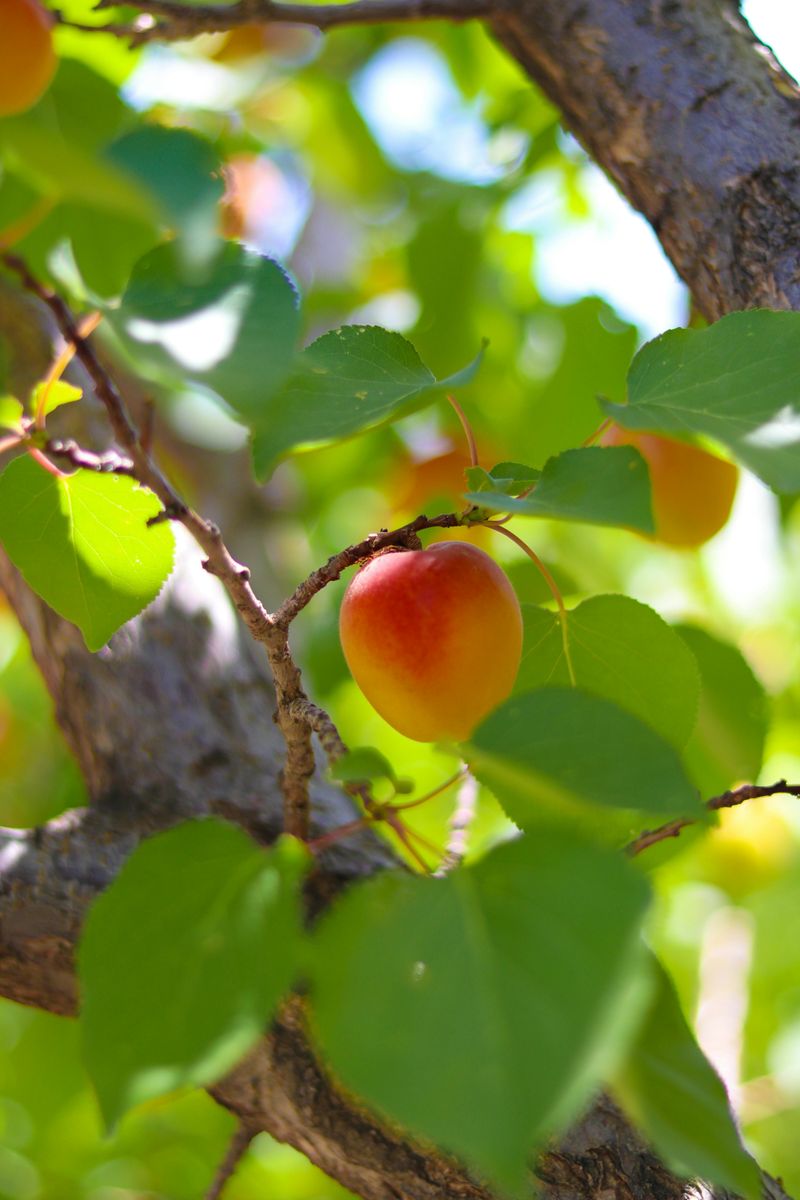
Velvety golden fruits arrive early each season from trees that have called California home for generations.
Apricots thrive in California’s climate better than almost anywhere else in America, particularly in inland valleys with warm, dry summers.
These trees need minimal care once established, producing abundant crops even when slightly neglected.
Blenheim and Moorpark varieties are California favorites, delivering exceptional flavor that makes commercial apricots taste bland.
The trees bloom early with gorgeous pink flowers, signaling spring’s arrival before most other fruit trees awaken.
Harvest happens quickly in early summer, with all fruit ripening within a few weeks.
This concentrated harvest means serious preserving time, but dried apricots and jam reward your effort all year.
Thinning young fruit improves final size and quality, though even unthinned trees produce usable crops.
Pests occasionally appear but rarely cause significant damage in home gardens.
Eating a perfectly ripe apricot still warm from the California sun is a transcendent experience.
The flesh practically melts on your tongue with intense sweetness and complex flavor that explains why this fruit has been treasured throughout history.
8. Raspberries
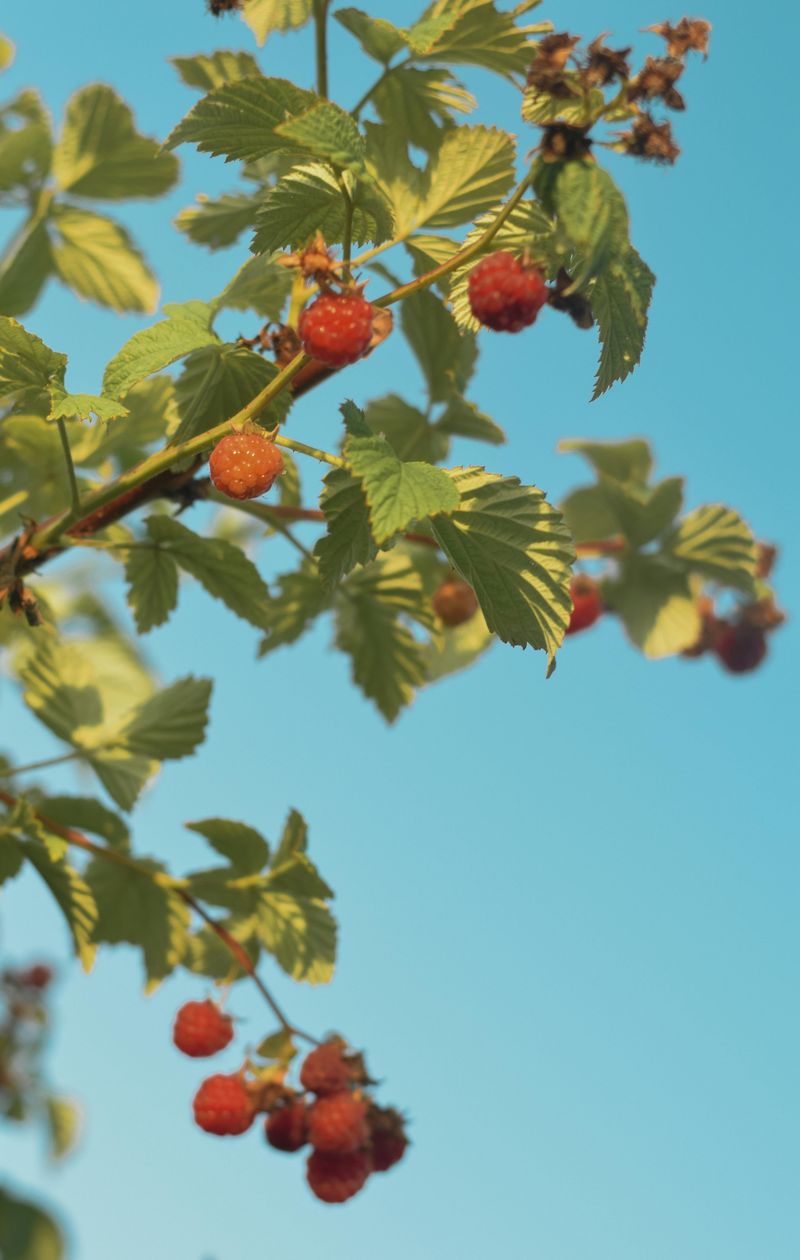
Delicate berries that command premium prices at farmers markets grow easily in California yards with surprisingly little maintenance required.
Everbearing raspberry varieties produce two crops annually in California gardens, one in early summer and another in fall.
These plants spread through underground runners, gradually expanding your berry patch without additional planting.
Canes need support from simple trellises or fences to keep fruit off the ground and make harvesting easier.
Heritage and Autumn Bliss varieties perform exceptionally well in California’s diverse microclimates.
Regular watering during fruiting season keeps berries plump and flavorful, though established plants tolerate some drought.
The plants themselves are attractive enough for edible landscaping along property lines or garden borders.
Annual pruning keeps plants productive and prevents overcrowding, but this simple task takes just minutes.
Birds and squirrels compete for ripe berries, so protective measures help maximize your harvest.
Fresh raspberries possess a fragility that makes shipping impossible, meaning homegrown berries taste infinitely better than store-bought options.
Their intense flavor elevates desserts, breakfast dishes, and simple snacking while providing impressive nutritional benefits from your own backyard.
9. Peaches
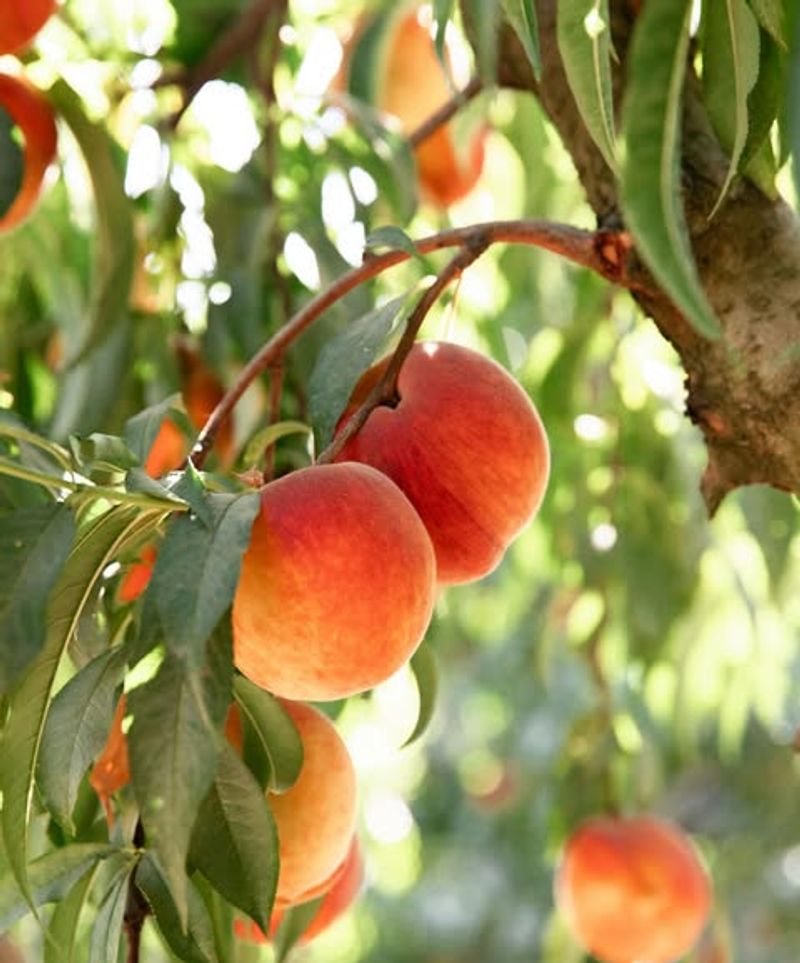
Juicy summer perfection drips down your chin when you bite into fruit from your own tree planted just a few years earlier.
Low-chill peach varieties were developed specifically for California’s mild winters, eliminating the cold requirements that prevent peach growing in warmer climates.
Tropic Snow and Desert Gold thrive throughout the state, producing full-sized fruit on manageable trees.
California’s dry summers prevent many fungal diseases that plague peach growers in humid regions.
Genetic dwarf varieties stay small enough for large containers, bringing fresh peaches to patios and small yards.
Thinning fruit when young ensures larger, sweeter peaches at harvest time, though this step is optional for casual gardeners.
The trees bloom spectacularly in late winter with pink flowers that promise summer abundance.
Harvest timing is critical because peaches ripen quickly once ready, going from perfect to overripe in days.
Regular checking during peak season ensures you catch each fruit at its prime.
Grocery store peaches are picked unripe for shipping, never developing the complex flavor of tree-ripened fruit.
Homegrown peaches offer sweetness and aroma that remind you why this fruit has been celebrated for thousands of years across cultures worldwide.
10. Grapes
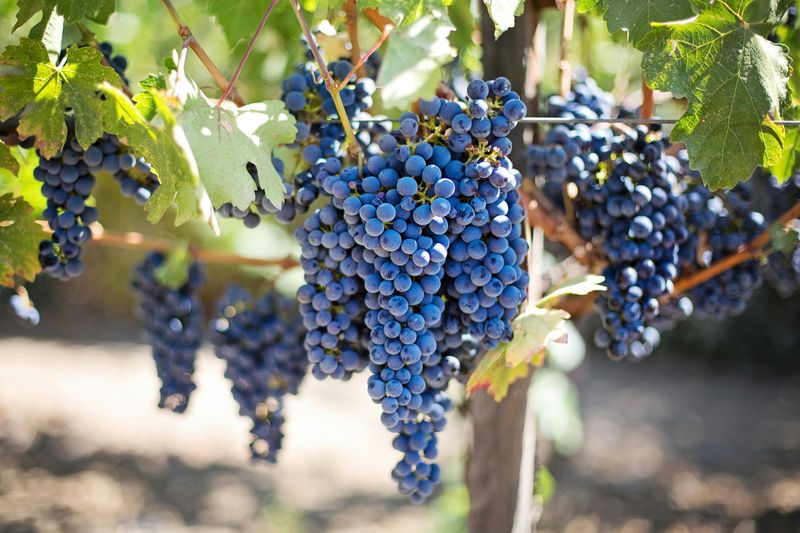
Mediterranean sunshine concentrated into sweet clusters transforms backyard arbors into productive spaces that also provide beautiful shade.
Table grape varieties like Thompson Seedless and Flame grow vigorously in California’s climate, producing abundant fruit with minimal pest pressure.
Vines need sturdy support structures, but once established, they require little beyond occasional watering and annual pruning.
California’s dry summer weather prevents mildew problems common in humid regions, making grape growing remarkably straightforward.
The vines themselves create gorgeous living architecture, covering pergolas and fences with lush foliage.
Harvest extends over several weeks as different clusters ripen gradually.
This staggered ripening provides fresh eating grapes throughout late summer and early fall.
Birds adore ripe grapes as much as humans do, so netting becomes essential near harvest time.
Winter pruning seems intimidating initially, but grapes forgive mistakes and bounce back vigorously each spring.
Fresh grapes warm from the afternoon sun taste completely different from refrigerated grocery store versions.
Freezing whole grapes creates natural popsicles that kids love, while excess fruit makes excellent juice or jelly that captures summer flavor for months after harvest time ends.
11. Persimmons
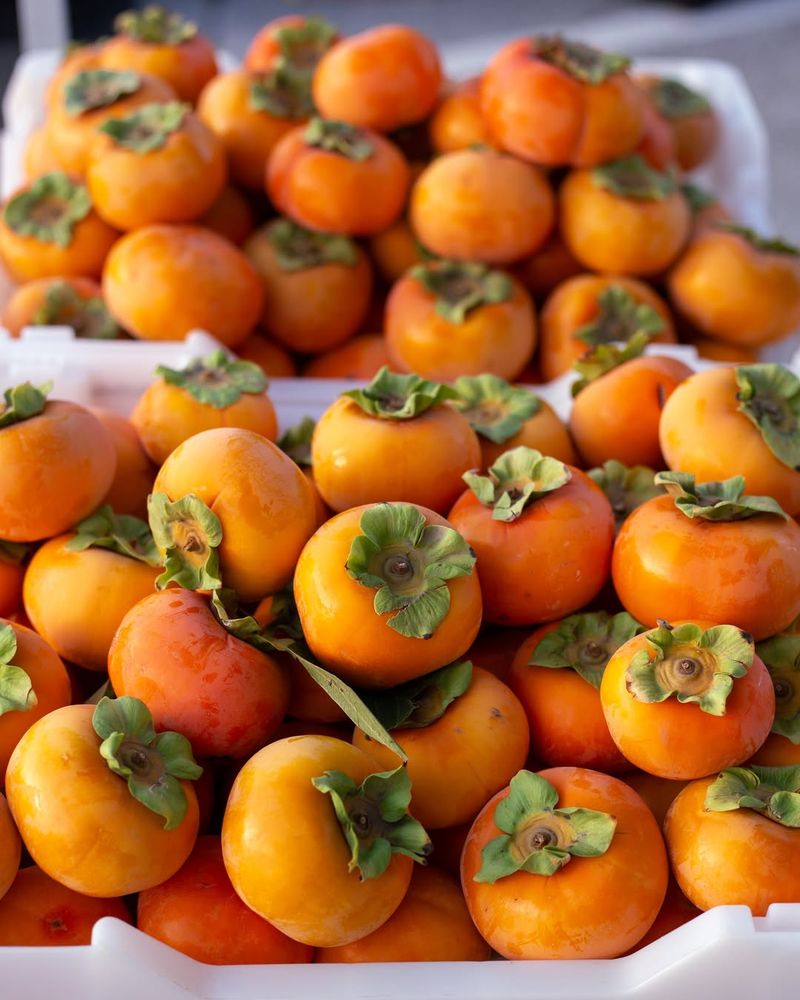
Glowing orange orbs hang like holiday ornaments on bare branches long after autumn leaves have fallen elsewhere.
Fuyu persimmons produce crisp, sweet fruit that can be eaten like apples, while Hachiya varieties need softening before eating.
Both types thrive in California with virtually no pest problems and minimal disease pressure.
The trees themselves are beautiful ornamental additions, with glossy leaves that turn brilliant shades in fall before dropping.
Fruit often hangs on bare branches well into winter, creating a stunning visual display while providing fresh eating.
Persimmons need almost no pruning and tolerate drought once established, making them perfect for low-maintenance landscapes.
The trees produce reliably without requiring cross-pollination from additional trees.
Harvest timing varies by variety, with Fuyus ready when firm and Hachiyas needing to soften until almost translucent.
The fruit stores well in cool conditions, extending the eating season for months.
Many Americans remain unfamiliar with persimmons, but growing your own introduces you to this underappreciated fruit.
The honey-sweet flavor and unique texture make them special treats for fresh eating, baking, and drying into chewy, candy-like snacks that preserve the harvest beautifully.
12. Passion Fruit
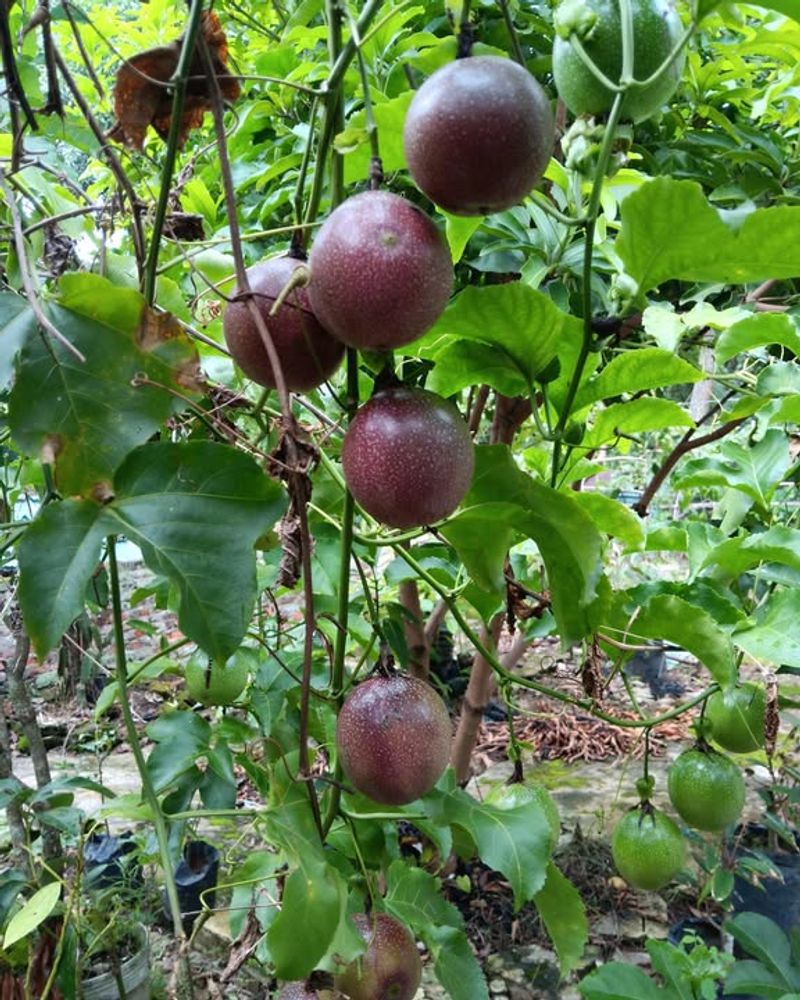
Exotic tropical flavor erupts from wrinkled purple orbs produced by vigorous vines that climb enthusiastically over any available support.
Passion fruit vines grow rapidly in California’s coastal and southern regions, covering fences and arbors with dense evergreen foliage.
The plants produce stunning flowers with intricate structures before developing their aromatic fruit.
Frederick and Edulus varieties tolerate California’s occasional cold snaps better than purely tropical types.
The vines need strong support because they grow aggressively, but this vigor means abundant fruit production without intensive care.
Regular watering and occasional feeding keep vines productive throughout their long fruiting season.
Harvest happens when fruit naturally falls from the vine or when the skin wrinkles and darkens.
Inside each fruit, intensely flavored pulp surrounds edible seeds, creating a unique eating experience.
The flavor is complex and aromatic, tasting like a blend of several tropical fruits at once.
Most grocery stores rarely carry fresh passion fruit, making homegrown supplies especially valuable.
The pulp flavors beverages, desserts, and sauces brilliantly, while the vines themselves create privacy screens and attractive garden features that serve multiple purposes in California landscapes.
13. Kiwi
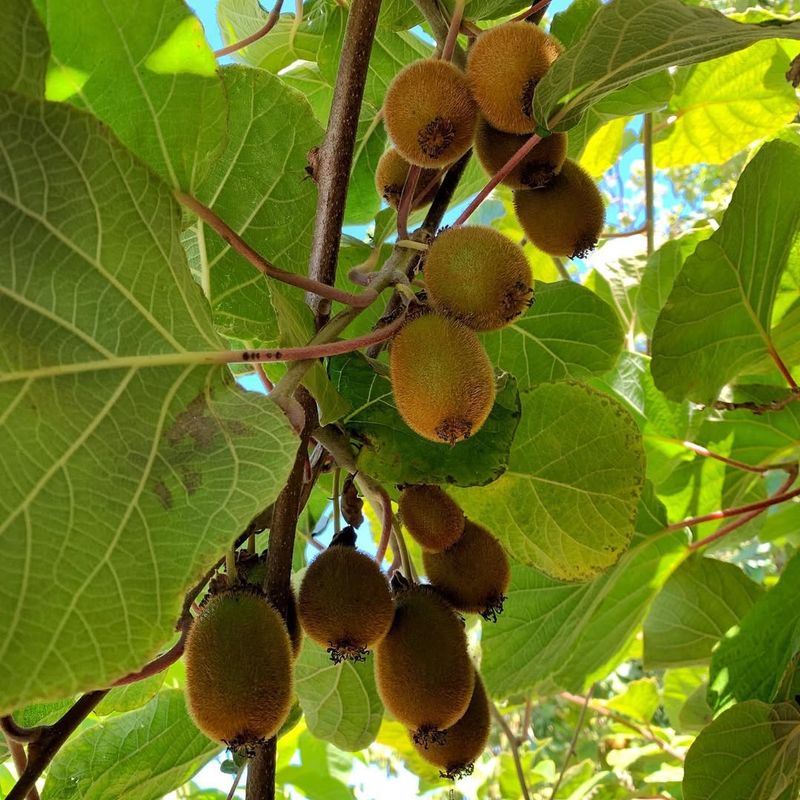
Fuzzy brown eggs hide emerald green flesh inside, produced by enthusiastic vines that turn ordinary fences into productive vertical orchards.
Hardy kiwi varieties grow successfully throughout California, producing smooth-skinned, grape-sized fruits that are eaten whole without peeling.
Traditional fuzzy kiwis also thrive in coastal regions with adequate winter chill.
The vines grow vigorously, requiring substantial support structures and regular pruning to maintain control.
Most varieties need both male and female plants for pollination, though self-fertile cultivars are becoming available.
California’s Mediterranean climate provides ideal conditions for kiwi cultivation, with warm summers for fruit development and mild winters for dormancy.
The vines themselves are attractive, with large leaves that create dense shade.
Harvest happens in fall after the first frost sweetens the fruit, which then stores for months in cool conditions.
Kiwis ripen off the vine, so picking slightly firm fruit works perfectly.
Homegrown kiwis taste noticeably better than imports, with more intense flavor and higher sugar content.
The satisfaction of growing exotic fruit once only available from New Zealand makes these vines worthwhile despite their space requirements and initial setup effort.