Why Massachusetts Officials Are Urging Homeowners To Take Soil Fungus Spread Seriously This Year

Massachusetts homeowners are facing an urgent environmental challenge that could reshape their gardens, lawns, and local ecosystems for years to come.
State officials are warning that soil-borne fungi are spreading faster than ever before, threatening everything from backyard tomatoes and ornamentals to native forest plants.
Warmer winters, heavier rainfall, and shifting climate patterns are creating ideal conditions for these pathogens to thrive, allowing them to survive longer in the soil and expand into areas where they were once rare.
Accidental contamination from garden tools, nursery plants, footwear, and even pets is helping these fungi move quietly from yard to yard, often without homeowners realizing anything is wrong until symptoms appear.
Because fungal spores can persist in soil for decades, a single outbreak today can have long-lasting consequences if not addressed quickly.
Understanding why this issue matters now—and learning how to prevent the spread—can help protect your property while supporting healthier, more resilient communities across the Commonwealth.
Warmer, Wetter Weather Is Fueling Faster Fungus Growth
Winters aren’t what they used to be, and that’s creating big problems beneath our feet.
Milder temperatures mean soil no longer freezes deep enough or long enough to slow down fungal spores waiting underground.
When spring arrives earlier and brings heavier rainfall, those spores wake up hungry and ready to spread.
Fungi thrive in warm, moist environments, and Massachusetts has been serving up both in record amounts lately.
Extended wet periods in April and May give soil pathogens extra time to colonize plant roots before gardeners even notice symptoms.
By the time leaves start yellowing or wilting, the fungus has already established a stronghold.
Scientists tracking regional weather patterns note that average spring temperatures have climbed nearly two degrees over the past two decades.
Rainfall totals during critical growing months have increased by almost fifteen percent.
These shifts might seem small, but for microscopic organisms, they represent massive opportunities for expansion.
Homeowners accustomed to predictable growing seasons now face unpredictable fungal outbreaks.
What worked five years ago might fail today simply because conditions have changed.
Staying informed about weather trends helps gardeners adjust watering schedules and choose disease-resistant plant varieties better suited to our evolving climate.
Invasive Fungal Pathogens Are Increasing Across The State
Invasive species aren’t just animals and plants anymore—fungi are joining the invasion party with alarming success.
Pathogens like Phytophthora, Fusarium, and Rhizoctonia have established permanent colonies across Massachusetts, attacking crops, ornamentals, and wild vegetation alike.
These microscopic invaders arrived through imported plants, contaminated soil, and nursery stock that slipped past inspection protocols.
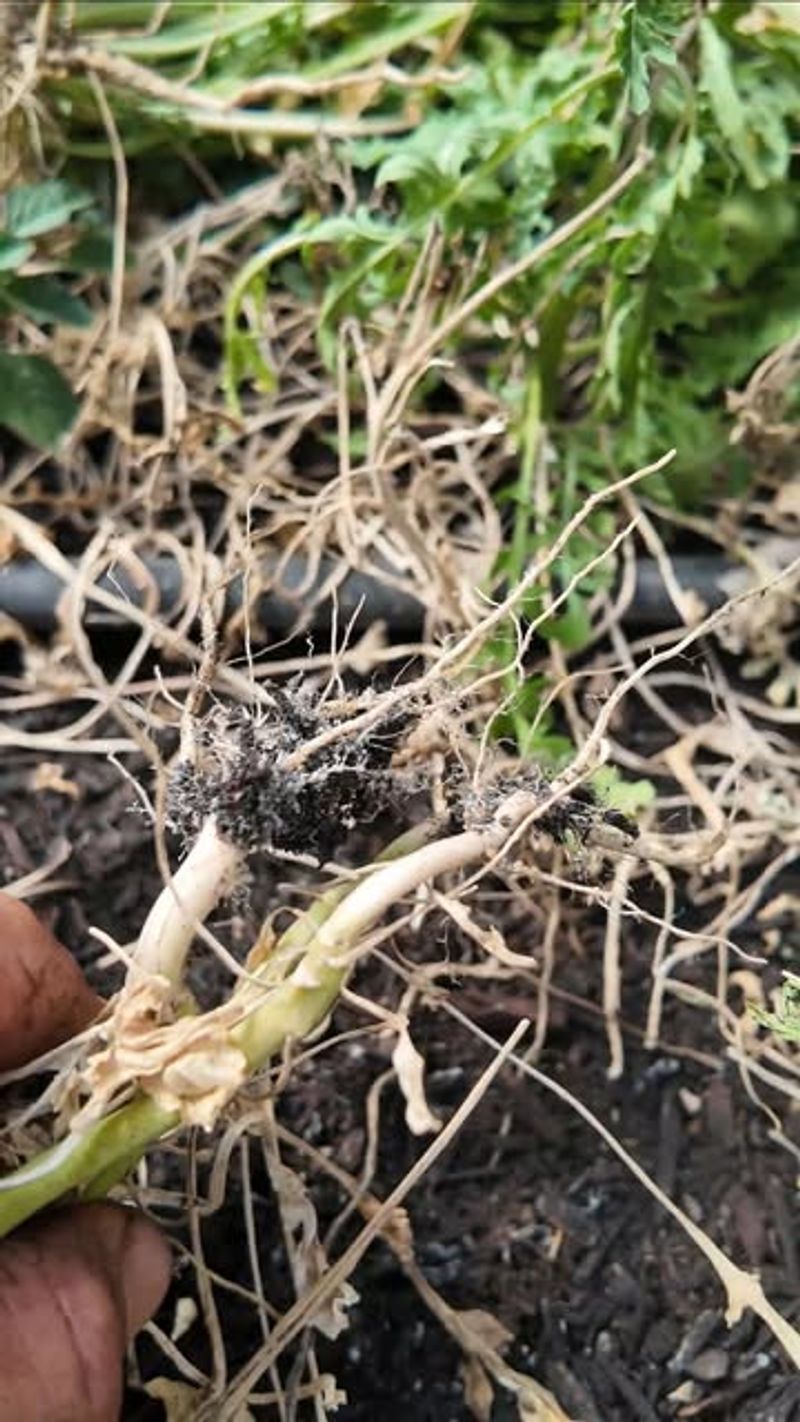
Phytophthora, often called water mold, causes root rot that suffocates plants by blocking nutrient uptake.
Fusarium invades vascular tissues, creating wilts that spread rapidly through entire garden beds.
Rhizoctonia attacks seedlings at soil level, causing damping-off that devastates young transplants before they mature.
State agricultural experts consider these fungi major threats because they lack natural predators in our ecosystems.
Back in their native regions, competing microbes and environmental factors keep populations in check.
Your Massachusetts Garden Changes Every Week. Your Plan Should Too.
Gardening in Massachusetts changes quickly throughout the season. Every Friday you’ll receive a simple weekly plan showing exactly what to plant, prune, fertilize, harvest, and protect so you never miss the right timing.
Here, they reproduce unchecked, overwhelming beneficial soil organisms that normally protect plant health.
Detection often comes too late because early symptoms mimic common problems like drought stress or nutrient deficiency.
By the time homeowners realize fungus is involved, spores have already spread to neighboring plants and contaminated surrounding soil.
Officials emphasize that recognizing these pathogens early and reporting suspicious symptoms helps track outbreaks and prevent wider contamination across communities.
Home Gardens Are A Major Source Of Unintentional Spread
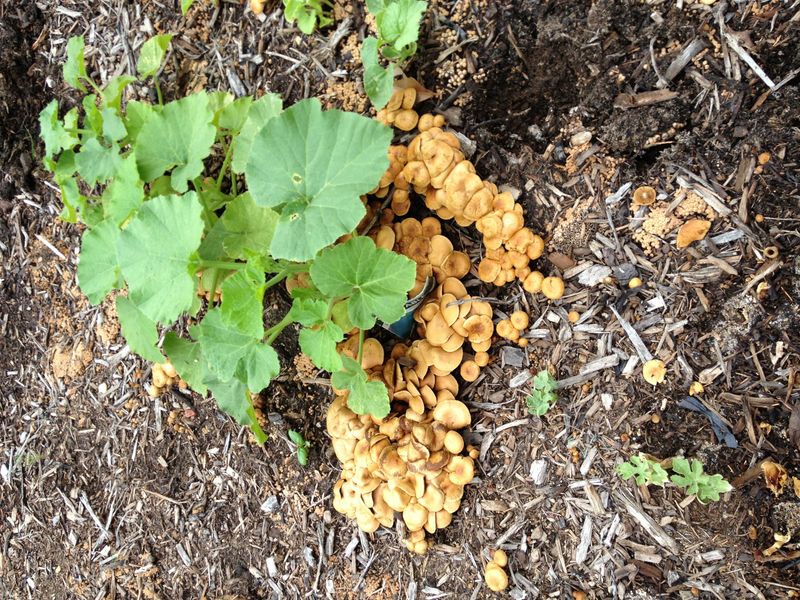
Your friendly neighborhood plant swap might be spreading more than gardening joy—it could be transporting invisible fungal hitchhikers too.
Every time soil moves from one yard to another through shared seedlings, borrowed tools, or gifted compost, fungal spores hitch a ride along for the journey.
Well-meaning gardeners become accidental disease couriers without ever realizing the damage they’re causing.
Community gardens face particularly high risks because dozens of people work the same plots using shared equipment and water sources.
One contaminated transplant can infect an entire raised bed within weeks.
From there, spores travel home on shoes, gloves, and trowels, establishing new infection sites across multiple properties.
Composting, while environmentally responsible, sometimes creates fungal breeding grounds when temperatures don’t reach levels hot enough to eliminate pathogens.
Spreading that finished compost spreads dormant spores throughout your landscape.
Even walking across infected soil and then through healthy garden areas tracks microscopic spores from place to place.
Simple prevention strategies make enormous differences in stopping this cycle.
Sanitizing tools between uses with diluted bleach solution eliminates spore transfer.
Starting plants from certified disease-free seed rather than accepting mystery transplants reduces risk dramatically.
Being thoughtful about soil movement protects not just your garden but your entire neighborhood’s green spaces for years to come.
Several Soil Fungi Now Threaten Native Massachusetts Plants
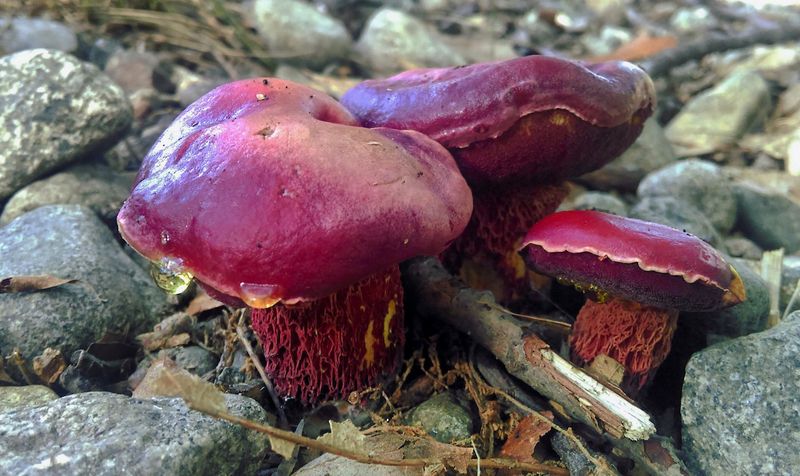
Wild spaces across Massachusetts are under siege from soil pathogens that never existed here historically.
Forest understories filled with trillium, ferns, and native wildflowers face fungal infections that weaken root systems and reduce reproduction rates.
Wetland shrubs like buttonbush and winterberry struggle against pathogens that thrive in consistently moist conditions.
Native plants evolved over thousands of years without developing defenses against these foreign fungi.
Unlike cultivated varieties bred for disease resistance, wild species possess no genetic tools to fight back effectively.
When infection strikes, native populations decline rapidly, creating gaps in ecosystems that invasive plants quickly colonize.
Conservation biologists worry especially about rare species already struggling with habitat loss and climate change.
Adding fungal disease to their challenges could push vulnerable populations past the point of recovery.
Mountain laurel, our state flower, faces increasing pressure from Phytophthora root rot in areas where soil stays waterlogged longer than normal.
Protecting native plants requires protecting soil health in natural areas.
Staying on marked trails prevents hikers from spreading contaminated soil into pristine habitats.
Avoiding planting potentially infected nursery stock near conservation lands creates buffer zones that slow pathogen movement.
Reporting unusual plant decline in parks and preserves helps environmental managers identify outbreak hotspots before entire populations collapse, preserving biodiversity for future generations.
Agricultural Crops Are More Vulnerable Than Ever
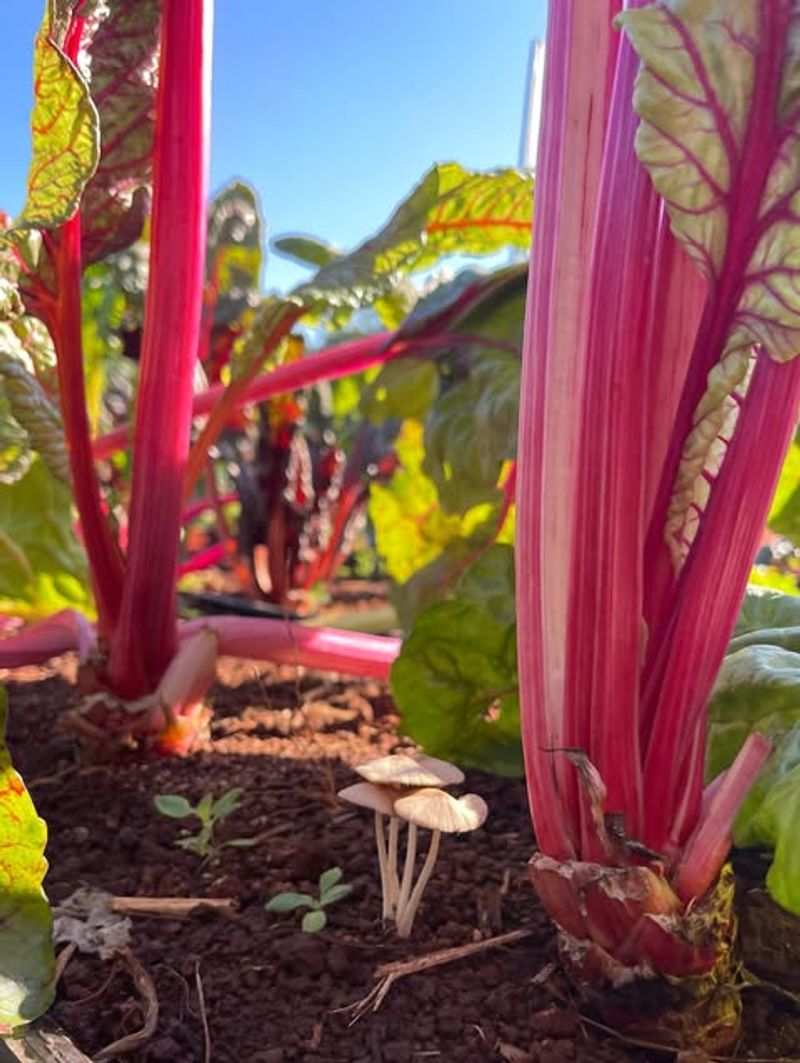
Local farmers are watching profits shrink as soil fungi attack their most valuable crops season after season.
Cranberry growers, stewarding bogs that have operated for generations, now face devastating losses from root rots that spread through flooded growing systems.
Once established in a bog, these pathogens persist indefinitely, making entire sections unusable for production.
Vegetable farmers growing tomatoes and peppers see entire greenhouse crops collapse from Fusarium wilt despite careful sanitation practices.
Ornamental growers lose thousands of dollars when fungal infections ruin container stock before it reaches market size.
The economic ripple effects extend beyond individual farms, affecting local markets, restaurants, and food security across communities.
Commercial agriculture operates on thin margins, and repeated crop losses force difficult decisions about continuing operations.
Treating infected fields with fungicides proves expensive and often ineffective once pathogens establish deep soil populations.
Many farmers resort to abandoning contaminated ground, reducing overall production capacity statewide.
Supporting local agriculture means understanding these challenges and making informed purchasing choices.
Buying from farms practicing integrated pest management and crop rotation helps sustain operations committed to long-term soil health.
Homeowners can contribute by avoiding practices that introduce pathogens into agricultural watersheds.
Proper disposal of diseased plant material and responsible soil amendment sourcing protect farming neighbors from contamination that could devastate their livelihoods.
Fungus Spores Survive In Soil For Years Once Established
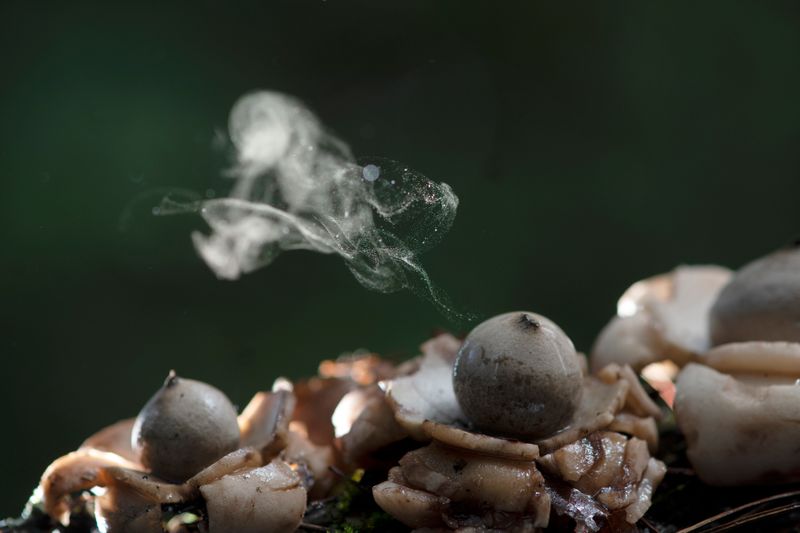
Fungal spores possess an almost supernatural ability to wait patiently underground, sometimes for decades, until conditions turn favorable for germination.
Think of them as time capsules of destruction, sealed against cold, drought, and chemical treatments that would eliminate most other organisms.
This incredible persistence makes eradication virtually impossible once contamination occurs.
Laboratory studies show certain soil fungi remaining viable after ten years without host plants present.
They enter dormant states, reducing metabolic activity to nearly zero while maintaining the capacity to spring back to life instantly.
When susceptible plant roots finally grow nearby, chemical signals trigger spore germination and infection cycles restart immediately.
This longevity explains why rotating crops or leaving beds fallow often fails to solve fungal problems.
Spores simply wait out the break period, ready to attack the next planting.
Soil solarization, fumigation, and complete soil replacement represent the only reliable elimination methods, but all prove impractical for most homeowners.
Prevention becomes the only realistic strategy for managing soil-borne fungi.
Once your property becomes contaminated, you’re managing the problem indefinitely rather than solving it.
Choosing resistant plant varieties, improving drainage, and avoiding pathogen introduction protects soil health permanently.
Officials stress that thinking prevention-first saves homeowners years of frustration and expense fighting battles that can never truly be won.
Home Irrigation Systems Can Accidentally Spread Disease
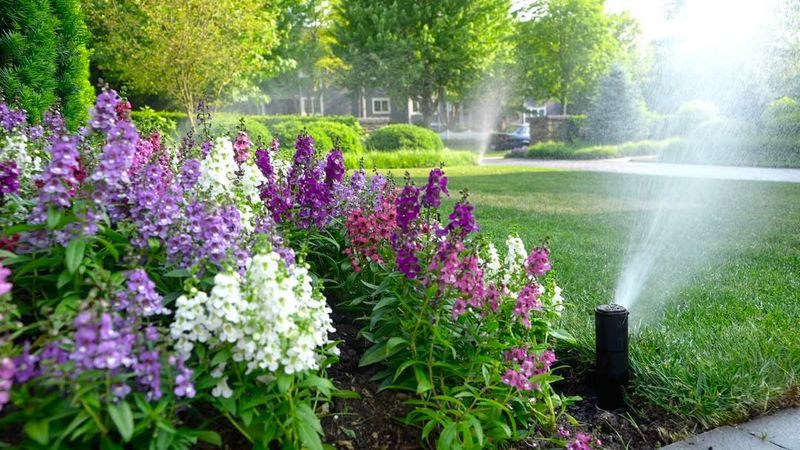
That convenient sprinkler system keeping your lawn green might also be delivering fungal spores directly to healthy plants throughout your property.
Water acts as a highway for microscopic pathogens, carrying them from infected areas to clean soil faster than any other natural mechanism.
Overhead watering creates ideal splash conditions that launch spores from contaminated ground onto plant foliage and neighboring beds.
Poor drainage compounds the problem by creating standing water where fungi multiply rapidly before spreading further.
Low spots that stay soggy for days after irrigation become fungal breeding grounds that continuously release spores into runoff water.
That runoff then flows downhill, contaminating everything in its path across your yard and potentially into storm drains serving entire neighborhoods.
Overwatering, even with perfect drainage, weakens plant immune systems and creates the moist conditions fungi require for infection.
Many homeowners water on automatic schedules regardless of rainfall, essentially creating artificial wetlands that favor pathogen development.
Roots sitting in constantly saturated soil suffocate and become vulnerable to opportunistic fungal attack.
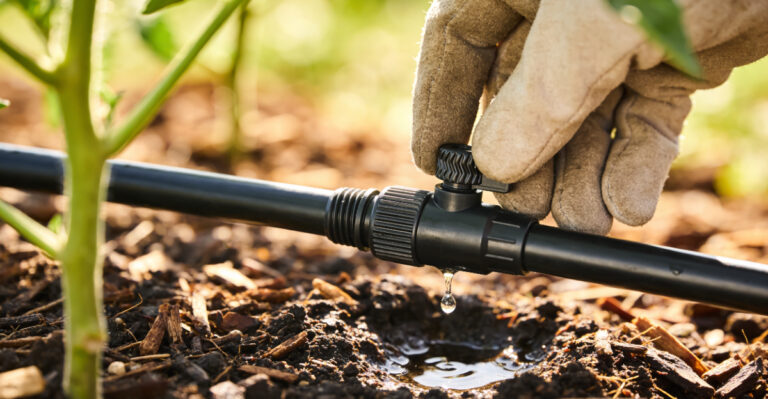
Switching to drip irrigation reduces splash and delivers water directly to root zones without wetting foliage.
Adjusting schedules based on actual weather rather than fixed timers prevents overwatering.
Installing proper drainage in problem areas eliminates standing water where fungi thrive.
These modifications protect plant health while conserving water resources, creating landscapes that resist disease naturally.
Soil Movement From Landscaping Projects Increases Risk
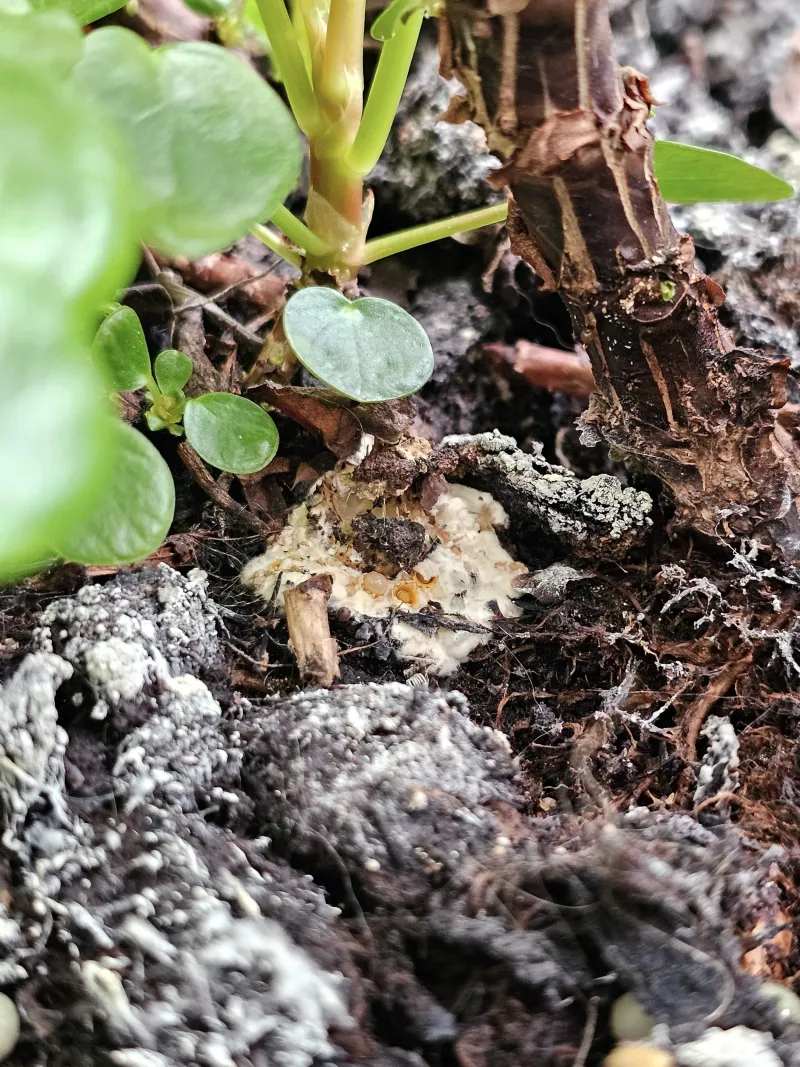
Bagged soil from big-box stores seems convenient and safe, but those bags sometimes contain unwanted microscopic passengers.
Commercial soil production facilities blend materials from multiple sources, and contamination can occur anywhere along the supply chain.
One infected batch gets distributed to hundreds of stores, spreading pathogens across entire regions through innocent gardening projects.
Bulk mulch deliveries present similar risks because wood chips often come from tree removal services that may have processed diseased specimens.
Those chips carry fungal spores that survive the chipping process and remain viable for months.
Spreading that mulch throughout your landscape essentially inoculates your soil with potential pathogens.
Excavation work moves massive quantities of soil that might harbor fungi from previous site uses.
Contractors using equipment that traveled between multiple properties can cross-contaminate jobs without realizing it.
Fill dirt brought in for grading projects might come from contaminated sources, introducing problems that won’t become apparent until years later.
Asking suppliers about testing protocols and sourcing helps identify quality materials less likely to contain pathogens.
Requesting that contractors clean equipment between jobs prevents cross-contamination.
Composting your own mulch from known clean sources eliminates supply chain risks entirely.
Being selective about soil and amendment sources requires extra effort but provides long-term protection that far outweighs the convenience of grabbing whatever’s available.
New State Monitoring Data Shows Rising Infection Rates
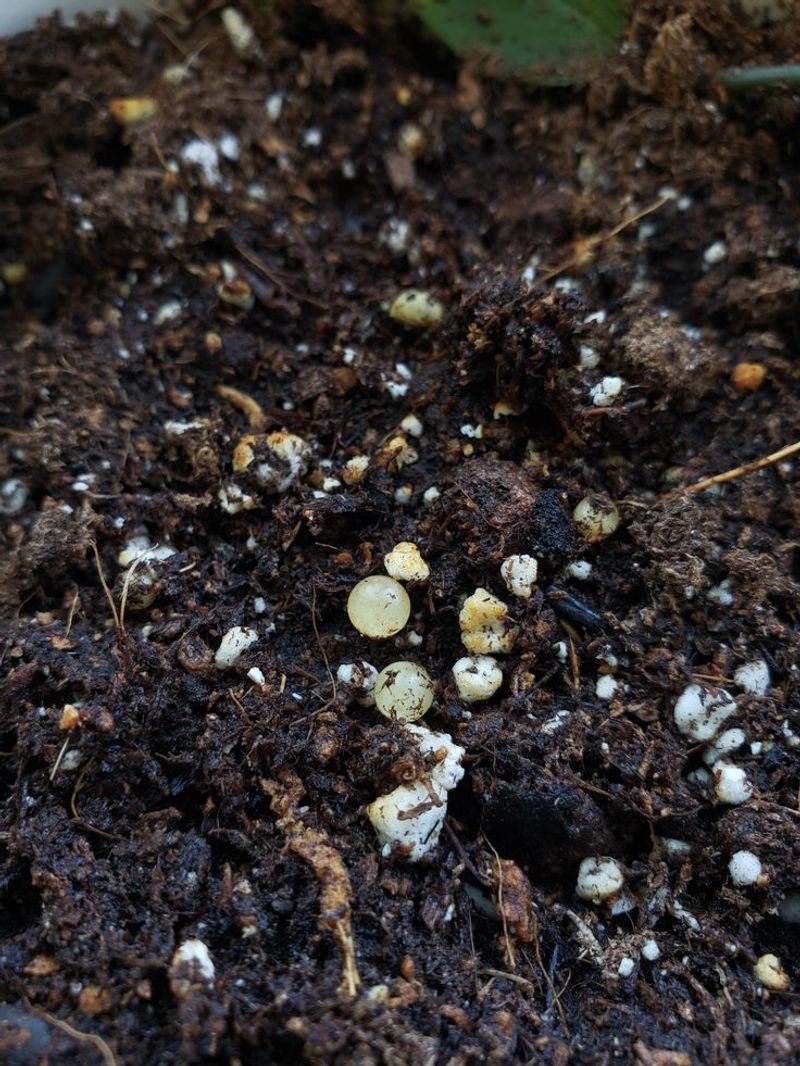
Recent findings from Massachusetts Extension offices and environmental agencies paint a concerning picture of accelerating fungal disease across the Commonwealth.
Year-over-year data reveals infection rates climbing steadily since 2018, with particularly sharp increases following unusually wet growing seasons.
What began as scattered reports from southeastern counties has evolved into statewide documentation of persistent soil pathogen problems.
Soil samples submitted for diagnostic testing show fungal pathogens present in seventy percent of symptomatic specimens, up from just forty percent a decade ago.
Geographic mapping reveals infection clusters expanding outward from initial detection sites, demonstrating clear patterns of spread through contaminated material movement.
Previously unaffected regions now report their first confirmed cases of pathogens once confined to agricultural areas.
Plant disease reports submitted by homeowners through online portals have tripled over the past five years.
Extension educators responding to these reports note that many people initially misdiagnose fungal problems as watering issues or pest damage.
By the time correct identification occurs, infections have already progressed beyond easy management.
This monitoring data drives the urgency behind official warnings and educational campaigns.
Numbers don’t lie—soil fungi are winning ground across Massachusetts faster than awareness and prevention efforts can keep pace.
Officials hope that publicizing these trends motivates homeowners to take proactive measures before their properties join the statistics as newly infected sites.
Officials Want Homeowners Practicing Early Detection And Prevention
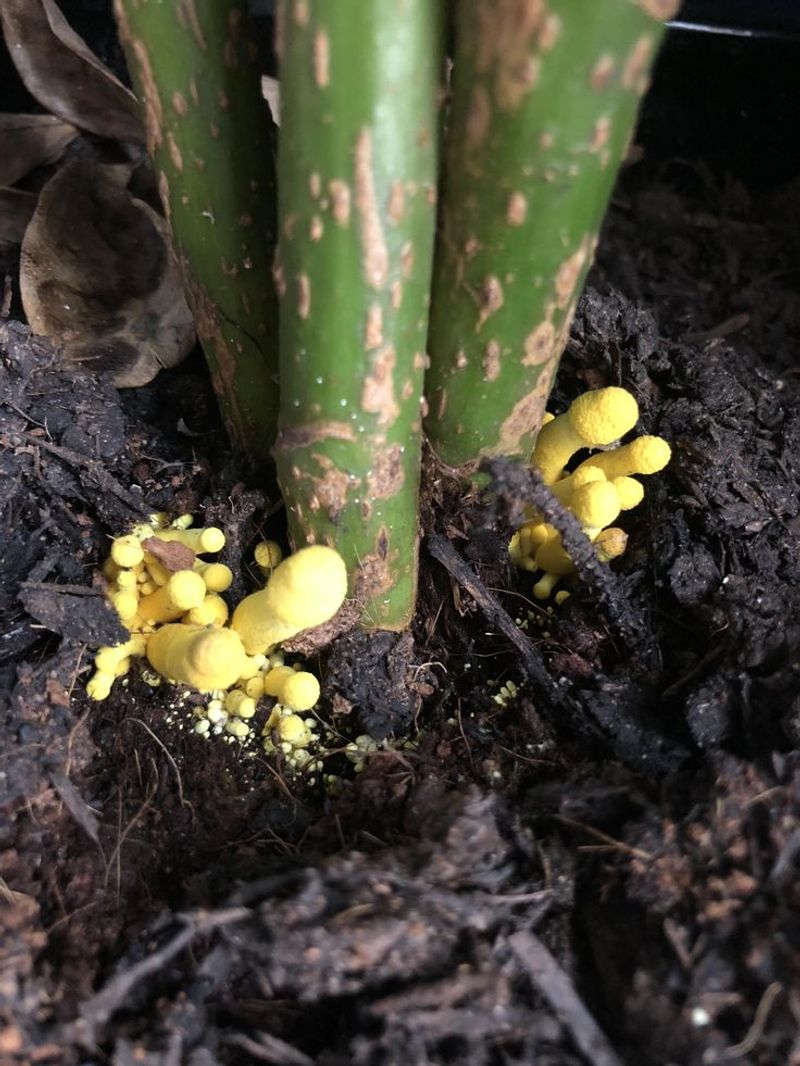
State environmental agencies are launching educational initiatives urging residents to become frontline defenders against soil fungus spread.
Early detection makes all the difference between managing isolated problems and watching helplessly as infections consume entire landscapes.
Officials emphasize that homeowners possess the power to protect their properties through simple, consistent practices that require more awareness than effort.
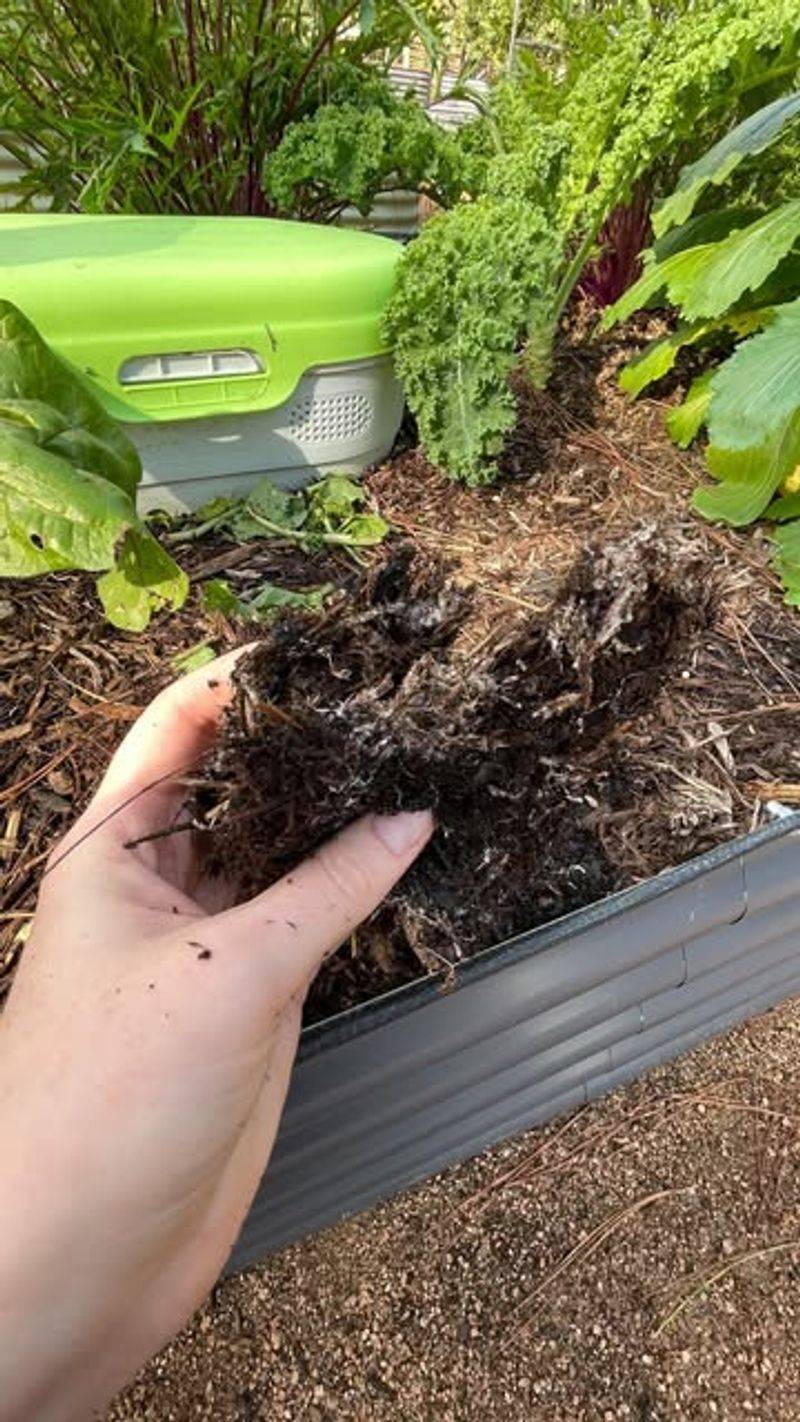
Regular root inspections reveal problems before aboveground symptoms appear.
Gently removing soil from around plant bases exposes root systems where discoloration, mushiness, or unusual odors signal fungal activity.
Catching infections at this stage allows for removal of affected plants before spores spread widely.
Avoiding overwatering ranks among the most important prevention strategies because excess moisture invites fungal colonization.
Water deeply but infrequently, allowing soil to dry somewhat between irrigations.
This approach encourages deep root growth while creating conditions less favorable for pathogen development.
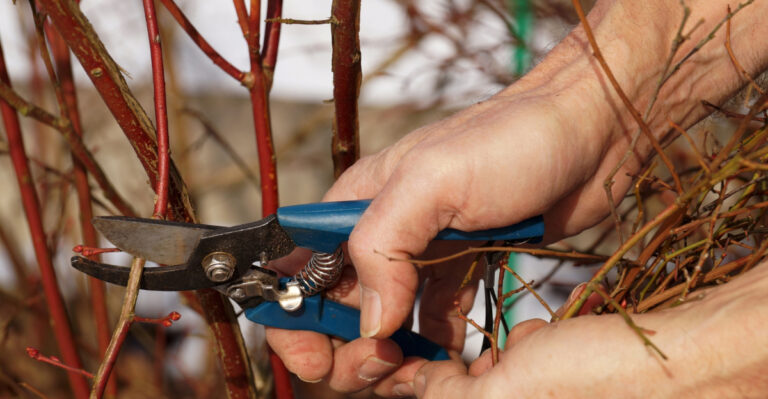
Sanitizing tools between uses prevents mechanical transfer of spores from plant to plant and garden to garden.
A quick dip in diluted bleach solution or rubbing alcohol eliminates hitchhiking fungi that would otherwise spread with every cut and dig.
Reporting unusual plant decline to Extension offices helps track emerging outbreaks and triggers rapid response efforts.
Together, these practices create a culture of vigilance that protects individual properties while contributing to broader community health and environmental resilience.