The Winter Hanging Flowers Taking Over Washington State Porches This Season
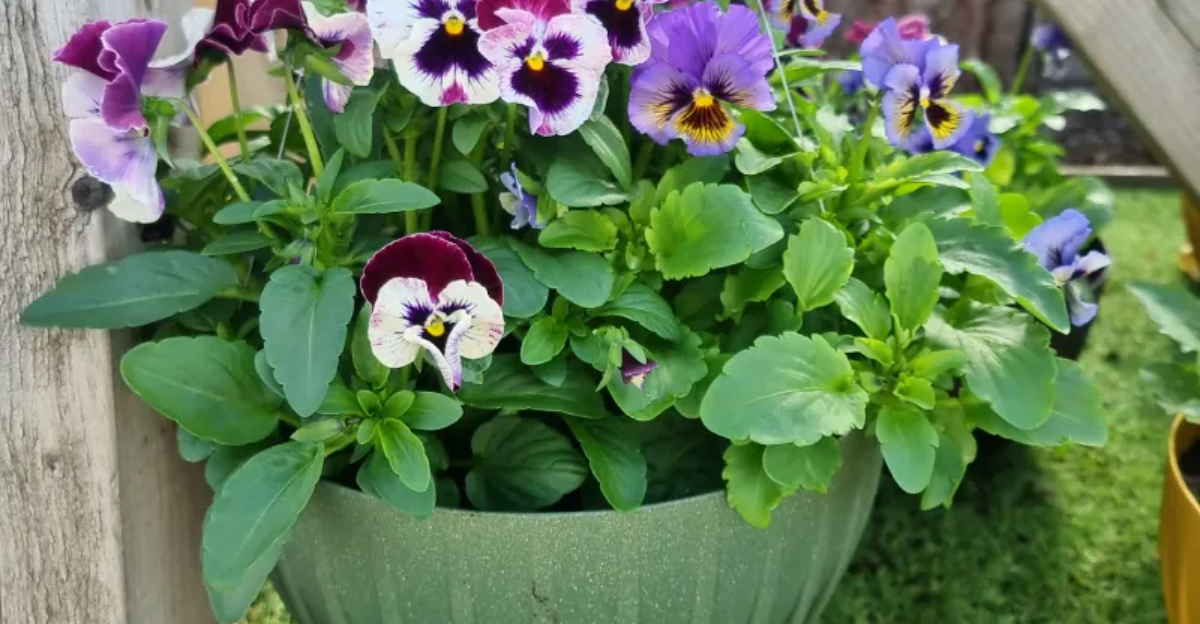
Winter in Washington State brings chilly weather, but that does not mean your porch has to look bare and lifeless.
Hanging flowers designed for cooler months can add vibrant color and charm to your outdoor spaces even when temperatures drop.
Many gardeners across the state are discovering beautiful blooms that thrive in winter conditions and create stunning displays.
These cold-hardy plants offer an easy way to keep your home looking welcoming throughout the season.
1. Winter Pansies
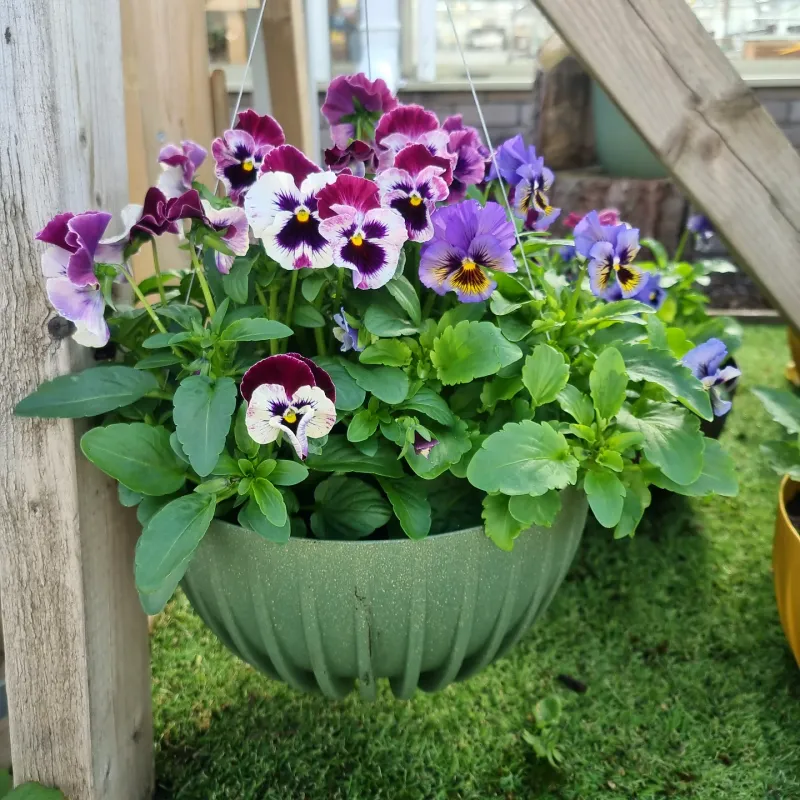
Bright faces greet you every morning when you hang pansies on your porch during winter months.
These cheerful flowers come in purple, yellow, orange, and white shades that stand out against gray skies.
Pansies handle frost surprisingly well and continue blooming even after light snowfall.
Washington gardeners love how low-maintenance these flowers are throughout the cold season.
Water them when the soil feels dry, and they will reward you with continuous color.
Their compact growth makes them perfect for smaller hanging baskets near doorways.
Pansies also attract early pollinators looking for food sources during warmer winter days.
Deadheading spent blooms encourages more flowers to develop and keeps your display looking fresh.
Pair them with trailing ivy for added texture and visual interest.
These hardy blooms can tolerate temperatures down to the low twenties without protection.
Morning sun and afternoon shade provide ideal growing conditions in Washington’s climate.
Their cheerful presence makes dreary winter days feel much brighter and more inviting for visitors.
2. Primrose
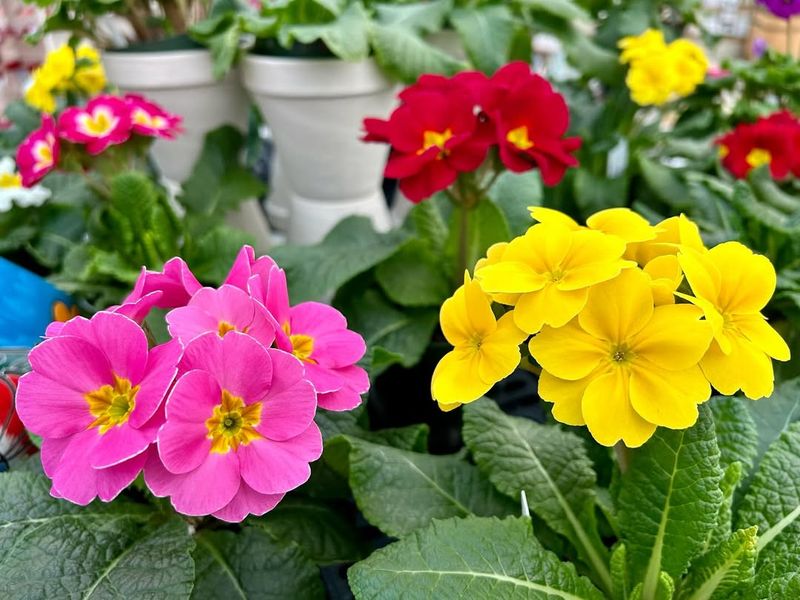
Delicate petals in jewel tones make primrose a favorite choice for winter hanging displays across Washington porches.
Rich reds, deep purples, and sunny yellows create eye-catching combinations that brighten even the gloomiest days.
These plants prefer cooler temperatures and actually perform better in winter than summer heat.
Primrose thrives in the moist conditions typical of Washington winters without becoming waterlogged.
Their shallow root systems work well in hanging baskets that drain properly.
Regular watering keeps them happy, but avoid letting them sit in standing water.
Gardeners appreciate how primrose begins blooming early in the season and continues for months.
The flowers cluster together densely, creating a full, lush appearance that hides the basket edges.
Their low profile works beautifully when combined with taller plants in mixed arrangements.
Protection from harsh winds helps primrose maintain their delicate blooms longer throughout winter.
Place them under eaves or in sheltered porch corners for best results.
Their old-fashioned charm adds a cottage garden feel to any home exterior during cold months.
3. Cyclamen
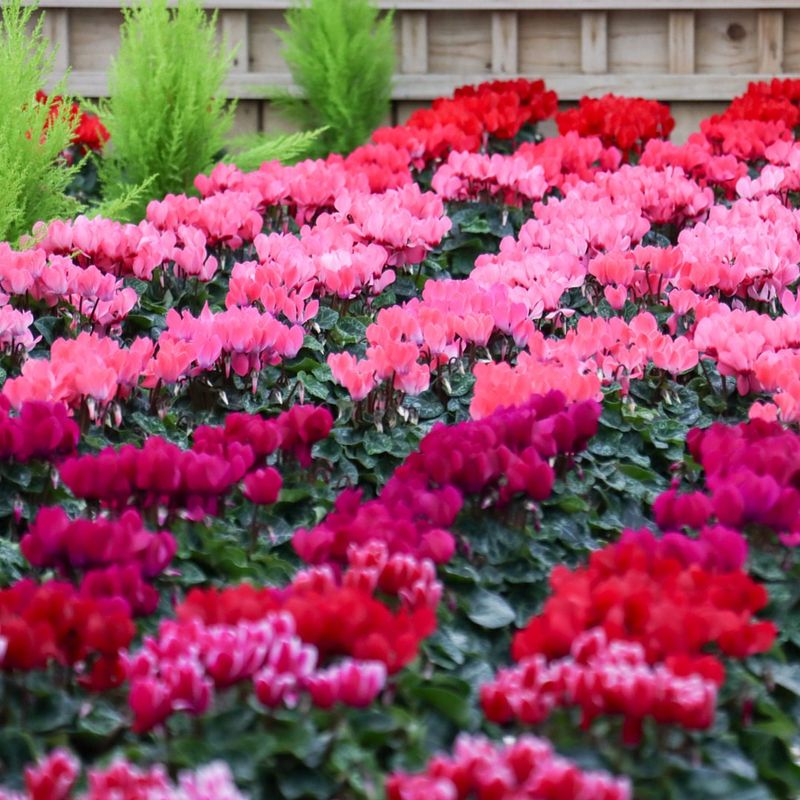
Swept-back petals resembling butterflies in flight give cyclamen their distinctive and elegant appearance.
These sophisticated flowers come in shades of pink, red, white, and purple that add refinement to winter porch displays.
Their marbled foliage provides interest even when blooms take a brief rest.
Cyclamen prefer the cool, moist conditions that Washington winters naturally provide.
They dislike soggy soil, so well-draining hanging baskets work perfectly for their needs.
Water them from below when possible to prevent crown rot and extend their blooming period.
Indoor gardeners often struggle with cyclamen, but outdoor winter conditions suit them perfectly.
Your Washington Garden Changes Every Week. Your Plan Should Too.
Gardening in Washington changes quickly throughout the season. Every Friday you’ll receive a simple weekly plan showing exactly what to plant, prune, fertilize, harvest, and protect so you never miss the right timing.
The cool air and natural light cycles encourage continuous flowering throughout the season.
Remove faded flowers by twisting them off at the base to promote new buds.
These plants can last for many weeks when properly cared for in winter weather.
Morning sunlight and protection from afternoon rain help them perform at their best.
Their upright blooms create height and drama in hanging arrangements that catch every visitor’s attention immediately.
4. Ornamental Kale
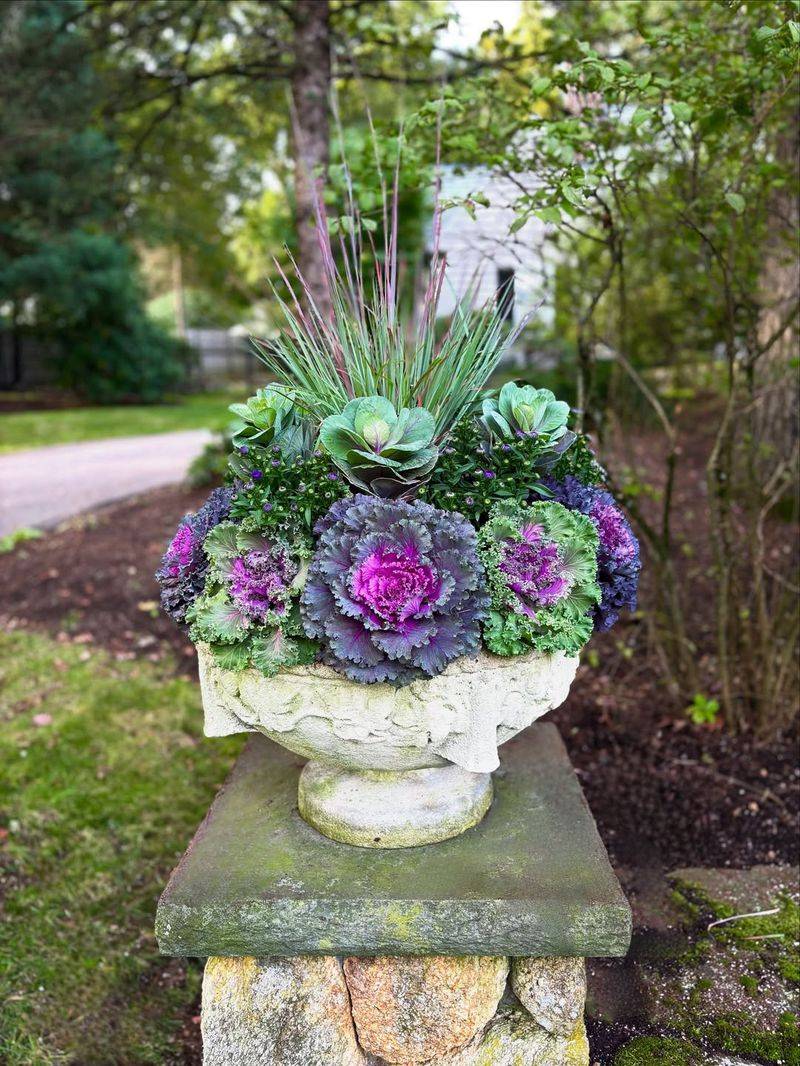
Ruffled leaves in shades of purple, pink, and cream create stunning texture in winter hanging displays.
Ornamental kale looks more like an exotic flower than a vegetable relative with its dramatic coloring.
Cold temperatures actually intensify the vibrant hues, making it perfect for Washington winters.
This hardy plant tolerates frost, snow, and freezing temperatures without showing any signs of stress.
Its substantial presence fills hanging baskets quickly and provides long-lasting color through the entire season.
Ornamental kale requires minimal care beyond occasional watering during dry spells.
Gardeners love mixing ornamental kale with flowering plants for contrasting shapes and textures.
The rosette form adds architectural interest that complements softer blooms beautifully.
Its leaves grow more colorful as temperatures drop, reaching peak beauty in January and February.
These plants can survive temperatures well below freezing and bounce back after snow melts.
They work equally well as standalone specimens or combined with other winter-hardy plants.
Their bold appearance makes a statement on porches and creates conversation pieces that neighbors always admire and ask about.
5. Hellebores
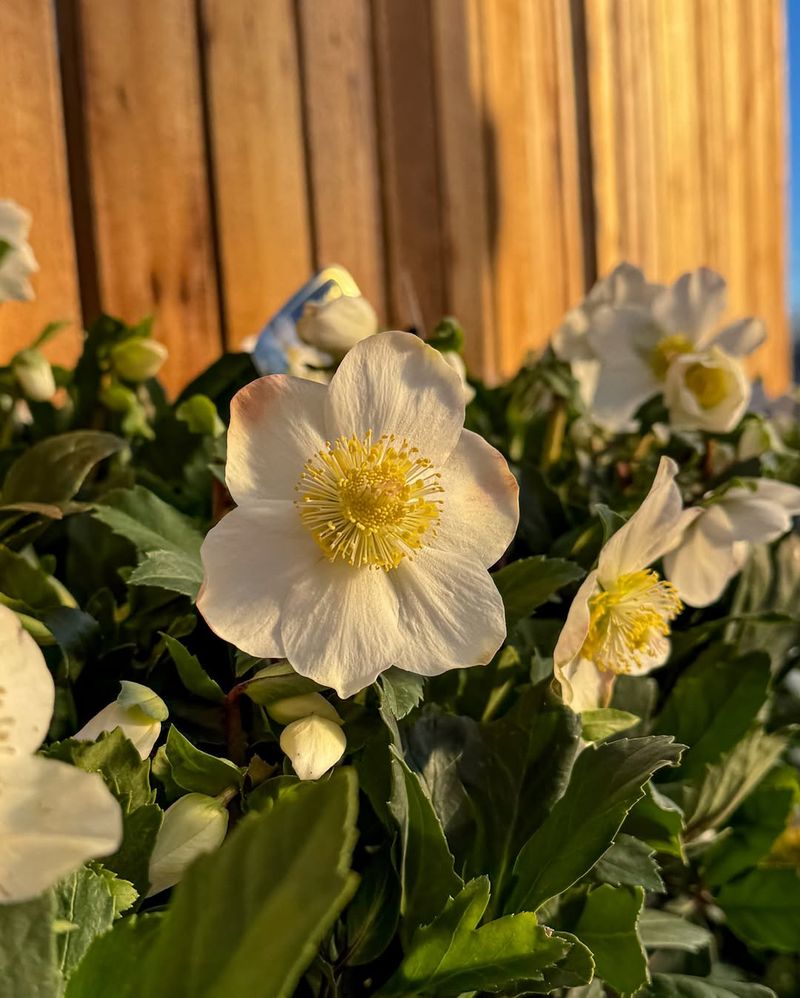
Nodding blooms in shades of white, pink, and deep burgundy bring elegance to winter hanging baskets.
Hellebores bloom when almost nothing else does, earning them the nickname Christmas Rose or Lenten Rose.
Their waxy petals withstand rain, wind, and cold without wilting or fading quickly.
Washington’s mild winters provide perfect conditions for hellebores to flourish in hanging displays.
They prefer shade or partial shade, making them ideal for north-facing porches or covered areas.
Once established, these plants require little attention beyond occasional watering during unusually dry periods.
The flowers last for weeks, slowly changing color as they age and adding evolving interest.
Their evergreen foliage remains attractive even before and after the blooming period ends.
Hellebores combine beautifully with ferns and ivy in mixed winter arrangements.
These plants appreciate protection from harsh afternoon sun and drying winds for best performance.
Their sophisticated appearance elevates any porch display from ordinary to extraordinary.
Many gardeners consider hellebores essential for winter gardens because of their reliability and beauty during challenging months when color is scarce.
6. Trailing Ivy
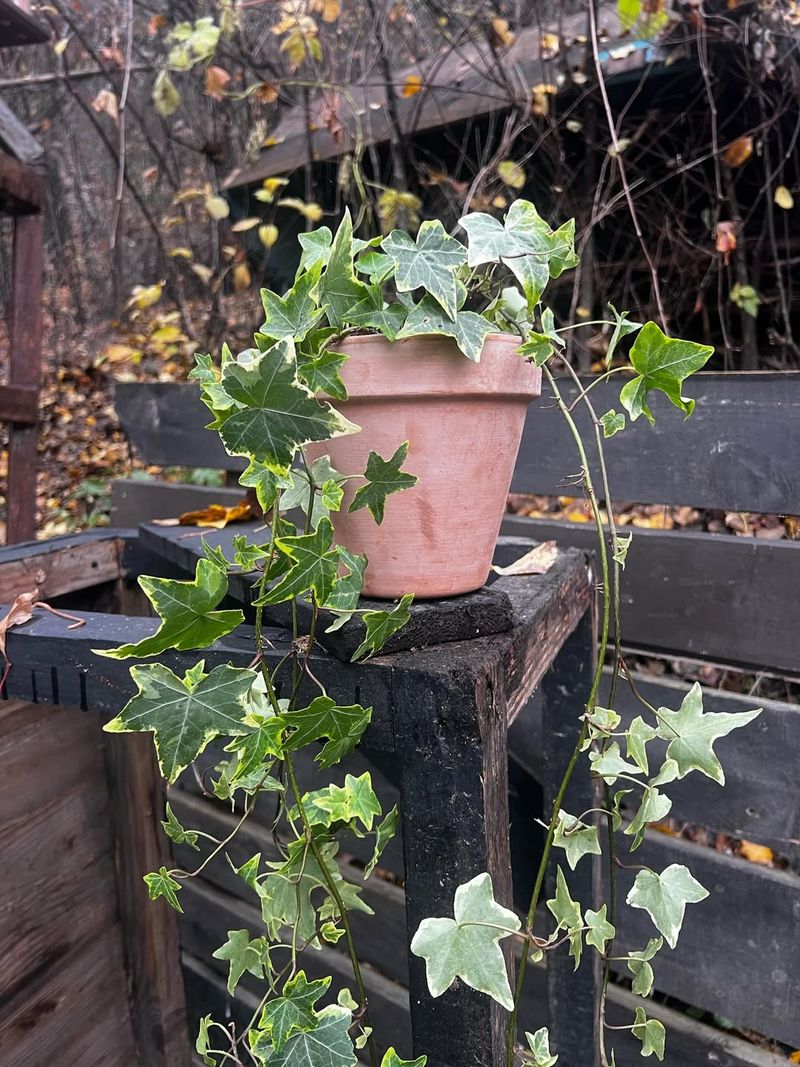
Cascading green foliage creates living curtains that soften porch edges and add year-round beauty.
Trailing ivy thrives in Washington’s cool, moist winter climate and requires almost no maintenance.
Its versatile nature allows it to shine as a standalone plant or enhance flowering companions.
Several ivy varieties offer different leaf shapes, sizes, and variegation patterns for diverse looks.
English ivy provides classic appeal, while Algerian ivy offers larger, bolder leaves.
Variegated types with white or yellow markings brighten shady areas where flowers struggle.
Ivy tolerates neglect better than most plants and continues growing steadily through winter months.
Its trailing stems can reach impressive lengths, creating dramatic displays that draw the eye downward.
Regular trimming keeps growth manageable and encourages fuller, bushier development.
This evergreen plant provides structure and greenery that flowering plants lack during dormant periods.
Ivy works wonderfully as a backdrop for seasonal color additions throughout the year.
Its air-purifying qualities and low water needs make it an environmentally friendly choice for Washington homeowners seeking sustainable landscaping options for their outdoor spaces.
7. Winter Jasmine
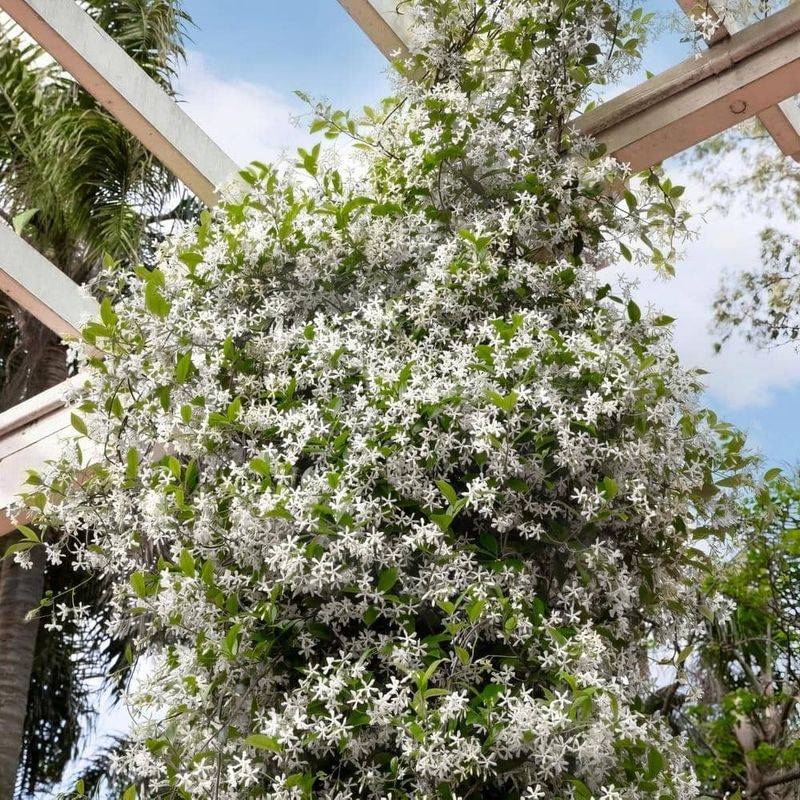
Bright yellow flowers appear on bare green stems, creating unexpected cheerfulness during dreary winter months.
Winter jasmine blooms reliably from December through March, providing color when gardens need it most.
Its arching branches cascade gracefully from hanging baskets, creating flowing movement.
This deciduous plant loses its leaves but continues producing sunny blooms throughout cold weather.
Washington’s moderate winters allow winter jasmine to perform exceptionally well in protected porch locations.
The flowers have no fragrance despite the name, but their visual impact compensates beautifully.
Winter jasmine tolerates various light conditions, from full sun to partial shade, with flexibility.
Its fast growth fills baskets quickly and creates impressive displays within a single season.
Pruning after flowering encourages bushier growth and more abundant blooms the following year.
The plant handles frost and light freezes without damage to stems or developing flower buds.
Its cheerful yellow color contrasts beautifully with evergreen plants and winter’s muted landscape.
Gardeners appreciate how winter jasmine provides reliable color without requiring special care or protection during typical Washington winter weather patterns and temperature fluctuations.
8. Dusty Miller
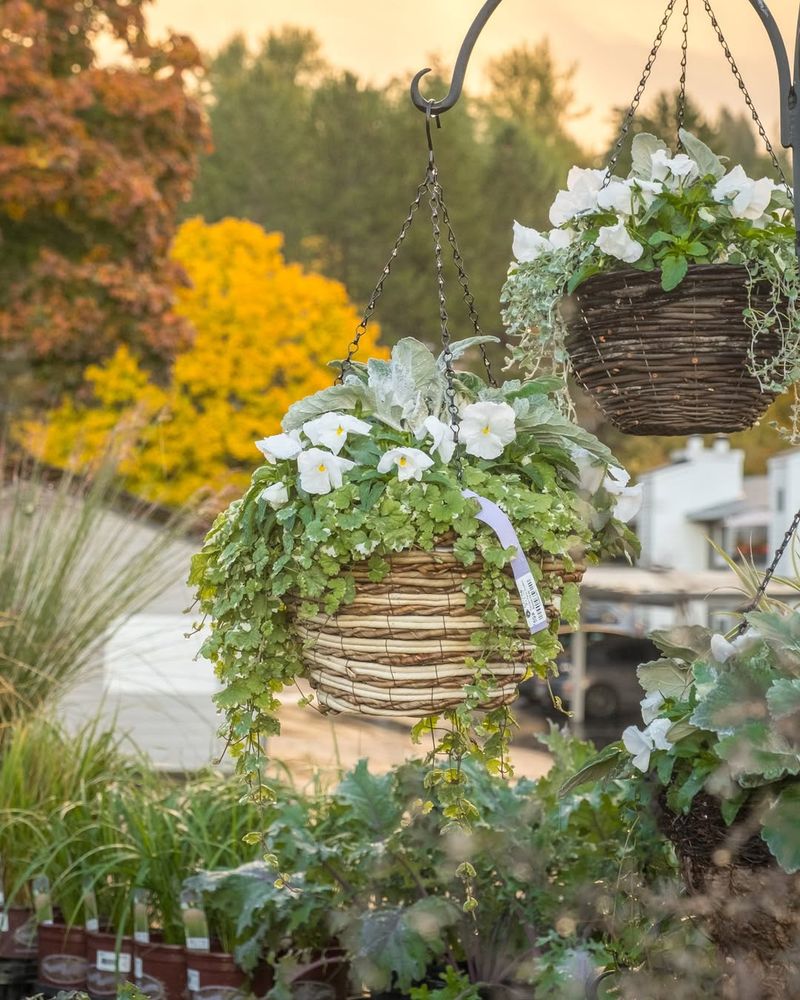
Silvery-gray foliage adds sophisticated contrast and texture to winter hanging basket arrangements.
Dusty miller’s soft, fuzzy leaves look almost frosted, perfectly complementing the season’s aesthetic.
This foliage plant provides visual interest without relying on flowers that may fade quickly.
Washington’s cool, wet winters suit dusty miller well, though good drainage remains essential.
Its compact growth habit fills baskets evenly without becoming leggy or sparse.
The silver color brightens dark corners and makes neighboring flowers appear more vibrant through contrast.
Gardeners value dusty miller as a reliable filler that enhances rather than competes with blooming plants.
Its neutral color palette works with any flower combination imaginable throughout the season.
The plant tolerates light frost and continues looking attractive even after cold snaps.
Dusty miller requires minimal care beyond occasional watering and removal of damaged leaves.
Its drought tolerance makes it forgiving when winter rains pause unexpectedly.
The textural quality adds depth to flat arrangements and creates visual layers that professional designers love.
This plant proves that foliage can be just as impactful as flowers in creating memorable porch displays during winter months.
9. Violas
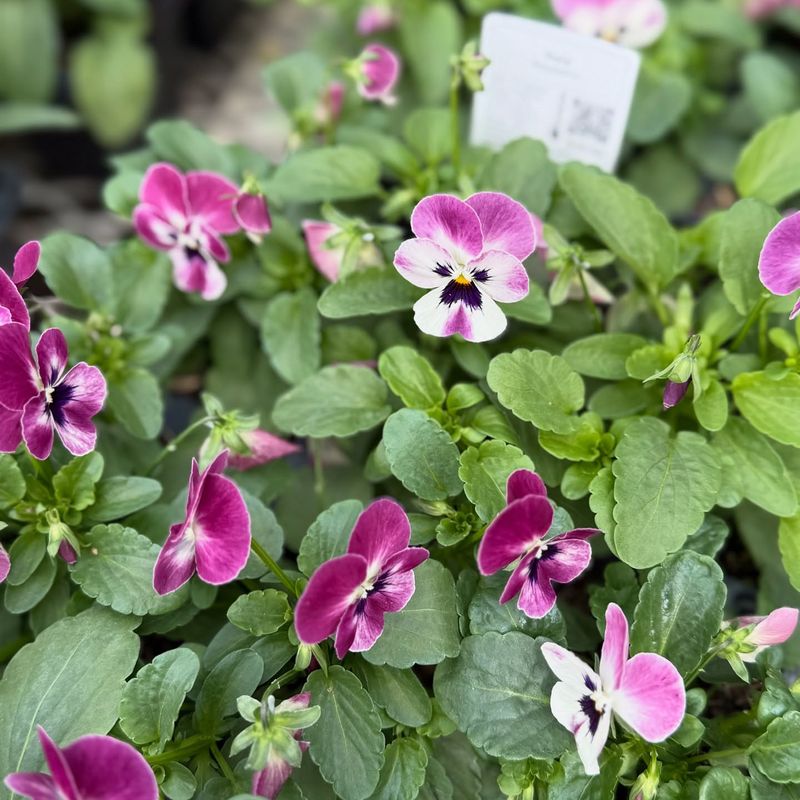
Tiny faces with distinctive markings peer out from hanging baskets, bringing smiles to everyone who passes by.
Violas resemble miniature pansies but offer greater cold hardiness and more prolific blooming.
Their compact size allows more plants per basket, creating incredibly full, colorful displays.
These cheerful flowers bloom continuously throughout Washington winters, even bouncing back after snow melts.
They come in practically every color imaginable, including bi-colors and interesting patterns.
Violas self-clean somewhat, though removing spent blooms encourages even more flowers to develop.
Their low water requirements make violas ideal for busy homeowners who occasionally forget watering duties.
Morning sun and afternoon shade provide optimal conditions for longest bloom periods.
Violas also tolerate more shade than pansies, making them perfect for north-facing porches.
These hardy little flowers attract early butterflies and beneficial insects on warmer winter days.
Their delicate appearance belies their tough constitution and ability to withstand harsh conditions.
Violas create charming cottage-garden effects when combined with trailing foliage plants and taller companions in mixed arrangements that showcase their delightful character perfectly.
10. Heather
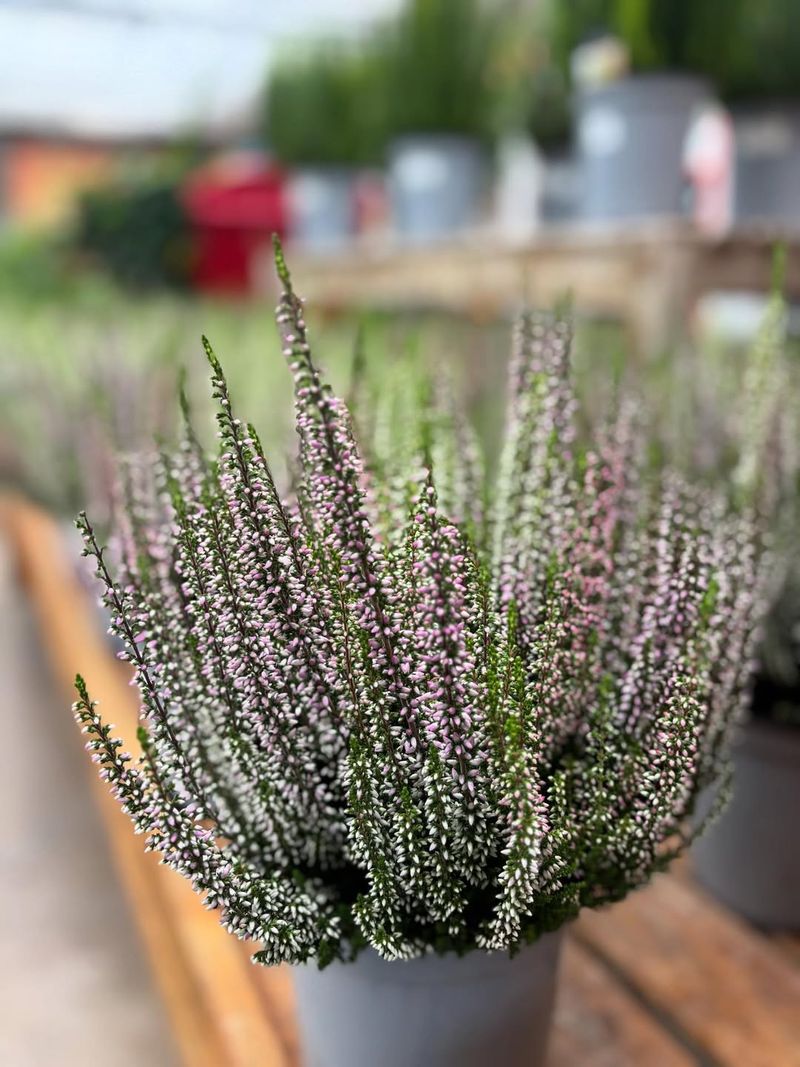
Tiny bell-shaped flowers cluster along evergreen stems, creating clouds of pink, white, or purple color.
Heather thrives in Washington’s acidic soil and cool, moist climate, making it naturally suited to the region.
Its fine-textured foliage provides year-round interest even when flowers fade temporarily.
Winter-blooming heather varieties begin showing color in late fall and continue through early spring.
The flowers attract early bees searching for nectar sources during warmer winter days.
Heather’s mounding growth habit works beautifully in hanging baskets, spilling over edges gracefully.
This low-maintenance plant requires acidic potting mix and consistent moisture without waterlogging.
Its compact root system adapts well to container growing and hanging basket constraints.
Heather combines wonderfully with other acid-loving plants like small rhododendrons in mixed arrangements.
The plant tolerates wind and coastal conditions better than many winter-blooming alternatives.
Its evergreen nature ensures your porch never looks bare or neglected during dormant months.
Heather’s Scottish heritage and romantic associations add nostalgic charm to home exteriors.
Many Washington gardeners consider heather essential for creating authentic Pacific Northwest garden aesthetics that reflect the region’s natural beauty.
11. Snapdragons
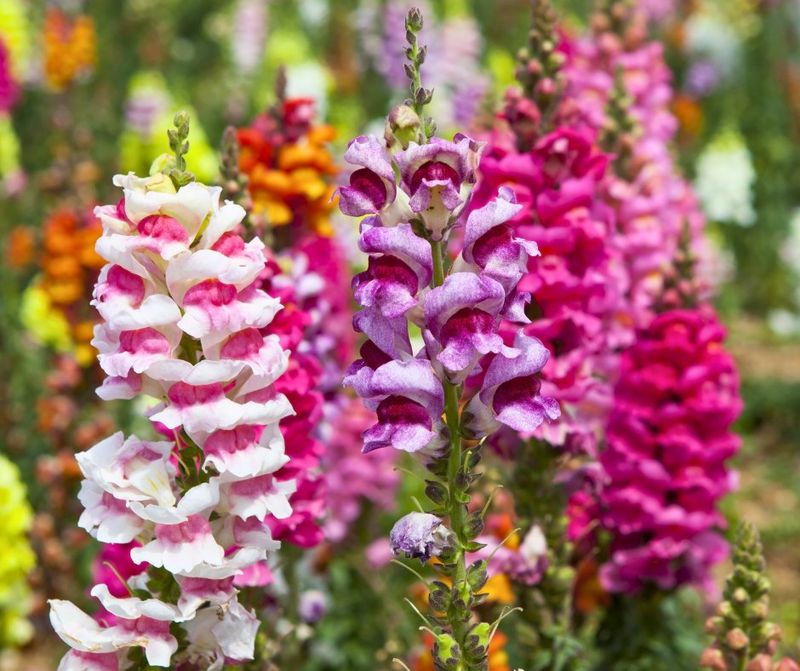
Vertical flower spikes in brilliant colors add height and drama to winter hanging basket designs.
Snapdragons tolerate cold temperatures much better than most people realize, thriving in Washington winters.
Their unique flower shape entertains children who love squeezing the blooms to make them snap open.
These flowers come in almost every color except true blue, offering endless design possibilities.
Trailing varieties work especially well in hanging baskets, cascading over sides beautifully.
Snapdragons bloom prolifically when temperatures stay cool, making winter ideal for their performance.
Regular deadheading extends the blooming period and keeps plants looking tidy and well-maintained.
They prefer full sun but tolerate partial shade in Washington’s often-cloudy winter weather.
Snapdragons combine beautifully with lower-growing plants that fill in around their upright stems.
These flowers attract hummingbirds that overwinter in western Washington, providing important food sources.
Their sweet fragrance adds another sensory dimension to porch displays beyond visual appeal.
Snapdragons handle light frost well and recover quickly after cold snaps pass.
Their old-fashioned charm and reliable performance make them beloved choices for traditional and cottage-style home exteriors throughout the region.
12. Winter-Blooming Fuchsia
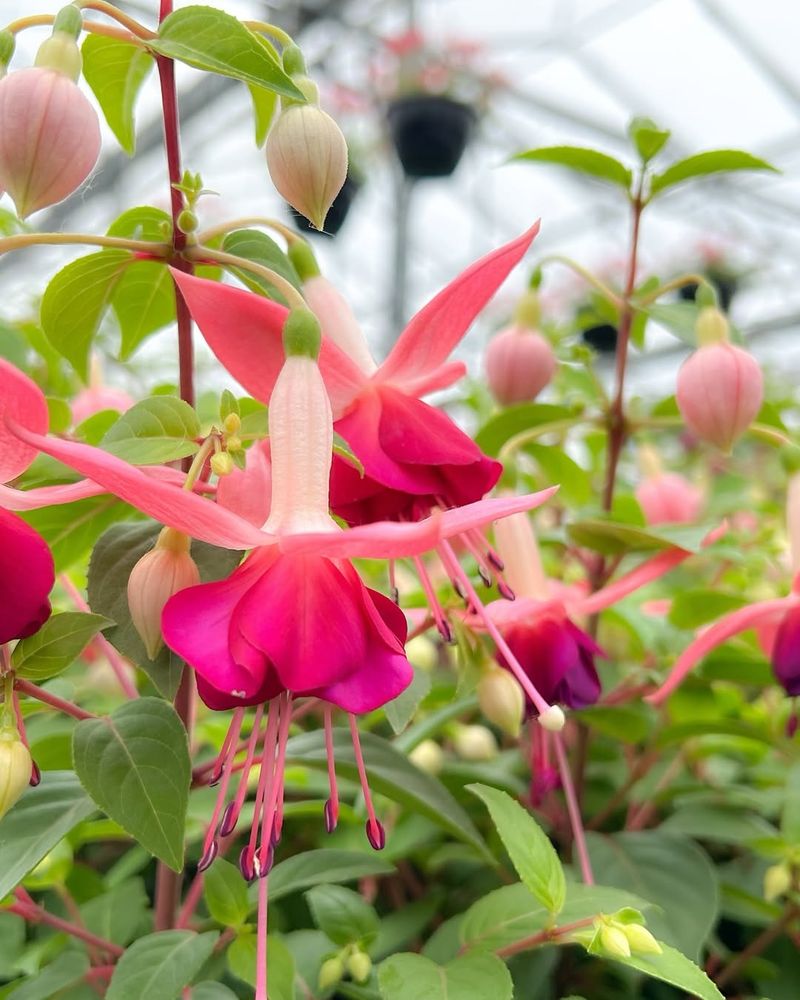
Pendulous flowers dangle like jeweled earrings from arching stems throughout the winter months.
Hardy fuchsia varieties survive Washington winters outdoors and bloom when most plants remain dormant.
Their elegant, two-toned flowers in combinations of pink, purple, red, and white create sophisticated displays.
These plants prefer the cool, moist conditions that define Pacific Northwest winters perfectly.
Protection from harsh winds and heavy frost helps them bloom continuously through the season.
Fuchsias appreciate morning sun and afternoon shade, especially in locations with southern exposure.
Regular watering keeps fuchsias happy, though they dislike sitting in soggy soil constantly.
Their graceful, weeping habit makes them natural choices for hanging baskets and elevated displays.
Hummingbirds visit winter-blooming fuchsias eagerly, providing entertainment and supporting local wildlife.
These plants require slightly more care than some other winter options but reward effort generously.
Pinching growing tips encourages bushier growth and more flowering stems to develop.
Fuchsias add tropical flair to winter gardens despite their cold-hardy nature.
Their unique beauty and extended bloom time make them worth the extra attention for gardeners seeking something special and different for their porch displays this season.