10 Smart Things To Do When A Beaver Appears Near Your Minnesota Yard (And 4 Mistakes To Avoid)
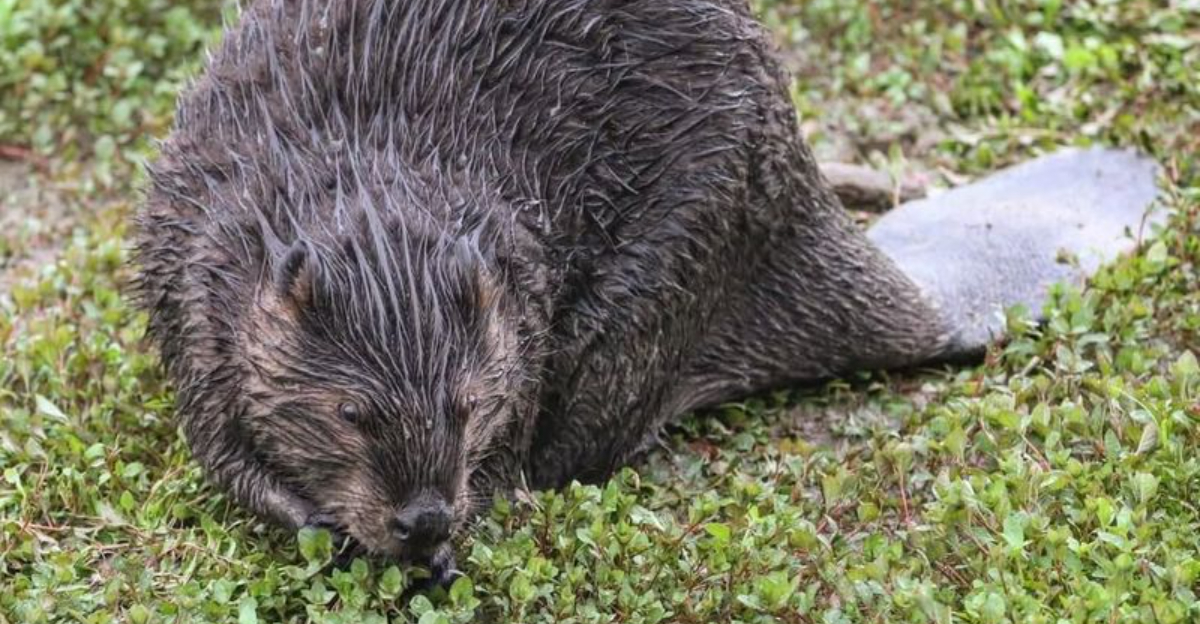
Spotting a beaver near your Minnesota yard can be both exciting and concerning for homeowners, especially those living close to lakes, rivers, or wetlands.
These remarkably industrious animals are famous for their ability to shape entire landscapes with their lodges and dams, but their presence can also lead to flooded yards, damaged trees, and altered drainage patterns if not addressed carefully.
Knowing what to do—and what not to do—when a beaver moves into your area is essential for protecting your property while also respecting wildlife laws that safeguard these important ecosystem engineers.
With the right approach, you can avoid costly mistakes, support healthy habitat, and keep both your yard and the beavers safe.
This guide offers clear, practical advice to help you respond responsibly, make informed decisions, and navigate this unique wildlife encounter with confidence.
1. Observe From A Safe Distance

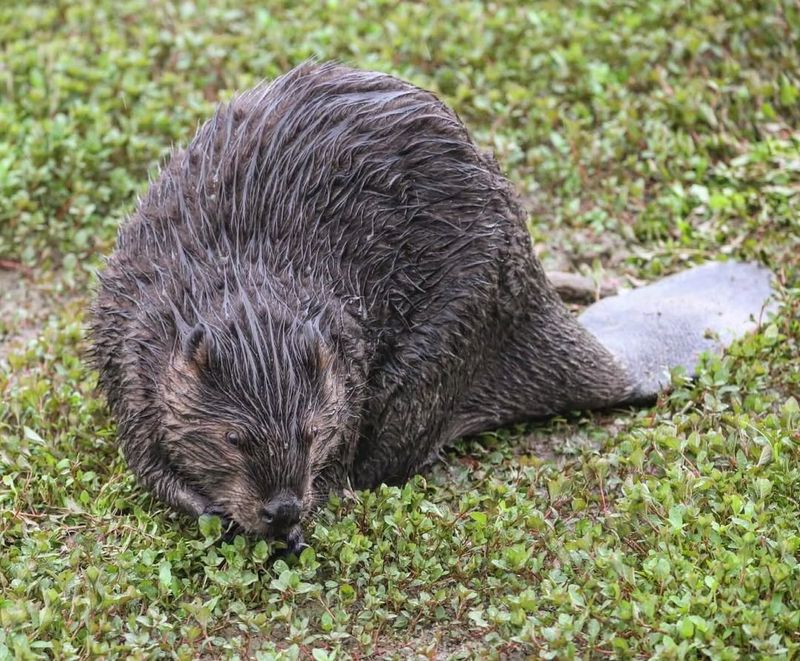
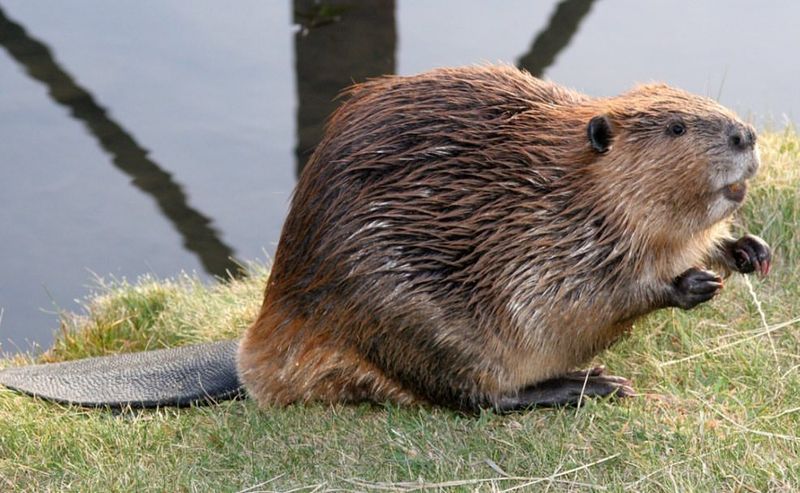
Beavers may look harmless, but they are wild animals with powerful jaws and sharp teeth that can cause serious injuries if threatened.
Keeping at least 50 feet away gives you a safe vantage point to watch their behavior without startling them.
Use binoculars or a camera with a zoom lens to get a closer look while maintaining your distance.
Watching from afar also helps you learn about the beaver’s habits and routines.
You might notice when they are most active, where they travel, and what trees or plants they prefer.
This information becomes valuable when you need to make decisions about protecting your property.
Never approach a beaver directly, especially if it seems cornered or agitated.
Beavers can move surprisingly fast on land when they feel threatened, and their bite is strong enough to cause significant harm.
Respecting their space keeps both you and the animal safe.
Teach children and pets to stay away from beavers as well.
Explain that while these animals are interesting to watch, they need their own space to feel secure.
By observing responsibly, you can enjoy this wildlife encounter without putting anyone at risk.
2. Check Your Trees For Damage
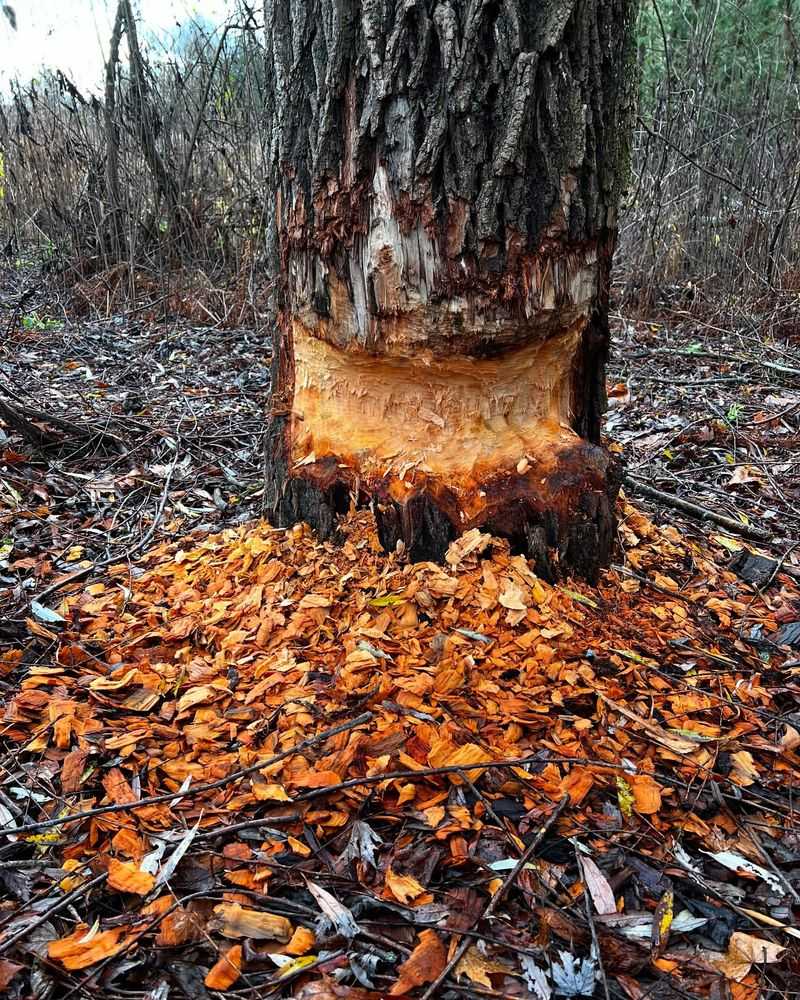
Beavers have a natural instinct to chew on trees, and they can take down surprisingly large ones in just a single night.
Walk around your property to inspect tree trunks, especially those near water sources or wet areas.
Look for telltale signs like wood chips at the base, gnaw marks, or trees with a distinctive hourglass shape where the beaver has been working.
Pay special attention to trees that are close to streams, ponds, or drainage areas.
Beavers prefer trees near water because they can easily transport the wood back to their lodge or dam.
Younger trees with softer bark are often their first targets, though they can tackle mature trees too.
Document any damage you find by taking photos and notes.
This record helps if you need to contact wildlife authorities or apply for permits to protect your property.
It also gives you a baseline to monitor whether the beaver activity is increasing or decreasing over time.
Identifying damaged trees early allows you to take protective measures before you lose valuable landscaping.
Your Minnesota Garden Changes Every Week. Your Plan Should Too.
Gardening in Minnesota changes quickly throughout the season. Every Friday you’ll receive a simple weekly plan showing exactly what to plant, prune, fertilize, harvest, and protect so you never miss the right timing.
Some trees can be wrapped with wire mesh or fencing to prevent further chewing.
Catching the problem quickly saves you time, money, and the disappointment of losing beautiful trees from your yard.
3. Install Tree Protectors
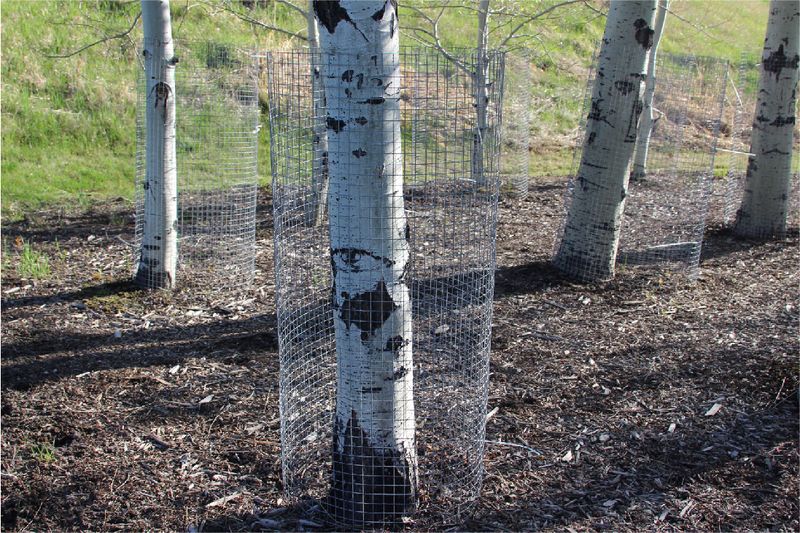
Wrapping vulnerable trees with hardware cloth or wire mesh creates a physical barrier that beavers cannot chew through.
Use galvanized wire mesh with small openings, typically around half an inch, to prevent their teeth from reaching the bark.
Wrap the mesh around the trunk from ground level up to at least three to four feet high, securing it firmly but not too tightly.
Make sure the mesh stands a few inches away from the bark to allow the tree to continue growing without restriction.
You can use stakes or spacers to keep the barrier properly positioned.
This breathing room also prevents moisture from getting trapped against the bark, which could lead to rot or disease.
Focus your protection efforts on trees that are most valuable to you or most at risk.
Young saplings, fruit trees, and ornamental species often need the most attention.
Prioritizing these trees makes the task more manageable while still protecting your landscape investments.
Tree protectors are a humane and effective way to coexist with beavers.
They allow the animals to remain in their habitat while keeping your property safe from damage.
Regularly inspect the protectors to ensure they remain secure and adjust them as your trees grow over the seasons.
4. Contact Minnesota Wildlife Authorities
Reaching out to the Minnesota Department of Natural Resources gives you access to expert advice tailored to your specific situation.
Wildlife officers understand local beaver behavior and can recommend solutions that comply with state regulations.
They can also inform you about any permits you might need before taking certain actions on your property.
Minnesota has specific laws protecting beavers, but also provisions for property owners facing damage.
Authorities can explain your rights and responsibilities, helping you find a balance between protecting your yard and respecting wildlife.
Sometimes they can even arrange for humane relocation if the situation warrants it.
Local conservation officers often have experience with similar cases in your area.
They might know if other neighbors are dealing with the same beaver or if there are broader patterns of activity in your community.
This context helps you understand whether you are facing an isolated incident or part of a larger wildlife movement.
Documentation of the damage and beaver activity strengthens your case when contacting authorities.
Photos, dates, and descriptions of problems help officials assess the situation accurately.
Being prepared with this information speeds up the process and increases the likelihood of getting effective help for your property concerns.
5. Look For Dam Construction
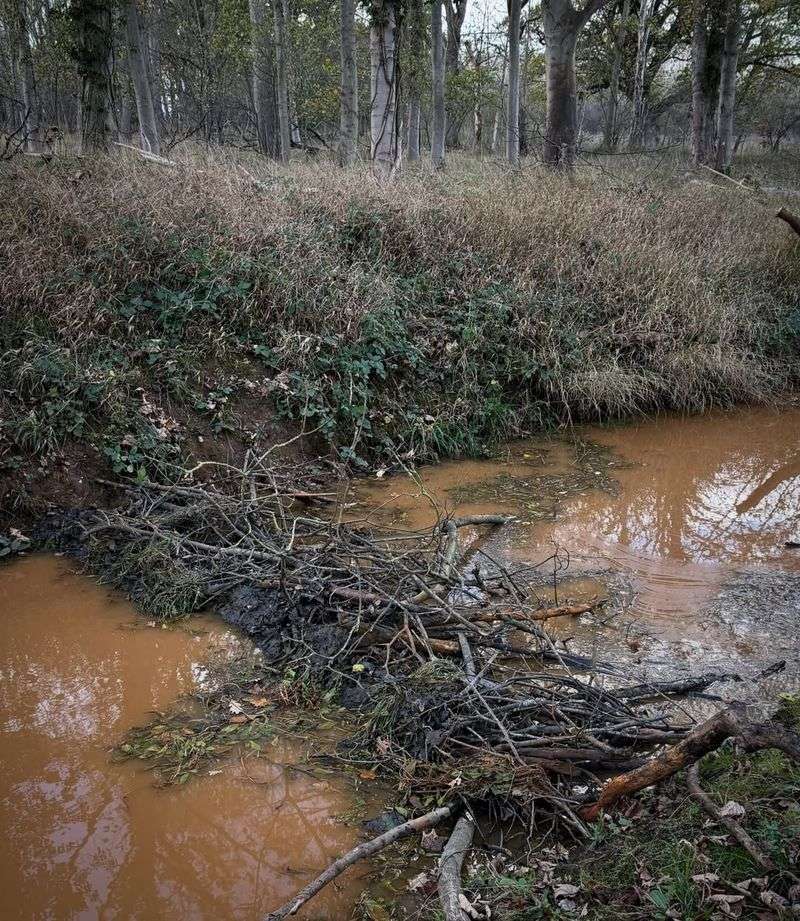
Beavers are famous for building dams, and even a small one can cause flooding problems on your property.
Check nearby streams, creeks, or drainage ditches for piles of sticks, mud, and debris that might indicate dam building.
Early detection gives you time to address the issue before water backs up and causes serious damage.
Dams can appear surprisingly quickly, sometimes forming over just a few days.
Beavers work mostly at night, so you might not notice construction until the structure is already substantial.
Regular inspections of water sources near your property help you catch these projects in their early stages.
Flooding from beaver dams can damage lawns, gardens, driveways, and even foundations if left unchecked.
Standing water also attracts mosquitoes and other pests that can make your outdoor space less enjoyable.
Identifying dam construction early allows you to work with authorities on appropriate removal methods.
Never attempt to remove a beaver dam yourself without checking local regulations first.
Some areas require permits for dam removal, and improper techniques can actually make flooding worse.
Working with professionals ensures the job is done safely, legally, and effectively while minimizing impact on the surrounding ecosystem and your property.
6. Secure Your Water Features

Decorative ponds, water gardens, and fountains can attract beavers looking for convenient building materials and habitat.
Fencing around these features with sturdy wire mesh keeps beavers out while still allowing you to enjoy your landscaping.
Make sure fencing extends both above and slightly below ground level to prevent the animals from digging underneath.
Beavers are particularly drawn to the sound of running water, which triggers their instinct to build dams.
If you have a waterfall or fountain, consider temporarily turning it off if you notice beaver activity nearby.
Reducing these auditory cues can make your yard less appealing to these persistent builders.
Planting less desirable vegetation around water features also helps discourage beaver interest.
They prefer willows, aspens, and other soft-bark trees, so choosing evergreens or ornamental grasses creates a less inviting buffet.
Strategic landscaping works as a natural deterrent without requiring constant maintenance.
Regularly inspect your water features for signs of beaver activity like gnawed plants or disturbed soil.
Catching problems early prevents minor curiosity from turning into major reconstruction projects.
Protecting these investments preserves the beauty and value they add to your outdoor living space throughout the seasons.
7. Document All Beaver Activity

Keeping detailed records of beaver sightings and damage creates a valuable timeline of activity on your property.
Take clear photos showing dates and times, and write notes about what you observe each day.
This documentation becomes crucial if you need to apply for permits or work with wildlife management professionals.
Your records help experts understand patterns in the beaver’s behavior.
They might identify peak activity times, preferred areas, or seasonal changes that affect how the animal uses your property.
This information guides more effective and targeted management strategies.
Documentation also protects you if disputes arise with neighbors or insurance companies about property damage.
Having proof of when problems started and what you have done to address them shows you acted responsibly.
This paper trail can be important for legal or financial reasons down the road.
Consider starting a simple journal or using your phone to create a photo log with captions.
Note weather conditions, water levels, and any other factors that might influence beaver behavior.
Over time, these observations might reveal insights that help you predict and prevent future problems before they become expensive or difficult to manage.
8. Learn About Beaver Behavior
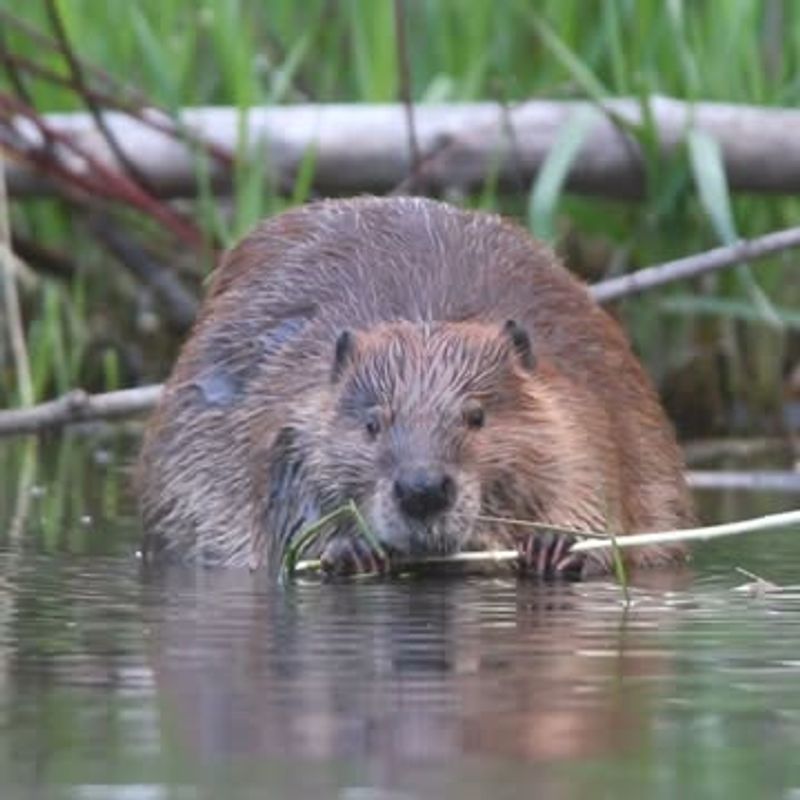
Understanding why beavers do what they do helps you respond more effectively to their presence.
These animals are primarily nocturnal, meaning they do most of their work between dusk and dawn.
Knowing their schedule helps you plan inspections and protective measures for times when they are most active.
Beavers are vegetarians that eat bark, leaves, and aquatic plants.
They chew trees not just for food but also to gather building materials for dams and lodges.
Recognizing this dual purpose explains why they might target certain trees over others on your property.
Family groups typically consist of parents and their young from the current and previous year.
They are territorial and will defend their established areas from other beavers.
Understanding their social structure helps explain why you might see multiple animals or why activity suddenly increases in certain seasons.
Beavers are most active in spring and fall when they are preparing for breeding season or storing food for winter.
Anticipating these busy periods allows you to be extra vigilant about protecting vulnerable areas.
Educating yourself about their natural history transforms them from mysterious pests into predictable neighbors you can learn to manage successfully.
9. Consider Professional Wildlife Services

Licensed wildlife control professionals have specialized training and equipment to handle beaver situations humanely and legally.
They understand Minnesota regulations and can implement solutions that you cannot do yourself without proper permits.
Hiring experts often saves time and prevents costly mistakes that come from inexperienced handling.
Professionals can assess your entire property to identify attractants and vulnerabilities you might have missed.
They bring an objective perspective and years of experience dealing with similar situations.
Their recommendations are based on proven methods rather than trial and error.
Many wildlife services offer ongoing monitoring and maintenance plans to prevent future problems.
They can install exclusion devices, modify habitats, and provide regular inspections that keep beavers from returning.
This proactive approach often costs less than repeatedly dealing with damage after it occurs.
When choosing a service, verify their licenses and ask for references from other Minnesota property owners.
Reputable companies will explain their methods clearly and prioritize humane treatment of animals.
Investing in professional help protects your property investment while ensuring the beavers are handled ethically and according to state guidelines for wildlife management.
10. Create Buffer Zones
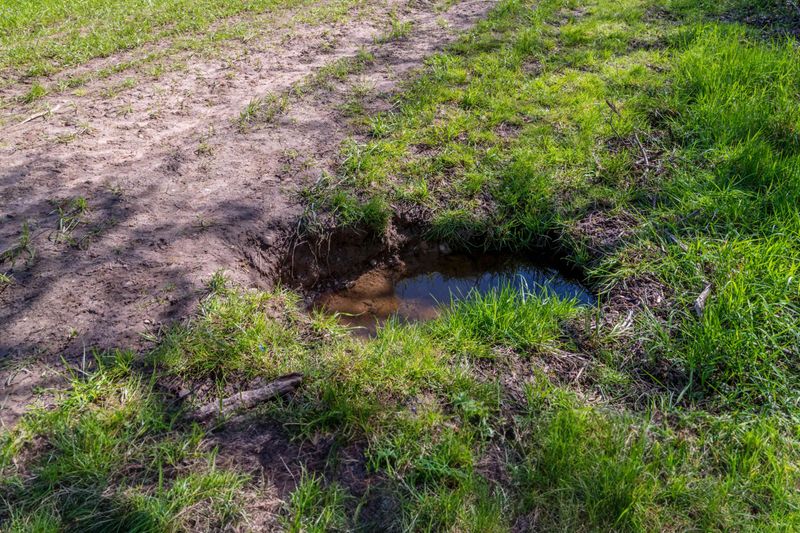
Establishing a cleared area between water sources and valuable landscaping gives you a protective barrier against beaver damage.
Keep this zone free of trees and shrubs that beavers find appealing.
A buffer of at least 50 to 100 feet significantly reduces the likelihood of them venturing further into your yard.
Buffer zones also make it easier to spot beaver activity before it reaches your most prized plants and trees.
This early warning system gives you time to take action before damage occurs to areas you care about most.
Think of it as a sacrificial space that protects everything behind it.
You can make buffer zones more functional by planting grasses, flowers, or other vegetation that beavers typically avoid.
Native prairie plants or ornamental grasses create attractive landscapes while serving as natural deterrents.
This approach combines practical protection with aesthetic appeal.
Maintaining your buffer zone requires regular mowing and clearing to prevent woody plants from taking root.
This ongoing maintenance is much easier than constantly protecting individual trees scattered throughout your property.
A well-designed buffer zone becomes a sustainable part of your landscape management strategy that provides long-term protection against beaver activity.
11. Avoid Feeding Or Approaching Beavers
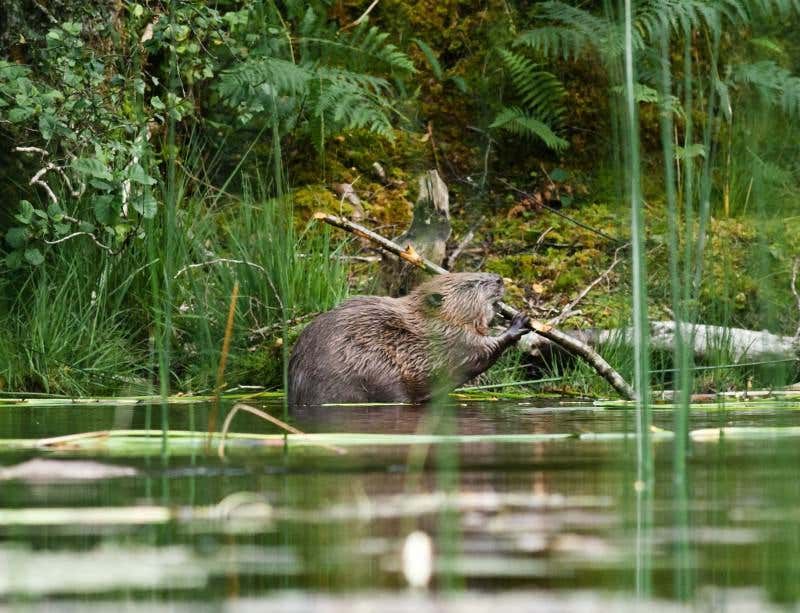
Feeding wild animals creates dangerous situations by making them lose their natural fear of humans.
Beavers that associate people with food become bolder and more likely to cause property damage.
They may also become aggressive when food is not provided, putting you and your family at risk.
Approaching beavers teaches them that humans are not a threat, which can lead to problematic behavior.
Wild animals should maintain a healthy wariness of people for their own safety and yours.
This natural distance protects both species from negative encounters.
Well-meaning attempts to befriend wildlife often end badly for the animals themselves.
Beavers that become too comfortable around humans may wander into dangerous areas like roads or neighborhoods where they face greater threats.
Keeping them wild keeps them safe in their natural habitat.
Teach children that wild animals are not pets and should never be touched or fed.
Explain that watching from a distance is the best way to appreciate these creatures.
This lesson applies not just to beavers but to all wildlife they might encounter, building lifelong habits of respectful coexistence with nature.
12. Never Attempt To Trap Without Permits
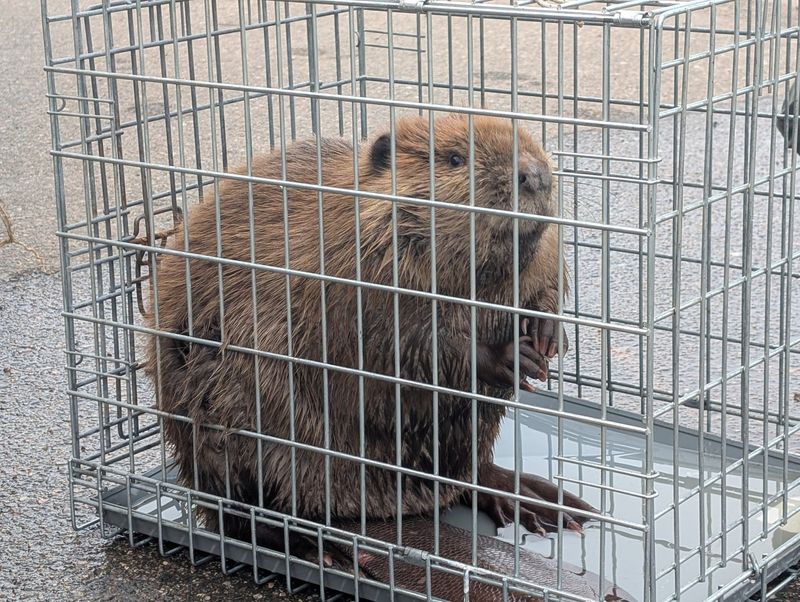
Minnesota law requires specific permits and licenses for trapping beavers, even on your own property.
Attempting to trap without proper authorization can result in significant fines and legal consequences.
The regulations exist to protect both the animals and people from harm during trapping activities.
Trapping beavers requires specialized knowledge and equipment that most homeowners do not possess.
Improper trapping methods can injure animals unnecessarily or create dangerous situations for people and pets.
Body-gripping traps and snares are particularly hazardous when used by inexperienced individuals.
Even if you obtain the necessary permits, trapping is often not the most effective long-term solution.
Removing one beaver often just creates an opening for another to move into the territory.
Addressing the attractants and implementing preventive measures typically provides better lasting results.
If trapping becomes necessary, hire a licensed professional who understands humane methods and legal requirements.
They can ensure the process is done correctly and ethically.
Respecting these regulations protects you from legal trouble while ensuring wildlife management follows established best practices that balance property protection with conservation goals.
13. Do Not Destroy Dams Without Permission
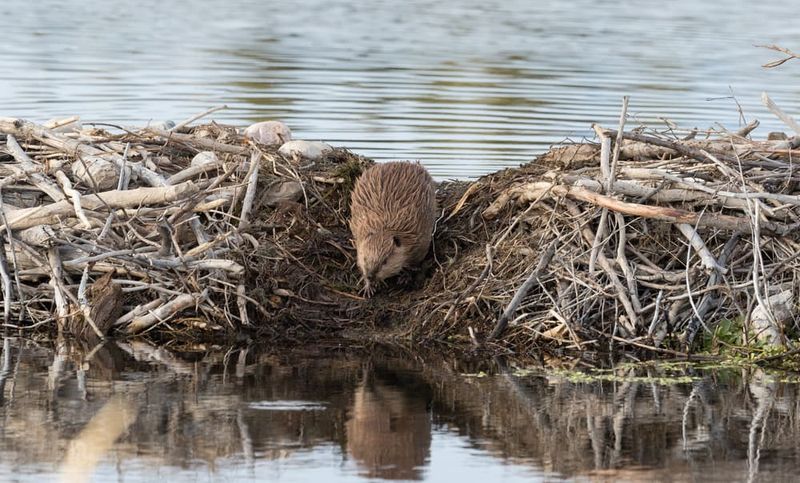
Removing a beaver dam without proper authorization violates Minnesota wildlife laws and can result in penalties.
Dams are considered part of the beaver’s habitat and are protected under state regulations.
Always contact the Department of Natural Resources before taking any action regarding dam removal.
Improper dam removal can cause sudden flooding downstream that damages neighboring properties.
The rush of released water can erode streambanks, wash away soil, and harm aquatic ecosystems.
Professionals understand how to manage water flow safely during dam removal to prevent these secondary problems.
Some dams actually provide environmental benefits by creating wetlands that support diverse wildlife.
These wetlands filter water, reduce erosion, and provide habitat for birds, fish, and other animals.
Removing a dam might eliminate these ecological benefits that extend beyond your property boundaries.
If flooding from a dam threatens your property, document the problem thoroughly and work with authorities on approved solutions.
They might install flow devices that control water levels without completely removing the dam.
These compromises often satisfy both property protection needs and wildlife conservation goals, creating outcomes that work for everyone involved.
14. Avoid Using Harmful Deterrents
Chemical repellents and poisons are not only ineffective against beavers but also illegal and dangerous to other wildlife.
These substances can contaminate water sources, harm beneficial animals, and create toxic environments for pets and children.
Minnesota regulations specifically prohibit many chemical controls for beaver management.
Physical deterrents like spikes or sharp objects placed around trees can injure the beavers unnecessarily.
They can also pose hazards to other animals, pets, and even people working in your yard.
Humane alternatives like wire mesh provide effective protection without causing harm.
Some homeowners try using loud noises, bright lights, or motion-activated devices to scare beavers away.
While these might work temporarily, beavers quickly become accustomed to them and return to their activities.
Investing in these methods often wastes money without providing lasting solutions.
Focusing on proven, humane methods protects your property while respecting wildlife and following legal guidelines.
Tree guards, fencing, and habitat modification work better than harmful deterrents.
These approaches create sustainable solutions that address the root causes of beaver problems rather than attempting quick fixes that ultimately fail and may cause unintended harm.