What To Do If A Coyote Appears In Your Oregon Yard (Plus 4 Common Mistakes)
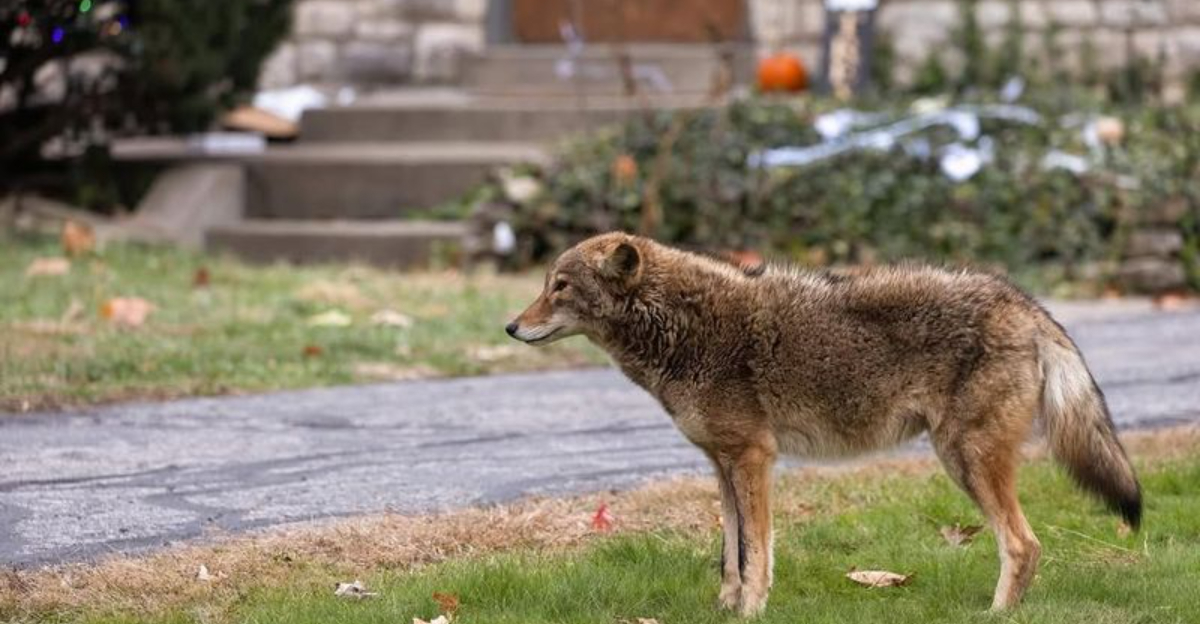
Coyotes are no strangers to Oregon — from rural farmland to quiet suburbs and even busy city neighborhoods.
As their habitat overlaps more with human spaces, sightings in backyards have become increasingly common.
But when a coyote suddenly appears just a few feet from your porch, the moment can be startling, and knowing exactly how to respond is crucial for both your safety and the animal’s.
While most coyotes prefer to avoid people altogether, certain behaviors — like approaching pets, lingering near fences, or returning repeatedly — require a calm but strategic response.
Unfortunately, many homeowners make well-intentioned mistakes that can accidentally encourage coyotes rather than deter them.
In this guide, we’ll walk you through what to do the moment a coyote shows up in your yard, how to keep your family and pets safe, and the four common missteps Oregon residents should avoid at all costs.
1. Make Yourself Appear Larger And Louder
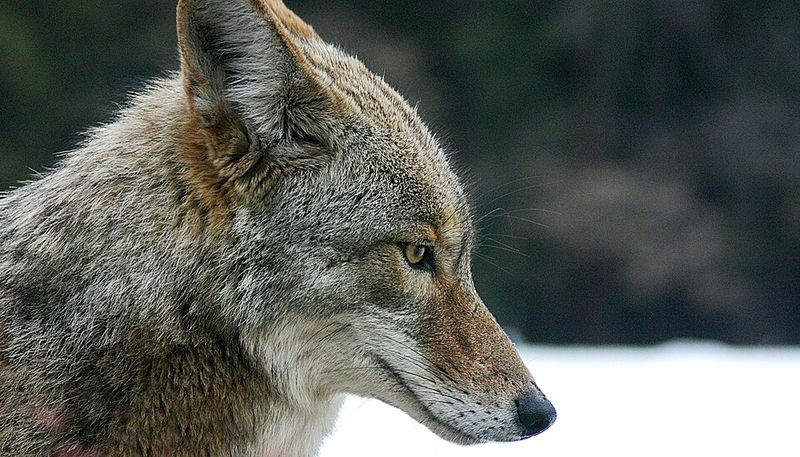
Standing tall and raising your arms above your head sends a clear and confident message to the coyote that you are not prey and that you are fully aware of its presence.
Waving your jacket, a broom, or any nearby object to increase your size even more helps emphasize your dominance, and coyotes naturally avoid threats that seem larger and more intimidating than themselves.
Shouting firmly in a deep voice also helps establish control in the situation, and using strong phrases like Go away or Get out of here creates a sudden burst of noise that effectively startles the animal.
Avoiding high-pitched sounds or screaming is important because those noises might confuse the coyote or make it think you are injured, while confident and loud commands work best to drive the animal away from your Oregon property.
Combining clear visual signals with strong auditory cues creates a more powerful deterrent effect, and the goal is to make the coyote uncomfortable enough that it chooses to leave the area on its own.
Repeating these actions until the coyote moves away completely is necessary, as persistence is key when dealing with curious or bold wildlife in residential neighborhoods.
2. Never Turn Your Back Or Run Away
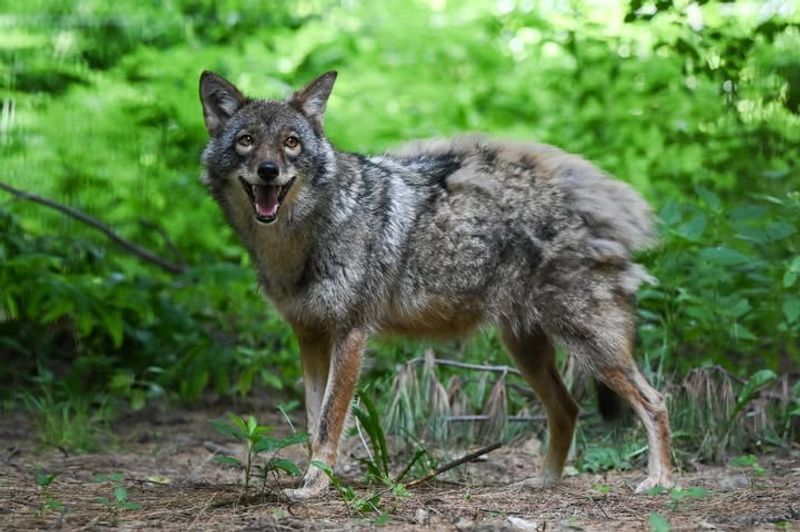
Running triggers a coyote’s natural chase instinct, which can instantly turn what seems like a calm encounter into a dangerous situation if it happens near your Oregon yard.
When you run, you unintentionally signal to the animal that you are prey, and this can provoke an attack response from a coyote that is simply reacting out of instinct.
Coyotes are incredibly fast runners and can easily outpace humans over short distances, which makes running even more unsafe in these situations.
Instead, facing the coyote directly and maintaining steady eye contact shows confidence and control, and slowly backing away while watching the animal keeps you safer.
Turning your back removes your ability to monitor the coyote’s behavior and reactions, leaving you vulnerable because you cannot see whether it is advancing or retreating.
Your Oregon Garden Changes Every Week. Your Plan Should Too.
Gardening in Oregon changes quickly throughout the season. Every Friday you’ll receive a simple weekly plan showing exactly what to plant, prune, fertilize, harvest, and protect so you never miss the right timing.
Children and pets are especially at risk if they run, so teaching them to stay calm and still during wildlife encounters is an important safety practice for families.
Remaining calm and facing the threat head-on is the safest approach, because your body language communicates strength and discourages the coyote from approaching further.
3. Use Noise-Making Objects To Startle The Animal
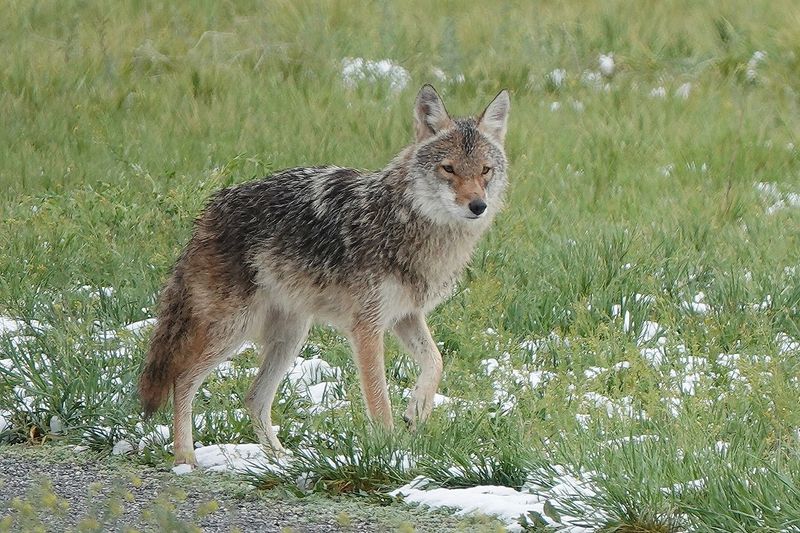
Grabbing pots, pans, or metal objects from your home creates loud and jarring sounds that coyotes find extremely unpleasant and disruptive.
Banging these items together repeatedly breaks the animal’s sense of comfort and encourages it to leave quickly because coyotes typically avoid chaotic noise.
Whistles, air horns, and even car alarms can also serve as effective tools for startling wildlife when you need something louder than your voice alone.
Many Oregon residents keep noise-making items near their back doors so they can respond immediately without having to search for something during a sudden encounter.
Shaking a can filled with coins or pebbles produces a sharp rattling sound that startles coyotes, and the unpredictability of the noise makes the animal wary and cautious.
Consistent and loud sounds work better than single, weak noises that the coyote might ignore, so continuing the noise until the animal leaves your sight is recommended.
Some people use motion-activated alarms in their yards to discourage coyotes before they get too close, providing an extra layer of protection especially during nighttime hours.
4. Bring Pets Indoors Immediately And Securely

Small dogs and cats are vulnerable to coyote attacks, especially when left outside unattended where animals can sneak in quietly.
Coyotes often view these small pets as potential prey, and an encounter can happen in just a few seconds if no one is watching.
Always supervising your pets when they are in the yard is important, particularly during dawn and dusk when coyotes are most active and hunting.
If a coyote appears while your pet is outside, calling your pet calmly but firmly to come indoors is the safest way to bring them to shelter without triggering the coyote.
Using a leash during outdoor time gives you better control and allows you to quickly pull your pet to safety if a coyote unexpectedly appears nearby.
Even large dogs can be at risk if a pack of coyotes is around, so keeping all pets close is a wise precaution.
Installing secure fencing that is at least six feet tall helps keep coyotes out of your Oregon yard, but you must also ensure there are no gaps or holes they can squeeze through.
Never leaving pet food or water bowls outside prevents attracting coyotes and other wildlife, and keeping these attractants indoors reduces the chances of repeat visits.
5. Throw Small Objects Near The Coyote’s Feet
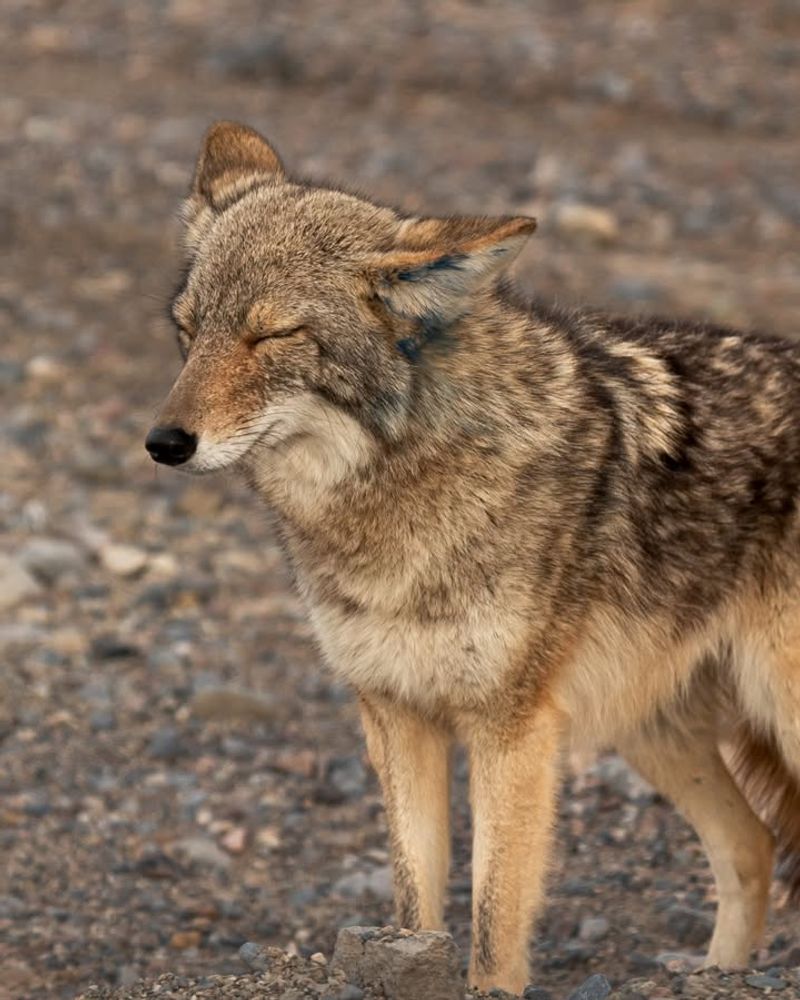
Tossing stones, sticks, or tennis balls toward the ground near the coyote creates a quick and unexpected disturbance that often startles the animal.
Aiming for the area around the coyote rather than directly at it avoids causing injury while still sending a strong message that it should move away.
Using objects that make noise when they land, such as gravel or small pebbles, increases the deterrent effect because coyotes dislike sudden, sharp sounds.
Avoid throwing heavy or sharp objects that could harm the animal, since the goal is simply to scare the coyote away and not injure it.
Keeping a small bucket of lightweight and safe throwing items near your back door allows you to respond immediately when a coyote enters your Oregon yard.
Repeating the action several times if the coyote does not leave right away reinforces the message that your yard is not a comfortable or safe place for it to linger.
6. Spray Water From A Hose Or Sprinkler

Coyotes generally dislike getting wet, so a sudden blast of water from a garden hose is an effective and harmless way to deter them.
Directing a steady stream toward the coyote creates an unpleasant experience that often convinces the animal to leave your property quickly.
Motion-activated sprinklers can also help by providing automatic protection even when you are not outside to respond immediately.
These devices detect movement and spray water in short bursts, startling wildlife and discouraging coyotes from approaching too closely.
Spraying water is a humane technique because it startles the animal without injuring it, simply teaching the coyote that your yard is not enjoyable to explore.
Keeping your hose connected and ready during seasons when coyote sightings increase helps you respond faster and more effectively during unexpected encounters.
Combining water deterrents with noise or visual signals can create a stronger multi-layered defense strategy that encourages coyotes to stay away entirely.
7. Walk Toward The Coyote While Making Noise
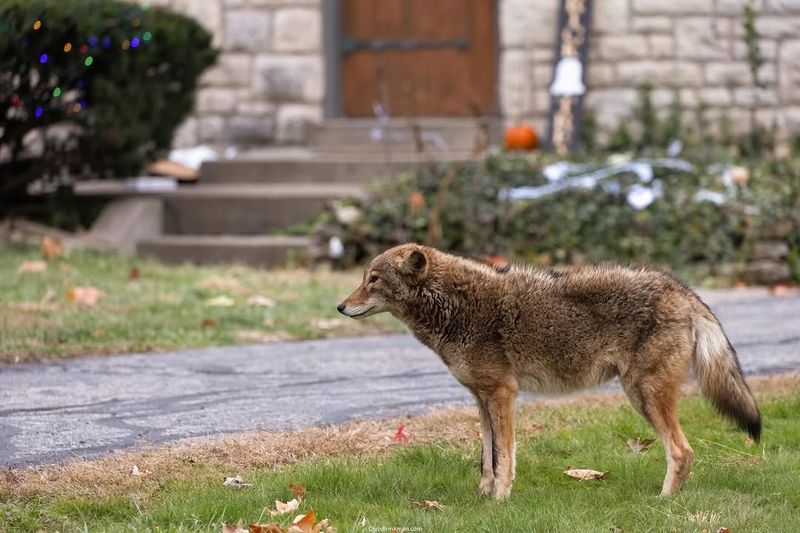
Advancing slowly and confidently toward the coyote while clapping, shouting, or stomping your feet demonstrates dominance and discourages the animal from approaching.
This technique, known as hazing, helps reinforce a healthy fear of humans and prevents coyotes from becoming too comfortable around people.
Moving forward steadily without rushing or making erratic movements keeps the encounter controlled and reduces confusion for the animal.
Hazing is especially important in suburban and urban areas, where coyotes may lose their natural wariness if people do not consistently respond assertively.
Stopping your forward movement once the coyote begins to retreat is usually enough, but continuing to make noise ensures it fully leaves the area.
Encouraging neighbors to practice hazing as well helps create consistent messaging, teaching coyotes that human spaces are not safe to investigate.
Never haze a coyote that appears sick, injured, or trapped because this could put you in danger, and in these situations you should contact Oregon wildlife authorities for assistance.
8. Remove Food Sources And Secure Garbage Bins
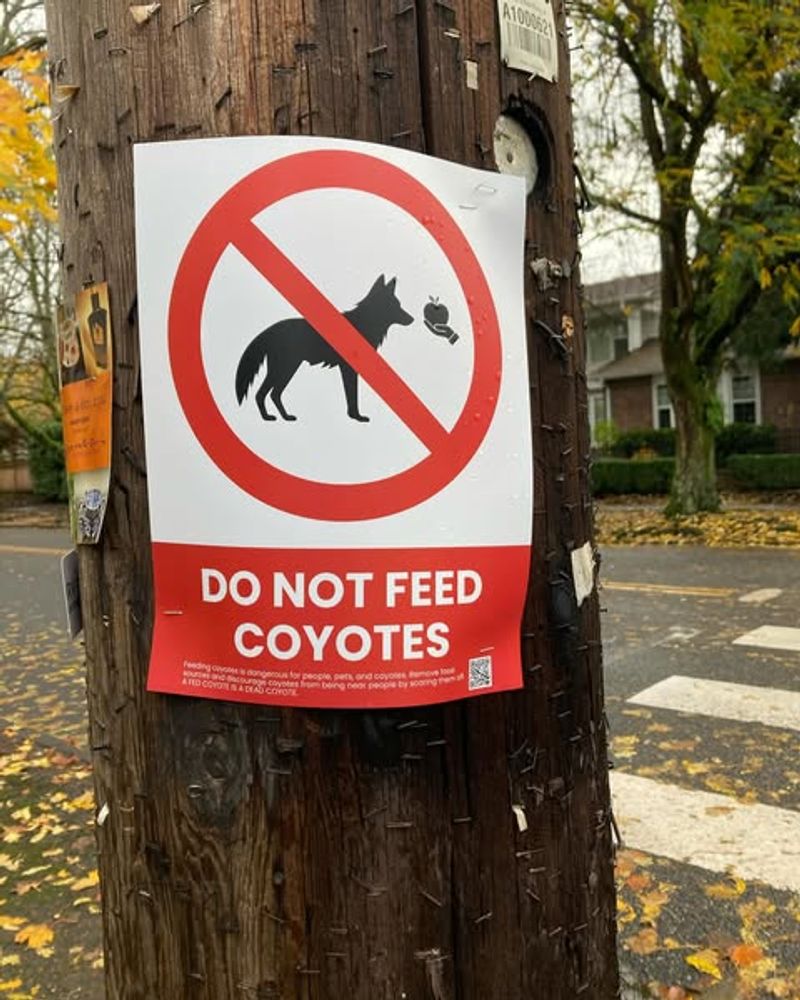
Coyotes are opportunistic feeders, so they will continue returning to any yard where food is easily available and accessible.
Fallen fruit, spilled bird seed, leftover pet food, and unsecured trash cans are common attractants that unintentionally invite coyotes into Oregon residential areas.
Storing garbage in bins with tight-fitting lids and keeping those bins inside a garage or shed until collection day prevents coyotes from smelling or reaching the contents.
Compost piles should be fully enclosed in secure containers because even vegetable scraps and fruit peels can attract hungry wildlife looking for an easy meal.
Harvesting ripe fruit promptly and picking up fruit that drops to the ground reduces the likelihood of coyotes exploring your yard.
Bird feeders should be placed high and designed to minimize spills, since spilled seed attracts rodents, and rodents in turn attract coyotes.
Regularly checking your yard for anything that might be considered food and removing it right away is one of the most reliable long-term strategies for keeping coyotes away.
9. Install Motion-Activated Lights Around Your Property
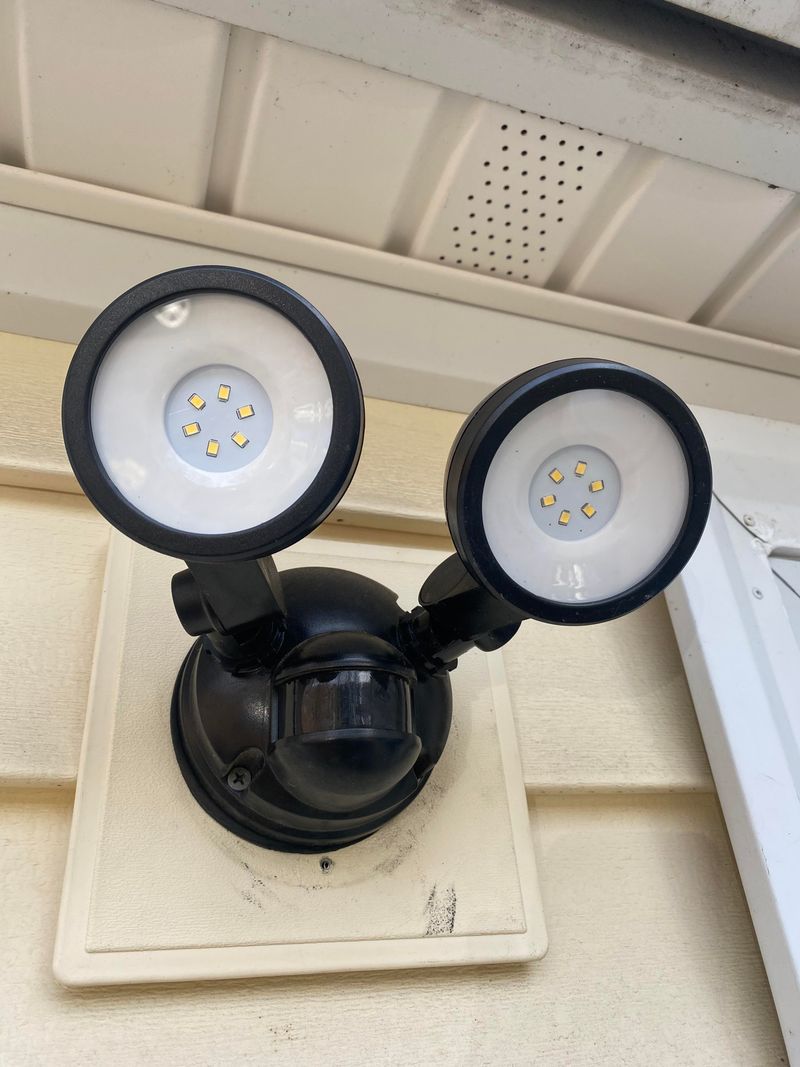
Coyotes prefer moving under cover of darkness, so bright motion-activated lights can disrupt their comfort and deter them from exploring your Oregon yard.
These lights startle coyotes by suddenly illuminating the area, making the animals feel exposed and encouraging them to leave quickly.
Installing lights near entry points, along fences, and around areas where pets spend time creates more complete coverage and increases nighttime safety.
LED lights work well because they are energy-efficient and provide enough brightness to discourage wildlife without significantly increasing electricity use.
Some homeowners use flashing or strobe-style lights for an even stronger deterrent effect, since unpredictable lighting makes coyotes uncertain about approaching.
Combining lighting with noise-makers, sprinklers, or other deterrents creates a more comprehensive defense and helps keep coyotes away.
Regularly checking that your outdoor lights are working properly ensures you stay protected during times of increased coyote activity.
10. Contact Oregon Wildlife Authorities If Behavior Persists
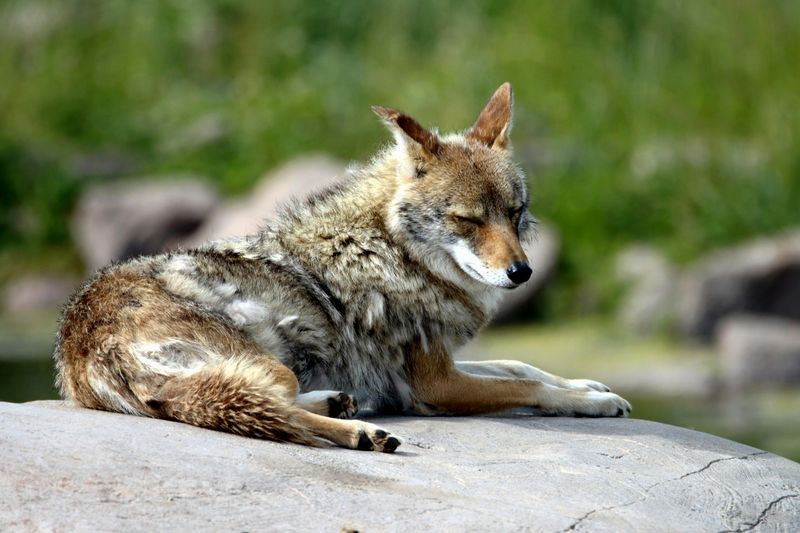
Repeated coyote sightings or unusually bold behavior should be reported to local wildlife management agencies so the situation can be evaluated properly.
Wildlife professionals are trained to handle animal conflicts and can offer guidance specific to your location, including hazing techniques or other safety recommendations.
Documenting each encounter with photos, videos, and written notes about the time and behavior makes it easier for authorities to assess the seriousness of the issue.
Coyotes that show no fear of humans, act aggressively toward people or pets, or attempt to enter homes can pose serious safety risks that require professional intervention.
You should never try to trap or relocate a coyote on your own because doing so is often illegal and can be dangerous for both you and the animal.
Community-wide reporting helps authorities track coyote movement patterns and population changes, allowing neighborhoods to stay informed and safer overall.
11. Mistake: Feeding Or Leaving Food Out For Wildlife
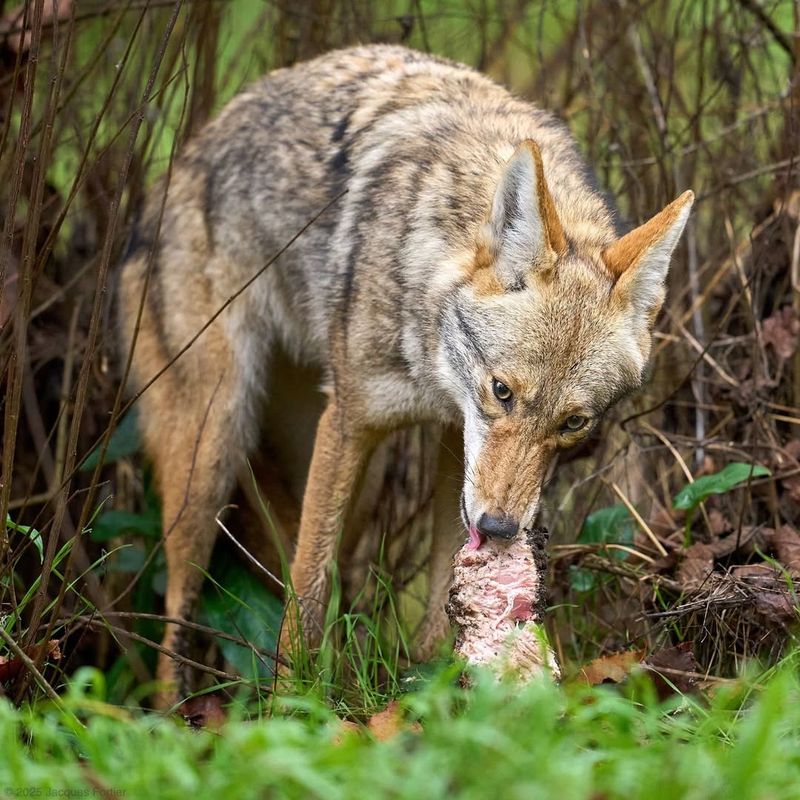
Some Oregon homeowners mistakenly believe that feeding coyotes will make them calmer or prevent them from hunting pets, but this idea often leads to more dangerous behavior.
Feeding wildlife teaches coyotes to associate humans with food, which makes them bolder and more likely to approach people or homes.
Coyotes that receive food from humans may lose their natural hunting instincts and eventually become dependent on these easy meals.
When the food source disappears, these habituated coyotes may become frustrated or aggressive while searching for their next meal.
Feeding wildlife is illegal in many communities because it creates unsafe situations where animals no longer fear people.
Even leaving pet food outside unintentionally provides a food source, and coyotes do not distinguish between accidentally and intentionally offered meals.
Educating your family and neighbors about why feeding wildlife is harmful helps create a safer environment for both humans and animals.
12. Mistake: Assuming The Coyote Will Leave On Its Own
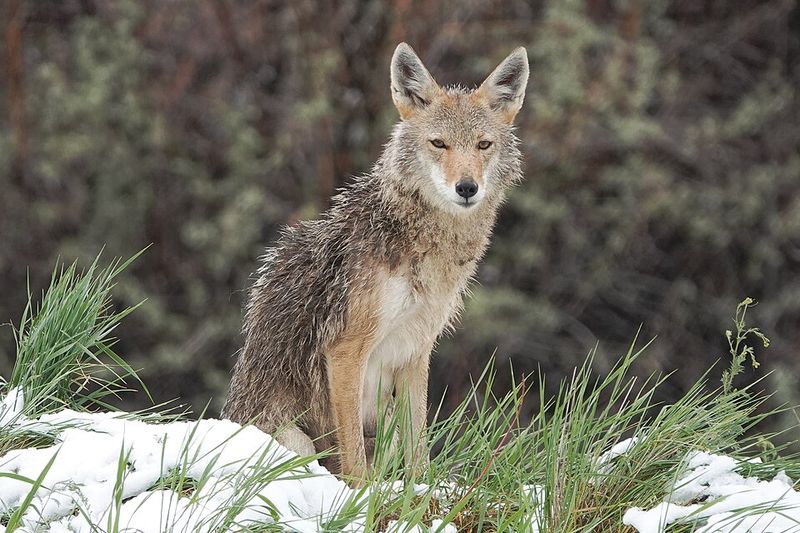
Waiting passively for a coyote to leave on its own allows the animal to become more comfortable in your Oregon yard or neighborhood.
Coyotes that are not hazed or deterred may learn that certain yards are safe places to rest, explore, or search for food.
Many people assume that coyotes will naturally avoid humans, but urban and suburban coyotes have adapted to living near people and may not retreat without encouragement.
Ignoring a coyote sighting can lead to bigger problems later, especially if the animal discovers food or shelter on your property.
Taking immediate action when spotting a coyote sends a clear and consistent message that your yard is off-limits.
Children and pets are particularly vulnerable when coyotes become accustomed to human presence because the animals may behave more boldly in residential areas.
13. Mistake: Approaching Or Attempting To Touch The Animal
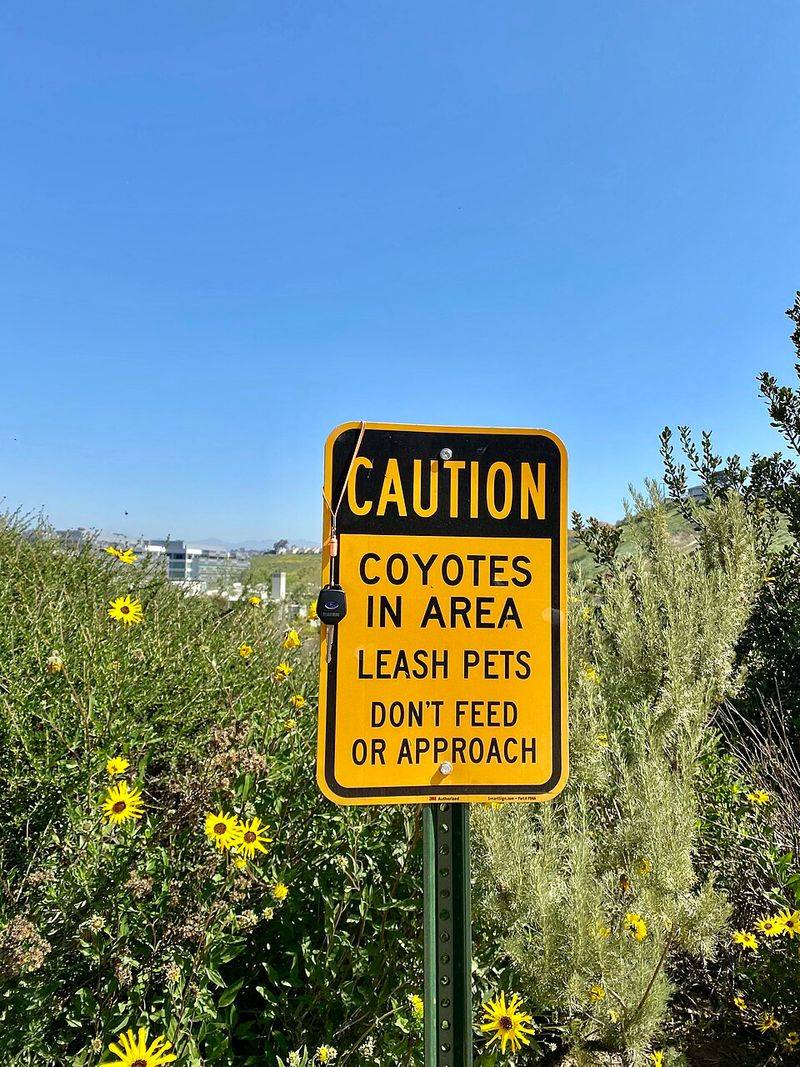
Coyotes are wild animals, not domestic pets, and approaching them is extremely dangerous for many reasons.
Even a coyote that appears calm or curious can suddenly bite, scratch, or attack if it feels threatened, startled, or cornered.
Attempting to touch or pet a coyote exposes you to the risk of injury and possible diseases such as rabies or other wildlife-borne illnesses.
Children are especially drawn to animals and may not understand the danger, so teaching them to keep distance from wildlife is essential.
Some people assume that a coyote walking around during the day must be sick or injured, but approaching it is still unsafe and should be avoided.
If you see a coyote behaving strangely or appearing injured, contacting Oregon wildlife authorities is the safest and most responsible choice.
14. Mistake: Letting Small Pets Outside Unattended At Dawn Or Dusk
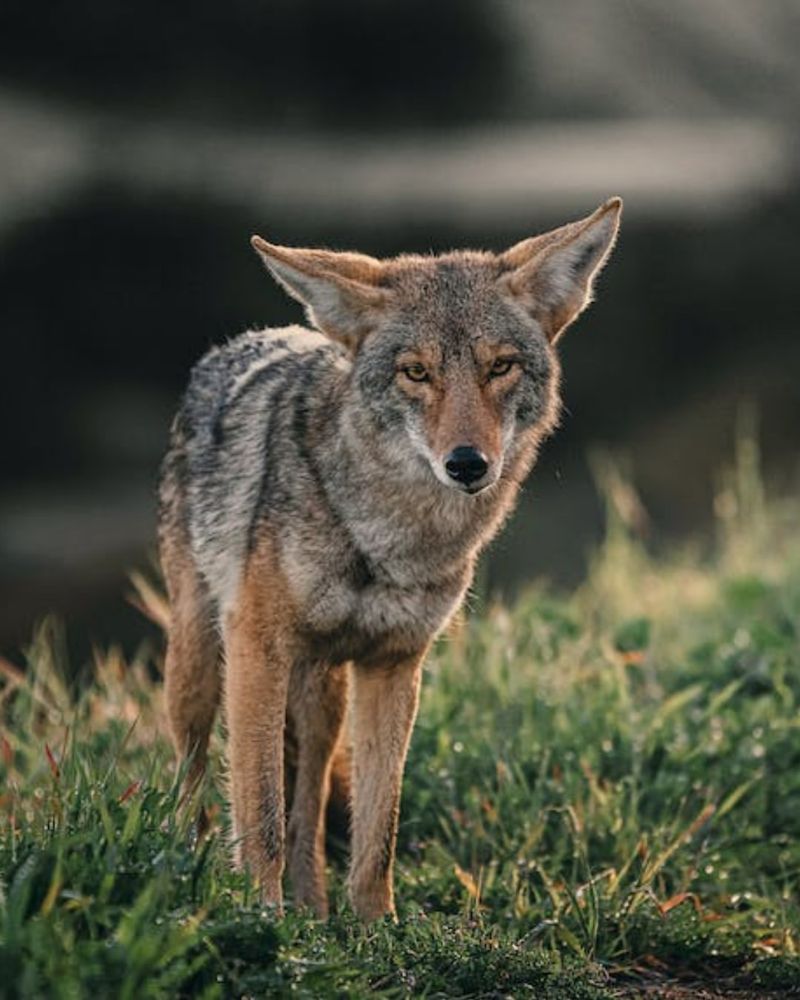
Coyotes are crepuscular, meaning they are most active during the early morning and evening hours when many pets are also outside.
Letting small pets outside without supervision during these times greatly increases the risk of a sudden and silent attack.
Many pet owners underestimate how quickly a coyote can move or how bold it can be when searching for food near homes.
Even fenced yards are not always safe because coyotes can jump over fences or dig under them if motivated.
Small dogs and cats are particularly vulnerable due to their size, making them easy targets for hungry predators.
If pets must go outside during high-activity hours, they should be leashed and kept within arm’s reach so you can respond immediately.
Clearing your yard of dense shrubs or hiding spots and improving outdoor lighting reduces the chance of surprise encounters and keeps pets safer.