10 Plants That Flourish On California Balconies With Minimal Care
A sunny California balcony can feel like a small slice of paradise, and the right plants can turn it into a spot that shines year-round with barely any work.
Dry spells, bright light, and shifting coastal breezes can scare off many gardeners, yet some plants take those conditions in stride and grow as if the world is on their side.
They soak up the sunshine, shrug off missed waterings, and reward even the busiest person with steady color and fresh greenery.
A small pot, a bit of soil, and a splash of water now and then can set the stage for a space that feels alive from morning to dusk.
These hardy growers know how to roll with California’s rhythm, thriving on balconies from the foggy north to the warm southern skies.
With the right choices, a balcony turns into an easygoing garden that almost cares for itself, bringing beauty without the fuss.
1. Succulents
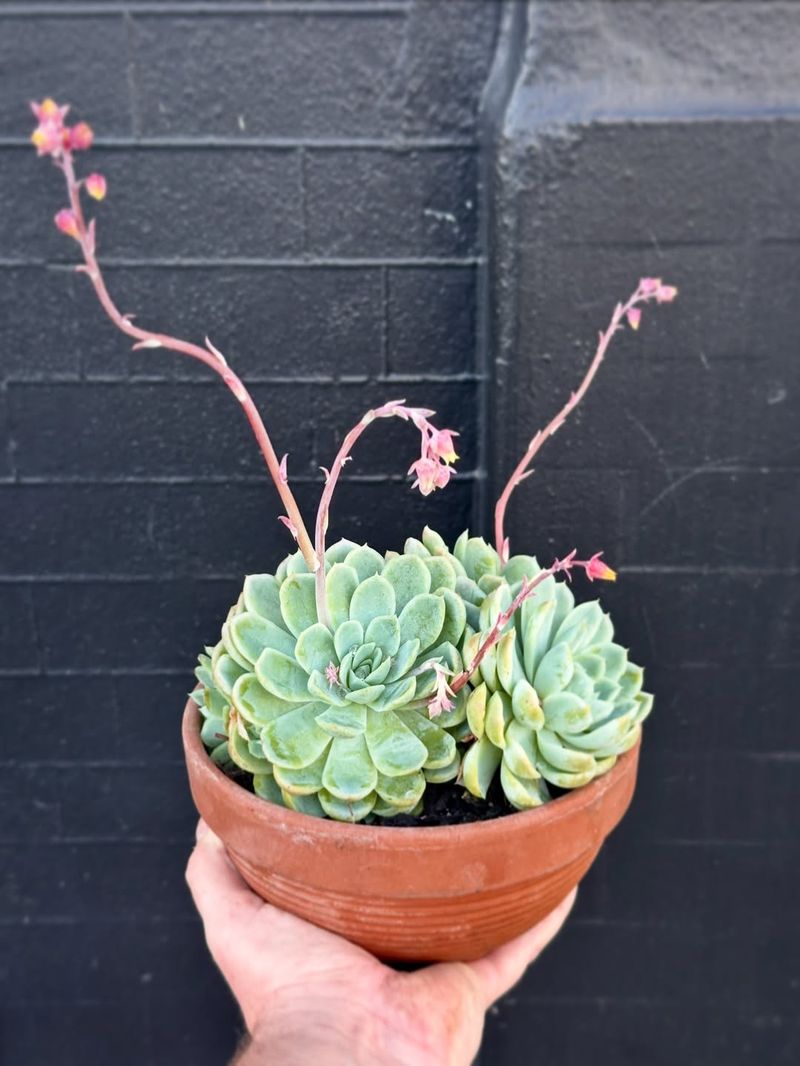
Succulents have become wildly popular across California for good reason.
These water-storing wonders come in countless shapes, colors, and sizes, from tiny rosettes to sprawling jade plants.
Their thick, fleshy leaves hold moisture for weeks, meaning you can skip watering during busy times without worry.
California’s dry summers make succulents feel right at home on balconies throughout the state.
They love soaking up the sunshine and actually prefer being slightly neglected over being pampered.
Most varieties need watering only once every two to three weeks, and some can go even longer.
Echeveria, sedum, and aloe vera are excellent choices for California balcony gardeners.
They tolerate temperature fluctuations well and rarely attract pests.
Their shallow root systems mean they thrive in small containers, saving precious balcony space.
Arrange different succulent varieties together to create eye-catching displays that require almost zero maintenance.
During winter months in California, simply move them to a spot that gets afternoon sun.
These resilient plants handle coastal fog, inland heat, and everything between with remarkable ease, making them perfect companions for your outdoor living space.
2. Lavender
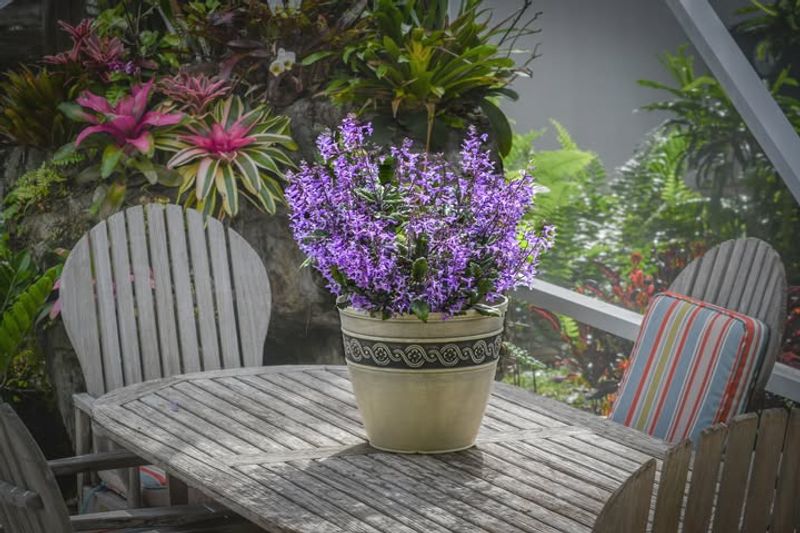
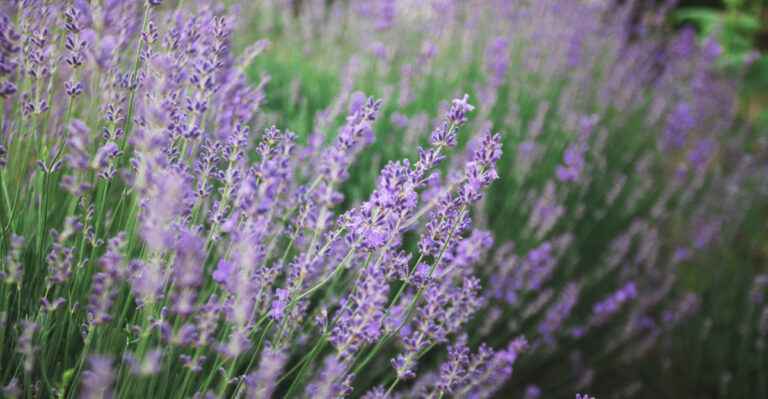
Imagine stepping onto your balcony and being greeted by the soothing scent of lavender drifting through the California breeze.
This Mediterranean herb feels completely at home in the Golden State’s climate, thriving in conditions that challenge other plants.
Lavender asks for very little yet gives so much in return.
Once established, lavender becomes incredibly self-sufficient on California balconies.
It actually prefers dry conditions between waterings and can handle the intense afternoon sun that many plants find overwhelming.
The silvery-green foliage looks beautiful year-round, while the purple flower spikes appear throughout spring and summer.
California gardeners appreciate how lavender naturally repels mosquitoes and other annoying insects without any chemical sprays.
The flowers can be harvested for sachets, cooking, or homemade beauty products.
Pruning requirements are minimal, just trim back spent blooms to encourage more flowering.
Choose English or Spanish lavender varieties for best results on your California balcony.
They handle temperature swings gracefully and rarely suffer from disease or pest problems.
Plant them in well-draining soil, give them plenty of sunshine, and watch them flourish with remarkably little attention from you.
Your California Garden Changes Every Week. Your Plan Should Too.
Gardening in California changes quickly throughout the season. Every Friday you’ll receive a simple weekly plan showing exactly what to plant, prune, fertilize, harvest, and protect so you never miss the right timing.
3. Rosemary
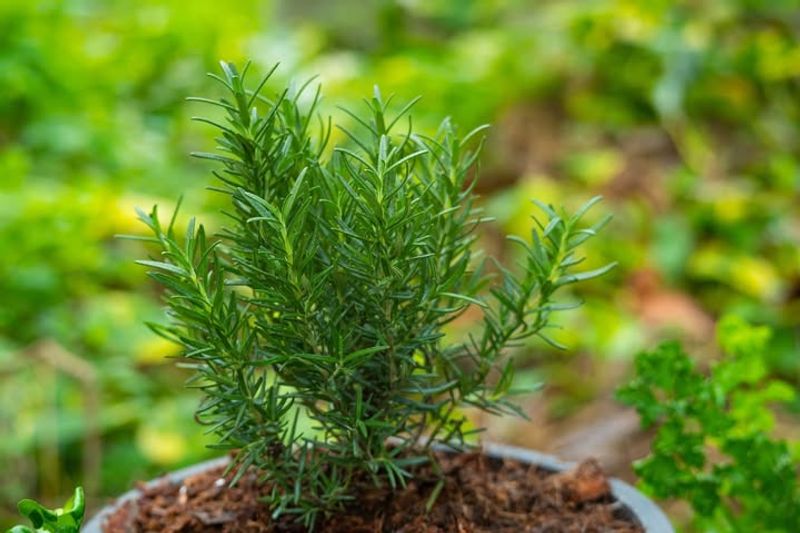
Rosemary stands as one of the toughest herbs you can grow on a California balcony.
This woody perennial laughs in the face of drought, heat waves, and neglect while providing fresh herbs for your kitchen year-round.
Its needle-like leaves release an intoxicating aroma whenever you brush against them.
California’s climate mirrors rosemary’s native Mediterranean habitat almost perfectly.
The plant thrives in full sun and actually suffers when given too much water or attention.
Once your rosemary establishes itself, it can survive on rainfall alone in many California regions, though occasional watering helps it stay lush.
Beyond its culinary uses, rosemary produces delicate blue or purple flowers that attract beneficial bees and butterflies to your balcony.
The upright or trailing varieties both work wonderfully in containers, adapting to the space you provide.
Snip branches as needed for cooking, and your plant will respond by growing fuller and bushier.
Pests generally avoid rosemary due to its strong oils, making it a maintenance-free choice for California balcony gardeners.
It tolerates coastal conditions, inland valleys, and even cooler northern regions with equal resilience.
Position your rosemary where it receives at least six hours of California sunshine daily for optimal growth.
4. Geraniums
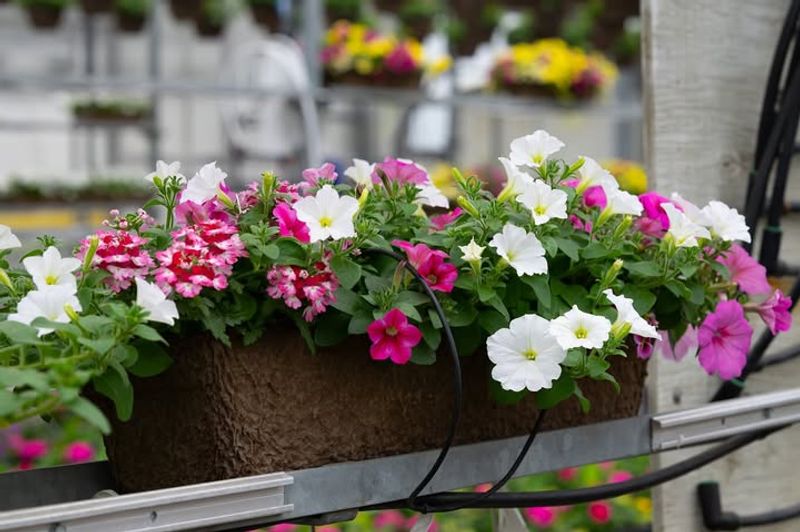
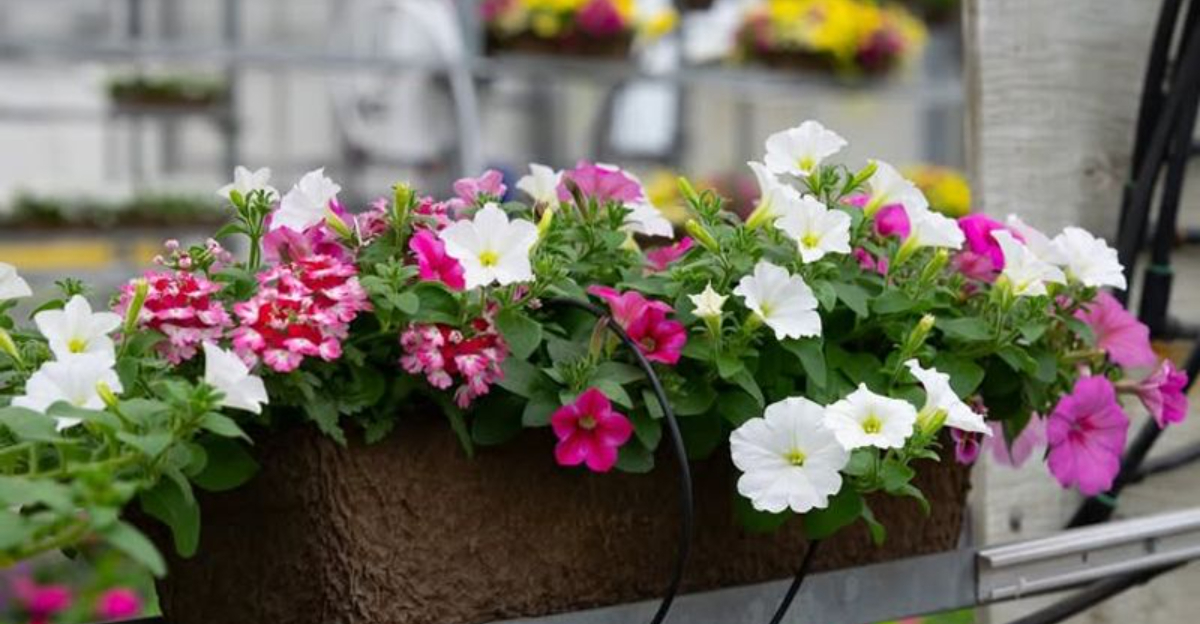
Few plants deliver such spectacular color with such little effort as geraniums do on California balconies.
These cheerful bloomers produce clusters of flowers in reds, pinks, purples, and whites from spring through fall without demanding constant deadheading or fertilizing.
Their rounded leaves create attractive greenery even when flowers take a break.
California’s weather suits geraniums beautifully, allowing them to bloom almost continuously in many regions.
They handle both coastal coolness and inland warmth with remarkable adaptability.
Geraniums forgive forgotten waterings better than most flowering plants, bouncing back quickly when you remember to hydrate them.
The scented varieties add another dimension to your balcony experience, with leaves that smell like roses, lemons, or mint when touched.
Standard geraniums prefer morning sun and afternoon shade, while ivy geraniums trail beautifully from hanging baskets and tolerate more direct California sunshine.
Pest problems rarely trouble geraniums, and they resist most common plant diseases naturally.
Simply pinch off faded blooms occasionally to keep plants looking tidy and encourage more flowers.
During California’s mild winters, many geraniums continue blooming outdoors, especially in southern regions.
Their long-lasting flowers and carefree nature make them balcony garden superstars throughout the state.
5. California Poppy
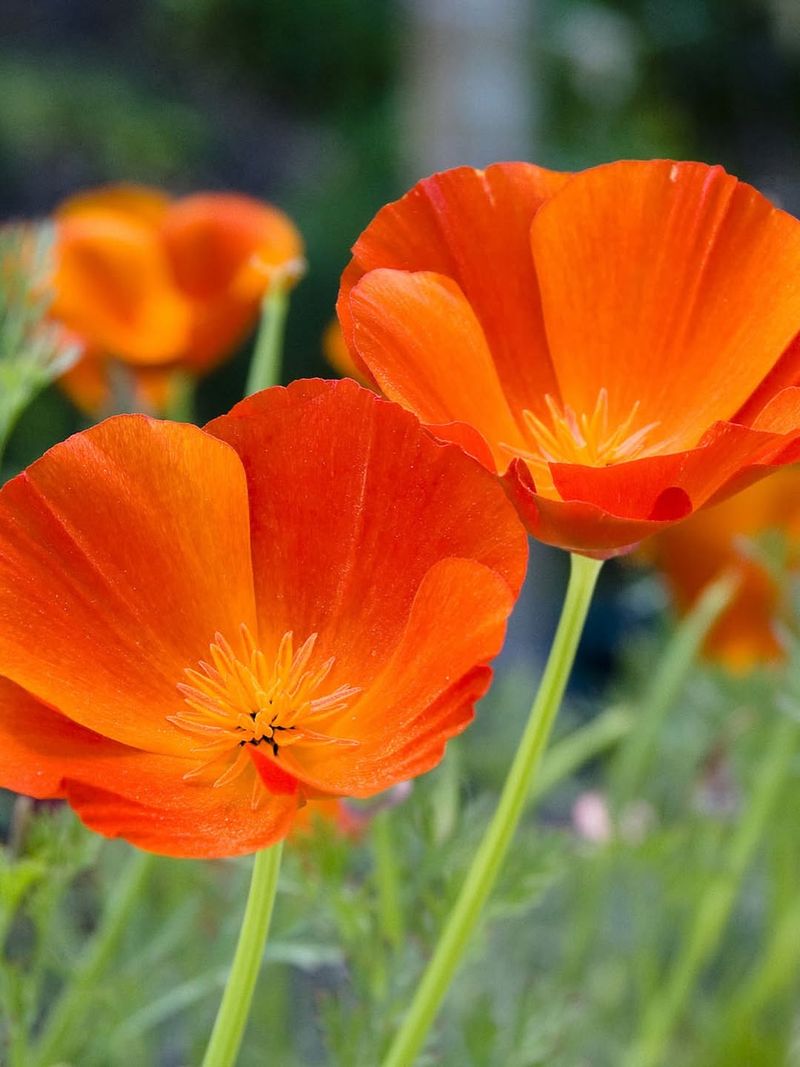
What better plant for a California balcony than the state’s official flower?
California poppies bring brilliant orange, yellow, and red blooms that practically glow in the sunshine.
These native wildflowers evolved to thrive in California’s conditions, making them naturally suited to balcony life with minimal intervention from gardeners.
California poppies actually prefer poor soil and infrequent watering, which makes them ridiculously easy for balcony gardeners.
They self-seed readily, meaning you might get surprise blooms year after year without replanting.
The delicate, fern-like foliage provides texture even when flowers aren’t present.
These cheerful flowers close at night and on cloudy days, then reopen when California sunshine returns, creating a daily show on your balcony.
They bloom prolifically from early spring through summer, attracting butterflies and native bees.
Deadheading isn’t necessary, though removing spent flowers can extend the blooming period slightly.
California poppies handle wind, heat, and drought with impressive toughness.
They grow quickly from seed, making them budget-friendly for filling larger containers or window boxes.
Throughout California, from coastal areas to mountain foothills, these adaptable natives flourish on balconies without pesticides, fertilizers, or constant attention, embodying the state’s laid-back gardening spirit perfectly.
6. Aloe Vera
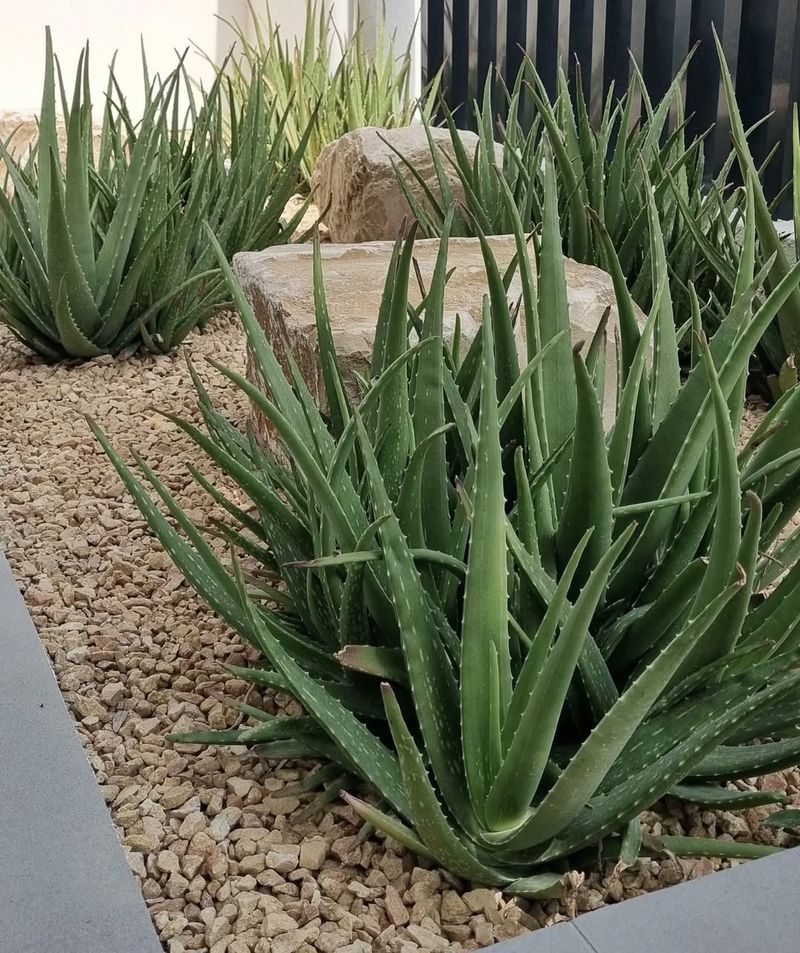
Aloe vera serves double duty on California balconies as both an attractive plant and a natural first-aid kit.
Those thick, spiky leaves contain soothing gel that treats minor burns, sunburns, and skin irritations, handy for California’s sunny lifestyle.
The plant itself asks for almost nothing while looking architectural and modern in any container.
California’s climate lets aloe vera thrive outdoors year-round in most regions.
This succulent stores water in its leaves, allowing it to survive weeks without watering during busy periods or vacation times.
Overwatering causes more problems than underwatering, making aloe perfect for forgetful or novice gardeners.
Baby aloe plants, called pups, sprout around the base of mature plants, giving you free new plants to share with friends or expand your balcony garden.
Aloe rarely suffers from pest problems and resists most diseases naturally.
Its low-growing habit works well in shallow containers that fit easily on balcony railings or small tables.
Place your aloe where it receives bright, indirect light or morning sun on your California balcony.
The leaves will plump up and develop a healthy blue-green color when conditions suit the plant.
Occasional watering during California’s dry season keeps it looking its best without requiring any complicated care routine or special expertise.
7. Bougainvillea
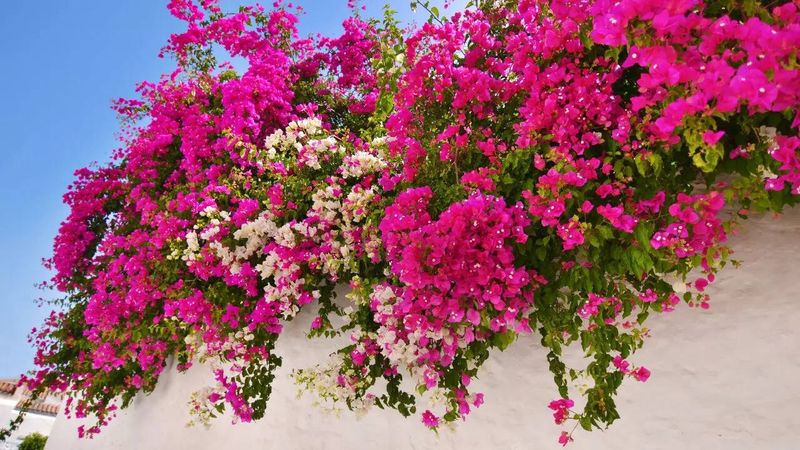
Bougainvillea transforms California balconies into tropical paradises with its explosion of colorful bracts in magenta, orange, red, purple, or white.
Though technically a vine, dwarf varieties work beautifully in containers while still producing those stunning paper-like flowers that last for months.
Once established, bougainvillea becomes almost indestructible under California’s sunshine.
This heat-loving plant actually performs better with less water and fewer nutrients than most flowering plants.
California’s warm, dry summers make bougainvillea feel like it’s back in its native South America.
It blooms most prolifically when slightly stressed by drought, which means you can travel or get busy without harming your plant.
Bougainvillea handles California’s coastal conditions and inland heat equally well, though it prefers protection from harsh winds.
The thorny stems deter pests naturally, and the plant rarely suffers from disease problems.
Prune lightly to control size and shape, but heavy pruning isn’t necessary for balcony specimens.
Choose a spot on your California balcony that receives full sun for at least six hours daily.
The more sunshine your bougainvillea receives, the more spectacular its color display becomes.
During California’s mild winters, most varieties continue blooming in southern regions, while northern gardeners enjoy renewed flowering each spring with minimal effort required.
8. Jade Plant
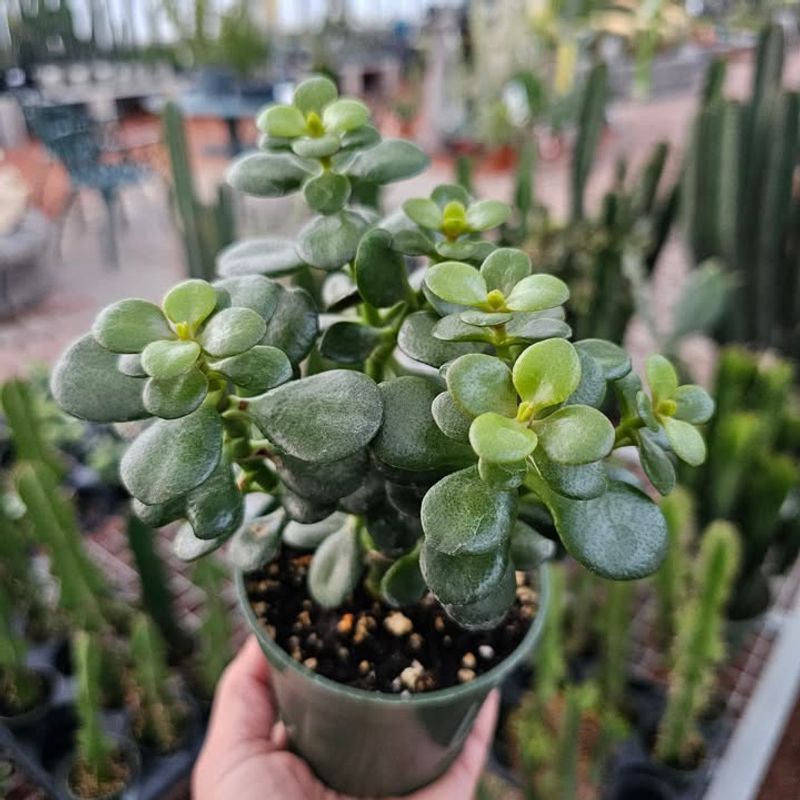
Jade plants embody the perfect low-maintenance houseplant that thrives outdoors on California balconies.
Their thick, glossy leaves look like polished gemstones, while the woody stems develop character as plants mature over years.
Some California gardeners keep jade plants for decades, watching them grow into small trees with minimal effort.
These succulents tolerate neglect better than most plants, making them ideal for travelers or busy professionals.
Jade plants store water in their leaves and stems, allowing them to survive California’s dry spells without complaint.
They actually prefer drying out completely between waterings, which means less work for you.
California’s climate allows jade plants to live outdoors year-round in many areas, developing stronger stems and more compact growth than indoor specimens.
They occasionally produce delicate white or pink star-shaped flowers, especially when experiencing California’s cooler winter nights.
Mature plants develop a bonsai-like appearance that adds sophistication to balcony gardens.
Jade plants grow slowly, which means they won’t outgrow their containers quickly or demand constant repotting.
They handle California’s temperature fluctuations well and resist common pests and diseases.
Position your jade where it receives morning sun and afternoon shade on your California balcony.
These resilient plants reward minimal care with decades of beauty and steadfast growth.
9. Agapanthus
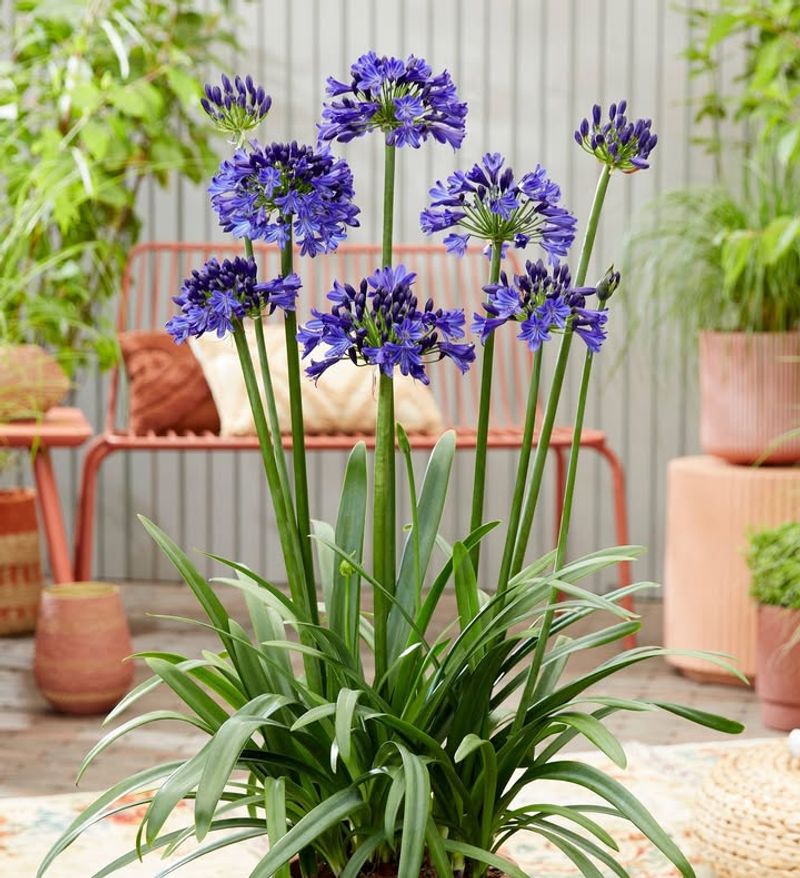
Agapanthus, nicknamed Lily of the Nile, sends up dramatic spheres of blue or white flowers on tall stalks that tower above strap-like foliage.
These showstoppers bloom throughout California’s summer months, creating architectural focal points on balconies without requiring constant attention.
Their bold presence makes a statement that few other low-maintenance plants can match.
California gardeners have long appreciated agapanthus for its drought tolerance and carefree nature.
Once established in containers, these plants handle neglect gracefully while still producing impressive flower displays.
They tolerate California’s coastal fog, inland heat, and everything between with remarkable adaptability.
The thick, fleshy roots store water and nutrients, allowing agapanthus to survive dry periods without stress.
After flowering finishes, the foliage remains attractive throughout the year, providing evergreen interest on your California balcony.
Simply cut off spent flower stalks to keep plants looking tidy.
Agapanthus rarely suffers from pest problems and resists most diseases naturally.
The plants multiply slowly over time, eventually forming substantial clumps that can be divided and shared.
Choose dwarf varieties for smaller California balconies, or let standard types make bold statements in larger containers.
They prefer full sun but tolerate partial shade, especially in California’s hotter inland valleys where afternoon shade provides relief from intense summer heat.
10. Lantana
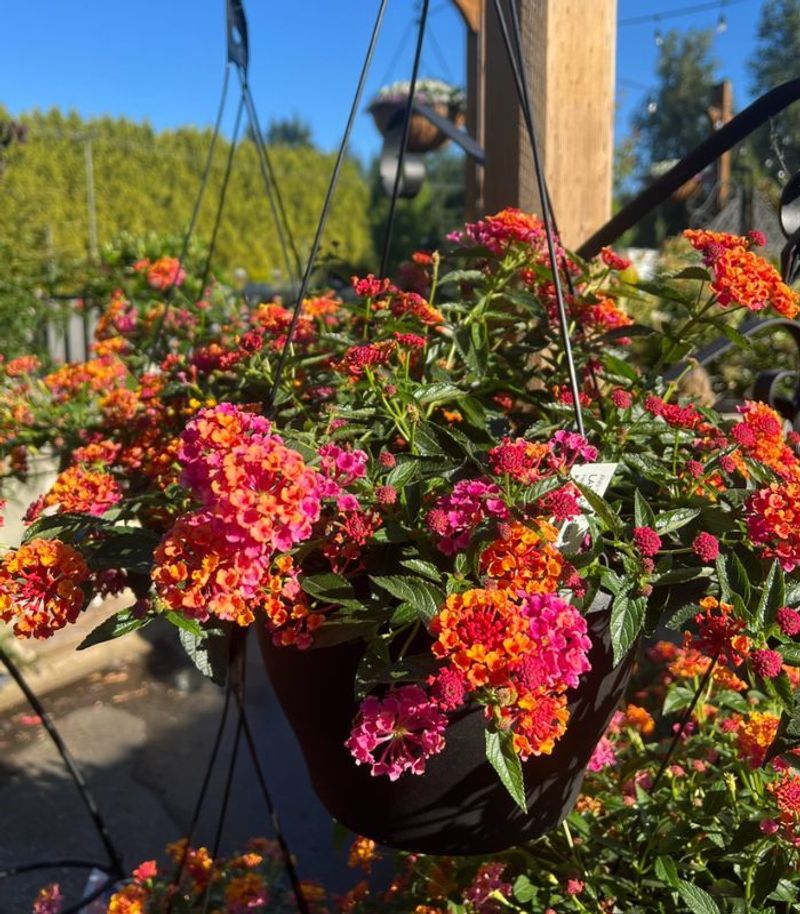
Lantana packs serious flower power into small spaces, producing clusters of multicolored blooms that change hues as they age.
A single flower cluster might display yellow, orange, red, and pink simultaneously, creating a kaleidoscope effect on your California balcony.
Butterflies absolutely adore lantana, turning your outdoor space into a miniature butterfly garden with zero extra effort.
California’s warm climate allows lantana to bloom continuously from spring through fall, and often into winter in southern regions.
This tough plant handles heat, drought, and poor soil without complaint, making it perfect for forgetful waterers.
Lantana actually blooms more prolifically when slightly stressed by dry conditions.
The trailing varieties work beautifully in hanging baskets, while upright types fill containers with colorful mounds of flowers.
Lantana’s natural oils repel many common garden pests, and deer typically avoid it, which helps California gardeners in areas where wildlife visits balconies.
Deadheading isn’t necessary, though removing spent blooms encourages even more flowers.
Position lantana where it receives full California sun for best flowering performance.
The plant tolerates coastal conditions and inland valleys equally well, adapting to whatever your California location offers.
Water occasionally during extended dry periods, and your lantana will reward you with months of vibrant color and butterfly visitors without demanding complicated care routines or special treatments.