Who Owns Fruit Hanging Over A Fence In Georgia
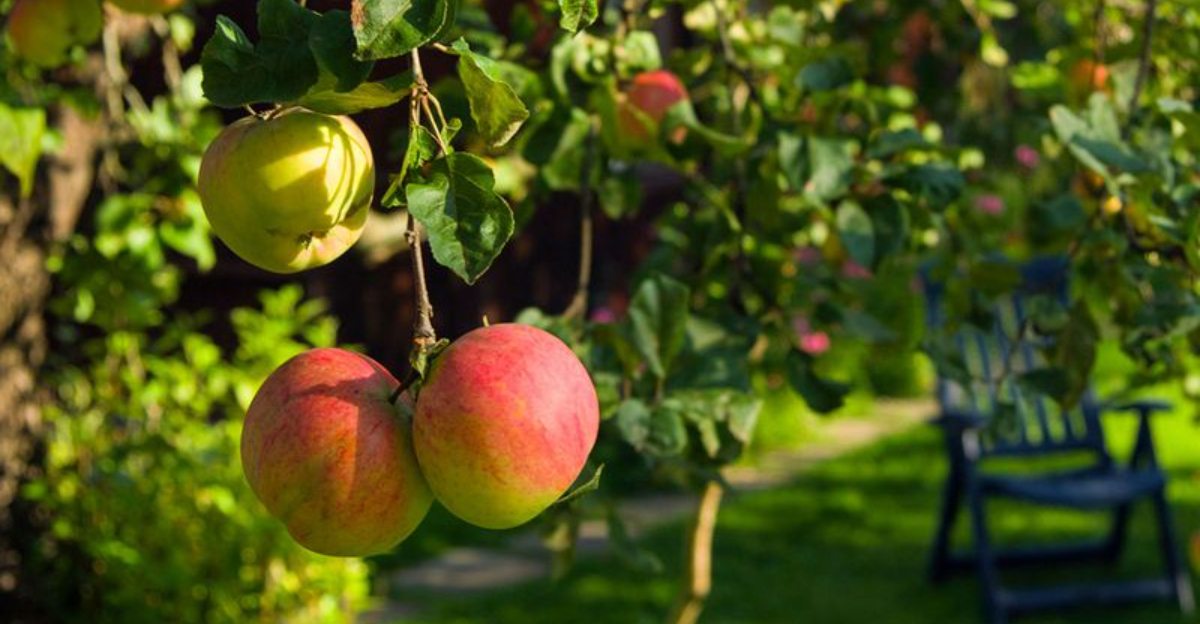
A juicy peach dangling over a fence can stir up more neighborhood drama than a summer thunderstorm in Georgia.
One glance at that sun-kissed fruit tempts even the most honest neighbor, and suddenly a simple fence line feels like a tightrope between courtesy and curiosity.
A tree may stand proudly on one side of the property line, yet its branches can wander like they own the whole block, dropping fruit in places that spark questions faster than you can say “bless your heart.”
In the Peach State, property lines carry weight, and unwritten rules often travel just as far as the law.
A limb stretching into the next yard adds a twist no one saw coming. Is the fruit fair game?
Does a homeowner hold all the cards simply because the trunk stands on their soil?
Or does that dangling peach sit in a gray area as tricky as red clay after a heavy rain?
This introduction opens the gate to a topic ripe for curiosity and full of surprising clarity.
By the time you reach the end, you’ll know who holds the rights, who needs to tread lightly, and why a simple piece of fruit can test neighborly goodwill faster than a hot day tests sweet tea.
The Tree Owner Retains Full Ownership Rights
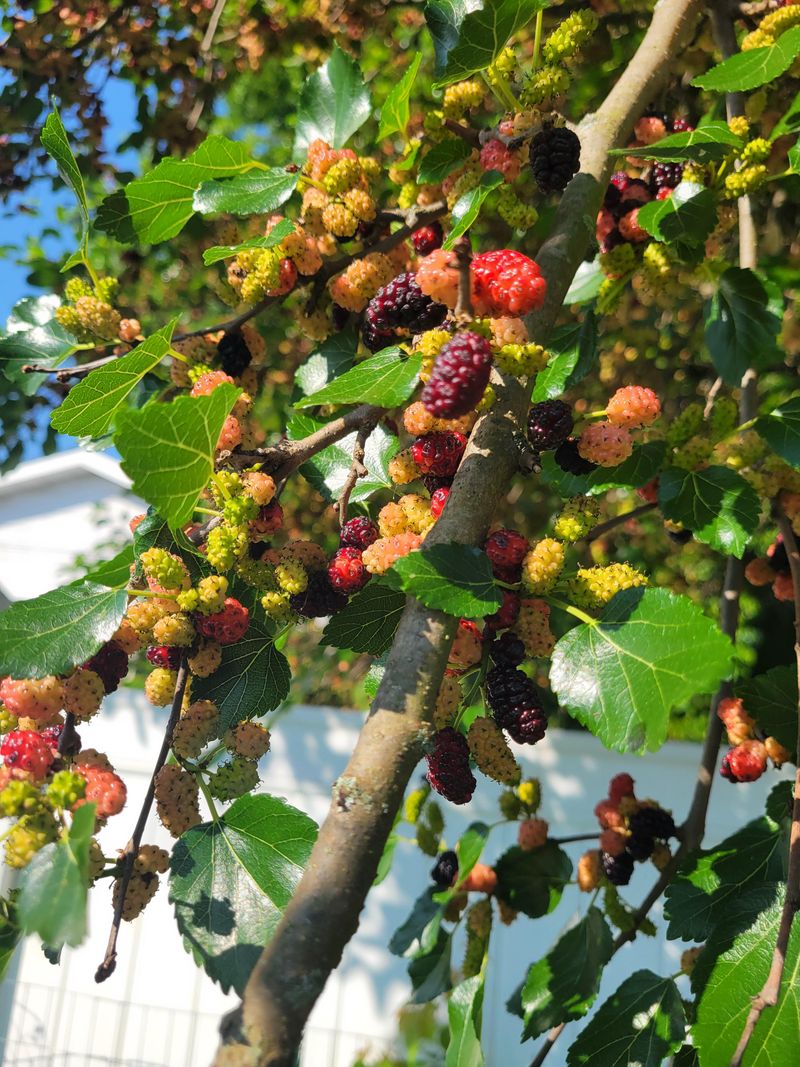
Property law in Georgia is quite clear about one fundamental principle: the person who owns the land where a tree’s trunk sits owns the entire tree.
This means all parts of the tree, including branches, leaves, and fruit, legally belong to that property owner.
Even when branches stretch over a fence into another yard, ownership doesn’t change.
Many people mistakenly believe that once fruit crosses a property line, it becomes fair game.
This assumption leads to neighborhood disputes and awkward conversations.
The truth is that the fruit remains the property of the tree owner regardless of where it hangs.
Georgia courts have consistently upheld this principle in various cases over the years.
Judges recognize that trees don’t respect human-made boundaries, but property rights must remain clear.
The location of the trunk determines everything when it comes to ownership.
This rule applies to all types of fruit trees, from peach and apple trees to pecan and walnut trees.
It doesn’t matter if the fruit is ripe, fallen, or still green on the branch.
Understanding this basic fact helps prevent misunderstandings between neighbors and keeps everyone on the same legal page when fruit season arrives each year.
You Cannot Legally Pick Fruit Over Your Fence Without Permission
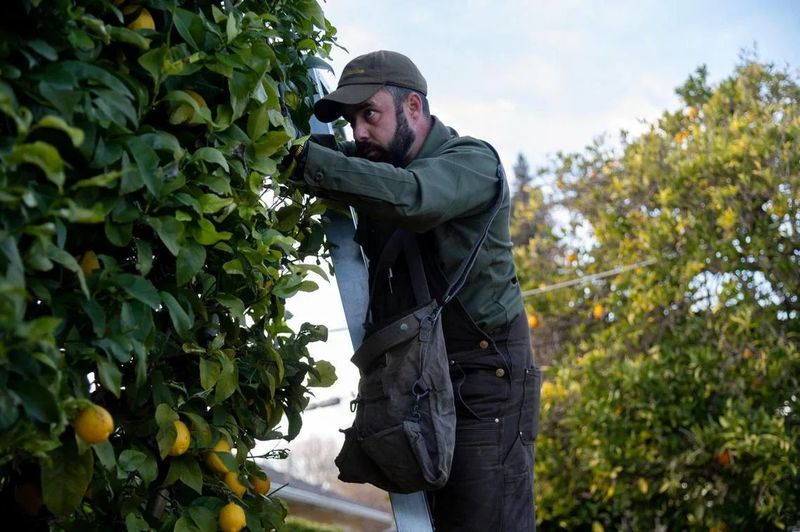
Just because fruit dangles temptingly over your side of the fence doesn’t give you the right to pick it.
Georgia law treats this as taking someone else’s property without consent, which could technically be considered theft.
Most neighbors won’t press charges over a few apples, but legally, you need permission first.
Think of it this way: if your neighbor’s basketball rolled into your yard, you wouldn’t assume you could keep it.
Your Georgia Garden Changes Every Week. Your Plan Should Too.
Gardening in Georgia changes quickly throughout the season. Every Friday you’ll receive a simple weekly plan showing exactly what to plant, prune, fertilize, harvest, and protect so you never miss the right timing.
The same logic applies to fruit that happens to grow over the boundary line.
Location doesn’t transfer ownership in either situation.
Smart neighbors handle this by simply asking before picking anything.
A quick conversation can turn a potential problem into a friendly exchange.
Many tree owners are happy to share their harvest, especially if they have more fruit than they can use.
Some people argue that fruit hanging on their side should be theirs by default.
However, Georgia courts have rejected this reasoning repeatedly.
The legal system prioritizes the rights of the tree owner over the convenience of the neighboring property owner.
Respecting this boundary keeps relationships positive and avoids unnecessary legal complications that could arise from something as simple as picking fruit.
Fallen Fruit Creates A Legal Gray Area
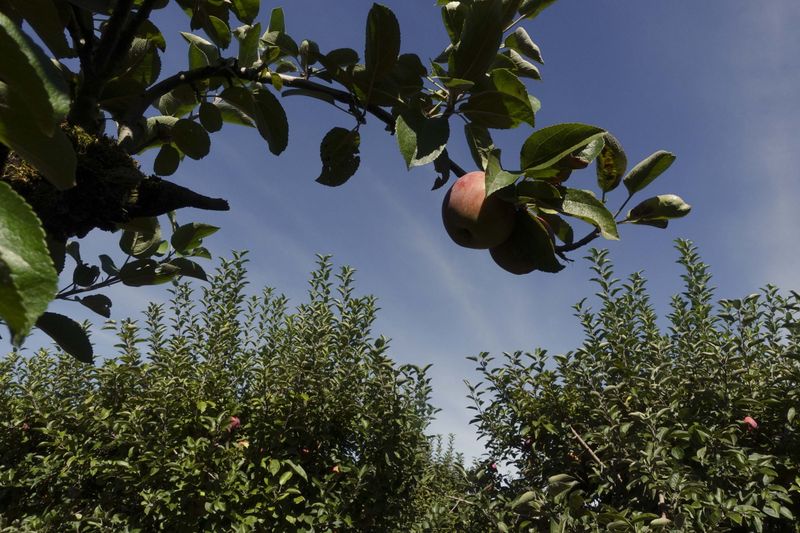
When fruit drops from a branch onto your property, the legal situation becomes less straightforward than with hanging fruit.
Some legal experts argue that once fruit falls naturally onto your land, it becomes yours.
Others maintain that it still belongs to the tree owner since it came from their tree.
Georgia doesn’t have a specific statute addressing this exact scenario, which leaves room for interpretation.
Courts in other states have ruled different ways on similar questions.
The safest approach is to ask your neighbor about their preferences regarding fallen fruit.
Many tree owners don’t mind if neighbors collect fruit that has dropped into their yard.
After all, it often becomes a mess that needs cleaning up anyway.
A considerate neighbor might even view collection as a helpful favor rather than an imposition.
However, deliberately shaking branches to make fruit fall onto your property would clearly cross legal lines.
That action shows intent to take property that isn’t yours.
Natural falling is one thing, but forcing fruit to drop is another matter entirely.
The distinction matters if any dispute ever reaches court, though most neighbors resolve these situations with simple communication rather than lawyers and judges.
You Can Trim Branches That Cross Into Your Airspace
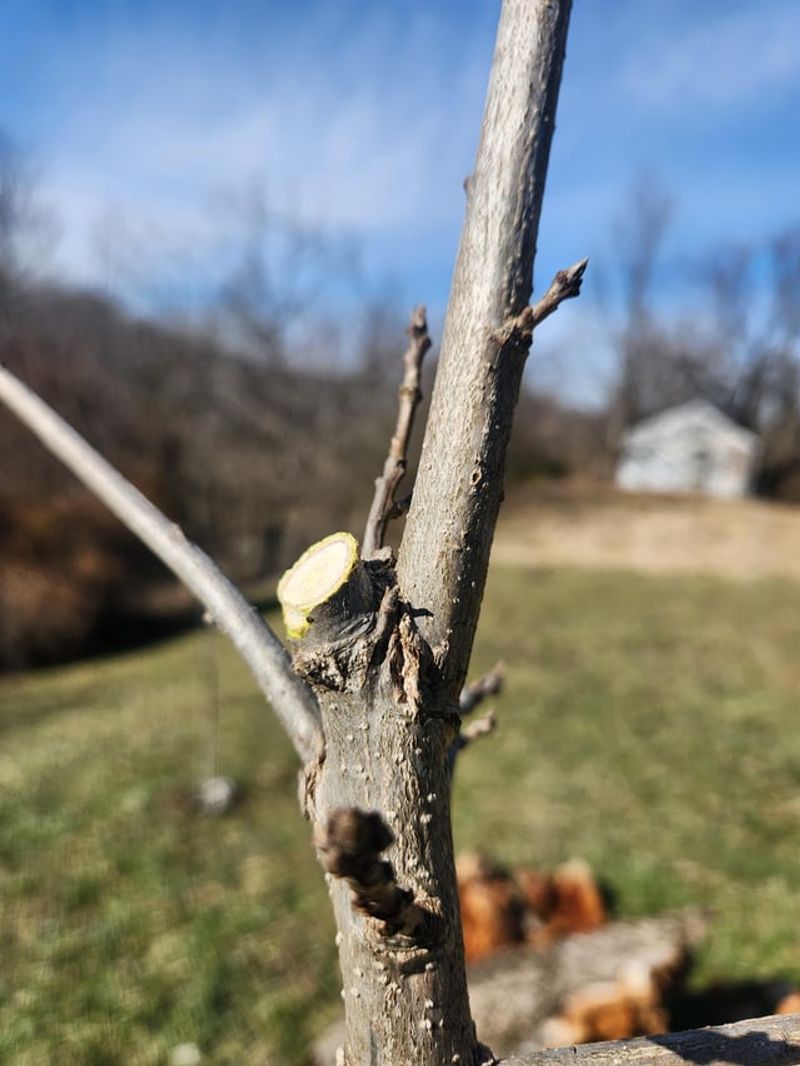
Georgia law gives property owners the right to trim branches that extend over their property line.
This principle applies to fruit trees just as it does to any other type of tree.
You can cut back branches to the exact point where they cross the boundary.
However, this right comes with important limitations and responsibilities.
You cannot go onto your neighbor’s property to do the trimming without permission.
You also cannot damage the tree or trim so aggressively that you harm its health.
Before cutting any branches, consider the relationship with your neighbor and the value of the tree.
A conversation about your plans shows respect and might lead to a better solution.
Your neighbor might prefer to do the trimming themselves or hire a professional.
Any fruit on branches you trim still belongs to the tree owner, not to you.
You should offer to return the trimmed branches and fruit to your neighbor.
Some people might let you keep the fruit as a courtesy, but you shouldn’t assume this.
Professional arborists recommend careful trimming that follows proper horticultural practices.
Bad cuts can damage trees and create entry points for disease.
If you’re unsure about proper techniques, consulting an expert protects both properties.
Trespassing Laws Still Apply To Fruit Collection

Crossing your neighbor’s fence to pick fruit from their tree is trespassing, plain and simple.
Georgia takes property rights seriously, and entering someone’s land without permission violates state law.
The fact that you’re just picking fruit doesn’t make the trespass legal.
Some people rationalize that a quick hop over the fence for a few peaches isn’t a big deal.
From a legal standpoint, though, unauthorized entry onto private property is always wrong.
Your neighbor could call the police, and you could face charges.
Children sometimes don’t understand these boundaries and may climb fences to reach tempting fruit.
Parents should teach kids about property rights and the importance of asking permission.
A valuable life lesson about respect and boundaries can come from discussions about neighborhood fruit trees.
Even if your neighbor has never objected before, don’t assume you have permanent permission.
People’s feelings and circumstances change over time.
What was once acceptable might not be anymore, so asking each season is the courteous approach.
Criminal trespass charges are unlikely over fruit picking in most cases, but civil issues could arise.
Your neighbor might sue for damages or seek a restraining order.
Respecting boundaries prevents these escalations and maintains neighborhood harmony.
Neighborly Agreements Trump Legal Technicalities
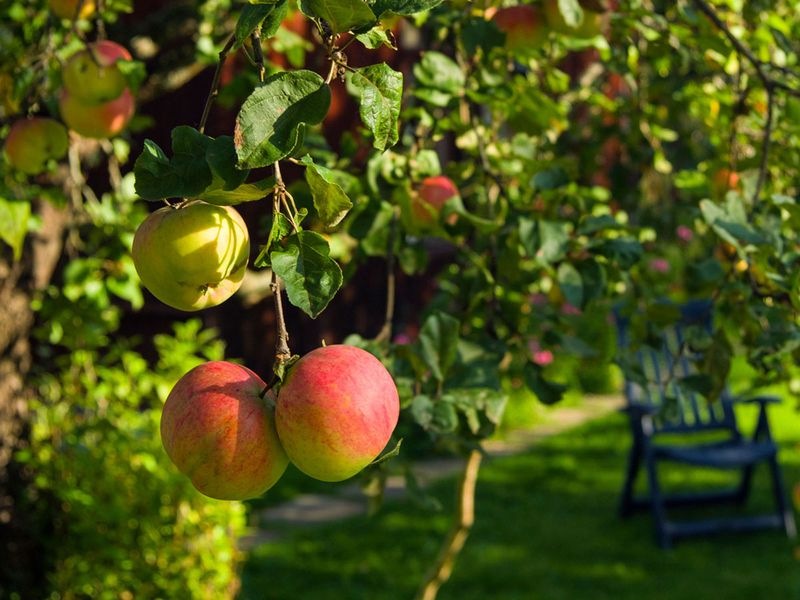
While laws provide a framework, friendly agreements between neighbors often work better than strict legal enforcement.
Many Georgians with fruit trees gladly share their harvest with neighbors who ask politely.
A simple conversation can establish an understanding that benefits everyone involved.
Some neighbors create informal arrangements where one person picks and shares the fruit.
Others might agree that anything hanging over the fence is fair game.
These personal agreements make life easier and build community connections.
Putting agreements in writing isn’t usually necessary for fruit sharing, but it can prevent future misunderstandings.
A simple note or email confirming what you’ve discussed provides clarity.
This becomes especially helpful if one neighbor moves and new people arrive.
Offering something in return for fruit creates goodwill and balance in the relationship.
You might offer to help with yard work, share vegetables from your garden, or make jam to give back.
Reciprocity strengthens neighborhood bonds and makes sharing feel natural.
Remember that generosity often comes back around in unexpected ways.
The neighbor who shares peaches today might need to borrow your ladder tomorrow.
Building positive relationships based on communication and mutual respect creates a better living environment than rigidly enforcing every legal right you possess.
Nuisance Laws May Apply To Overhanging Branches
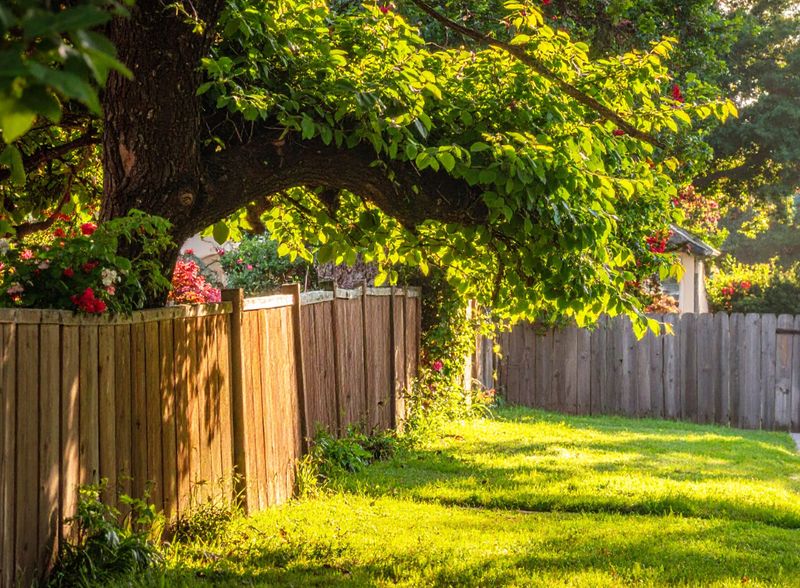
When a neighbor’s tree drops large amounts of fruit onto your property, creating mess and attracting pests, nuisance laws might come into play.
Georgia recognizes that property owners shouldn’t have to tolerate unreasonable interference with their property enjoyment.
Excessive fruit drop could potentially qualify as such interference.
Before pursuing any legal action, document the problem thoroughly with photos and notes.
Show how the situation affects your property use and maintenance costs.
Courts want to see that the problem is significant, not just a minor inconvenience.
Most judges encourage neighbors to resolve these issues through communication first.
Explain the problem to your neighbor and request that they trim the tree or help with cleanup.
Many people don’t realize their tree is causing problems and will address the issue once informed.
If your neighbor refuses to cooperate and the problem continues, you might need to send a formal letter.
Some situations eventually require mediation or small claims court action.
However, legal action should be a last resort after other solutions have failed.
Keep in mind that courts balance competing interests when evaluating nuisance claims.
They consider the tree owner’s property rights against your right to enjoyment of your land.
Reasonable fruit drop from a well-maintained tree probably won’t qualify as a legal nuisance.
HOA Rules May Override General Property Laws
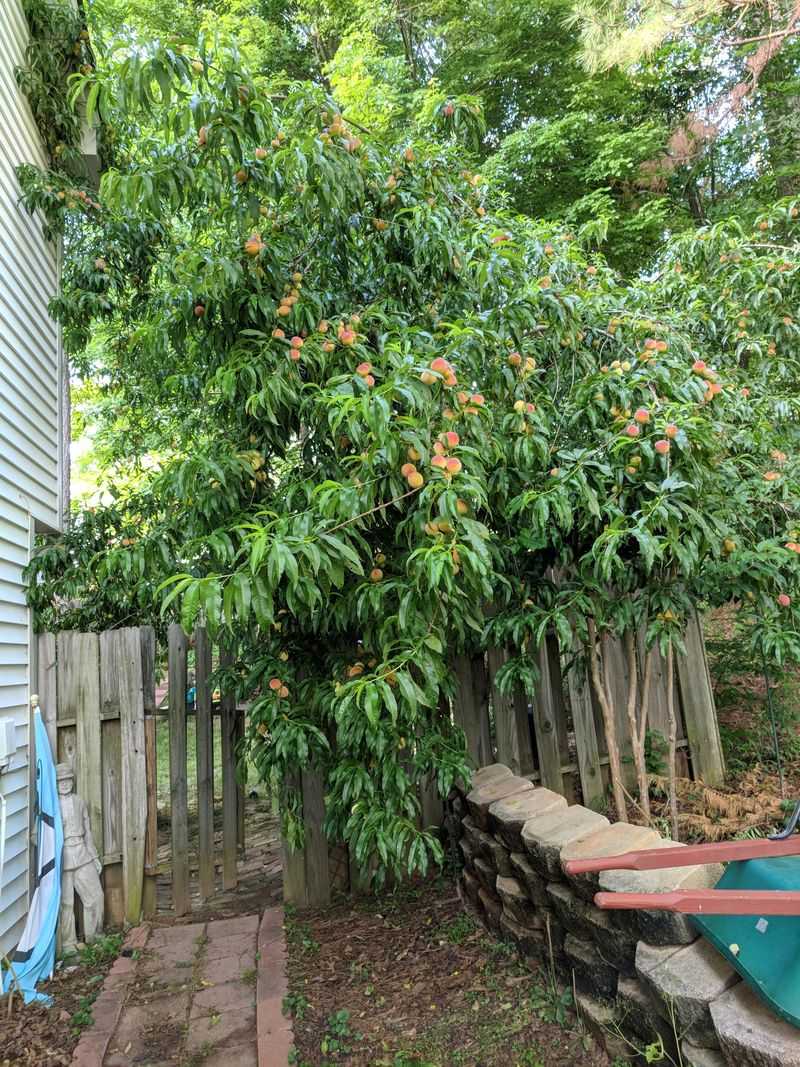
Homeowners associations in Georgia often have specific rules about trees, fruit, and property boundaries.
These rules can be stricter than general state law and may require different approaches to fruit tree issues.
Your HOA agreement is a legal contract that you must follow regardless of broader property laws.
Some HOAs prohibit fruit trees entirely because of the potential for disputes and mess.
Others have regulations about tree placement, maintenance, and overhanging branches.
Review your HOA documents carefully to understand what rules apply to your situation.
HOA architectural committees sometimes need to approve tree trimming or removal.
Cutting branches that cross your property line might require permission even though state law allows it.
Violating HOA rules can result in fines or other penalties.
When conflicts arise in HOA communities, the association itself might get involved.
Many HOAs have dispute resolution procedures designed to handle neighbor disagreements.
Using these processes can be faster and cheaper than going to court.
HOA rules also might address fruit collection and sharing among neighbors.
Some communities encourage sharing and cooperation as part of their community values.
Understanding your specific HOA’s position helps you navigate fruit tree issues appropriately within your neighborhood’s particular framework and expectations.
Commercial Orchards Have Different Legal Protections
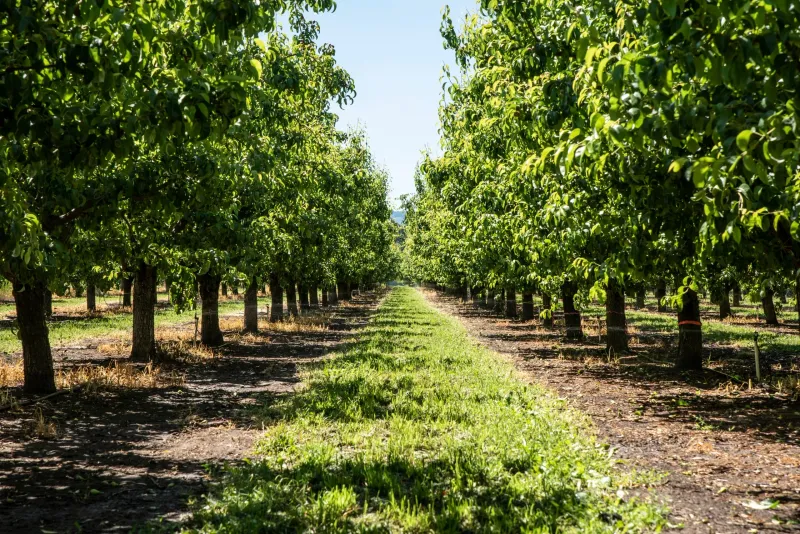
If your property borders a commercial orchard in Georgia, much stricter rules apply than with residential fruit trees.
Agricultural businesses receive enhanced legal protections because their livelihood depends on their crops.
Taking fruit from a commercial operation is clearly theft, not a neighborly misunderstanding.
Georgia has specific agricultural theft laws that carry serious penalties.
These laws recognize that farmers and orchard owners face significant financial harm when people steal crops.
Even small amounts of fruit taken from commercial properties can result in criminal charges.
Commercial orchards also have stronger rights regarding trespassing and property protection.
They can install security measures and prosecute trespassers more aggressively than residential owners.
Signs warning against trespassing and theft are common around these properties.
If fruit from a commercial orchard hangs over your residential fence, you still cannot take it without permission.
Contact the orchard owner or manager to discuss the situation.
They might arrange to trim branches or allow you to collect overhanging fruit under specific conditions.
Some orchards offer U-pick programs where customers can harvest fruit for a fee.
This provides a legal way to enjoy fresh, local fruit while supporting agricultural businesses.
Respecting commercial agricultural property protects Georgia’s farming economy and the families who depend on it for their income and way of life.