How To Bring A Wilted Christmas Cactus Back To Life In Tennessee
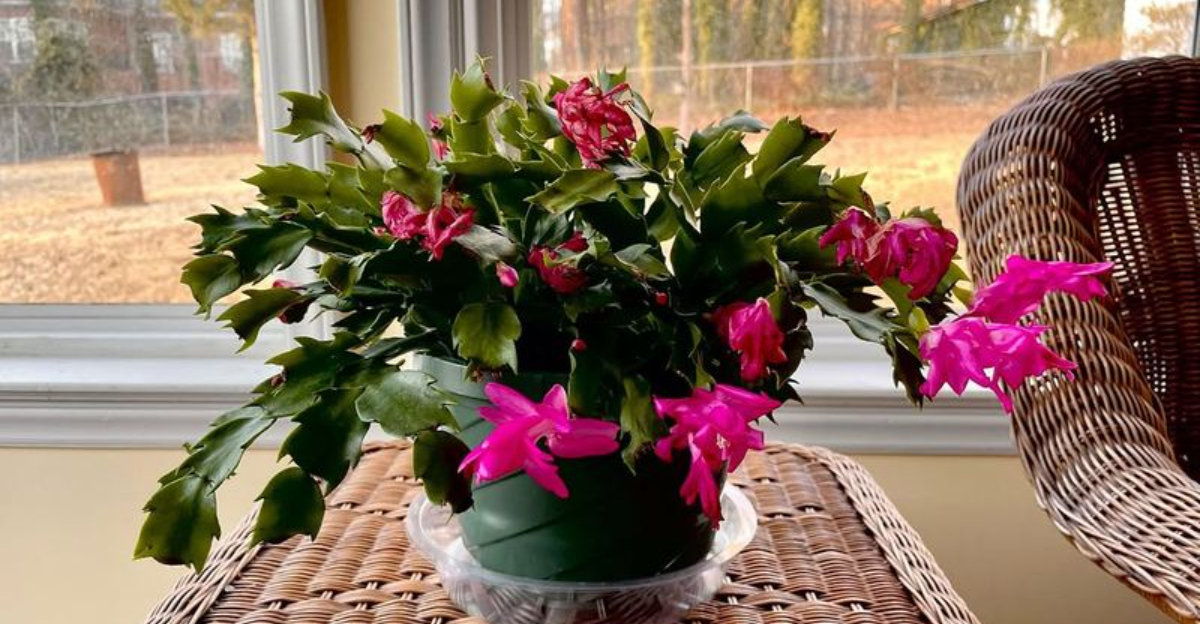
A wilted Christmas cactus can tug at the heartstrings, especially in a Tennessee home that usually feels warm and full of life.
One day the plant stands proud, and the next its pads droop like they just gave up the ghost.
Dry indoor heat, sudden cold snaps, and swings in humidity can throw this desert native for a loop, turning a once-glowing beauty into a tired, thirsty shadow of itself.
Still, a Christmas cactus has more grit than it lets on.
With the right touch, it can bounce back and shine again as if nothing ever went wrong.
A small shift in watering, a cozier spot with gentle light, or a fresh breath of moisture can work wonders.
Bit by bit, the plant starts to perk up, lifting its pads and showing signs of new life.
With patience and a steady hand, this beloved holiday bloomer can rise from the brink and flourish once more.
1. Check The Watering Schedule And Adjust Accordingly

Watering mistakes are the number one reason Christmas cacti start to wilt and look unhealthy.
Too much water can cause the roots to rot, while too little leaves the plant dehydrated and limp.
Finding the right balance is essential, especially in Tennessee where humidity levels change with the seasons.
Start by checking the soil with your finger.
Stick it about an inch deep into the potting mix.
If it feels bone dry, your plant needs water right away.
If it’s still damp or soggy, hold off on watering and let it dry out a bit more.
Christmas cacti prefer their soil to be slightly moist but never waterlogged.
During the growing season in spring and summer, you might need to water once a week.
In fall and winter, cut back to every two weeks or so, depending on how dry your home gets with indoor heating.
Tennessee’s humidity can help your plant retain moisture, but it also means you need to be careful not to overdo it.
Make sure your pot has drainage holes so excess water can escape.
Standing water is a fast track to root problems.
When you do water, give the plant a thorough soak until water runs out the bottom.
Then let the soil dry out before watering again.
Consistency is key, so try to stick to a regular schedule that matches your plant’s needs.
Adjusting your watering routine can make a huge difference in helping your Christmas cactus recover and start looking healthy again.
2. Move Your Plant To A Spot With Indirect Sunlight
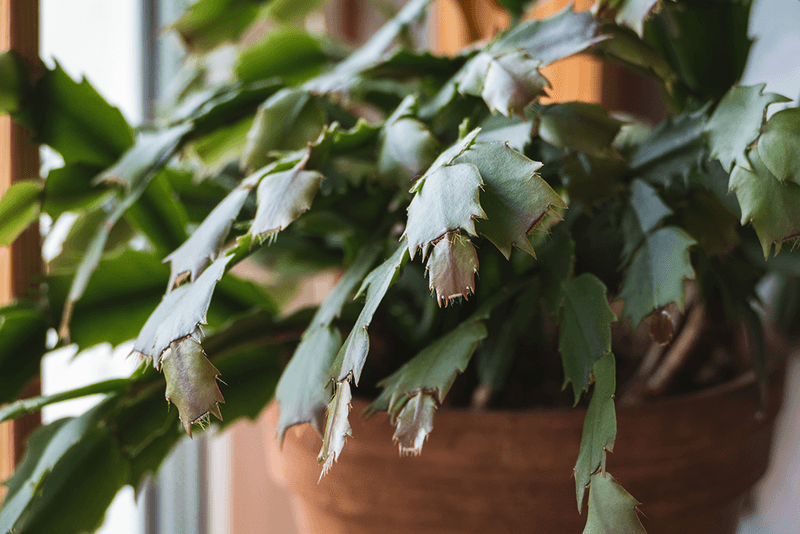
Light plays a massive role in how well your Christmas cactus grows and recovers from stress.
These plants originally come from the shady floors of Brazilian rainforests, so they’re not fans of harsh, direct sunlight.
Too much sun can actually scorch the leaves and make wilting worse.
Look around your home for a spot that gets plenty of bright, indirect light.
A north or east-facing window works great, or you can place the plant a few feet back from a south or west-facing window.
Your Tennessee Garden Changes Every Week. Your Plan Should Too.
Gardening in Tennessee changes quickly throughout the season. Every Friday you’ll receive a simple weekly plan showing exactly what to plant, prune, fertilize, harvest, and protect so you never miss the right timing.
If you notice the leaves turning red or yellow, that’s a sign it’s getting too much light.
Tennessee homes can get pretty bright during the summer months, so you might need to use sheer curtains to filter the sunlight.
In winter, when the days are shorter and the sun is weaker, you can move the plant a bit closer to the window to make sure it’s still getting enough light.
Avoid placing your Christmas cactus in dark corners or rooms with no windows.
Without enough light, the plant won’t have the energy it needs to recover and grow new segments.
It might even stop blooming altogether.
Pay attention to how your plant responds over a week or two after you move it.
If the segments start to firm up and look more vibrant, you’ve found the right spot.
Good lighting conditions can help your Christmas cactus bounce back quickly and prepare for its next blooming cycle.
3. Inspect For Root Rot And Repot If Necessary
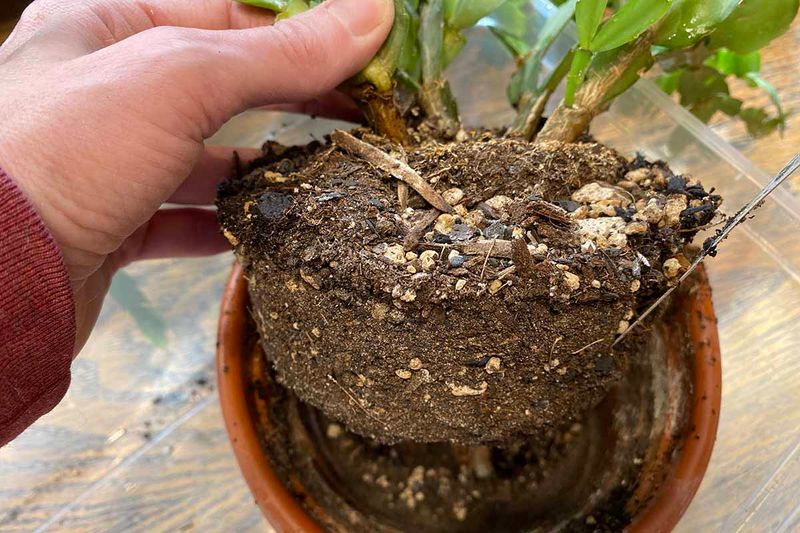
Sometimes the problem isn’t visible on the surface, and you need to dig a little deeper, literally.
Root rot is a common issue that happens when the roots sit in waterlogged soil for too long.
The roots turn brown and mushy, and they can’t absorb water or nutrients properly anymore.
Carefully remove your Christmas cactus from its pot and shake off the excess soil.
Take a close look at the roots.
Healthy roots should be white or light tan and feel firm to the touch.
If they’re dark, slimy, or smell bad, you’ve got root rot on your hands.
Trim away any damaged roots with clean, sharp scissors or pruning shears.
Be gentle but thorough, removing all the rotted parts.
Once you’ve cleaned up the root system, let the plant sit out for a few hours so the cuts can dry and callus over.
Choose a new pot that’s just slightly larger than the root ball, with plenty of drainage holes.
Fill it with fresh, well-draining cactus or succulent potting mix.
You can also make your own by mixing regular potting soil with perlite or sand to improve drainage.
Plant your Christmas cactus in the new pot and water it lightly to help it settle in.
Don’t overdo it, remember, the roots are still recovering.
Over the next few weeks, keep an eye on the plant and adjust your care routine as needed.
Repotting can give your plant a fresh start and help it recover from root damage, which is especially important in Tennessee’s sometimes unpredictable indoor climate.
4. Increase Humidity Around The Plant
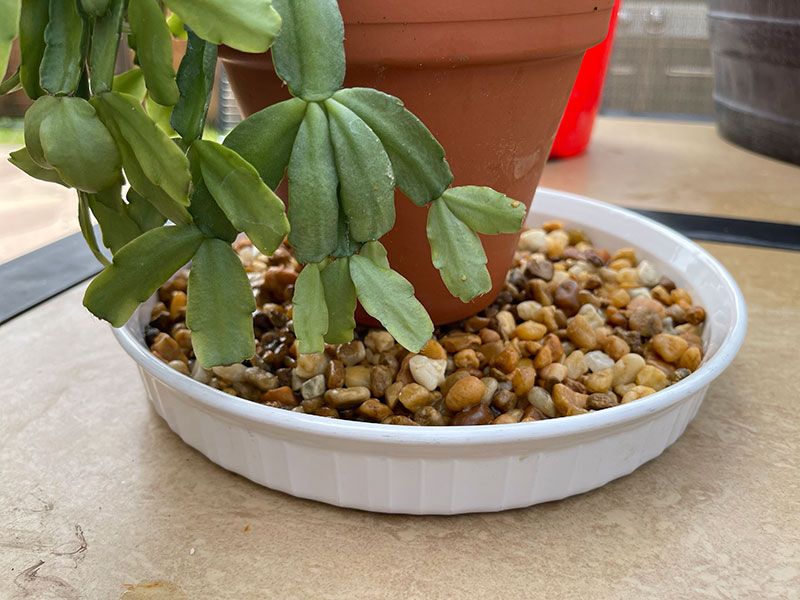
Christmas cacti love a bit of moisture in the air, which makes sense given their rainforest origins.
When the air gets too dry, especially during Tennessee winters when heaters are running constantly, the plant can become stressed and start to wilt.
Boosting humidity is a simple fix that can make a big difference.
One easy method is to place your plant on a pebble tray.
Fill a shallow tray with small stones or pebbles, add water until it just reaches the top of the stones, then set your pot on top.
As the water evaporates, it creates a humid microclimate around your plant.
Just make sure the pot isn’t sitting directly in the water.
Another option is to use a small humidifier near your plant.
This works especially well if you have several houseplants grouped together, as they’ll all benefit from the extra moisture.
Aim for a humidity level between 50 and 60 percent if you can measure it.
You can also mist your Christmas cactus lightly with a spray bottle every few days.
Don’t soak the plant, just give it a light spritz to add some moisture to the air around it.
Avoid misting in the evening when the plant can’t dry off before nighttime.
Grouping your houseplants together can naturally increase humidity, as they release moisture through their leaves.
In Tennessee, where summer humidity is high but winter air can be bone dry, adjusting humidity levels seasonally will keep your Christmas cactus happy and healthy year-round.
5. Feed With A Balanced Fertilizer During Growing Season
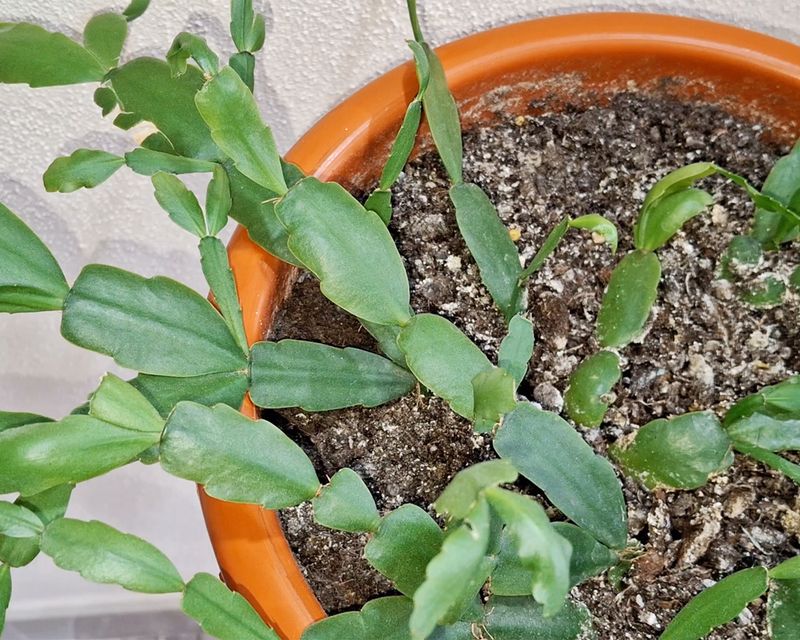
Your Christmas cactus needs nutrients to recover from stress and grow strong, healthy segments.
If the soil has been depleted or the plant hasn’t been fed in a while, it might not have the resources it needs to bounce back.
A balanced fertilizer can give it the boost it’s looking for.
Choose a water-soluble fertilizer formulated for houseplants or cacti, with an equal ratio of nitrogen, phosphorus, and potassium, something like 10-10-10 or 20-20-20.
Dilute it to half the strength recommended on the package to avoid burning the roots.
Christmas cacti prefer gentle feeding rather than heavy doses.
Feed your plant once a month during the spring and summer when it’s actively growing.
This is when it needs the extra nutrients to produce new segments and prepare for blooming.
Skip fertilizing in fall and winter when the plant goes into its rest period.
Always water your plant before fertilizing to prevent root burn.
Apply the diluted fertilizer to moist soil, and make sure it drains through the pot completely.
Never fertilize a dry plant or one that’s already stressed from other issues like root rot.
In Tennessee, where the growing season can start early and last well into fall, you might adjust your feeding schedule based on how your plant responds.
If you notice new growth and the segments start to firm up, the fertilizer is working.
Overfeeding can cause more harm than good, so stick to a light, consistent schedule and let your plant tell you what it needs.
6. Ensure Proper Temperature And Avoid Drafts
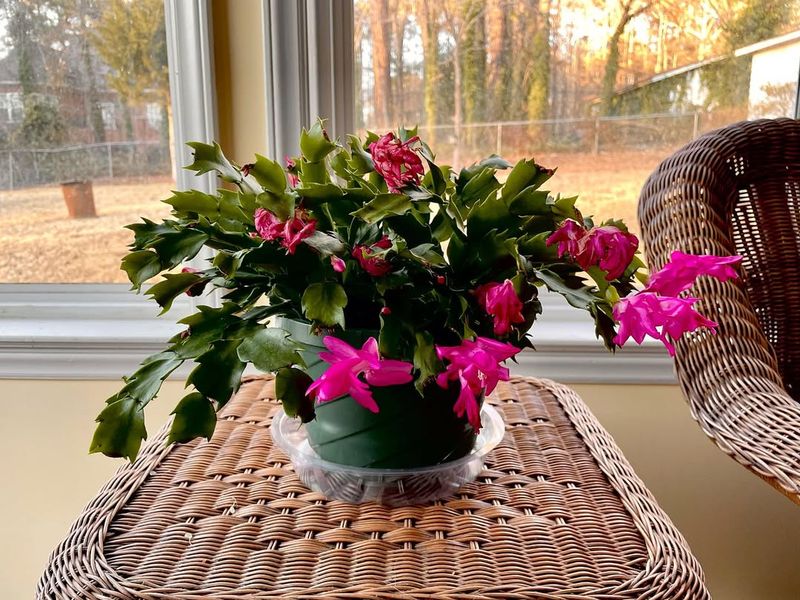
Temperature swings and cold drafts can stress your Christmas cactus and cause it to wilt or drop its buds.
These plants prefer stable, moderate temperatures, and they don’t handle sudden changes very well.
Keeping your plant in a comfortable environment is crucial for recovery.
Aim to keep your Christmas cactus in a room where temperatures stay between 60 and 70 degrees Fahrenheit.
This range is ideal for growth and blooming.
Avoid placing the plant near heating vents, air conditioners, or drafty windows and doors where temperatures fluctuate.
In Tennessee, where winters can bring chilly nights and summers can get hot and muggy, you’ll need to monitor your plant’s environment closely.
If your home gets cold at night, move the plant away from windows where cold drafts can sneak in.
If it gets too hot during the day, make sure the plant isn’t in direct sunlight or near heat sources.
Cold drafts are especially harmful because they can shock the plant and cause the segments to shrivel and droop.
If you notice your Christmas cactus sitting near a frequently opened door or a window that leaks air, relocate it to a more stable spot.
Pay attention to how your plant looks after a few days in its new location.
If the segments start to plump up and the color improves, you’ve found a good temperature zone.
Consistent, moderate temperatures will help your Christmas cactus recover faster and prepare for its beautiful blooming season ahead.
7. Prune Damaged Segments To Encourage New Growth
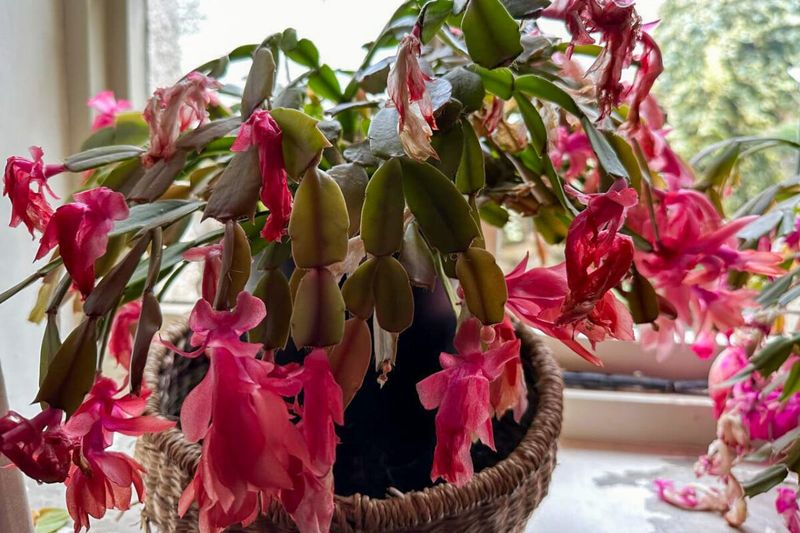
Sometimes your Christmas cactus needs a little haircut to help it focus its energy on healthy growth.
Shriveled or damaged segments aren’t doing your plant any favors, and removing them can actually speed up recovery.
Pruning might seem scary, but it’s a simple process that can make a big difference.
Start by identifying any segments that look brown, mushy, or completely dried out.
These are the ones you want to remove.
Use clean, sharp scissors or pruning shears to make a clean cut at the joint where the segment connects to the rest of the plant.
Don’t tear or rip the segments, as this can damage the plant further.
You can also prune segments that look weak or pale, even if they’re not completely gone.
This encourages the plant to put its energy into producing strong, healthy new growth.
In Tennessee’s climate, where plants can sometimes struggle with indoor conditions, pruning helps your Christmas cactus focus on what matters most.
After pruning, don’t throw away the healthy segments you remove.
You can actually propagate them to grow new plants.
Just let the cut end dry for a day or two, then plant it in moist cactus soil.
It’ll root and start growing on its own.
Give your plant a few weeks after pruning to adjust and start producing new growth.
You should see fresh segments emerging from the joints where you made cuts.
Pruning is a great way to refresh your Christmas cactus and help it recover from stress, setting it up for a strong comeback.