10 Winter Home-Exterior Mistakes Illinois Homeowners Should Avoid This Year
Illinois winters are unpredictable — freezing rain one day, heavy snow the next, followed by a thaw that turns everything to slush.
With weather that constantly shifts, your home’s exterior faces months of stress that can quietly lead to expensive damage.
Yet many Illinois homeowners make the same winter prep mistakes year after year, often without realizing the long-term impact on their siding, roof, gutters, walkways, and more.
From ignoring minor cracks that expand in freezing temperatures to overlooking ventilation issues that cause ice dams, these oversights can turn into major repairs by spring.
The good news?
Most winter home-exterior problems are completely preventable with a little attention and timely maintenance.
Now, we’re breaking down the 10 biggest winter mistakes homeowners in Illinois should avoid — and the simple steps that will keep your exterior strong, safe, and ready for anything the season brings.
1. Neglecting Gutter Cleaning Before Snowfall

Leaves and debris pile up in gutters throughout fall, creating blockages that spell trouble when winter arrives.
Water from melting snow has nowhere to go when gutters are clogged, so it backs up and refreezes.
This creates heavy ice dams that pull gutters away from your house and damage your roof.
The weight of ice-filled gutters can cause them to sag or completely detach from your home.
Water that overflows can seep behind siding, freeze, and cause cracks in your exterior walls.
Foundation problems develop when water pours over clogged gutters and pools around your home’s base.
Frozen ground prevents proper drainage, making the situation worse for Illinois properties with clay-heavy soils.
Cleaning gutters before the first snow takes just a few hours but prevents thousands of dollars in damage.
Check them again mid-winter during warm spells if possible.
Professional gutter cleaning services in Illinois are affordable and worth every penny.
They can also spot early signs of damage you might miss from ground level.
2. Skipping Roof Inspections After Heavy Storms
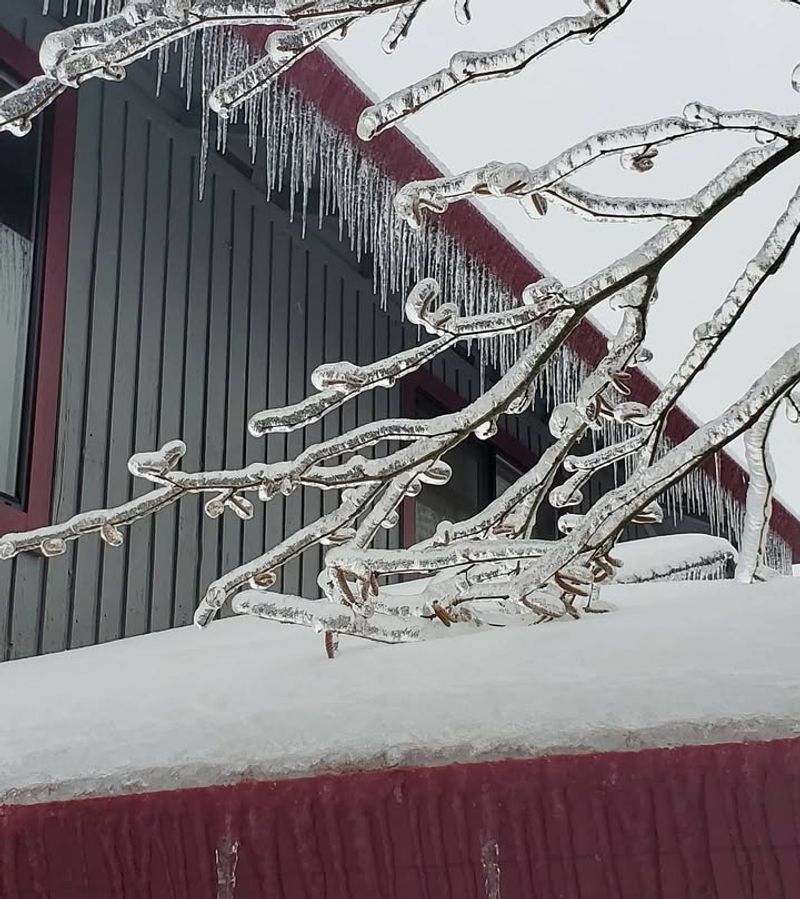
Winter storms batter Illinois roofs with wind, ice, and heavy snow loads that cause hidden damage.
Missing shingles might seem like a small problem, but they expose your roof deck to moisture.
Once water gets under your roofing material, it freezes and expands, creating bigger gaps and leaks.
Many homeowners wait until they see interior water stains before checking their roof.
By then, significant structural damage may have already occurred in the attic and walls.
Walking on your roof during winter is dangerous and can cause more damage to frozen shingles.
Use binoculars to inspect from the ground or hire a professional who has proper safety equipment.
Look for curling shingles, granule loss, and ice buildup patterns that indicate ventilation problems common in older Illinois homes.
These issues worsen quickly in freezing temperatures.
Catching roof damage early means simple repairs instead of expensive replacements.
Schedule inspections after every major storm, not just once per season.
3. Forgetting To Disconnect And Drain Outdoor Hoses
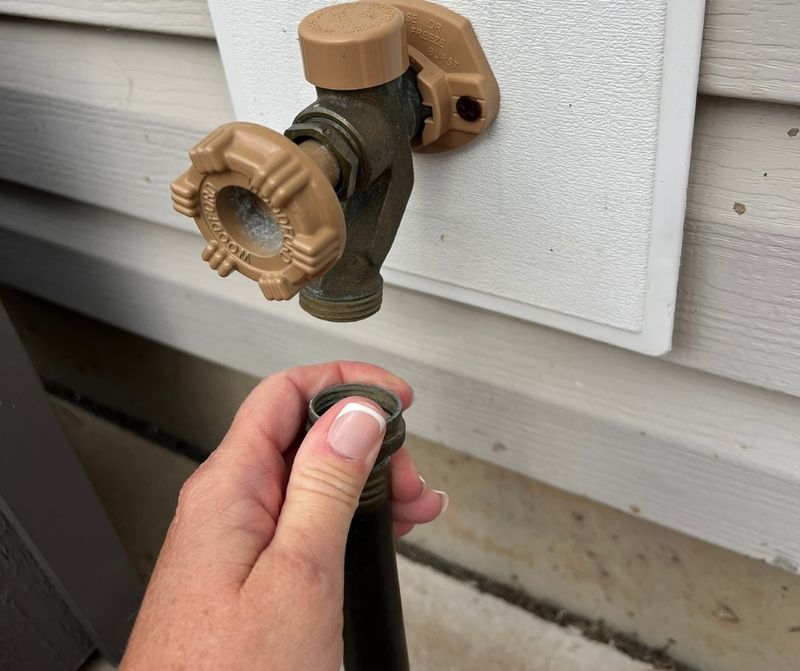
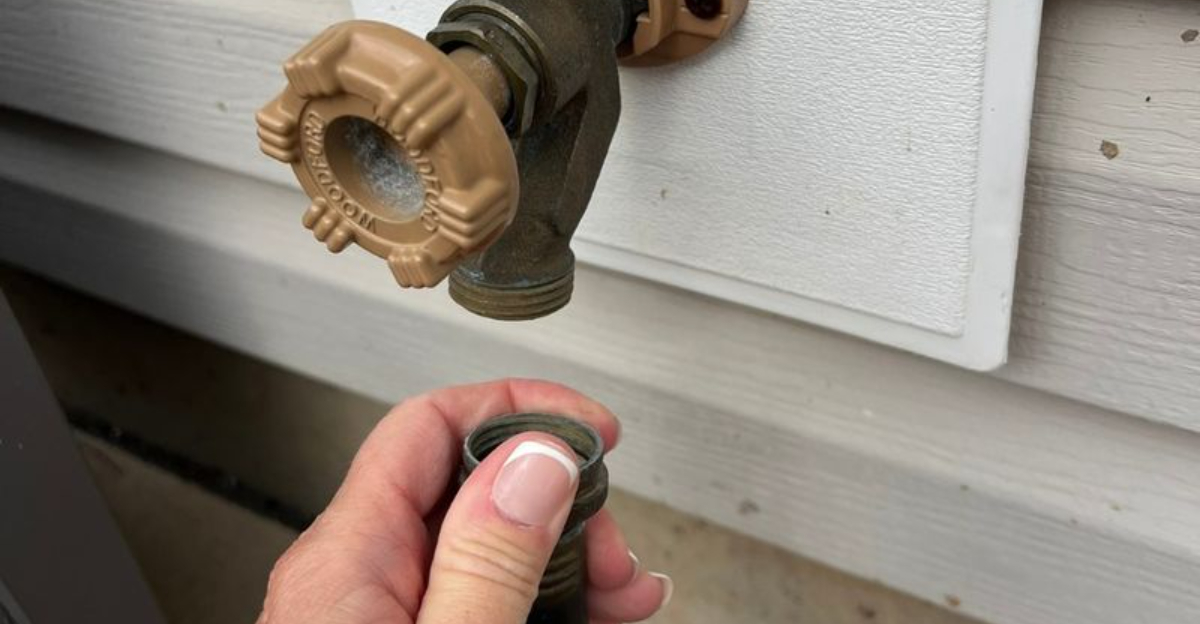
That garden hose you used all summer becomes a liability when temperatures drop below freezing.
Your Illinois Garden Changes Every Week. Your Plan Should Too.
Gardening in Illinois changes quickly throughout the season. Every Friday you’ll receive a simple weekly plan showing exactly what to plant, prune, fertilize, harvest, and protect so you never miss the right timing.
Water trapped inside connected hoses freezes and expands backward into your pipes.
The pressure from expanding ice can crack pipes inside your walls, leading to flooding when things thaw.
Outdoor faucets are especially vulnerable because they’re exposed to the coldest temperatures.
A burst pipe can spray water for hours before you notice, causing extensive damage to your home’s exterior and foundation.
Disconnecting hoses takes just minutes but prevents emergency plumbing calls that cost hundreds of dollars.
Drain each hose completely and store them in your garage or shed.
After removing hoses, shut off interior valves that supply outdoor faucets if your home has them.
Open the outdoor faucet to let remaining water drain out.
Consider installing frost-free faucets or insulated faucet covers for extra protection in the Illinois climate.
These inexpensive additions provide peace of mind throughout winter.
4. Allowing Ice Dams To Build Up On Roof Edges
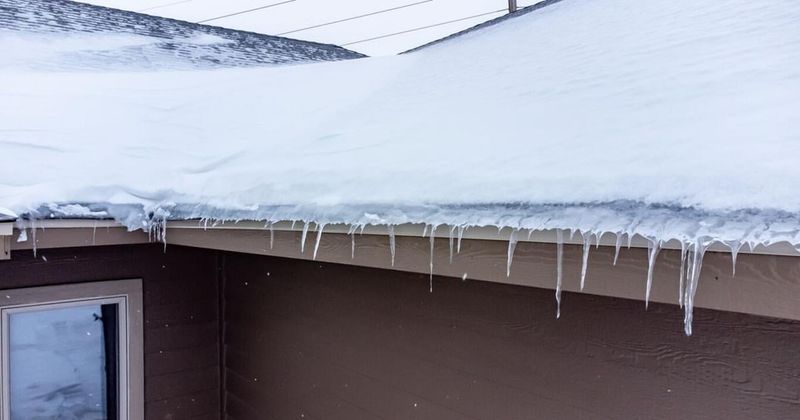
Beautiful icicles hanging from your roofline actually signal a serious problem developing above.
Ice dams form when heat escapes through your roof, melting snow that refreezes at the colder edges.
This creates a ridge of ice that traps water behind it, forcing moisture under your shingles.
The trapped water seeps into your attic, staining ceilings and damaging insulation.
Mold growth often follows, creating health hazards that are expensive to remediate.
Poor attic insulation and ventilation cause most ice dam problems in Illinois homes.
Heat from your living space shouldn’t reach your roof deck in winter.
Never chip away ice dams with hammers or sharp tools because you’ll damage your shingles.
Calcium chloride ice melt in pantyhose laid across the dam creates channels for drainage.
Long-term solutions include adding attic insulation and improving ventilation with ridge and soffit vents.
These upgrades pay for themselves through lower heating bills and prevented damage, especially in northern Illinois where ice dams are common.
5. Using Metal Shovels On Wooden Decks And Porches
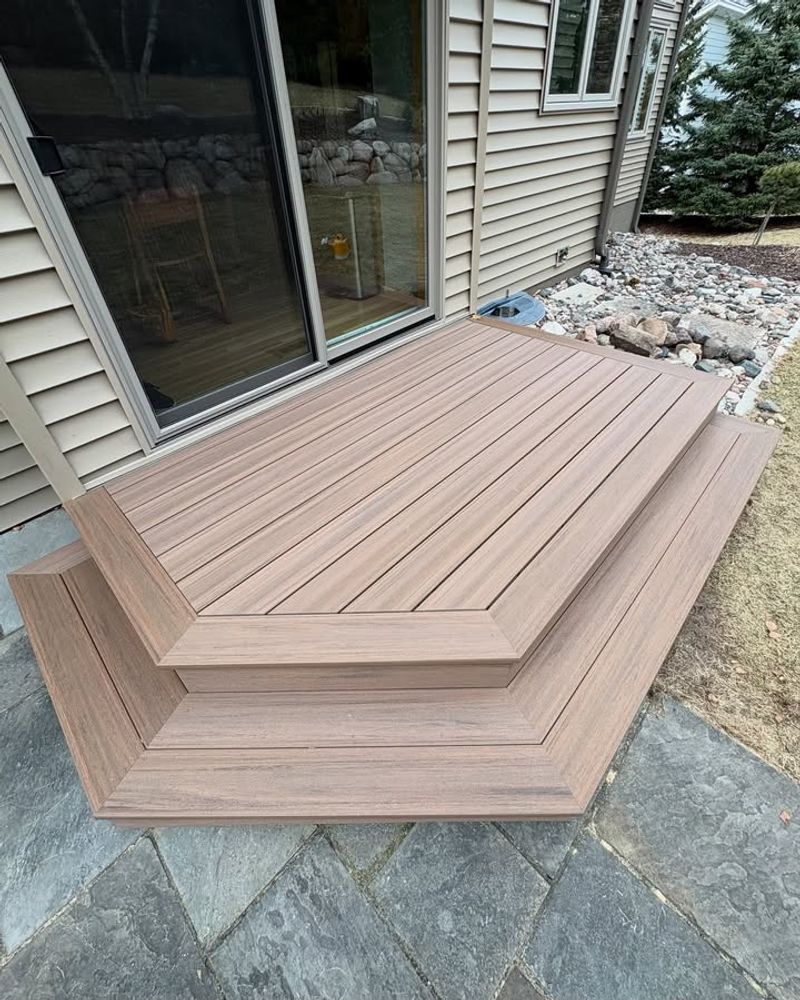
Grabbing any shovel to clear snow seems efficient until you notice deep scratches across your deck boards.
Metal shovels gouge and scrape wooden surfaces, removing protective stains and sealants.
These damaged areas absorb moisture from melting snow, leading to rot and splintering.
The constant freeze-thaw cycle in Illinois makes deck damage worse throughout winter.
Water enters scratches, freezes, expands, and creates larger cracks in the wood.
Plastic shovels with smooth edges or push brooms work better for clearing snow from wooden decks.
They remove snow effectively without harming the surface underneath.
Composite decking can also suffer scratches and surface damage from metal tools.
Always check manufacturer recommendations for proper snow removal methods.
Repairing deck damage means sanding, staining, and resealing affected areas in spring.
Prevention through proper tool selection saves time and money.
Keep a dedicated plastic shovel near your back door specifically for deck clearing.
This simple habit protects your outdoor investment year after year for Illinois homeowners.
6. Ignoring Foundation Cracks And Gaps Before Winter
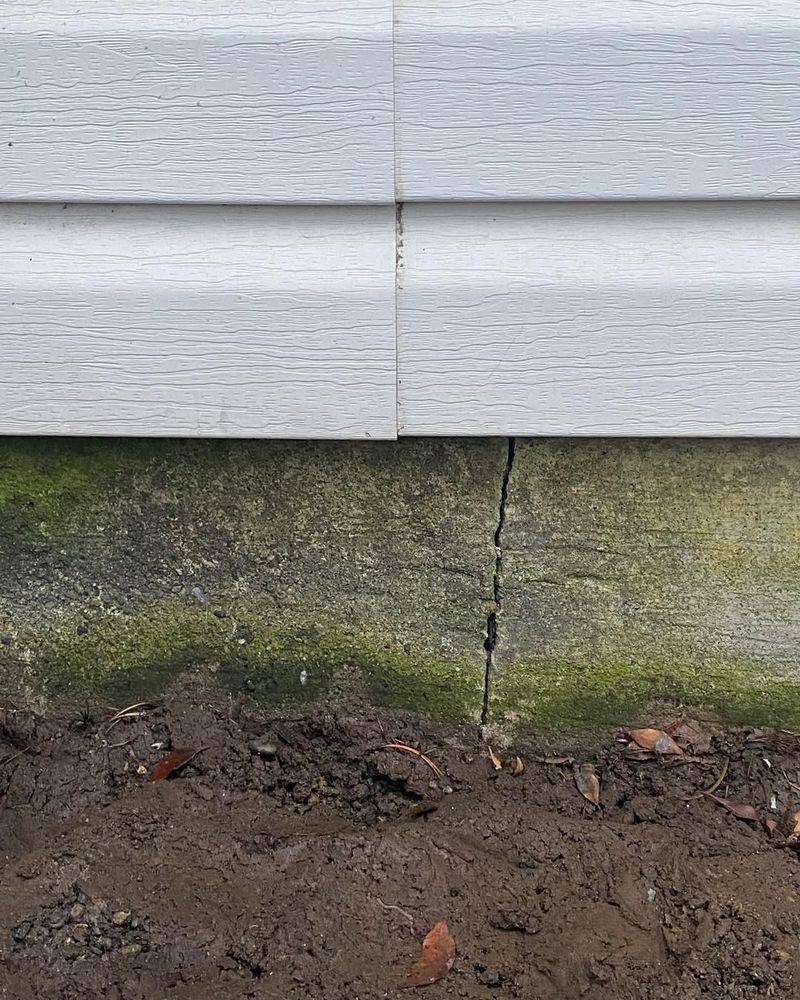
Small cracks in your foundation seem harmless during mild weather but become major problems when winter arrives.
Water seeps into tiny cracks during fall rains and freeze-thaw cycles.
When temperatures drop, that water freezes and expands, making cracks wider and deeper.
Foundation damage progresses quickly in Illinois winters because of frequent temperature fluctuations.
A hairline crack in November can become a serious structural issue by March.
Basement flooding often results from foundation cracks that worsen over winter.
Water finds its way through expanded gaps when snow melts and spring rains begin.
Inspect your foundation carefully in late fall and seal any cracks with appropriate materials.
Hydraulic cement works well for active leaks, while epoxy injections fix structural cracks.
Large cracks wider than a quarter inch require professional evaluation.
These might indicate settling or other serious issues that need expert attention from Illinois foundation specialists.
Proper grading around your foundation helps prevent water accumulation that worsens crack problems.
Soil should slope away from your house on all sides.
7. Piling Snow Against Your Home’s Siding
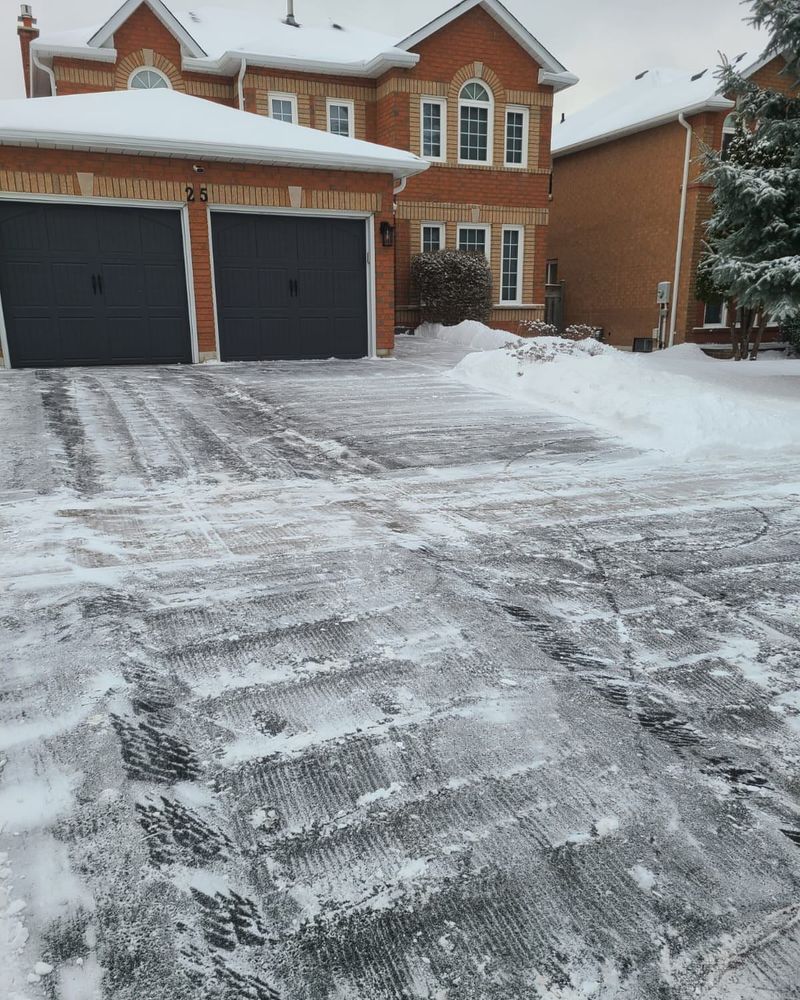
Snow piled against siding melts slowly throughout winter, keeping that area constantly wet.
The moisture seeps behind siding panels, soaking insulation and encouraging mold growth.
Vinyl siding can crack when heavy snow piles push against it during freeze-thaw cycles.
Warping and buckling occur when trapped moisture freezes and expands behind panels.
Wood siding suffers even more damage from constant moisture contact.
Paint peels, wood rots, and insects find easy entry points in softened material.
Throw snow at least three feet away from your foundation and siding when clearing paths.
This distance prevents melt water from flowing back toward your home.
Snow piled near your foundation can also refreeze and create ice dams at ground level.
This blocks proper drainage and can crack foundation walls.
Consider where you’ll pile snow before winter arrives.
Designate specific areas away from your house, gardens, and drainage systems commonly used across Illinois neighborhoods.
8. Leaving Window Wells Uncovered And Unprotected
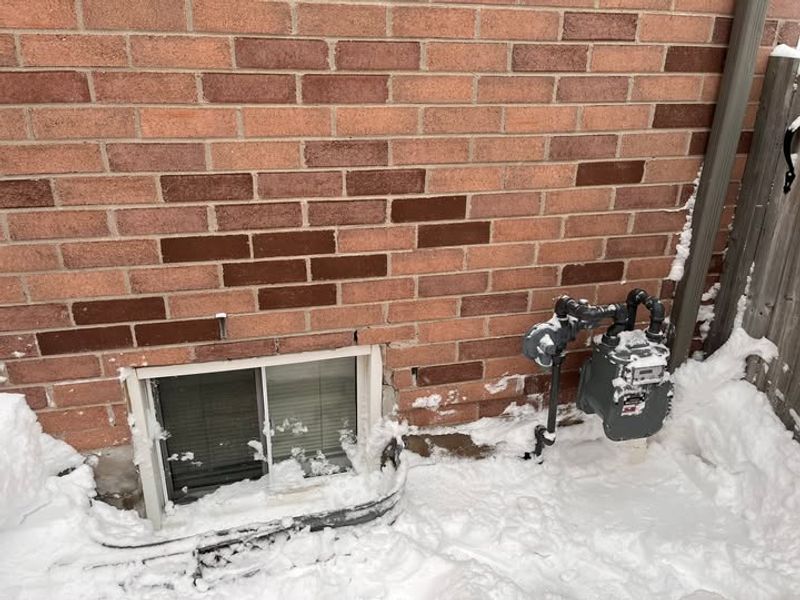
Window wells around basement windows collect snow and water throughout winter, creating flooding risks many homeowners overlook.
Uncovered wells fill with snow that melts during warm spells and refreezes at night.
This ice buildup blocks drainage and puts pressure on basement windows.
Cracked or broken basement windows allow water to pour into your home when accumulated snow melts.
The damage can go unnoticed until you discover a flooded basement.
Debris like leaves and twigs that fall into window wells in autumn get buried under snow.
This material blocks drain holes and prevents proper water flow.
Window well covers are inexpensive and easy to install before winter arrives.
Clear plastic covers let natural light through while keeping snow and debris out.
Check window wells regularly throughout winter and remove snow buildup after major storms.
Make sure drain holes remain clear and functional.
Gravel at the bottom of window wells improves drainage and prevents standing water.
Add or refresh gravel in fall before snow season begins, especially in northern Illinois regions prone to deeper snow accumulation.
9. Applying Rock Salt Directly On Concrete Surfaces
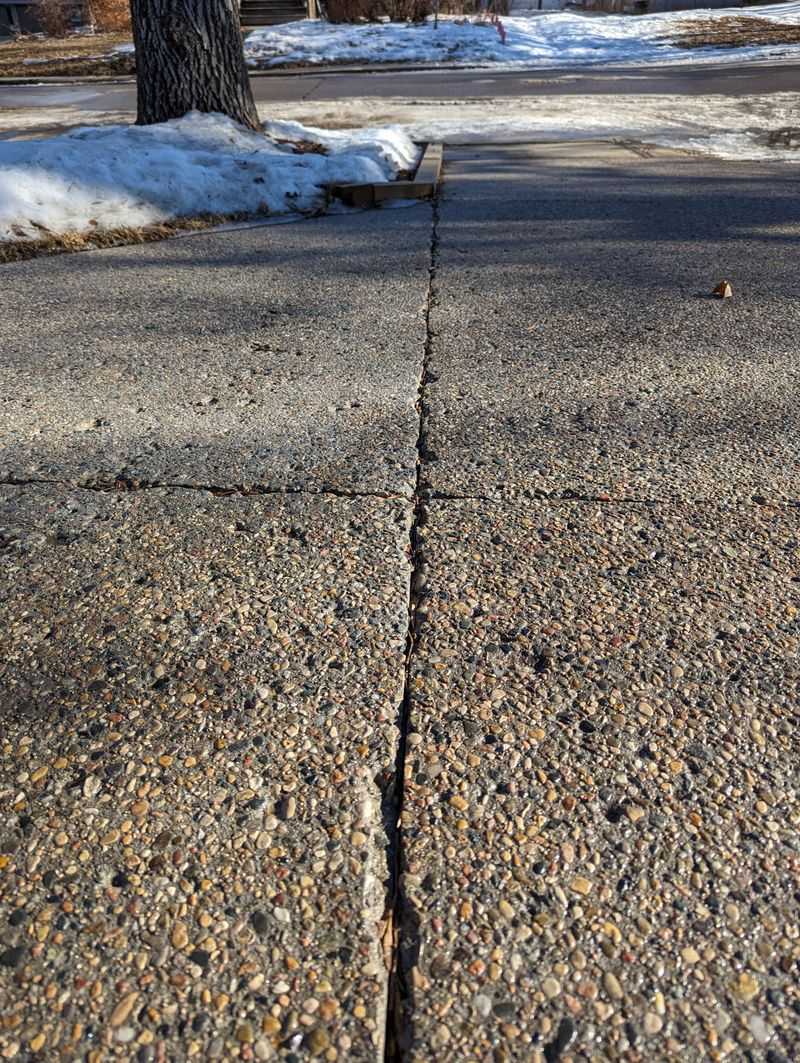
Rock salt melts ice quickly, making it a popular choice for Illinois homeowners battling winter weather.
The same chemical action that melts ice also damages concrete surfaces through a process called scaling.
Salt draws moisture into concrete, which freezes and expands, popping off the surface layer.
New concrete is especially vulnerable during its first winter because it hasn’t fully cured.
Using rock salt on driveways or walkways less than a year old causes significant damage.
Repeated freeze-thaw cycles combined with salt exposure create pitting and spalling across concrete surfaces.
These damaged areas worsen each winter and are expensive to repair.
Sand or kitty litter provides traction without chemical damage to concrete.
Calcium magnesium acetate is a safer alternative that melts ice without harming surfaces.
If you must use salt, sweep up excess once ice melts to minimize concrete contact.
Apply salt sparingly rather than dumping large amounts.
Sealing concrete before winter provides some protection against salt damage.
This should be done every few years to maintain effectiveness, especially in Illinois communities where salt use is heavy.
10. Postponing Exterior Paint Touch-Ups Until Spring
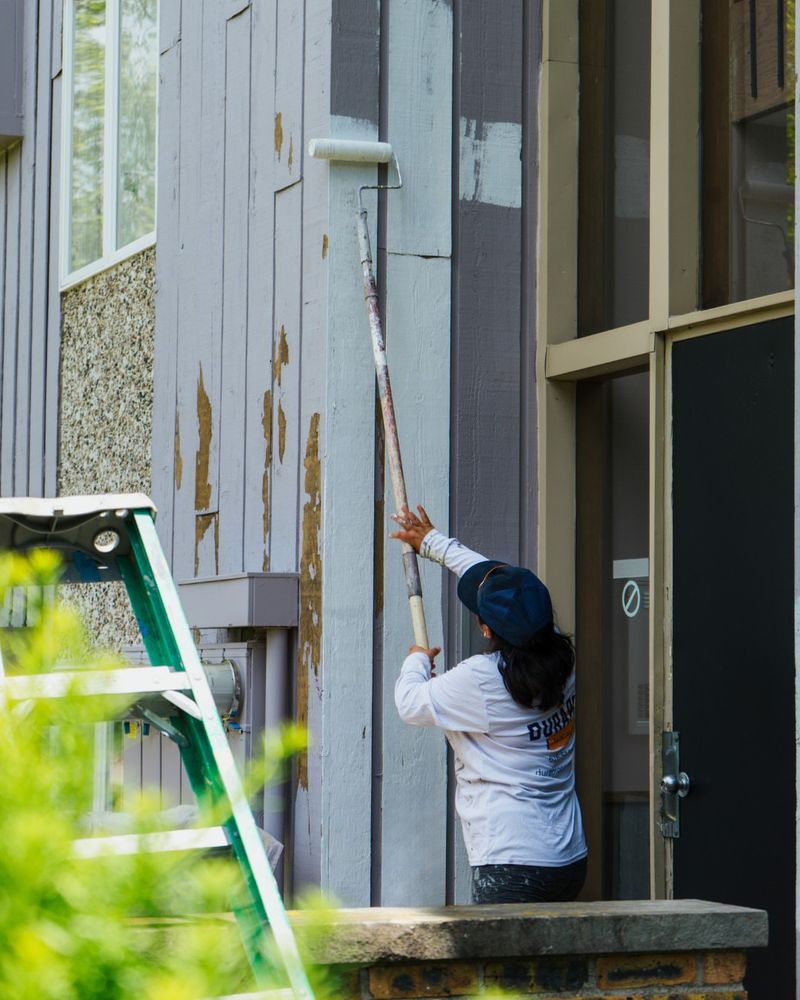
Peeling paint spots might seem like cosmetic issues that can wait for warmer weather to fix.
Exposed wood or siding material absorbs moisture from snow and ice throughout winter.
This moisture penetrates deeper into the material with each freeze-thaw cycle, causing rot and structural damage.
Paint acts as a protective barrier against weather elements.
Even small areas of missing paint allow water infiltration that worsens quickly in winter conditions.
By spring, what started as a minor touch-up job becomes extensive repairs involving rotted wood replacement.
The cost difference between prevention and repair is substantial.
Touch up paint problems during mild fall days before temperatures drop too low.
Most exterior paints require temperatures above 50 degrees Fahrenheit for proper application.
Keep paint that matches your home’s exterior on hand for quick repairs.
Small touch-ups take minutes but prevent major damage.
If temperatures are too cold for painting, cover exposed areas with waterproof tape or plastic as temporary protection.
This buys time until proper repairs can be made safely during the next warm stretch in Illinois.