12 Winter Flowers Illinois Homeowners Choose To Brighten Their Homes This Season
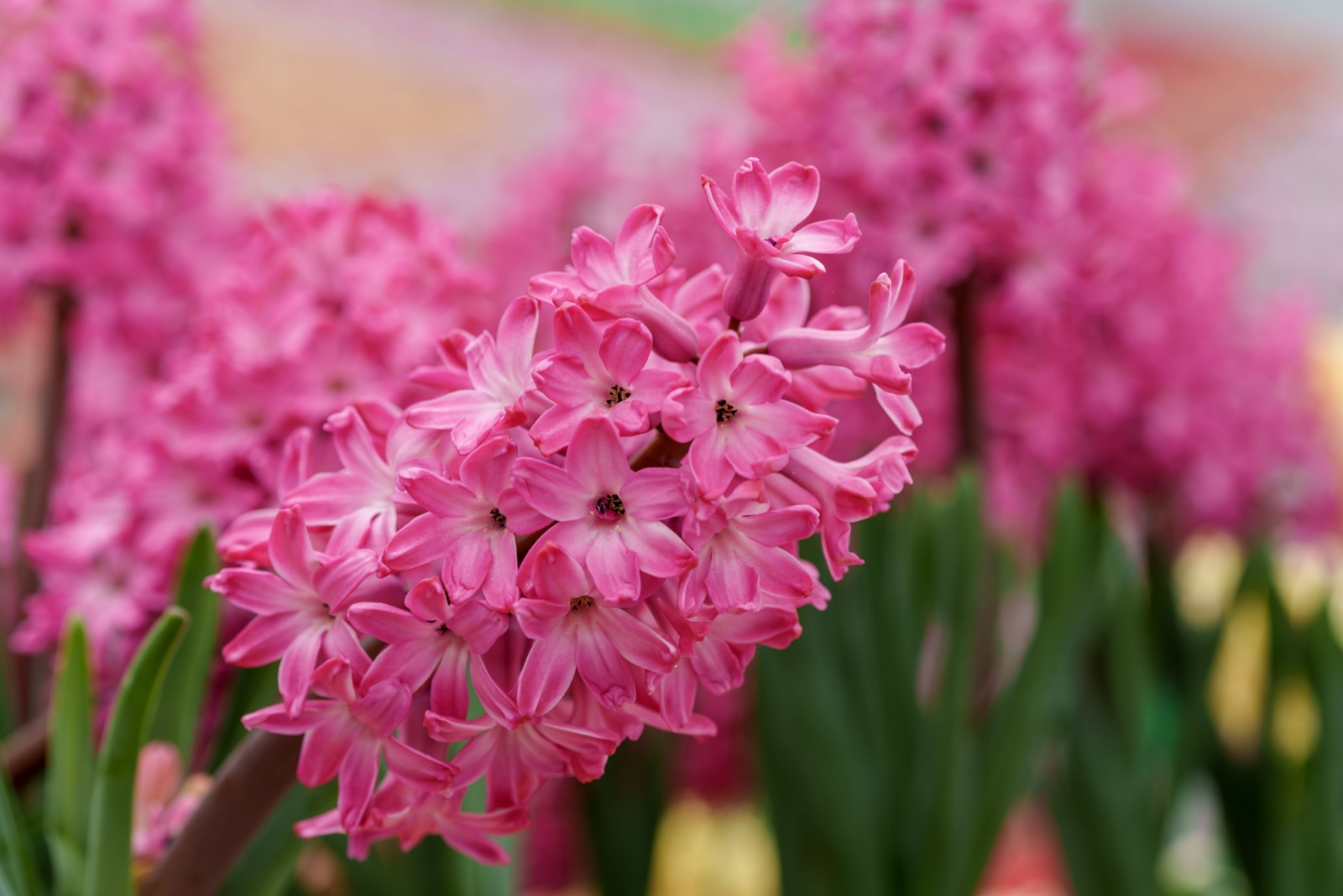
Illinois winters often roll in like a gray blanket, quieting the landscape and dimming the spirit—until the right flowers step in and turn the season on its head.
Homeowners across the Prairie State know a splash of color can lift moods faster than a steaming mug of cocoa.
A single bloom in a frost-kissed yard or sunroom can spark delight, chase off cabin fever, and breathe life into days that feel shorter than a hiccup.
Cold winds may nip at the doorstep, yet certain flowers thrive when the temperature dips.
They stand tall, shrug off snow, and shine like small lanterns against winter’s gloom.
Once these beauties take root, they transform porches, windowsills, and garden beds into bright little havens.
Neighbors stop in their tracks, visitors raise an eyebrow, and even long-time gardeners find themselves impressed at how bold color refuses to bow to the season.
1. Amaryllis
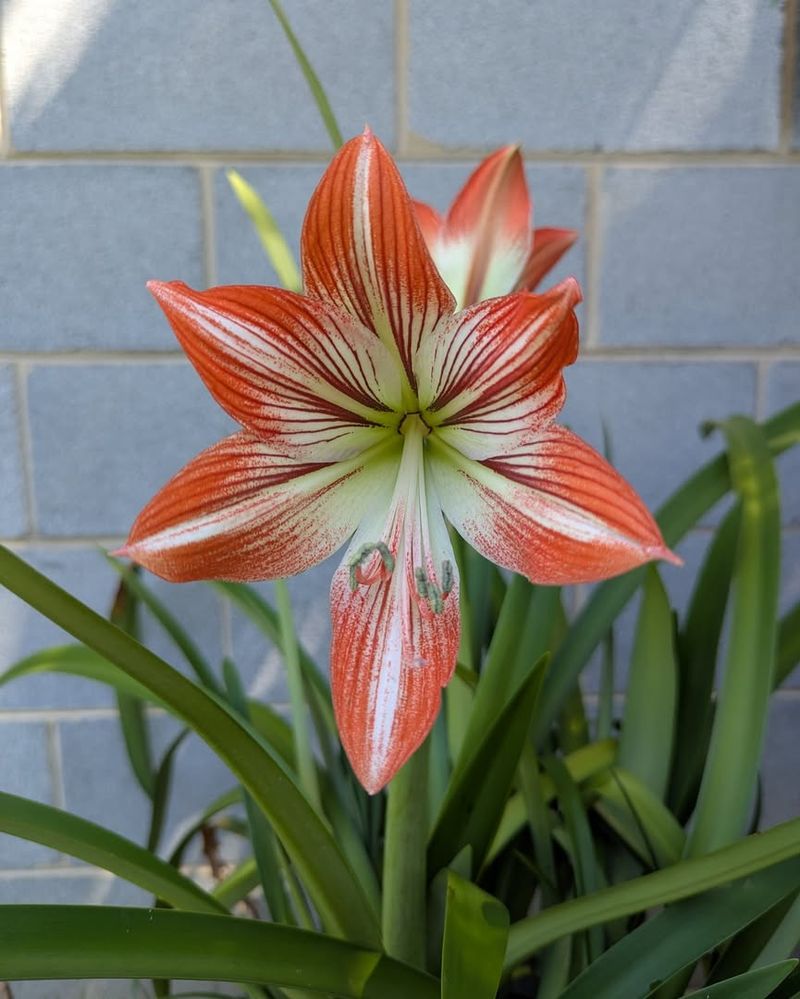
Bold trumpet-shaped blooms make amaryllis one of the most dramatic winter flowers you can grow indoors.
These stunning plants produce enormous flowers in shades of red, white, pink, and even striped varieties that command attention in any room.
Illinois gardeners love them because they bloom reliably with minimal fuss, usually within six to eight weeks of planting the bulb.
Setting up an amaryllis is straightforward and satisfying.
You plant the bulb in a pot with good drainage, water it thoroughly, and place it in a warm spot with indirect sunlight.
As the stalk grows taller each day, anticipation builds until those magnificent blooms finally open.
Once your amaryllis flowers, the show lasts for several weeks, giving you plenty of time to enjoy the display.
After blooming, you can save the bulb and encourage it to bloom again next year with proper care.
Many Illinois families make amaryllis planting a holiday tradition, starting bulbs in early December for spectacular blooms during the coldest months.
The height of amaryllis stalks, which can reach two feet or more, makes them ideal statement pieces for dining tables or entryways.
Their bold presence transforms a room from dull to dazzling, proving that winter doesn’t mean you have to sacrifice vibrant color in your home.
2. Paperwhites
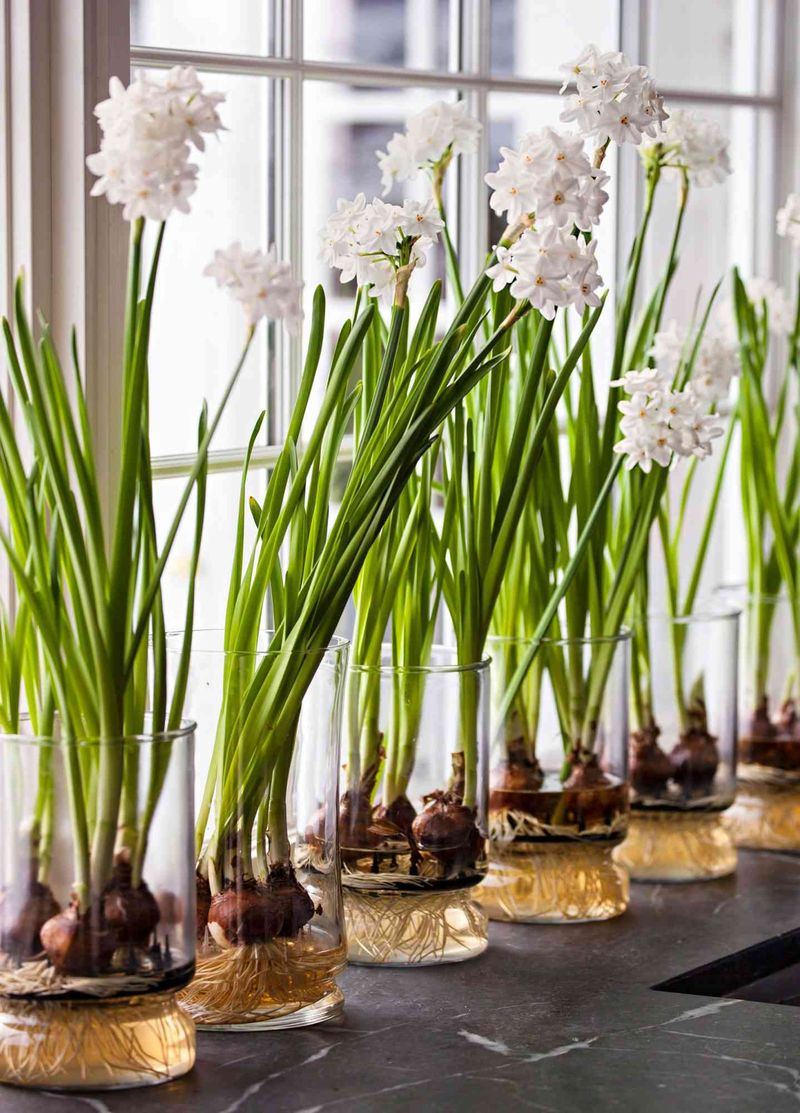
Sweet fragrance fills your home when paperwhites bloom, creating an instant mood lift during gray Illinois winters.
These delicate white flowers grow in clusters atop slender green stems, producing a classic look that fits any decorating style.
Best of all, paperwhites require no soil to grow successfully, making them one of the easiest winter flowers for beginners.
You can force paperwhite bulbs in water using decorative containers filled with pebbles or glass beads.
Simply nestle the bulbs among the stones, add water until it barely touches the bulb bottoms, and watch roots develop within days.
Within three to four weeks, you’ll have beautiful blooms that brighten windowsills, countertops, or bathroom vanities.
Their perfume is distinctive and strong, so place them in areas where you’ll appreciate the scent without it becoming overwhelming.
Some people find the fragrance heavenly, while others prefer smaller groupings in well-ventilated spaces.
Your Illinois Garden Changes Every Week. Your Plan Should Too.
Gardening in Illinois changes quickly throughout the season. Every Friday you’ll receive a simple weekly plan showing exactly what to plant, prune, fertilize, harvest, and protect so you never miss the right timing.
Either way, the visual beauty of paperwhites makes them worthwhile.
Illinois homeowners often start several containers at two-week intervals, creating a continuous display of fresh blooms throughout winter.
This staggered approach means you always have something flowering when the weather outside is miserable.
Paperwhites bring elegance without demanding expertise, making them perfect for busy households that want beauty without complicated care routines.
3. Cyclamen
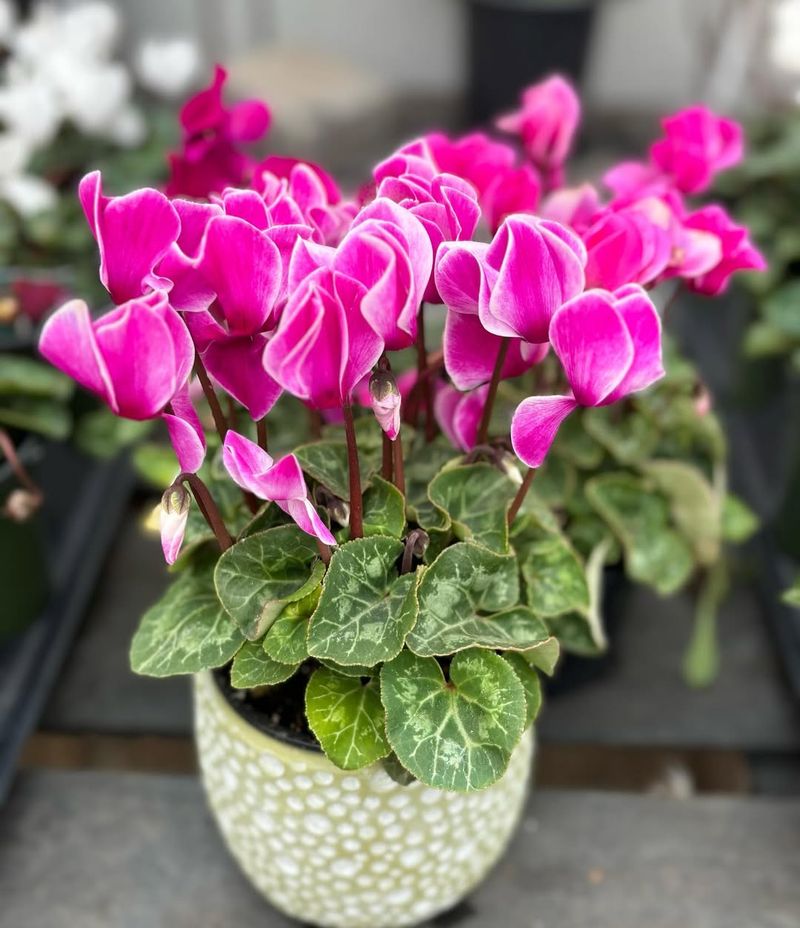
Delicate upswept petals give cyclamen flowers a butterfly-like appearance that captivates anyone who sees them.
Available in shades of pink, red, white, and purple, these charming plants bloom prolifically throughout winter when given proper care.
The heart-shaped leaves often feature attractive silver patterns, adding visual interest even when flowers fade.
Cyclamen prefer cooler temperatures than many houseplants, making them ideal for Illinois homes where rooms stay comfortably cool during winter.
They thrive in bright, indirect light near windows but away from heating vents that might dry them out.
Watering requires attention because cyclamen dislike both soggy soil and complete dryness.
The trick is watering from below by placing the pot in a saucer of water for about 15 minutes, then draining excess moisture.
This method prevents crown rot while keeping roots properly hydrated.
Remove spent flowers promptly by twisting them off at the base to encourage continued blooming.
With consistent care, cyclamen can bloom for months, providing reliable color from late fall through early spring.
Illinois gardeners appreciate their long-lasting nature and the variety of colors available at garden centers throughout winter.
These plants work beautifully grouped together or displayed individually, adapting to whatever decorating approach suits your style and space.
4. Christmas Cactus
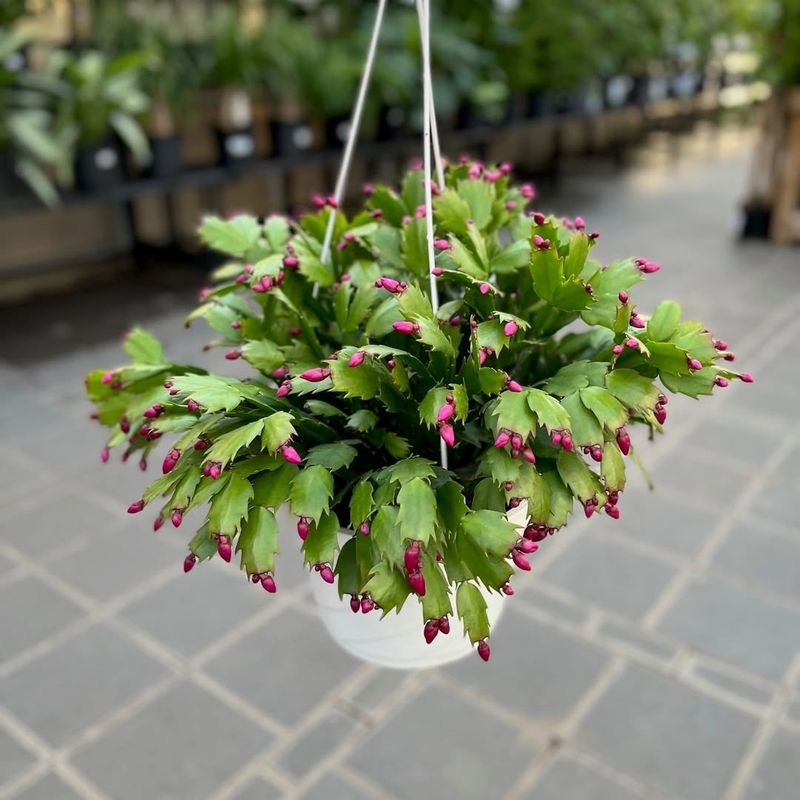
Cascading stems covered in tubular blooms make Christmas cactus a favorite among Illinois plant lovers who want reliable winter color.
Despite its name suggesting spines and desert conditions, this plant features flat, segmented leaves and prefers conditions more like a tropical forest.
Flowers appear in shades of pink, red, white, orange, and purple, often blooming right around the holidays.
Getting a Christmas cactus to bloom requires understanding its needs for darkness and cooler temperatures in the weeks leading up to flowering.
About six to eight weeks before you want blooms, give the plant 12 to 14 hours of complete darkness each night while reducing watering slightly.
This mimics the shorter days of fall and triggers bud formation.
Once buds appear, resume normal care with regular watering and bright, indirect light.
The flowers last for several weeks, and with proper care, Christmas cactus can rebloom multiple times throughout winter.
These plants live for decades, often becoming family heirlooms passed down through generations.
Illinois homeowners value Christmas cactus for its forgiving nature and longevity.
Even if you forget to water occasionally, these resilient plants bounce back quickly.
Their arching growth habit makes them perfect for hanging baskets or elevated shelves where blooms can cascade gracefully, creating a stunning display that improves any indoor space during cold months.
5. Orchids
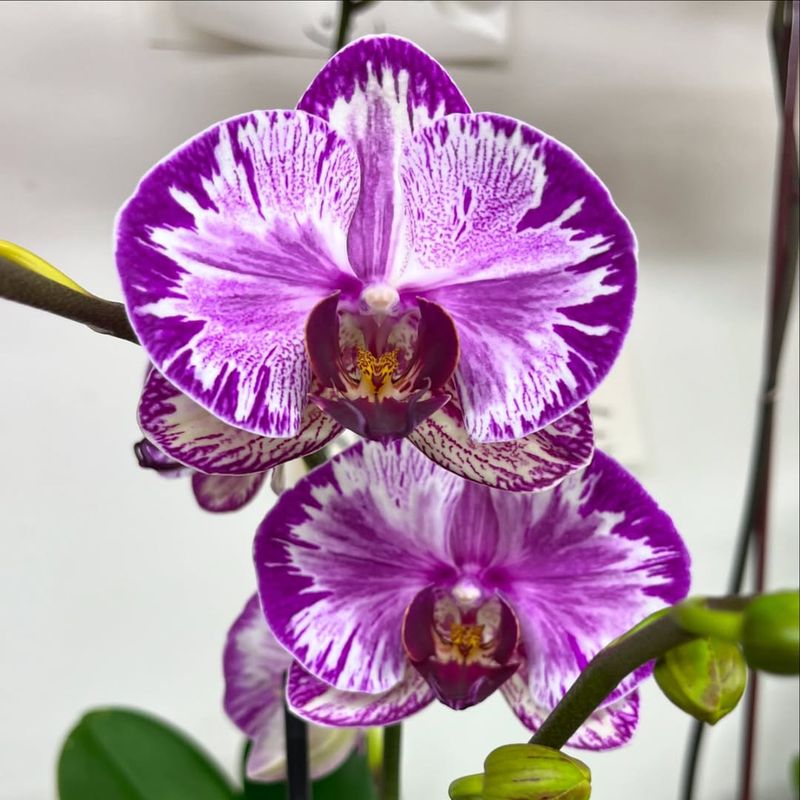
Exotic elegance comes home when you grow orchids during Illinois winters, and they’re far easier to care for than their reputation suggests.
Phalaenopsis orchids, commonly called moth orchids, are the most beginner-friendly variety, producing long-lasting blooms that can persist for three months or more.
Their graceful arching stems display flowers in white, pink, purple, yellow, and multicolored patterns.
Orchids thrive in the same temperatures that keep humans comfortable, making them ideal houseplants for winter.
They prefer bright, indirect light from east or west windows and need watering only when the potting medium feels dry to the touch.
Overwatering causes more orchid problems than underwatering, so err on the side of caution.
Many Illinois gardeners water orchids by placing them in the sink once weekly, running lukewarm water through the pot for about a minute, then allowing complete drainage.
This method prevents water from accumulating in the crown, which can cause problems.
Feed orchids monthly with diluted fertilizer designed specifically for these plants.
After blooms fade, cut the flower spike above a node to potentially encourage reblooming, or remove it entirely for the plant to rest.
With minimal effort, orchids reward you with sophisticated beauty that elevates your home’s atmosphere.
Their long bloom period makes them excellent value, providing months of enjoyment from a single plant that costs less than most flower arrangements.
6. Kalanchoe
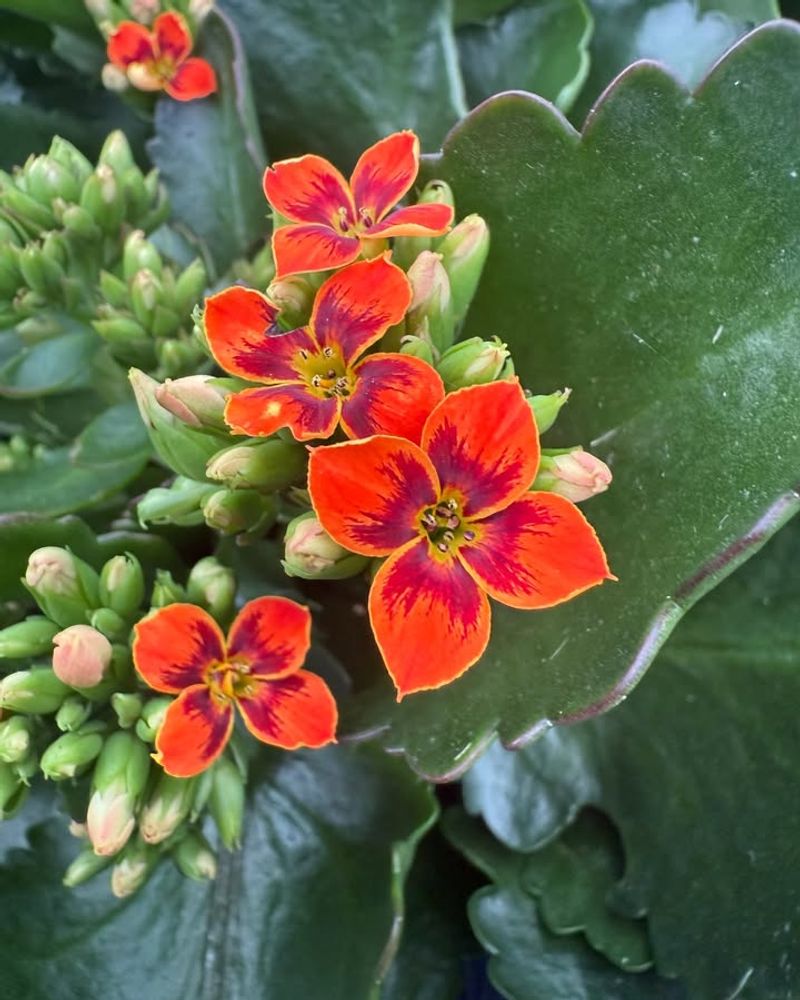
Cheerful clusters of small flowers top this succulent plant, creating pops of color that last for weeks in Illinois homes.
Kalanchoe blooms come in vibrant shades of red, orange, yellow, pink, and white, with each flower cluster containing dozens of tiny blossoms.
The thick, glossy leaves store water, making kalanchoe incredibly forgiving if you occasionally forget to water.
Bright light is essential for kalanchoe to bloom well, so place them in south-facing windows where they’ll receive several hours of direct sun daily.
These plants actually prefer to dry out between waterings, making them perfect for busy people who can’t maintain fussy watering schedules.
Water thoroughly when the soil feels completely dry, then allow excess water to drain away.
Kalanchoe blooms naturally in winter when given proper light conditions and cooler night temperatures.
After the initial flowering period ends, you can encourage reblooming by providing the plant with 12 to 14 hours of darkness daily for several weeks.
This mimics the short winter days that trigger bud formation in their native habitat.
Illinois gardeners appreciate how kalanchoe combines beauty with resilience, thriving even in homes with lower humidity levels common during winter heating season.
These compact plants fit perfectly on kitchen windowsills, bathroom counters, or office desks, bringing reliable color to small spaces that need brightening during the darkest months of the year.
7. Poinsettia
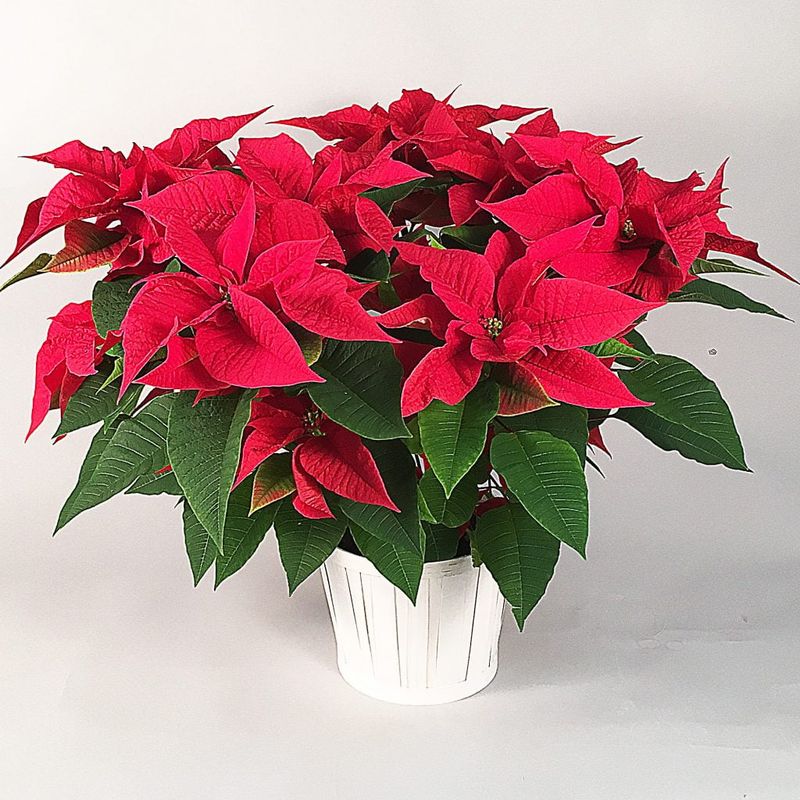
Vibrant red bracts make poinsettias synonymous with winter holidays, but these versatile plants now come in pink, white, cream, and even speckled varieties.
What many people think are petals are actually modified leaves called bracts, while the true flowers are the tiny yellow clusters in the center.
Illinois homeowners traditionally display poinsettias from Thanksgiving through New Year, though with proper care they can last much longer.
Poinsettias need bright, indirect light and consistent temperatures between 65 and 75 degrees to maintain their colorful display.
Keep them away from cold drafts near doors or windows, and protect them from hot air blowing from heating vents.
Water when the soil surface feels dry, ensuring the pot drains completely to prevent root problems.
Many people discard poinsettias after the holidays, but you can keep them as houseplants year-round.
Getting them to turn colorful again next winter requires strict light control, giving them 14 hours of complete darkness daily for eight weeks starting in October.
This process demands dedication, but some Illinois gardeners enjoy the challenge.
Choose poinsettias with small, tight flower clusters that haven’t yet opened fully, as these will last longer.
Check that the colorful bracts show no signs of wilting or damage, and examine the soil to ensure it’s moist but not waterlogged, indicating proper care at the store.
8. African Violet
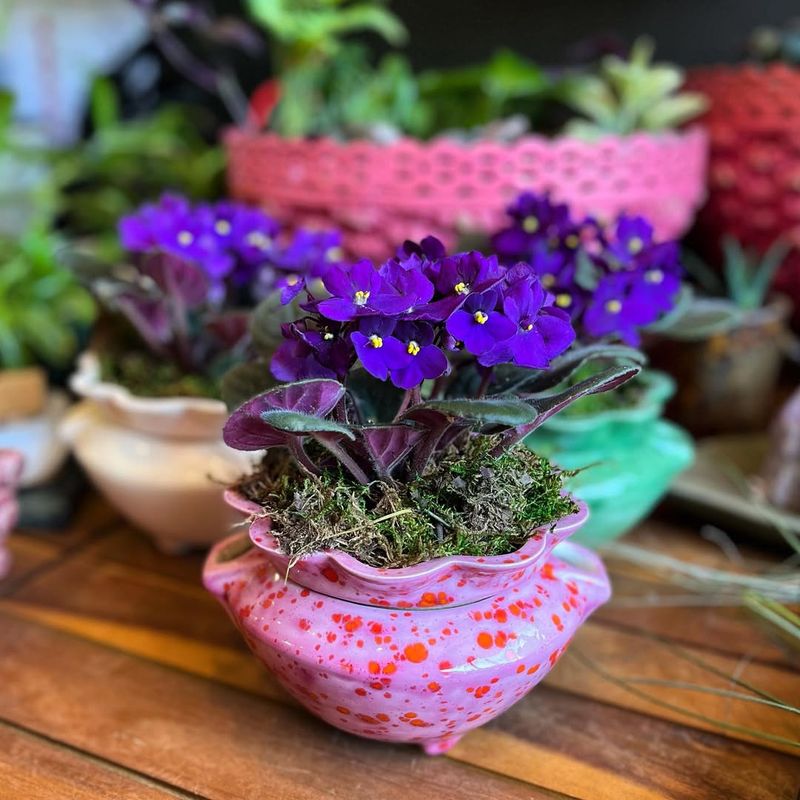
Fuzzy leaves and delicate blooms have made African violets beloved houseplants for generations of Illinois gardeners.
These compact plants produce clusters of flowers in shades of purple, pink, white, and blue, often with contrasting centers or ruffled edges.
When happy with their conditions, African violets bloom almost continuously throughout winter, providing steady color when outdoor gardens lie dormant.
The key to success with African violets is providing bright, indirect light and keeping their fuzzy leaves dry.
Water from below by setting the pot in a saucer of water for about 30 minutes, then draining any excess.
This method prevents water spots on leaves and reduces the risk of crown rot that can occur when water sits in the plant’s center.
African violets prefer slightly cooler temperatures at night, which naturally occurs in most Illinois homes during winter.
They also appreciate higher humidity, so group several plants together or place them on trays filled with pebbles and water to increase moisture in the air around them.
Feed monthly with fertilizer formulated specifically for African violets to encourage abundant blooming.
These plants stay compact, making them perfect for small spaces like bathroom windowsills, bedside tables, or kitchen counters.
Many collectors enjoy seeking out unusual varieties with different flower forms, leaf patterns, or color combinations, building impressive displays that bloom reliably throughout the coldest months when cheerful flowers matter most.
9. Hyacinth
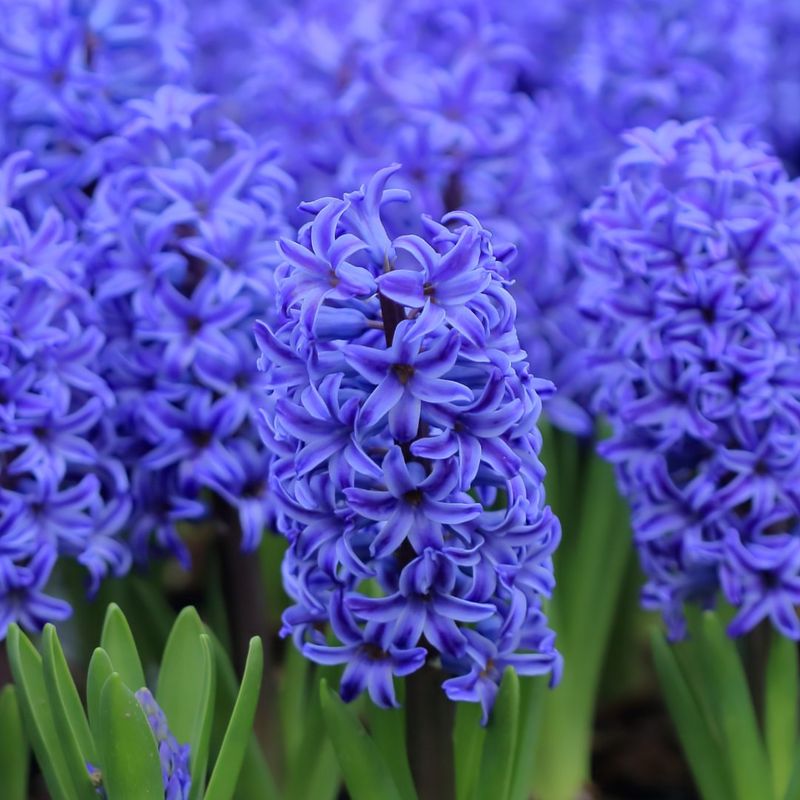
Intoxicating fragrance announces when hyacinths bloom, filling Illinois homes with a scent that signals spring despite winter weather outside.
Dense flower spikes packed with individual blooms come in pink, purple, white, yellow, and blue, creating stunning displays on windowsills and tables.
Forcing hyacinth bulbs indoors ranks among the most rewarding winter gardening projects because results are virtually guaranteed with minimal effort.
To force hyacinths, you need pre-chilled bulbs available at garden centers in fall, or you can chill regular bulbs yourself in the refrigerator for 12 to 16 weeks.
Plant chilled bulbs in pots with drainage, or use special forcing vases that suspend the bulb above water, allowing roots to grow downward while the bulb stays dry.
Place containers in a cool, dark location for several weeks until roots develop and shoots emerge.
Once shoots reach about two inches tall, move containers to bright, indirect light in a cool room.
Warmer temperatures cause hyacinths to bloom quickly but with weaker stems that may need staking.
Cooler conditions produce sturdier plants with longer-lasting flowers, though blooming takes a bit more time.
The powerful perfume of hyacinths can overwhelm small spaces, so consider placing them in living rooms or entryways where air circulates freely.
Starting several bulbs at two-week intervals creates a succession of blooms throughout winter, ensuring your home always has that wonderful springtime scent even when snow covers the ground outside.
10. Begonia
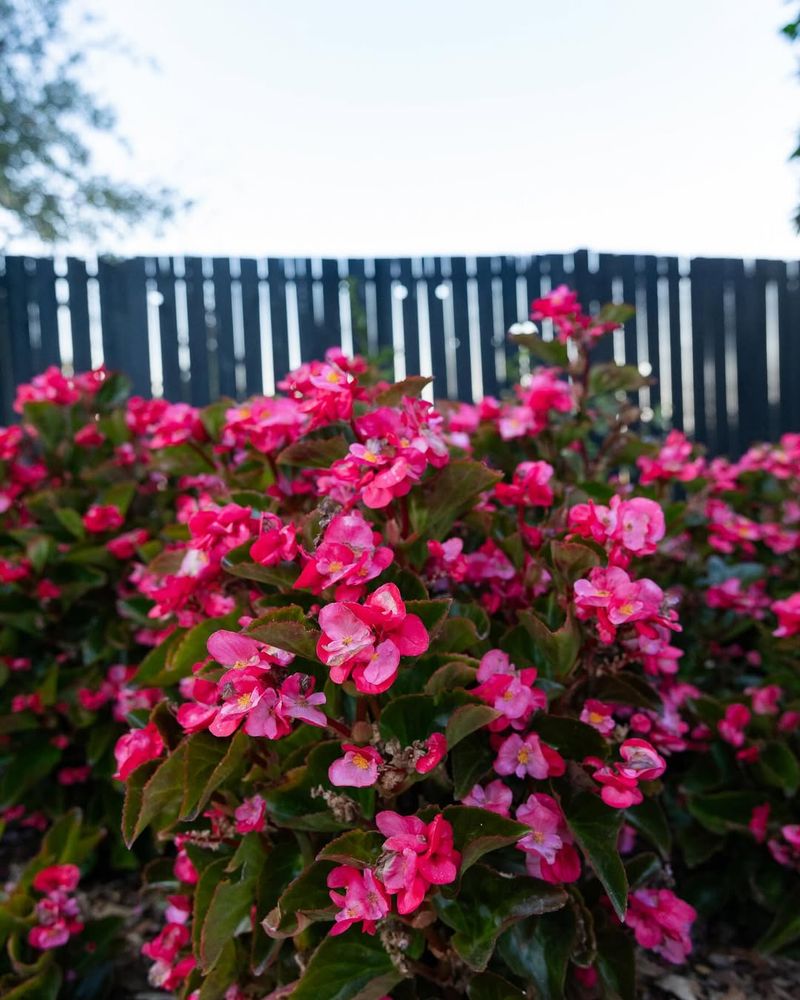
Lush blooms and attractive foliage make begonias excellent dual-purpose plants for Illinois homes during winter months.
Wax begonias produce masses of small flowers in red, pink, or white, while Rex begonias offer spectacular leaf patterns even when not flowering.
Tuberous begonias create larger, rose-like blooms that command attention in any setting, though they require slightly more care than other varieties.
Begonias adapt well to indoor conditions, preferring bright, indirect light and consistent moisture without waterlogged soil.
Allow the top inch of soil to dry between waterings, then water thoroughly until excess drains from the pot.
These plants appreciate humidity, benefiting from regular misting or placement on humidity trays filled with pebbles and water.
Pinch back leggy growth to encourage bushier plants with more flowering points.
Remove spent blooms promptly to redirect energy into producing new flowers rather than seed formation.
Feed begonias every two weeks during active growth with diluted liquid fertilizer to support continuous blooming throughout winter.
Illinois gardeners value begonias for their versatility and reliability in low-light conditions common during short winter days.
They work beautifully in hanging baskets where flowers can cascade over the sides, or in tabletop pots where both blooms and foliage create visual interest.
With dozens of varieties available, you can find begonias to match any color scheme or decorating style in your home.
11. Jasmine
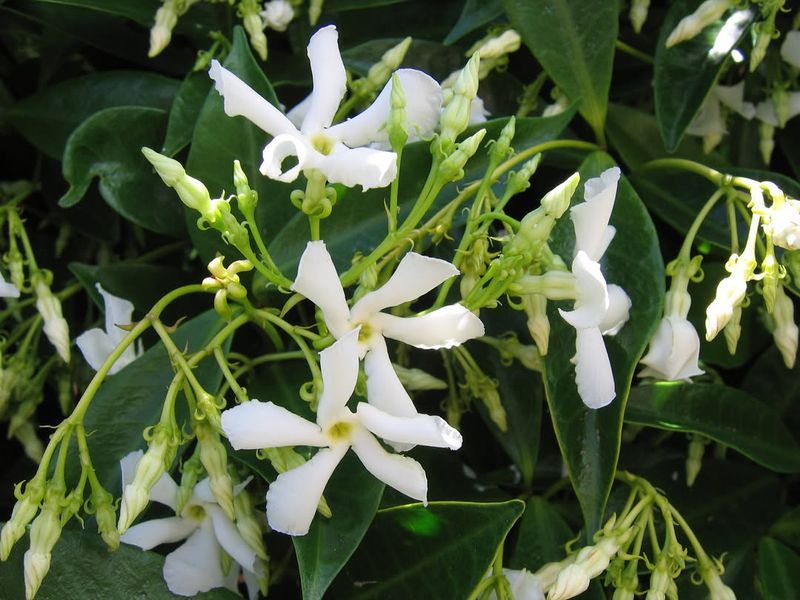
Heavenly scent from tiny white flowers makes indoor jasmine a sensory delight during Illinois winters when fresh fragrances are rare.
Winter jasmine and Arabian jasmine both bloom indoors with proper care, producing star-shaped flowers that release their strongest perfume during evening hours.
The climbing nature of jasmine vines adds vertical interest to indoor spaces, training easily onto small trellises or wire forms.
Jasmine demands bright light to bloom well, so position plants in south or west windows where they’ll receive at least four hours of direct sun daily.
These plants prefer cooler temperatures than many houseplants, thriving in rooms kept between 60 and 75 degrees.
Water consistently to keep soil evenly moist but never soggy, as jasmine dislikes both drought and waterlogged conditions.
High humidity encourages better flowering and prevents leaf drop, so mist plants regularly or use a humidifier nearby during dry winter months.
Feed monthly with balanced liquid fertilizer diluted to half strength to support continuous blooming without encouraging excessive leafy growth.
Prune after flowering to maintain desired size and shape, as jasmine can become quite vigorous when happy.
The romantic fragrance of jasmine transforms ordinary rooms into spa-like retreats, making winter evenings feel special despite cold weather outside.
Illinois homeowners who successfully grow jasmine indoors often report that the effort required is worthwhile for the incredible perfume that fills their homes during the darkest, coldest months of the year.
12. Primrose
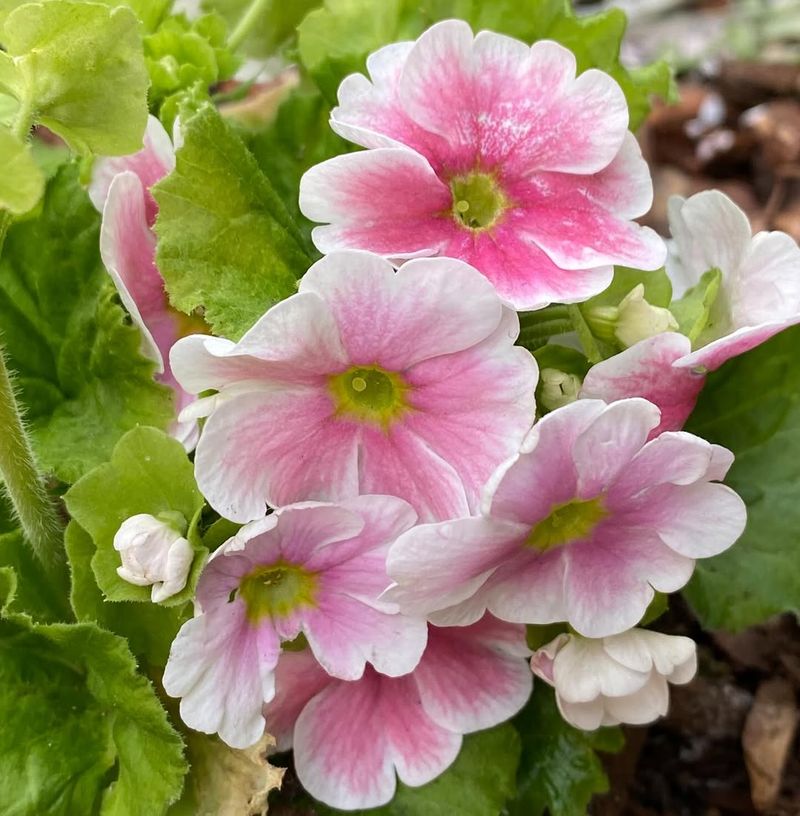
Cheerful flowers in every color imaginable make primroses perfect mood boosters during dreary Illinois winters.
These compact plants produce clusters of blooms with distinctive yellow centers, creating a cottage garden feel indoors when outdoor gardens sleep under snow.
Primroses bloom prolifically when given cool temperatures and bright light, often flowering continuously for several months with proper care.
Cool conditions are essential for primrose success, as these plants struggle in typical heated home environments.
Place them in the coolest bright location available, such as an enclosed porch, unheated sunroom, or bedroom kept at lower temperatures.
Ideal conditions range from 50 to 65 degrees, which challenges many Illinois homeowners but rewards those who can provide it.
Keep soil consistently moist but not waterlogged, checking daily as primroses wilt quickly when too dry.
Remove faded flowers regularly to encourage continued blooming and prevent the plant from setting seed.
Feed every two weeks with diluted liquid fertilizer to support the energy demands of producing so many flowers.
Many Illinois gardeners treat primroses as temporary displays, enjoying them for several weeks before composting them when blooming slows.
However, if you can provide cool conditions and consistent care, primroses may continue flowering for months.
Their bright colors and compact size make them perfect for brightening kitchen windowsills, bathroom counters, or bedside tables during the long stretch between fall and spring.