9 Hints A Rabbit Has Been Feeding In Your Iowa Yard Unnoticed
A calm Iowa yard can fool anyone into thinking all is quiet, yet a hungry rabbit can turn it into a secret supper spot before dawn.
These soft-footed nibblers move with the ease of old pros, slipping between garden beds and grassy corners as if the place belongs to them.
One day your plants look sturdy and full, and the next they seem trimmed by an invisible hand.
Rabbits know how to stay under the radar, leaving only small hints that something was chewing through the night.
A neat row of clipped stems, a patch of fresh tracks, or a sprinkle of droppings can tell a bigger story for anyone who takes the time to look.
Each clue adds a piece to the puzzle, showing how this quiet guest made the most of your yard.
With a sharp eye and a bit of patience, you can spot the signs long before the next round of snacking begins.
1. Clean, Angled Cuts On Plant Stems And Leaves
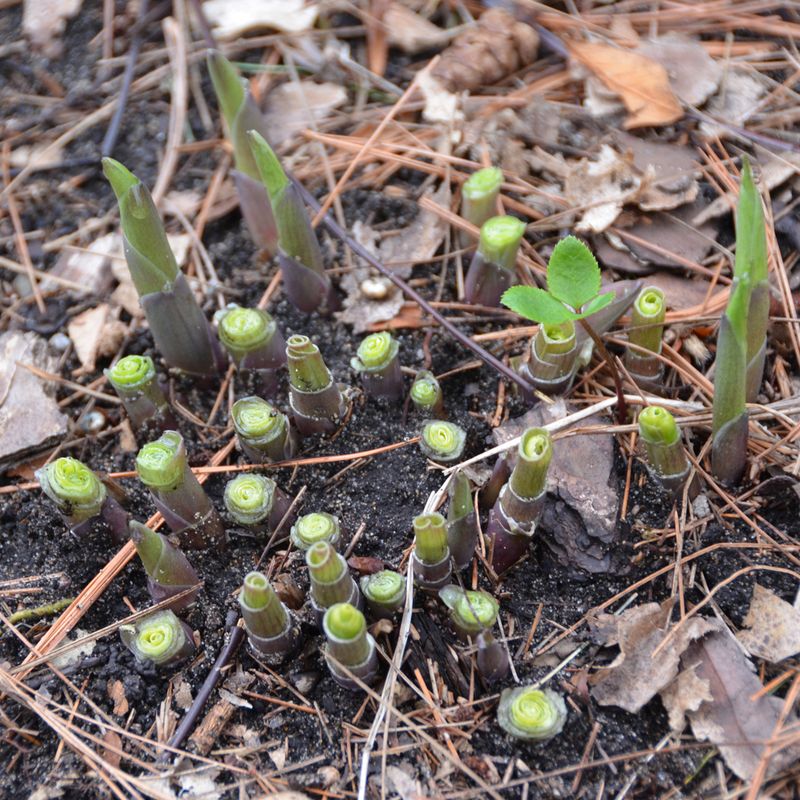
Rabbits possess sharp front teeth that slice through vegetation like tiny garden shears, leaving behind distinctively clean cuts.
When you spot stems and leaves with precise, angled edges rather than jagged tears, rabbits are likely the culprits visiting your Iowa yard after dark.
This cutting pattern differs dramatically from deer browsing, which creates rough, shredded edges because deer lack upper incisors.
The cuts typically appear at a 45-degree angle, positioned low to the ground where rabbits can comfortably reach while sitting or standing on their hind legs.
Young plants, tender shoots, and leafy vegetables are favorite targets throughout Iowa landscapes.
Examine your hostas, lettuce, peas, and bean plants closely for these telltale snips.
Early morning inspections work best for catching fresh damage before the day heats up.
Look particularly around the base of plants where rabbits prefer to nibble.
If you notice multiple plants showing this same cutting pattern, you’re dealing with regular rabbit visitors who have discovered your yard offers a reliable food source.
Protecting vulnerable plants with chicken wire fencing or row covers can prevent further damage once you’ve identified this signature feeding behavior in your Iowa garden.
2. Small, Round Droppings Scattered Near Plants
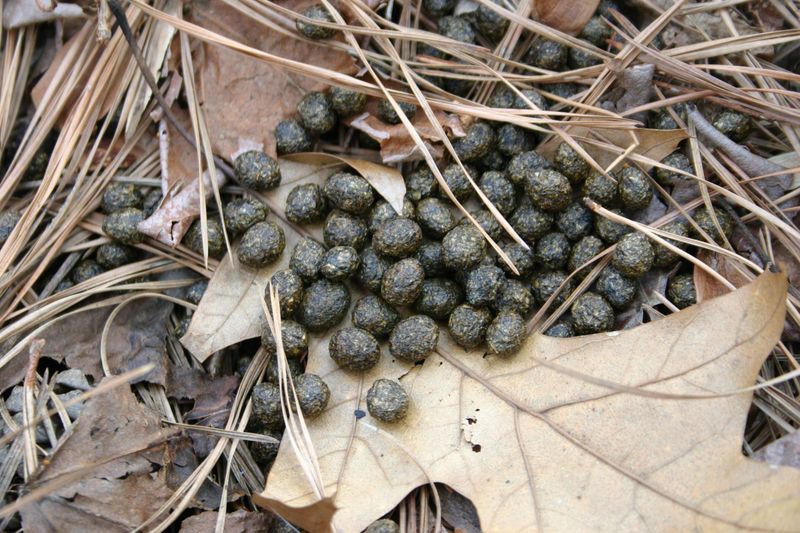
One unmistakable calling card rabbits leave behind comes in the form of their distinctive droppings.
These small, round pellets measure about the size of peas and appear scattered throughout feeding areas in your Iowa yard.
The droppings have a dry, fibrous texture and typically display a light to dark brown color depending on what the rabbits have been eating.
Unlike other wildlife waste, rabbit pellets are remarkably uniform in shape and size, making them easy to identify once you know what to look for.
You’ll often find clusters of these droppings near plants that show feeding damage, along garden edges, or underneath shrubs where rabbits feel protected while dining.
Fresh droppings appear moist and darker, while older ones dry out and lighten in color.
Check areas around your vegetable garden, flower beds, and lawn perimeters regularly for these telltale signs.
Your Iowa Garden Changes Every Week. Your Plan Should Too.
Gardening in Iowa changes quickly throughout the season. Every Friday you’ll receive a simple weekly plan showing exactly what to plant, prune, fertilize, harvest, and protect so you never miss the right timing.
Rabbits tend to establish regular feeding routes through Iowa yards, so droppings often appear in the same locations night after night.
The quantity of pellets can indicate how many rabbits are visiting and how frequently they’re feeding.
Finding these droppings confirms rabbit activity even when you haven’t spotted the animals themselves during daylight hours.
3. Missing Flowers And Buds Overnight
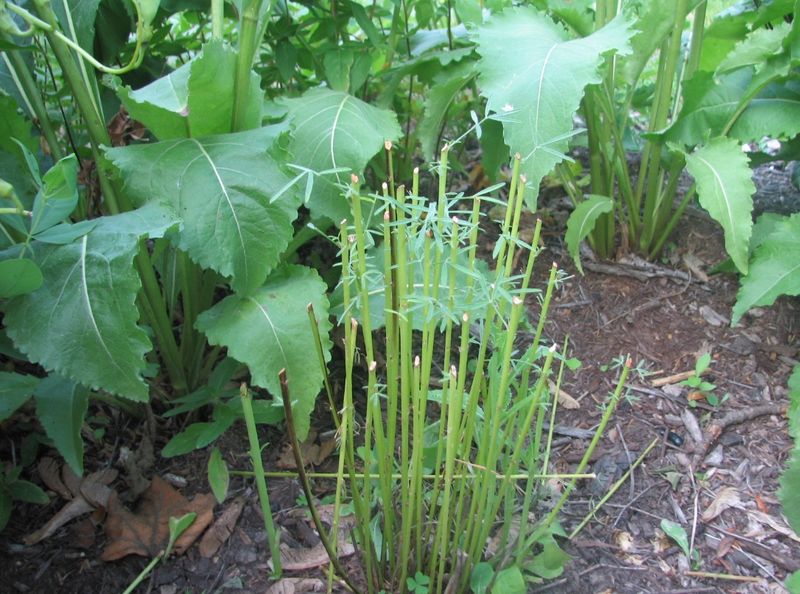
Have your beautiful blooms mysteriously vanished between sunset and sunrise?
Rabbits consider flowers a delicacy, and they’re particularly fond of certain varieties that grow abundantly in Iowa gardens.
Tulips, pansies, petunias, and impatiens rank among their favorite floral snacks, often disappearing completely while you sleep.
The frustrating part about this feeding behavior is how selective rabbits can be, sometimes nibbling every single bud off a plant while leaving the stems perfectly intact.
You might wake up to find green stalks standing where colorful flowers bloomed just yesterday.
This selective feeding pattern distinguishes rabbit damage from storm damage or other garden problems.
Rabbits typically feed during dawn and dusk hours when Iowa homeowners are indoors, making them difficult to catch in the act.
They stand on their hind legs to reach blooms, sometimes stretching surprisingly high to access tempting flowers.
Spring and early summer bring the most intense flower feeding as fresh growth emerges and rabbits seek nutritious food sources.
If you notice this pattern repeating, consider planting rabbit-resistant flowers like marigolds, zinnias, or lavender.
These alternatives provide beautiful color while being less appealing to hungry rabbits roaming through your Iowa landscape at night.
4. Bark Stripped From Young Trees And Shrubs
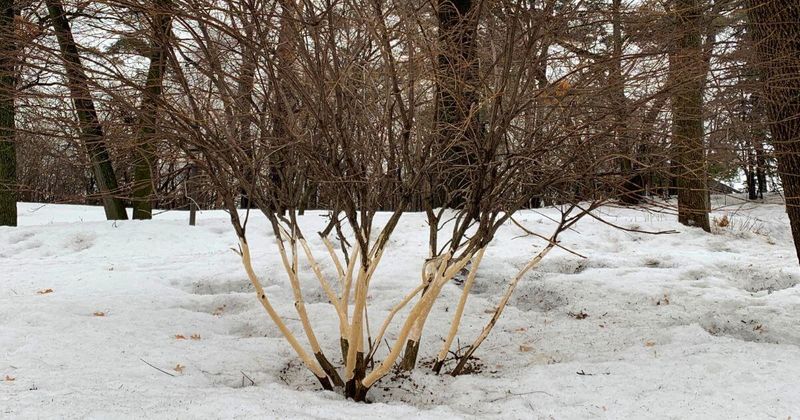
Winter and early spring in Iowa bring a particularly destructive rabbit behavior that threatens young trees and ornamental shrubs.
When other food sources become scarce, rabbits turn to gnawing bark from woody plants, leaving distinctive damage patterns that can seriously harm or even compromise plant health.
The stripped areas typically encircle the trunk near ground level, exactly where rabbits can reach while standing.
This bark removal creates visible light-colored patches on darker tree trunks, making the damage easy to spot during yard inspections.
Fruit trees, maple saplings, and burning bush shrubs are especially vulnerable to this type of feeding.
The gnaw marks appear as parallel scrapes from rabbit teeth, different from the broader scratches that other animals might leave.
Complete girdling happens when rabbits strip bark entirely around a trunk’s circumference, which interrupts nutrient flow and can cause severe damage to the plant.
Young trees with thin bark face the greatest risk throughout Iowa’s colder months when rabbits desperately seek any available food source.
Check vulnerable trees regularly from late fall through early spring.
Wrapping tree trunks with hardware cloth or plastic guards provides effective protection against this damaging rabbit behavior in your Iowa yard.
5. Shallow Digging And Disturbed Mulch
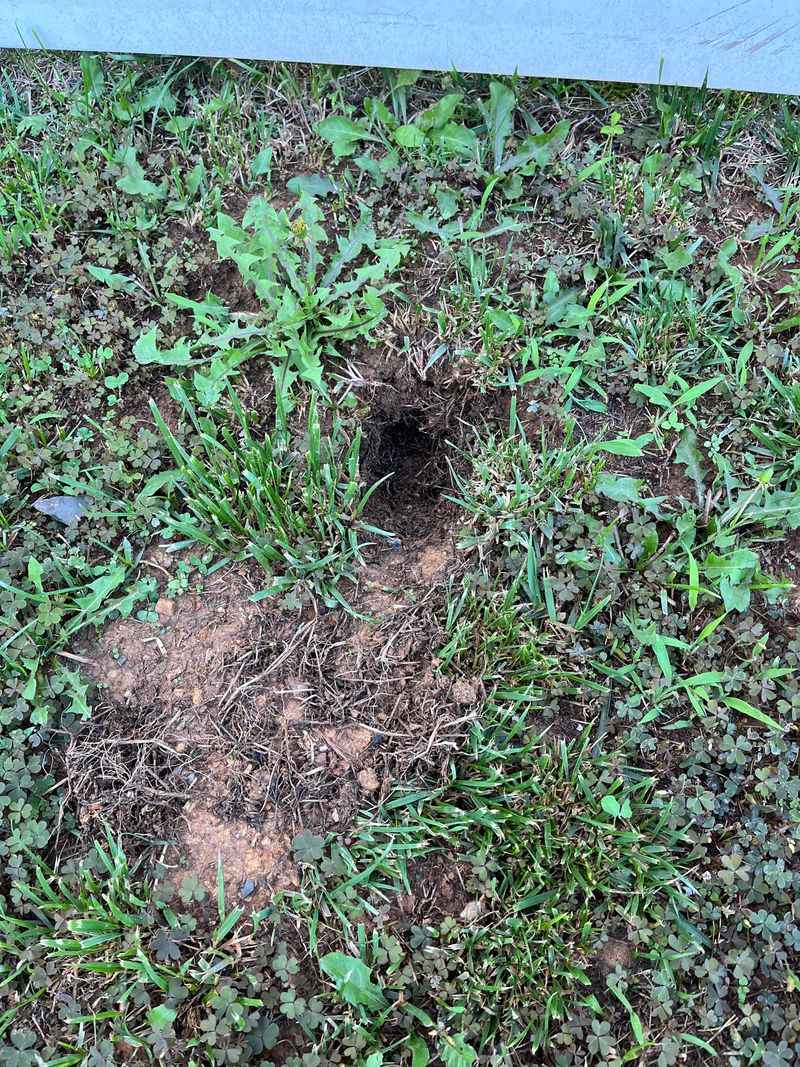
Rabbits don’t just eat above-ground vegetation; they also create shallow disturbances while foraging for roots, bulbs, and tender underground plant parts.
If you’ve noticed mulch scattered away from flower beds or small depressions appearing in garden soil, rabbits might be the explanation.
These digging efforts differ from the deeper holes that groundhogs or squirrels excavate.
The disturbed areas typically measure just a few inches deep and wide, appearing as small scooped-out sections in otherwise neat garden beds.
Rabbits use their front paws to scratch away surface material, searching for tasty morsels hidden beneath.
Iowa gardeners often discover these shallow excavations around newly planted bulbs, which rabbits find particularly irresistible during planting season.
Mulch gets pushed aside and scattered, creating messy-looking areas that require frequent tidying.
You might also notice small paw prints in soft soil near these disturbed spots, another confirmation of rabbit activity.
The digging usually happens overnight, so fresh disturbances appear by morning in areas that looked perfect the evening before.
Placing chicken wire over newly planted bulbs and securing mulch with additional soil coverage can discourage this frustrating behavior.
Regular monitoring helps you catch and address rabbit digging before it damages valuable plants in your Iowa landscape.
6. Nibbled Vegetable Garden Crops
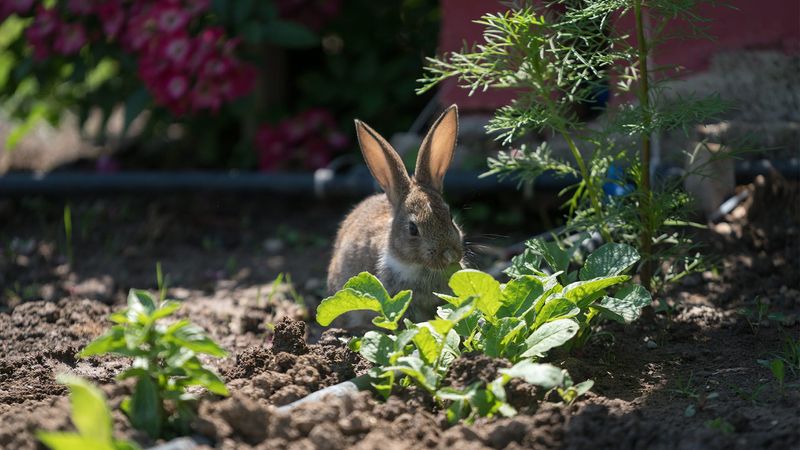
Your vegetable garden represents an all-you-can-eat buffet for hungry rabbits exploring Iowa yards at night.
Lettuce, spinach, peas, beans, and carrot tops rank among their absolute favorite menu items, and a single rabbit can consume surprising amounts of produce during one feeding session.
The damage appears as partially eaten leaves, missing plant sections, and crops that seem to shrink overnight.
Rabbits prefer tender, young growth over mature, tougher vegetation, so seedlings and early-season crops face the highest risk.
They typically start eating from the outside edges of leaves, working their way inward and leaving characteristic bite patterns.
Unlike insect damage that creates holes within leaves, rabbit feeding removes entire sections from leaf margins.
Garden rows closest to lawn edges, brush piles, or other cover areas experience the most damage because rabbits feel safer feeding near escape routes.
They’re cautious creatures who won’t venture far into open spaces where predators might spot them.
Iowa gardeners often lose entire plantings of bush beans or lettuce rows before realizing rabbits have established a nightly feeding routine.
Installing low fencing around vegetable gardens provides the most reliable protection.
The barrier should extend at least two feet high and be buried several inches underground to prevent rabbits from squeezing underneath.
7. Trails And Paths Through Tall Grass
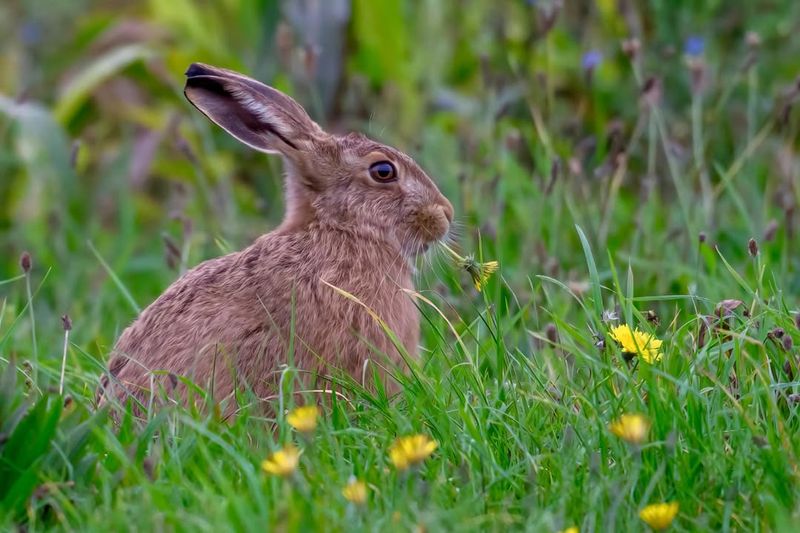
Rabbits are creatures of habit who establish regular travel routes between their shelter areas and preferred feeding locations in your Iowa yard.
These pathways appear as narrow trails through tall grass, groundcover, or along fence lines where vegetation gets repeatedly flattened by nightly traffic.
The trails measure just a few inches wide, perfectly sized for a rabbit’s body as it moves through your landscape.
Unlike deer paths that create wider, more obvious trails, rabbit runs are subtle and easily overlooked unless you’re specifically searching for them.
The grass along these routes looks compressed and slightly worn compared to surrounding areas.
You’ll often find these trails leading from brushy areas, woodpiles, or dense shrubs toward your garden beds and flower plantings where rabbits regularly feed.
Early morning dew makes these pathways more visible, as the flattened grass dries differently than upright blades.
Following the trails backward from your garden often reveals where rabbits are entering your property or where they’re sheltering during daylight hours.
Multiple intersecting trails suggest several rabbits are using your Iowa yard as their territory.
Identifying these travel routes helps you understand rabbit movement patterns and determine the best locations for deterrents or barriers to protect your landscape effectively.
8. Plants Clipped At Ground Level
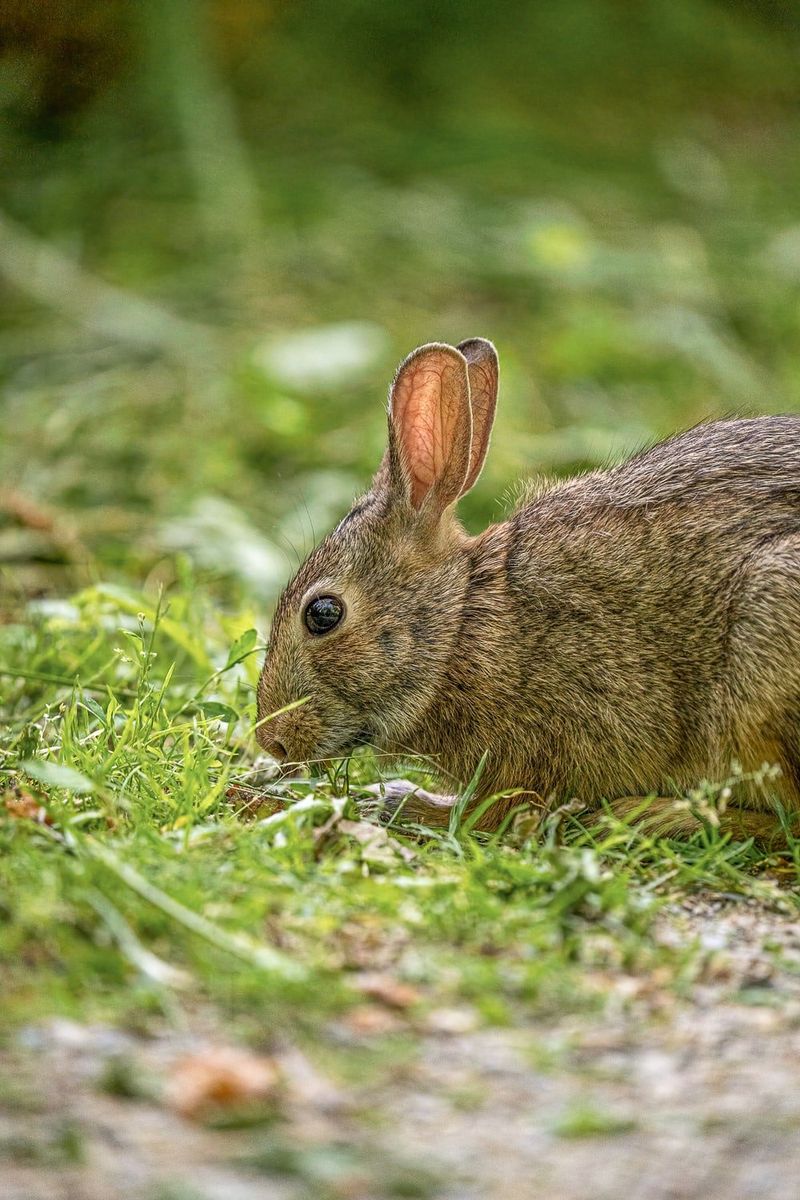
Perhaps the most frustrating sign of rabbit feeding happens when entire plants disappear, clipped cleanly at soil level as if someone used scissors.
Young seedlings and tender transplants are especially vulnerable to this complete consumption, leaving Iowa gardeners wondering what happened to plants that were thriving just yesterday.
Rabbits sit comfortably while feeding, bringing plant stems to their mouths at a height that results in these ground-level cuts.
This feeding pattern affects various plants including hostas, young perennials, and vegetable seedlings throughout the growing season.
The remaining stem stubs show that distinctive clean, angled cut rather than a torn or broken appearance.
Sometimes you’ll find just the stem base remaining with all leaves completely consumed, other times even the stem disappears entirely.
Spring brings the highest risk for this type of damage as fresh growth emerges and rabbits seek nutritious food after Iowa’s long winter.
New plantings haven’t developed the size or toughness to withstand rabbit browsing, making them easy targets.
A rabbit can mow down an entire row of seedlings in a single night, causing significant setbacks for your garden plans.
Protecting young plants with cloches, row covers, or temporary fencing during their vulnerable early growth stages prevents this discouraging type of rabbit damage in your Iowa landscape.
9. Rabbit Sightings During Dawn Or Dusk
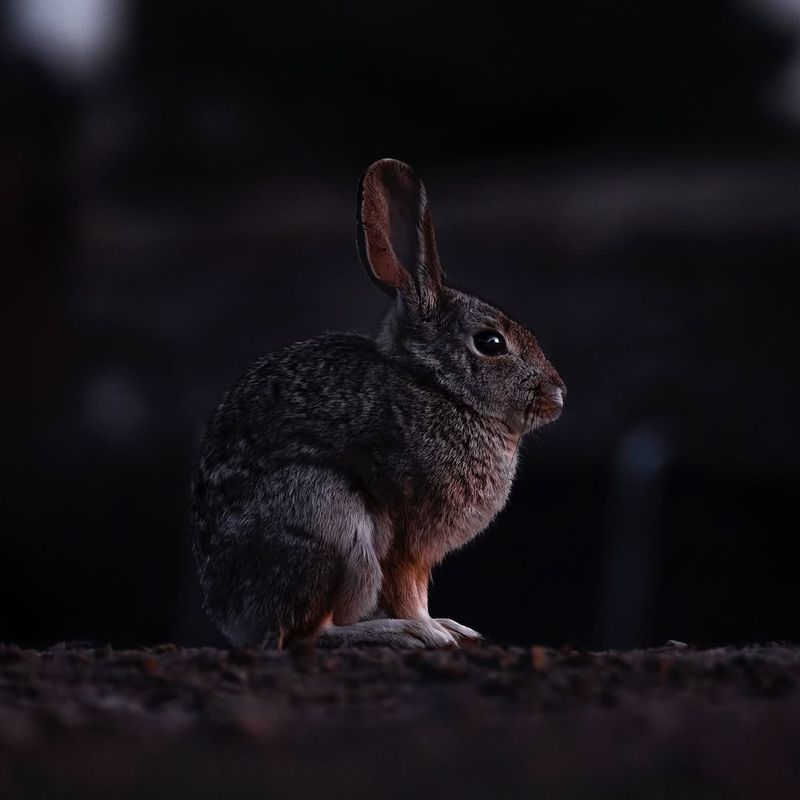
While not technically a sign of past feeding, actually spotting rabbits during twilight hours confirms they’re actively using your Iowa property as a dining destination.
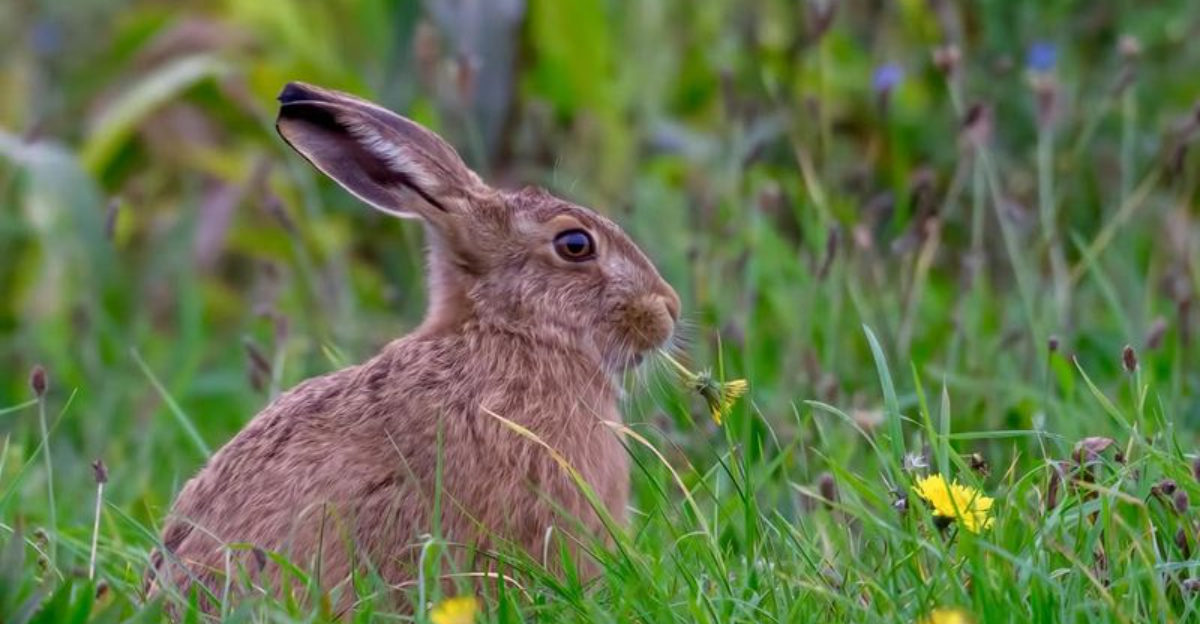
Rabbits are crepuscular, meaning they’re most active during the dim light of dawn and dusk when they feel safer from predators.
If you happen to look outside during these times and spot a cottontail munching near your garden, you’ve caught the culprit responsible for mysterious plant damage.
These sightings often happen by chance when you’re letting pets outside, retrieving the newspaper, or simply enjoying your morning coffee.
Rabbits freeze when they sense movement, relying on their camouflage coloring to avoid detection.
Their brown and gray fur blends remarkably well with Iowa’s natural landscape, making them easy to miss even when they’re sitting in plain sight.
Watch for the distinctive white cottontail that flashes when rabbits hop away after detecting your presence.
A single rabbit sighting suggests multiple rabbits likely visit your yard since these animals rarely travel alone through a territory.
Female rabbits establish home ranges that overlap with other females, while males roam more widely seeking food and mates.
Regular dawn or dusk observations help you gauge rabbit activity levels and determine whether your deterrent efforts are working to reduce their presence in your Iowa yard.